Artwork
Roundel with Daniel Slaying the Dragon
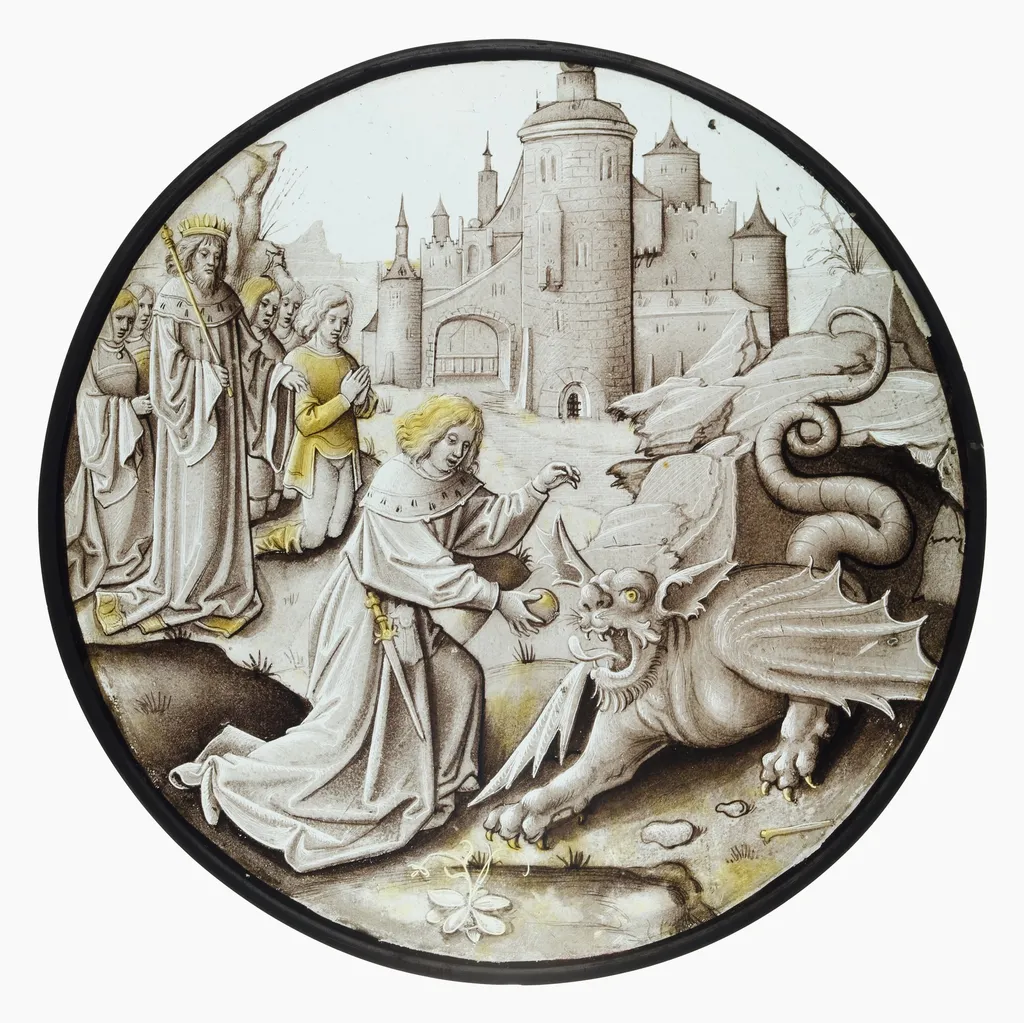
Roundel with Daniel Slaying the Dragon is an unspecified painting. It dates from 1520 and is held in the collection of the Metropolitan Museum of Art.
About this work
History & Provenance
Roundel with Daniel Slaying the Dragon is a painted work dated to 1520, executed in the style attributed to the workshop known as the Style of Pseudo-Ortkens.
Roundel with Daniel Slaying the Dragon is a painted work dated to 1520, executed in the style attributed to the workshop known as the Style of Pseudo-Ortkens. It is held in the collection of the Metropolitan Museum of Art. No documentary evidence of a specific commission survives; the work is classified as a painting and was likely produced for devotional or decorative purposes in the early sixteenth century.
Legacy
Roundel with Daniel Slaying the Dragon, dated 1520, entered the Metropolitan Museum of Art’s collection, marking its acceptance as a representative example of early sixteenth‑century Northern European narrative painting. The work’s attribution to the style of Pseudo‑Ortkens has made it a reference point for scholars examining the workshop traditions of that period, and its compositional treatment of the biblical hero has been cited in studies of later depictions of martial saints. Its display in a public museum has contributed to sustained scholarly attention and occasional inclusion in exhibitions on Renaissance art.
Overview
This painting, titled 'Roundel with Daniel Slaying the Dragon', presents a dramatic moment from the biblical narrative. Within a circular format, the prophet Daniel is depicted triumphing over a formidable dragon. A medieval castle serves as a backdrop, while onlookers observe the unfolding event.
The artwork employs strong contrasts of light and shadow to enhance the scene's intensity and focus attention on the central action.
Subject & Meaning
The artwork illustrates the apocryphal story of Daniel and the Dragon, a narrative popular in medieval Christian tradition. Daniel, identifiable by his white robe and sword, stands victorious over the large, menacing beast. The surrounding figures, dressed in period attire, witness this miraculous feat, emphasizing Daniel's divine favor and the triumph of faith over pagan idolatry, which the dragon often symbolized.
Technique & Style
The artist utilizes a roundel format, a common choice for decorative or narrative works. The composition draws the viewer's gaze directly to the confrontation between Daniel and the dragon. A notable stylistic element is the pronounced use of chiaroscuro, the strong contrast between light and dark areas.
This technique creates a sense of three-dimensionality and dramatic tension, effectively highlighting the central figures and intensifying the emotional impact of the scene.
Artist & collection

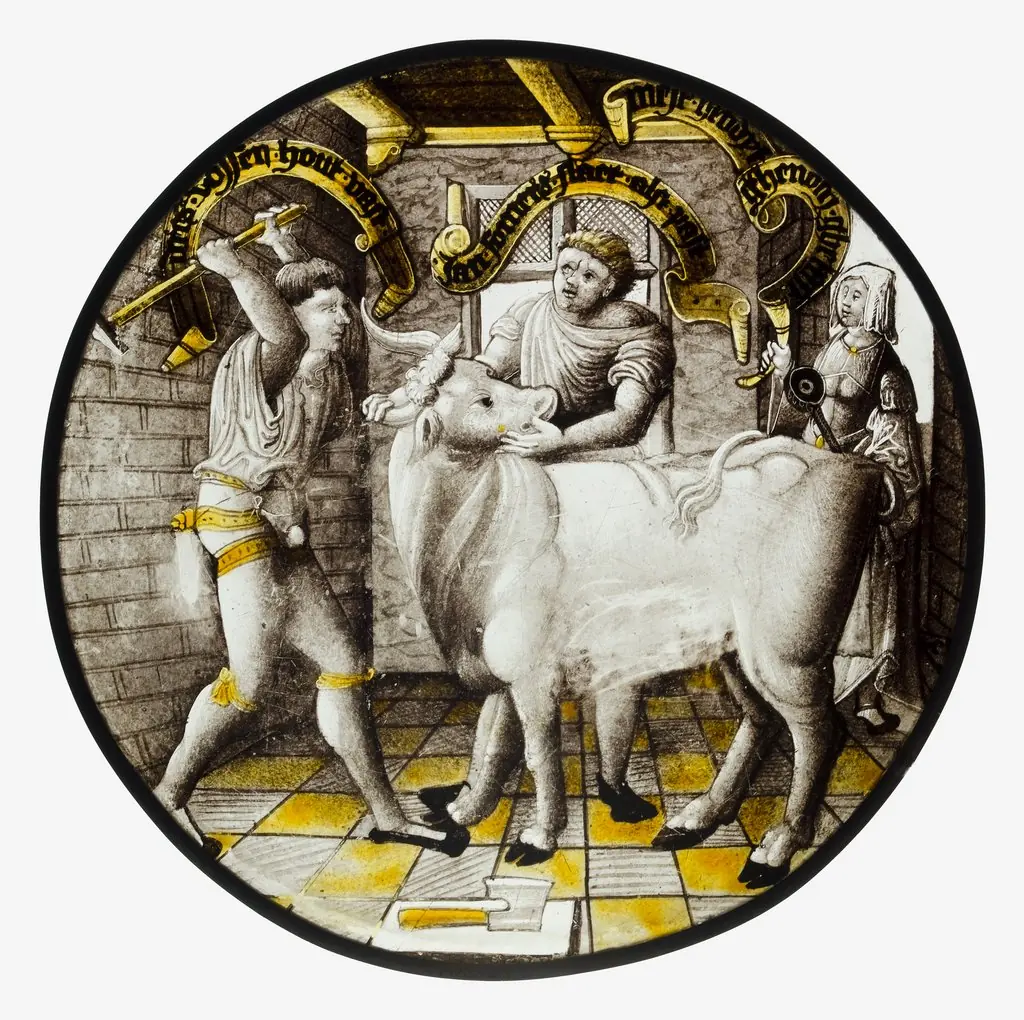
- Roundel with Killing of the Ox (December)
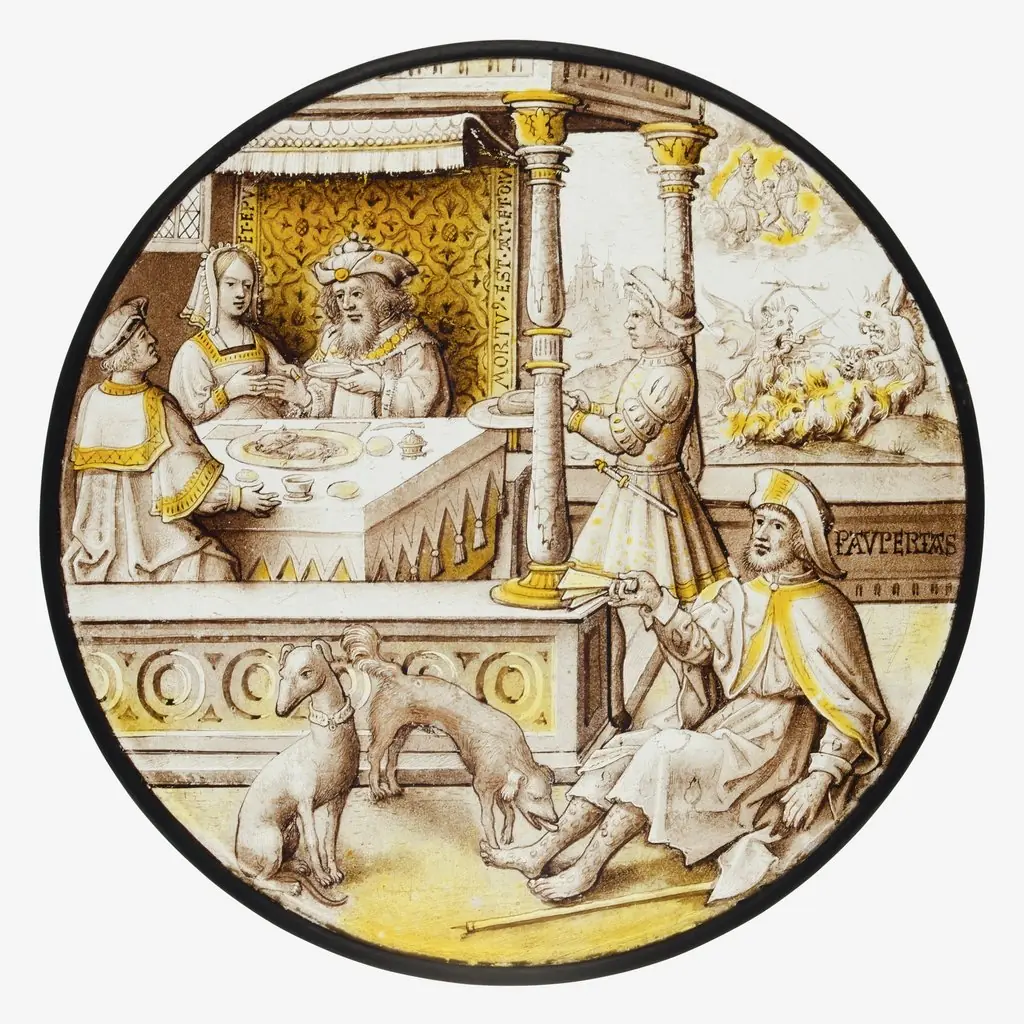 Roundel with Lazarus at the House of Dives
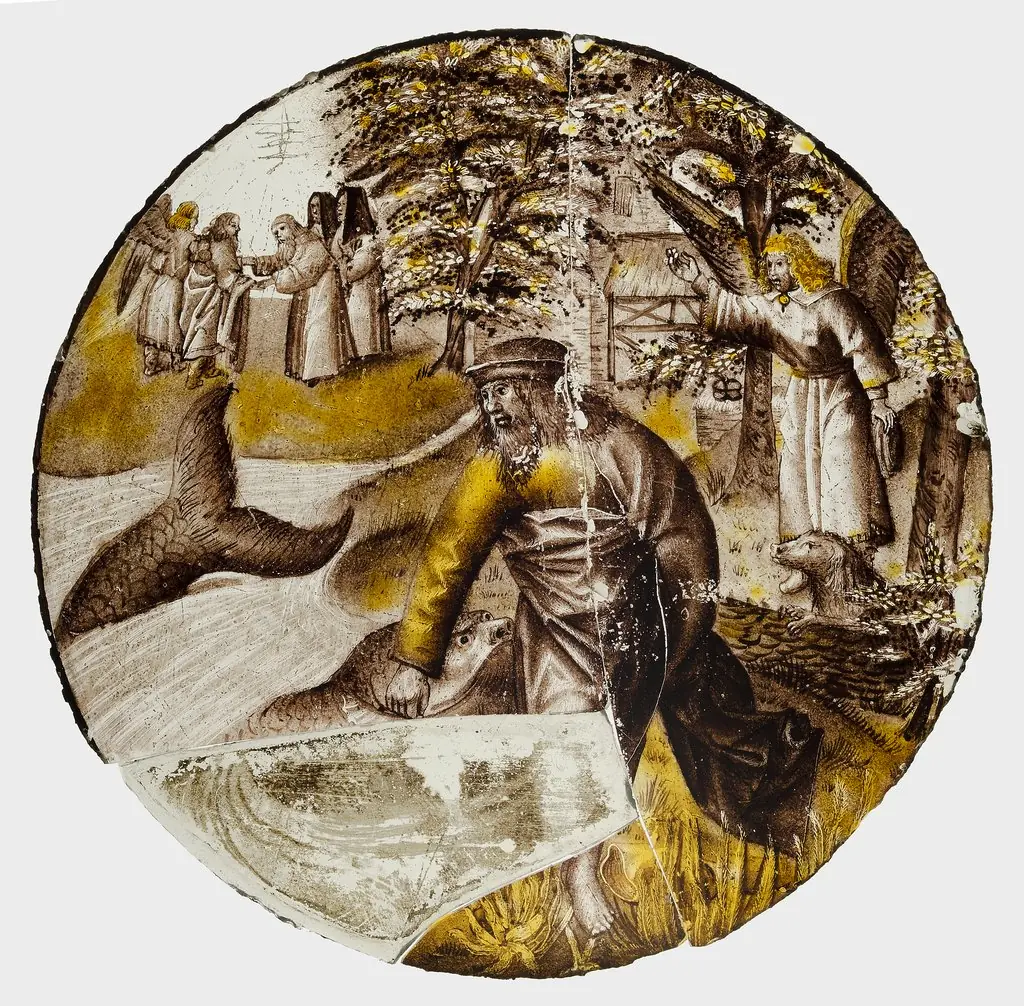 Roundel with Tobias Drawing the Fish from the Water
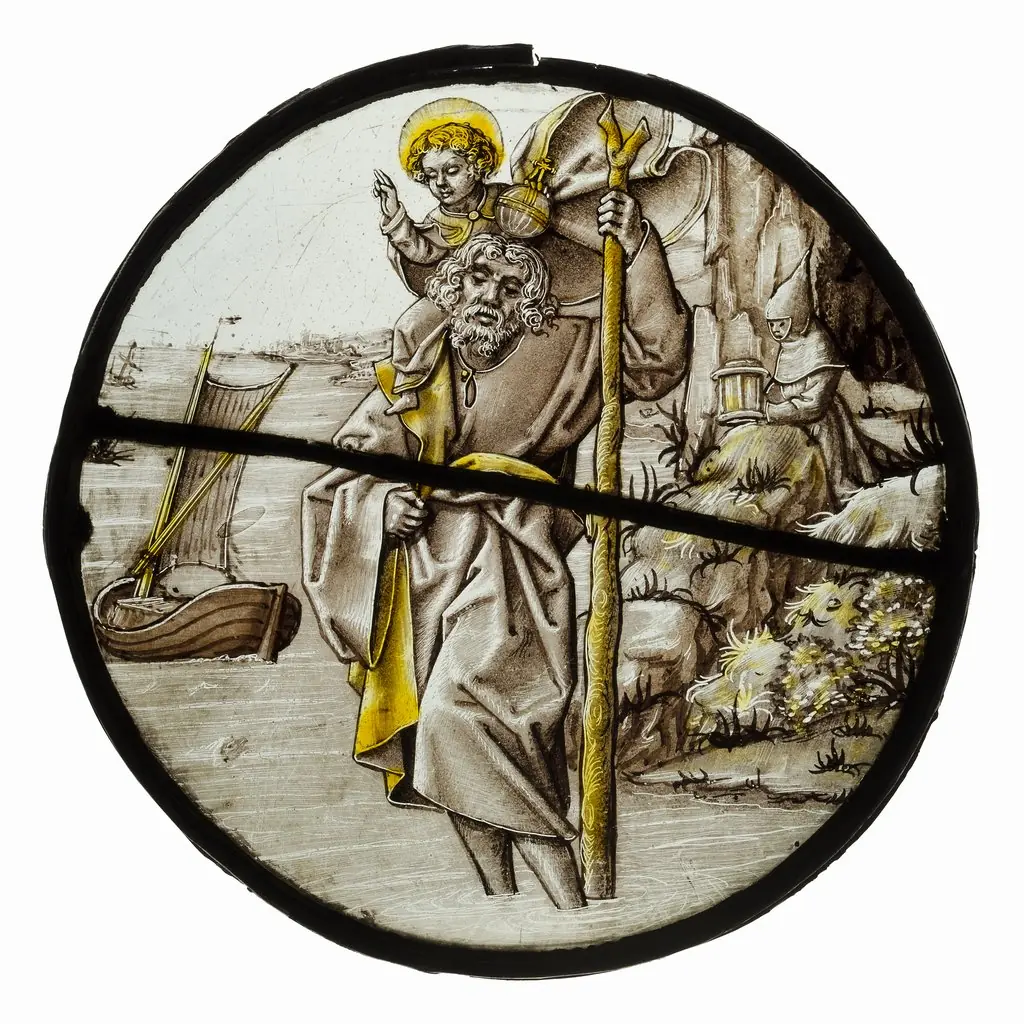 Roundel with Saint Christopher
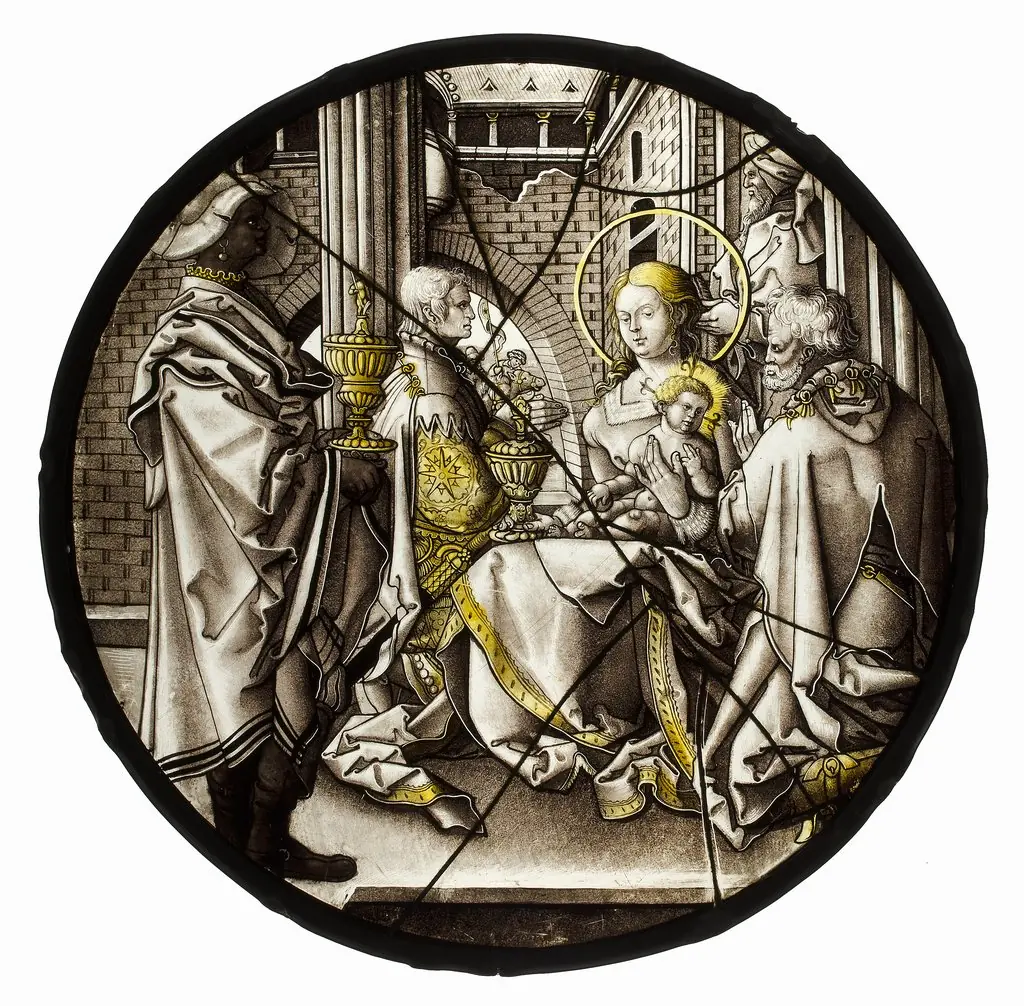 Roundel with Adoration of the Magi
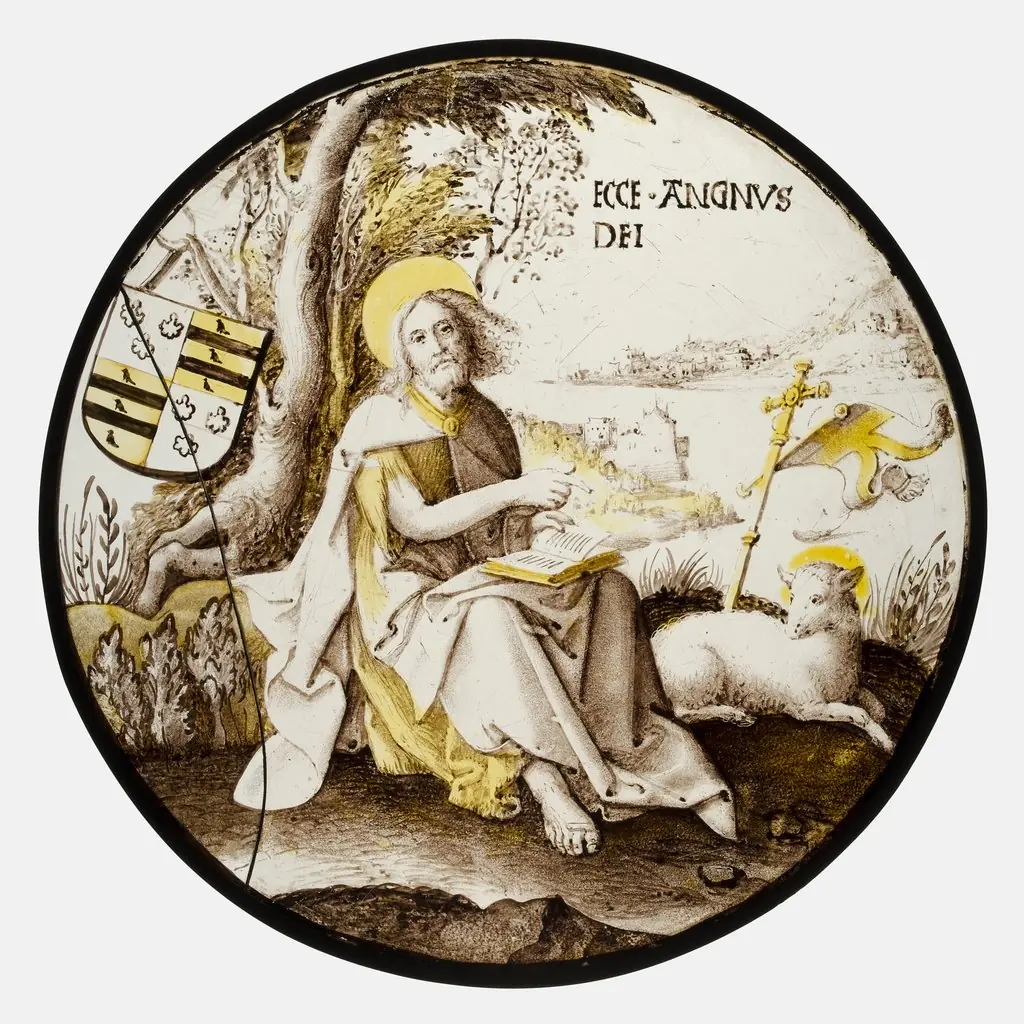 Roundel with Saint John the Baptist
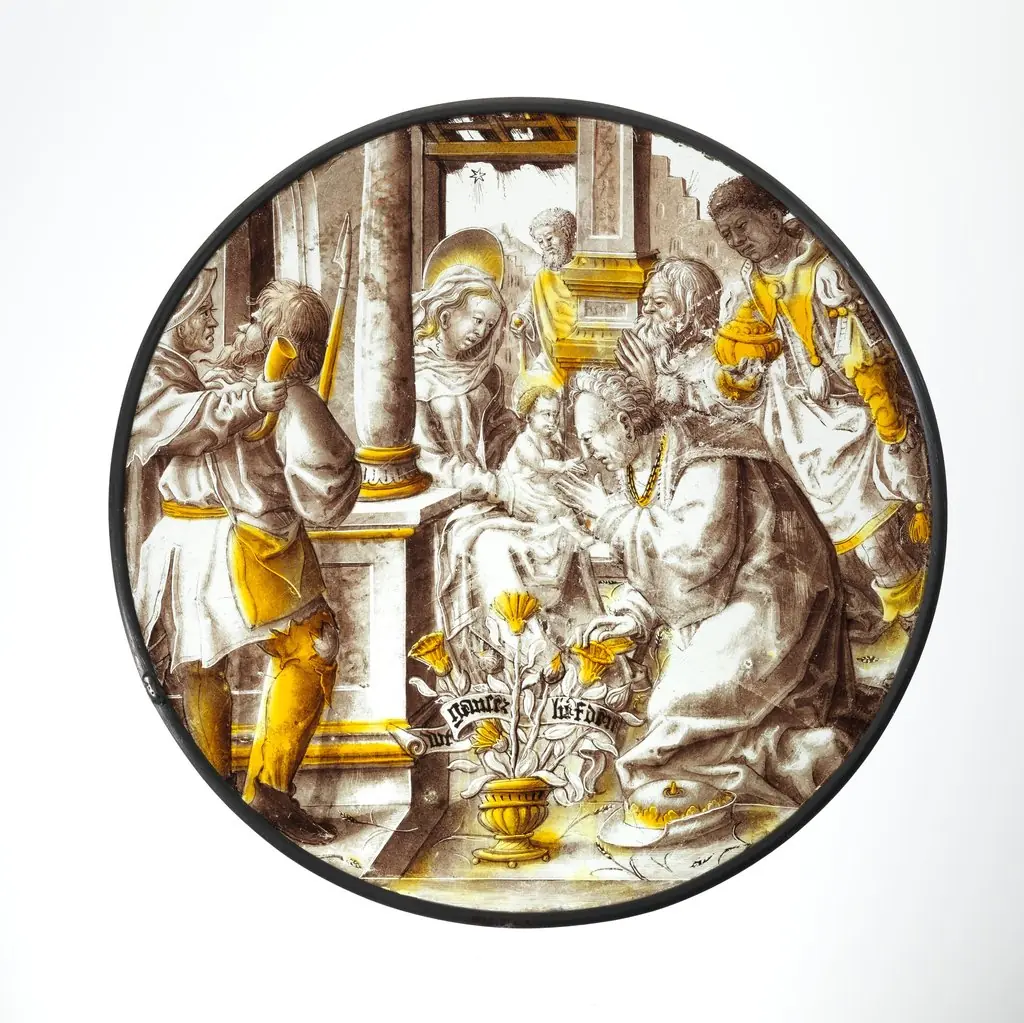 Roundel with Adoration of the Kings
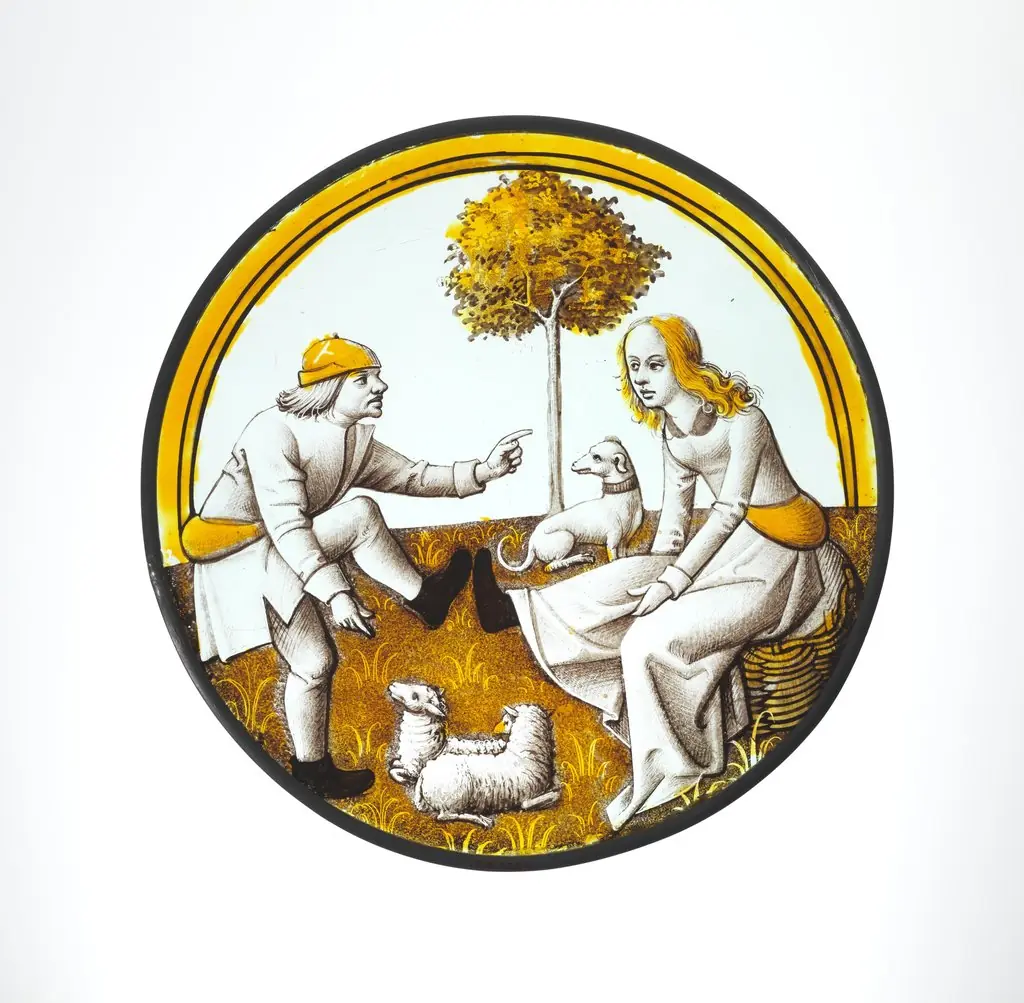 Roundel with Playing at Quintain
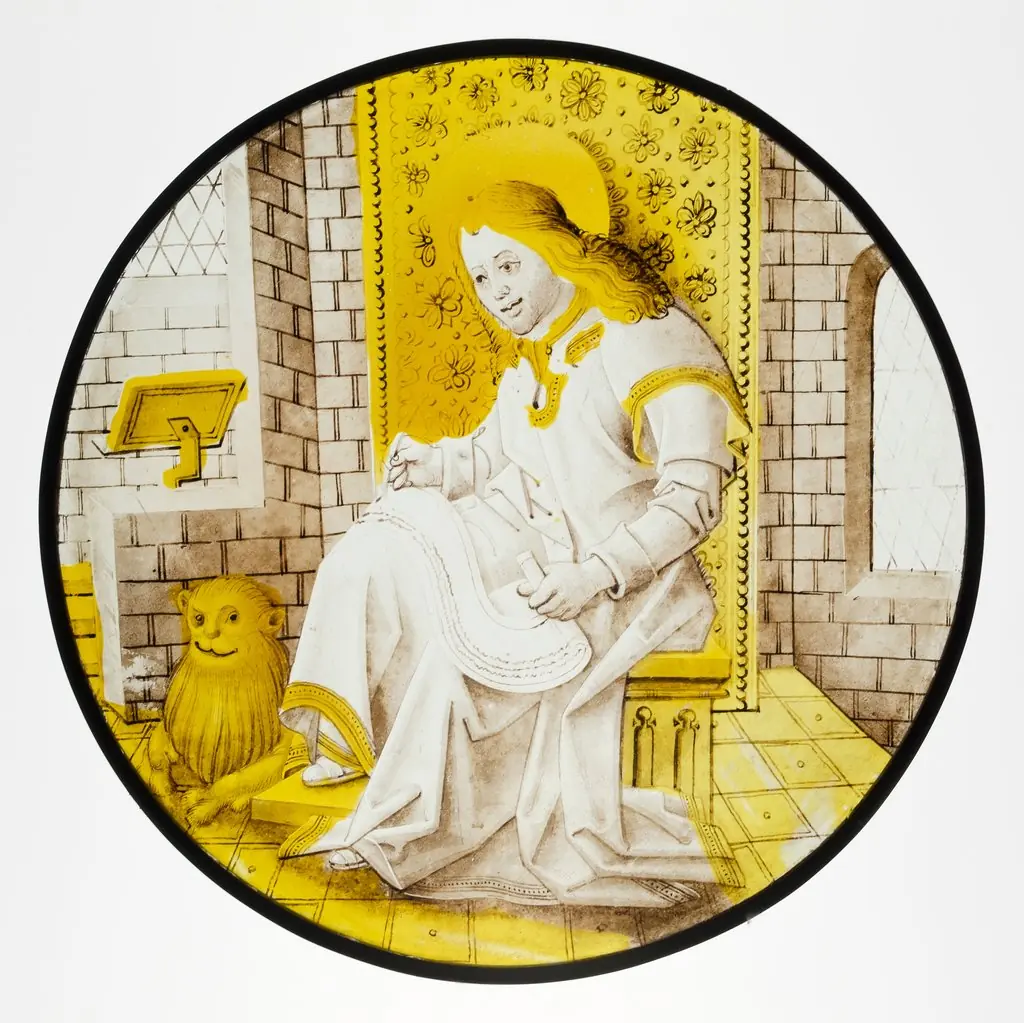 Roundel with Saint Mark
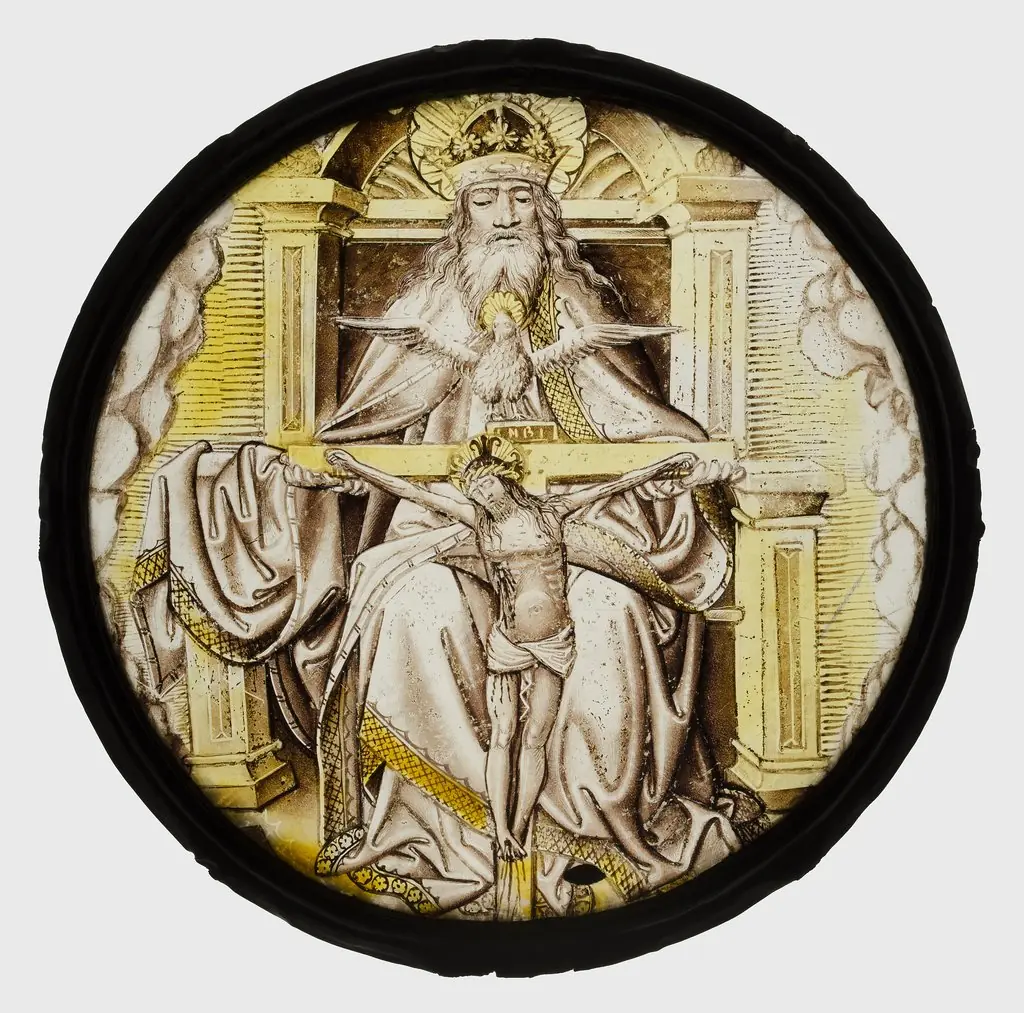 Roundel with the Holy Trinity
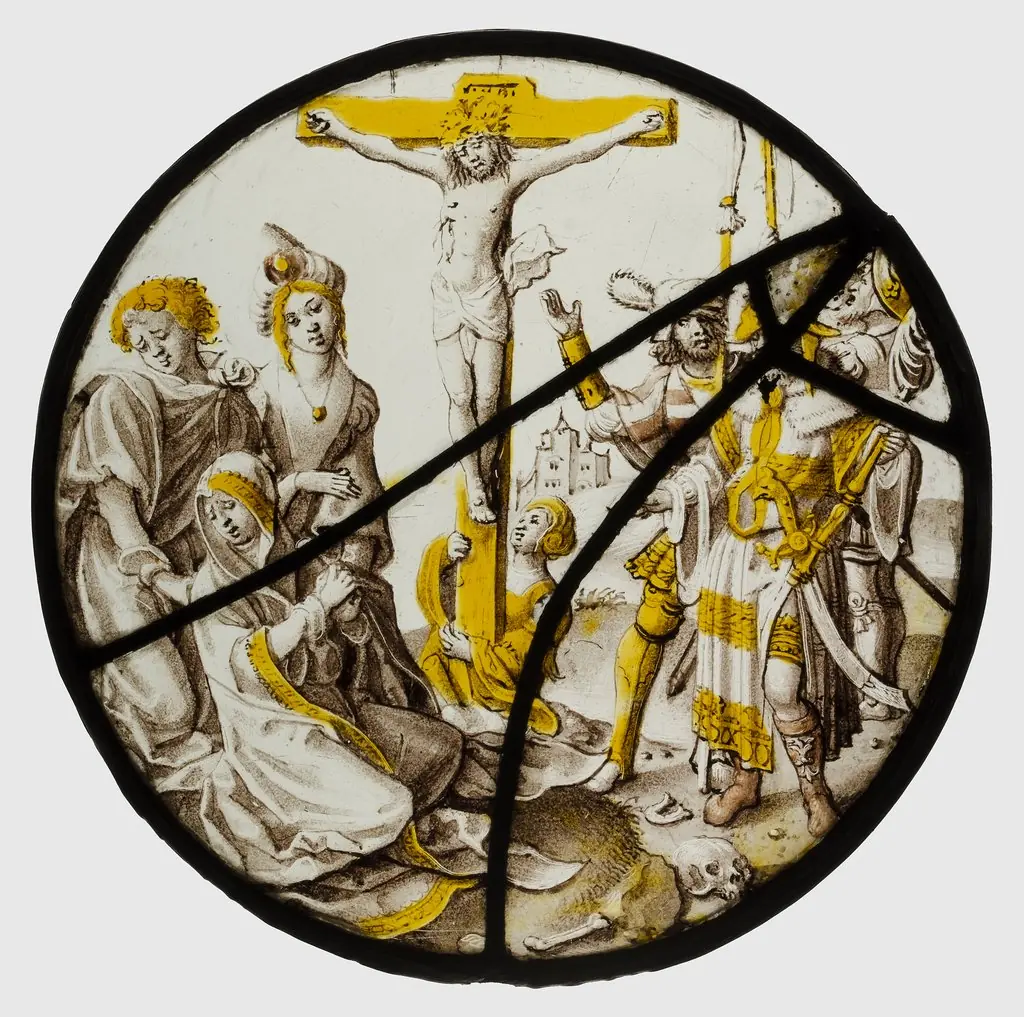 Roundel with the Crucifixion
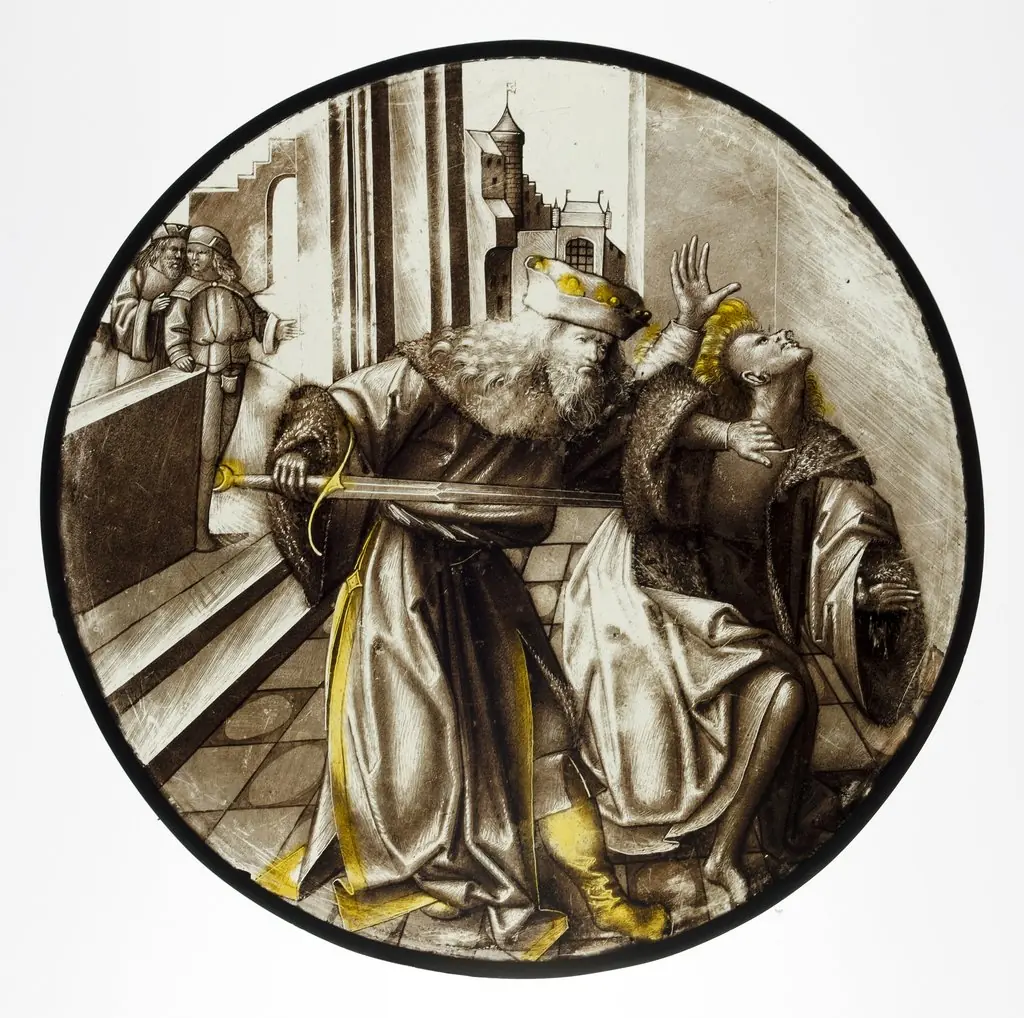 Roundel with Joab Murdering Abner
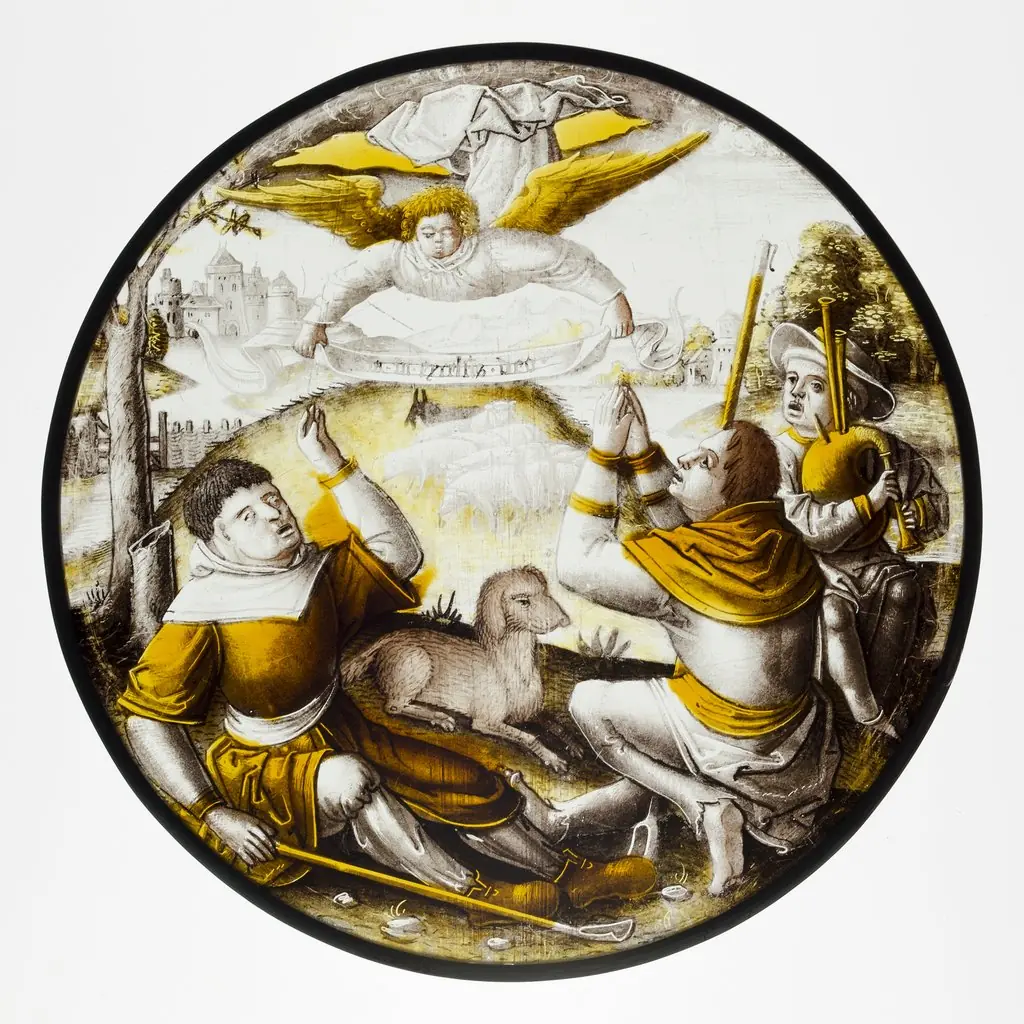 Roundel with Annunciation to the Shepherds
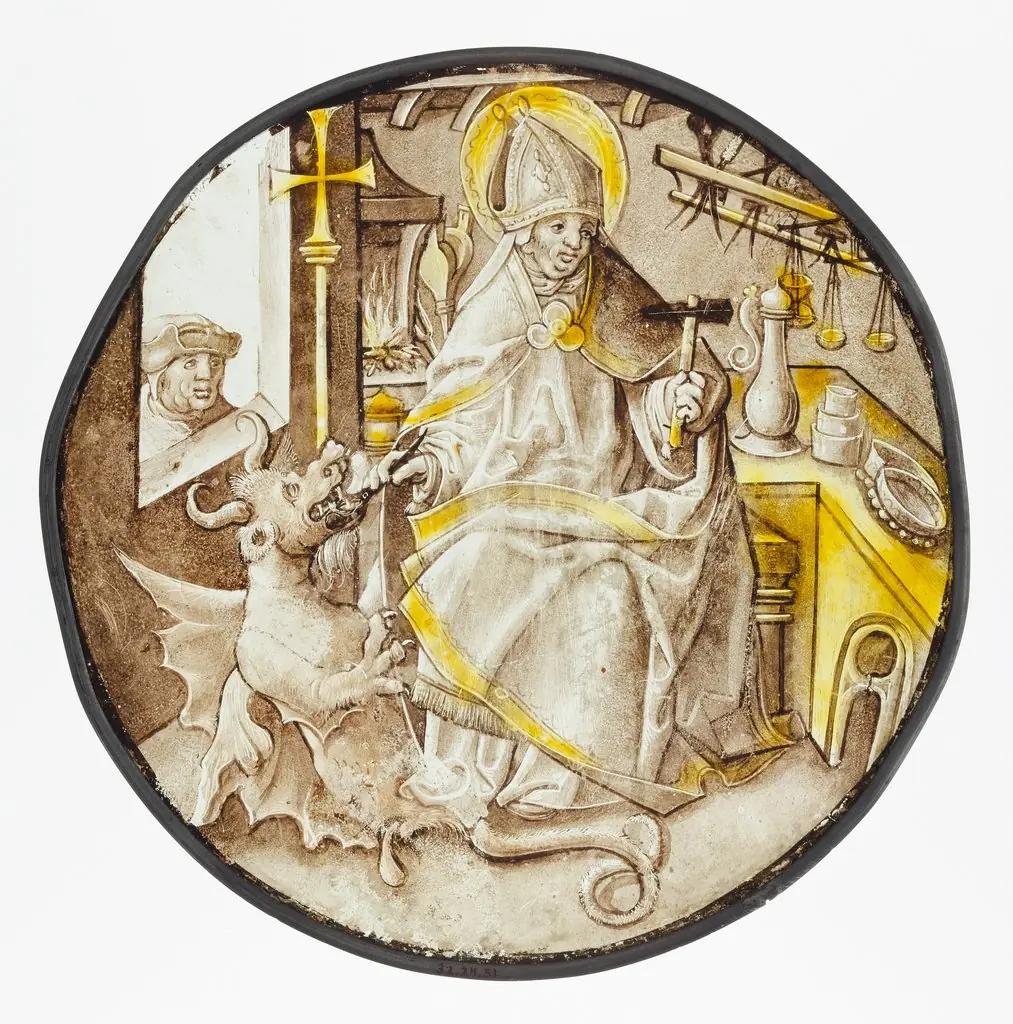 Roundel with Saint Dunstan of Canterbury
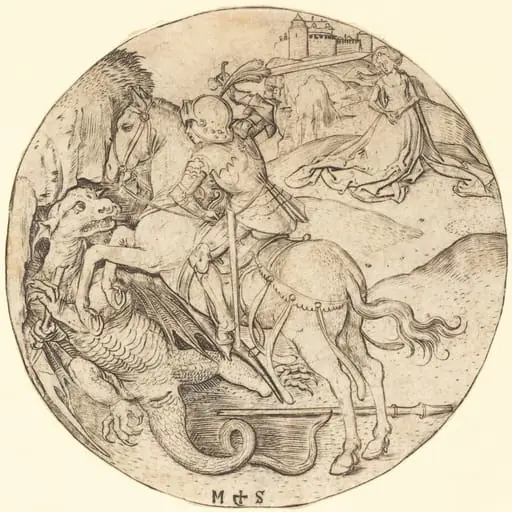 Saint George and the Dragon
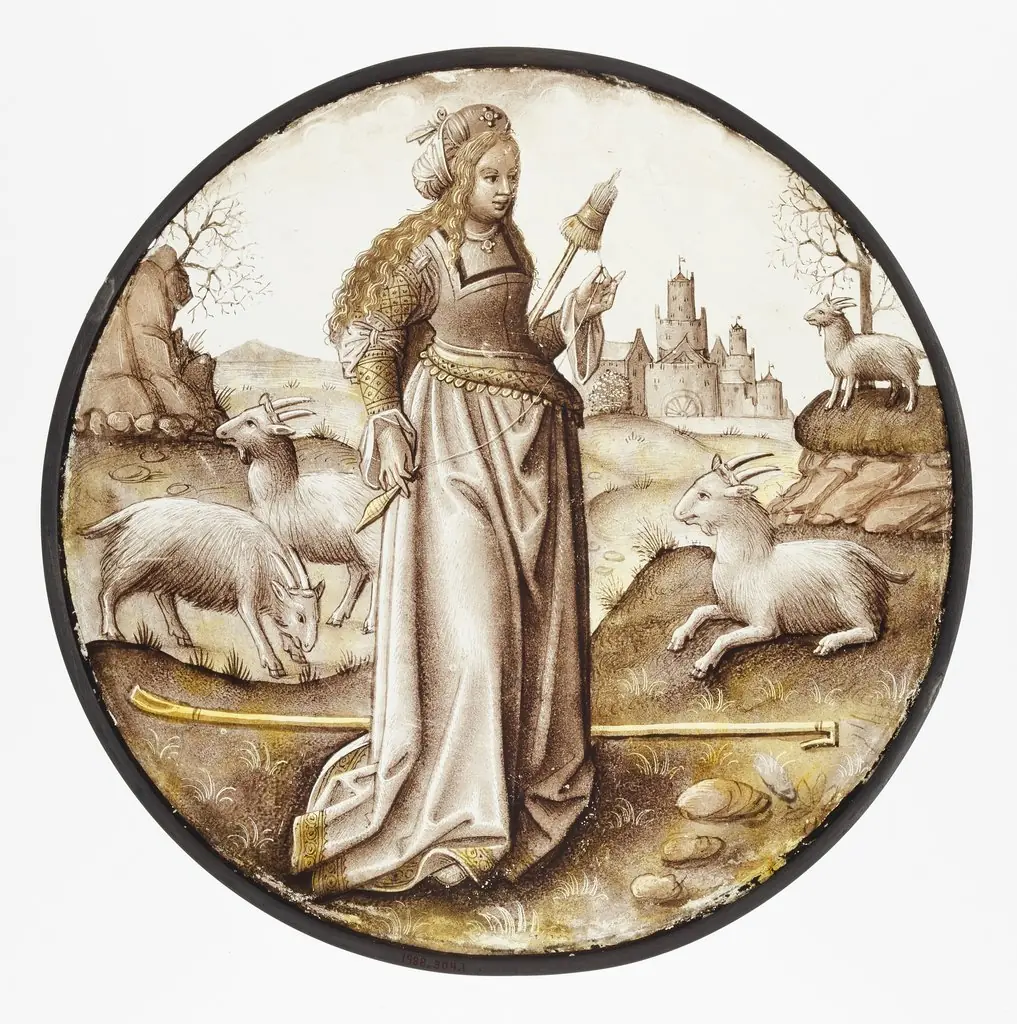 Roundel with Allegorical Figure
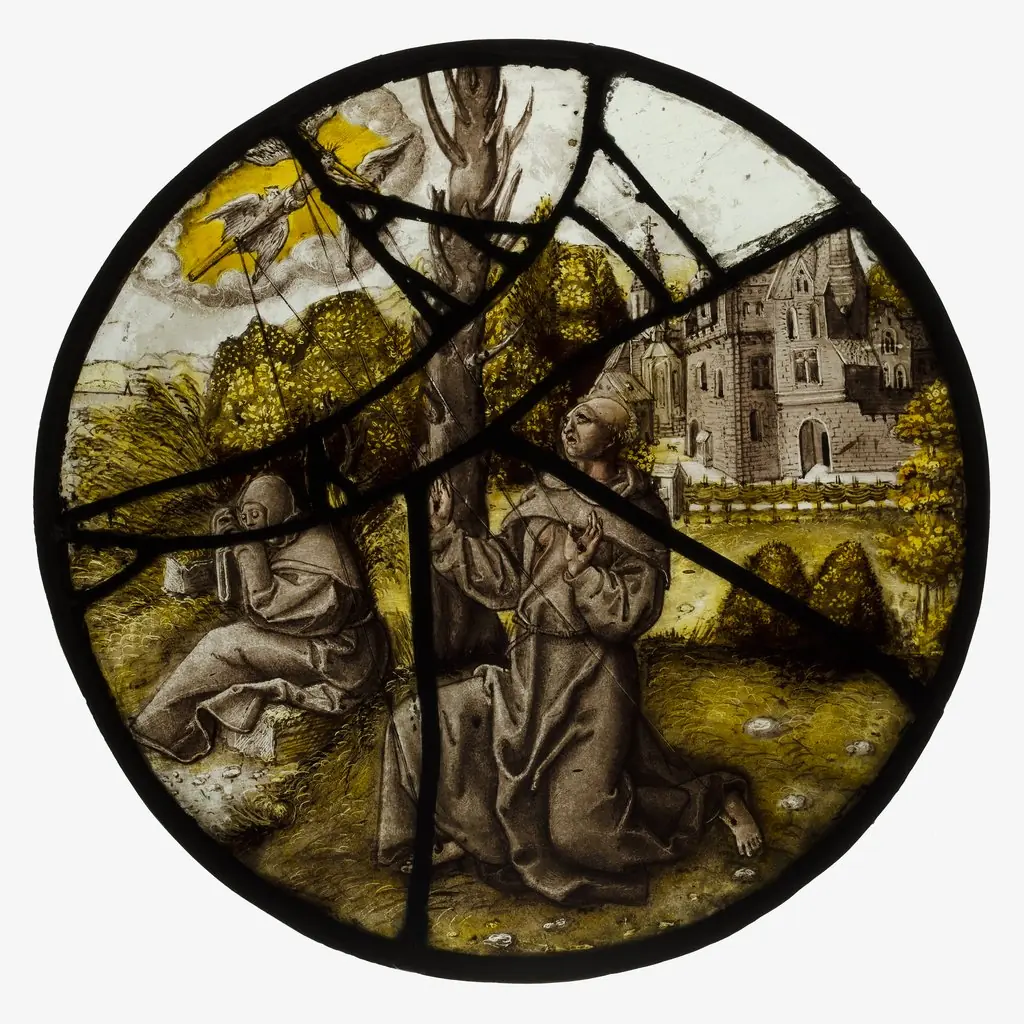 Roundel with Saint Francis Receiving the Stigmata
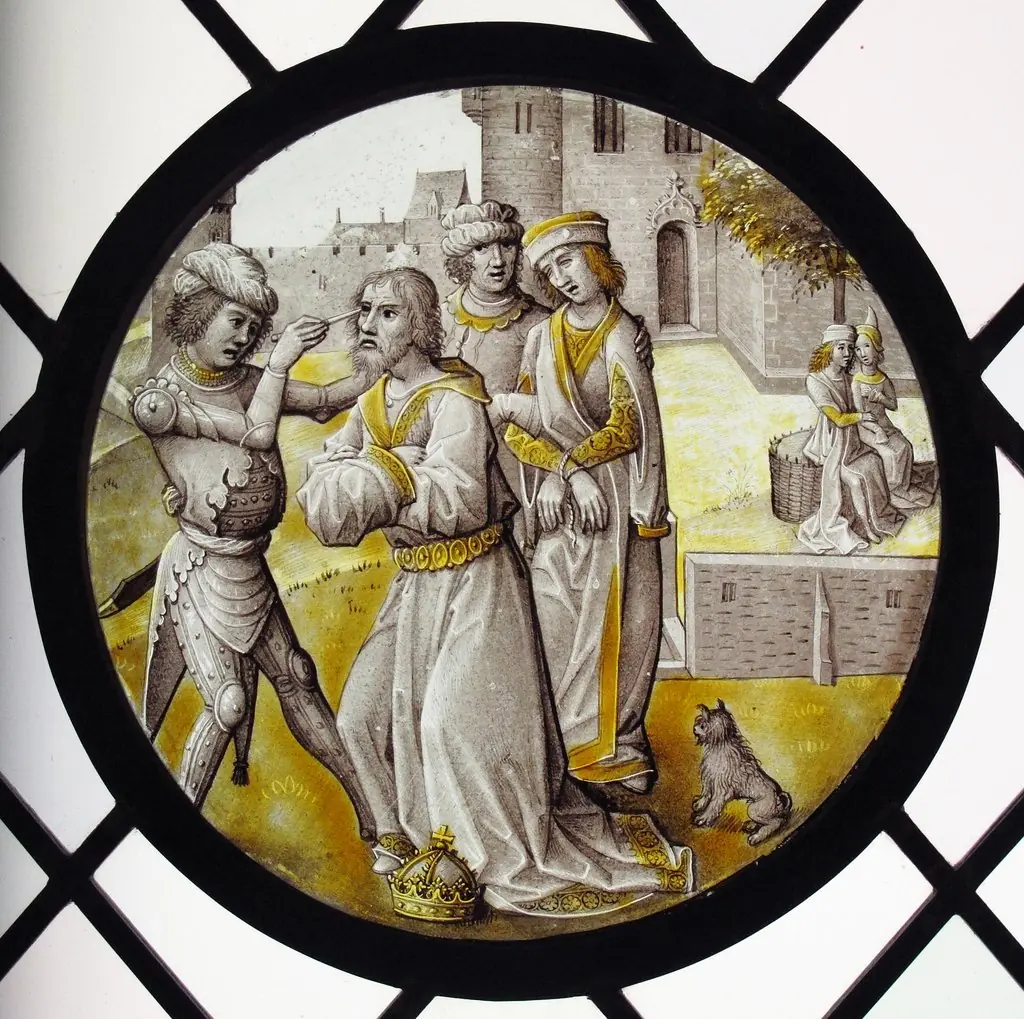 Roundel with the Blinding of Zaleucus of Locria
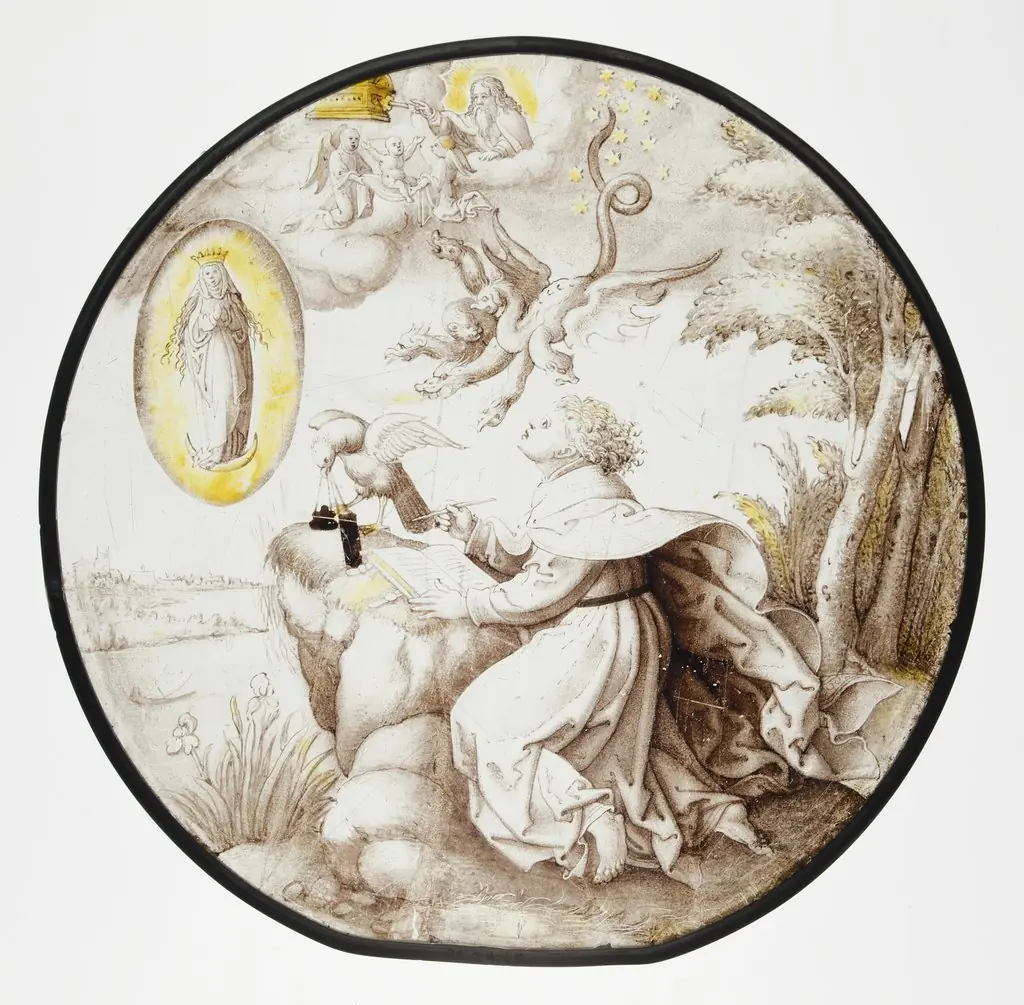 Roundel with Saint John on Patmos with Apocalyptic Vision
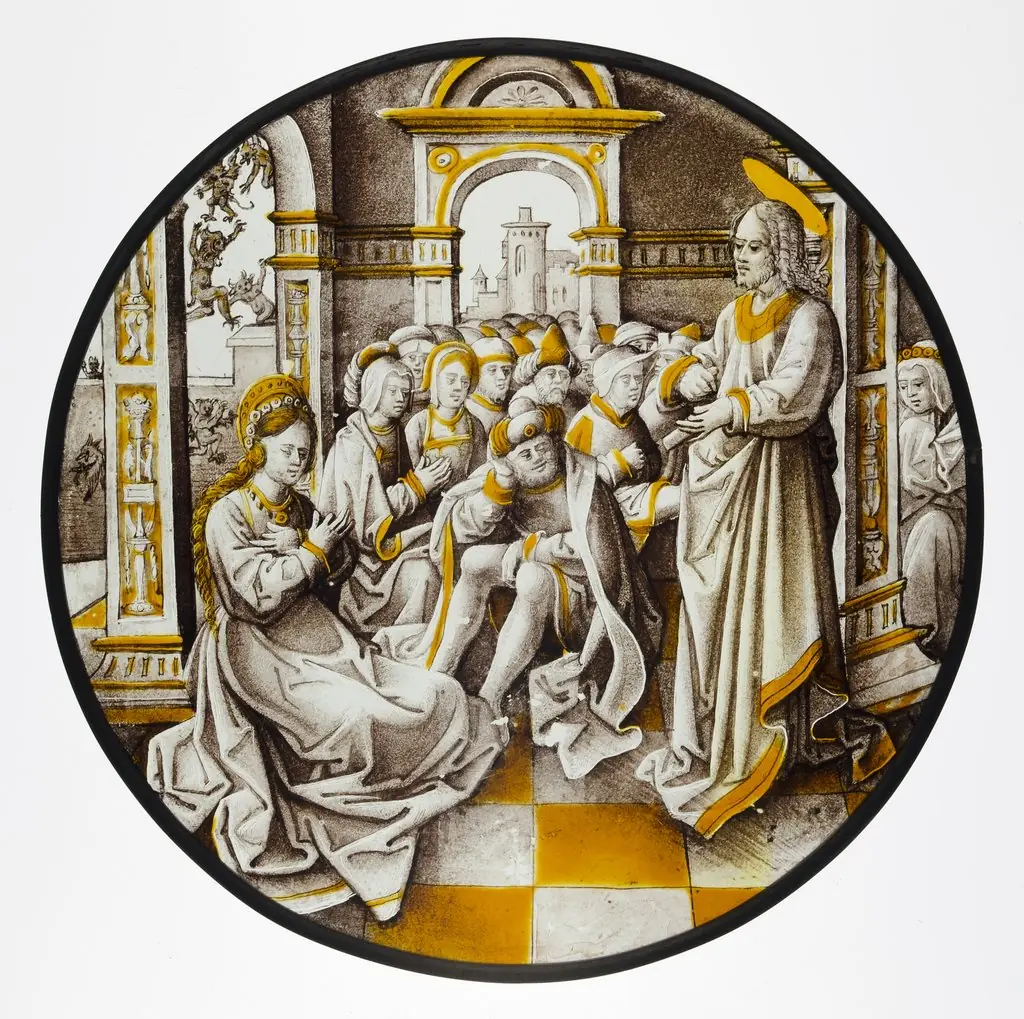 Roundel with Christ and the Adulterous Woman
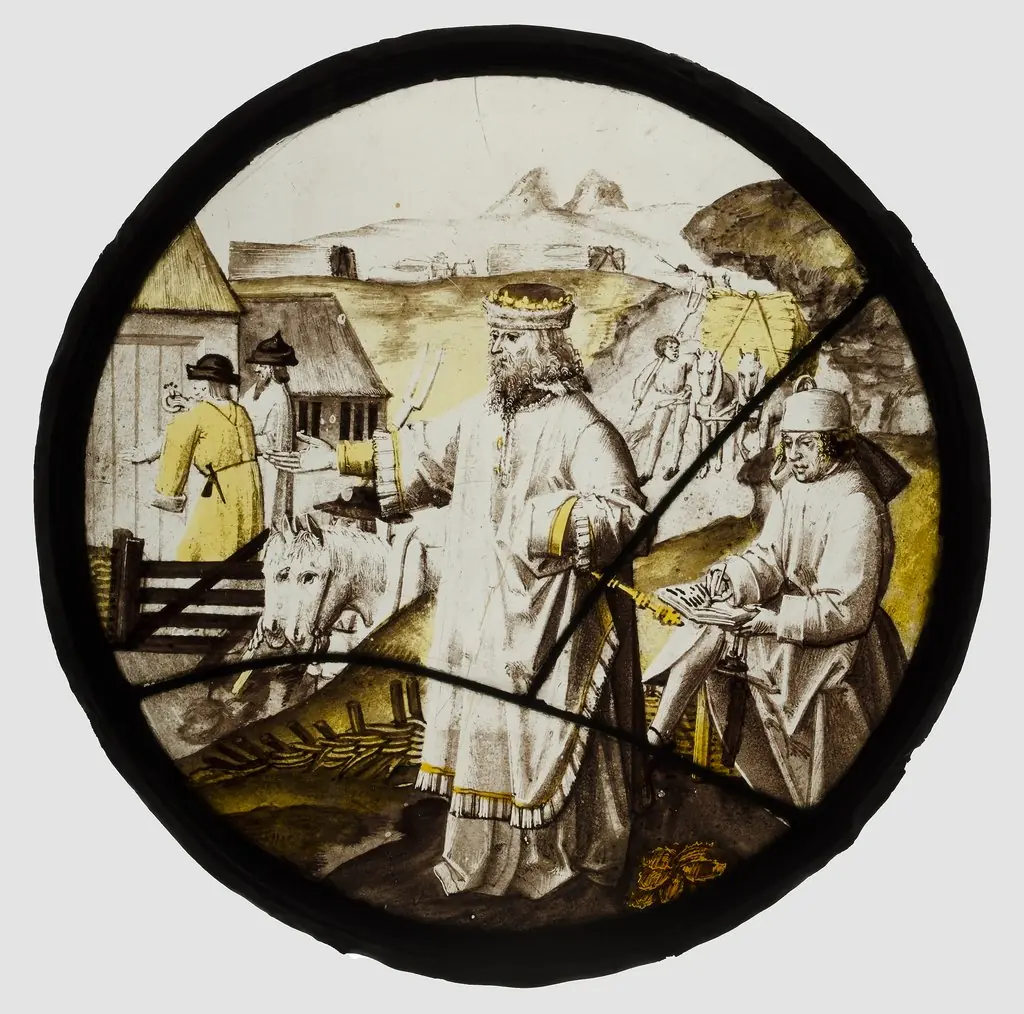 Roundel with Joseph Buying Corn in Egypt