Artwork
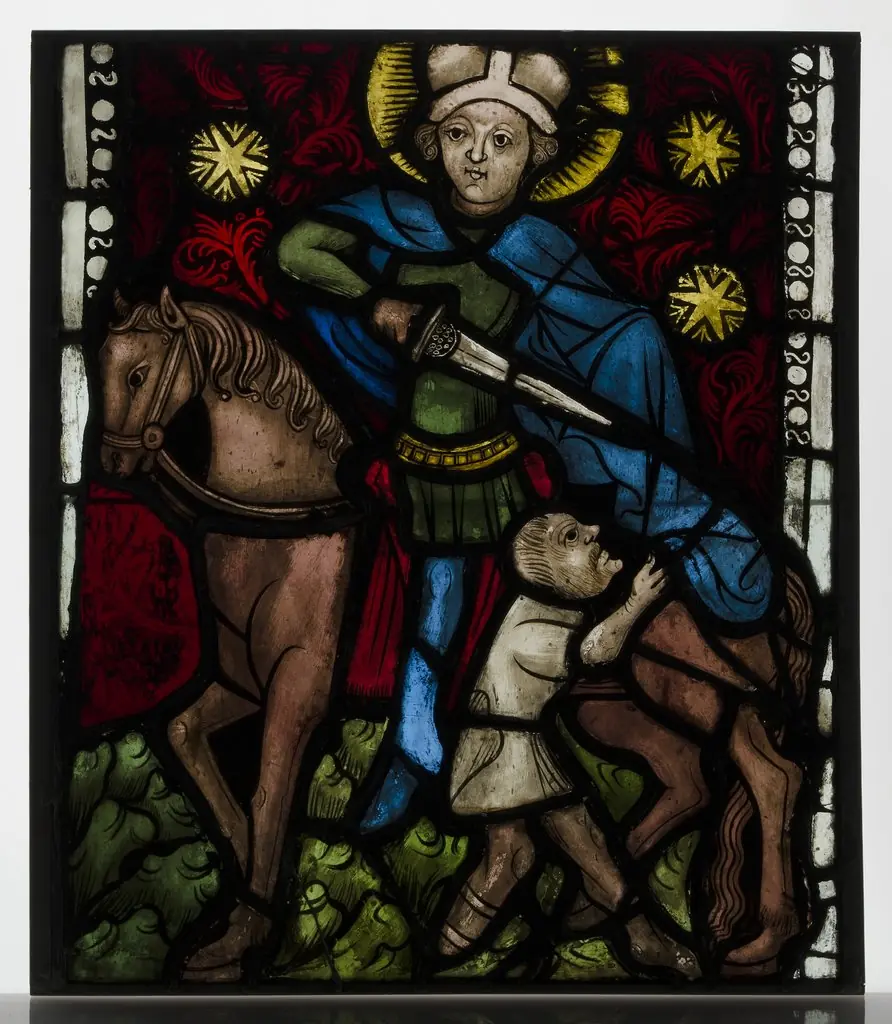
Saint Martin Dividing His Cloak
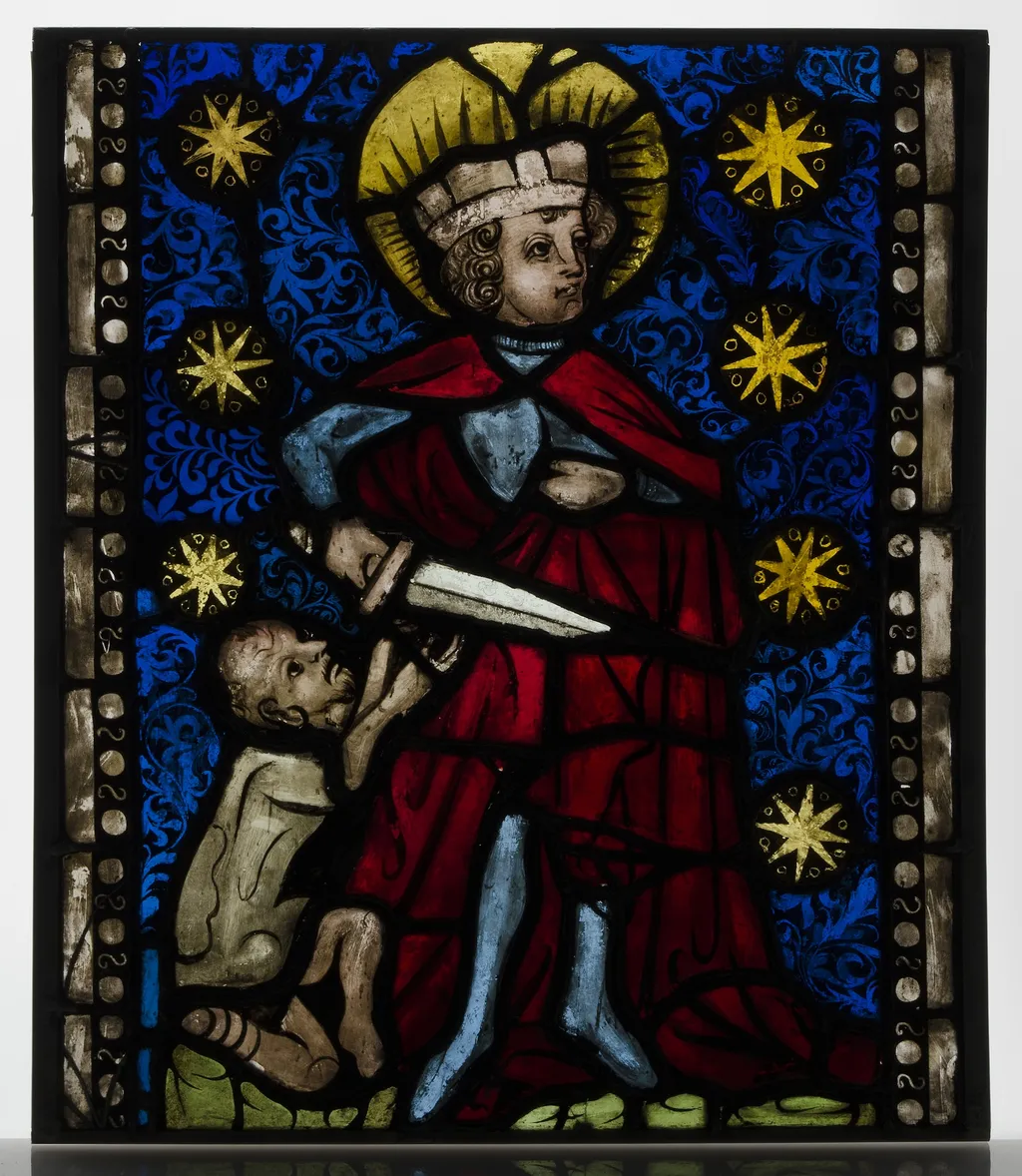
Saint Martin Dividing His Cloak is an unspecified painting. It dates from 1410 and is held in the collection of the Metropolitan Museum of Art.
About this work
Subject & Meaning
The act of dividing the cloak became a symbol of Christian mercy and was frequently invoked as a model of lay piety and almsgiving.
The painting depicts Saint Martin sharing his cloak, a celebrated act of Christian charity drawn from the life of Martin of Tours. According to tradition, while still a Roman soldier, Martin encountered a poor beggar at the gates of Amiens and, having nothing else to give, cut his military cloak in half with his sword to share it with the freezing man. The scene embodies the virtues of compassion, self-sacrifice, and renunciation of worldly wealth, themes that made the subject especially popular in late medieval religious art.
The work is classified within the religious genre and portrays a man as its central figure. In the broader iconographic tradition, Saint Martin is typically shown as a young Roman cavalry officer on horseback or standing, dividing his cloak with a sword while the beggar receives one half. The act of dividing the cloak became a symbol of Christian mercy and was frequently invoked as a model of lay piety and almsgiving.
At the Metropolitan Museum of Art, where the painting is held, the subject is identified as Saint Martin sharing his cloak, underscoring the narrative's central role in the composition.
Technique & Style
Created in 1410, this anonymous religious painting depicts the main subject of Saint Martin sharing his cloak. The work is executed in the painting medium on a support measuring 50.8 cm in height and 43.2 cm in width. Currently held in the collection of the Metropolitan Museum of Art, the piece represents a specific instance of early 15th-century religious art.
The composition focuses on the figure of a man engaged in the titular act of dividing his garment.
History & Provenance
Saint Martin Dividing His Cloak is dated to 1410 and is classified as a religious painting of the early fifteenth century. The work is catalogued as an anonymous production, with no artist, patron, or commissioner identified in the available records. Its documented institutional history begins with its accession into the collection of the Metropolitan Museum of Art, where it is currently held. No earlier ownership, intermediate custody, or acquisition circumstances are recorded in the sources provided.
The painting's measured dimensions of 50.8 cm in height by 43.2 cm in width, combined with its 1410 inception date, are the only verifiable creation-history details available.
The painting Saint Martin Dividing His Cloak is held in the collection of the Metropolitan Museum of Art. Created around 1410, the work measures 50.8 cm in height and 43.2 cm in width. While the piece is attributed to an anonymous artist, its current location and accession within the museum are well-documented.
The provided sources do not contain specific details regarding the work's inventory number or a history of exhibitions.
Overview
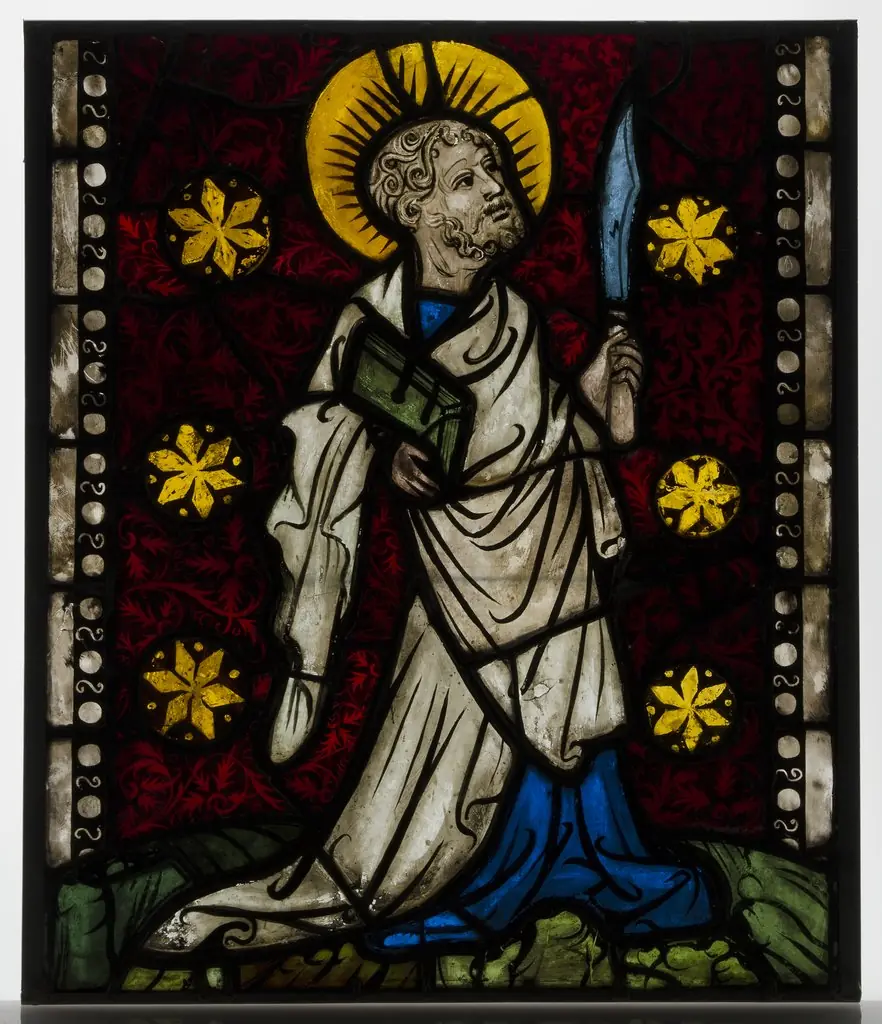
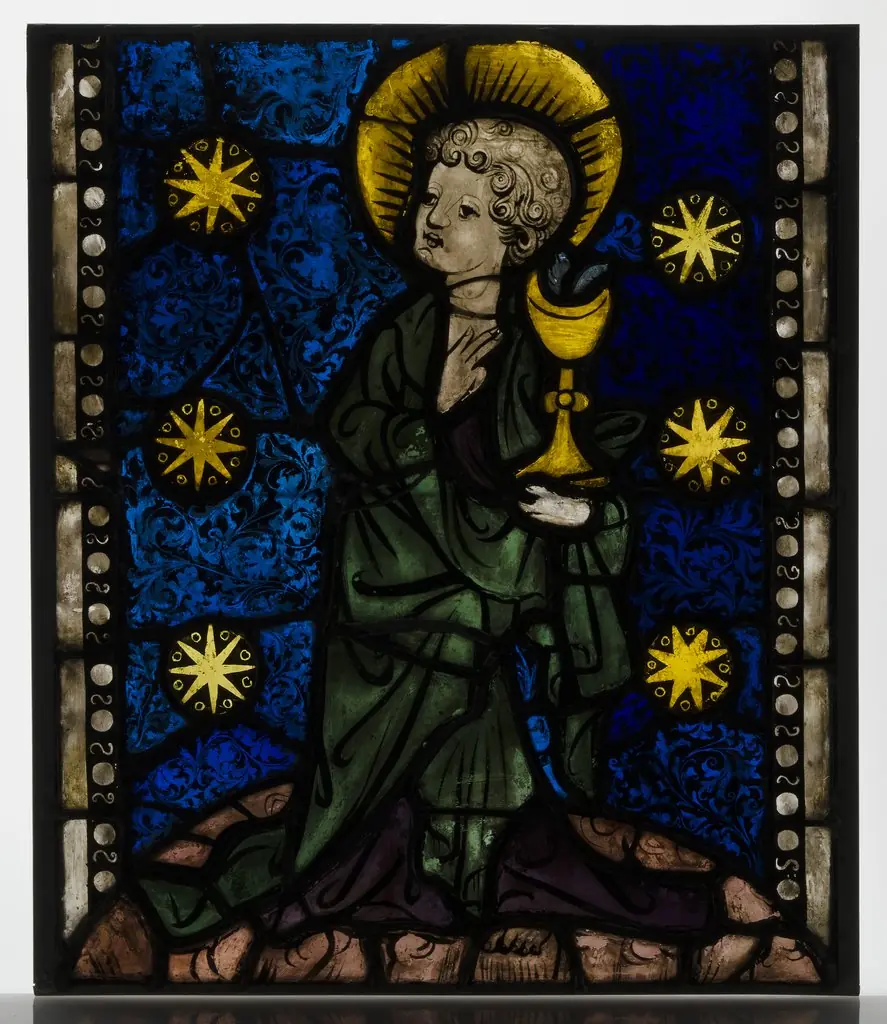
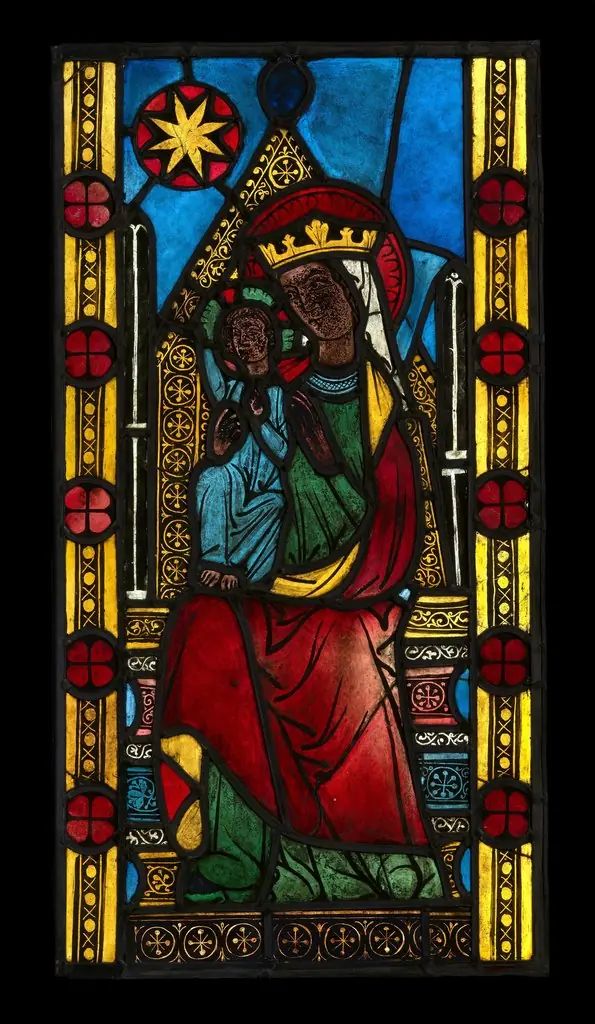
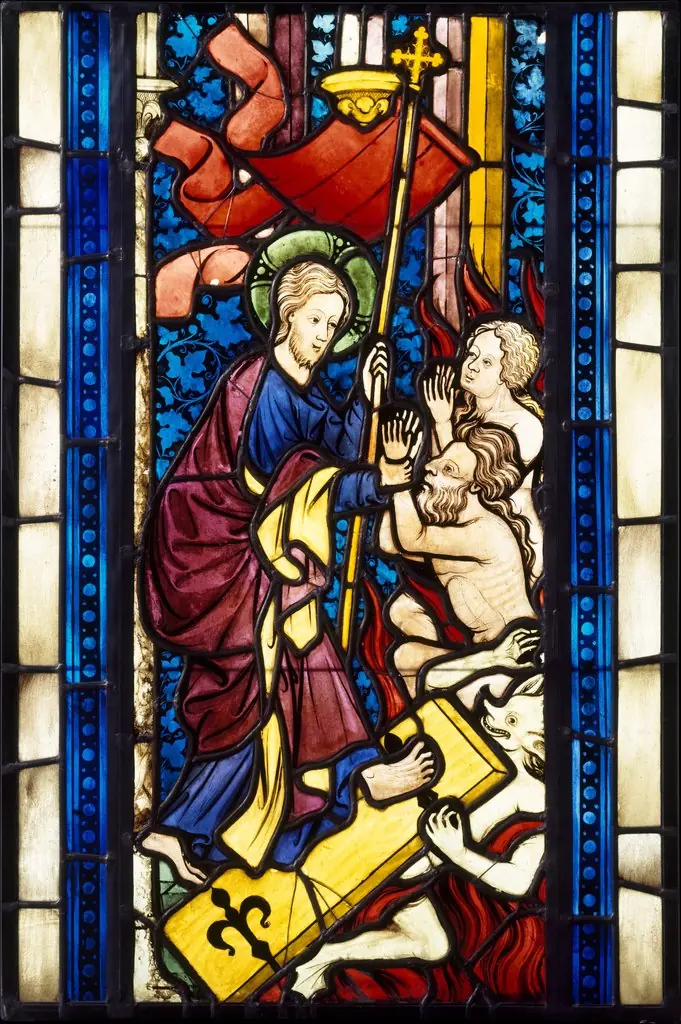
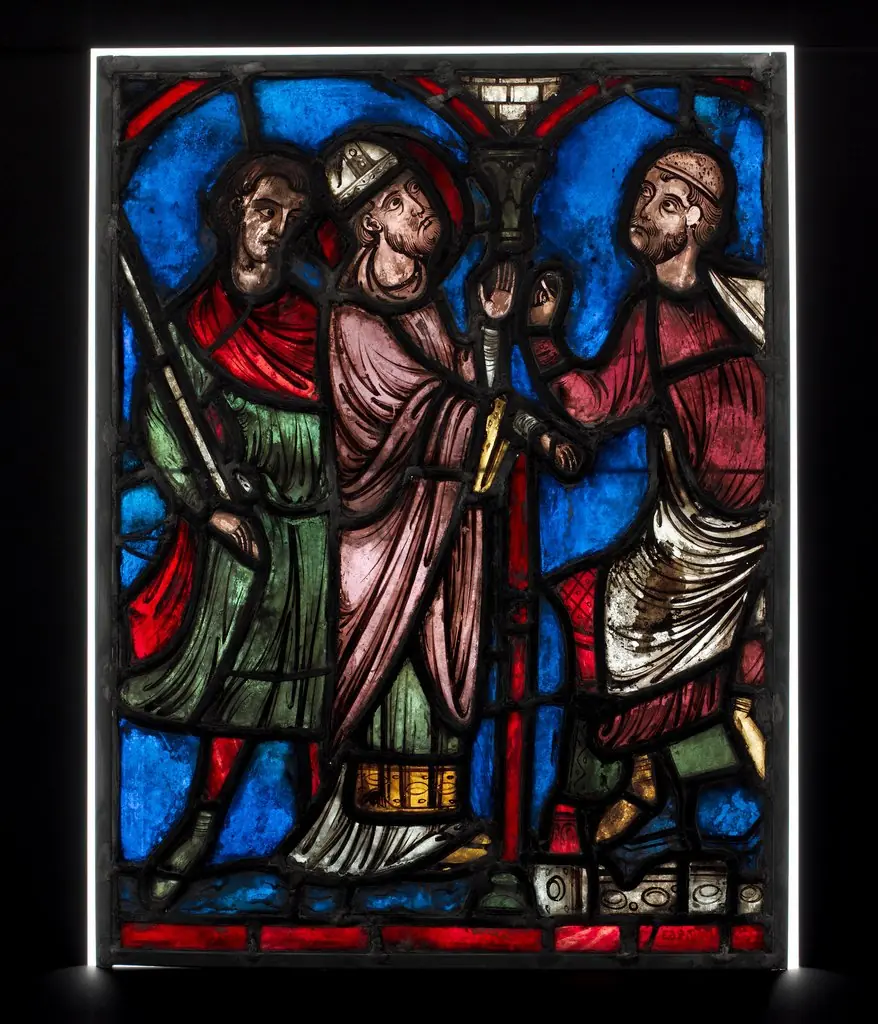
This stained-glass panel, titled Saint Martin Dividing His Cloak, depicts a pivotal moment of charity. A figure in vibrant red and blue robes is shown cutting his garment with a knife, offering a portion to a barefoot individual seated on the ground below. The composition emphasizes a gesture of compassion, set against a stylized background common to the medium.
Artist & collection