Artwork
Stained Glass Panel with Emperor Henry II
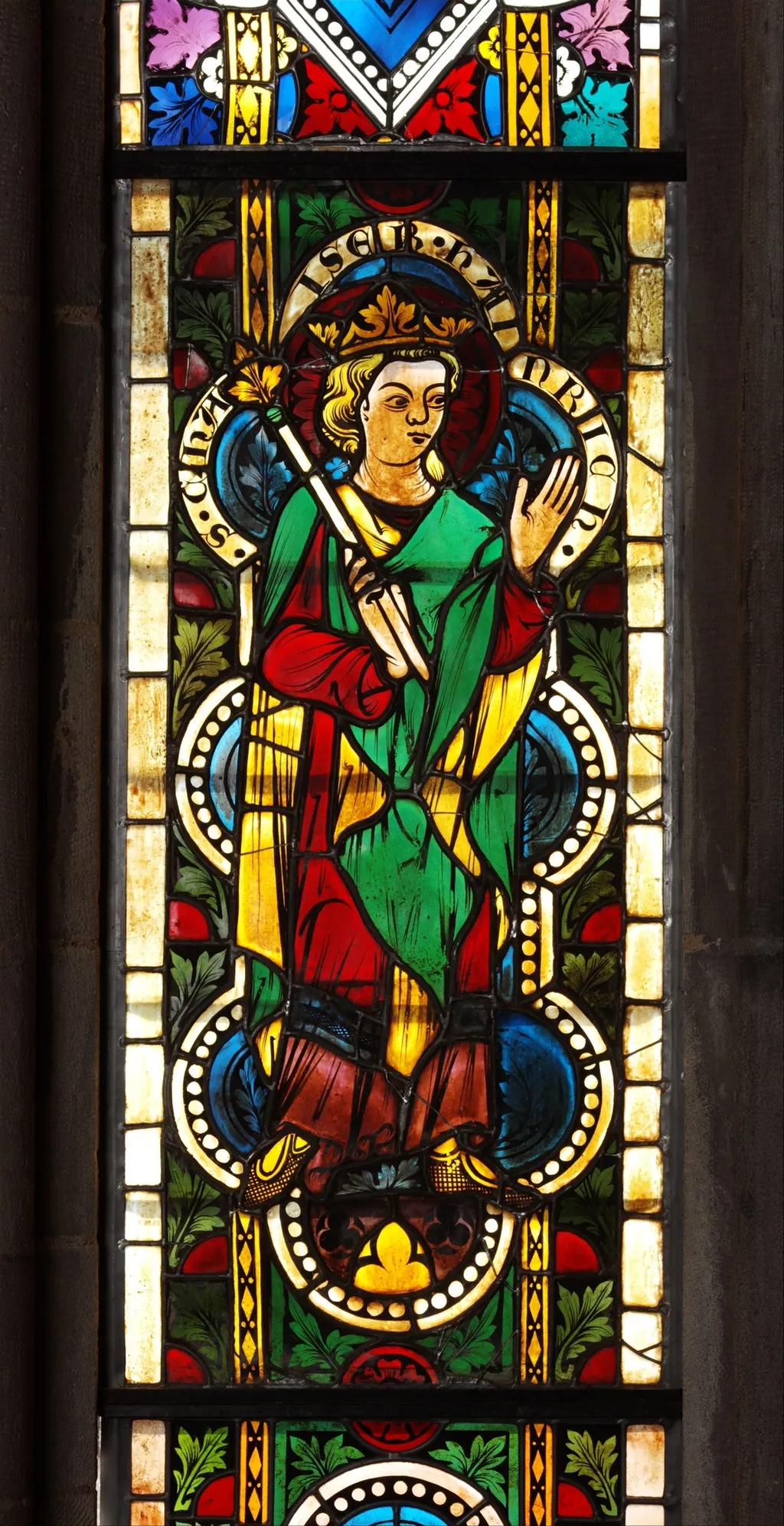
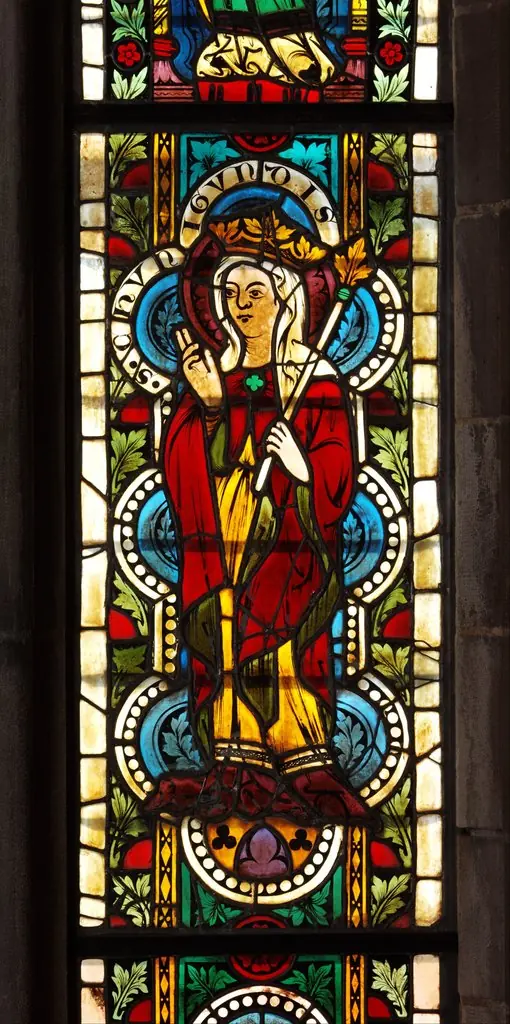
Stained Glass Panel with Emperor Henry II is an unspecified painting. It dates from 1350 and is held in the collection of the Metropolitan Museum of Art. This stained glass panel portrays Emperor Henry II, identifiable by his imperial regalia.
About this work
Subject & Meaning
As an anonymous 14th‑century painting classified as a portrait, it functions to depict the English monarch in a realistic manner typical of the genre.
The panel presents a portrait of Henry II of England, identified as the main subject in the work. As an anonymous 14th‑century painting classified as a portrait, it functions to depict the English monarch in a realistic manner typical of the genre. The depiction emphasizes the figure’s status through conventional iconography of regal bearing, though specific symbolic attributes are not detailed in the source records.
Created circa 1350 and now housed in the Metropolitan Museum of Art, the panel serves as a visual record of Henry II, reflecting contemporary medieval artistic conventions used to commemorate historical leaders.
History & Provenance
The stained‑glass panel depicting Emperor Henry II is dated to circa 1350 and is attributed to an anonymous artist. It has been part of the Metropolitan Museum of Art’s collection, where it is currently housed; no earlier ownership or commission details are recorded in the available sources.
Overview
This stained glass panel portrays Emperor Henry II, identifiable by his imperial regalia. The artwork features a figure clad in a green robe and a crown, holding a scepter, against a backdrop of dense foliage. The composition is framed by a white border.
The vibrant palette and meticulous details inherent in the stained glass medium contribute to the panel's commanding presence, emphasizing the subject's elevated status and historical significance.
Technique & Style
Crafted from stained glass, this panel showcases a rich application of color and fine detailing. The artist utilized a vibrant spectrum, including the emperor's green robe and red undershirt, to create a visually striking image. Intricate patterns, particularly in the foliage background, demonstrate the precision involved in its creation.
These elements collectively imbue the artwork with a sense of grandeur, characteristic of the medium's capacity for decorative and symbolic expression.
Artist & collection