Artwork
Martyrdom of Saint Lawrence
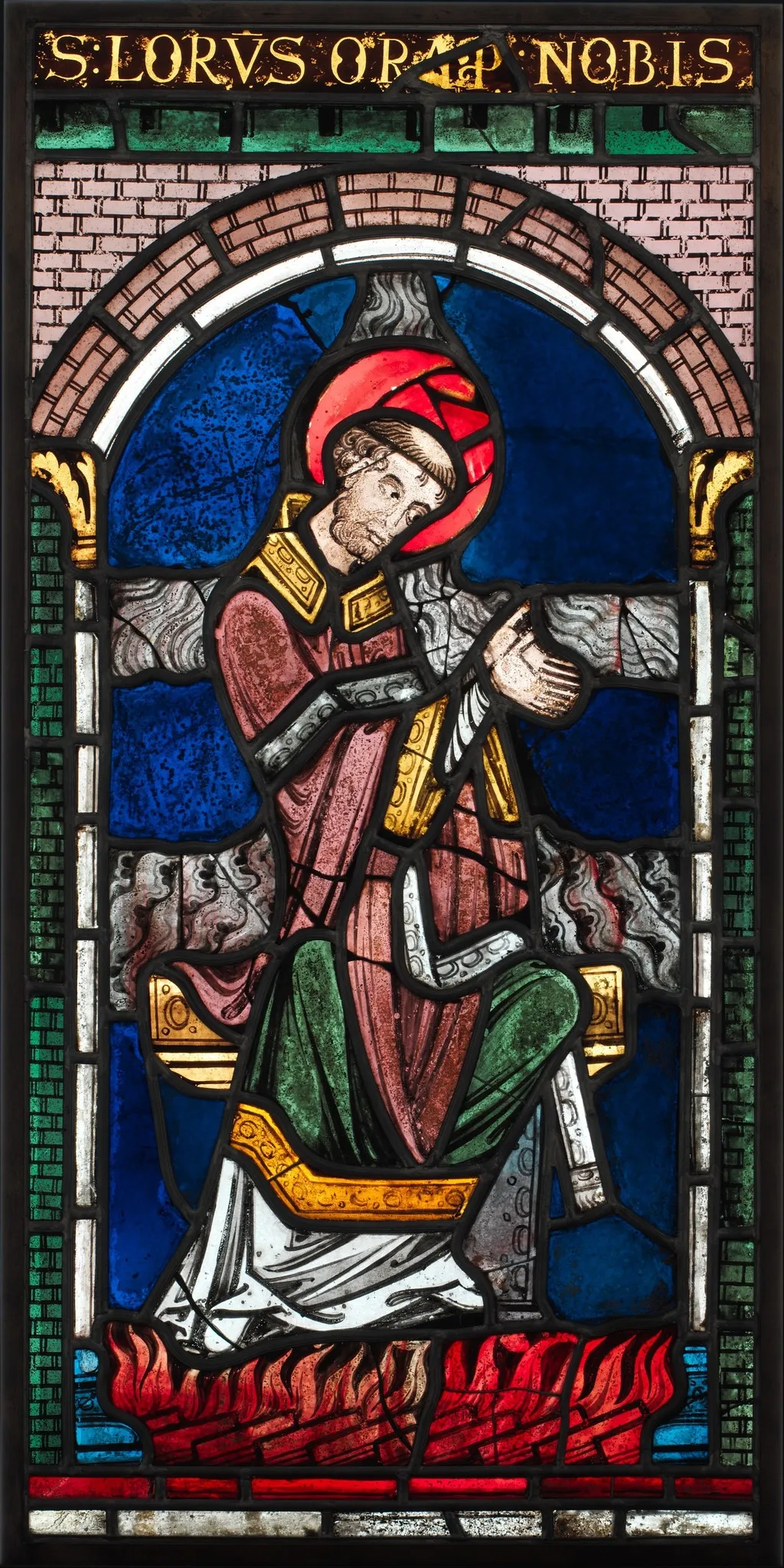
Martyrdom of Saint Lawrence is an unspecified painting. It dates from 1190 and is held in the collection of the Metropolitan Museum of Art.
About this work
Subject & Meaning
The composition visually centers on the saint and the element of fire, which serve as the primary iconographic identifiers for this specific hagiographic event.
Created circa 1190, this anonymous religious painting illustrates the martyrdom of Lawrence of Rome. The composition visually centers on the saint and the element of fire, which serve as the primary iconographic identifiers for this specific hagiographic event. As a depiction of a Christian martyr, the work functions as a devotional image representing the steadfast faith and ultimate sacrifice of Lawrence.
The inclusion of fire directly references the traditional account of his execution, symbolizing both the method of his death and the spiritual trial he endured. By isolating these key figures and elements, the artwork conveys the narrative of suffering and sanctity central to the saint's veneration within the religious tradition.
History & Provenance
The Martyrdom of Saint Lawrence is an anonymous religious painting dated to 1190. Created as a depiction of the martyrdom of Lawrence of Rome, the work portrays the saint amidst fire. It is currently held in the collection of the Metropolitan Museum of Art and measures 65 centimeters in height and 32 centimeters in width.
Specific details regarding the original commission, the identity of the patron, or its provenance prior to acquisition by the museum are not recorded in the available sources. The work stands as an example of twelfth-century religious art focusing on the suffering of the saint. No specific inventory or accession number, and no exhibition history, is documented beyond its institutional housing.
Overview
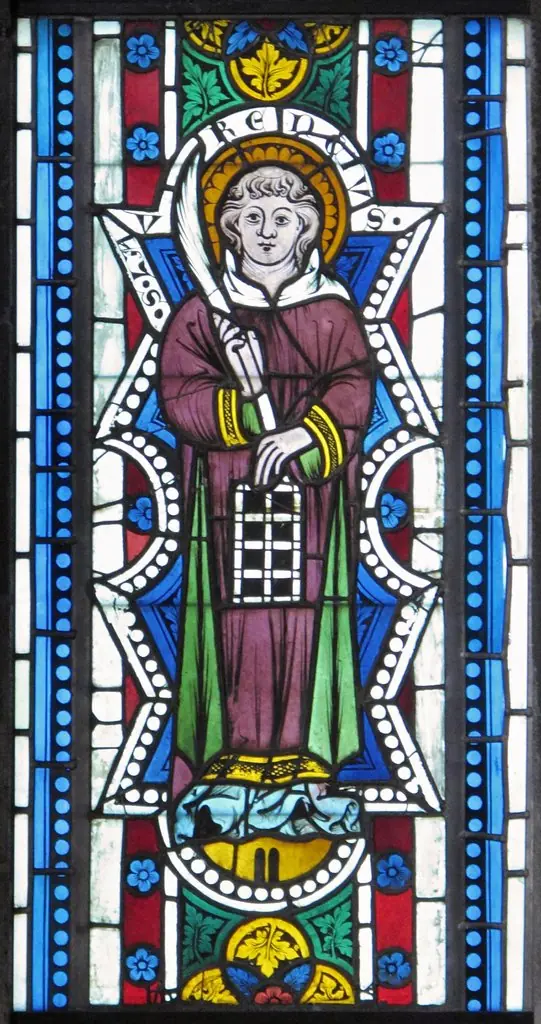
This stained-glass panel illustrates the martyrdom of Saint Lawrence, a common subject for religious art. The composition features a central robed figure kneeling above a vibrant fire, framed by a blue arch. The artwork's detailed portrayal of the flames and the distinct use of color and line are characteristic of the medium, which historically served to convey sacred narratives within ecclesiastical settings.
Technique & Style
The artwork employs a distinctive stained-glass aesthetic, characterized by sharp black outlines that delineate forms and separate areas of color. The saint's garments feature a mosaic of green, gold, and gray patches, contributing to the panel's visual texture. Notably, the flames beneath the figure are rendered with unusual detail, showcasing flickering red and orange tones, which adds a dynamic element to the otherwise static medium.
Context
Stained-glass panels like this one were integral to the visual and spiritual experience within churches. Their primary function was to illuminate sacred spaces while simultaneously narrating religious stories to the congregation. By depicting significant events such as the martyrdom of Saint Lawrence, these works served both as decorative elements and as didactic tools, reinforcing faith and offering subjects for contemplation.
Artist & collection