Artwork
白描印相図巻|Scroll of Mudras
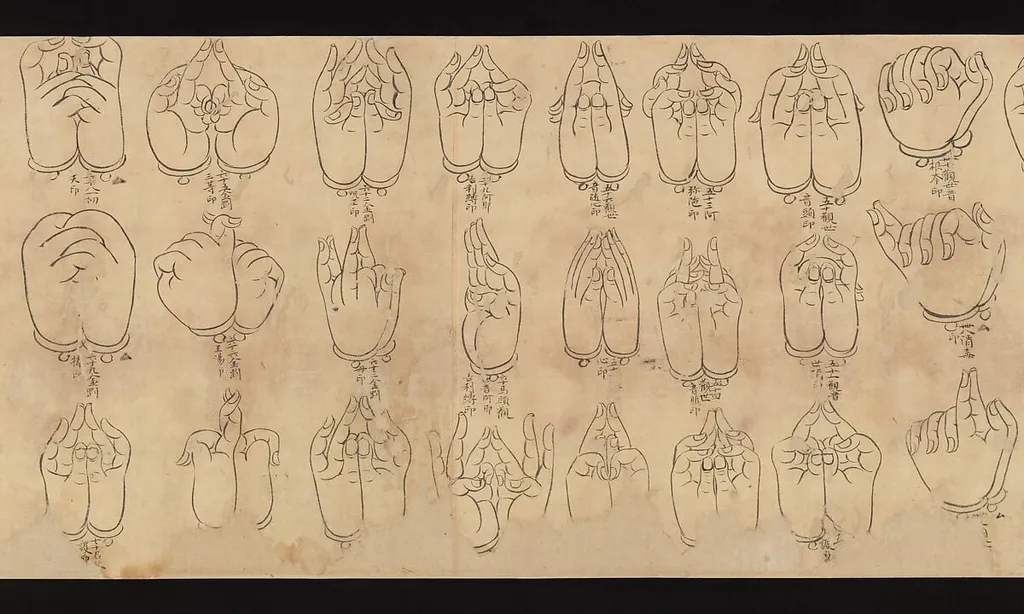
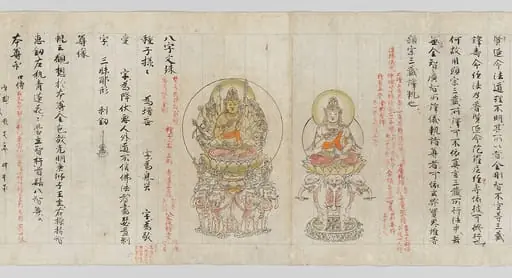
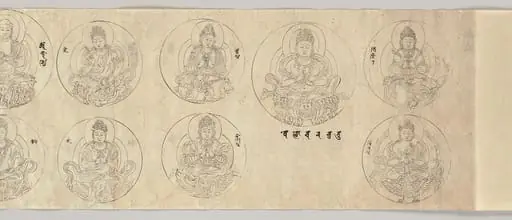
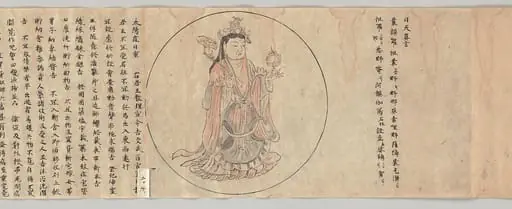
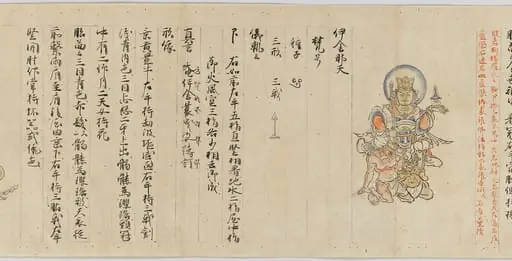
白描印相図巻|Scroll of Mudras is an ink painting. It dates from 1092 and is held in the collection of the Metropolitan Museum of Art. The Scroll of Mudras is a handscroll composed of ink on paper, presenting a series of rapid, unrefined sketches of hands.
About this work
Technique & Style
The technique is line drawing without color or shading, relying on continuous, unbroken contours to define the depicted hands and gestures.
The Scroll of Mudras is executed in ink on paper, rendered as a handscroll. The technique is line drawing without color or shading, relying on continuous, unbroken contours to define the depicted hands and gestures. The composition is organized horizontally, with each mudra isolated in sequence across the length of the scroll.
Stylistically, the figures are depicted with minimal internal detail, emphasizing clarity and precision in the hand positions. The paper support shows signs of aging consistent with its eleventh–twelfth-century date, including slight discoloration along the edges and folds from handling.
History & Provenance
The Scroll of Mudras is a Japanese handscroll created between the 11th and 12th centuries by an anonymous painter. Executed in ink on paper, the work depicts various hand gestures and measures 28.4 cm in height by 247.6 cm in width. It is currently held in the collection of the Metropolitan Museum of Art.
No specific details regarding the original commission, the identity of the patron, or the precise chain of ownership prior to its arrival at the museum are provided in the available records.
The Scroll of Mudras is held in the collection of the Metropolitan Museum of Art, where it is catalogued under the accession number 2009.176.3. The handscroll dates to the 11th–12th century and measures 28.4 cm in height by 247.6 cm in width. It was acquired by the museum in 2009 and has not been listed in any major exhibition records to date.
Context
The scroll belongs to the hand category depicted in Japanese paintings, reflecting the artistic focus on gesture and ritual in Heian and Kamakura period handscroll traditions. Its attribution to an anonymous painter aligns with common practices for unsigned works of this era, situating it within broader scholarly discussions of unattributed Japanese ink painting and the Metropolitan Museum of Art's collection of early Japanese handscrolls. The work's medium and dimensions, recorded as ink on paper measuring 28.4 by 247.6 centimeters, underscore its significance as a representative example of narrative handscroll format in medieval Japanese art.
Overview
The Scroll of Mudras is a handscroll composed of ink on paper, presenting a series of rapid, unrefined sketches of hands. Each figure is rendered from a slightly varied perspective, creating a sequential visual record akin to successive frames. The work’s informal quality, marked by visible line corrections and tremulous strokes, suggests a purpose beyond decorative display.
Subject & Meaning
The drawings depict a range of hand positions traditionally employed in Buddhist ritual, known as mudras. By isolating the gestures, the scroll functions as a visual guide to the precise formation of these symbolic movements, which convey specific spiritual meanings within monastic practice.
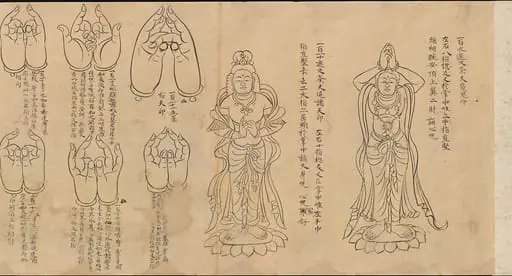
Artist & collection

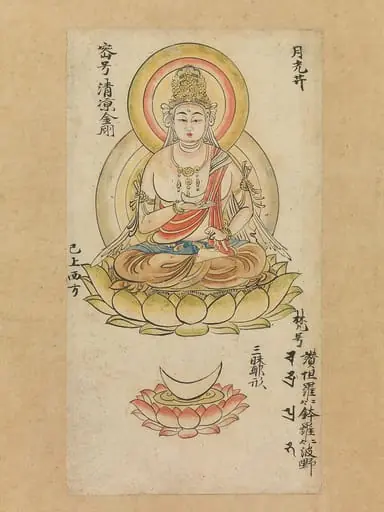 伝託磨為遠筆 月光菩薩像 「金胎仏画帖」断簡|Gakkō Bosatsu, from “Album of Buddhist Deities from the Diamond World and Womb World Mandalas” (“Kontai butsugajō”)
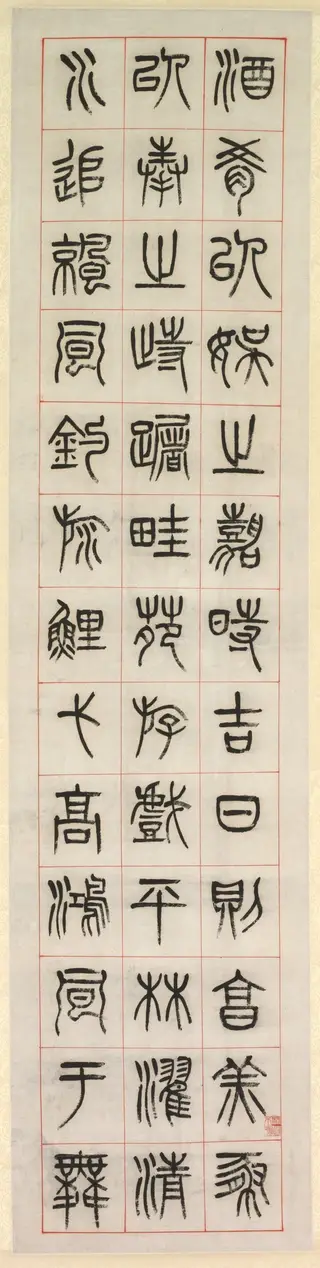 On Happiness, Calligraphy in Seal Script Style (zhuanshu)
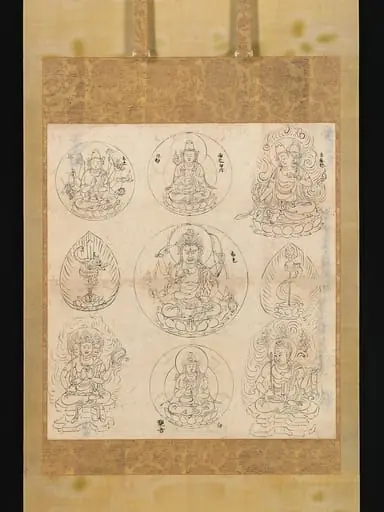 愛染曼荼羅図像 (Aizen mandara zuzō)|Iconographical Drawing of the Mandala of the Wisdom King Aizen
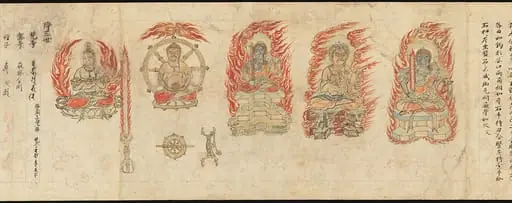 『図像抄』〈十巻抄〉明王部諸尊|Iconographic Drawings of the Five Kings of Wisdom (Myōō-bu shoson)
 Album of Calligraphy and Paintings
 On Happiness, Calligraphy in Seal Script Style (zhuanshu)
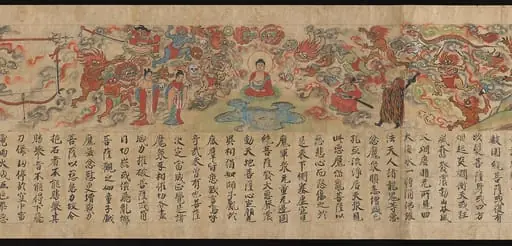 『過去現在絵因果経』 断簡 (松永本)|Scene from The Illustrated Sutra of Past and Present Karma (Kako genzai e-inga-kyō; Matsunaga Version)