Artwork
Small vase
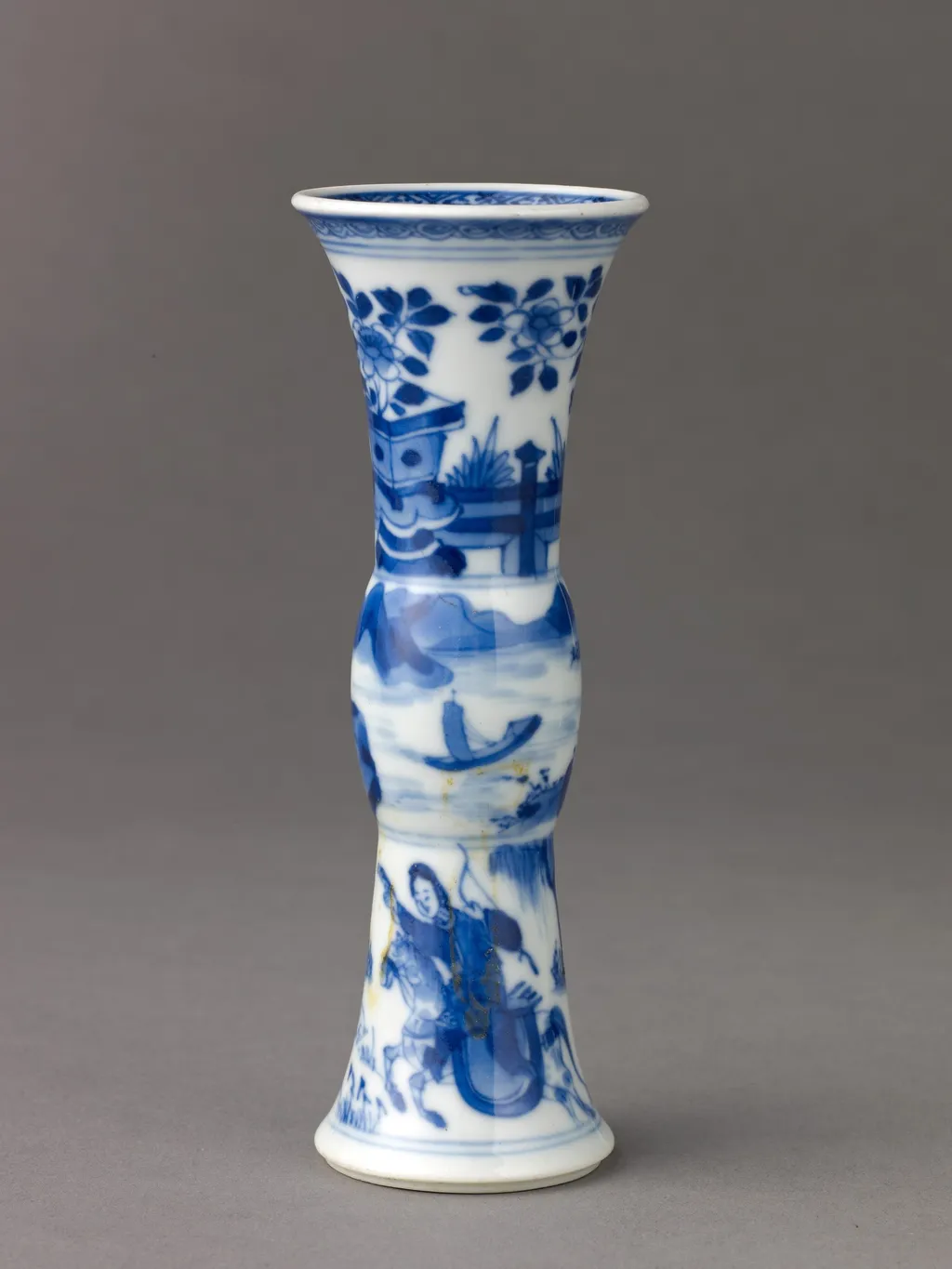
Small vase is an unspecified painting. It dates from 1696 and is held in the collection of the Metropolitan Museum of Art. The work depicts a tall, narrow vase rendered in a two‑dimensional format.
About this work
Subject & Meaning
It features traditional motifs characteristic of late 17th-century Chinese decorative arts, reflecting cultural aesthetics of the period.
The small vase depicted is a Chinese painted ceramic object created in 1692. It features traditional motifs characteristic of late 17th-century Chinese decorative arts, reflecting cultural aesthetics of the period. The work is part of the Metropolitan Museum of Art's collection, specifically from the Robert Lehman holdings, underscoring its significance within Western scholarly study of Asian art.
History & Provenance
The Small vase was created in 1692 and classified as a painting. It is attributed to an artist identified by the Wikidata URI http://www.wikidata.org/.well-known/genid/20f35e6fc3ad784d6369d7229c8cc753. The work entered the collection of Robert Lehman and is now held by the Metropolitan Museum of Art.
Legacy
The Small vase (1692) continues to be studied within the corpus of Qing dynasty painting, its presence in the Metropolitan Museum of Art's collection underscoring its enduring scholarly relevance. As part of Robert Lehman's holdings, the work informs ongoing research into Chinese artistic exchange, reinforcing its reputation as a representative example of late 17th-century decorative arts.
Overview
The work depicts a tall, narrow vase rendered in a two‑dimensional format. Its white body is overlaid with a pattern of blue motifs that include stylized flowers, foliage and diminutive human figures. The decorative band of repeated blossoms crowns the vessel, while a narrative scene with figures occupies the lower portion, giving the composition a balanced visual rhythm.
Technique & Style
Executed with precise, clean lines, the artist employs a limited palette of blue against a white ground, creating a high‑contrast effect. The linear treatment and flat decorative surfaces align with traditions of pattern painting, while the clear delineation of figures reflects a disciplined draftsmanship characteristic of illustrative approaches.
Context
The visual language of stylized botanical motifs and narrative vignettes connects the work to broader traditions of decorative painting found in various cultures, where functional objects are rendered as subjects for artistic exploration. Such compositions often serve both aesthetic and educational purposes, illustrating patterns of ornamentation alongside human activity.
Artist & collection

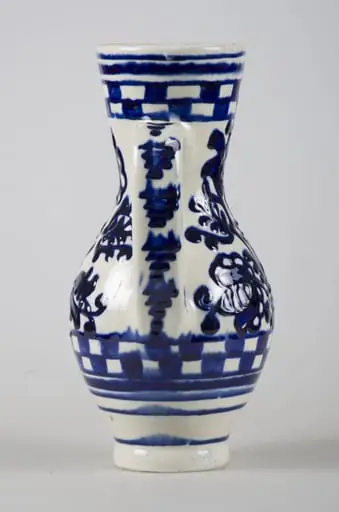 Vas ovoidal cu pântecul proeminent și relativ jos, cu gâtul înalt ce se lărgește spre buza evazată. Toarta pornește de la nivelul gâtului și se unește cu corpul în zona diametrului maxim al vasului. Este smălțuit în interior și exterior. Decorul este format din două vaze cu câte cinci lalele încadrate de motive geometrice: tabla de șah și câte două linii concentrice. Baza vasului este decorată cu două linii circulare. Toarta este decorată cu motive vegetale stilizate. Pe fundul vasului apare scris numele meșterului ”Jozsa Janos” și ”Korond”. Cromatică: fond: alb; motive: albastru.
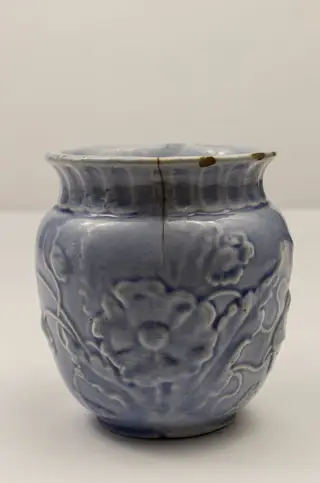 Piesă din faianță, cu aspect piriform, cu buza ușor evazată spre exterior, prevăzută cu toartă laterală semiovală. Decorul este reliefat și constă în motive florale (macul în diverse faze de dezvoltare: boboc, mac înflorit, capsule). Gâtul piesei este evidențiat printr-un brâu format din caneluri verticale. Cromatică: alb, bleu.
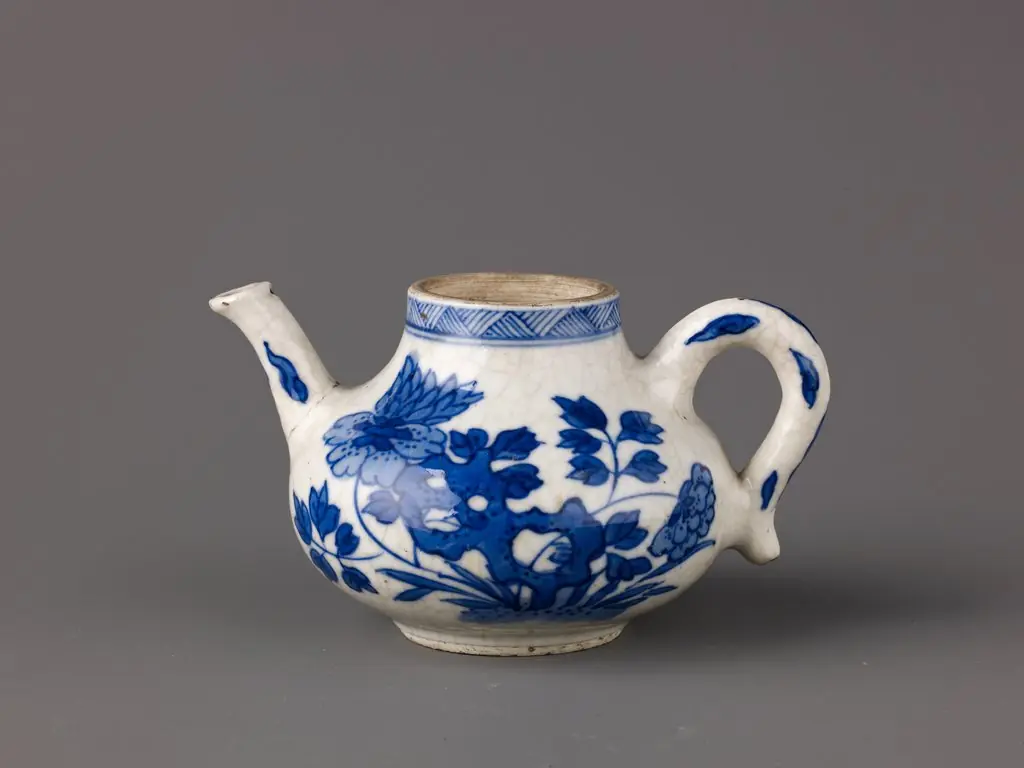 Small wine pot or teapot
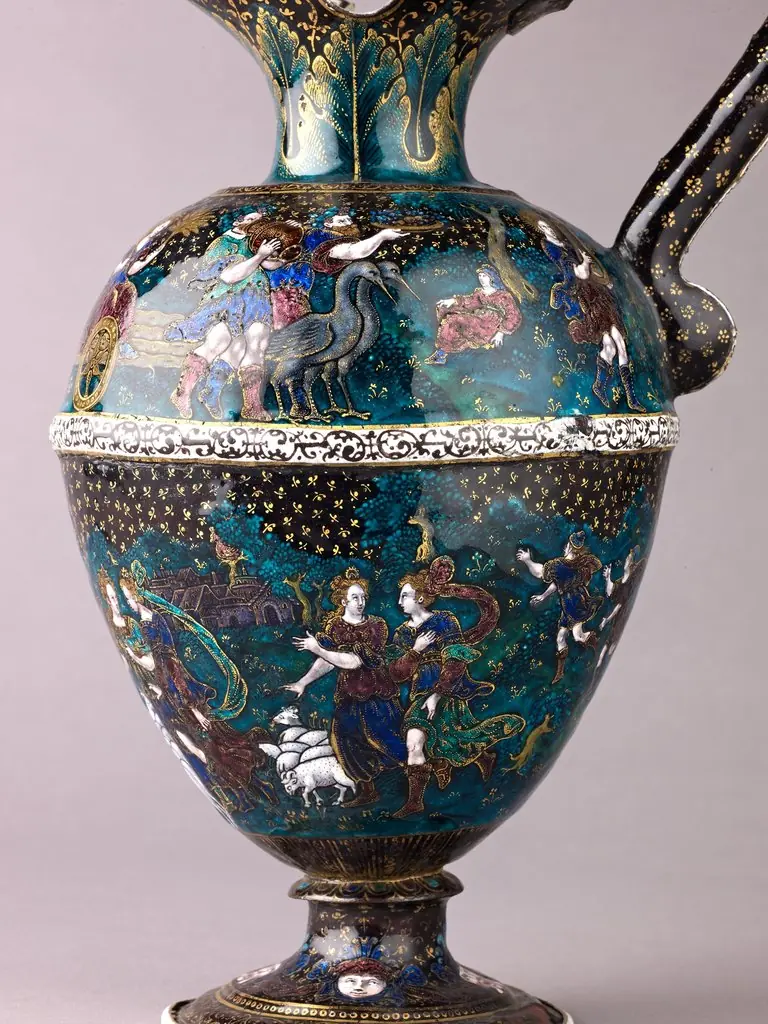 Triumph of Ceres
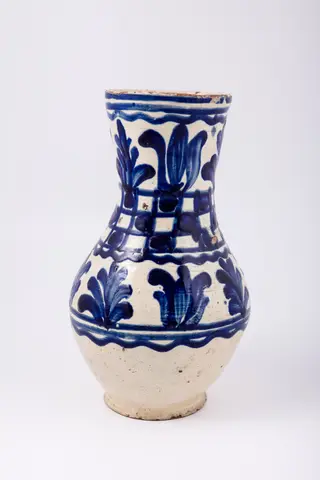 Cănceu piriform prevăzut cu o toartă, gât zvelt și ușor evazat, corpul pântecos, toarta de la gât la diametrul maxim al vasului. Decorul este împărțit în trei registre verticale încadrate în partea superioară și inferioară de linii subțiri și vălurite. Primul și al treilea registru sunt decorate cu motive florale și fitomorfe, câte o lalea înflorită intercalată de brăduți stilizați. Al doilea registru este decorat cu tabla de șah. Cromatica: alb și albastru cobalt.
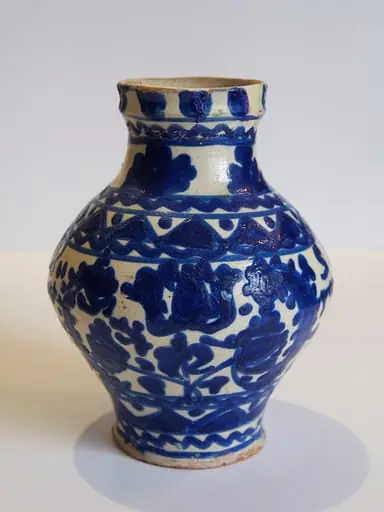 canceu
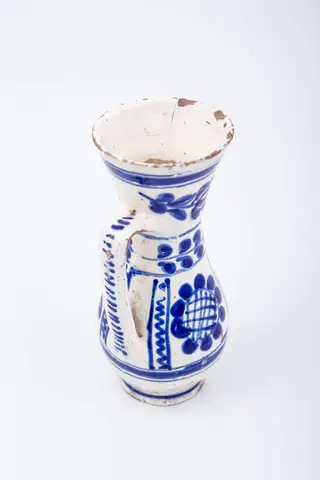 Cănceu piriform prevăzut cu o toartă, gât alungit și puternic evazat, toarta montată de la gât la diametrul maxim al vasului. Suprafața vasului este împărțită în trei registre. Primul registru dispus sub buza vasului prezintă o ghirlandă de rodii cu frunze stilizate dispusă orizontal, al doilea registru redă o bandă decorată cu spice de grâu dispuse orizontal, iar al treilea registru, dispus pe pântecul vasului, prezintă patru floarea-soarelui stilizate, intercalate de benzi verticale realizate din trei linii: două subțiri și una vălurită. Compoziția decorativă este mărginită în partea superioară și inferioară de câte o bandă lată și linii subțiri, albastre. Cromatică:alb; albastru.
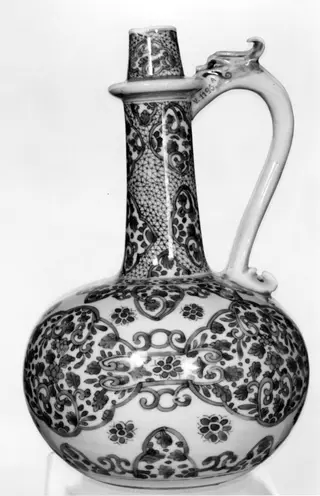 buire
buire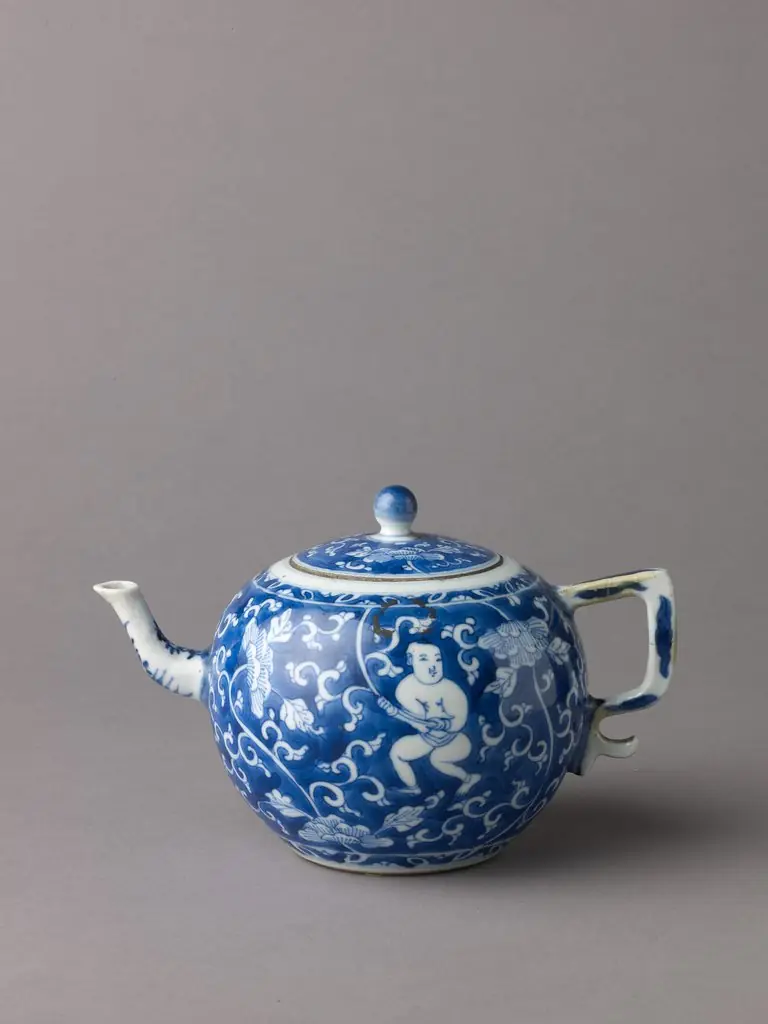 Covered wine pot or teapot
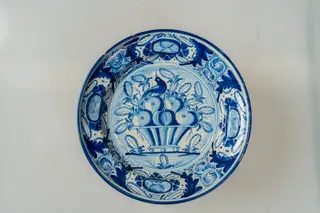 Farfurie de formă aplatizată, cu marginea lată, răsfrântă, ușor concavă spre interior. Decorul foarte bogat, dispus pe un fond alb, prin pictare, acoperă întreaga suprafață a farfuriei și este format din motive florale și vegetale fin stilizate (flori și frunze), avimorfe și un vas cu fructe (central, pe fundul farfuriei). Cromatica decorului: alb, albastru.
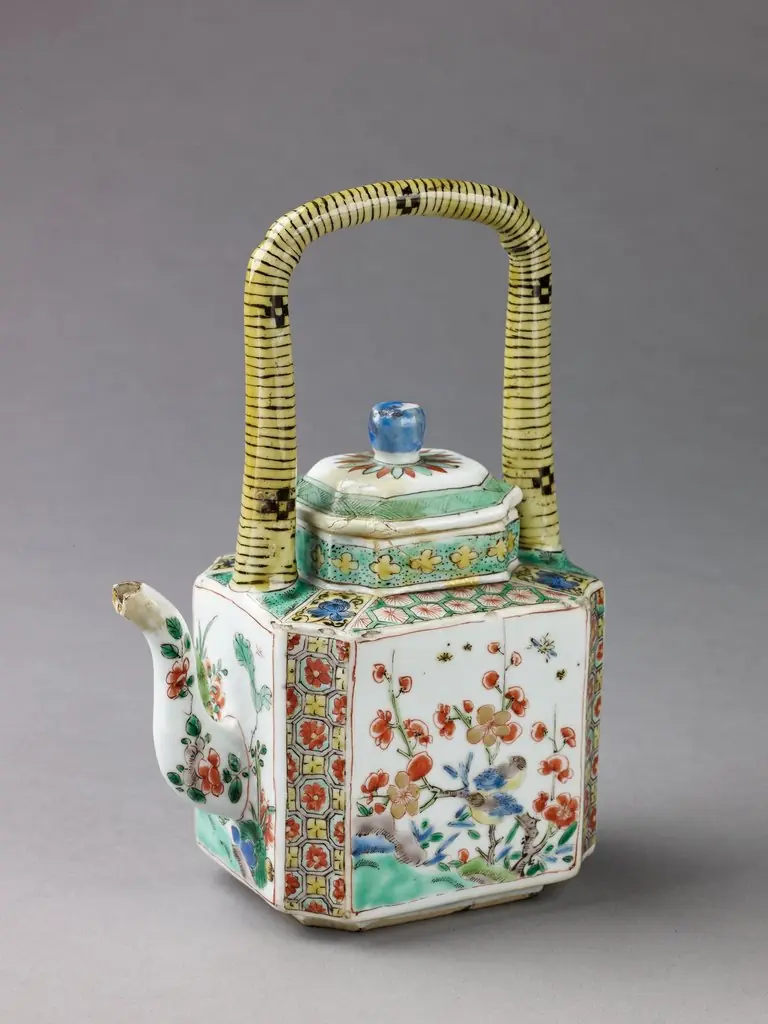 Covered wine pot or teapot
- Small vase
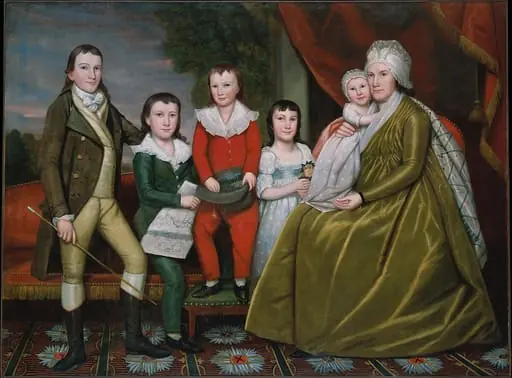 Mrs. Noah Smith and Her Children
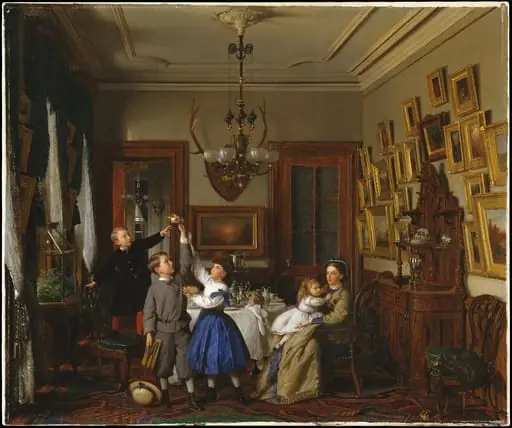 The Contest for the Bouquet: The Family of Robert Gordon in Their New York Dining-Room
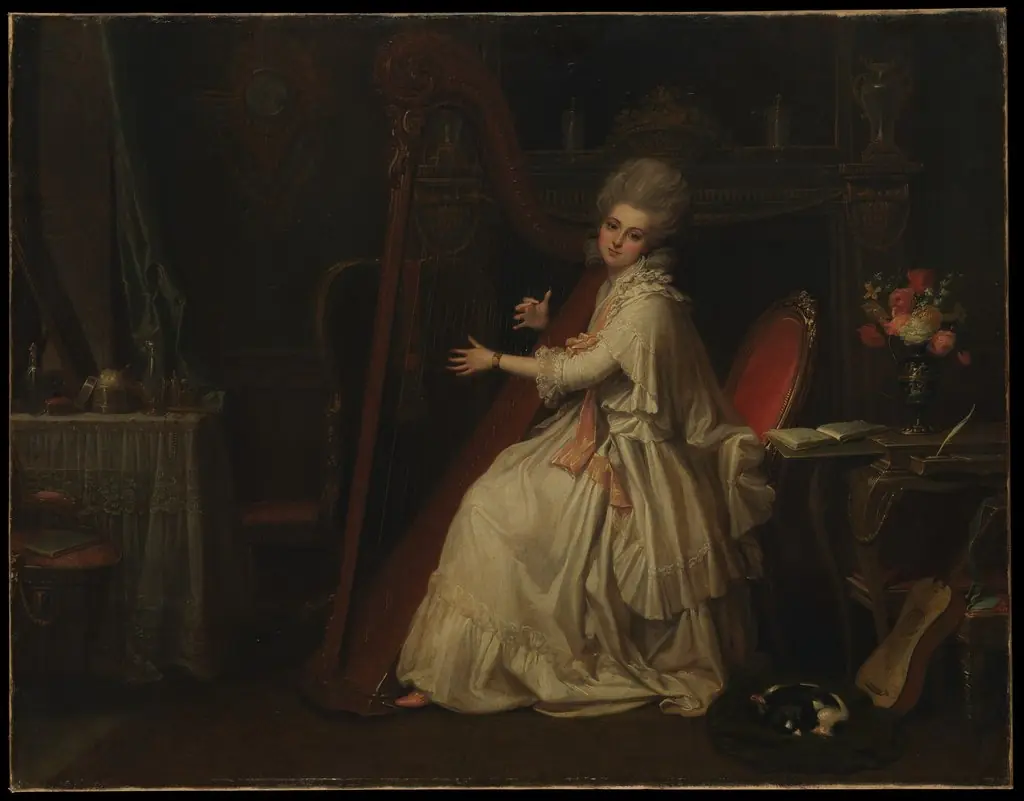 Portrait of Marianne Dorothy Harland (1759–1785), Later Mrs. William Dalrymple
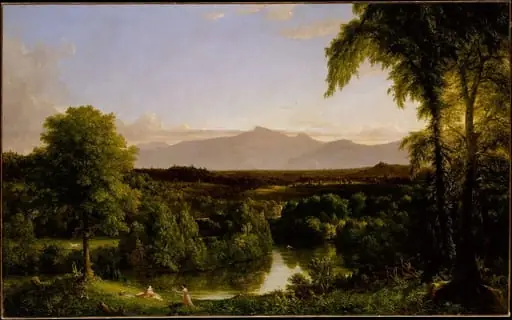 View on the Catskill—Early Autumn
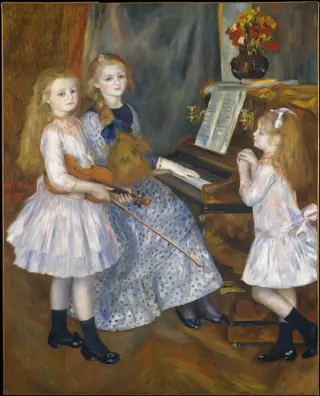 The Daughters of Catulle Mendès
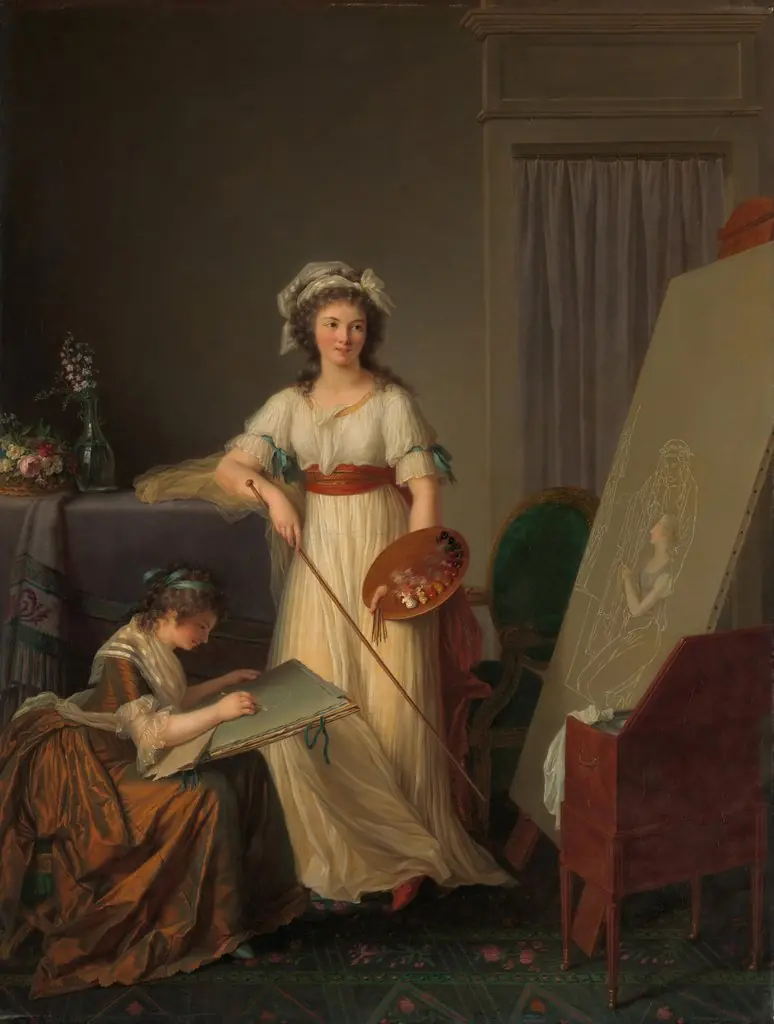 The Interior of an Atelier of a Woman Painter
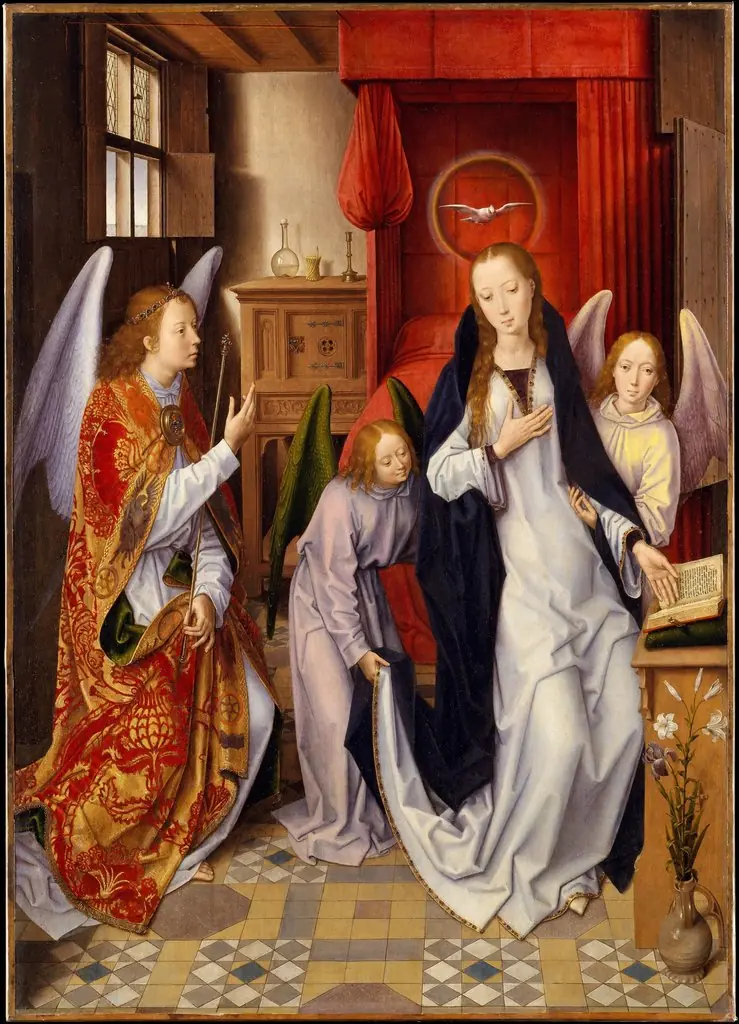 Annunciation
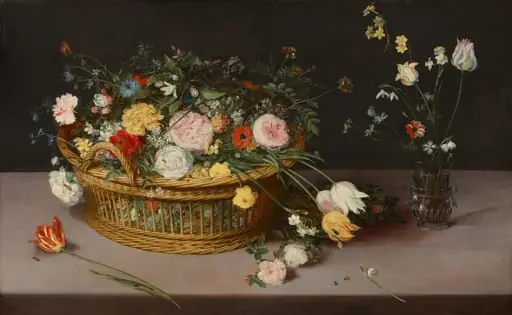 Flowers in a Basket and a Vase