Artwork
Tassaert, Félicité: Porträt Friedrich Wilhelm III., König von Preußen, als Kronprinz
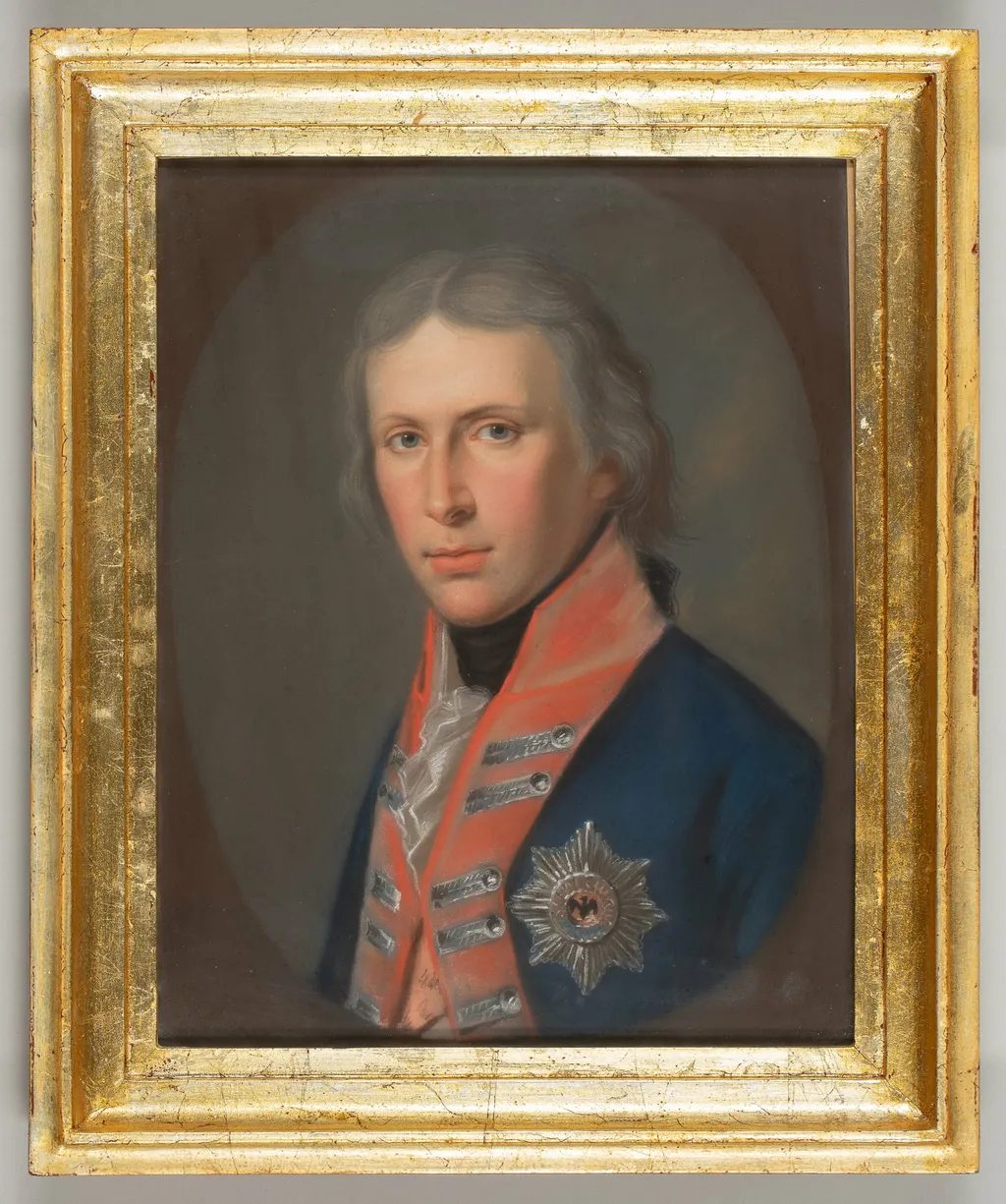
Tassaert, Félicité: Porträt Friedrich Wilhelm III., König von Preußen, als Kronprinz is a drawing by Unknown. It dates from 1750 and is held in the collection of the City Museum Berlin. This pastel portrait depicts Friedrich Wilhelm III of Prussia in his youth, shortly before his accession to the throne.
About this work
This drawing shows a portrait of Friedrich Wilhelm III, King of Prussia, as a crown prince.
The portrait is done in a gray oval and shows the king in a half profile. This style was often repeated. The drawing is based on a painting by Johann Heinrich Wilhelm Tischbein from 1793.
You can learn more about this style by looking into the technique of cross-hatching.
Overview
Executed in a gray oval frame, it follows a widely circulated compositional type derived from a 1793 painting by Johann Heinrich Wilhelm Tischbein.
This pastel portrait depicts Friedrich Wilhelm III of Prussia in his youth, shortly before his accession to the throne. Executed in a gray oval frame, it follows a widely circulated compositional type derived from a 1793 painting by Johann Heinrich Wilhelm Tischbein. The work was created by Henriette Félicité Tassaert, a Berlin-based artist trained in the courtly tradition.
The portrait was later acquired by the Märkisches Museum from a private collection in Cologne, with inscriptions on the reverse confirming its provenance and attribution.
Subject & Meaning
The portrait captures Friedrich Wilhelm III as crown prince, facing slightly left in a restrained half-profile, a conventional pose for royal imagery of the period. It was produced in anticipation of his 1793 marriage to Luise of Mecklenburg-Strelitz, a union intended to strengthen dynastic ties. The image conveys dignity and composure, aligning with the Prussian court’s preference for understated authority over flamboyance. The repetition of this likeness reflects its role in shaping public perception of the future monarch.
Technique & Style
Executed in pastel on paper, the portrait employs soft, blended tones to render the prince’s features with quiet precision. The gray oval border frames the face without distraction, emphasizing formality and restraint. The technique reflects the influence of French and German court portraiture, favoring delicate modeling over bold strokes.
While cross-hatching is not prominent, subtle gradations in shading define the contours of the face and collar, characteristic of refined pastel work in late 18th-century Berlin.
History & Provenance
Henriette Félicité Tassaert, daughter of court sculptor Antoine Tassaert, remained in Berlin after her brother’s departure for London and Paris. She worked primarily as a painter and pastellist within the Prussian court circle. The portrait was likely created shortly after 1793, though the original painting by Tischbein served as its model.
An ink inscription on the reverse notes its purchase in Munich in 1868, and a later hand identified the artist. The work entered the Märkisches Museum’s collection with these annotations intact.
Context
The portrait emerged during a period of political consolidation in Prussia, as the monarchy sought to project stability through visual culture. Tischbein’s original painting and its derivatives, including this pastel, circulated among aristocratic circles to reinforce dynastic continuity. Tassaert’s role as a female artist in a male-dominated court environment reflects the limited but existing opportunities for women in artistic service.
Her work, though not widely published, contributed to the visual language of Prussian royalty in the decades before the Napoleonic Wars.
Legacy
Though not widely exhibited beyond regional collections, the portrait remains a documented example of courtly portraiture in late 18th-century Prussia. Tassaert’s adaptation of Tischbein’s composition illustrates how royal imagery was reproduced and disseminated through smaller, more intimate media. The presence of later inscriptions and museum stamps underscores its role as a historical artifact, valued for its connection to both the royal family and the artistic practices of Berlin’s lesser-known female practitioners.
Artist & collection








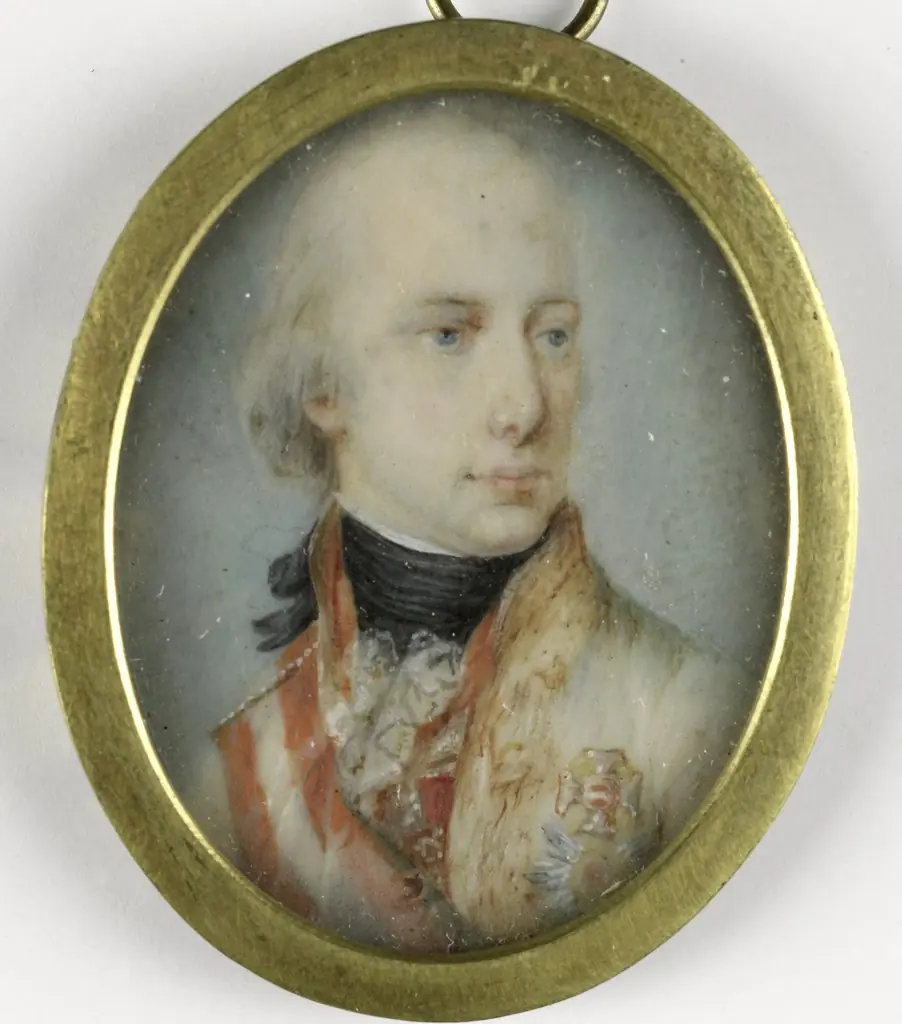
- Portrait of Frans I van Habsburg (1768-1835), emperor of Austria
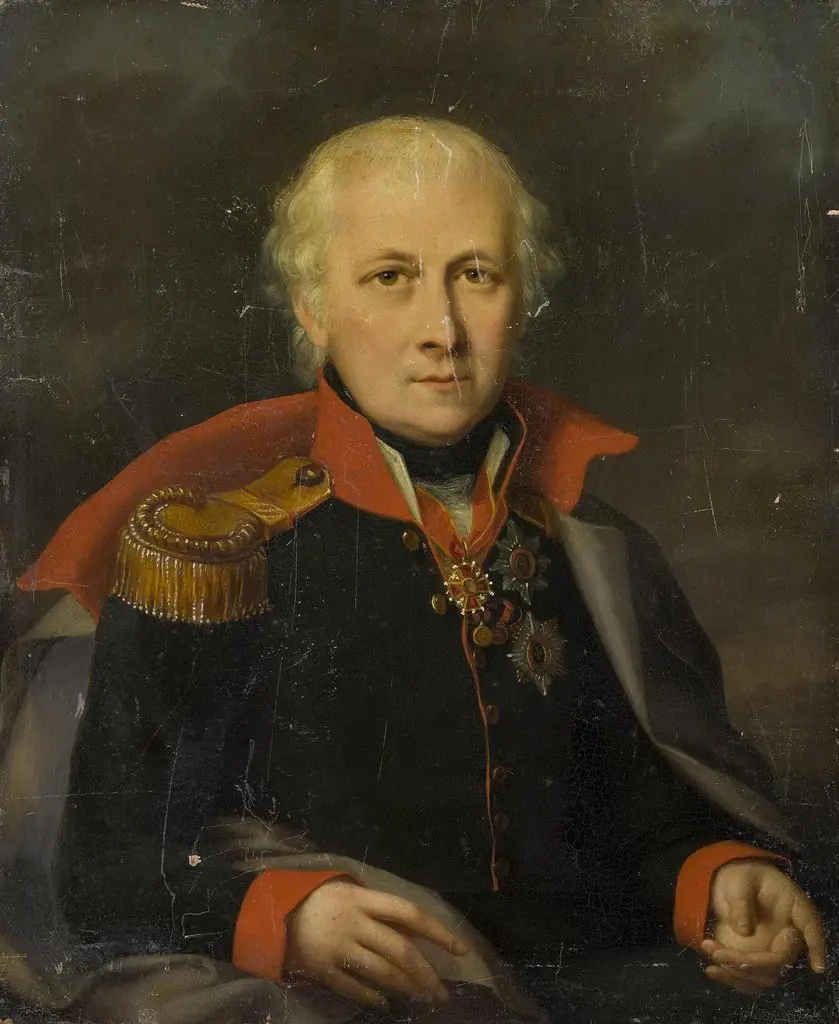 Portrait of Nikolai Mordvinov (?)
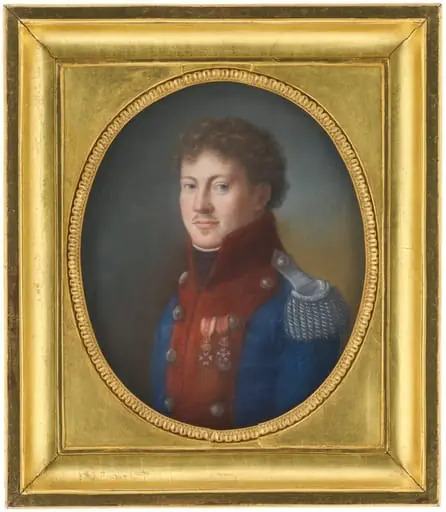 Rittmeister Heinrich Bauer
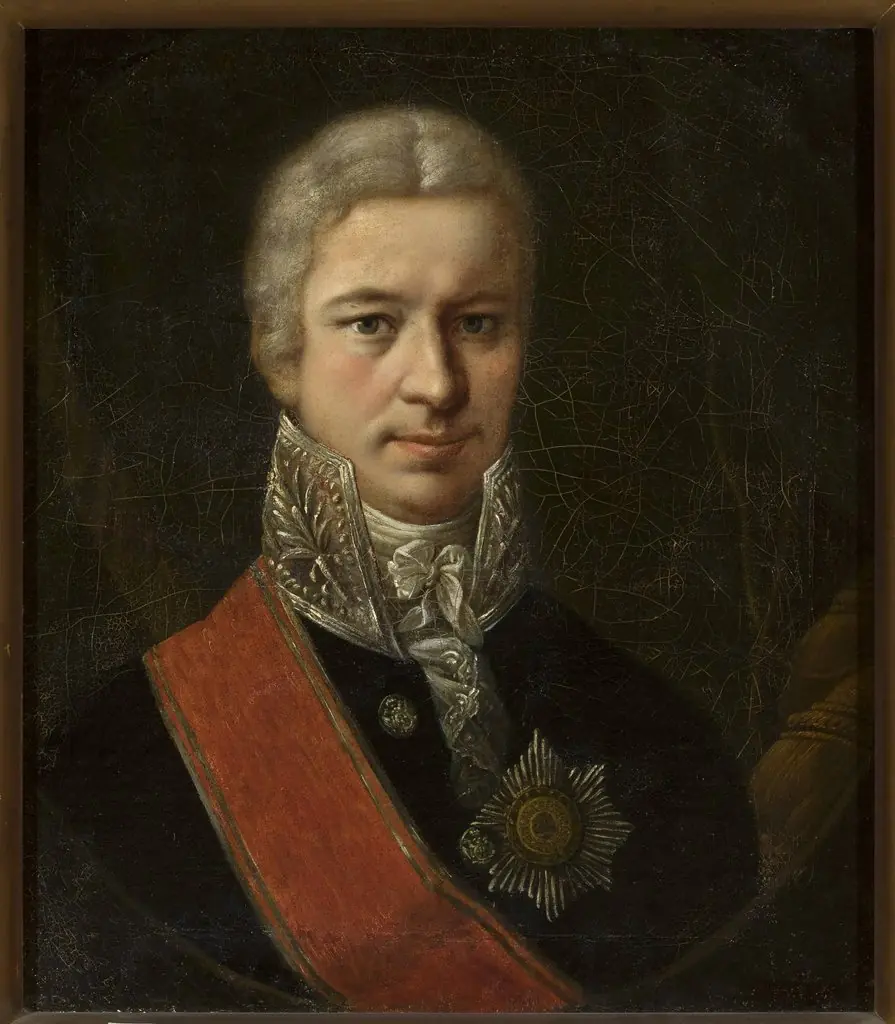 Portrait of Miączyński, voivode
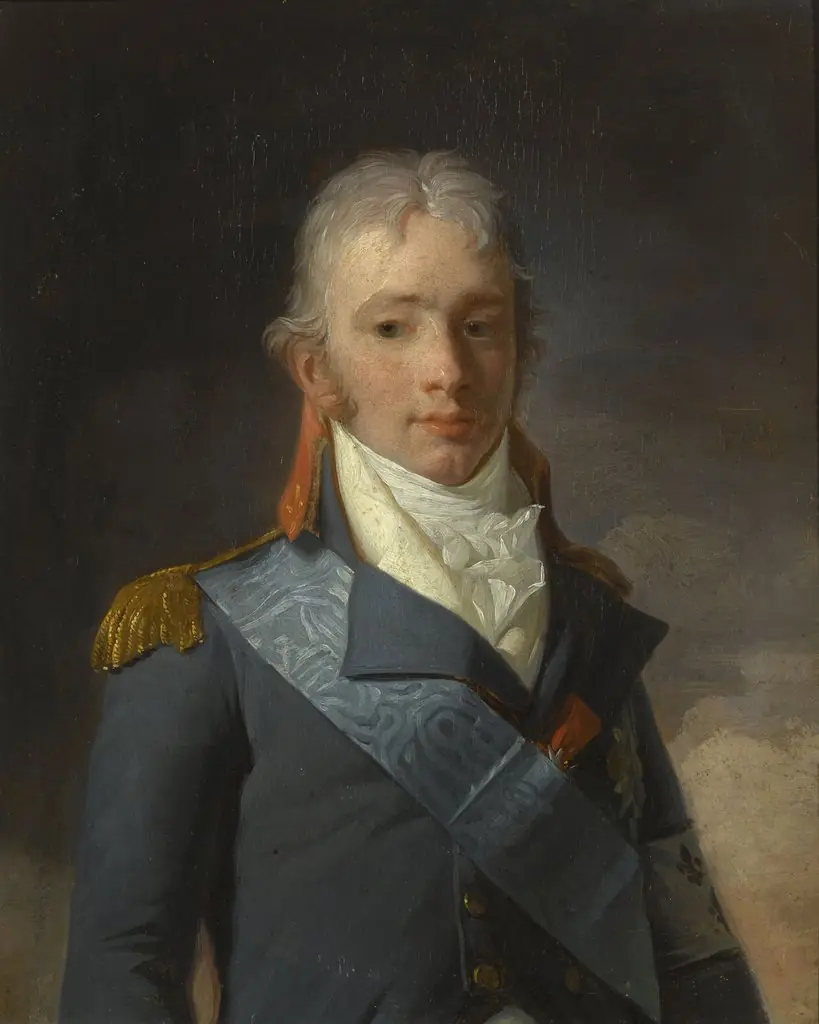 Charles-Ferdinand d'Artois, Duke of Berry
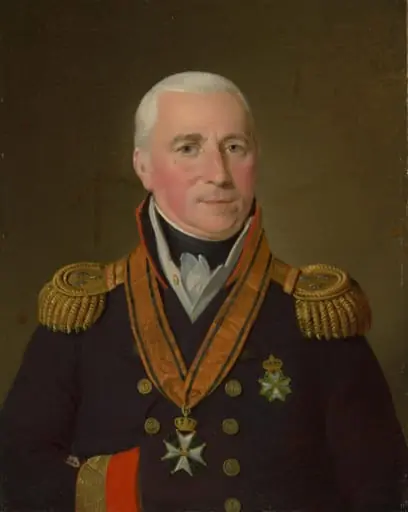 Portrait of Gerrit Verdooren (1757-1824), Vice-admiral
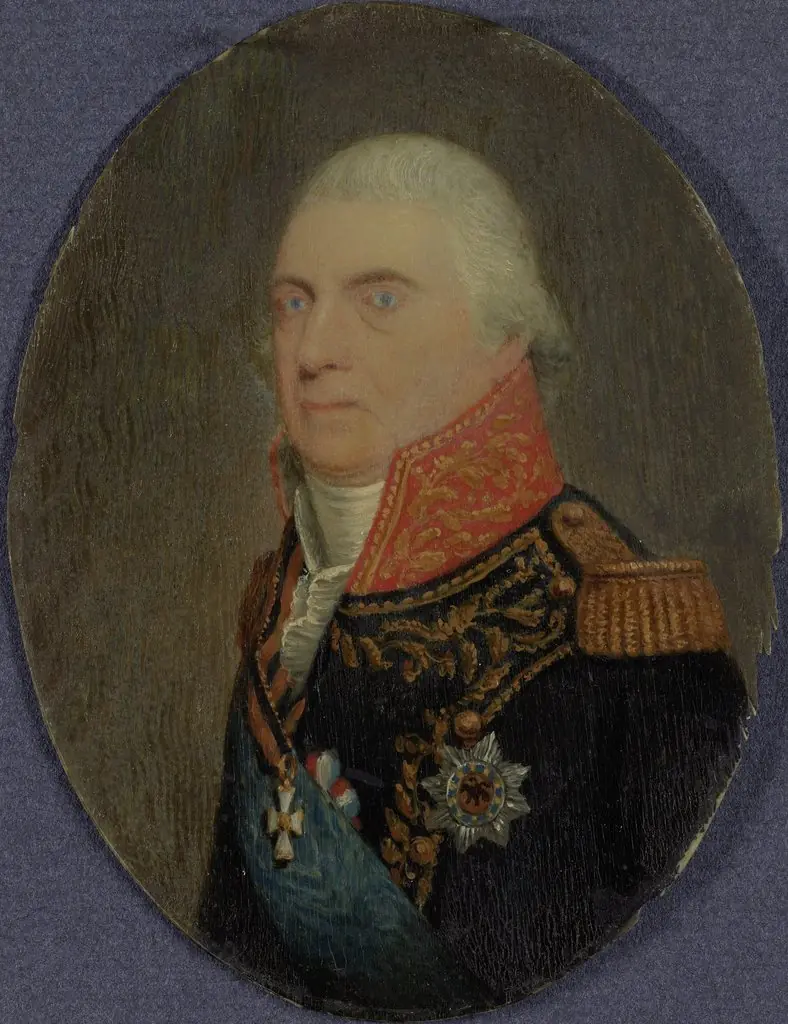 Jan Hendrik van Kinsbergen (1735-1819). Vice-admiraal, buitengewoon maarschalk der Hollandse zeemacht
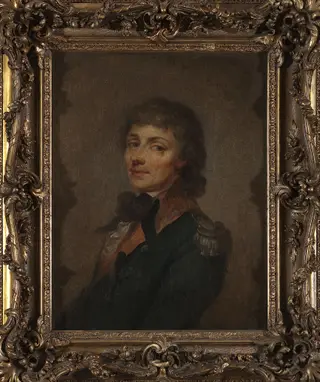 Portrait of Tadeusz Kościuszko
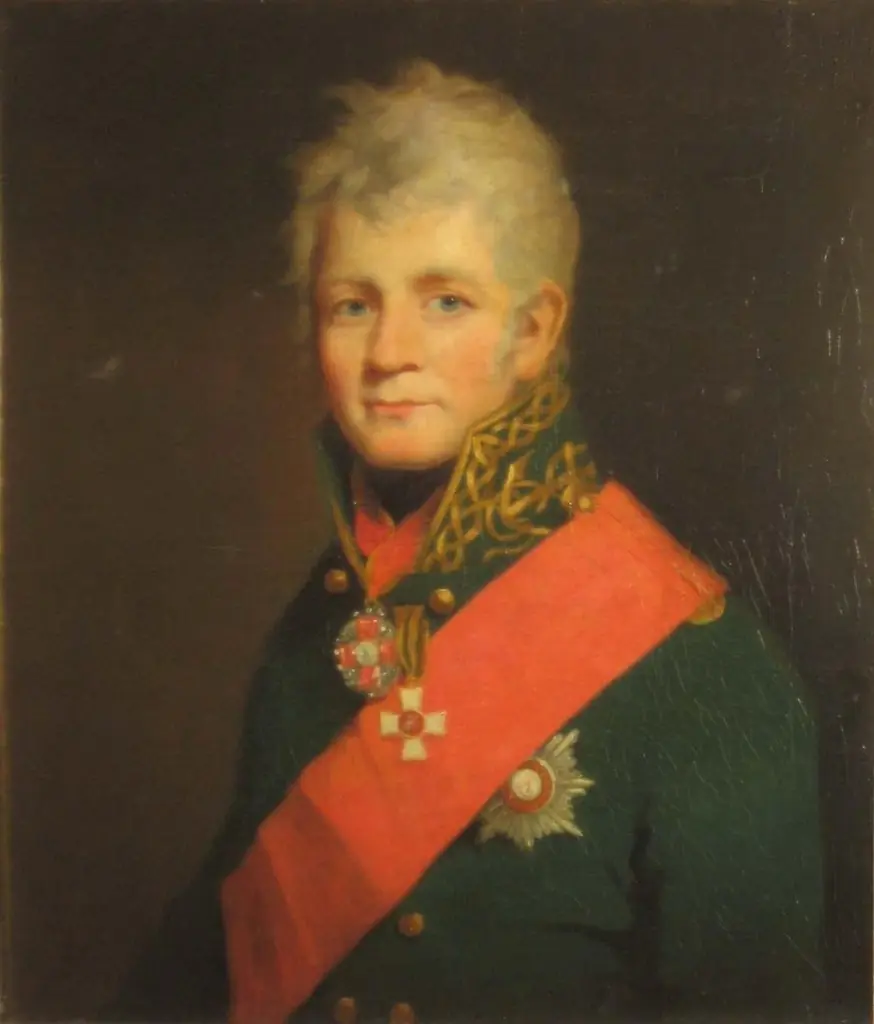 "Portrait of Admiral Pavel Chichagov" (copy)
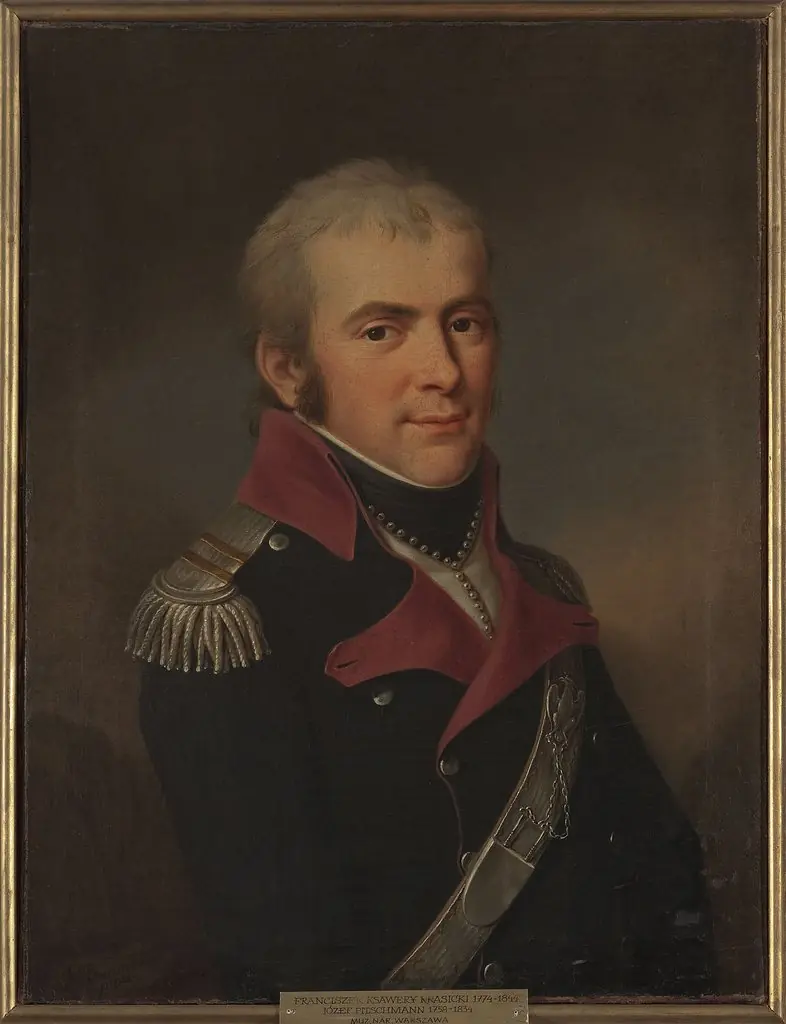 Portrait of Ksawery Krasicki (1774–1844)
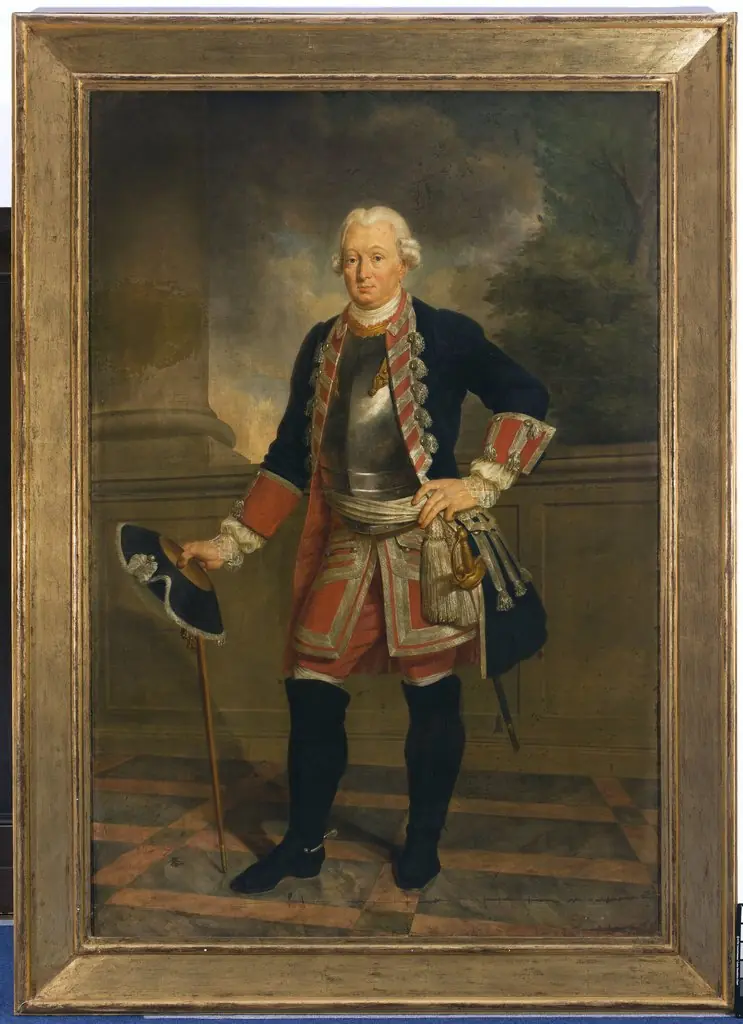 Portrait of Michał Krasiński (1712–1784), marshal general of Bar Confederation
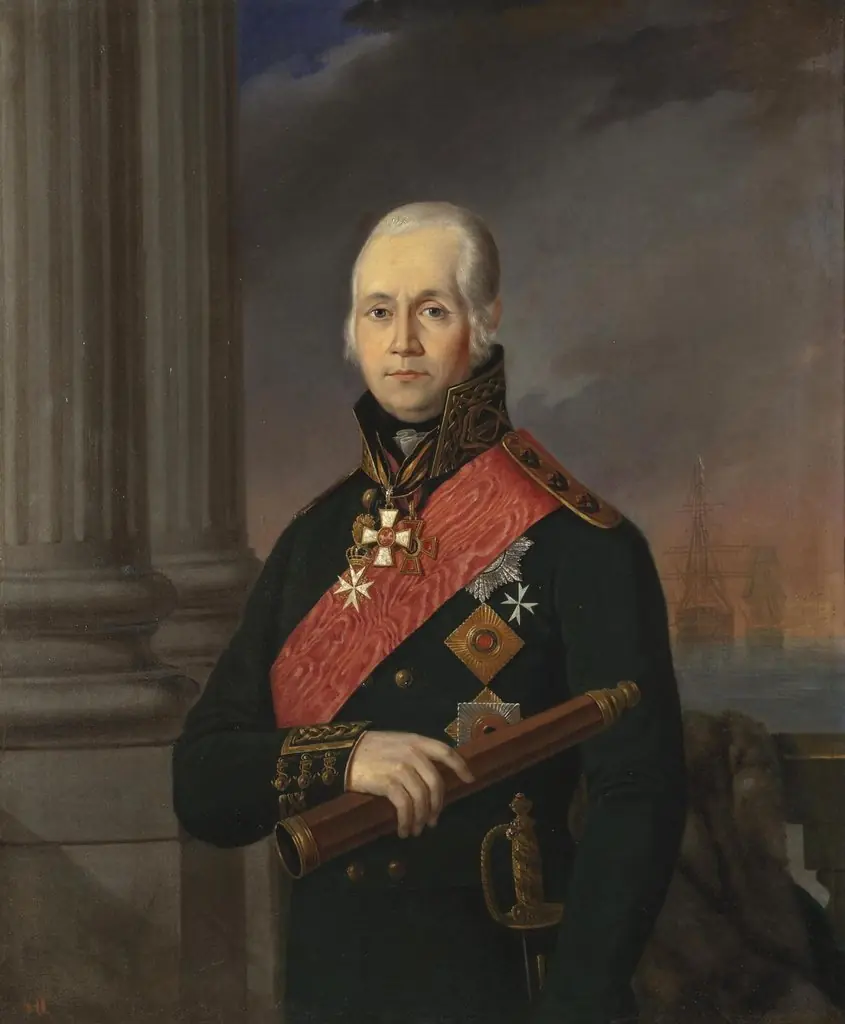 Portrait of Admiral F.F.Ushakov