Artwork
The Annunciation
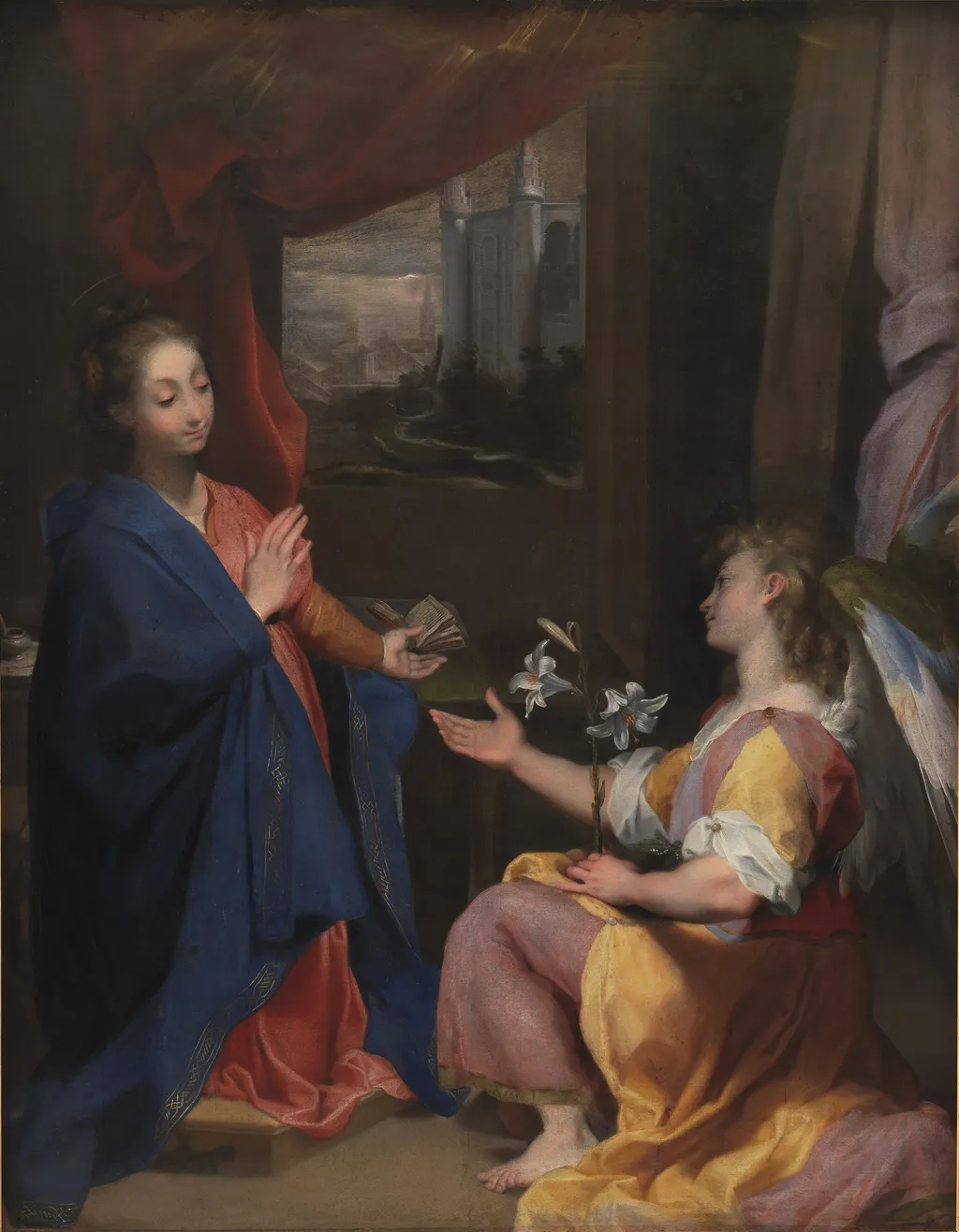
The Annunciation is an oil painting. It dates from 1591 and is held in the collection of the Statens Museum for Kunst.
About this work
Subject & Meaning
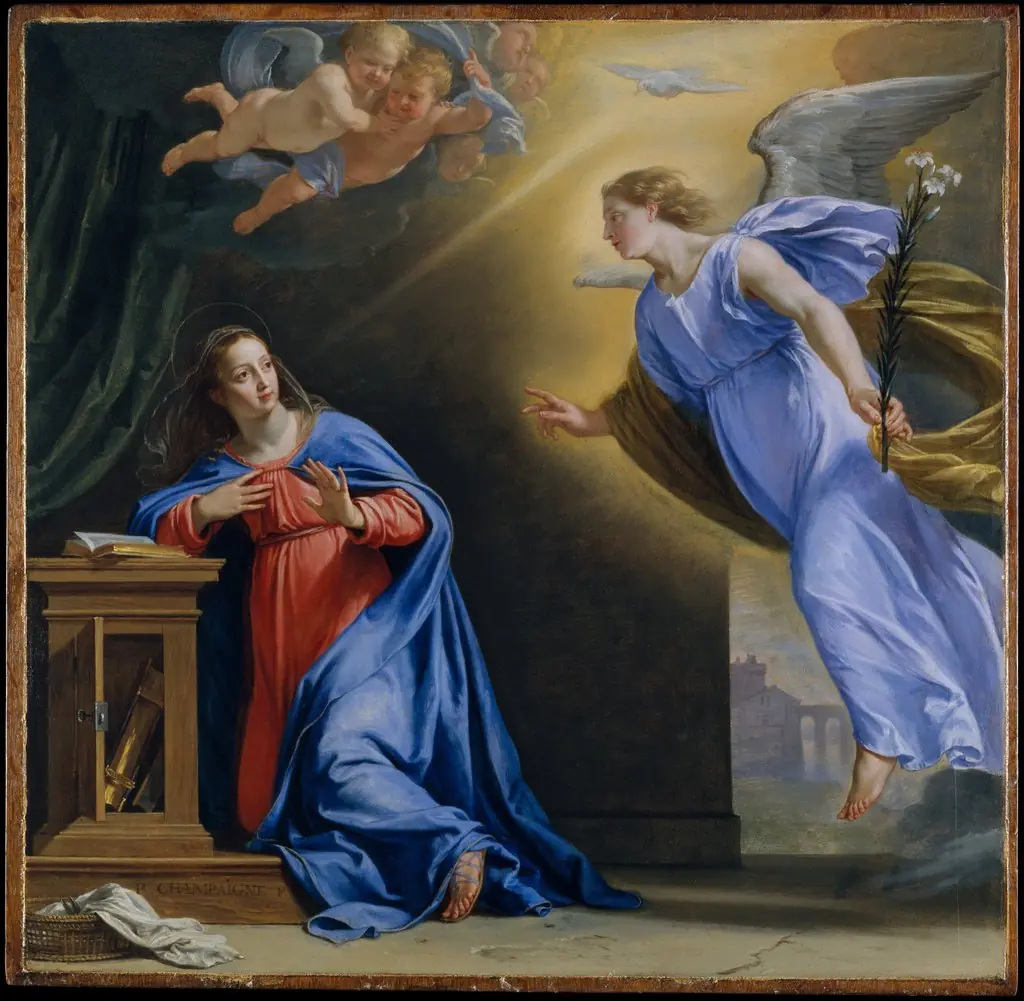
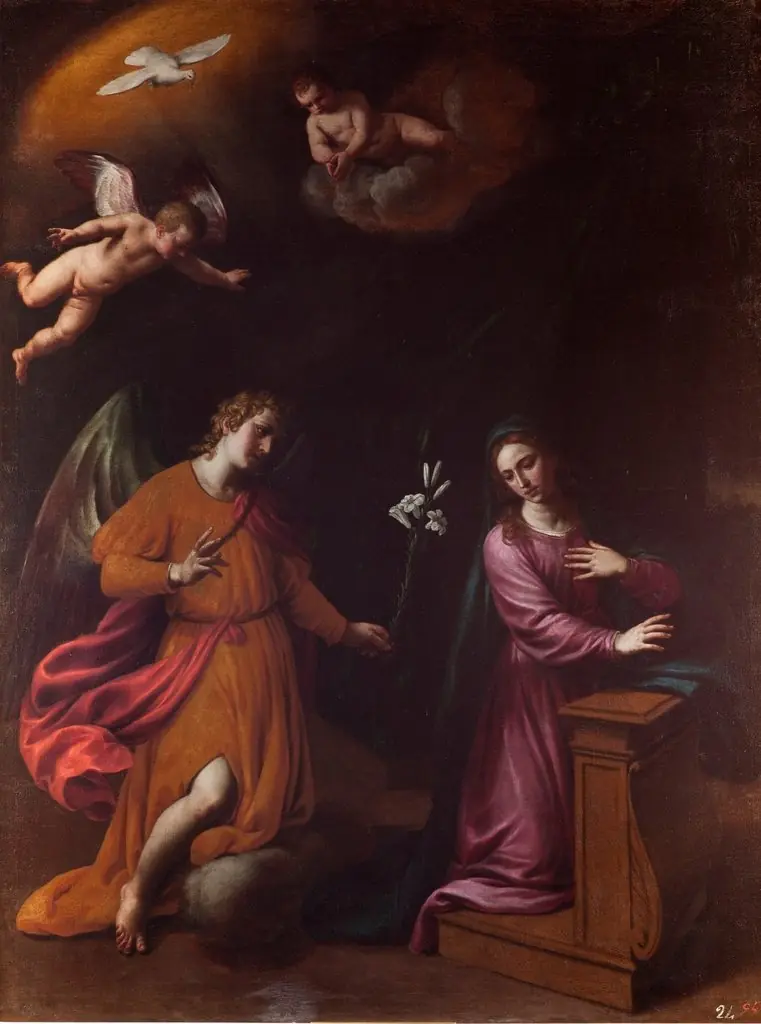
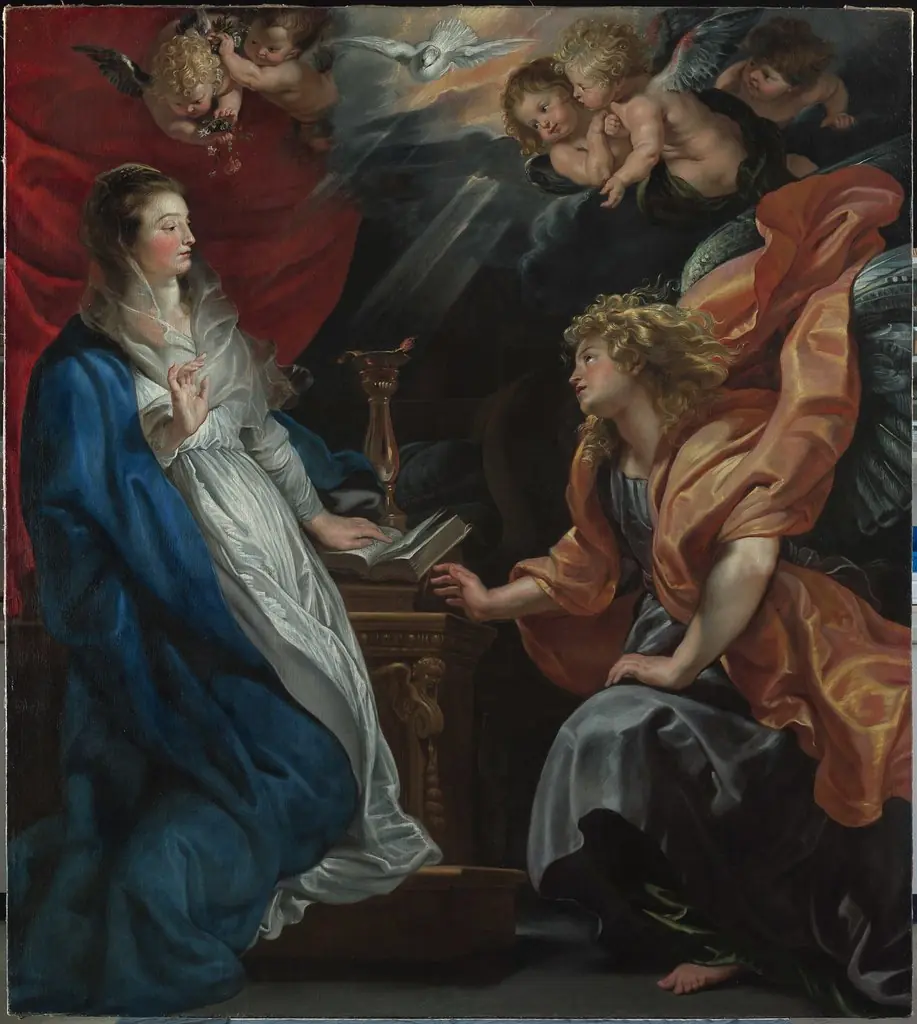
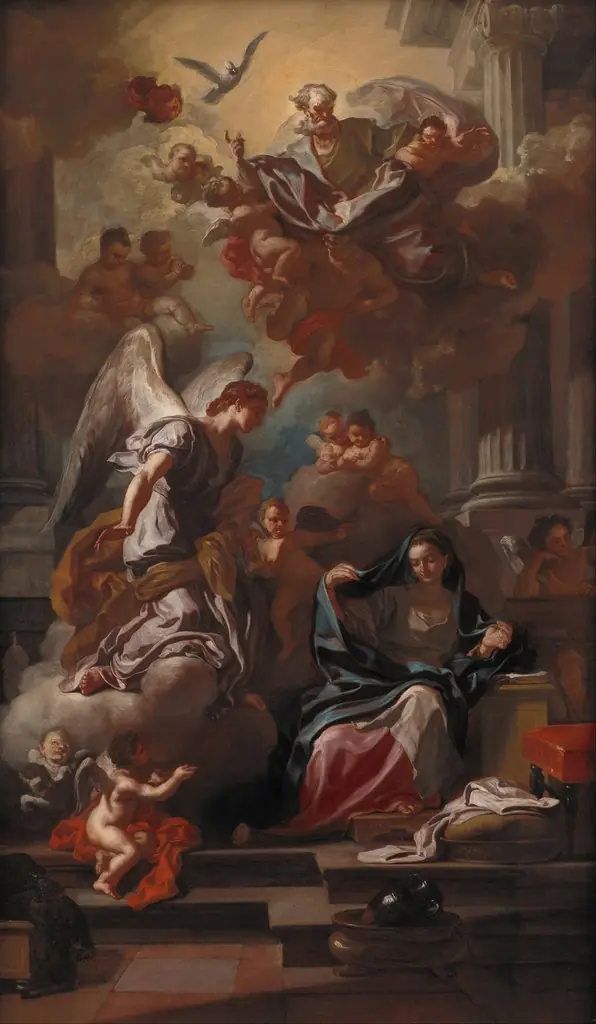
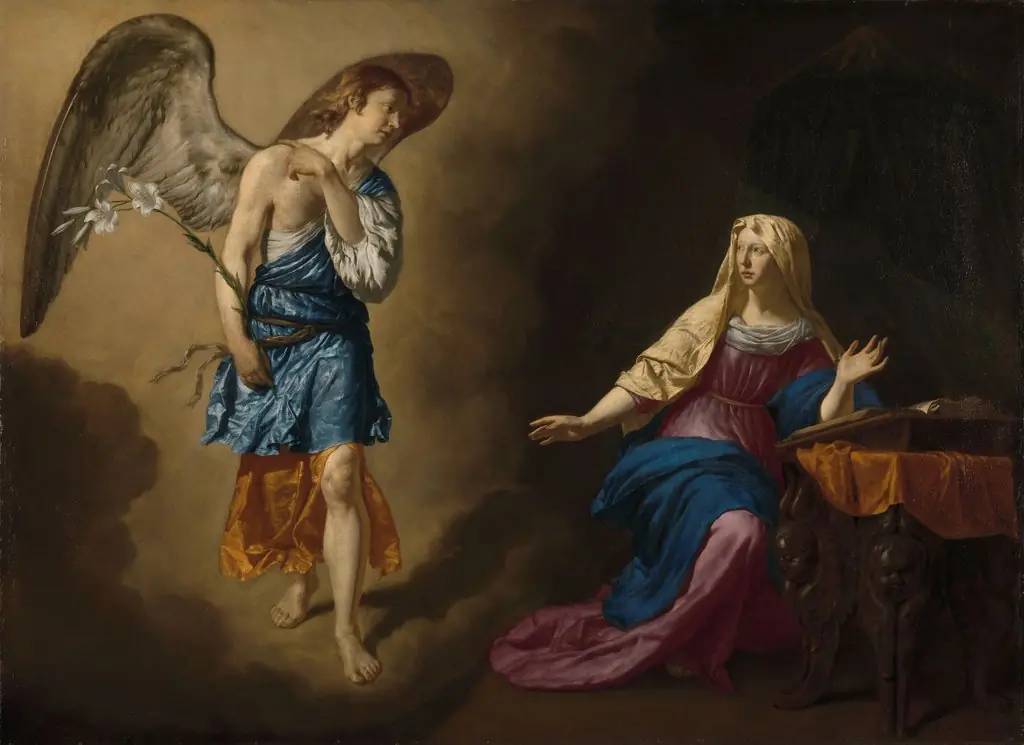
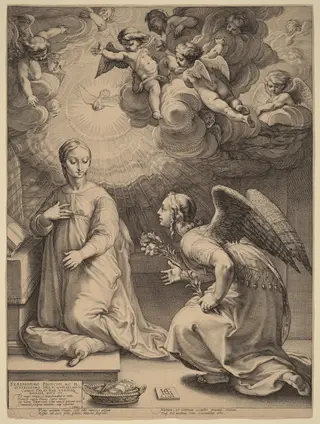
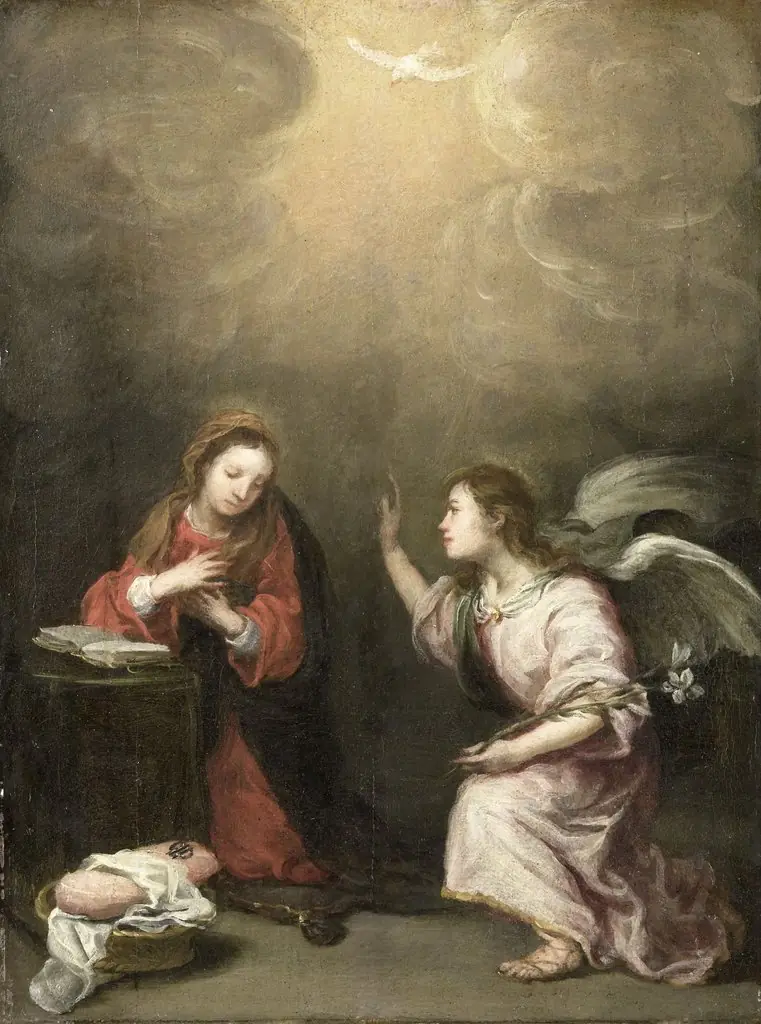
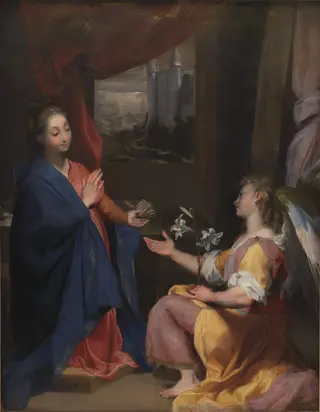
The work depicts the biblical event of the Annunciation, specifically illustrating the moment the archangel Gabriel appears to the Virgin Mary.
The work depicts the biblical event of the Annunciation, specifically illustrating the moment the archangel Gabriel appears to the Virgin Mary. As a piece of religious art, the painting centers on these two figures to represent the divine announcement of the Incarnation. Created in 1581, the composition focuses on the interaction between Mary and Gabriel, adhering to the traditional iconography of this subject where the angel delivers the message of the coming birth of Jesus. The scene serves as a visual representation of this pivotal moment in Christian theology.
Technique & Style
Created in 1581, this religious painting is executed in oil paint on a canvas support. The work functions as a composition derived from Federico Barocci, depicting the biblical scene of the Annunciation featuring the figures of Mary and Gabriel. As an oil painting on canvas, the piece utilizes a medium and support combination characteristic of the period for works of this genre and scale.
Context
The painting entered the collection of the Statens Museum for Kunst, where it has been displayed as part of the museum's religious art holdings.
Scholarship identifies it as a reproduction of Federico Barocci's composition, reflecting the late Renaissance emphasis on divine narrative.
Its 1581 creation aligns with the period's stylistic shift toward naturalistic portrayal of biblical moments.
Overview
The oil painting titled “The Annunciation” depicts an interior scene with two women. One kneels in blue and red garments, extending coins in one hand while gesturing with the other. The second woman sits on a chair, clothed in yellow and white, holding lilies and directing her gaze toward the kneeling figure. A dimly lit landscape with structures and a bridge is visible through a window behind them.
Artist & collection