Artwork
The Beheading of Saint John the Baptist
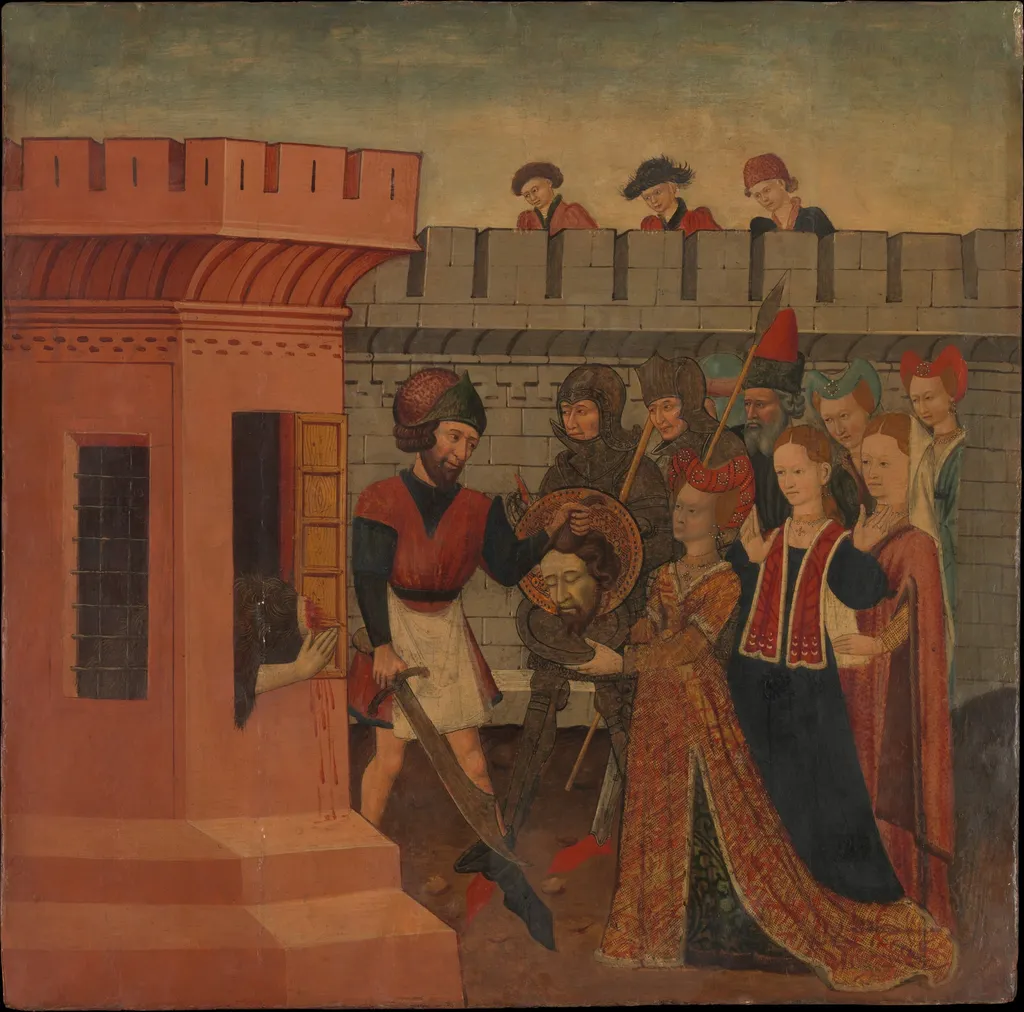
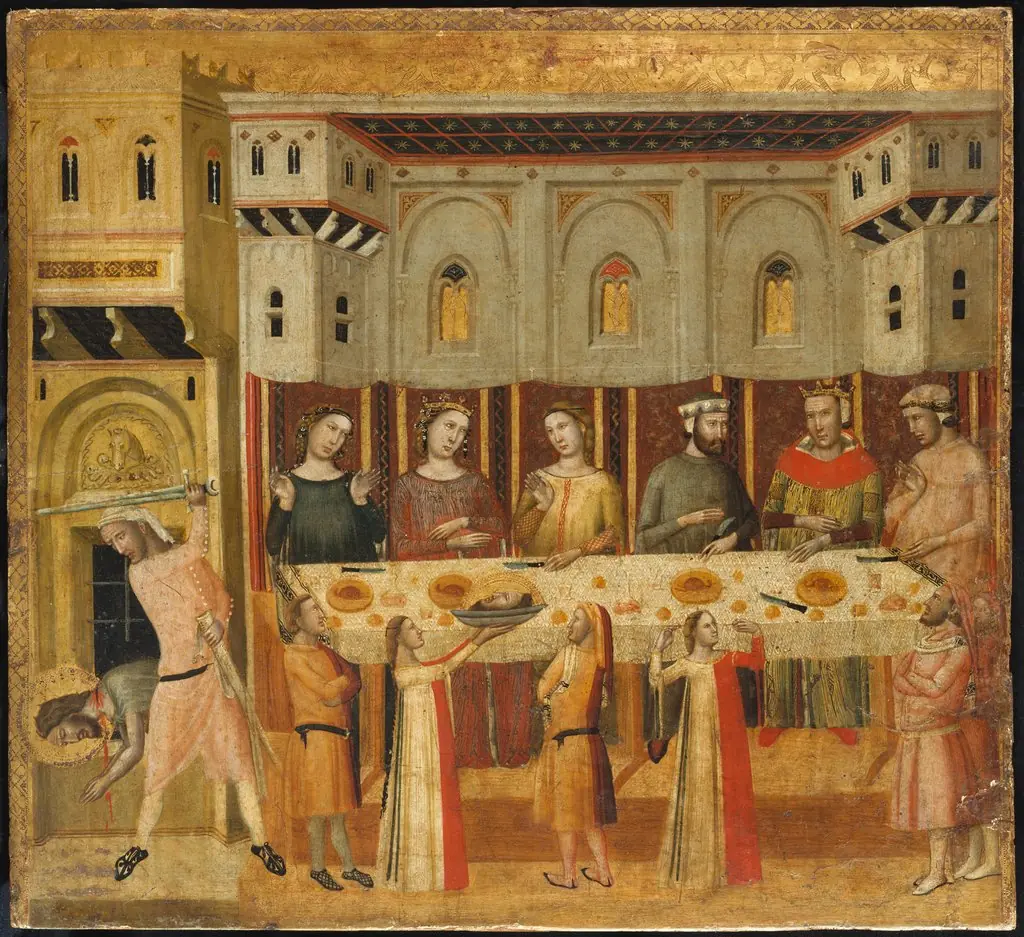
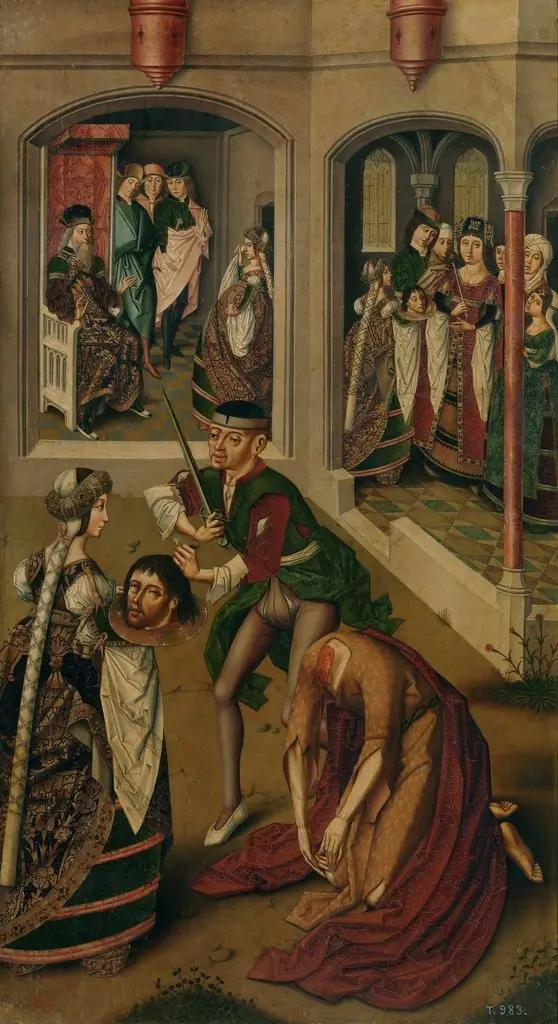
The Beheading of Saint John the Baptist is an unspecified painting. It dates from 1500 and is held in the collection of the Metropolitan Museum of Art. This painting depicts a dramatic scene set before a red brick structure, focusing on the execution of Saint John the Baptist.
About this work
Subject & Meaning
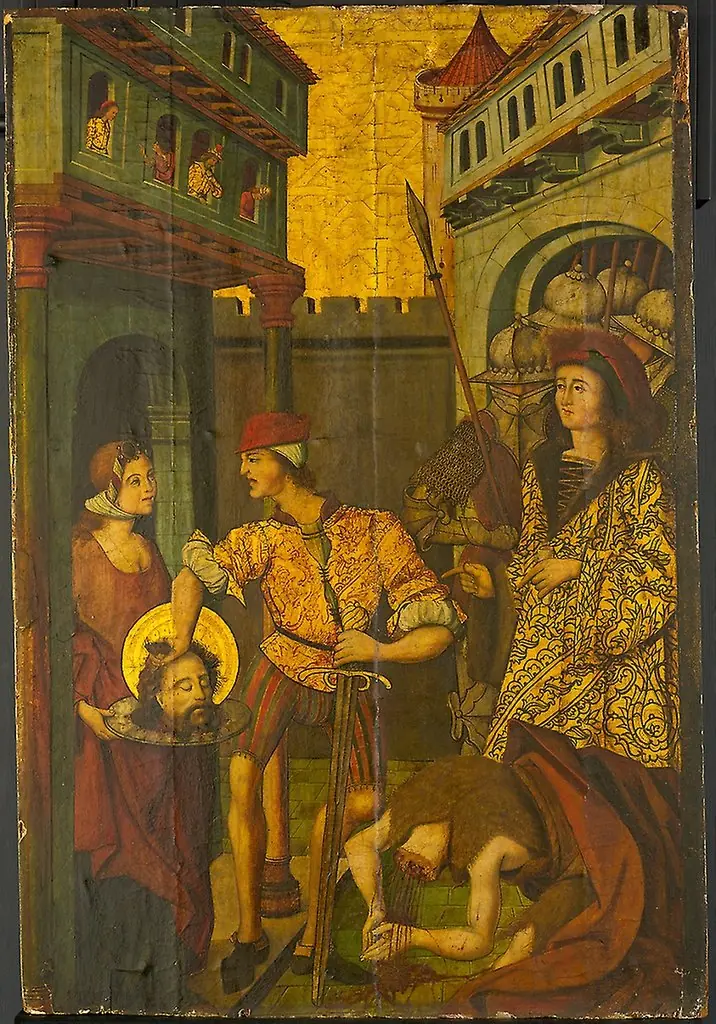
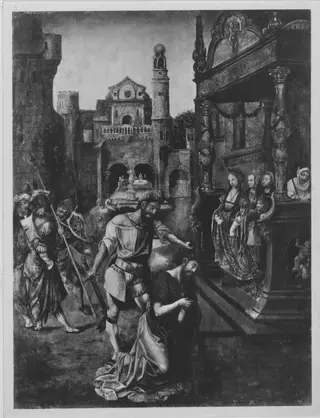
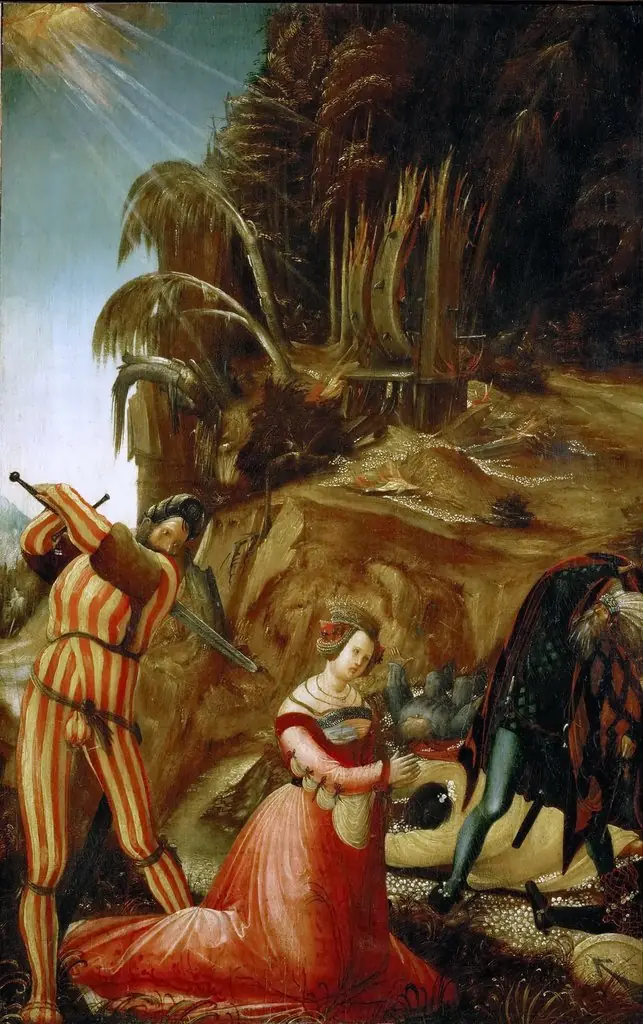
The scene is populated by two principal figures: the kneeling Baptist and the armored executioner poised with raised sword, while a female attendant looks on.
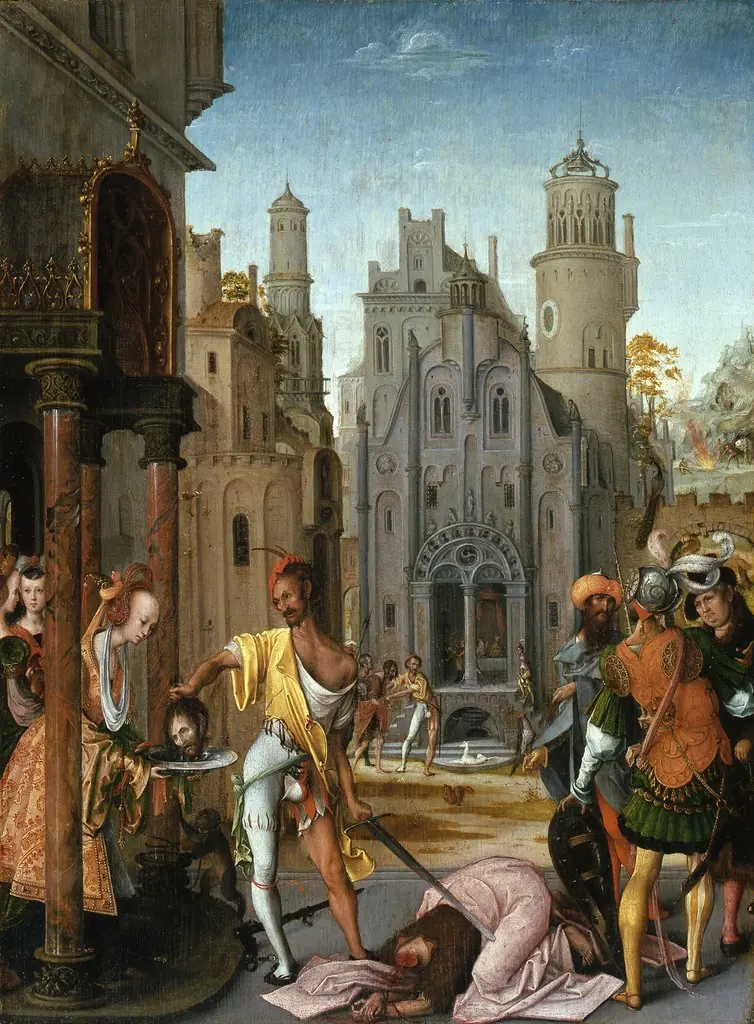
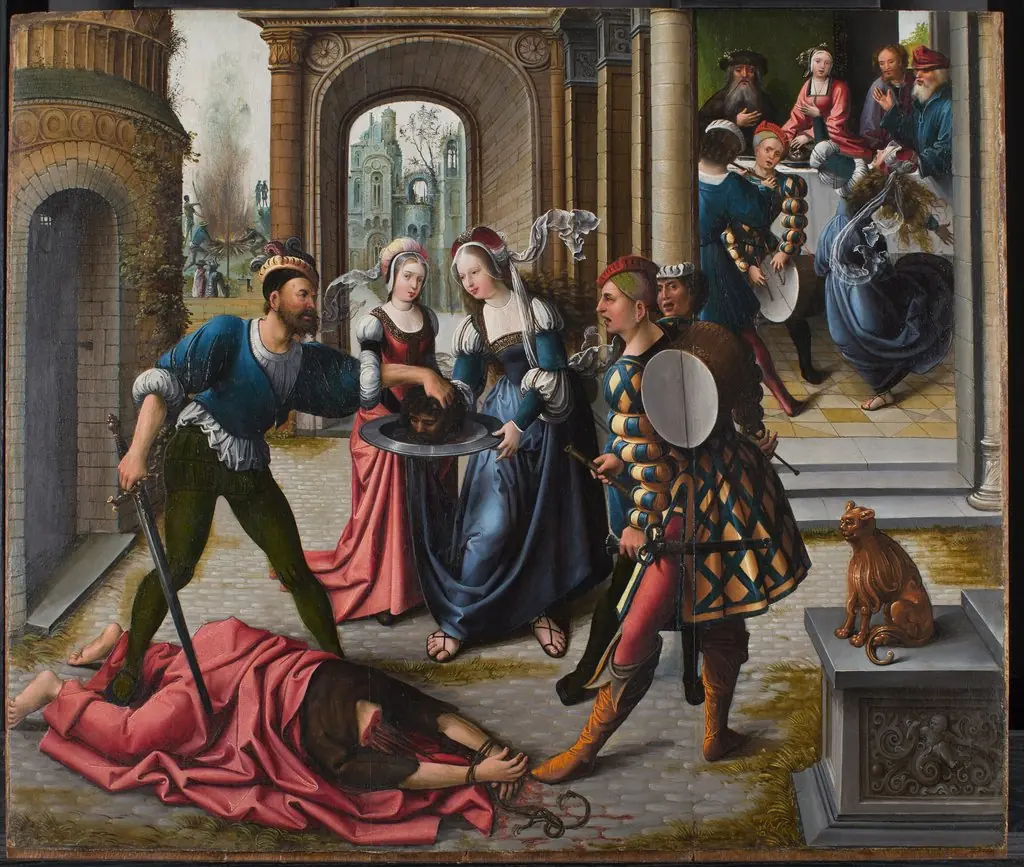
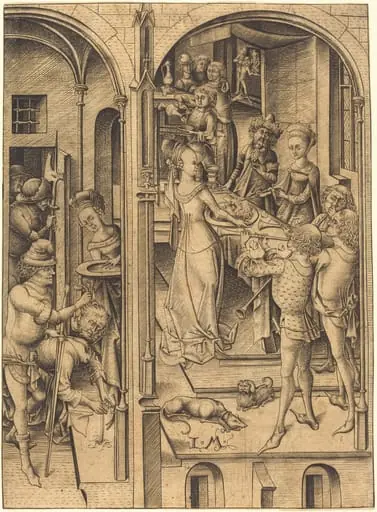
The painting depicts the biblical execution of Saint John the Baptist, a foundational episode in Christian hagiography in which Herod Antipas orders the beheading of the prophet who had condemned the ruler’s marriage. The scene is populated by two principal figures: the kneeling Baptist and the armored executioner poised with raised sword, while a female attendant looks on. The composition centers on the moment of martyrdom, transforming a violent historical event into a devotional image that underscores the Baptist’s sanctity and the triumph of faith over tyranny.
The work’s religious genre and inclusion in a 1924 exhibition of French Primitives at the Metropolitan Museum of Art confirm its liturgical purpose and reception within late medieval and early Renaissance visual traditions.
History & Provenance
The painting The Beheading of Saint John the Baptist is dated to circa 1500 and is attributed to a Spanish (Catalan) painter, aligning with early Renaissance practices in the Crown of Aragon. It entered the collection of the Metropolitan Museum of Art through the bequest of Michael Friedsam in 1931, forming part of his significant donation of European paintings and objects of art. The work’s early provenance prior to the 20th century remains undocumented in the provided sources, though its inclusion in the 1920 Loan Exhibition of French Primitives and Objects of Art at the Metropolitan Museum suggests it was considered part of the broader category of late medieval or early Renaissance religious works circulating in European collections at that time.
The Beheading of Saint John the Baptist is held in the collection of the Metropolitan Museum of Art in New York. The work, a religious painting created around 1500 by a Spanish (Catalan) artist, is associated with the collector Michael Friedsam. It has been documented as depicting the main subject of the beheading of John the Baptist, alongside figures of a soldier and a woman.
The painting measures 85.7 cm in height and 86.4 cm in width. Its recorded exhibition history includes participation in the Loan Exhibition of French Primitives and Objects of Art.
Context
The Beheading of Saint John the Baptist is a 1500 religious painting attributed to a Spanish (Catalan) artist, classified as a work of religious art that depicts the execution of John the Baptist alongside a soldier and a woman. It entered the collection of Michael Friedsam and was featured in the Loan Exhibition of French Primitives and Objects of Art, highlighting its role within the broader trajectory of Iberian devotional imagery and the historiography of primitive art. The painting’s formal dimensions (85.7 × 86.4 cm) and its presence at the Metropolitan Museum of Art situate it within the broader context of early 20th‑century exhibitions of European primitives.
Contemporary scholarship on the work remains sparse, and no detailed critical reception is recorded in the available documentation.
Overview
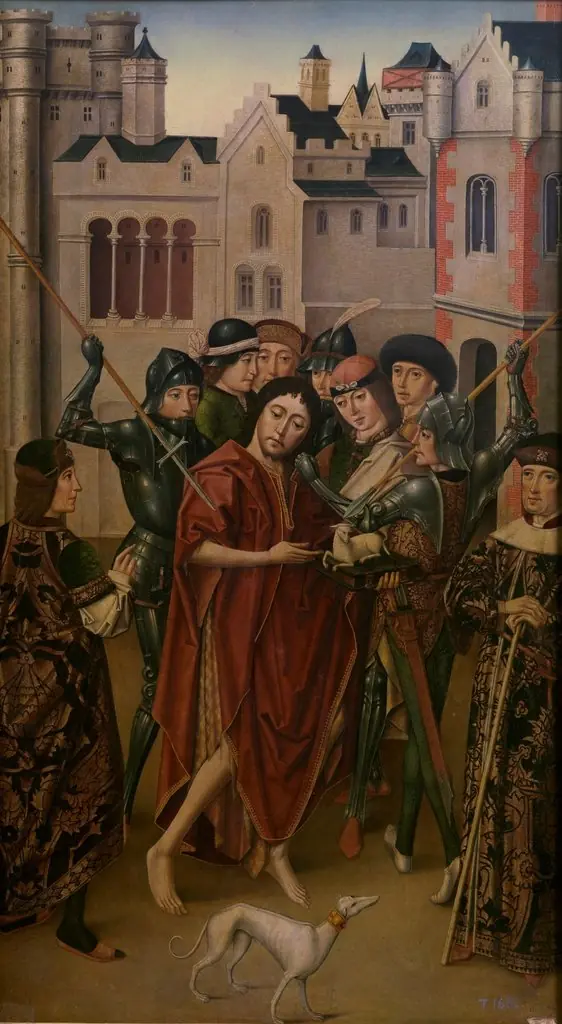
This painting depicts a dramatic scene set before a red brick structure, focusing on the execution of Saint John the Baptist. At the center, an armored figure presents the severed head of a man who lies lifeless on the ground. A crowd of onlookers surrounds the event, some expressing shock, while others, bearing weapons and banners, maintain a more detached presence.
Above, three additional figures observe the proceedings from atop a high wall, adding another layer of spectatorship to the grim spectacle.
Technique & Style
The composition arranges its figures in a somewhat formal and deliberate manner, contributing to the painting's narrative clarity. Despite the violent subject matter, the expressions of the depicted individuals often appear reserved or "stiff," rather than conveying intense emotion. This stylistic choice might emphasize the ritualistic or symbolic aspects of the event over raw, immediate human reactions.
The architectural backdrop of the red brick building provides a defined, if somewhat stark, setting for the unfolding drama.
Artist & collection