Artwork
The Emperor's Attendance at the Horse Race: Episode from the Tale of Eiga (Eiga Monogatari)
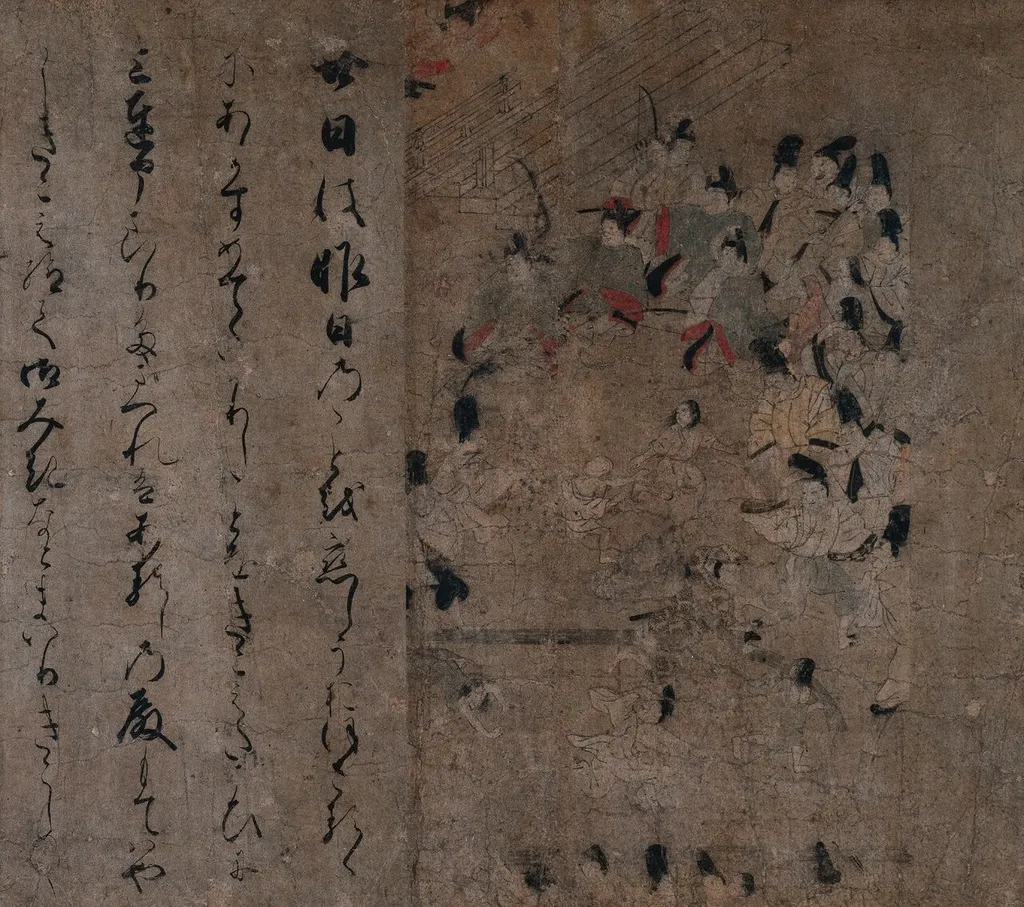
The Emperor's Attendance at the Horse Race: Episode from the Tale of Eiga (Eiga Monogatari) is an unspecified painting. It dates from 1200 and is held in the collection of the Cleveland Museum of Art.
About this work
Subject & Meaning
The work functions as a visual narrative of courtly hierarchy and the intersection of political authority with recreational activities.
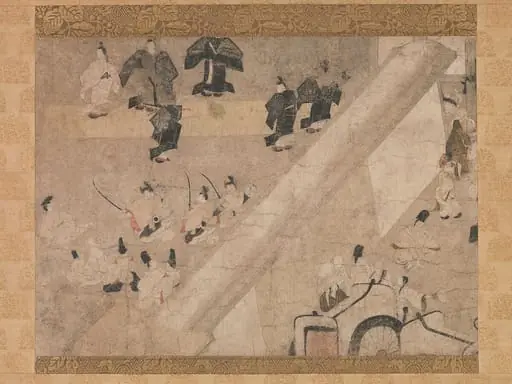
The painting depicts the Japanese imperial court scene from the Eiga Monogatari, showing the emperor observing a horse race. Iconographically, it illustrates aristocratic leisure and the ceremonial role of the emperor within Heian-era court rituals. Symbolically, the horse race represents power dynamics and the transient nature of worldly pursuits emphasized in Buddhist thought.
The work functions as a visual narrative of courtly hierarchy and the intersection of political authority with recreational activities. It is recognized as a rare surviving fragment from the 12th‑13th century Japanese narrative painting tradition.
History & Provenance
Created in Japan around the year 1200, this painting is attributed to an unknown artist. The work, which depicts an episode from the Tale of Eiga, eventually entered the collection of the Cleveland Museum of Art. It is recorded within the museum's holdings under the accession number 1976.164, indicating its formal acquisition by the institution in 1976.
No specific details regarding the original commissioner or the intermediate ownership history prior to its arrival in Cleveland are provided in the available records.
Overview
The work, titled The Emperor’s Attendance at the Horse Race: Episode from the Tale of Eiga (Eiga Monogatari), is a narrative painting that captures a bustling equestrian event. A multitude of diminutive figures on horseback populate the composition, set against a backdrop of trees and a low fence. The scene is animated, with several horses shown in mid‑leap, suggesting the speed and excitement of a race.
Technique & Style
Executed in a traditional Japanese painting style, the work employs fine, linear brushwork to render the numerous figures and horses with clarity despite their small scale. Muted, earth‑toned pigments dominate the robes, while the foliage and fence are rendered with delicate ink outlines. The composition balances dense activity in the foreground with a relatively open, atmospheric background.
Context
During the Heian era, aristocratic patronage of the arts often involved the creation of illustrated handscrolls that combined text and image. This piece reflects that tradition, merging calligraphic excerpts with a continuous visual narrative, a format designed for private viewing and contemplation rather than public display.
Legacy
The painting exemplifies how visual art was employed to reinforce and disseminate literary narratives in pre‑modern Japan. Its detailed depiction of courtly spectatorship and public entertainment offers scholars insight into the social rituals surrounding imperial events in the period.
Artist & collection

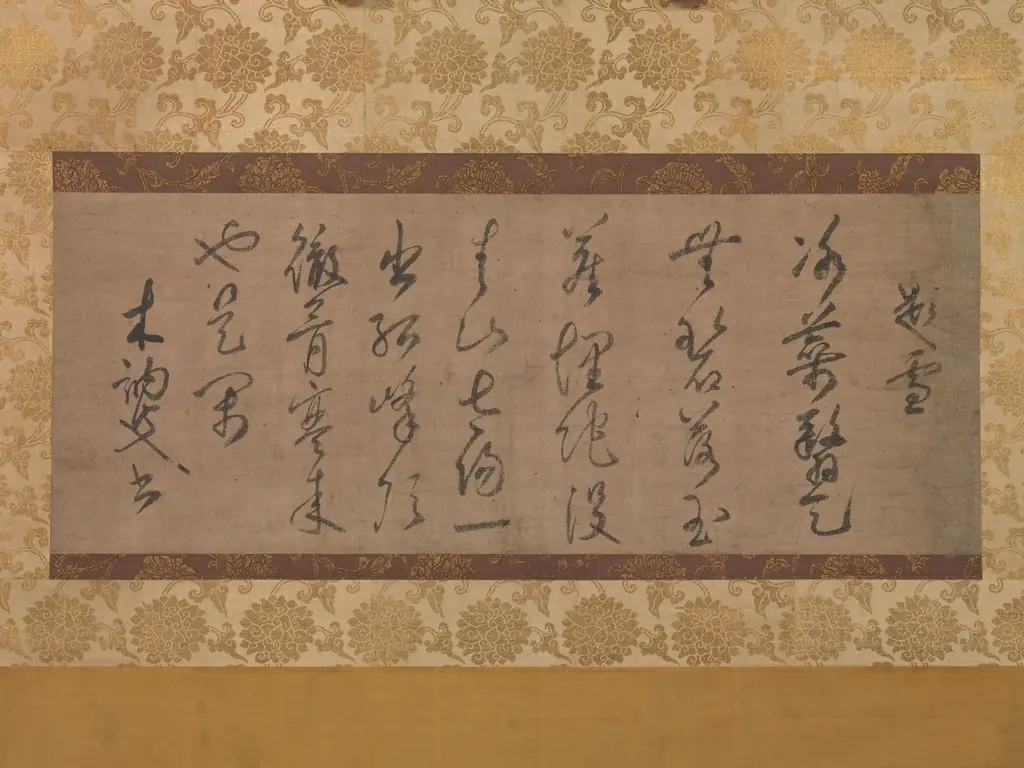 Poem on the Theme of Snow
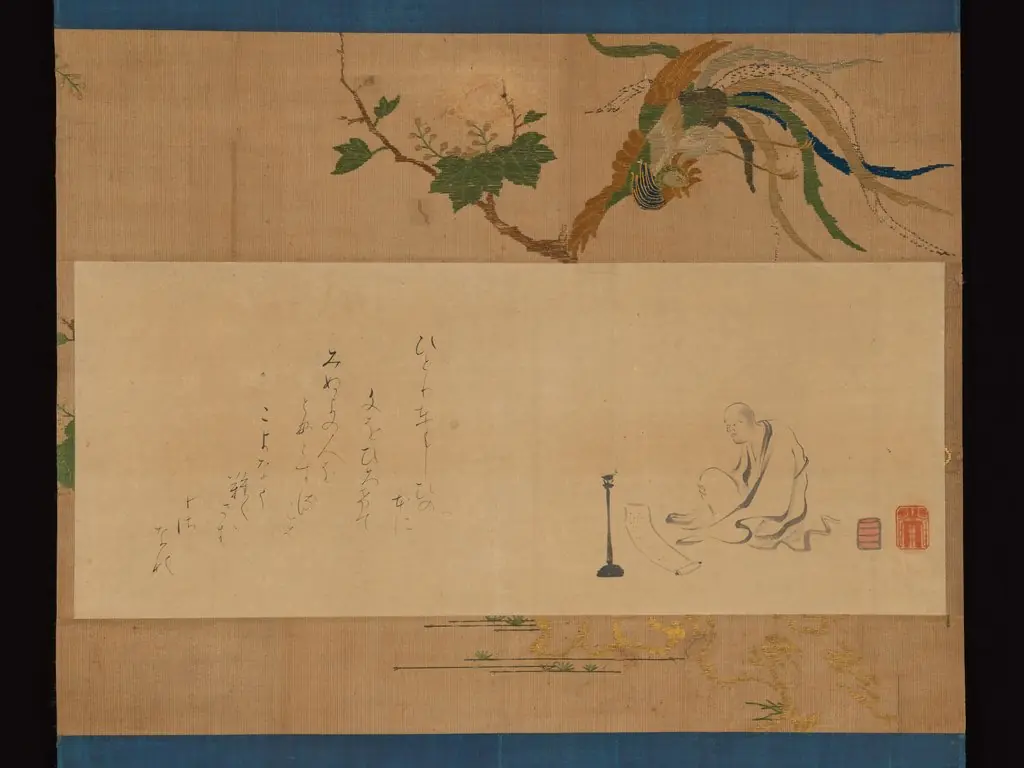 Monk Kenkō Reading by Lamplight
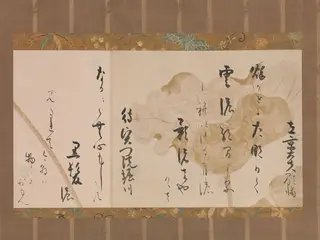 本阿弥光悦書・俵屋宗達下絵 小倉百人一首和歌巻断簡|Two Poems from One Hundred Poems by One Hundred Poets
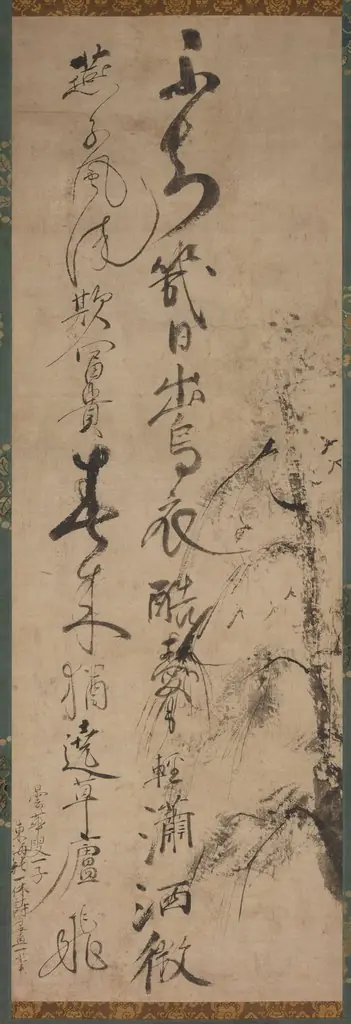 Calligraphy with Willow and Swallows
 Calligraphy with Willow and Swallows
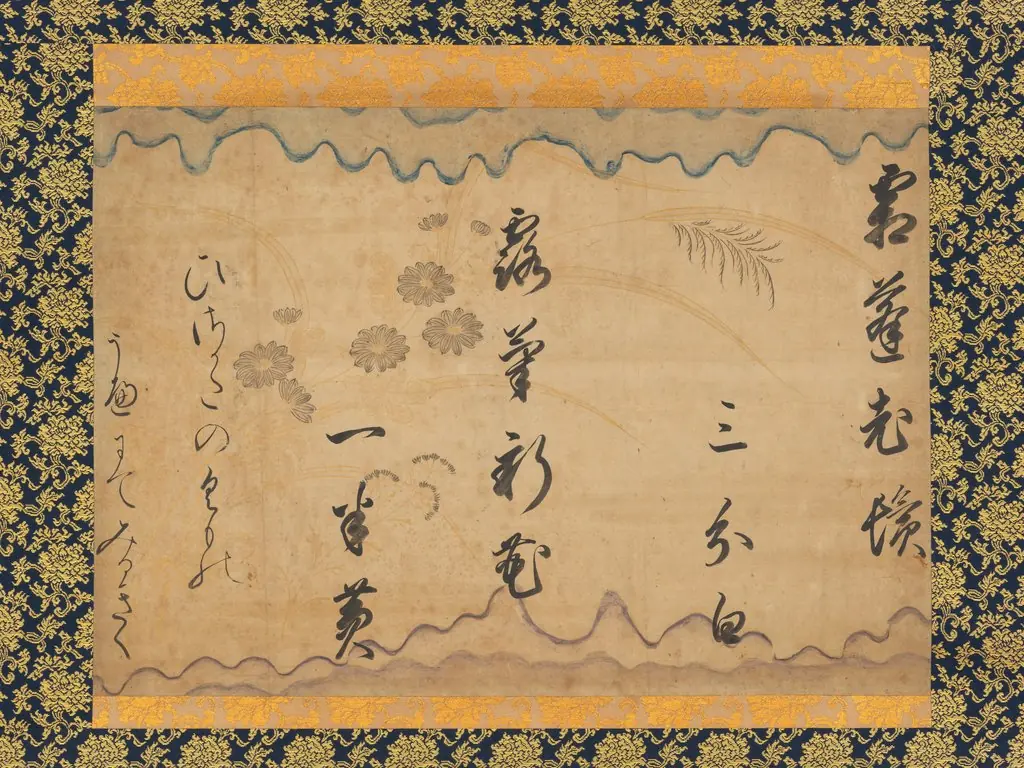 Chinese Couplet by Bai Juyi and Waka by Fujiwara no Toshiyuki (partial) from “Japanese and Chinese Poems to Sing” (Wakan rōeishū)
 Untitled
 Account of the Three Springs of Jiangsu Province in China
 松花堂昭乗書・伝俵屋宗達下絵 和歌色紙 |Poem by Onakatomi Yoshinobu with Underpainting of Hollyhocks
- The Emperor's Attendance at the Horse Race: Episode from the Tale of Eiga (Eiga Monogatari)
 「六波羅行幸」 平治物語絵巻 断簡|Scene from “Imperial Visit to Rokuhara,” from The Tale of the Heiji Rebellion (Heiji monogatari)
 「高陽院駒競行幸絵巻」『栄花物語』 断簡|"Imperial Visit to the Great Horse Race at the Kaya-no-in Mansion" from the Tale of Flowering Fortunes