Artwork
The Last Supper
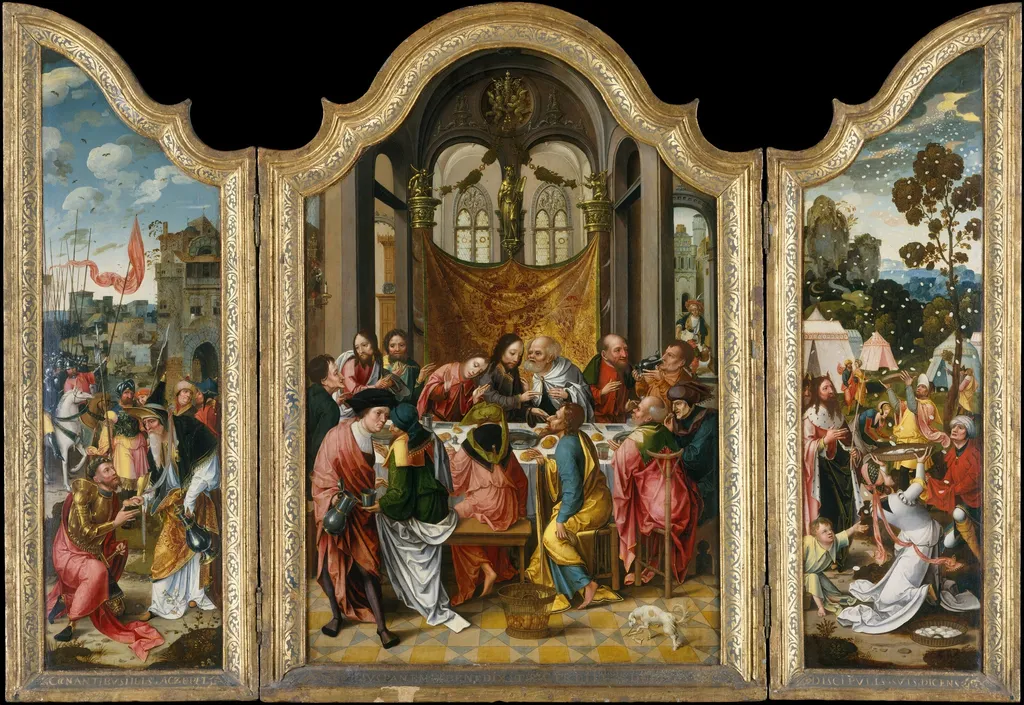
The Last Supper is an oil painting. It dates from 1515 and is held in the collection of the Metropolitan Museum of Art.
About this work
Subject & Meaning
Created in 1515 by Netherlandish artists associated with the Antwerp Mannerist style, this oil painting on panel illustrates the biblical Last Supper.
Created in 1515 by Netherlandish artists associated with the Antwerp Mannerist style, this oil painting on panel illustrates the biblical Last Supper. The composition situates Christ and his apostles within a dining room setting that notably includes a tent structure. Alongside the sacred figures, the artist incorporated a dog into the scene.
As a work of religious art, the piece focuses on this specific gospel narrative, serving as the primary subject matter. The inclusion of domestic elements like the tent and animal within the sacred meal reflects the specific iconographic choices made by the painter to frame this theological event.
Technique & Style
Executed in oil on a wooden panel, the work measures about 119.7 cm in height and 43.2 cm in width and was created in 1515. It depicts the biblical scene of the Last Supper, featuring Christ and the apostles within a dining‑room setting that includes a tent, a dog and other details. The painting belongs to the religious genre and is part of the Metropolitan Museum of Art's collection. Its recorded height and width confirm the panel format.
History & Provenance
Created in 1515, this oil painting on panel depicts the biblical Last Supper. The work is attributed to Netherlandish artists associated with the Antwerp Mannerist movement rather than a single named master. Measuring approximately 120 by 43 centimeters, the composition features Christ dining with his apostles within an interior setting that includes a tent and a dog.
The painting currently resides in the collection of the Metropolitan Museum of Art, which serves as its known location. While the specific original commissioner and the detailed ownership chain prior to its museum acquisition are not detailed in the available records, the work's inception is firmly dated to the early sixteenth century based on stylistic analysis and institutional documentation.
Context
The Last Supper, painted in 1515 on oil‑covered panel, belongs to the Antwerp Mannerist circle and is now in the Metropolitan Museum of Art. Its depiction of Christ at table, surrounded by apostles, a dog, and a tent, has been examined in scholarship for the subtle narrative details that reveal Northern Renaissance visual storytelling. Critical reception has been tied to attribution discussions and the work’s role in tracing the development of religious painting in the early 16th century.
Within art‑historical narratives the piece illustrates the synthesis of narrative realism and decorative patterning characteristic of the period, marking a key example of how devotional imagery was produced and circulated in the Netherlands.
Overview
The Last Supper is an oil painting that captures a gathering around an extended table within a grand, ornate room. A central figure commands the attention of the surrounding individuals, who are engaged in conversation and reaching for items. The composition conveys a sense of a significant shared event, with the group's focus directed towards the man at the table's center.
Artist & collection

- The Last Supper
 The Last Supper
 Adoration of the Magi
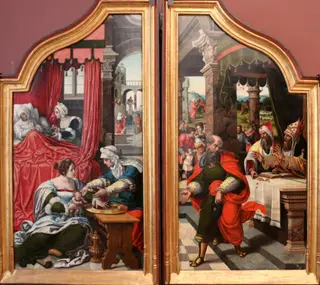 Scènes de la vie de sainte Anne
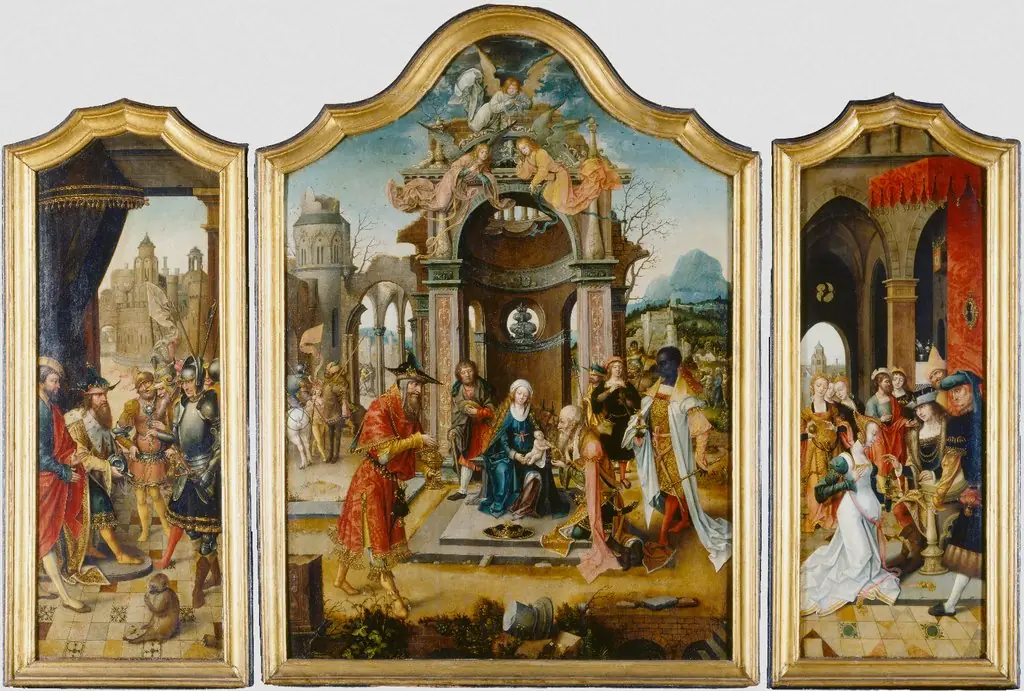 Triptych of the Adoration of the Magi
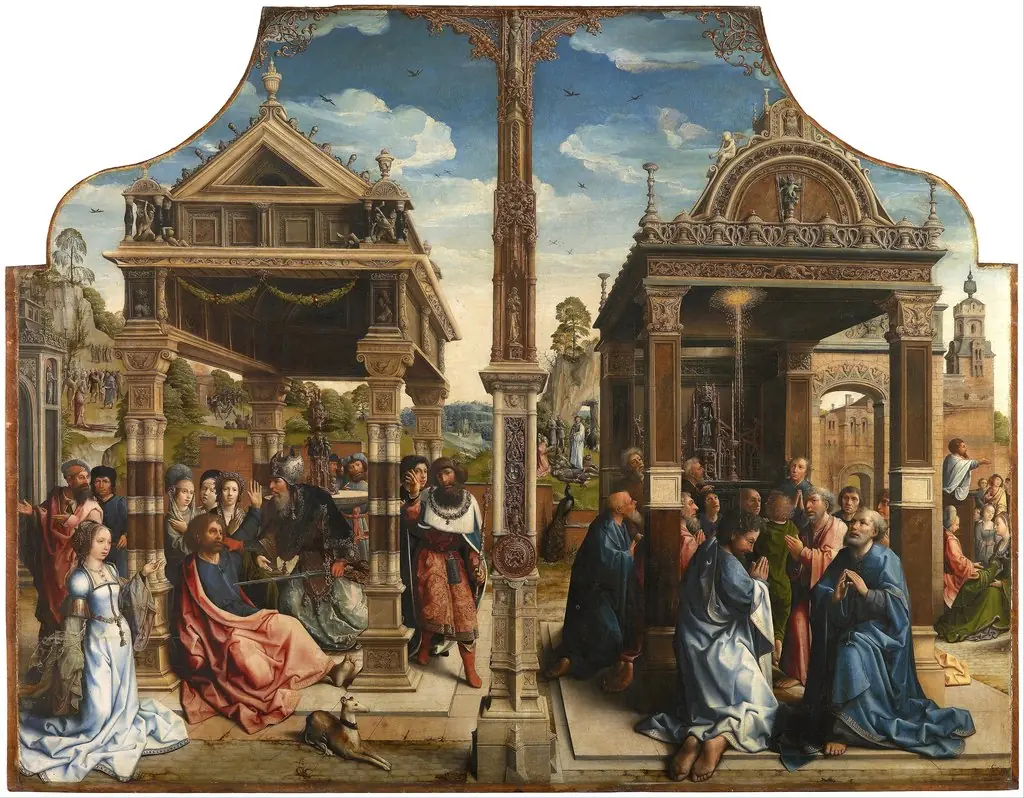 Altarpiece of Saints Thomas and Matthias
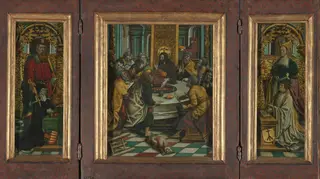 Drieluik met het Laatste Avondmaal en stichters
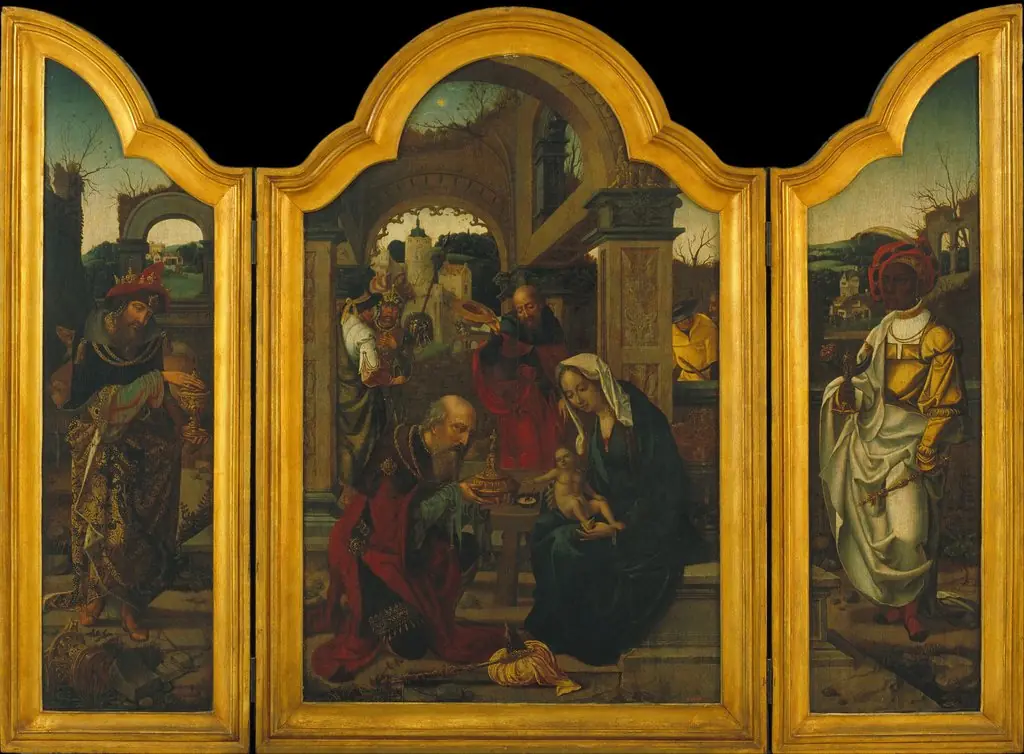 Triptych with the Epiphany
 Flügelaltar; Mittelbild: Anbetung der Könige; linker Flügel: Anbetung der Hirten; rechter Flügel: Ruhe auf der Flucht nach Ägypten
 Triptych: Adoration of the Magi, Adoration of the Shepherds, Circumcision
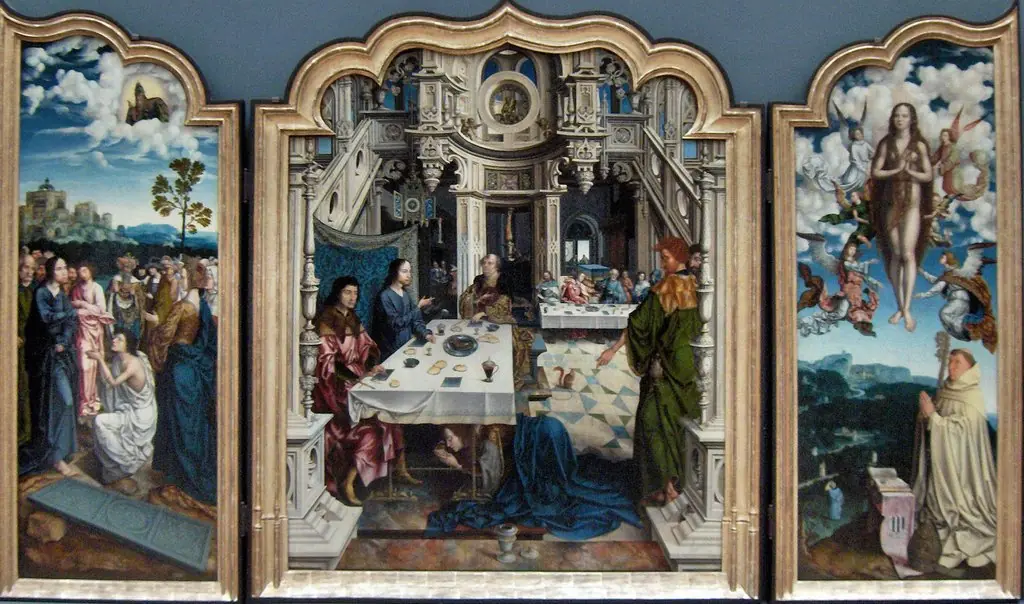 Triptych of the Dielegem Abbey
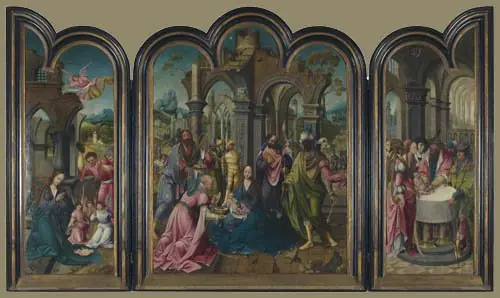 Triptych with adoration by the Magi