Artwork
The reconciliation of Jacob and Esau
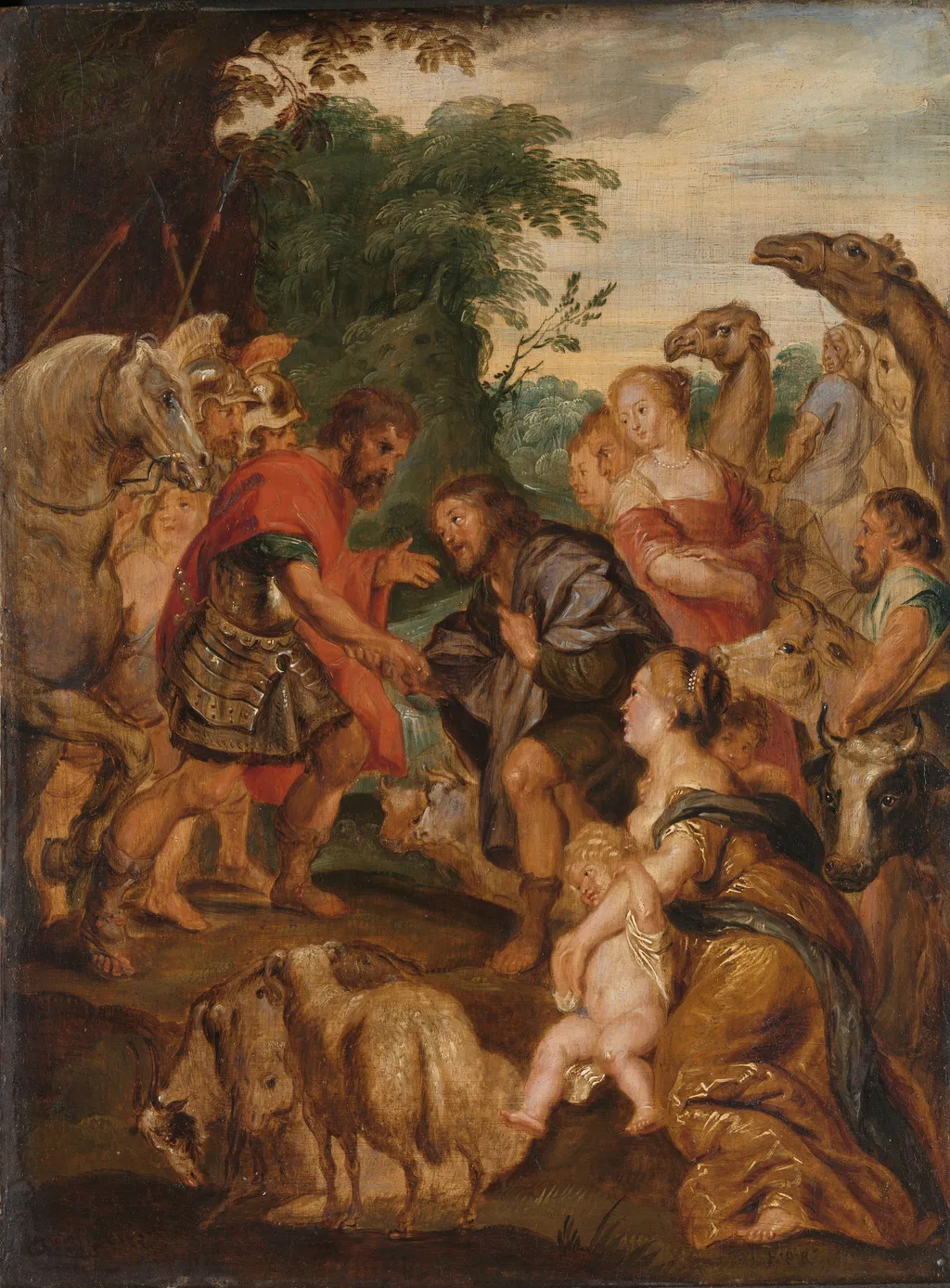
The reconciliation of Jacob and Esau is an oil painting by the Flemish Baroque painting artist Unknown. It dates from 1650 and is held in the collection of the Rijksmuseum.
About this work
Subject & Meaning
The painting depicts the biblical episode of the Reconciliation of Jacob and Esau, a narrative drawn from the Book of Genesis in which the estranged twin brothers meet and make peace after years of separation. Classified as a religious work, it treats this Old Testament subject as its central theme, focusing on the moment of familial reunion rather than the earlier conflict between the brothers.
Rendered in oil on panel and produced in Antwerp, the small-scale composition lends itself to the intimate, devotional handling typical of cabinet pictures on religious themes. The reconciliation theme carries symbolic weight as a meditation on forgiveness, fraternal reconciliation, and divine providence, presenting the brothers' embrace as a moral and spiritual resolution.
Technique & Style
The composition addresses the biblical subject of the reconciliation between Jacob and Esau, rendered within the conventions of religious art of the period.
Executed in 1650, this religious painting utilizes oil paint applied to a wooden panel support. The work measures 32.7 cm in height and 24 cm in width. Produced in Antwerp, the piece exhibits the material characteristics typical of seventeenth-century Flemish panel painting, combining the luminosity of oil mediums with the rigid stability of wood.
The composition addresses the biblical subject of the reconciliation between Jacob and Esau, rendered within the conventions of religious art of the period.
Overview
The Reconciliation of Jacob and Esau is an oil painting depicting a serene scene of biblical reunion. The composition features two central figures, one kneeling and the other standing, amidst a gathering of people, animals, and a tranquil landscape background.
Context
While specific contextual details about the painting's creation are not provided, its subject matter and artistic techniques suggest it may align with 17th-century European biblical painting traditions, where such narratives were commonly depicted with symbolic richness and technical sophistication.
Legacy
The painting's legacy is not explicitly detailed in the provided information, though its well-crafted use of chiaroscuro and glazing suggests it could be of interest to art historians studying the development of these techniques in oil painting.
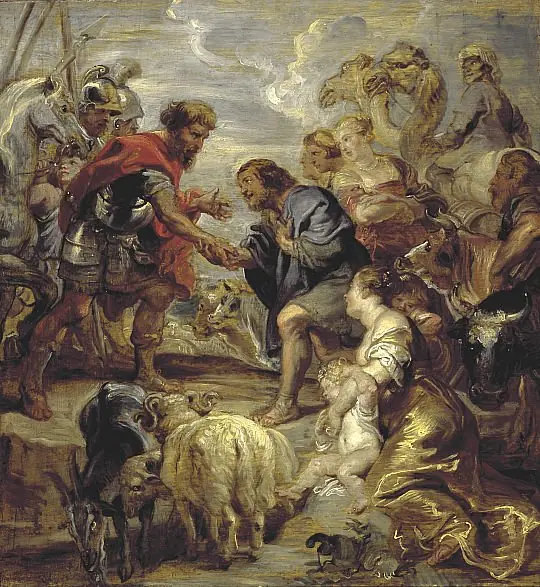
Artist & collection









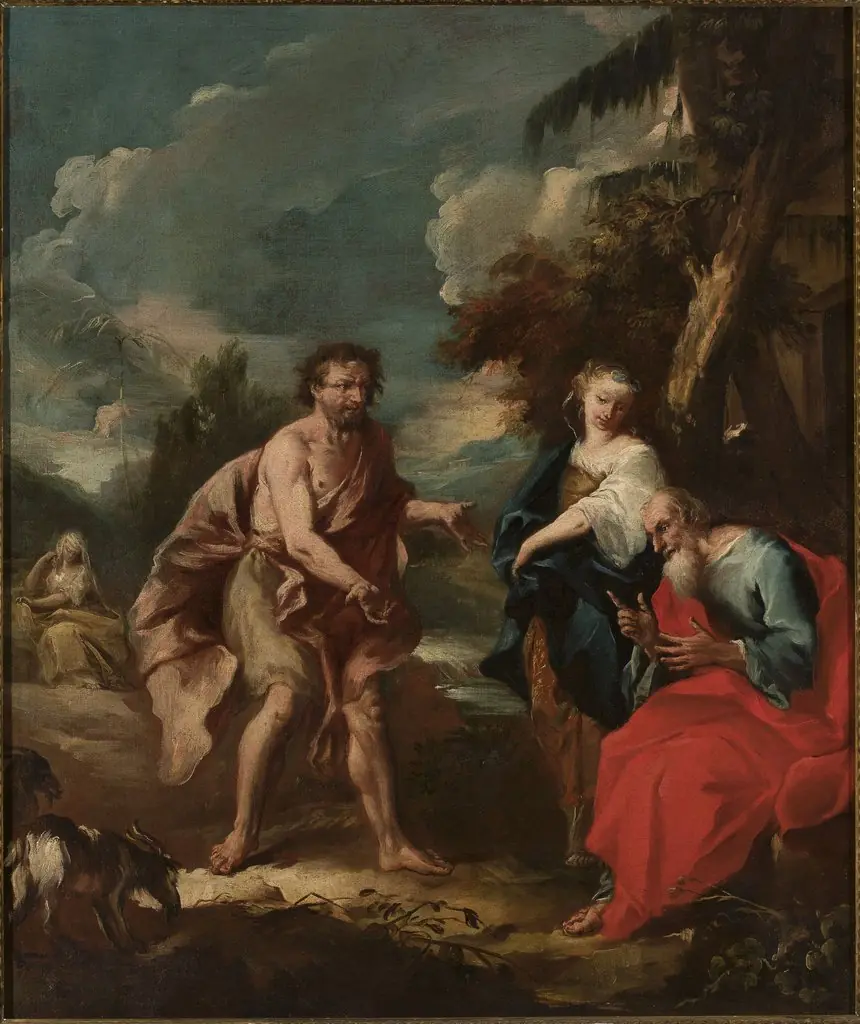 Jacob and Rachel
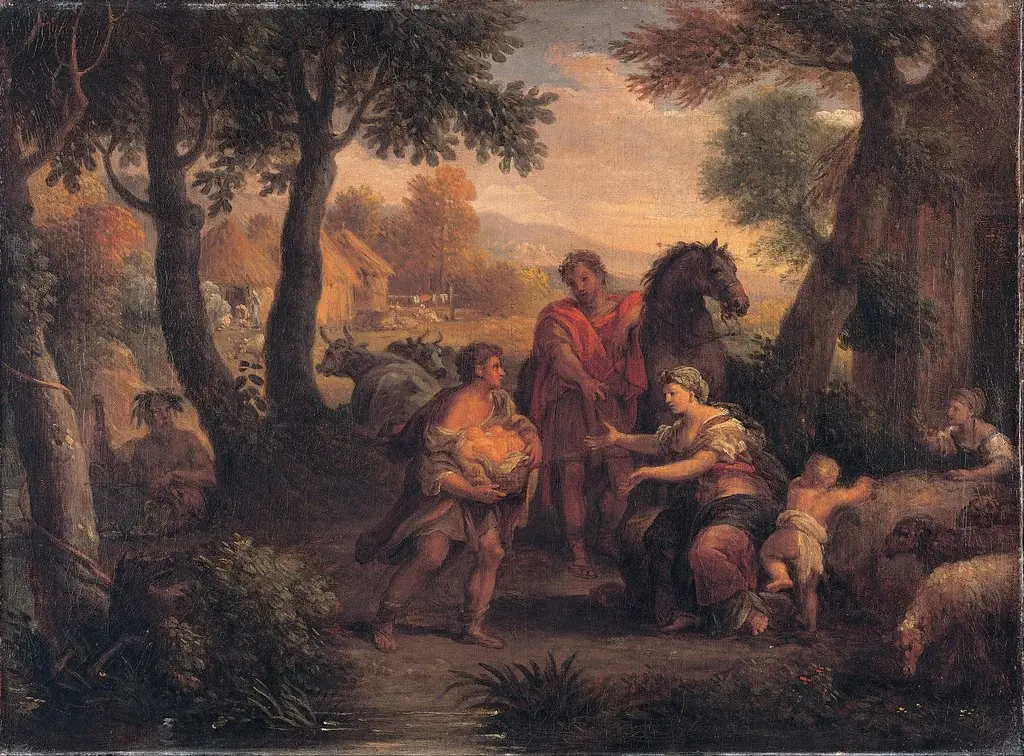 Finding of Romulus and Remus
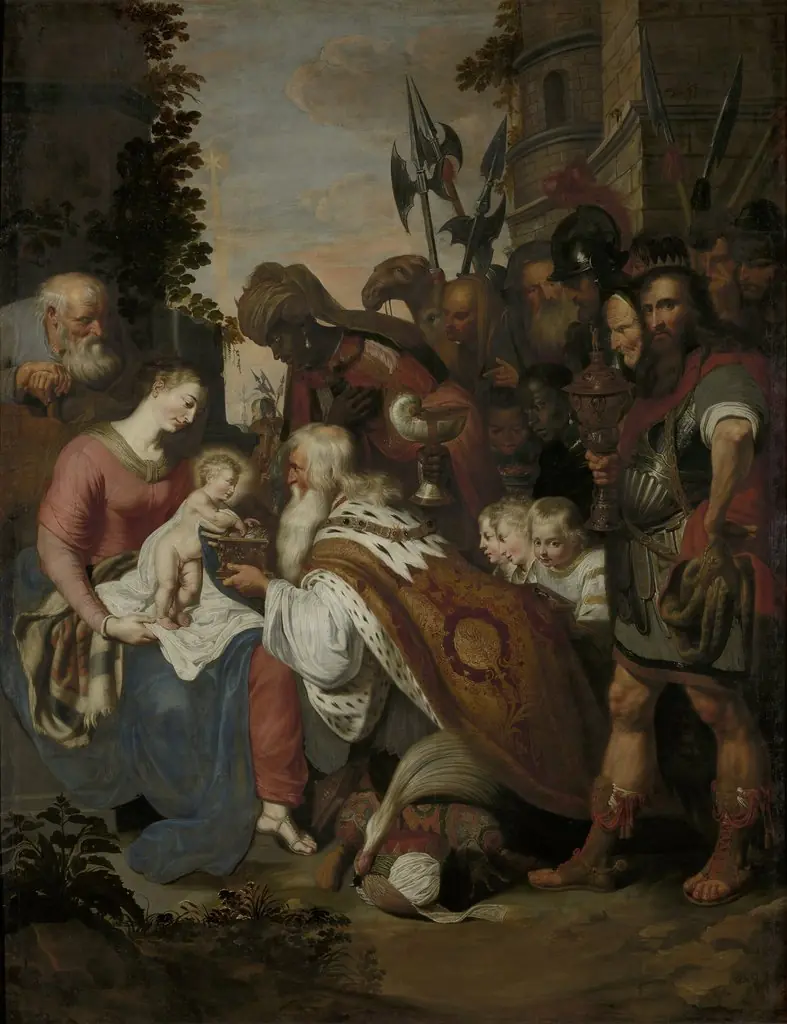 The Adoration of the Magi
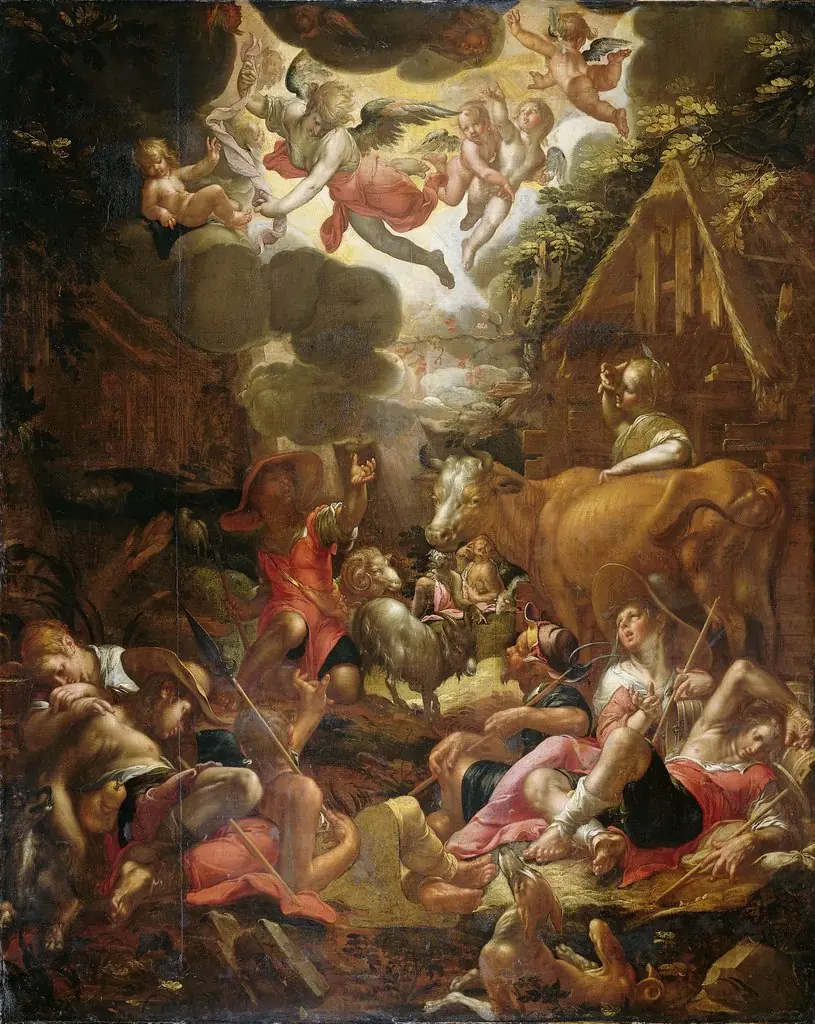 Annunciation to the Shepherds
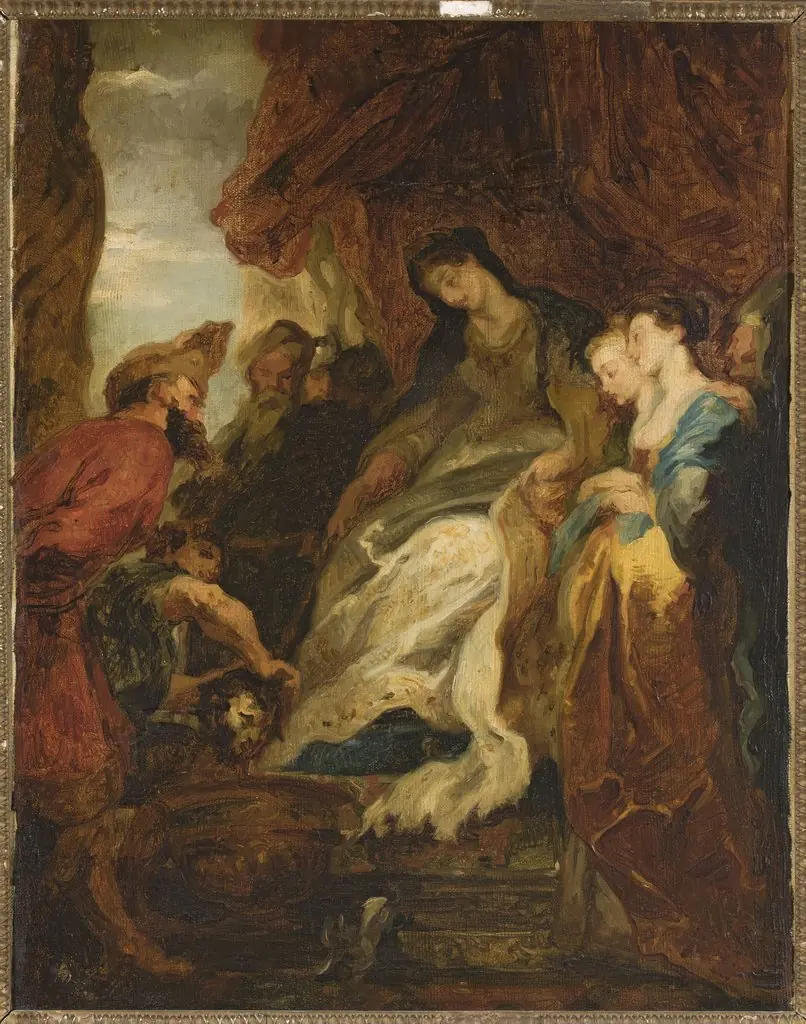 Tomyris ordering to immerse the head of Cyrus in a bowl of blood (Herodotus, Histories, I, 214)
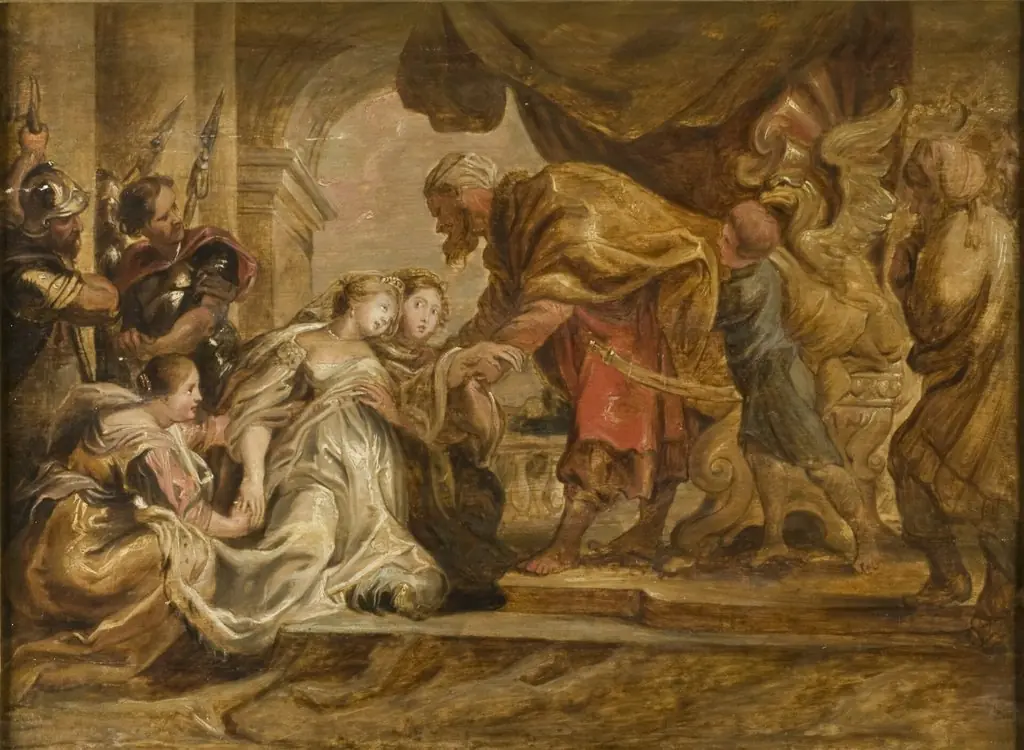 Esther and Ahasuerus
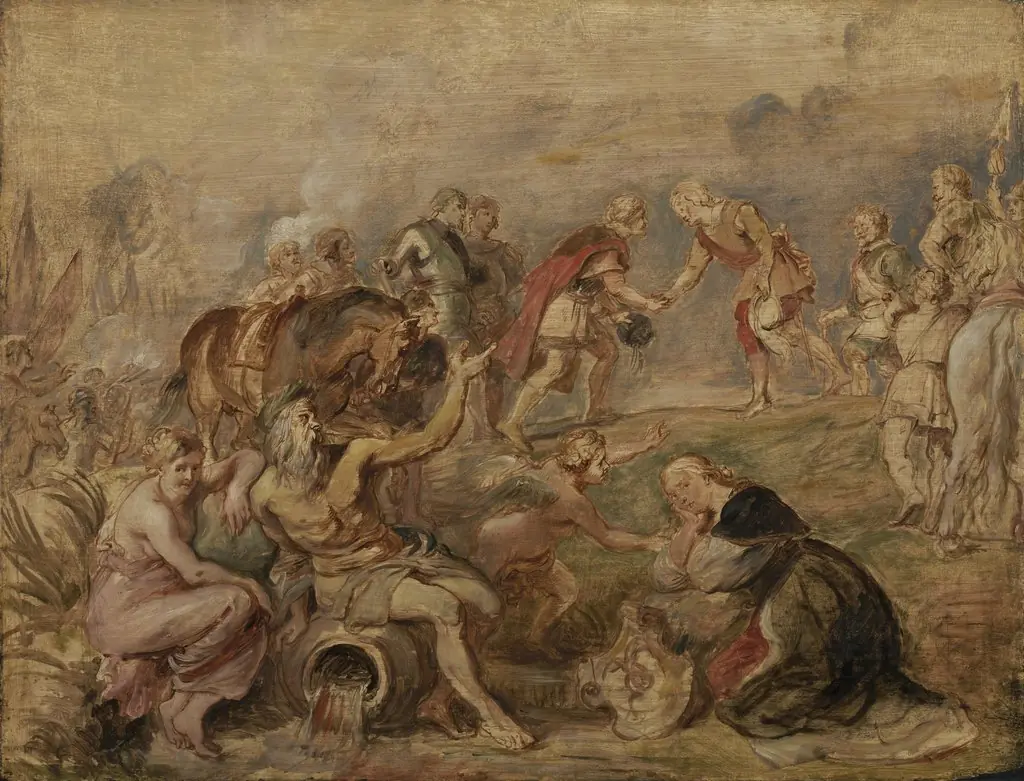 Meeting of King Ferdinand of Hungary and the Cardinal-Infante Ferdinand of Spain at Nördlingen
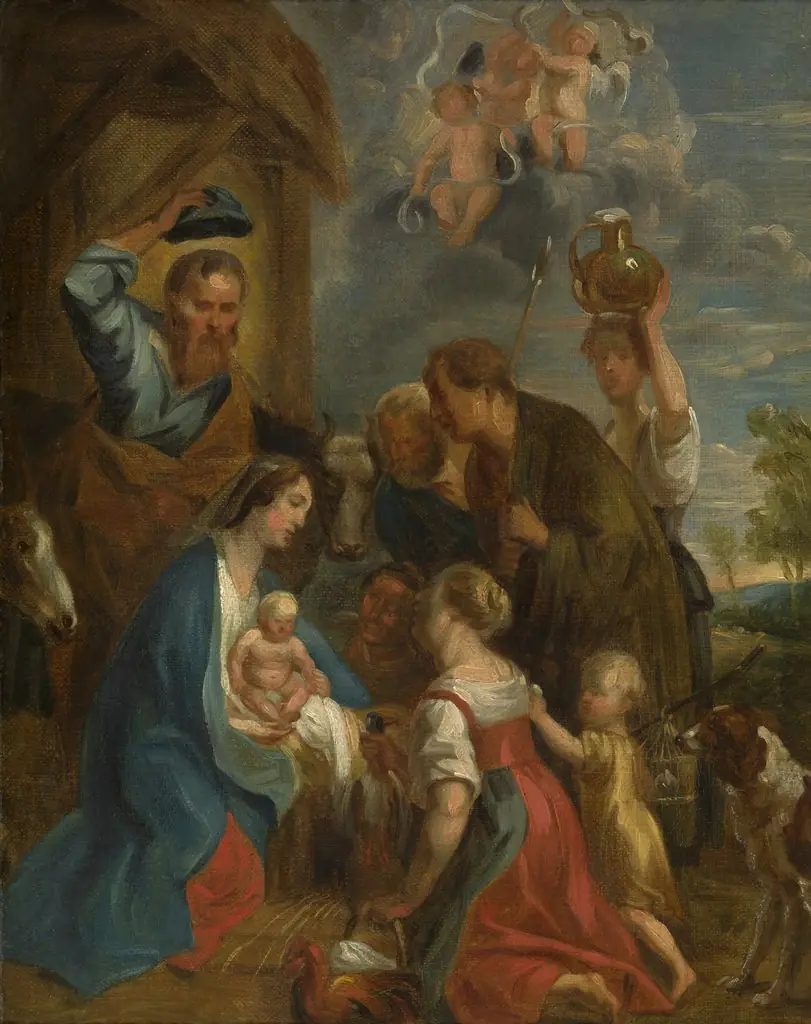 The Adoration of the Shepherds
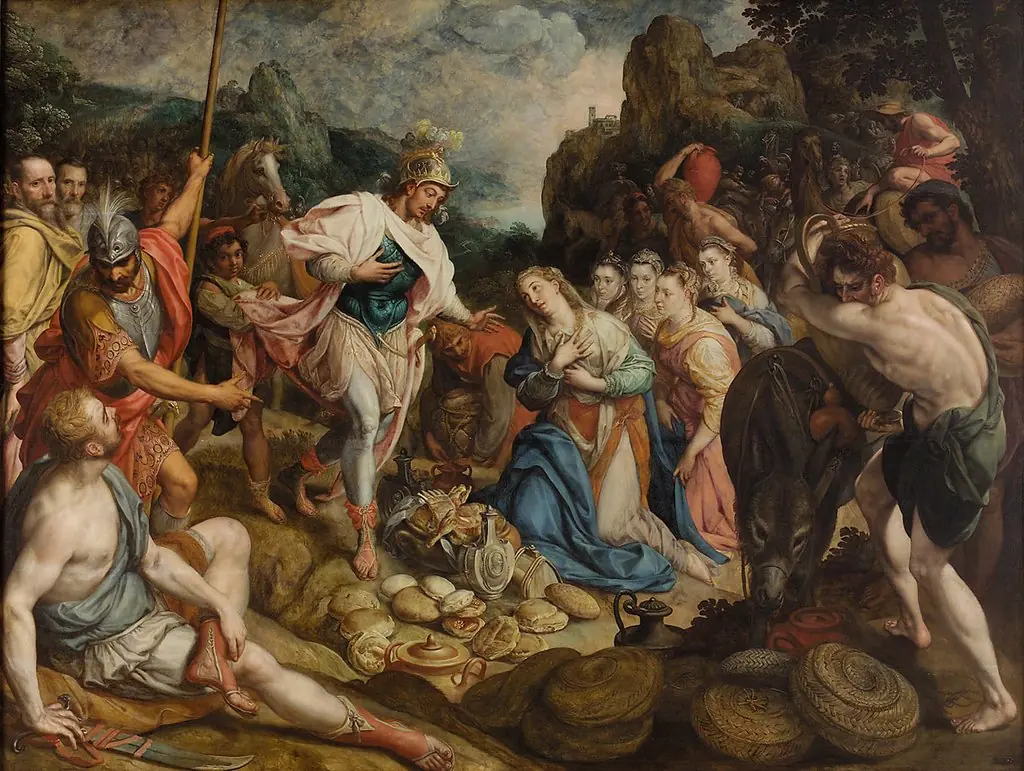 David and Abigail
 The Meeting of David and Abigail