Artwork
Todi Ragini, from a Ragamala Series
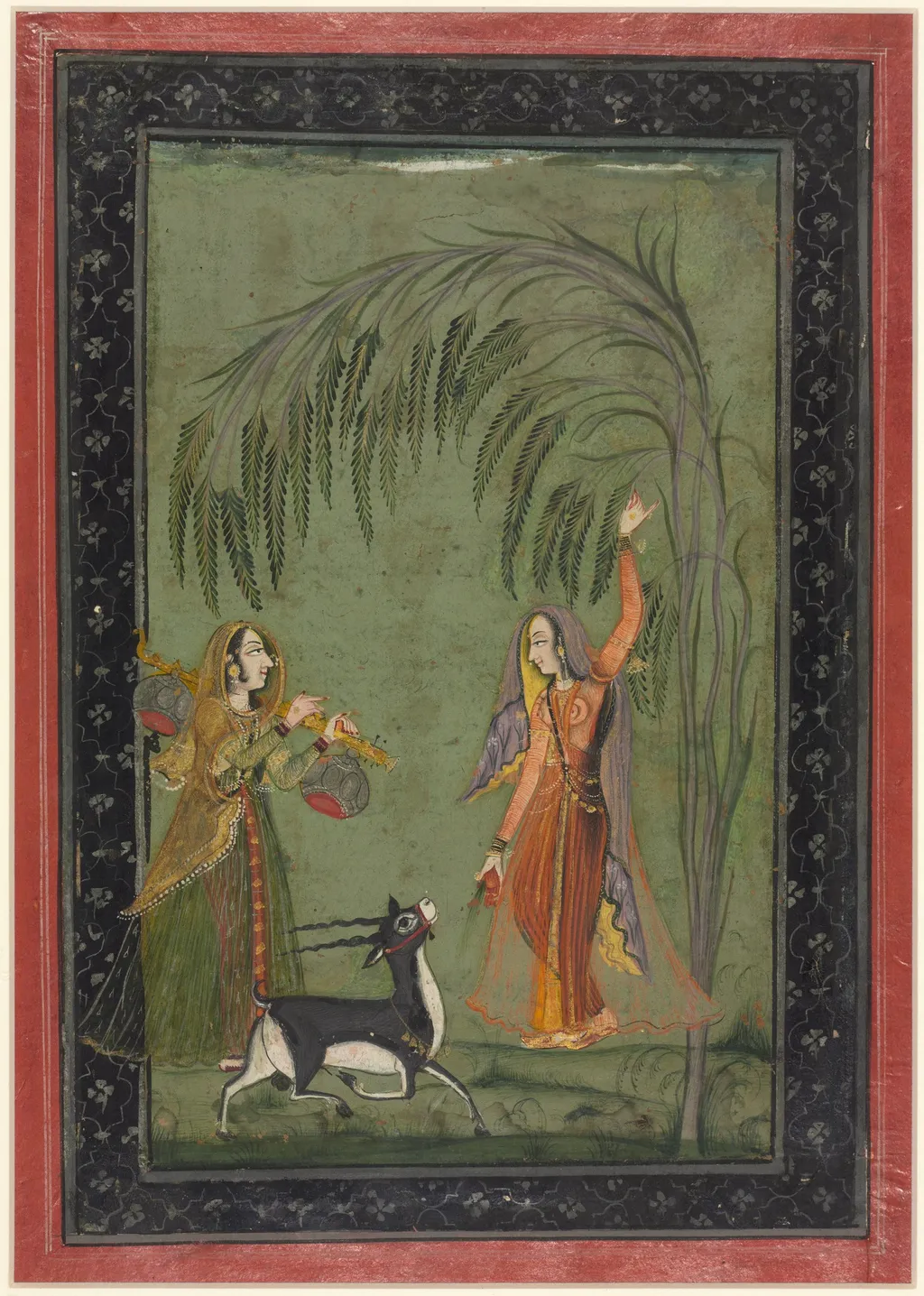
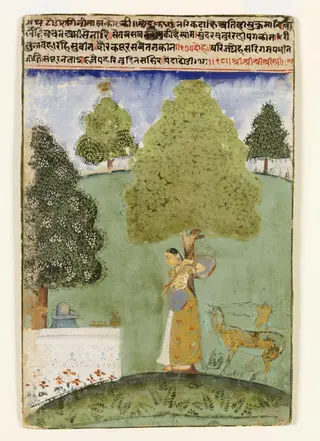
Todi Ragini, from a Ragamala Series is an unspecified painting. It dates from 1762 and is held in the collection of the Cleveland Museum of Art. Todi Ragini, part of a Ragamala series, is a painted work that depicts a lyrical encounter in a garden setting.
About this work
Technique & Style
The piece is preserved in the Cleveland Museum of Art's collection as a representative example of the North Indian miniature tradition.
The work is an Indian miniature painting executed circa 1762, depicting Todi Ragini within a Ragamala series. It reflects the conventions of Rajput miniature painting, in which a musical mode (ragini) is personified as a figure in a landscape, rendered with delicate line work and controlled coloration. The piece is preserved in the Cleveland Museum of Art's collection as a representative example of the North Indian miniature tradition.
History & Provenance
Todi Ragini, from a Ragamala Series, was created in 1762. The work is attributed to an unknown artist. It is currently held in the collection of the Cleveland Museum of Art in Cleveland, where it is cataloged with the accession number 2012.297.
Legacy
Todi Ragini, a painting from a Ragamala Series attributed to an unknown artist, was created in 1762 and entered the collection of the Cleveland Museum of Art, where it remains on view as part of their Indian miniature holdings. Though executed in the 18th century, the work gained renewed scholarly attention in the early 21st century, particularly following its documentation in the museum’s catalog and inclusion in discussions of Rajasthani painting traditions. Its attribution to a broader Ragamala series reflects evolving understandings of regional artistic networks in North Indian court culture, influencing interpretations of devotional imagery in later Indian art historiography.
Overview
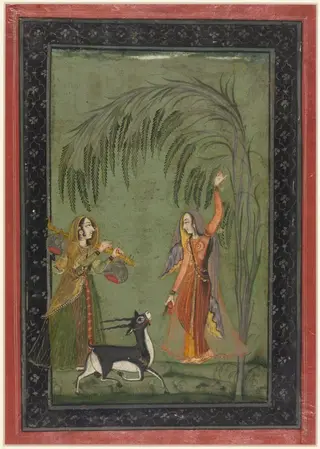
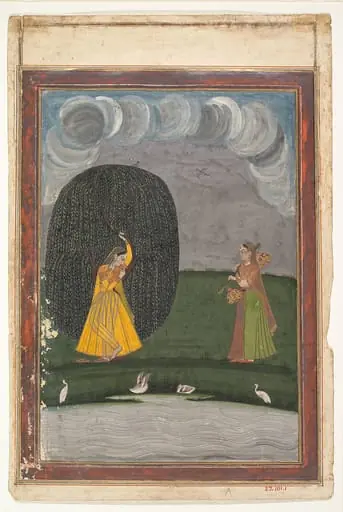
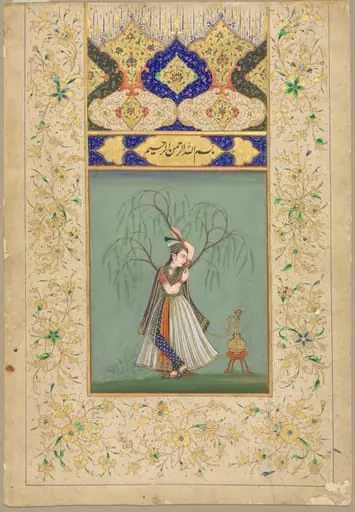
Todi Ragini, part of a Ragamala series, is a painted work that depicts a lyrical encounter in a garden setting. Two women are positioned beneath a tall, leafy tree; one holds a flute while the other moves in dance. A monochrome dog sits between them, gazing upward. The composition is framed by a red‑and‑black border and set against a verdant background with simplified trees.
Subject & Meaning
The scene suggests a narrative of music intertwined with nature, a common theme in Ragamala iconography. The flutist appears to summon the dancer, creating a visual dialogue between sound and movement. The attentive dog introduces a moment of quiet observation, reinforcing the tranquil atmosphere.
Context
Ragamala paintings served as visual counterparts to the Indian classical music system, translating auditory concepts into pictorial form. The garden setting, musical instruments, and dance figures align with the cultural practice of associating specific ragas with natural scenes and emotional states.
Artist & collection