Subject
Musical Instrument
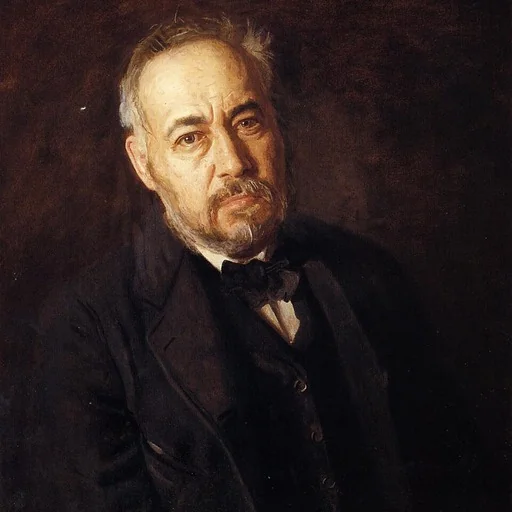
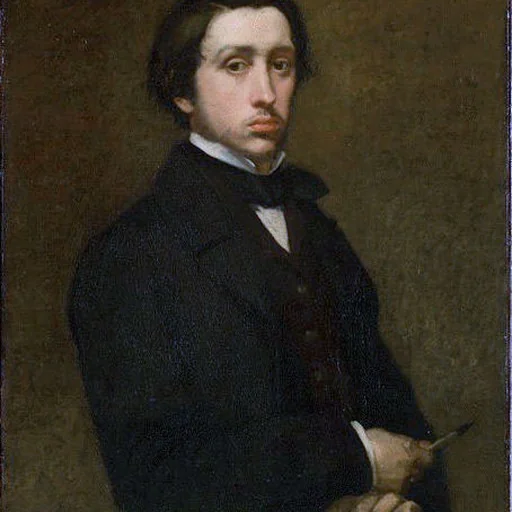
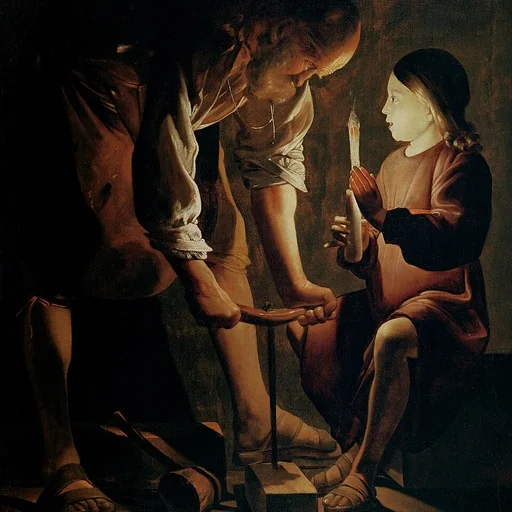
Musical Instrument is a subject in art. The gallery holds 135 works in this subject in art, including works by Thomas Eakins, Edgar Degas and Georges de La Tour.
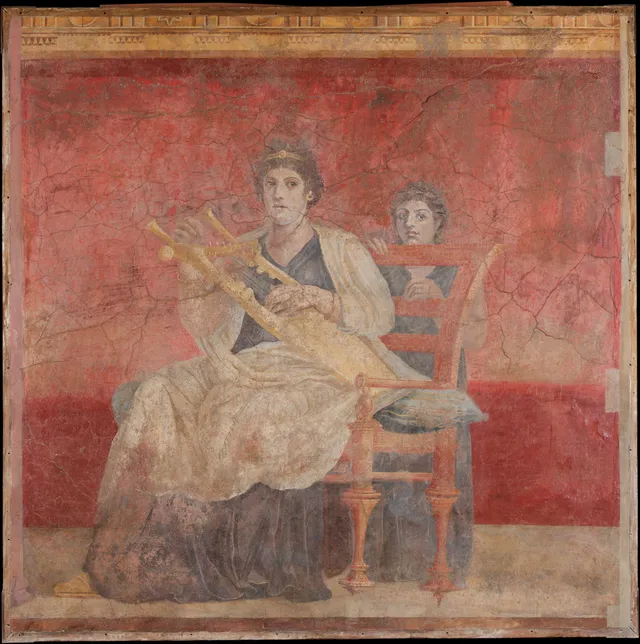
Few objects have carried as much meaning in Western art as the musical instrument. Long before paint, instruments belonged to ritual and myth: the ancient Greeks gave the lyre—a tortoiseshell-bodied harp strung with gut—to Apollo and the reed-piped aulos to Dionysian revelry, and these forms recur on vases and in Roman wall painting such as the catalogue's frescoes from the Villa of P. Fannius Synistor at Boscoreale. Because almost any object that makes sound can be pressed into music, the painted instrument easily became a sign as much as a thing—of harmony, learning, love, devotion, or the fleeting pleasures of the senses.
In medieval and Renaissance sacred art, instruments signalled the music of heaven. Angels tune lutes, viols, and portative organs around the enthroned Virgin, as in Gerard David's Virgin and Child with Four Angels and Hans Memling's Virgin and Child with Saints Catherine of Alexandria and Barbara. The cult of Saint Cecilia, patron of music, gave the theme a human face: Raphael's Saint Cecilia altarpiece (c. 1516–17, Pinacoteca Nazionale, Bologna) shows discarded earthly instruments at her feet as she listens to angelic song, a model that Orazio Gentileschi reworked in the contemplative Saint Cecilia and an Angel.
The Baroque turned music into intimate genre. Caravaggio's Lute Player (c. 1595–96) lit a single musician with raking shadow, inspiring the Utrecht Caravaggisti—Hendrick ter Brugghen and Dirck van Baburen—and, in the wider Dutch Republic, Frans Hals's Lute Player (1623). Johannes Vermeer made the lute, viola da gamba, and virginal the quiet props of courtship in works such as The Concert, where playing together implies a moral and emotional accord.
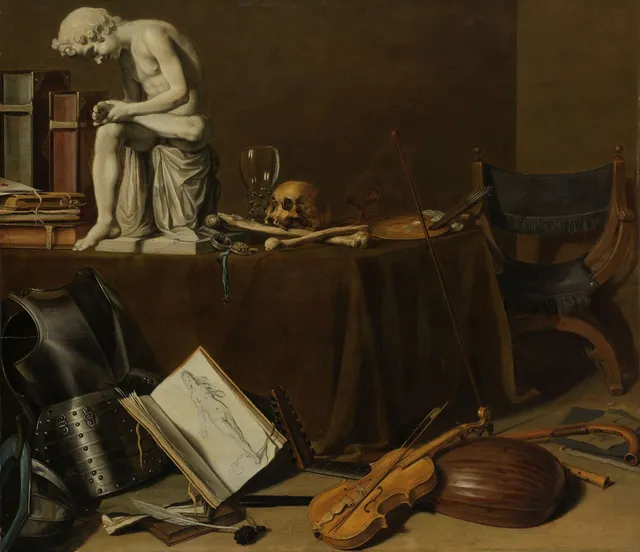
The same instruments turned admonitory in vanitas still life. In Pieter Claesz's Vanitas Still Life with the Spinario, a recorder or violin embodies sensual delight precisely because its sound dies the instant it is made—a memento mori beside skull and guttering candle. Portraiture likewise used the instrument as an attribute of refinement, as in Richard Cosway's Portrait of Marianne Dorothy Harland.
The motif proved astonishingly durable. When Pablo Picasso and Georges Braque dismantled visual reality around 1909–14, the guitar and violin became their favourite test subjects, fractured across planes and, from 1912, built from pasted paper—the instrument now an armature for analysing form itself.
Key artists

Works
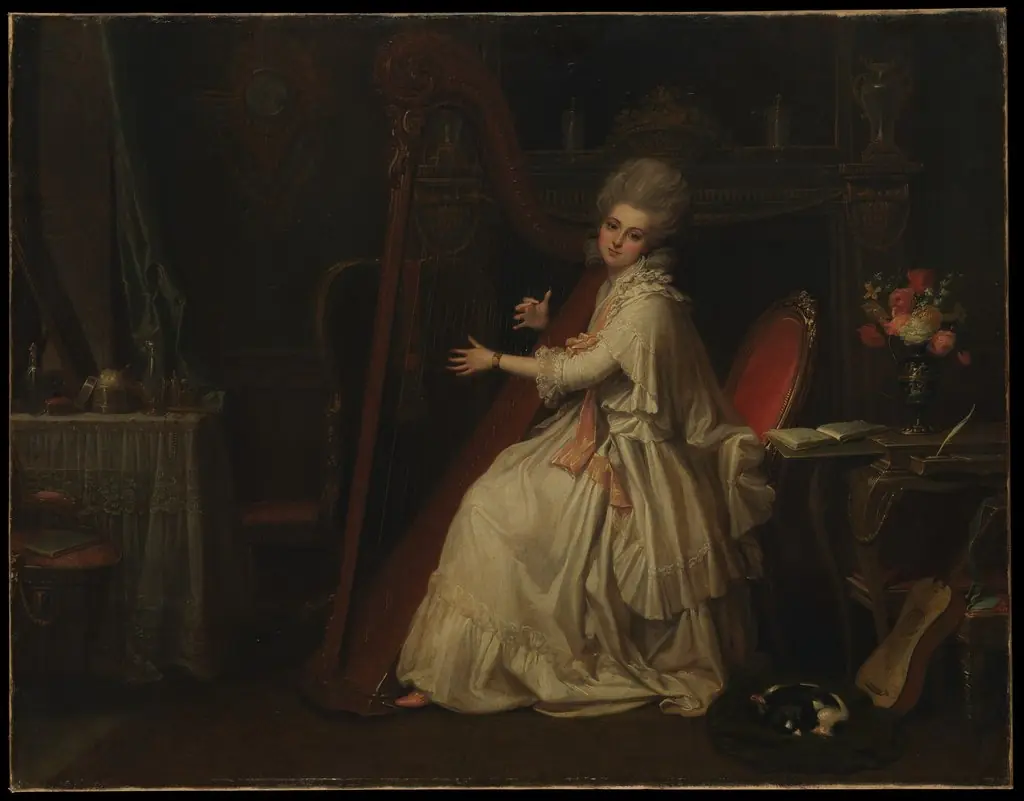 Portrait of Marianne Dorothy Harland (1759–1785), Later Mrs. William Dalrymple
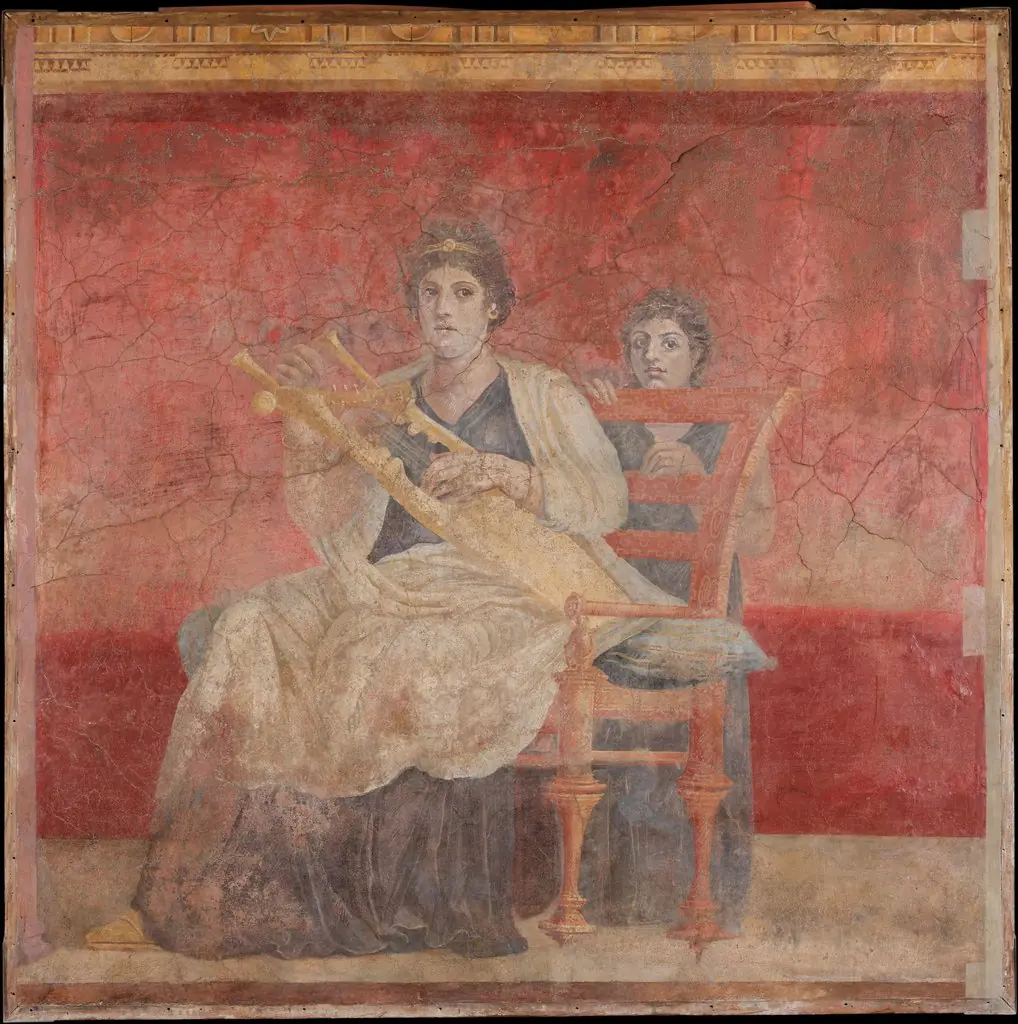 Wall painting from Room H of the Villa of P. Fannius Synistor at Boscoreale
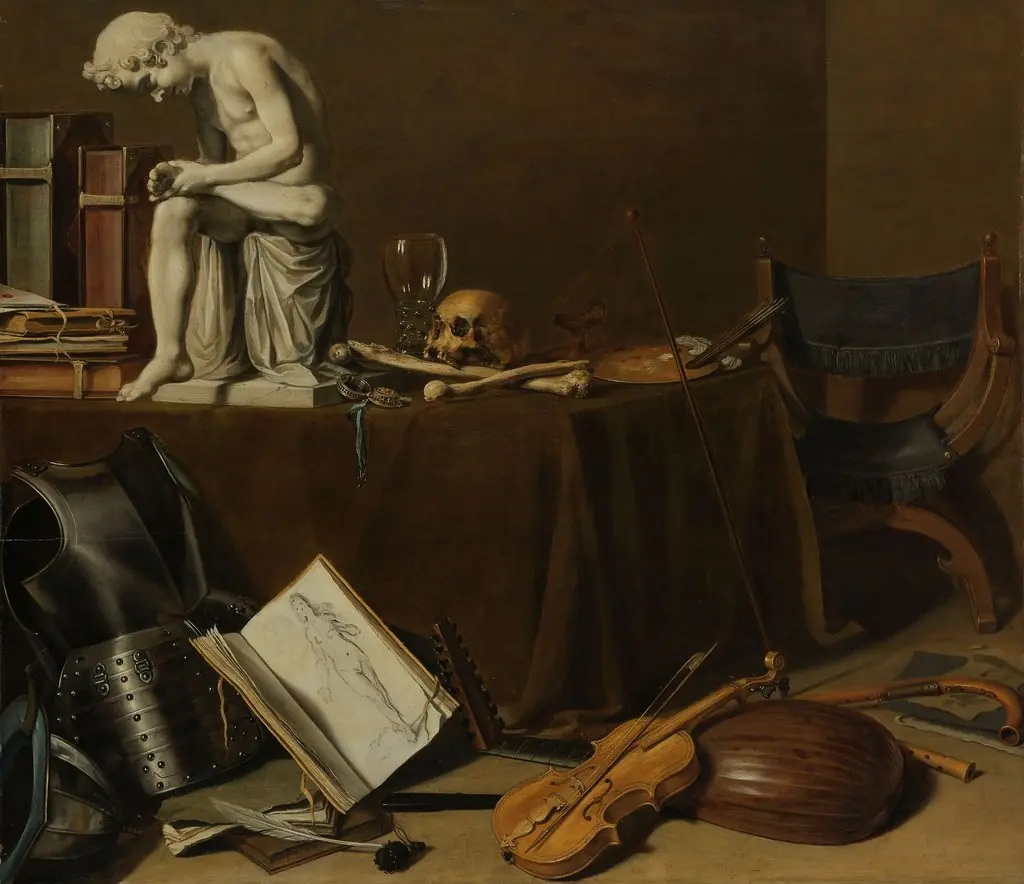 Vanitas Still Life with the Spinario
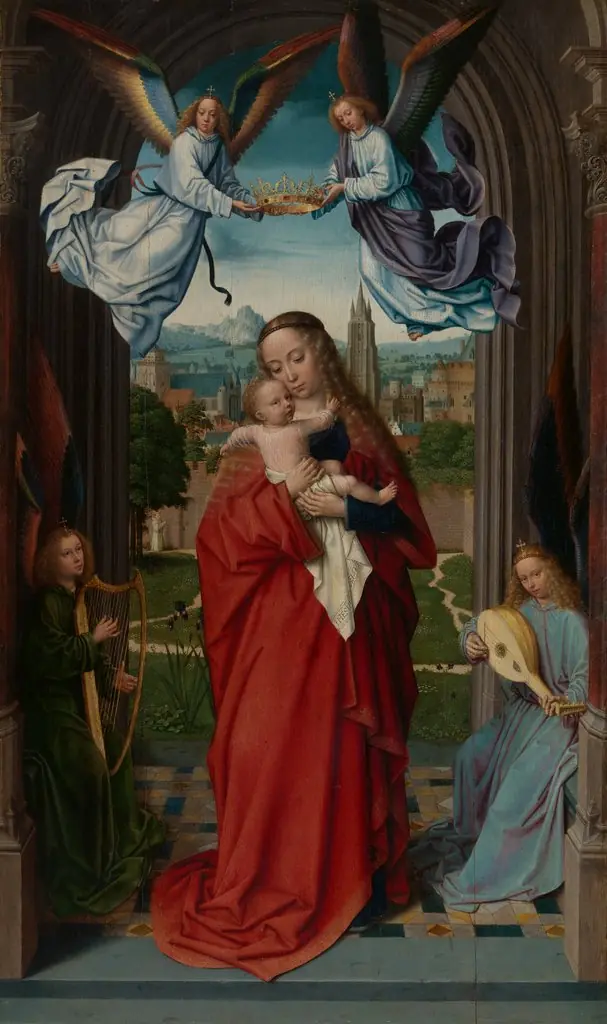 Virgin and Child with Four Angels
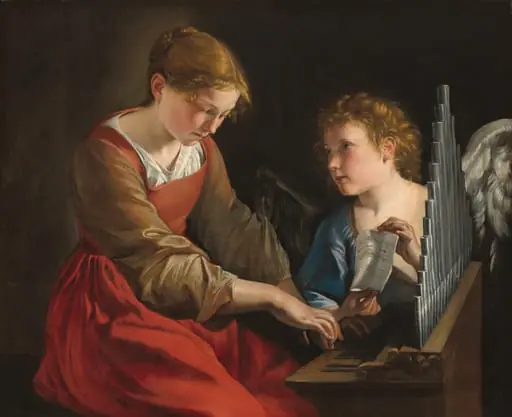 Saint Cecilia and an Angel
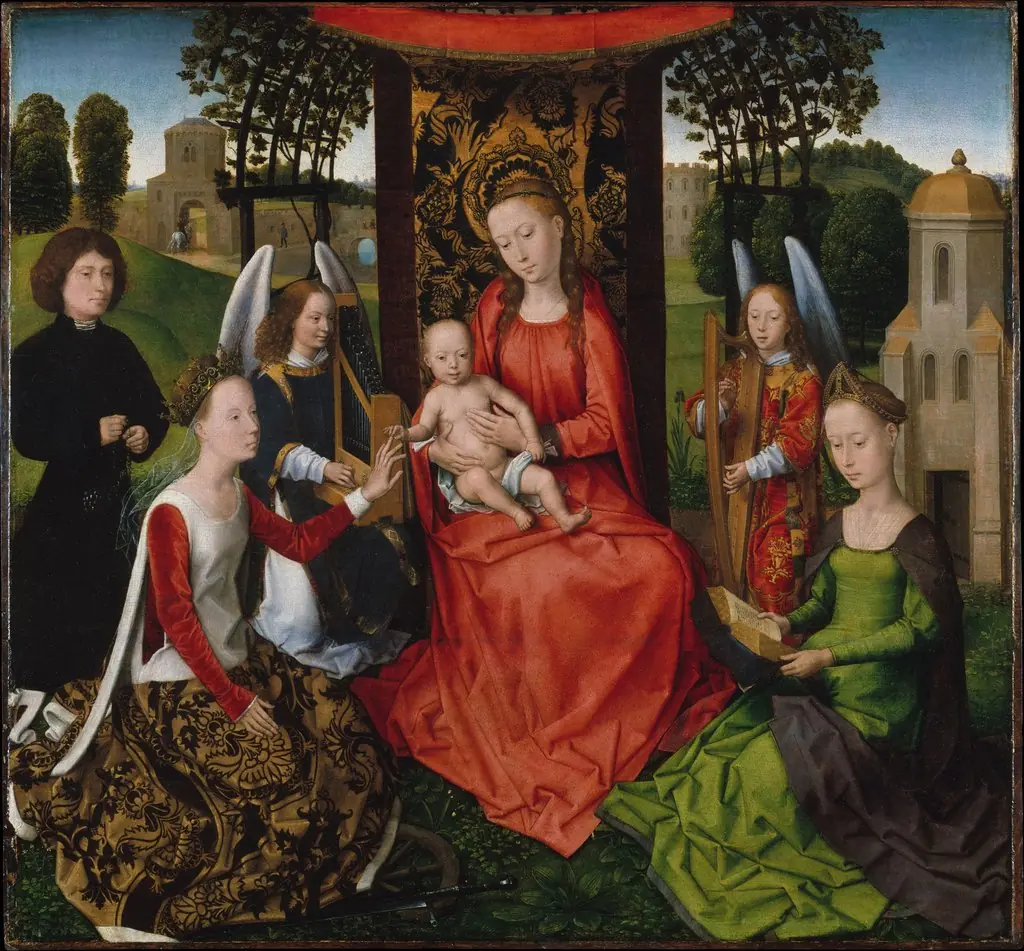 Virgin and Child with Saints Catherine of Alexandria and Barbara
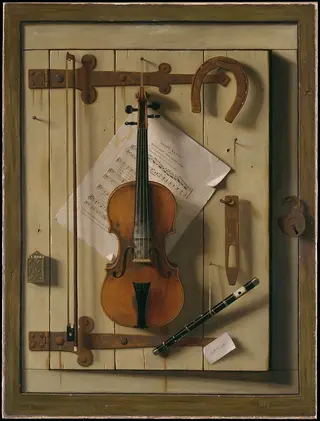 Still Life—Violin and Music
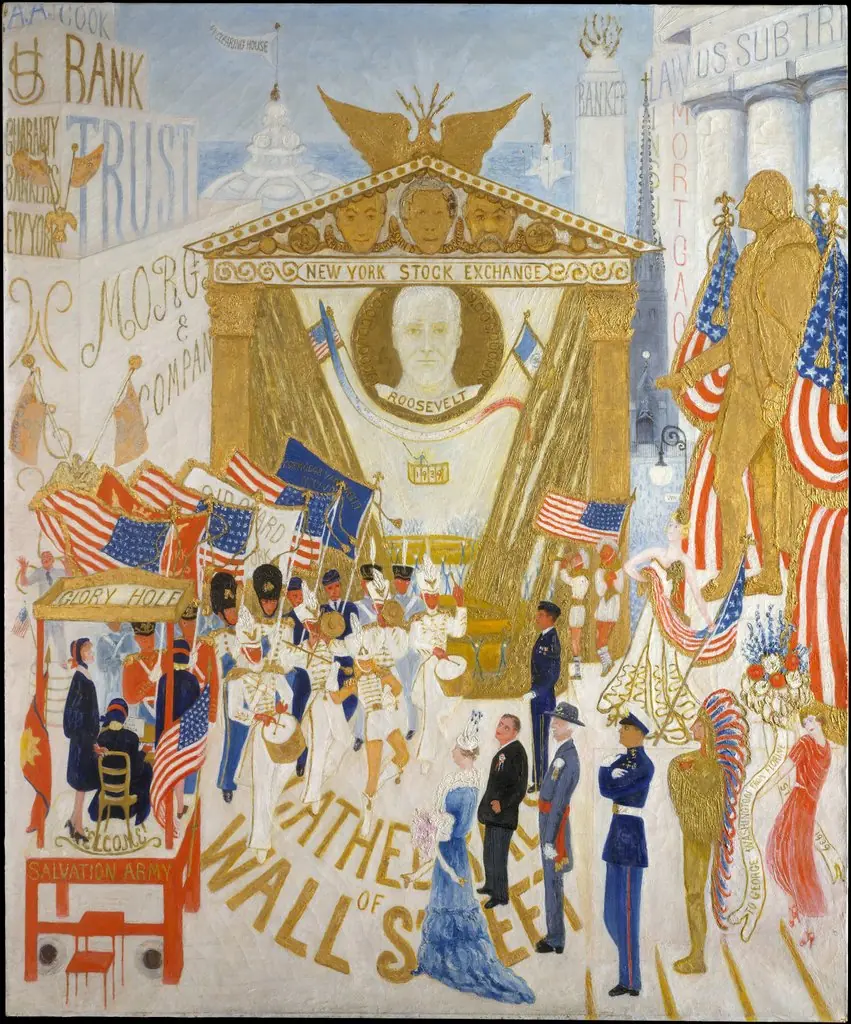 The Cathedrals of Wall Street
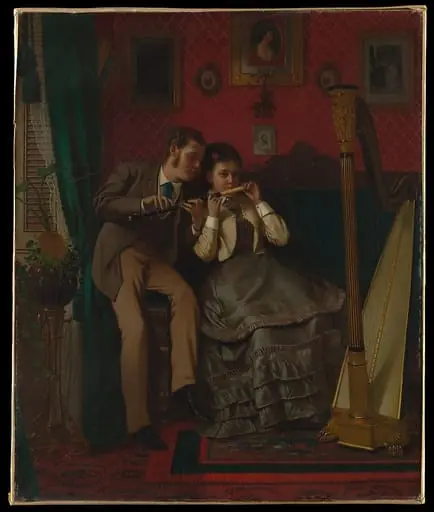 The Music Lesson
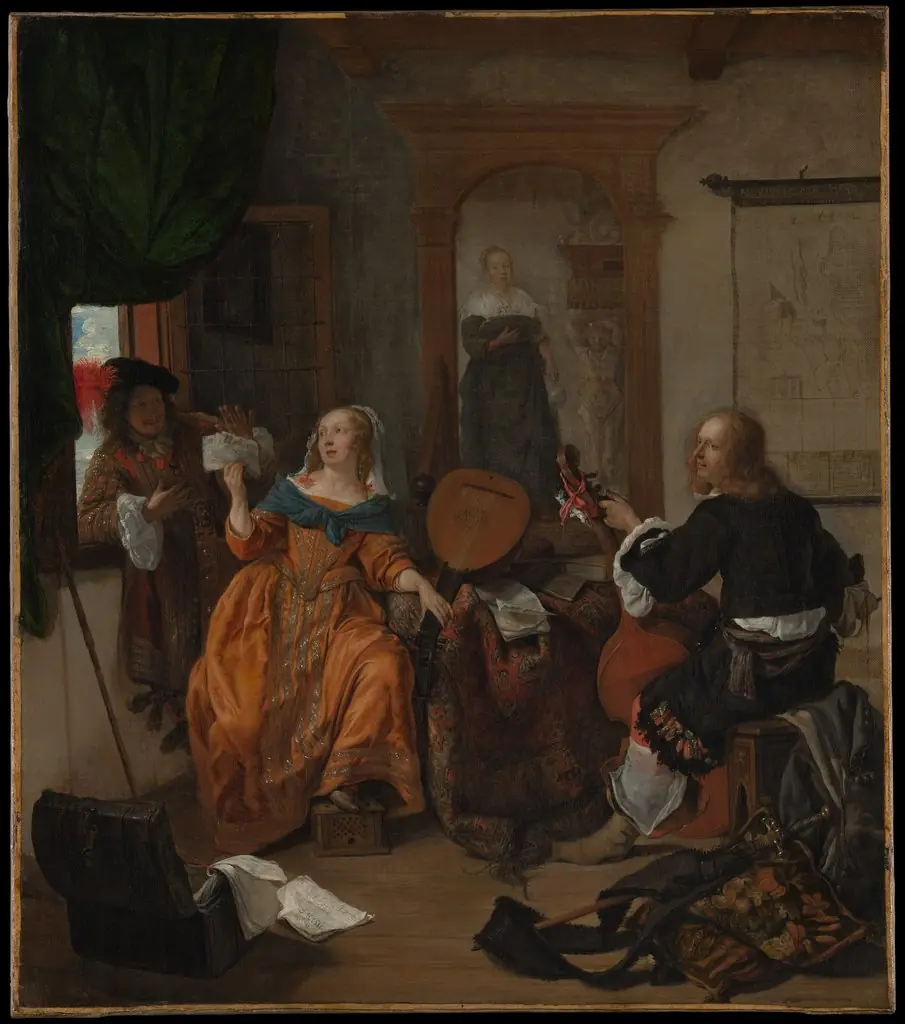 A Musical Party
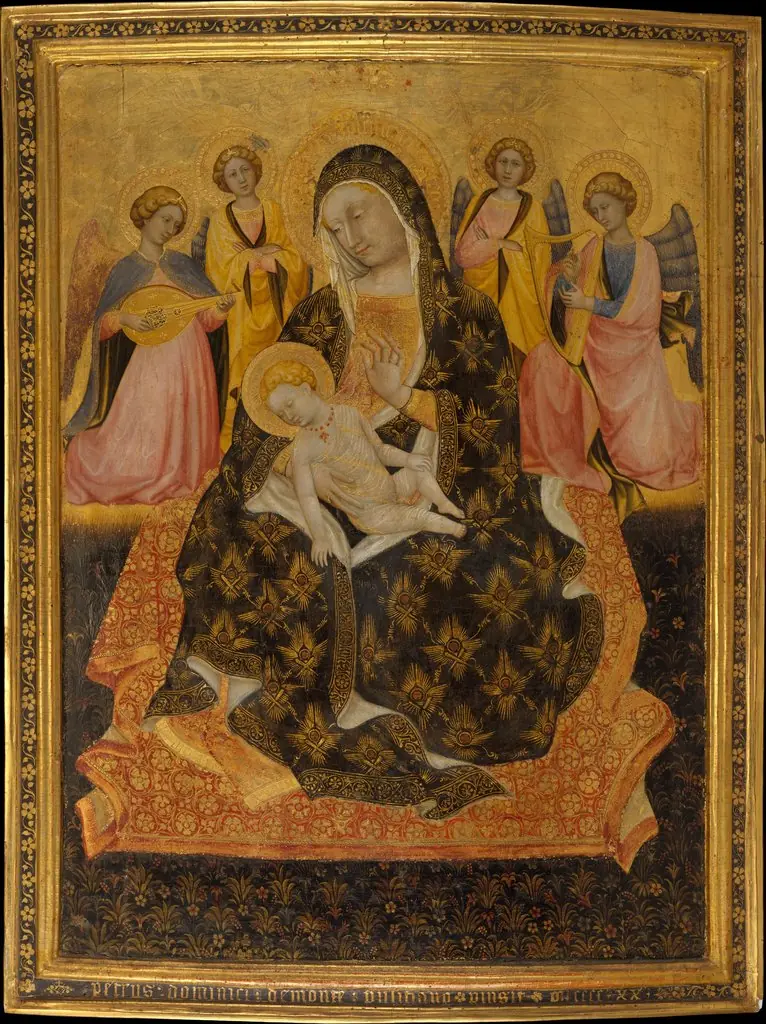 Madonna and Child with Angels
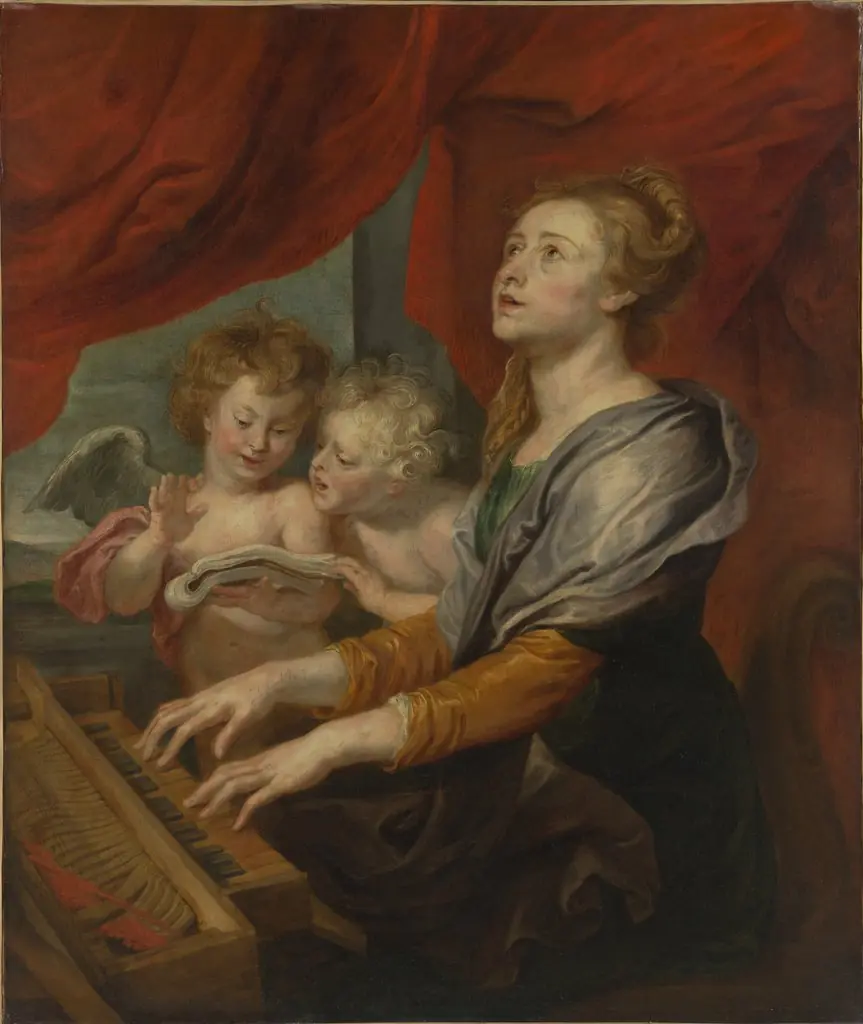 Saint Cecilia
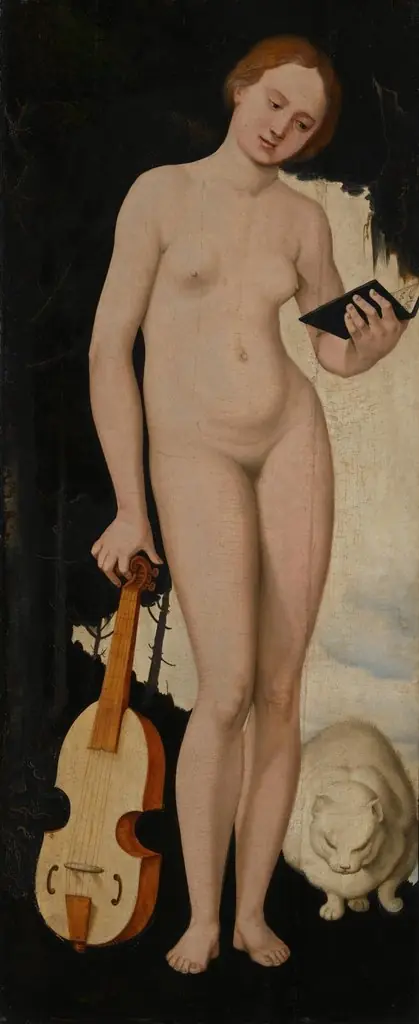 Woman with Cat
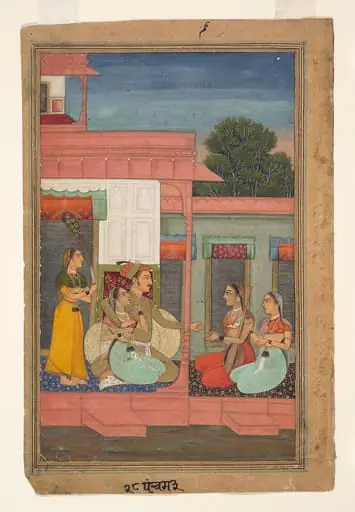 Untitled
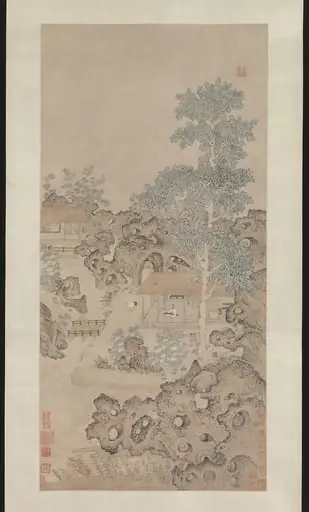 明 佚名 琴鶴圖 軸|Playing the zither for a crane
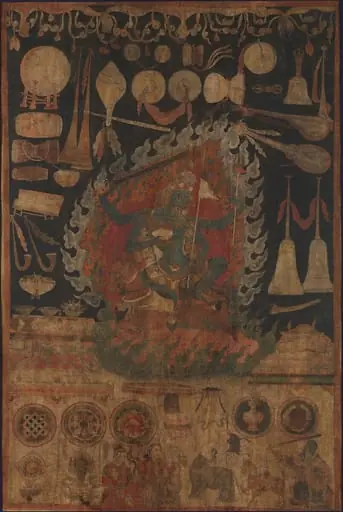 Untitled
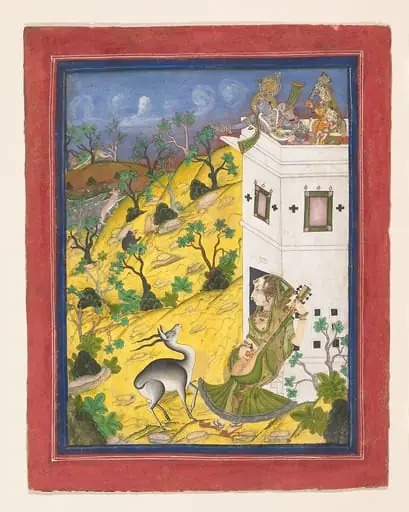 Untitled
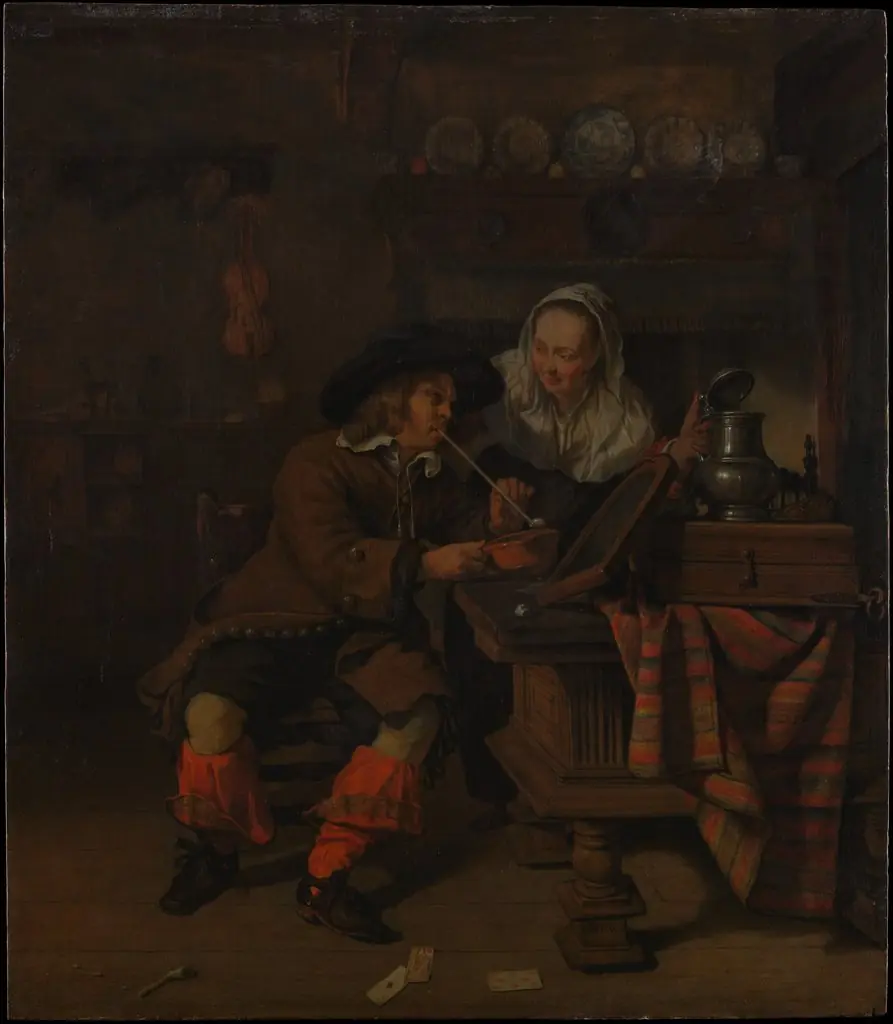 Tavern Scene
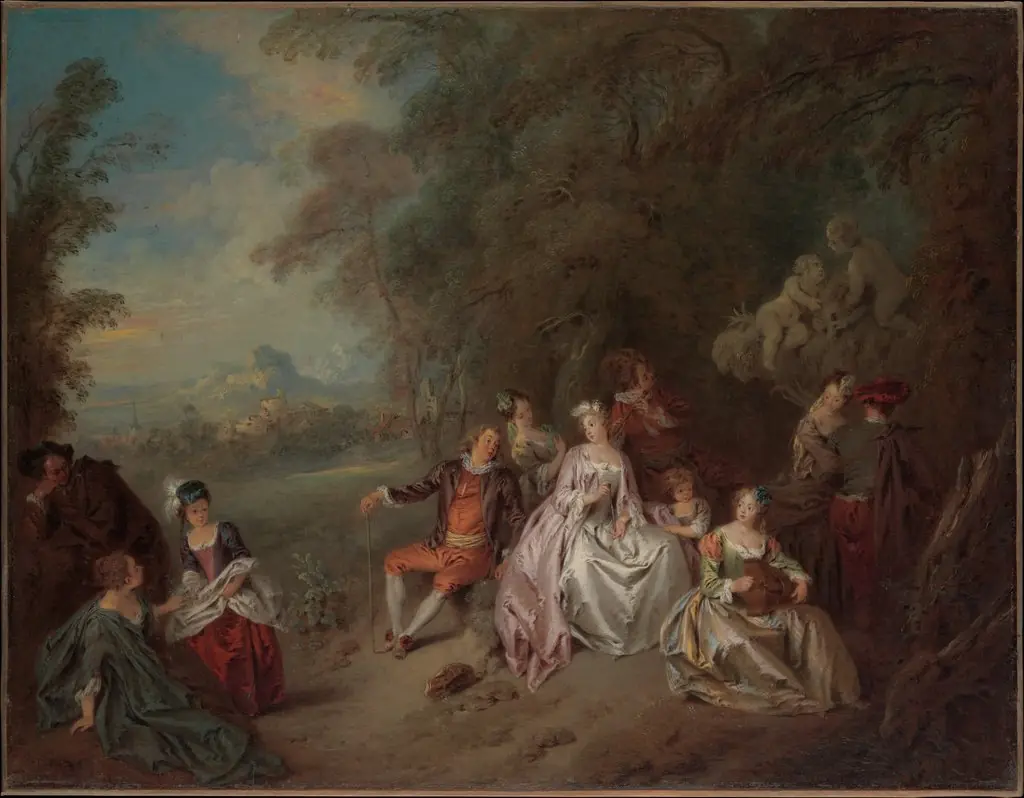 Concert Champêtre
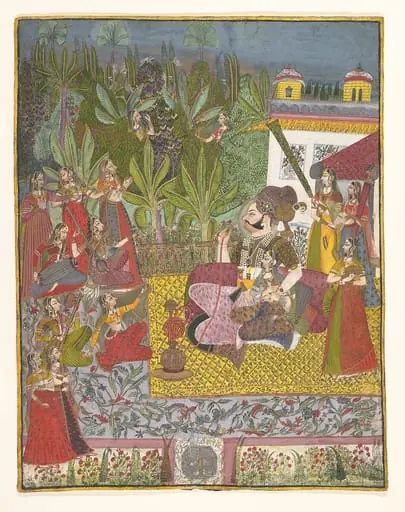 Untitled
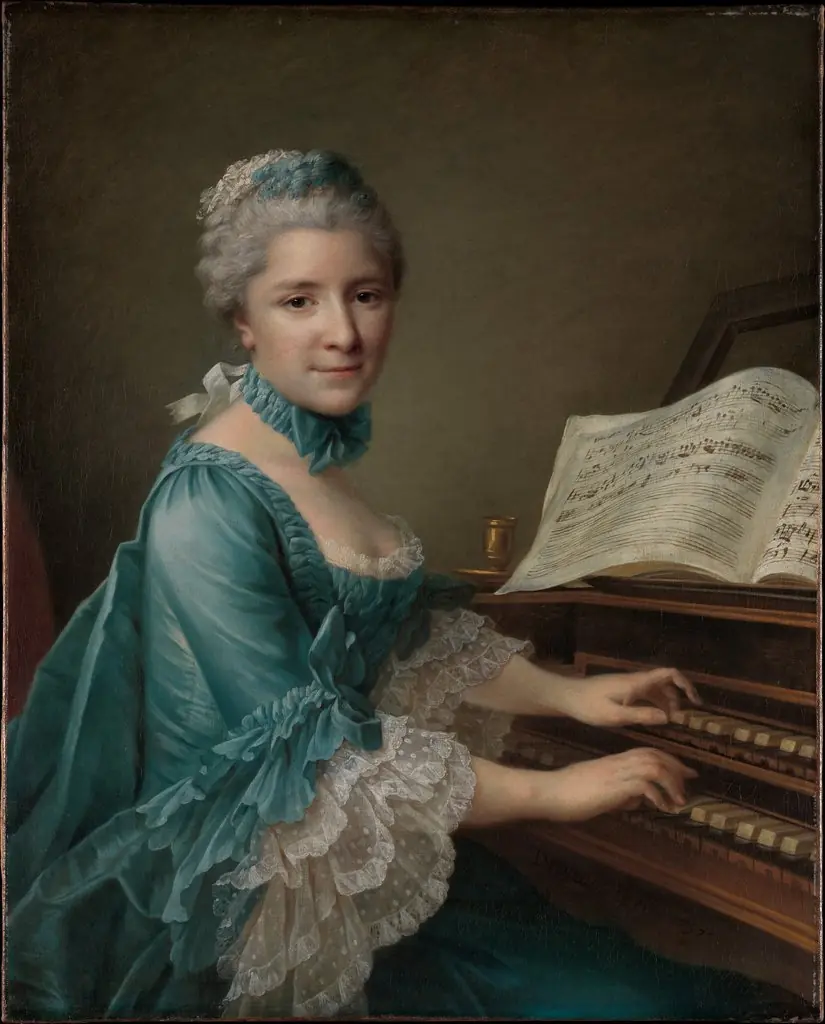 Portrait of a Woman, Said to be Madame Charles Simon Favart (Marie Justine Benoîte Duronceray, 1727–1772)
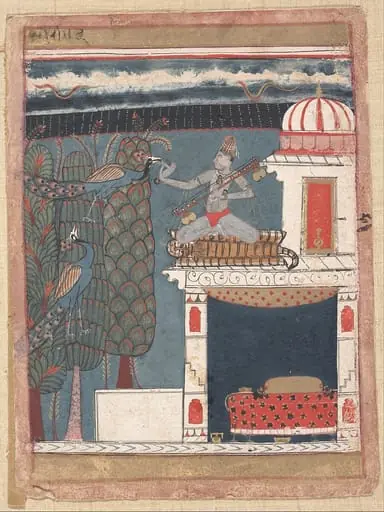 Untitled
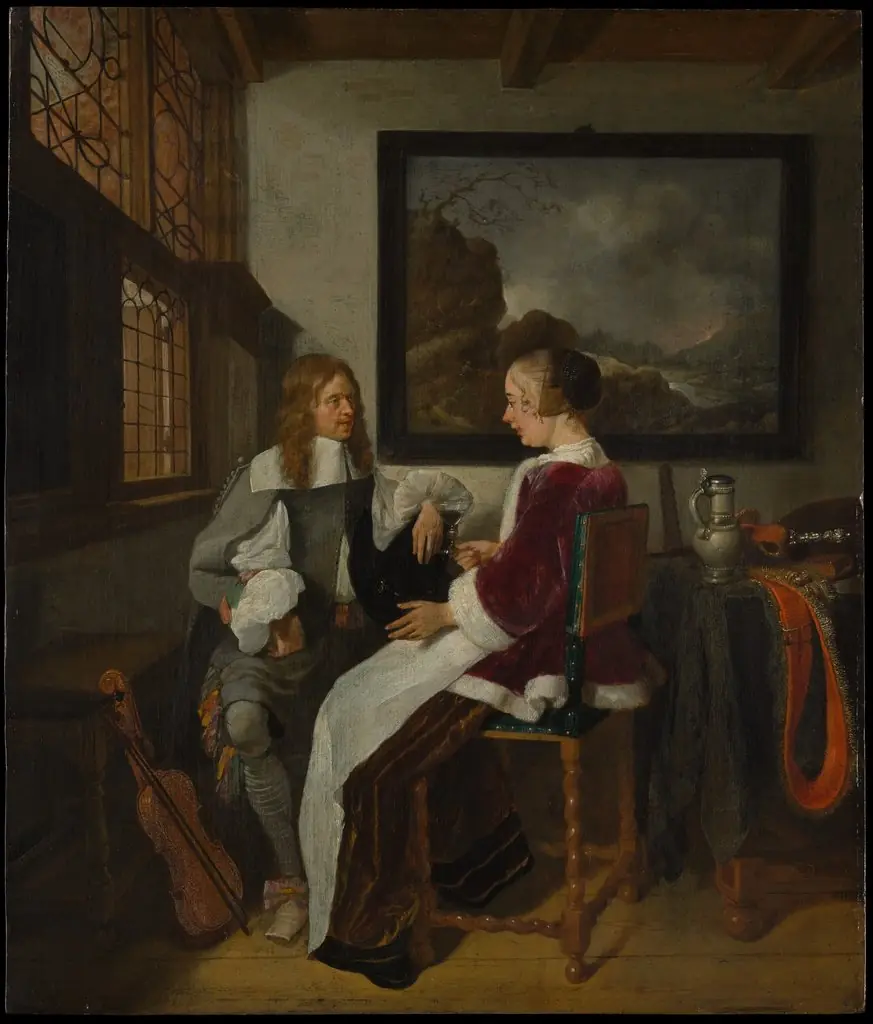 Sentimental Conversation
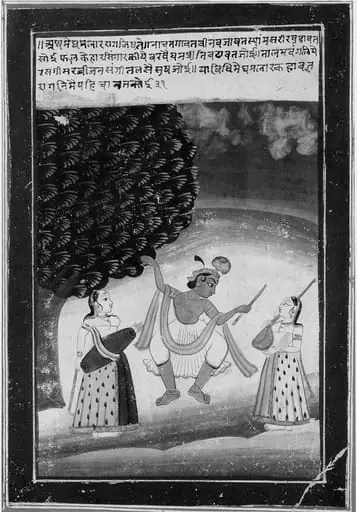 Untitled
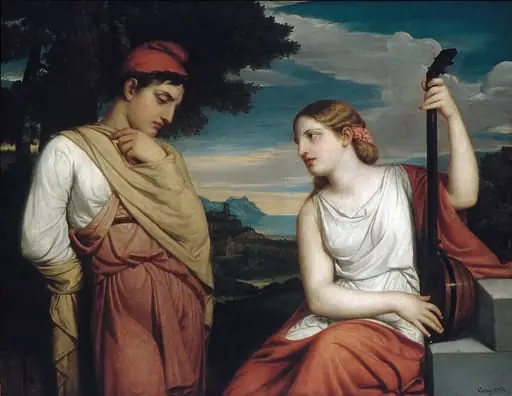 The Greek Lovers
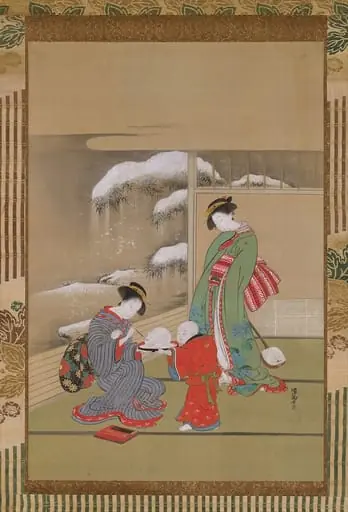 雪兎図|Painting the Eyes on a Snow Rabbit
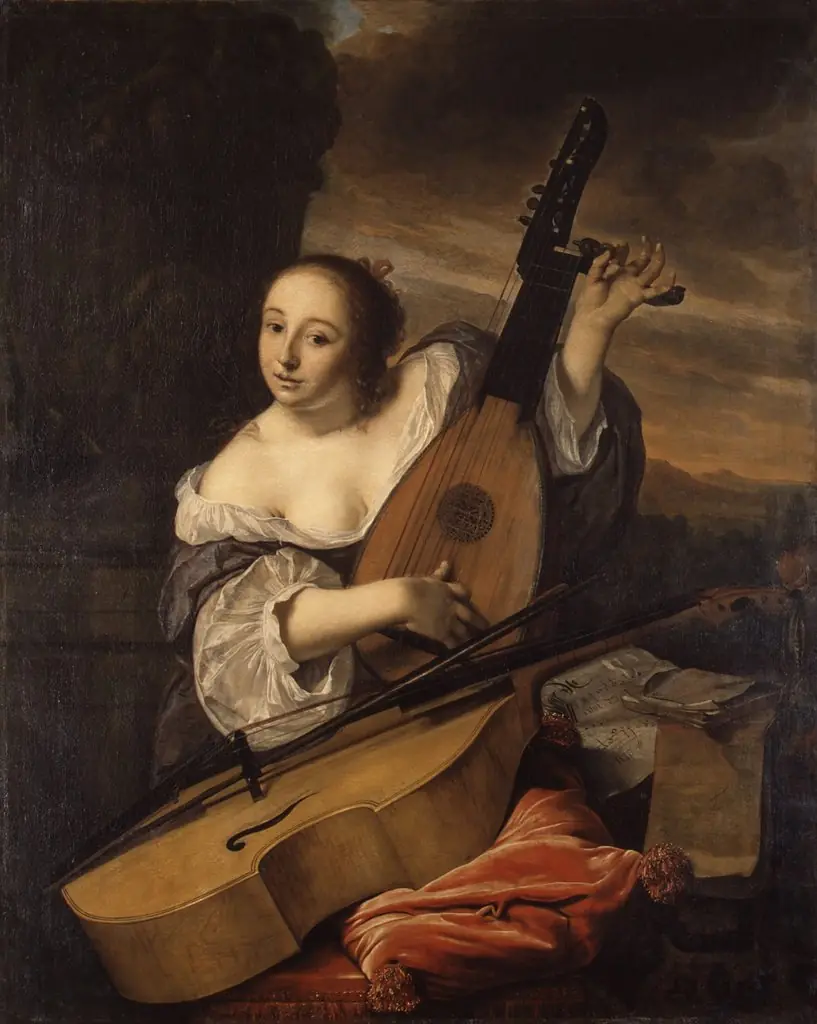 The Musician
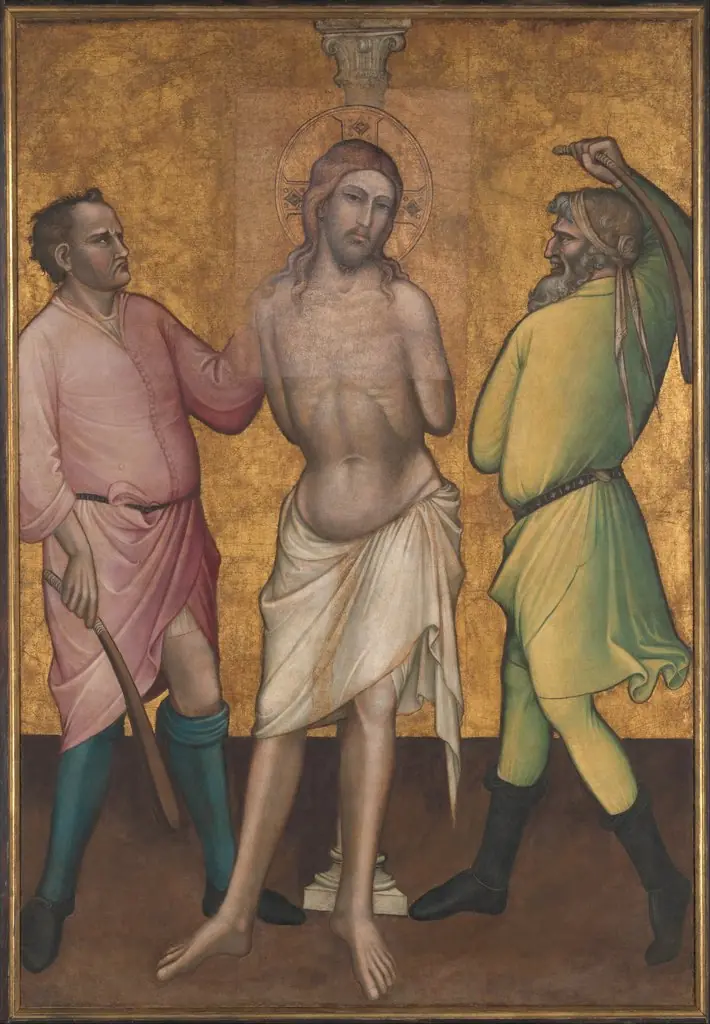 Saint Mary Magdalen Holding a Crucifix; (reverse) The Flagellation
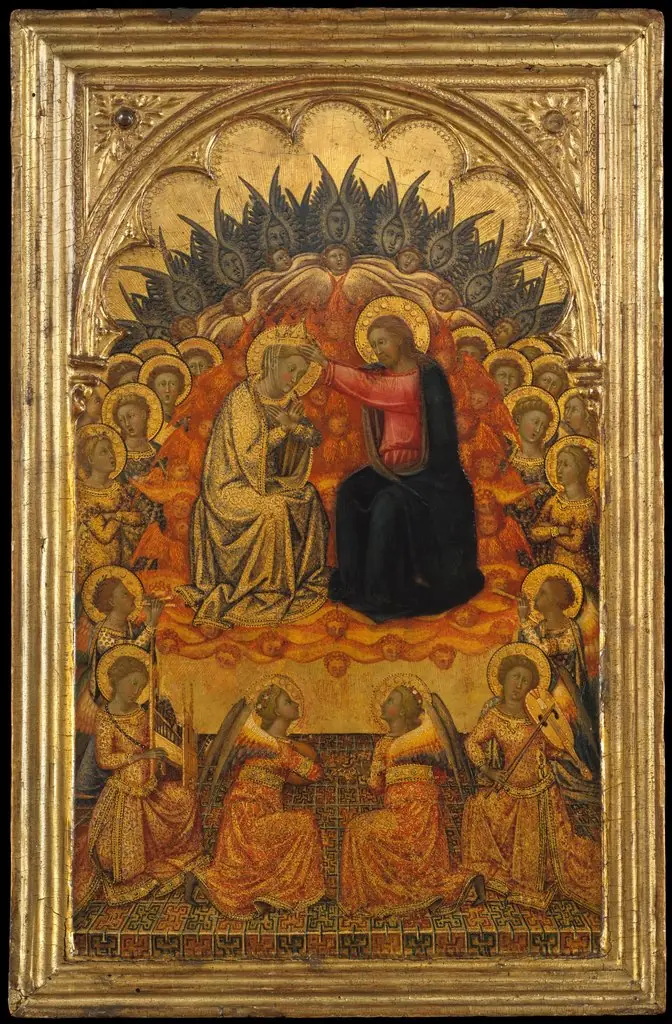 Engaged cassetta frame on a polyptych panel
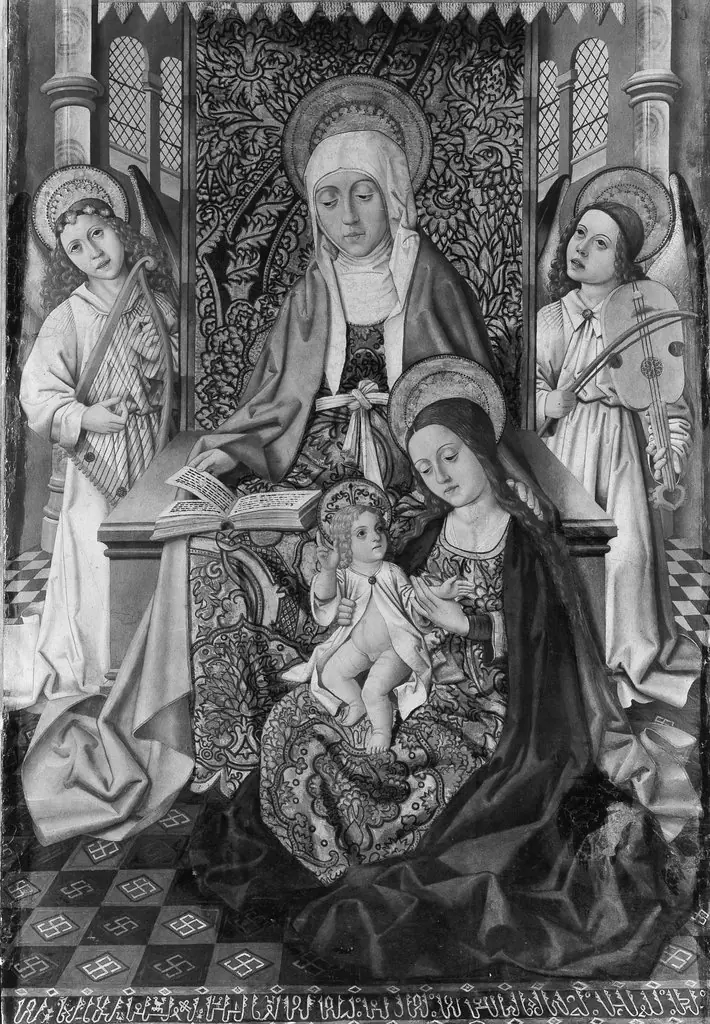 Saint Anne Enthroned with the Virgin and Child
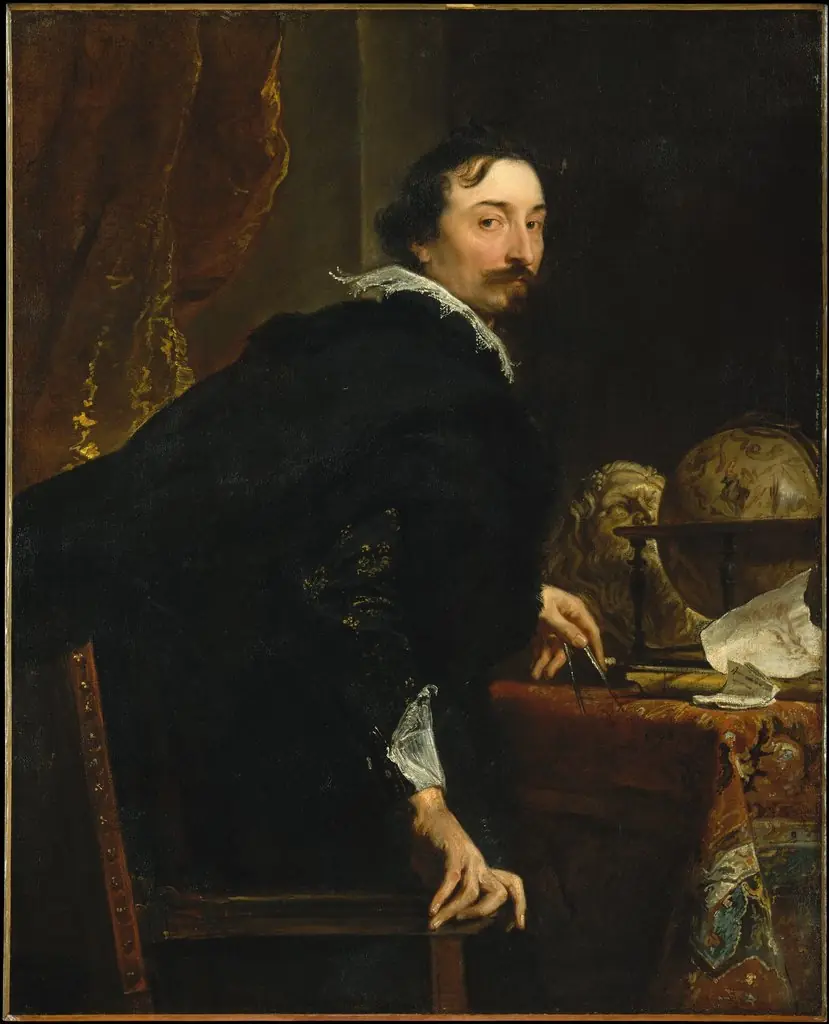 Portrait of Lucas van Uffel (died 1637)
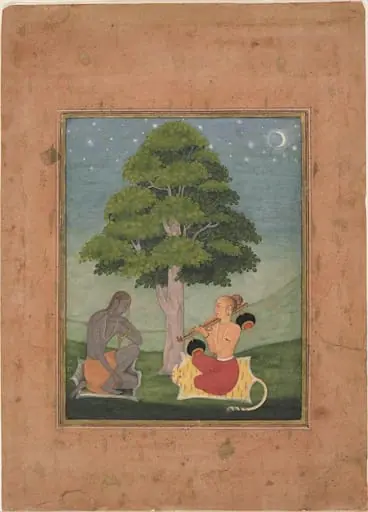 Untitled
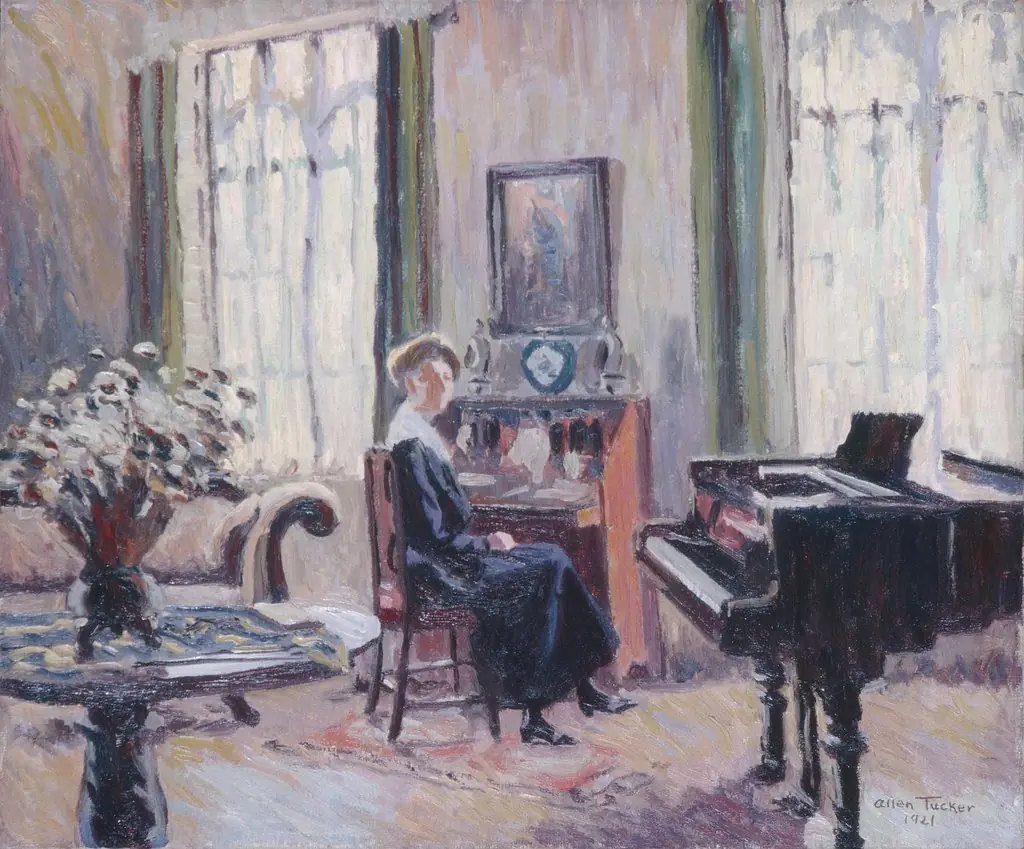 Interior
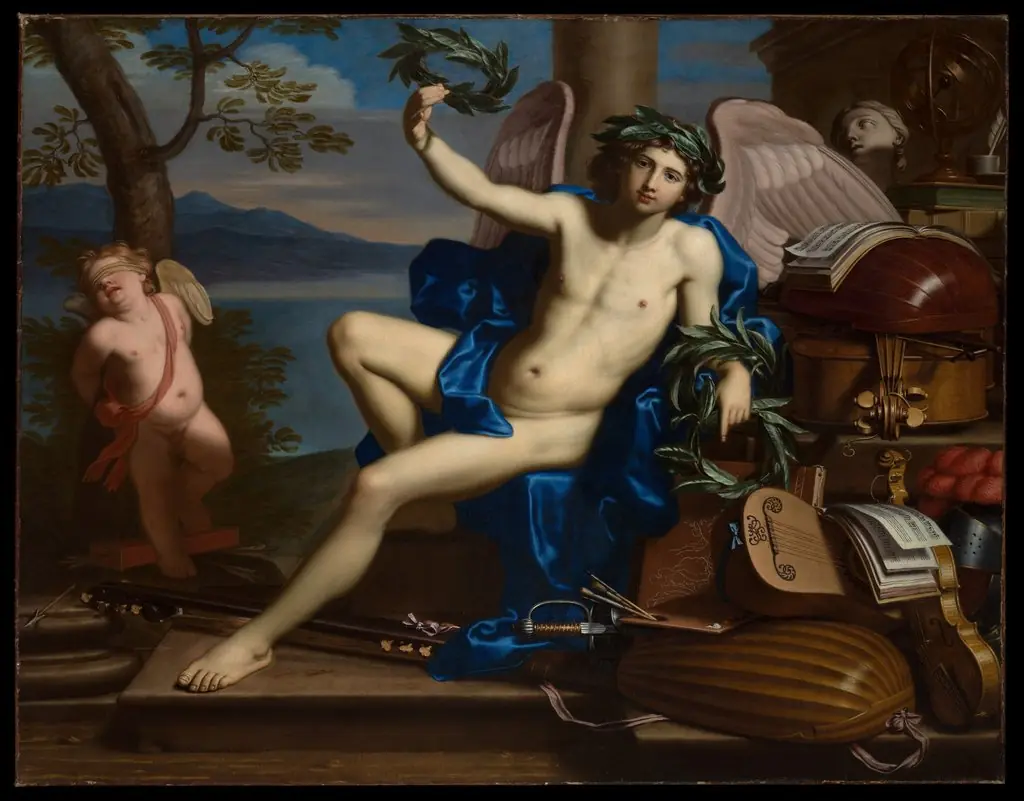 Allegory of Sacred and Profane Love
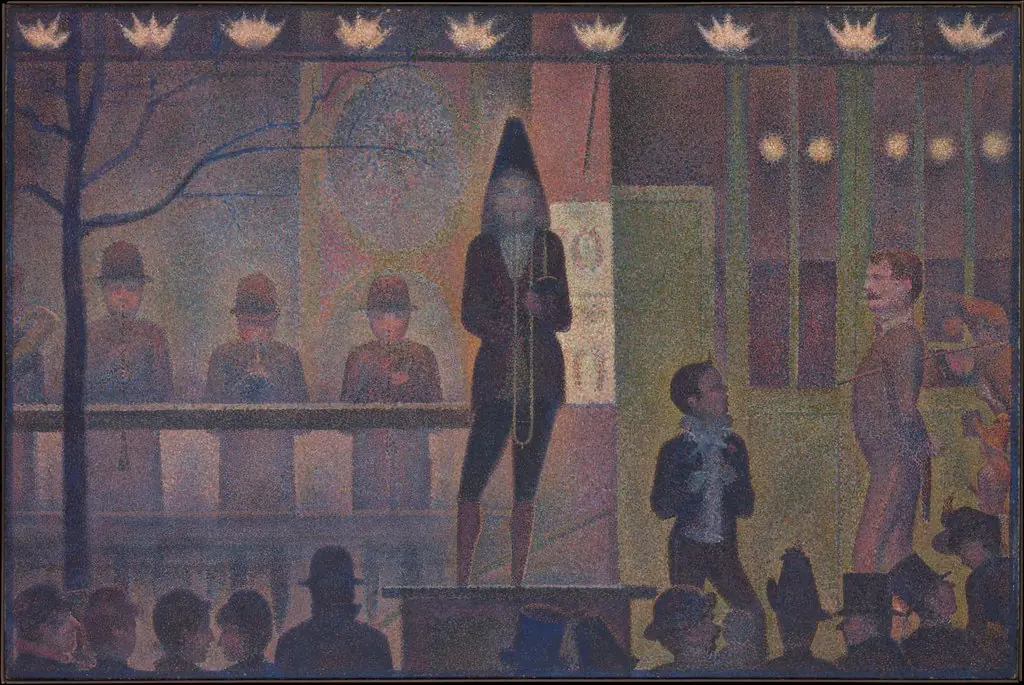 The Circus Parade
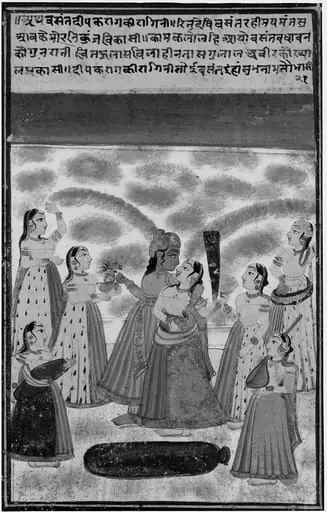 Untitled
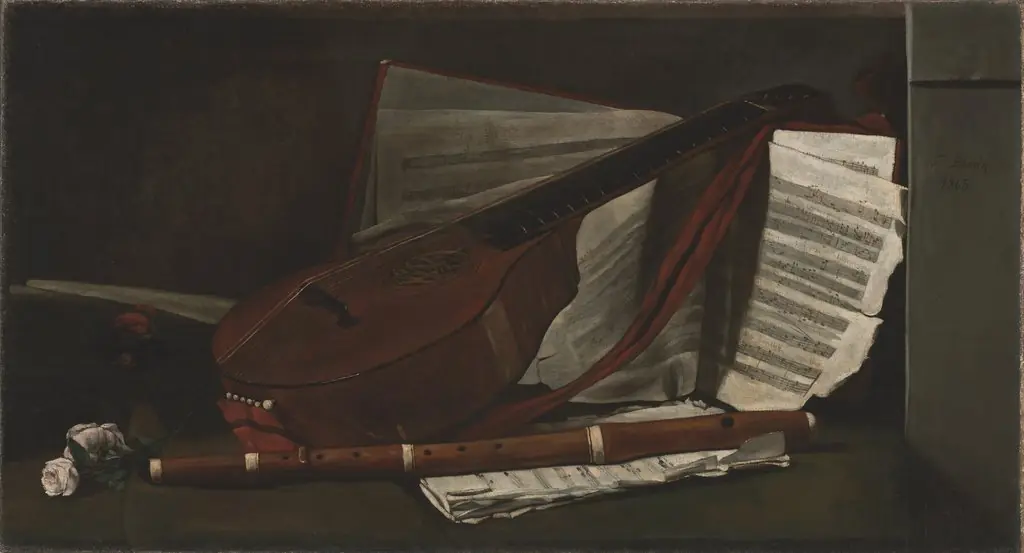 Attributes of Music
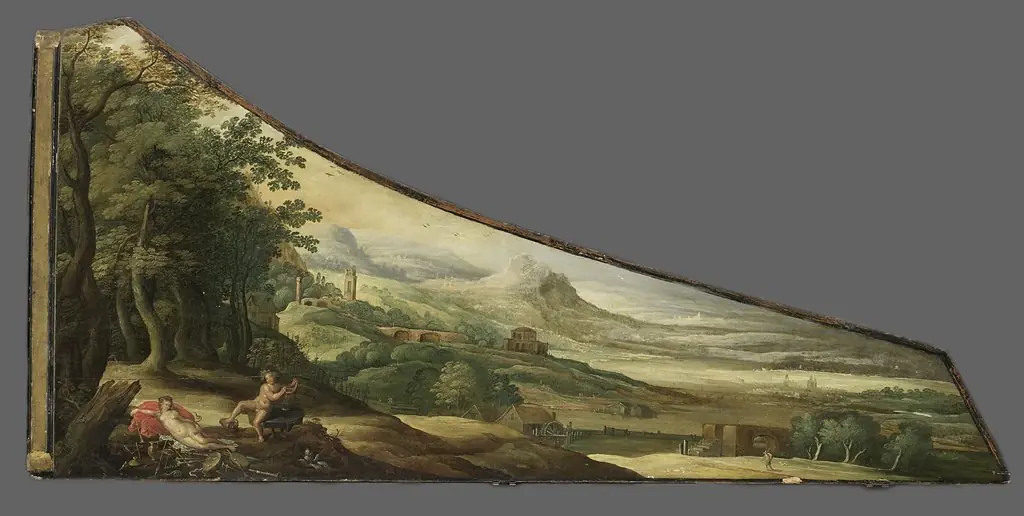 Death of Euridice
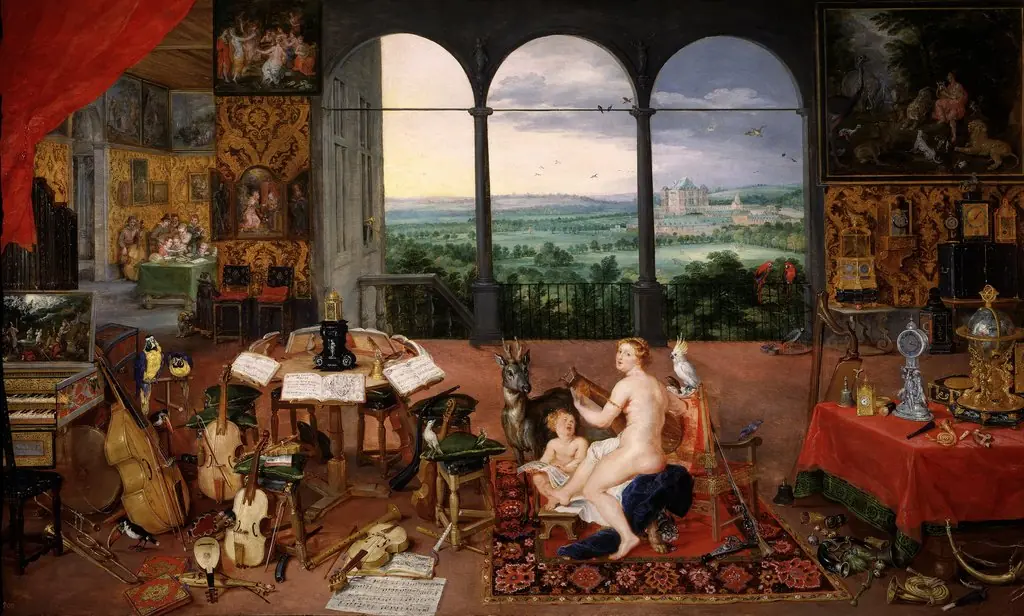 Hearing
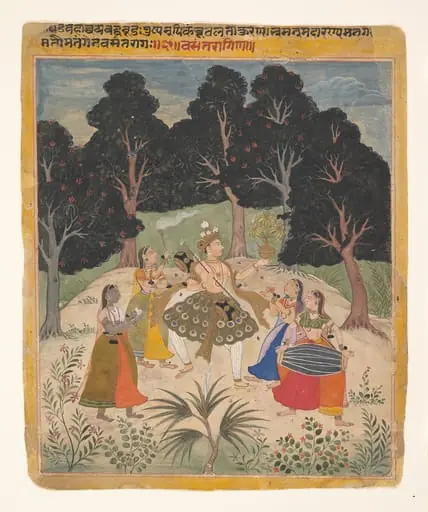 Untitled
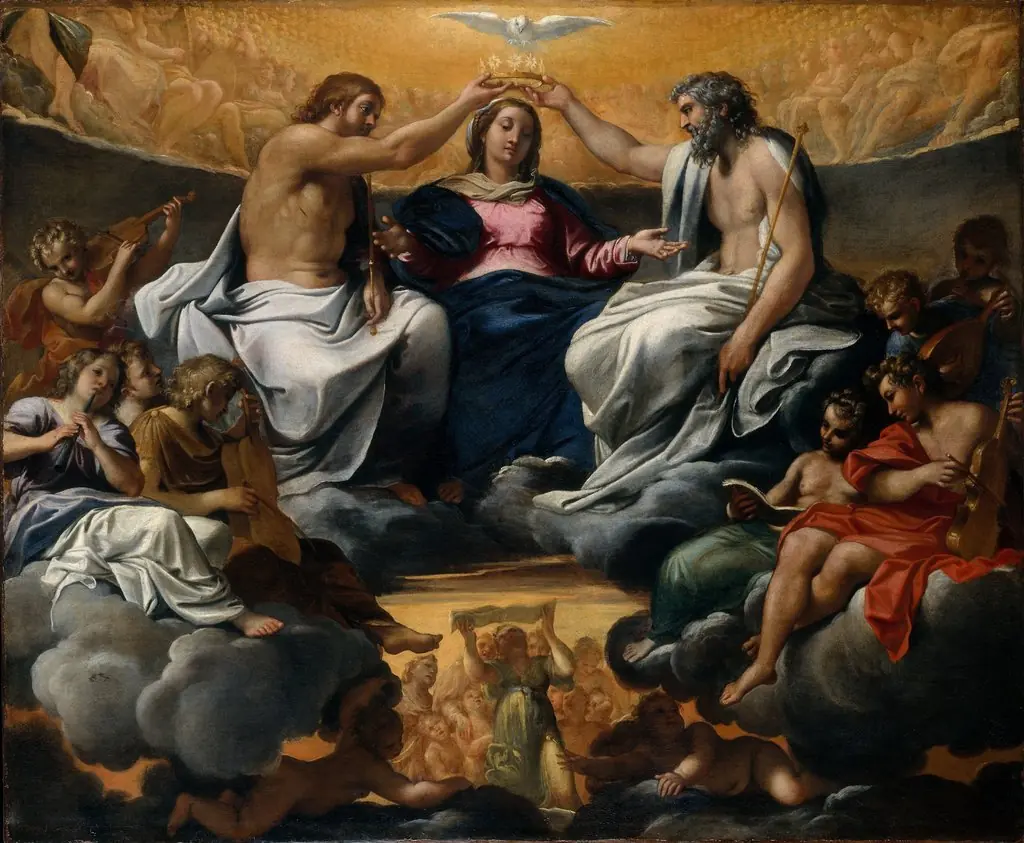 The Coronation of the Virgin
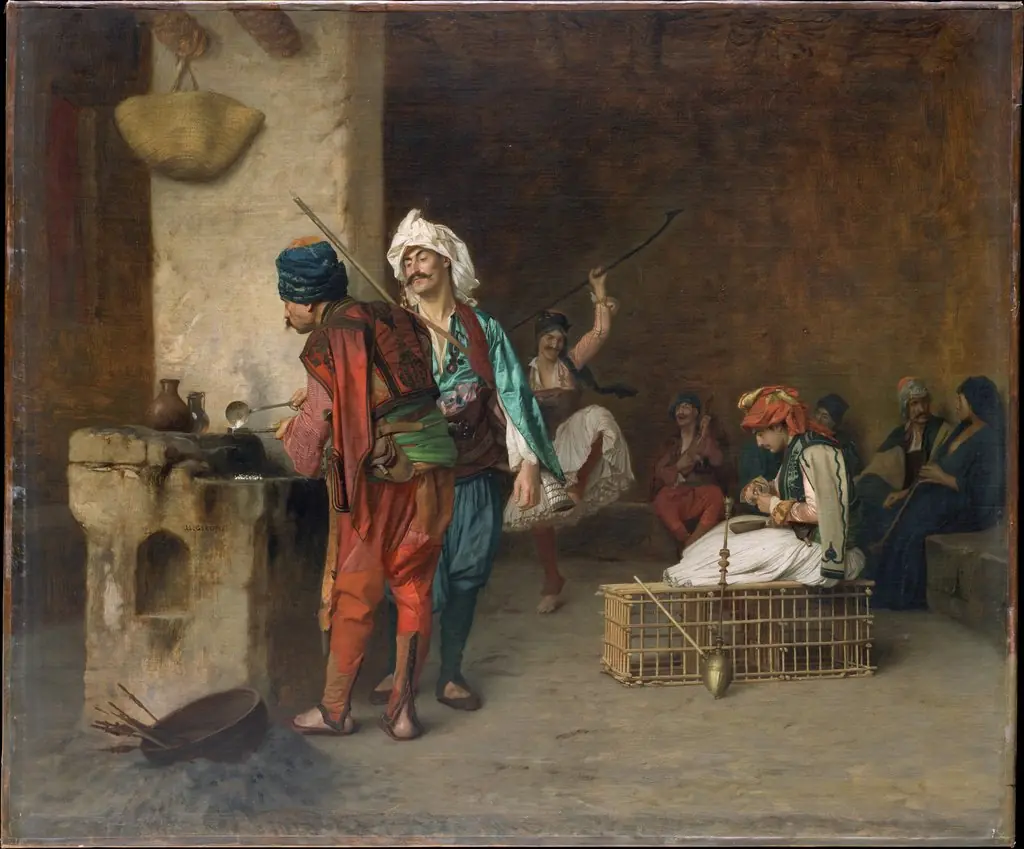 Cafe House, Cairo (Casting Bullets)
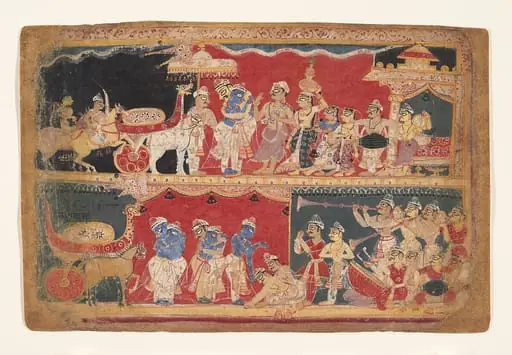 Untitled
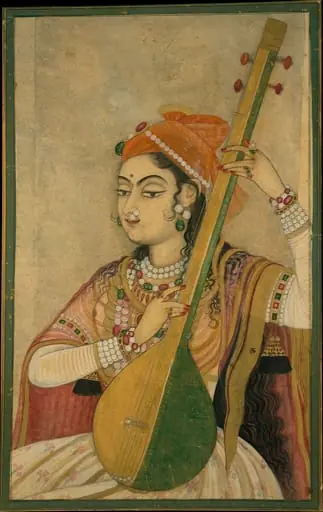 Untitled
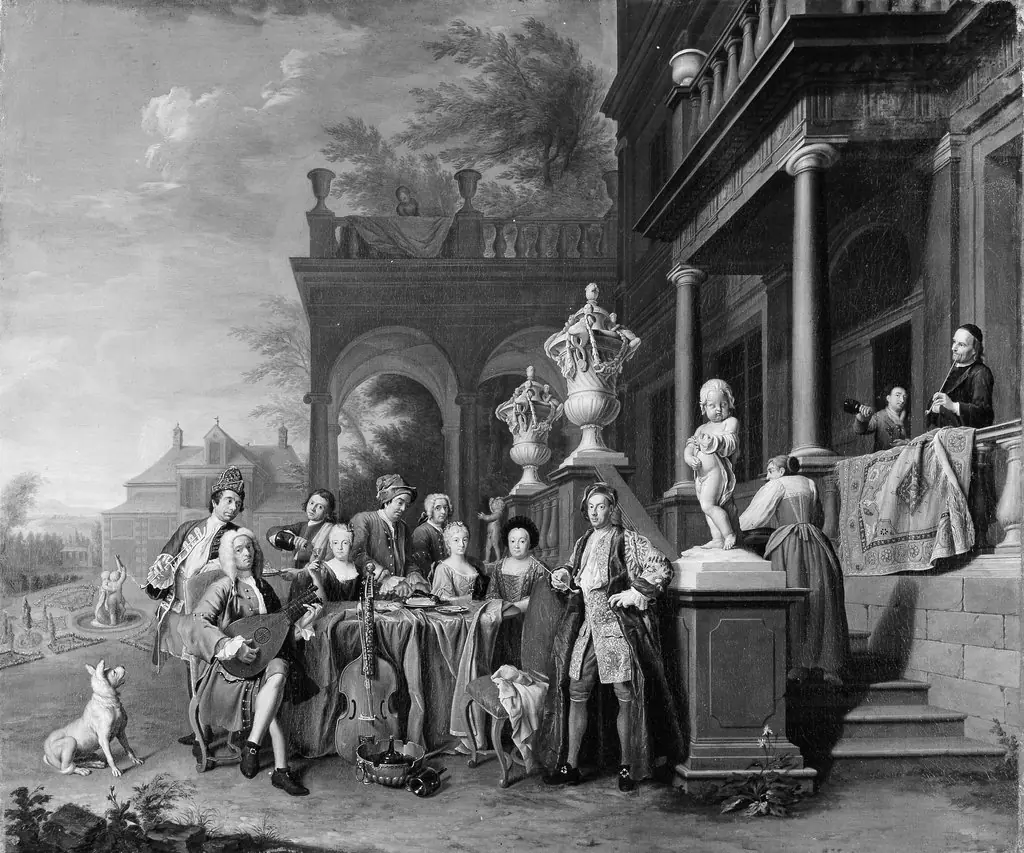 A Musical Gathering at the Court of the Elector Karl Albrecht of Bavaria
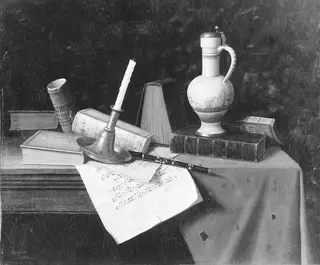 Still Life
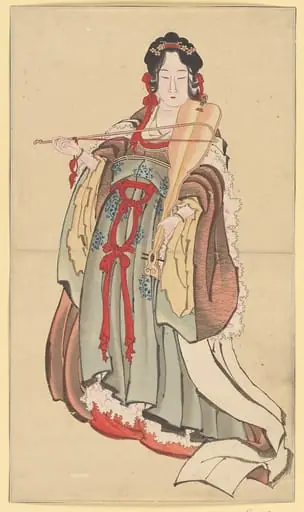 Untitled
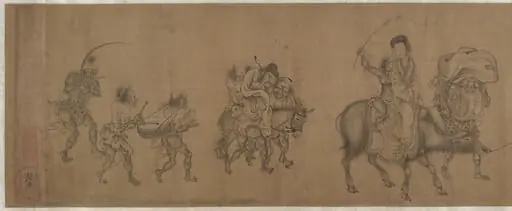 南宋/元 顏庚 鍾馗嫁妹圖 卷|The Demon Queller Zhong Kui Giving His Sister Away in Marriage
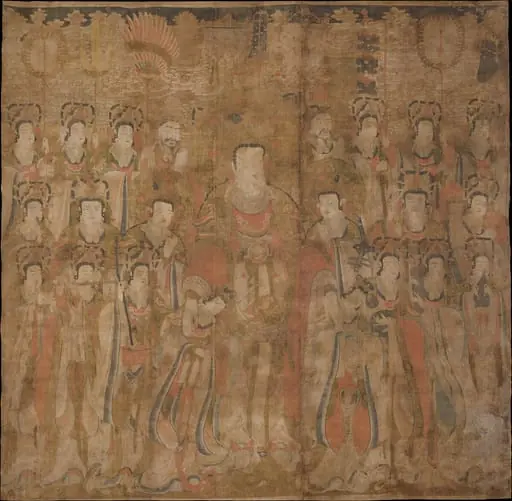 작자미상 범천왕을 중심으로 한 신중도 조선|作者未詳 神衆圖 朝鮮|Brahma with Attendants and Musicians
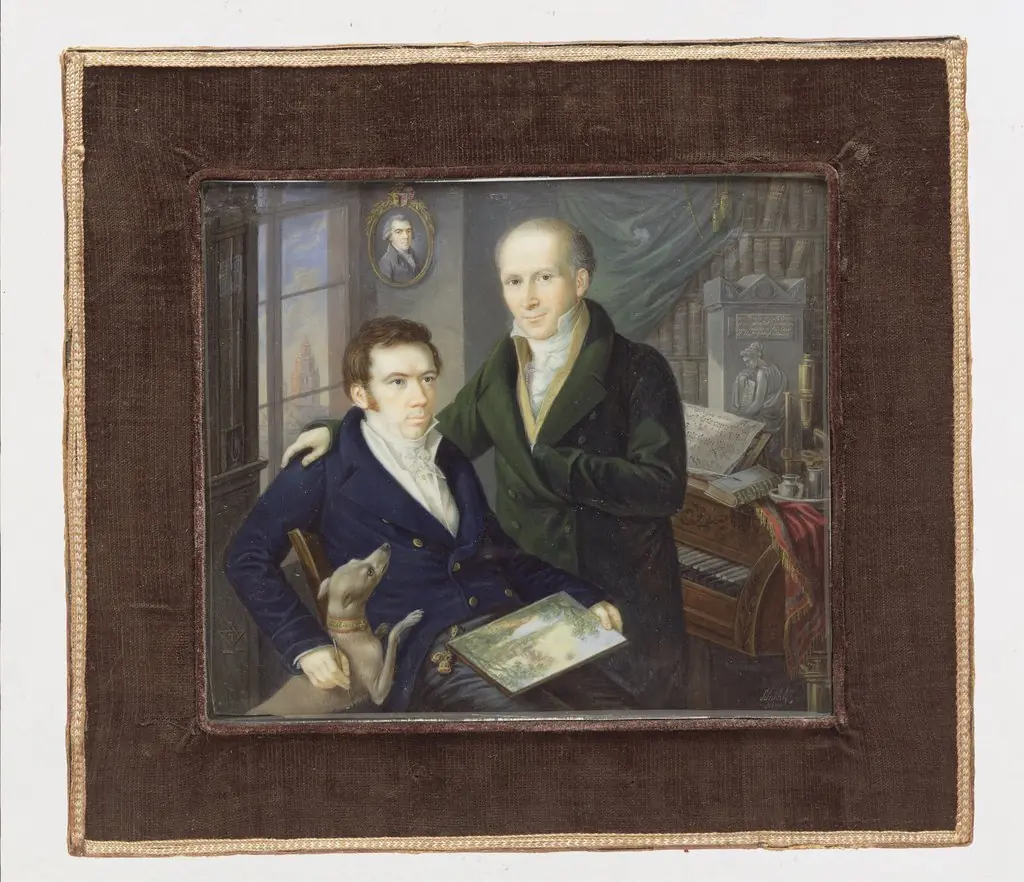 Joseph and Karl August von Klein
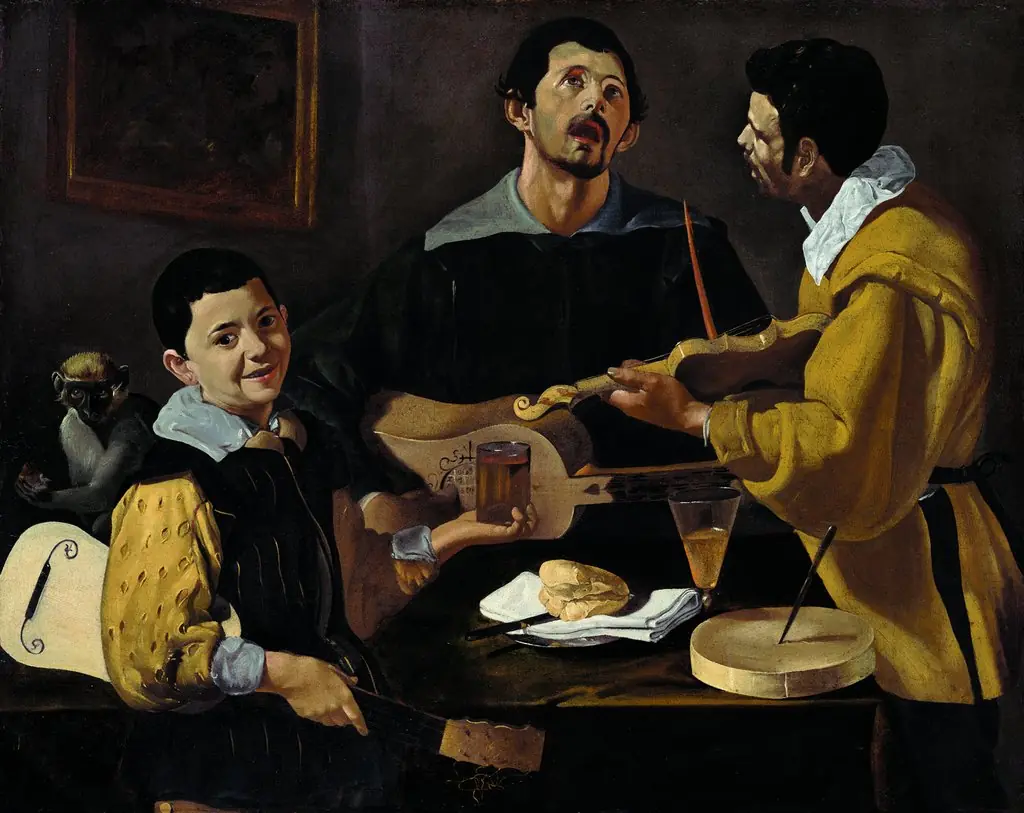 Three Musicians
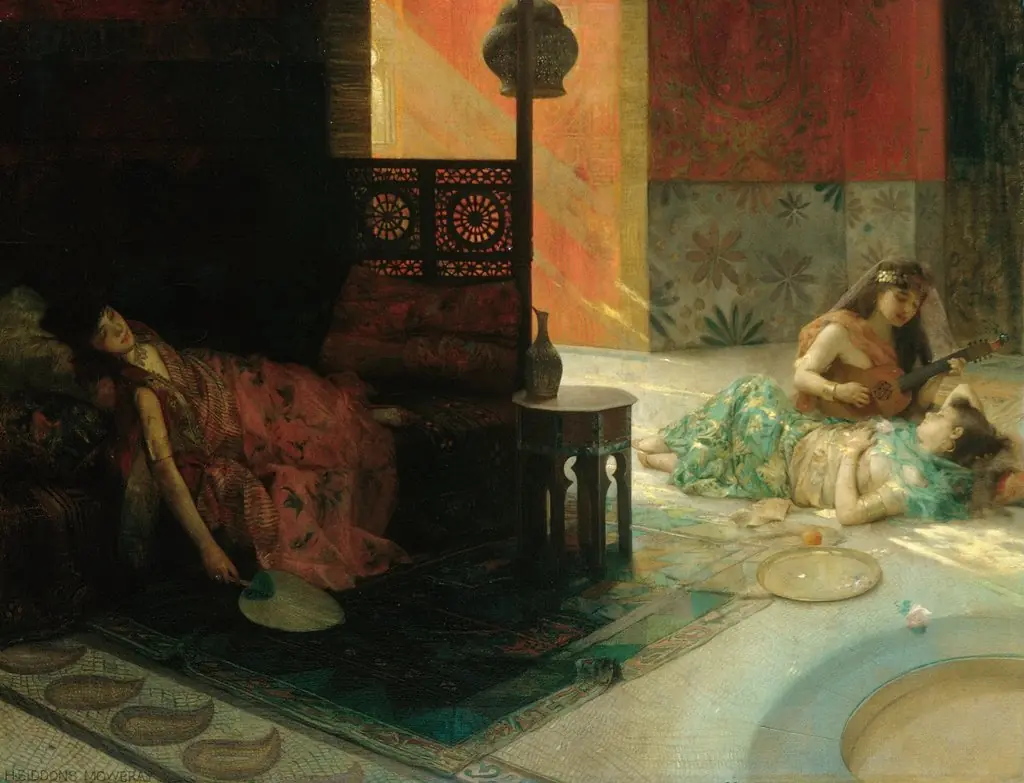 Harem Scene
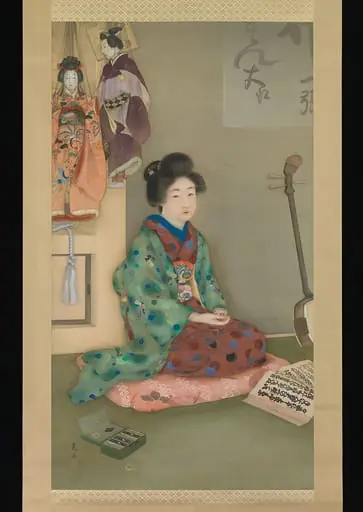 娘義太夫|Female Chanter for Jōruri Puppet Theater
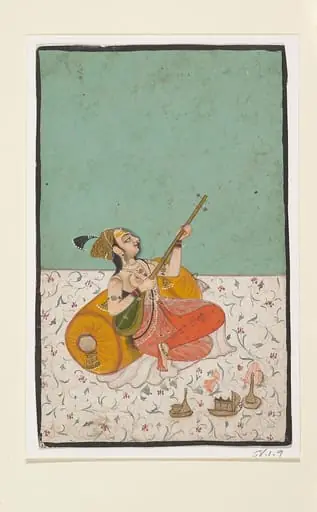 Untitled
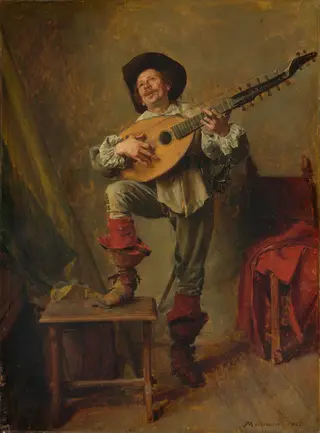 Soldier Playing the Theorbo
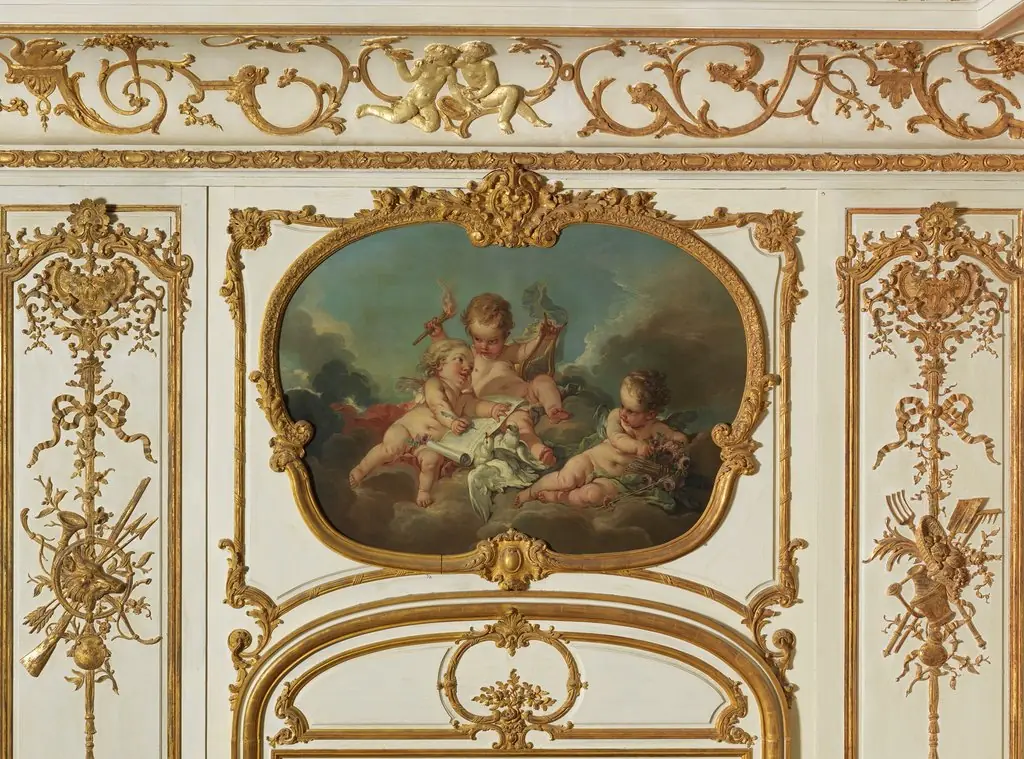 Allegory of Lyric Poetry
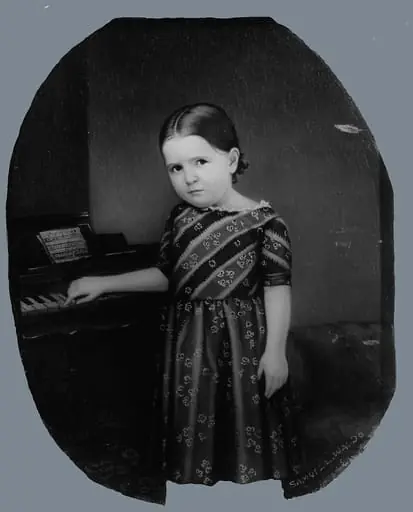 Portrait of a Girl
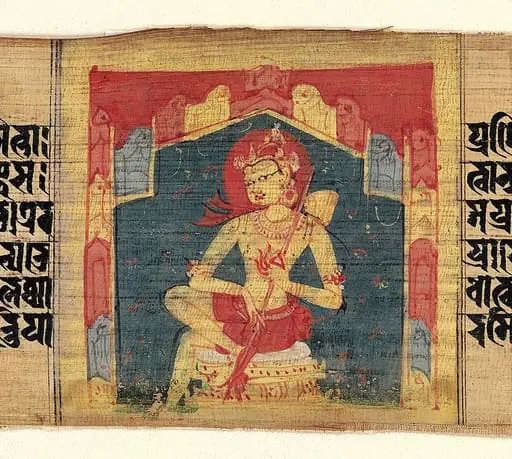 Untitled
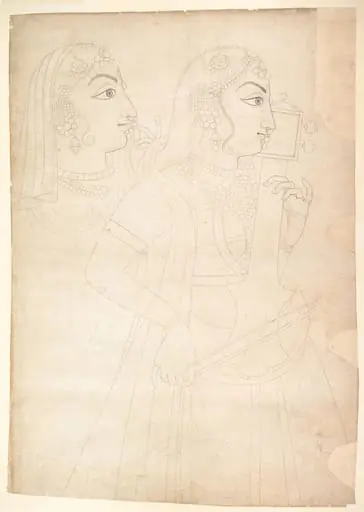 Untitled
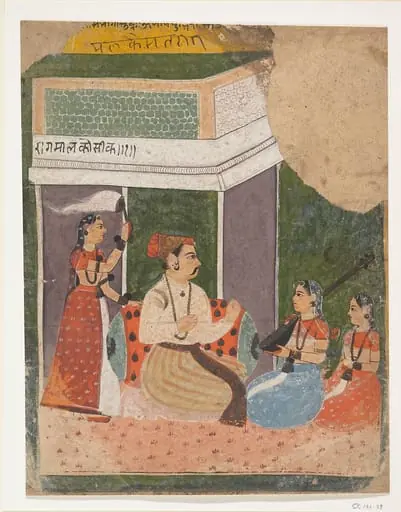 Untitled
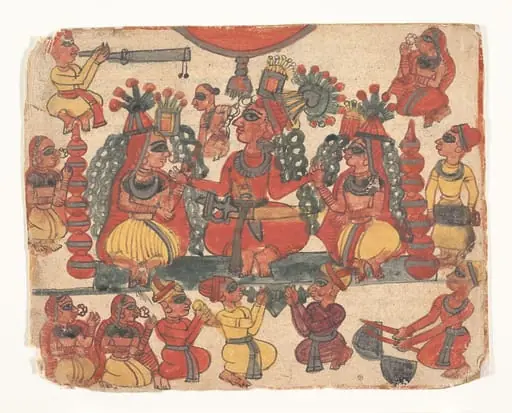 Untitled
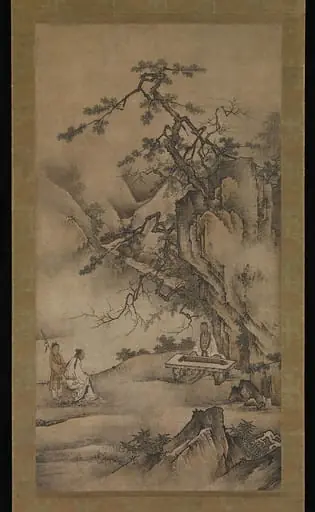 狩野元信周辺 伯牙鍾子期図|Bo Ya Plays the Qin as Zhong Ziqi Listens
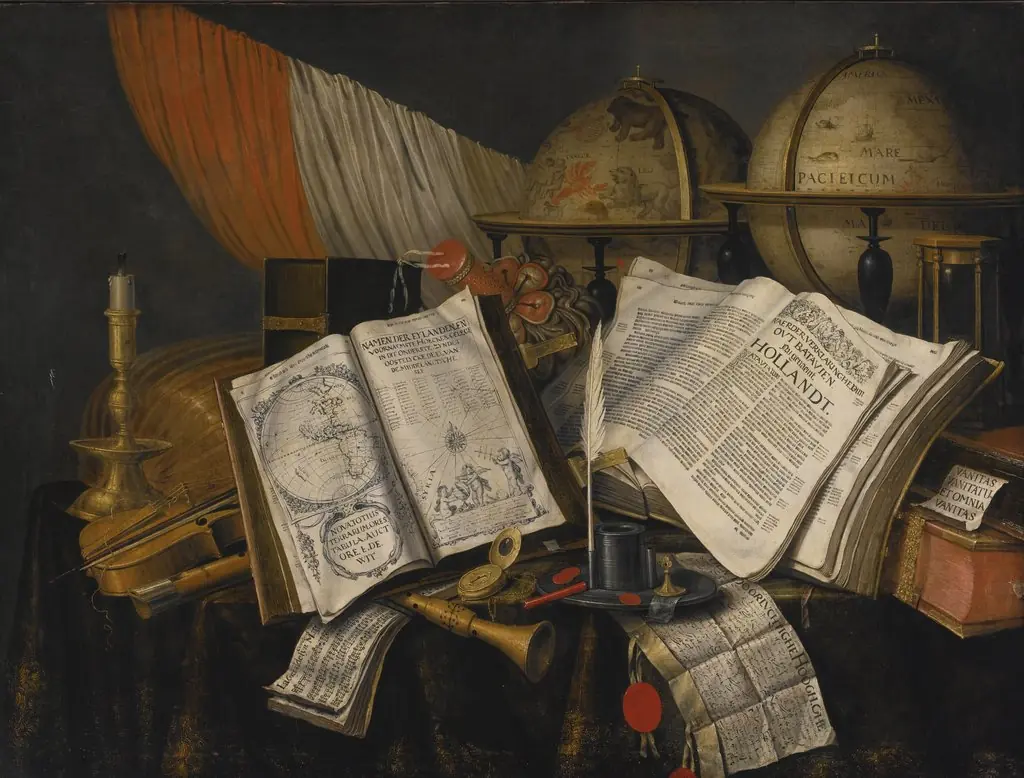 Vanitas Still Life with a Candlestick, Musical Instruments, Dutch Books, a Writing Set, an Astrological and a Terrestial Globe and an Hourglass, All on a Draped Table
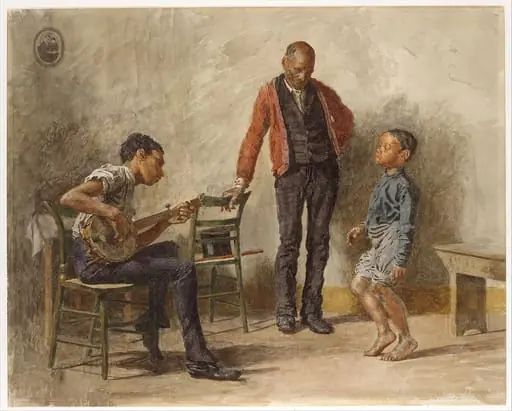 The Dancing Lesson
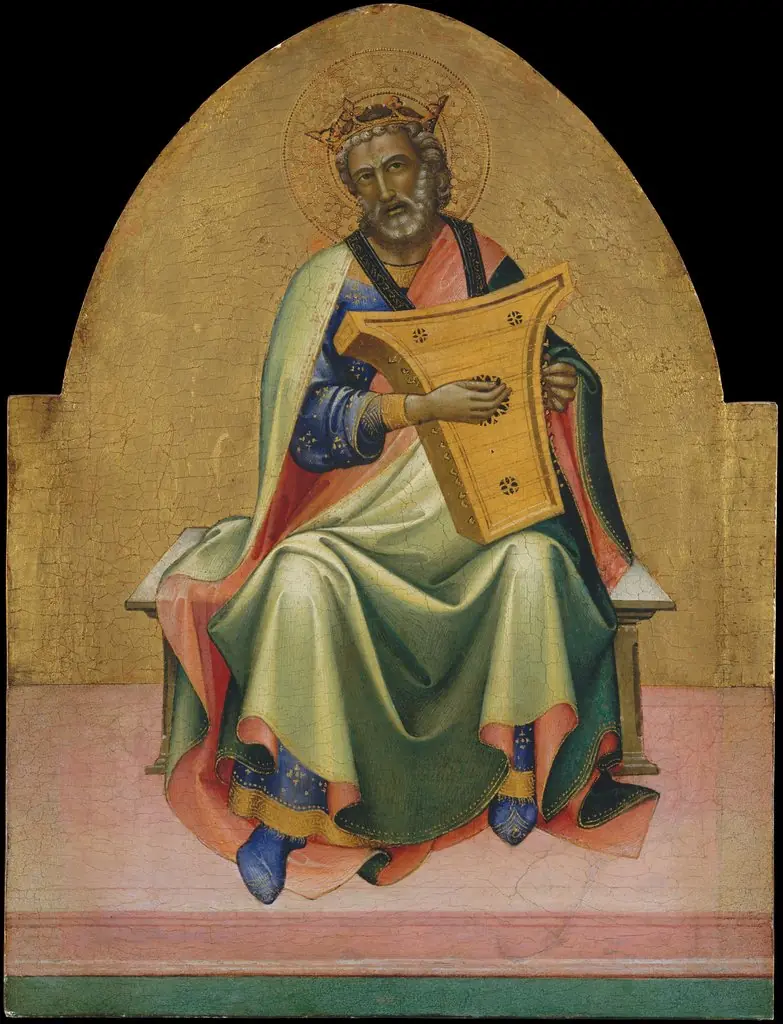 David
David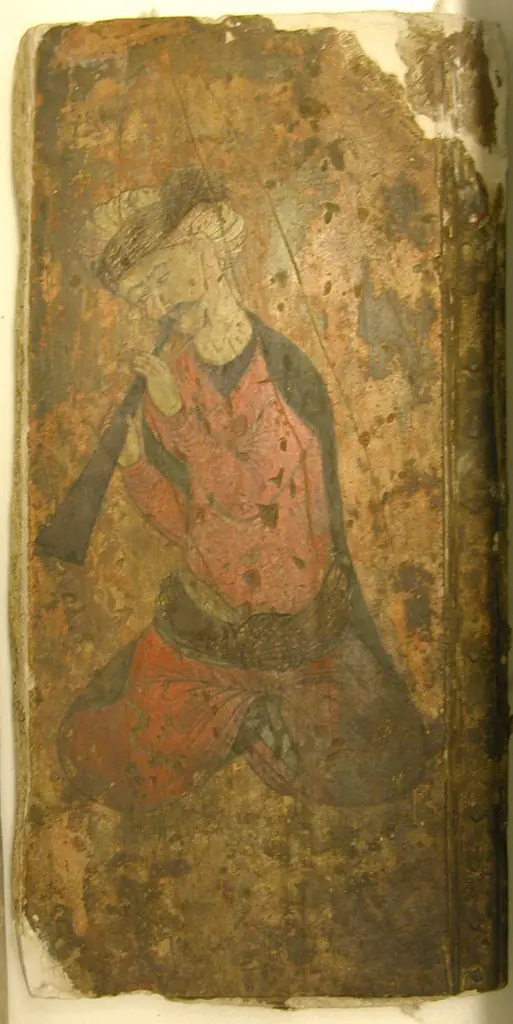 Seated Musician
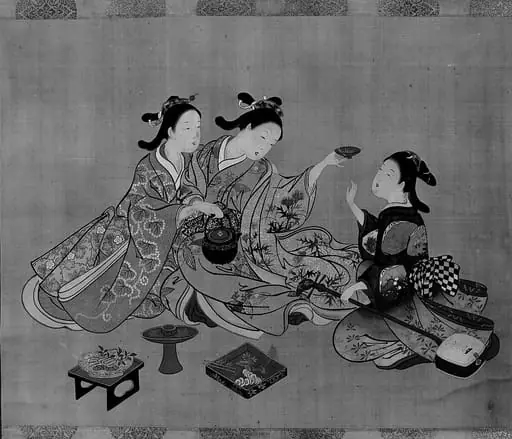 Untitled
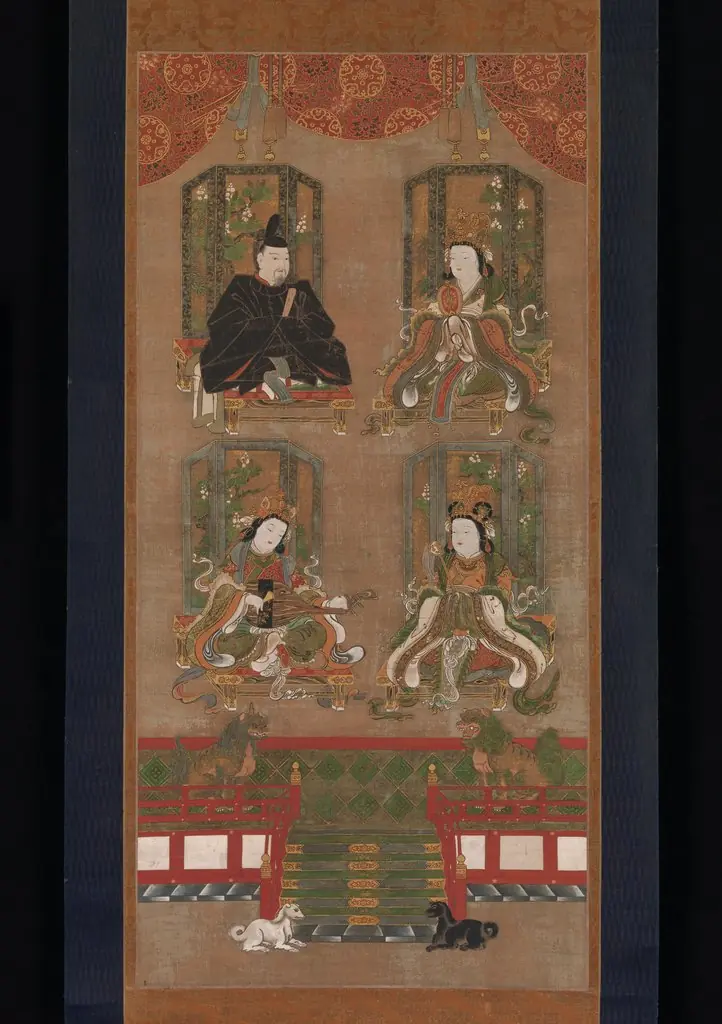 The Four Deities of Mount Kōya
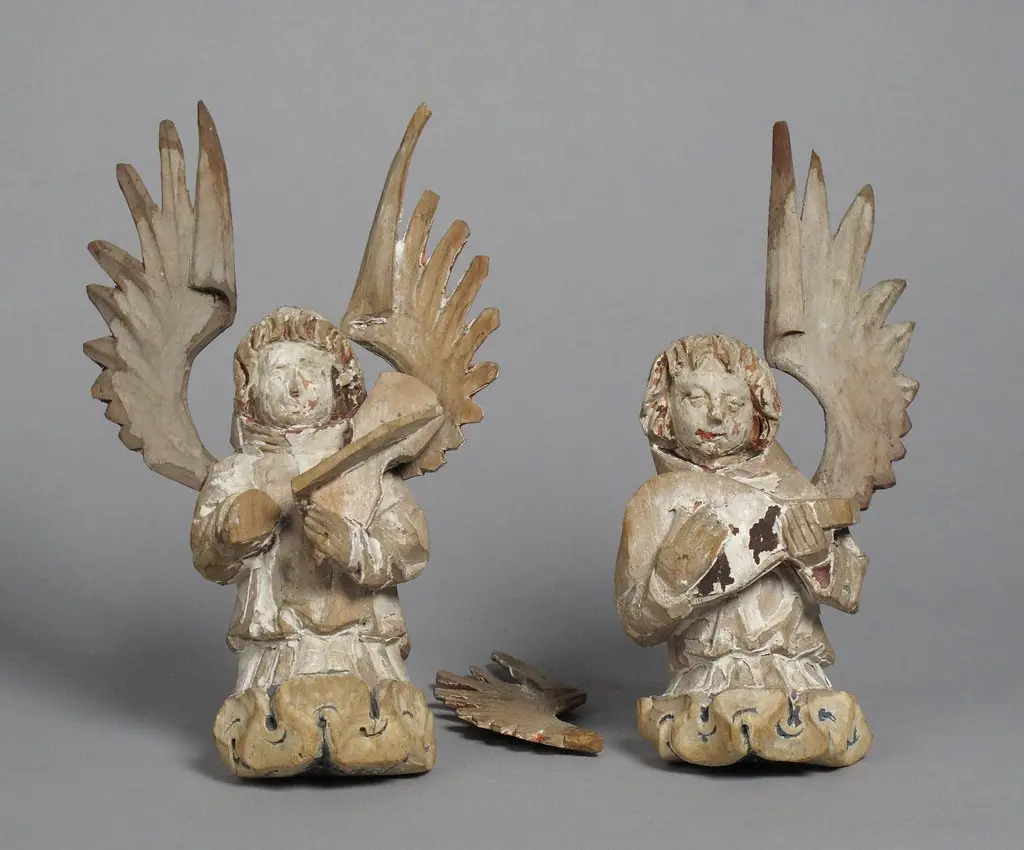 Angel Playing Instrument
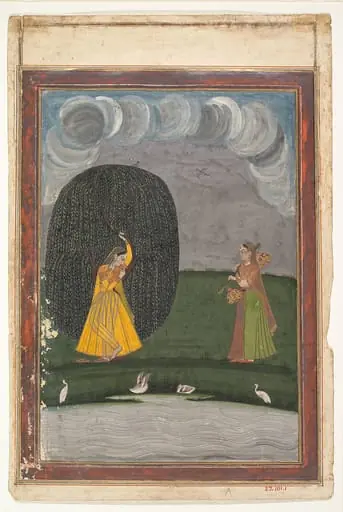 Untitled
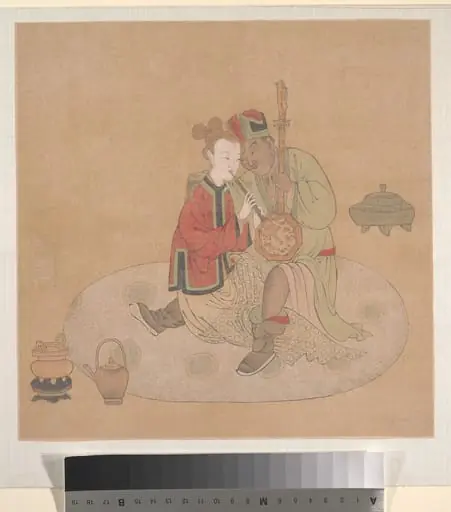 Untitled
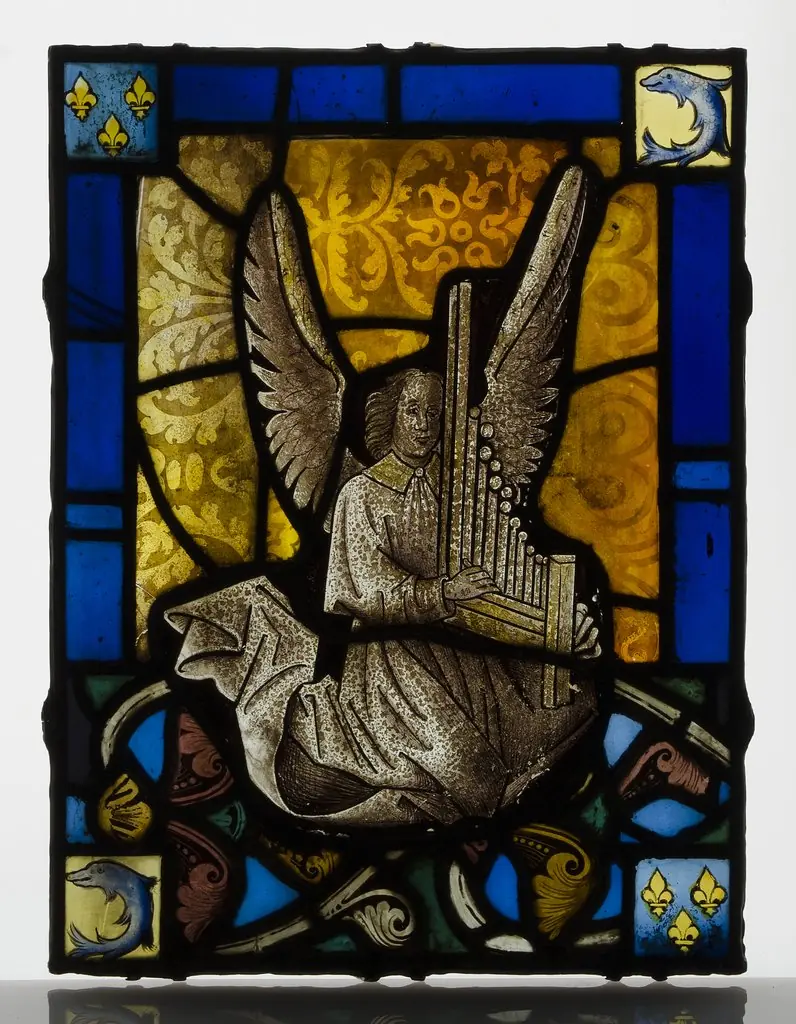 Border Fragment with Musical Angel
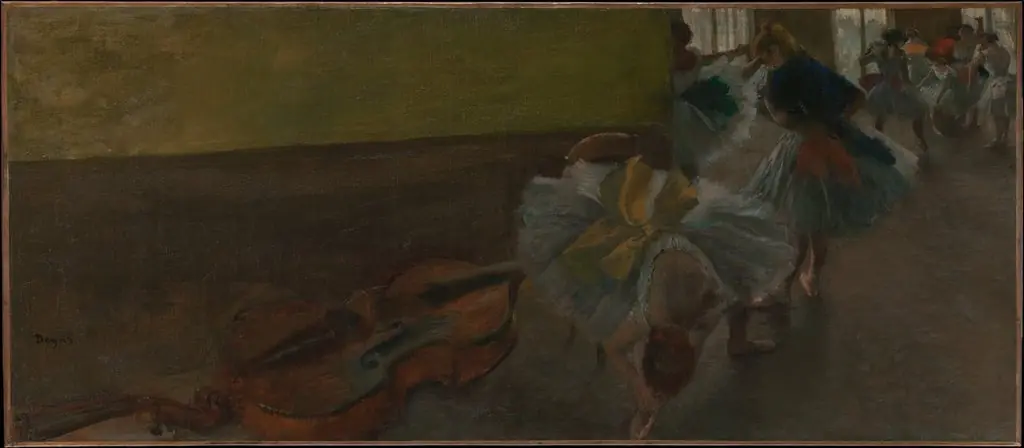 Dancers in the Rehearsal Room with a Double Bass
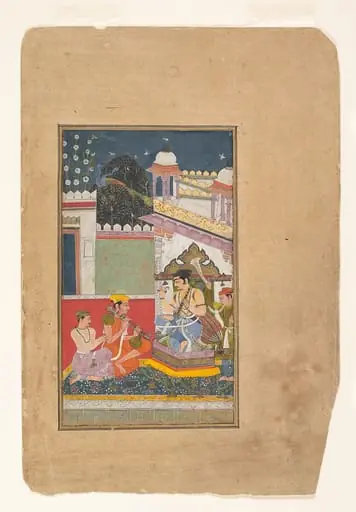 Untitled
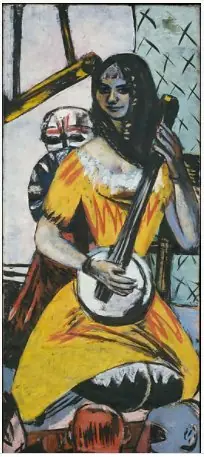 Vaudeville Act
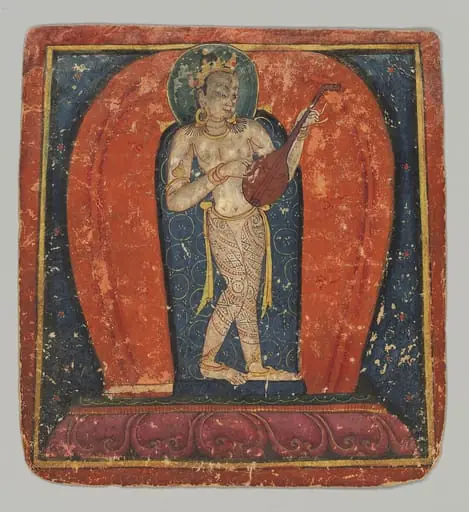 Untitled
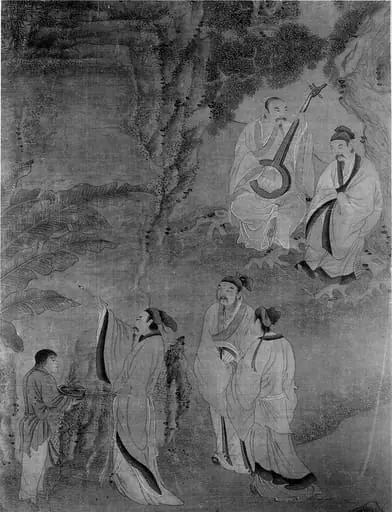 Untitled
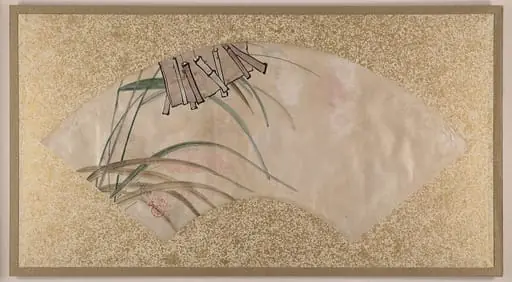 Untitled
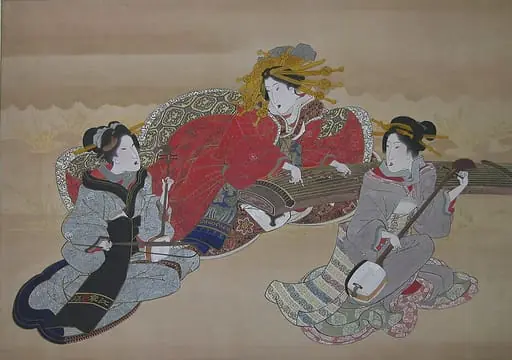 Untitled
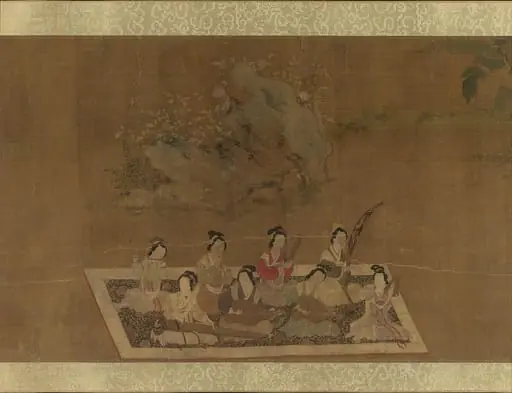 明 佚名 蘇蕙璇璣圖 卷|Lady Su Hui and Her Verse Puzzle
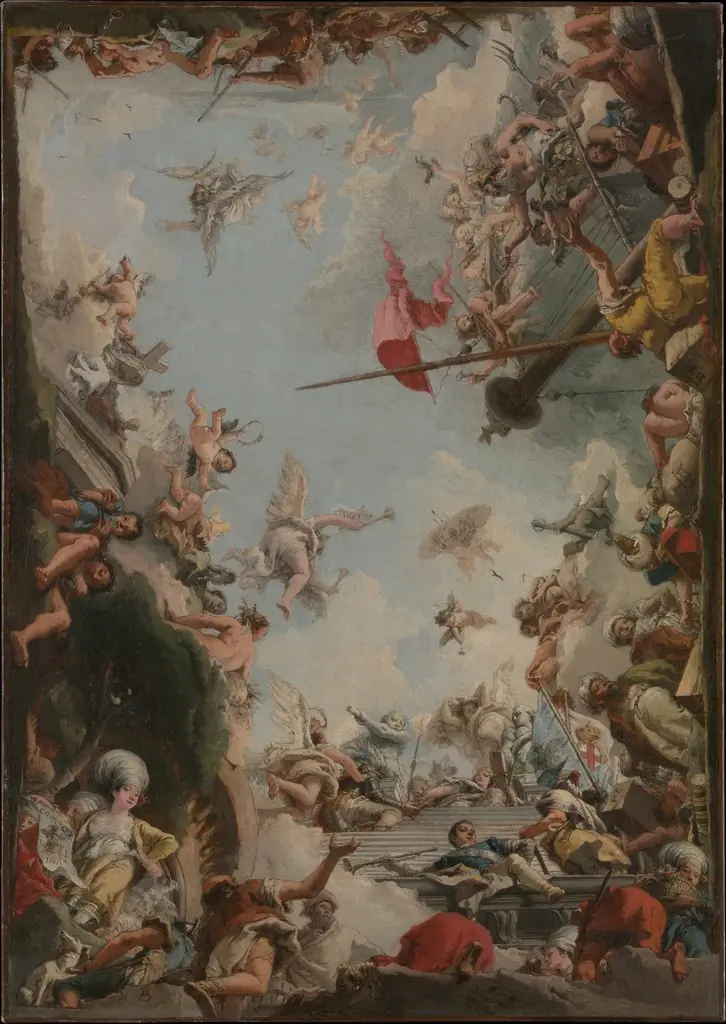 The Glorification of the Giustiniani Family
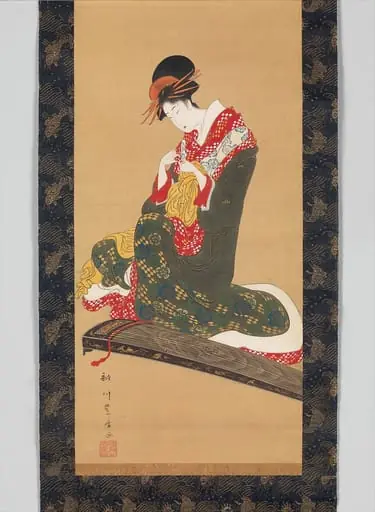 Untitled
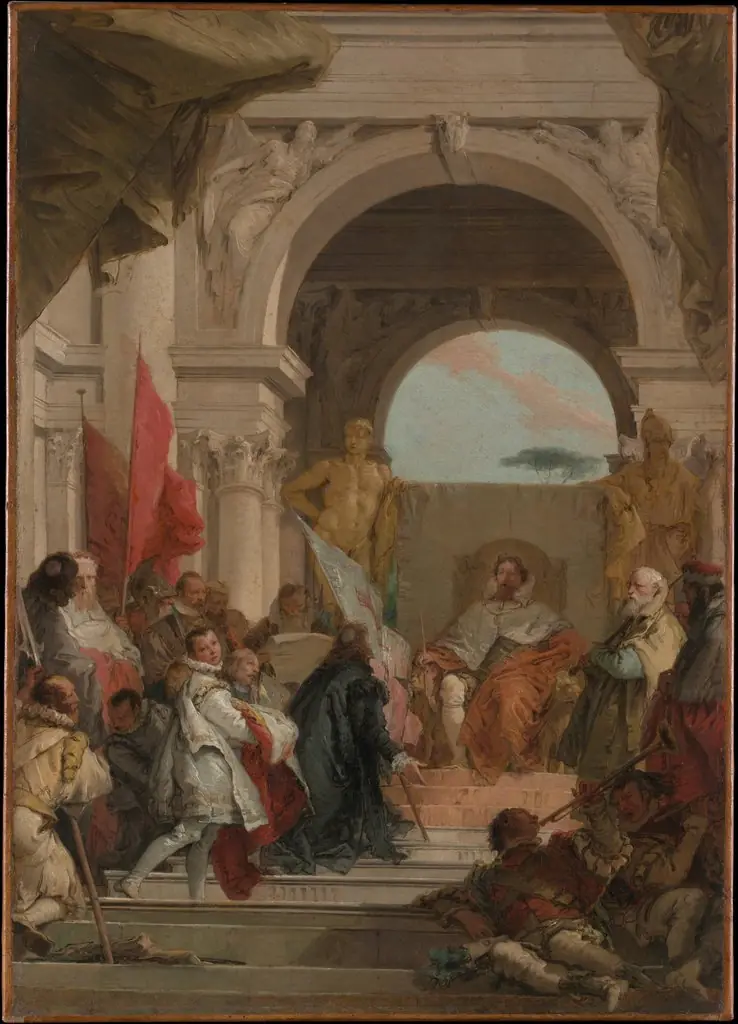 The Investiture of Bishop Harold as Duke of Franconia
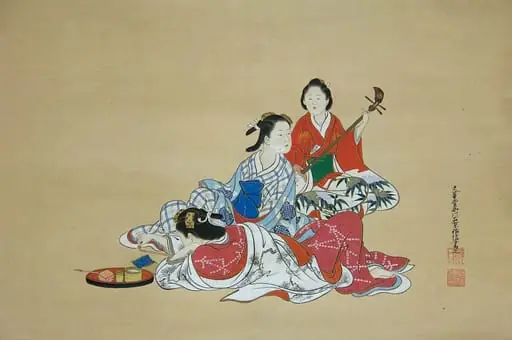 Untitled
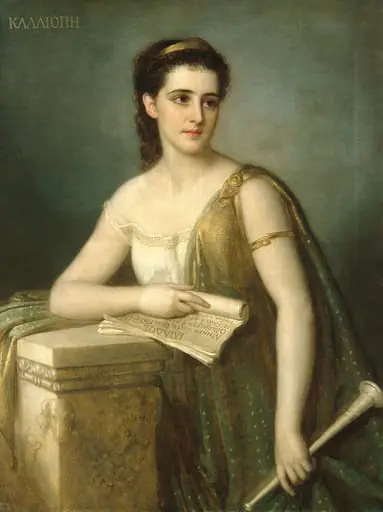 Calliope
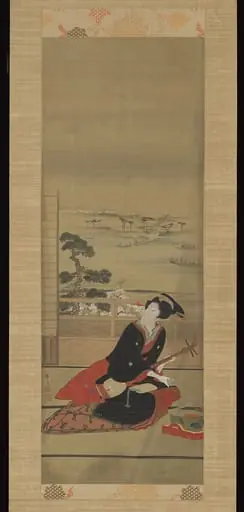 蹄斎北馬筆 三味線持つ美人図|Female Entertainer with Shamisen
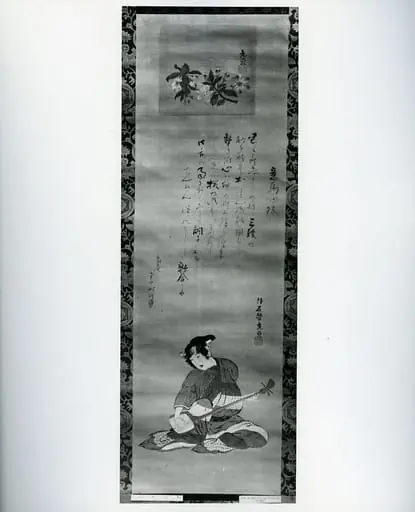 Untitled
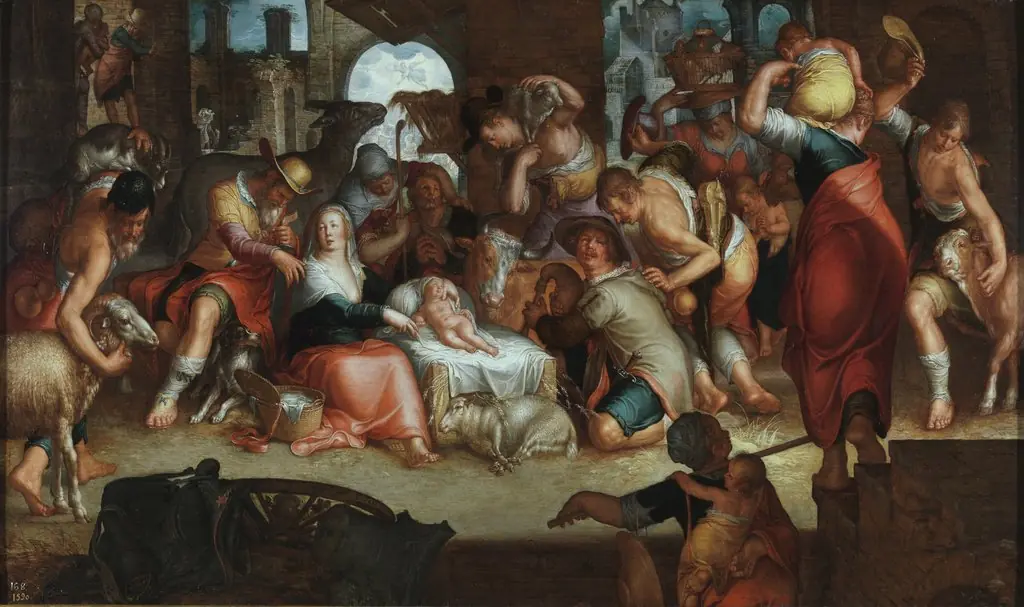 Adoration of the Shepherds
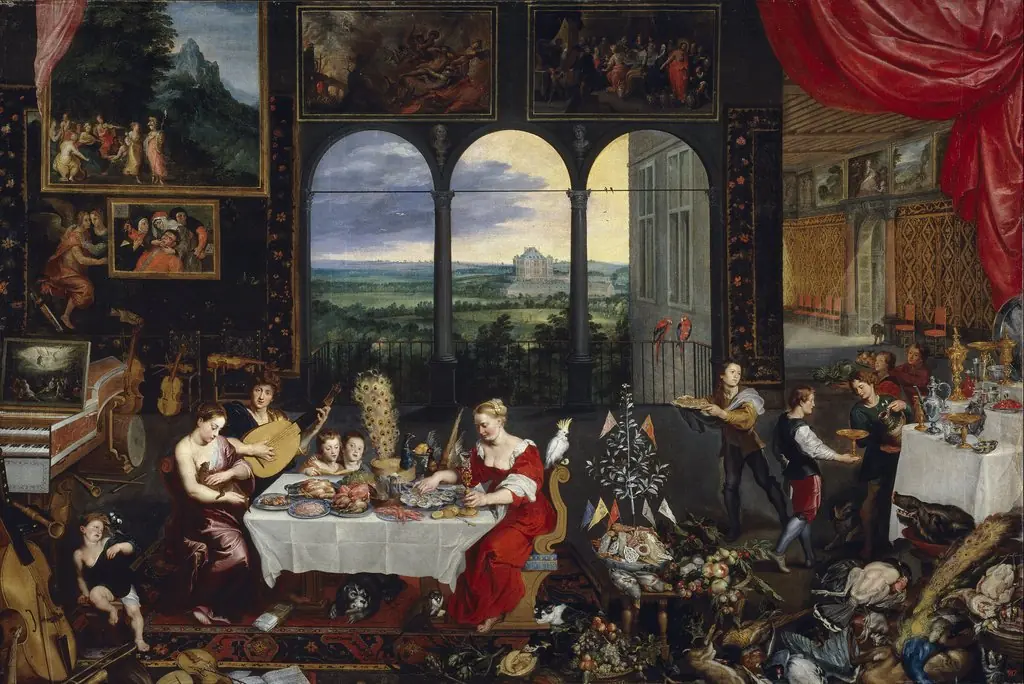 The Senses of Hearing, Touch and Taste
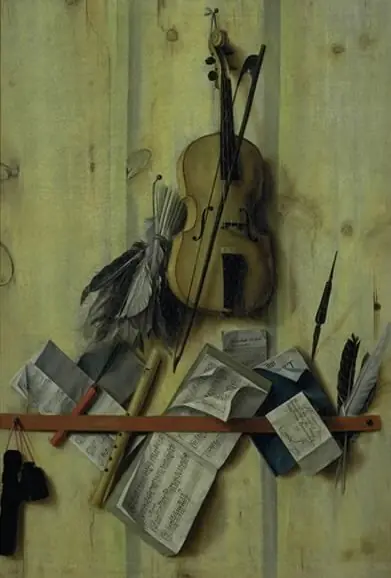 Trompe l'oeil with Violin, Music Book and Recorder
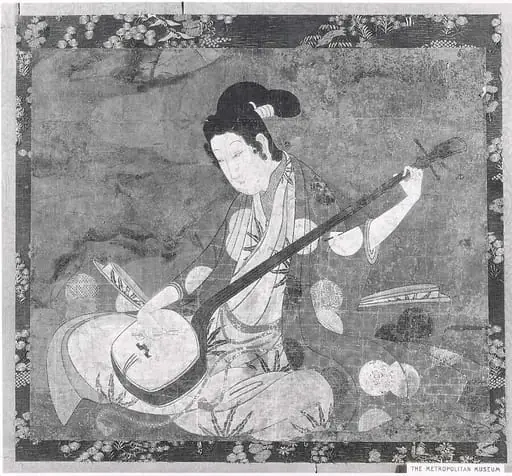 Untitled
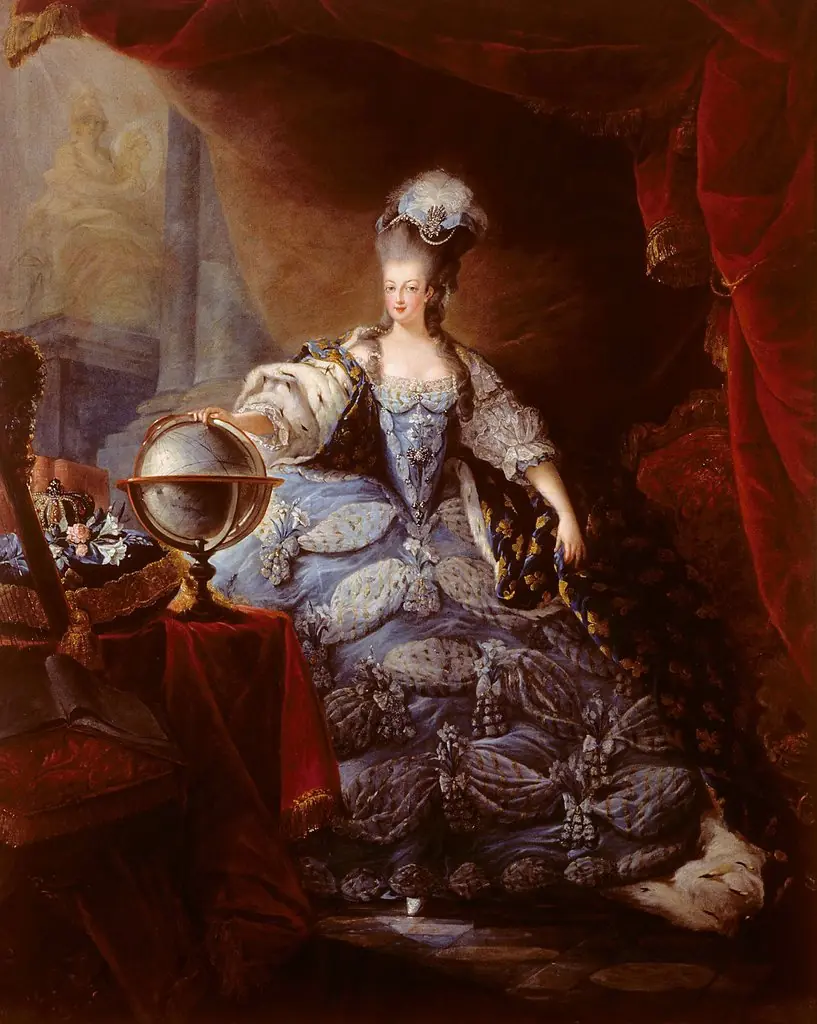 Portrait of Marie-Antoinette of Austria
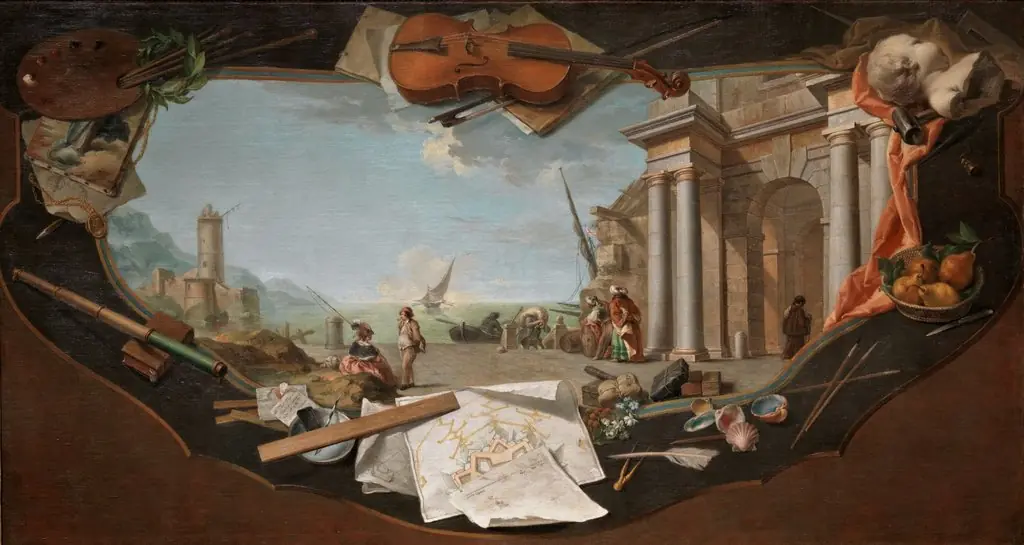 Landscape with an architectural view surrounded by trompe-l’oeil elements symbolising the Arts
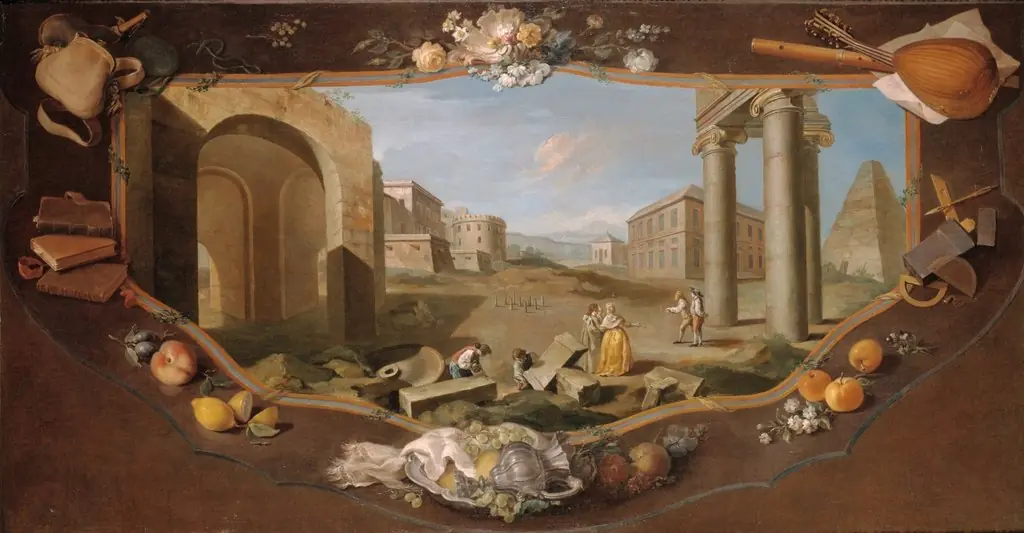 Landscape with an Architectural View
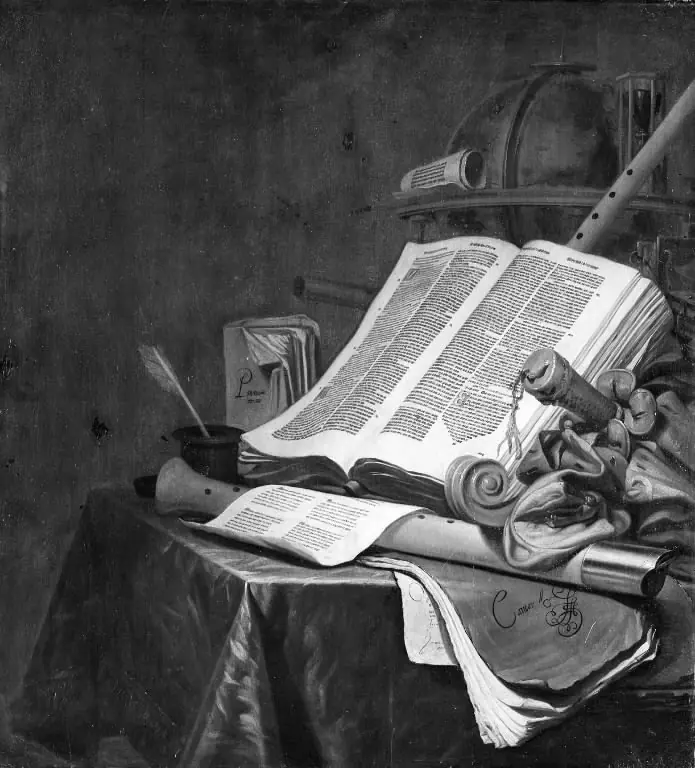 Still Life with Books and Musical Instruments
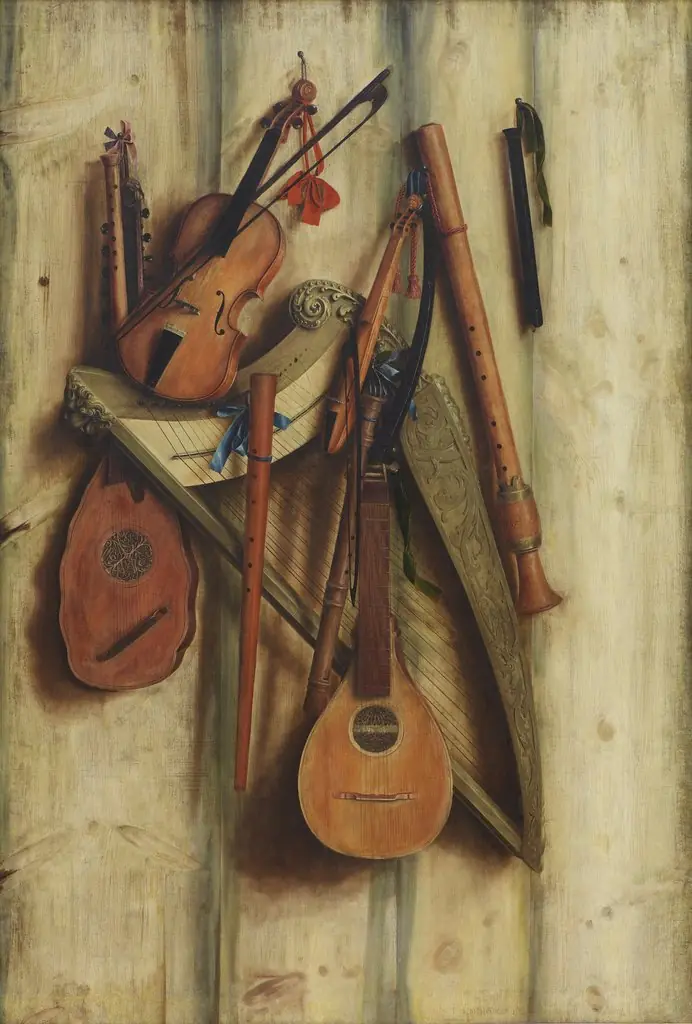 Board Partition with Musical Instruments. Trompe l'oeil
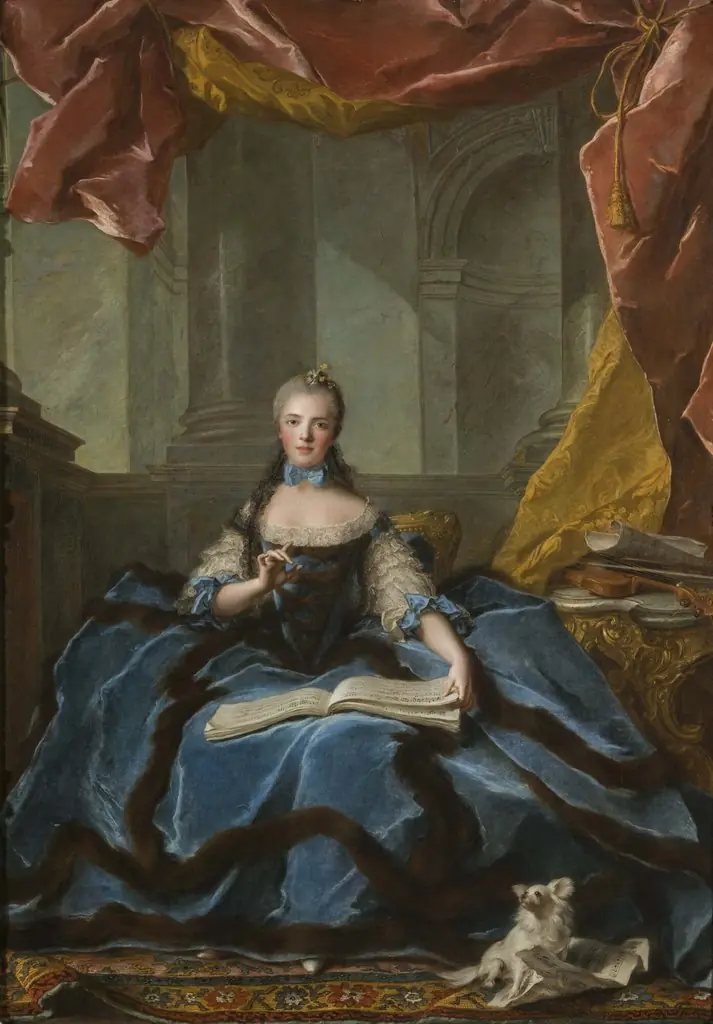 Marie-Adélaïde of France, known as Madame Adélaïde
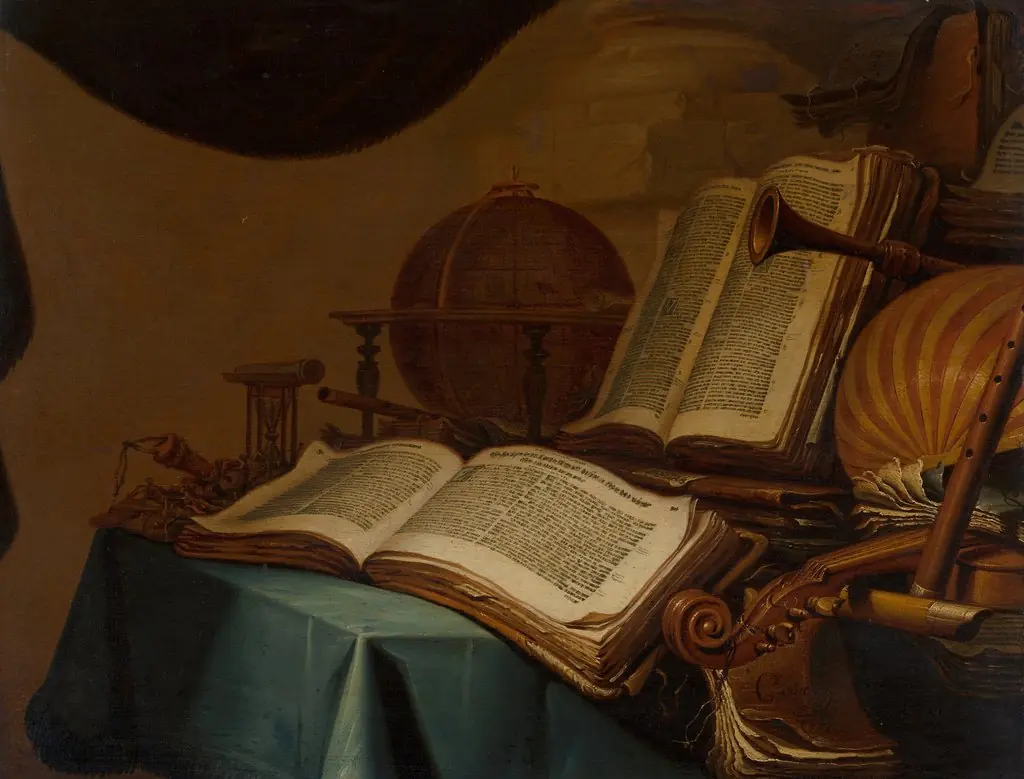 Still Life with Books, a Globe and Musical Instruments
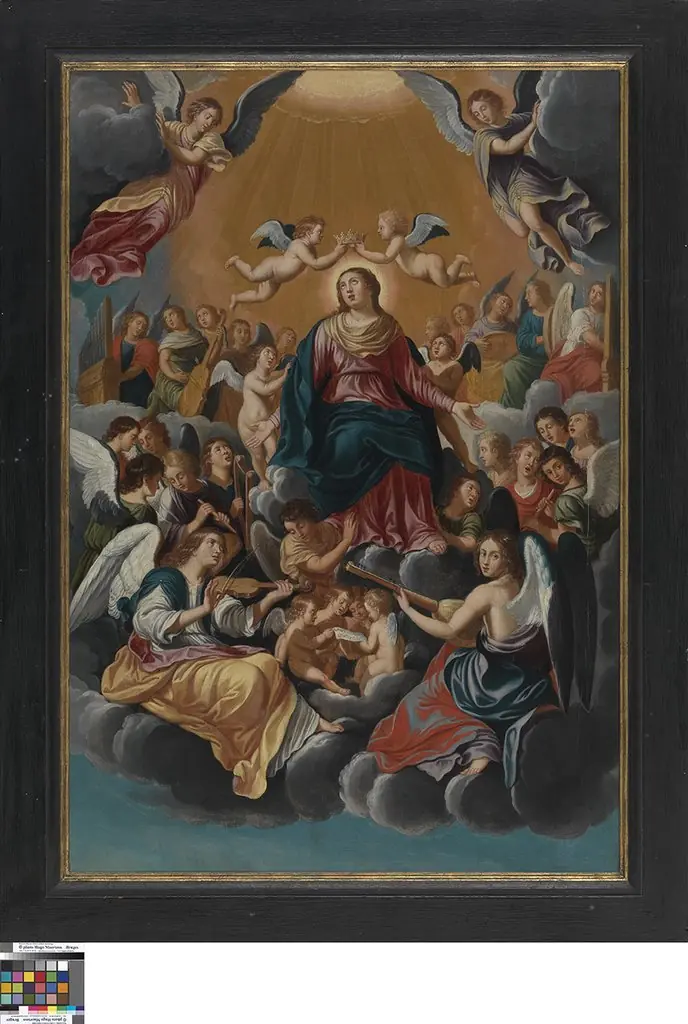 Kroning van Maria
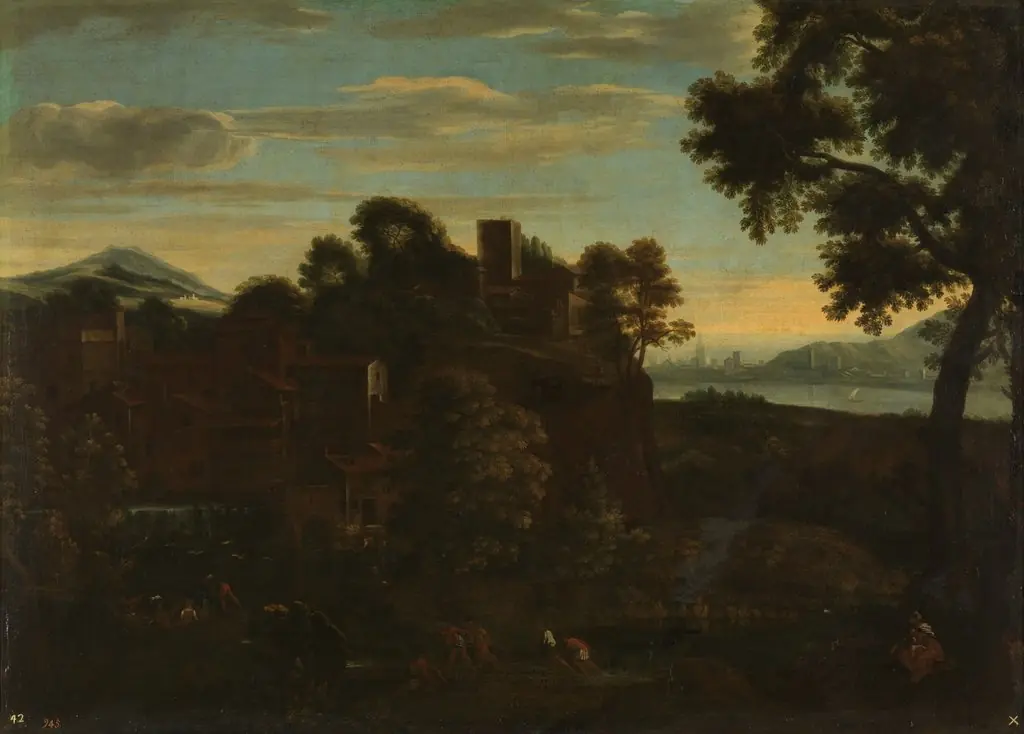 Paisaje con barcos, pescadores y la Huida a Egipto
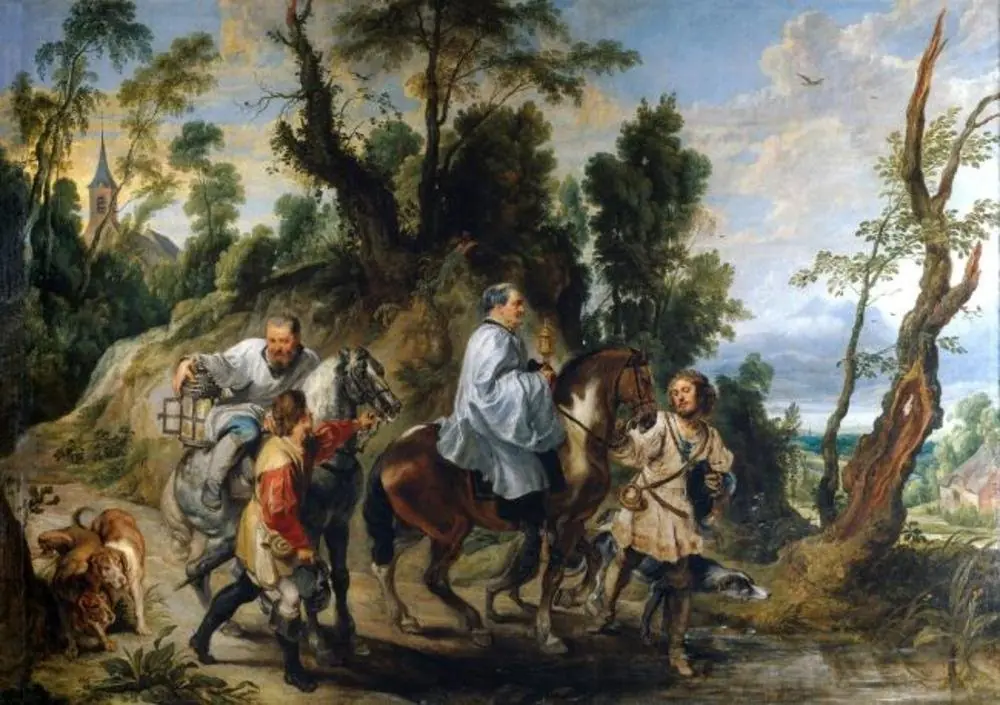 Act of Devotion by Rudolf I of Habsburg
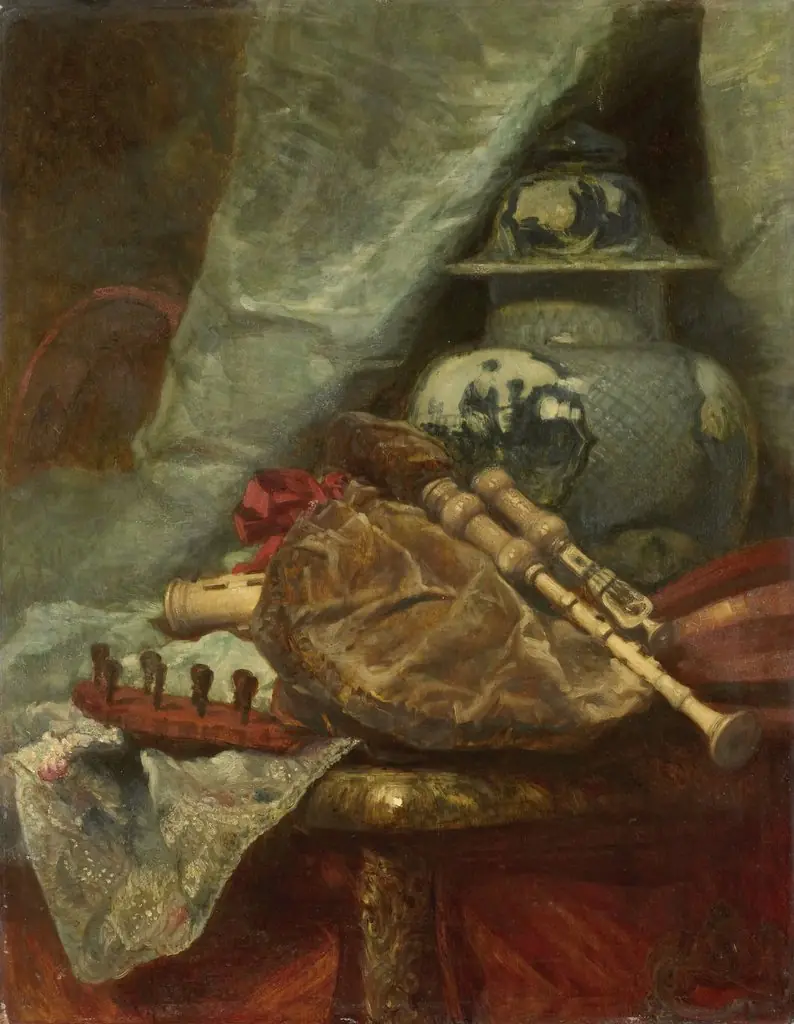 Still Life with Bagpipes
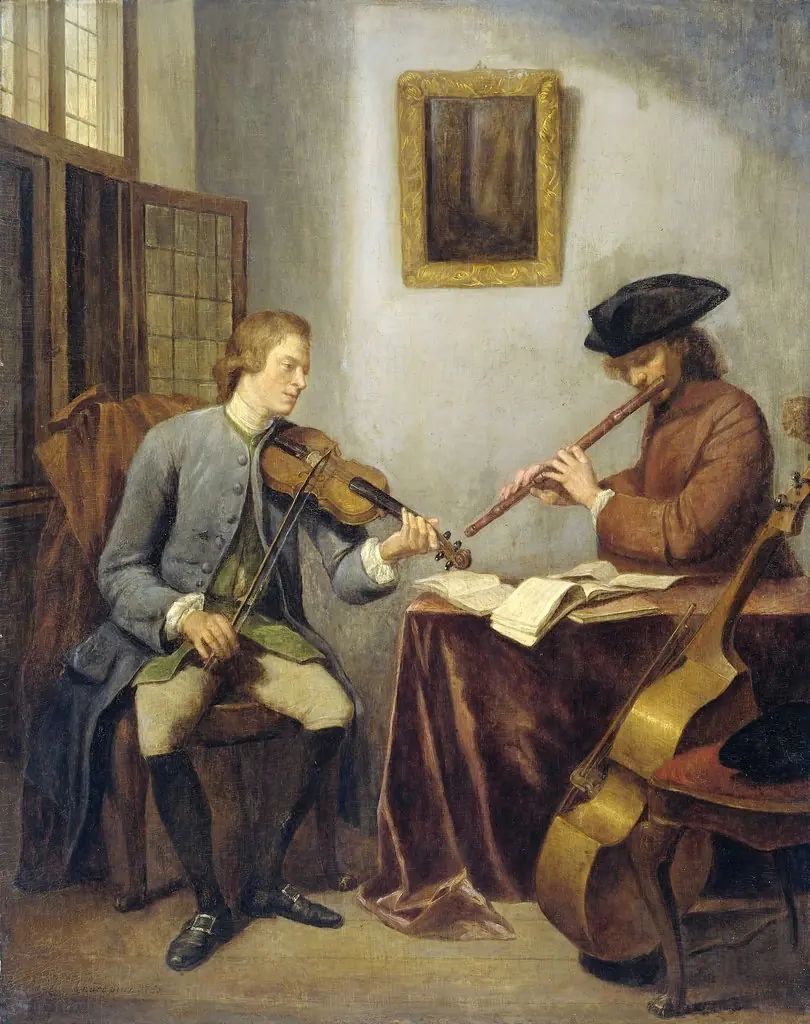 A Violinist and a Flutist Playing Music together (The Musicians)
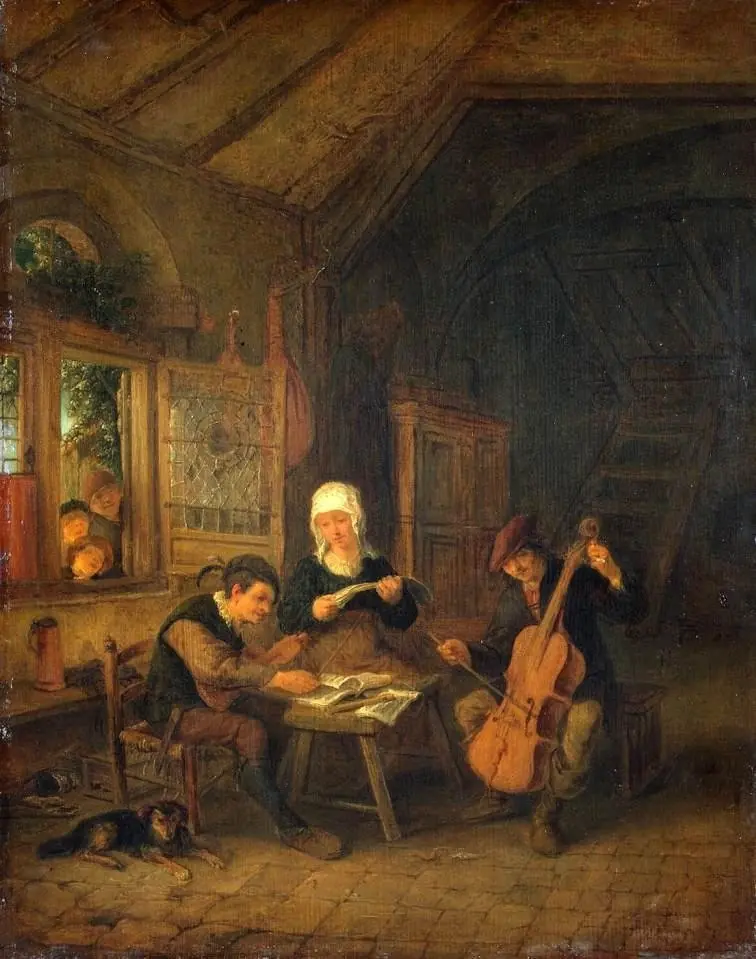 Rural Musicians
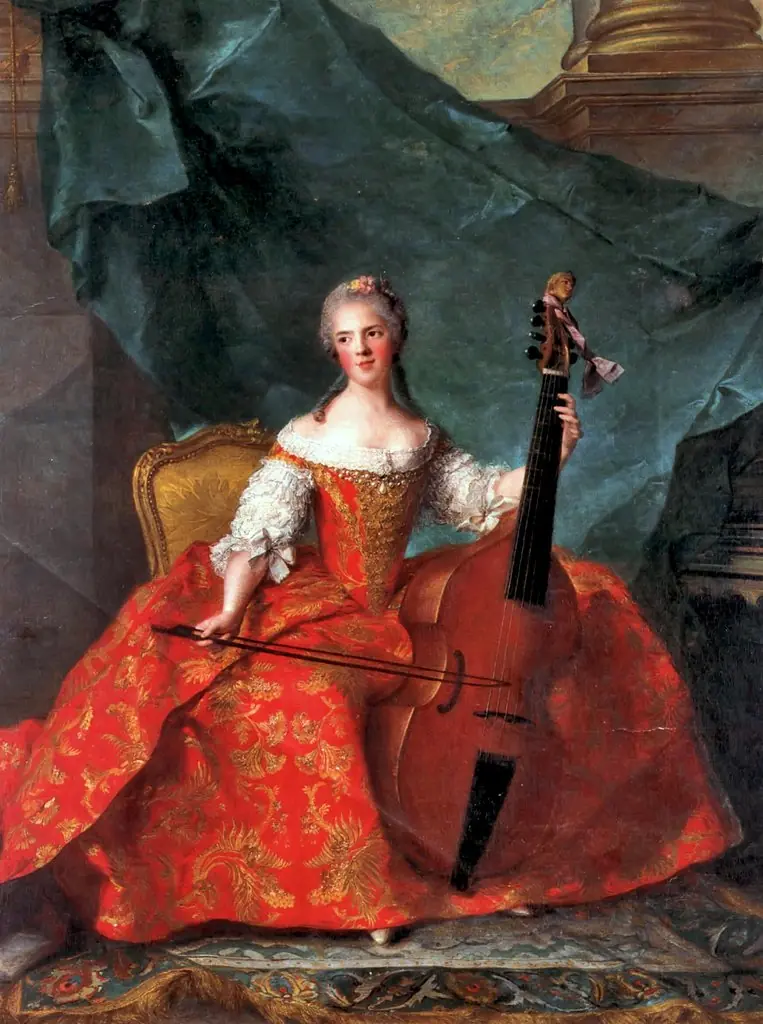 Anne-Henriette de France
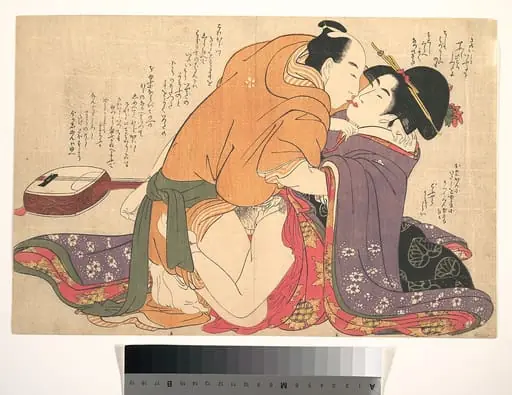 Untitled
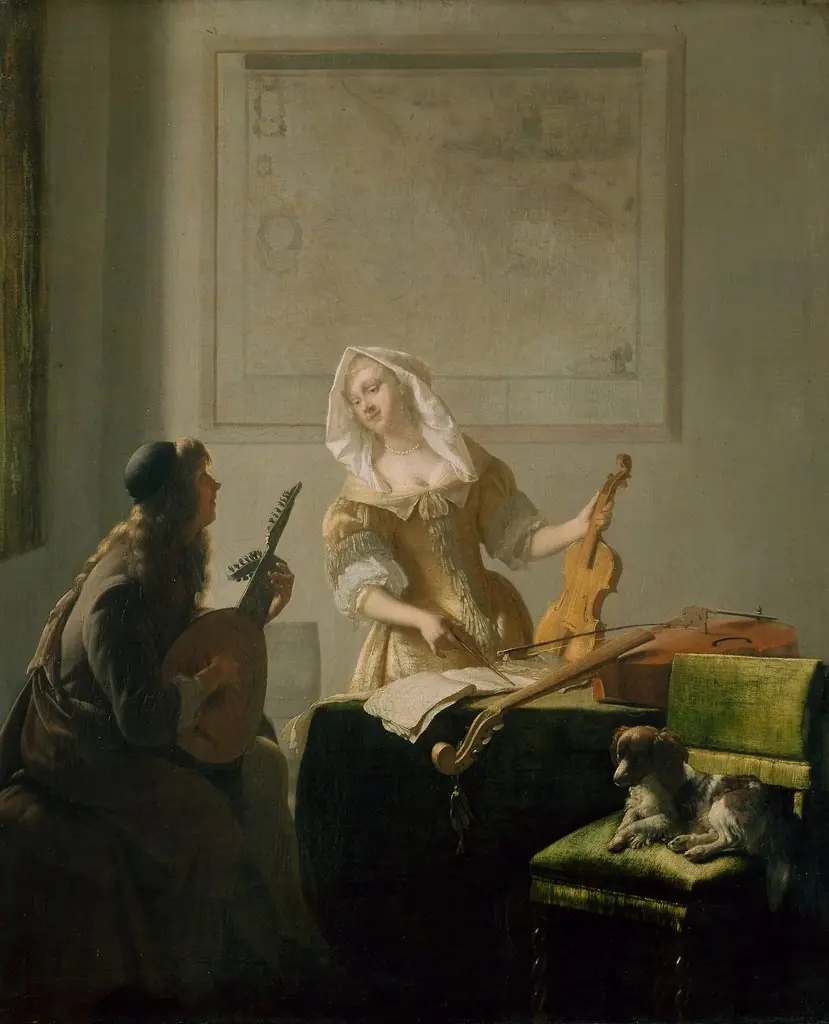 The Music Lesson
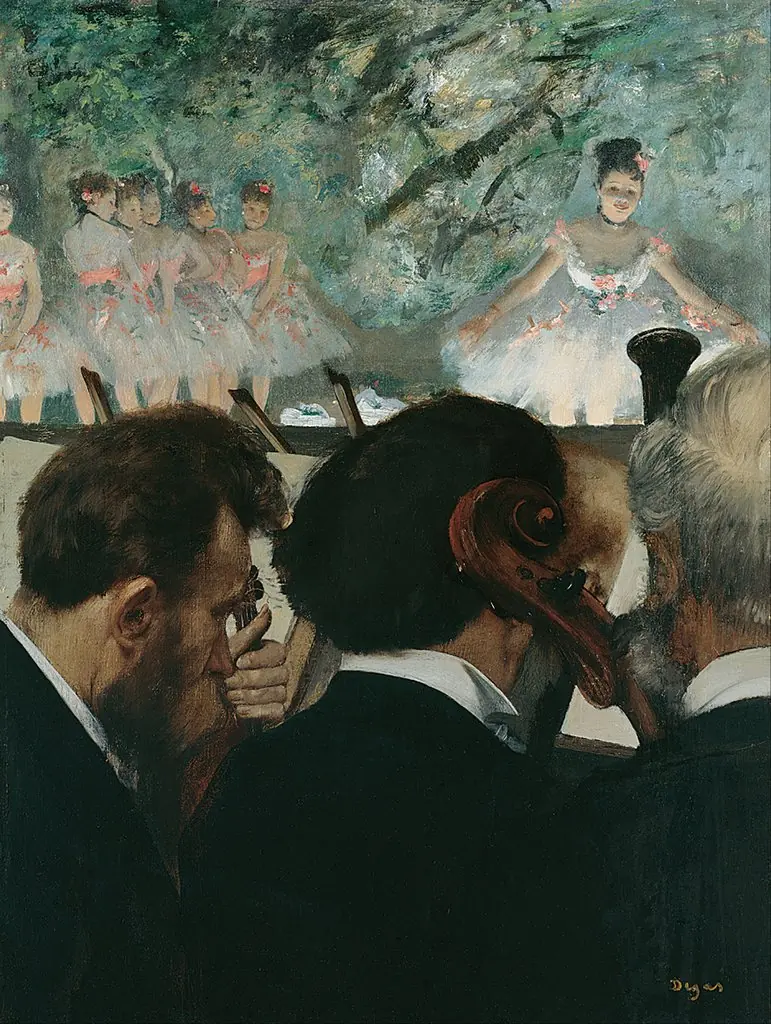 Orchestra Musicians
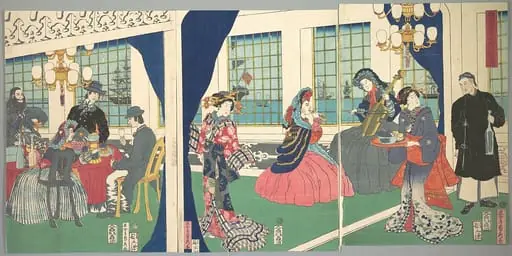 Untitled
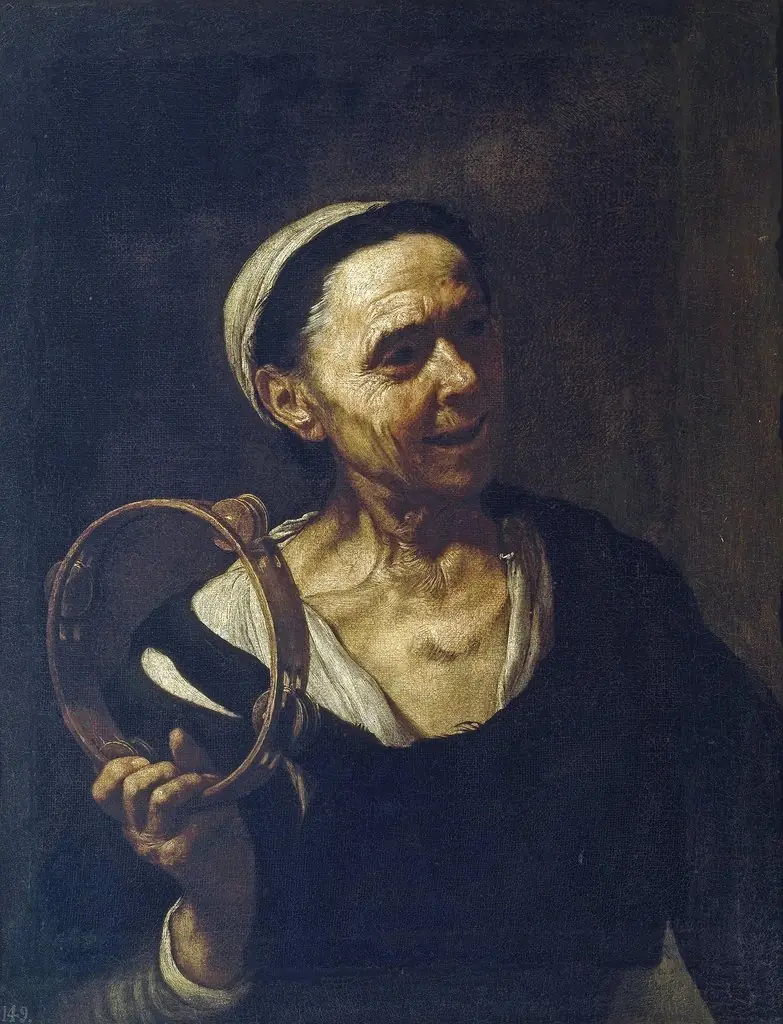 Vieja con una sonaja
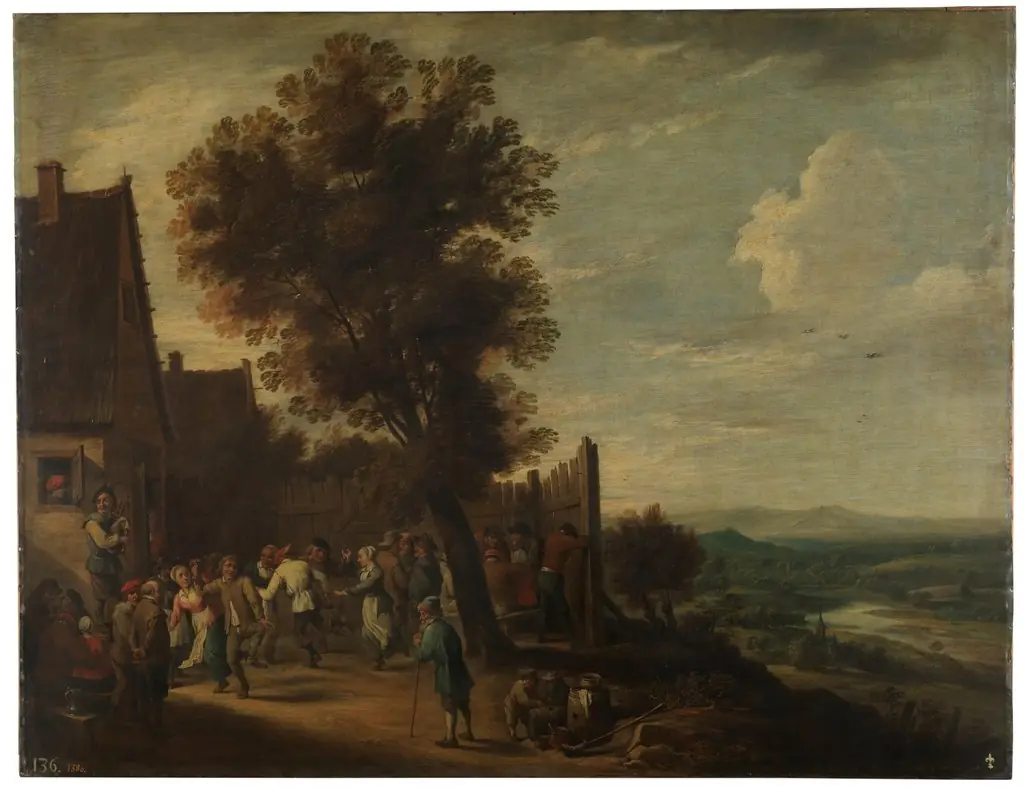 Village Feast
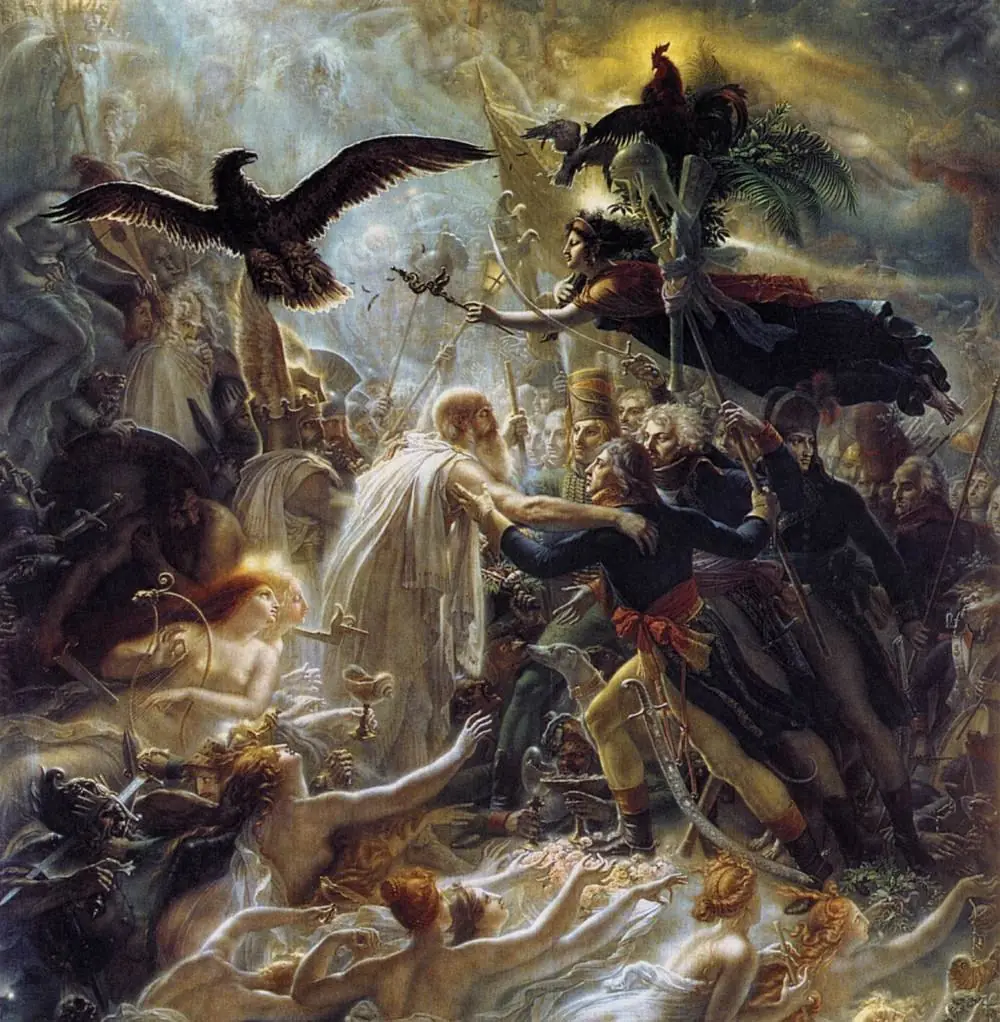 Apotheosis of the French Heroes that Died for the Fatherland during the War of Liberation
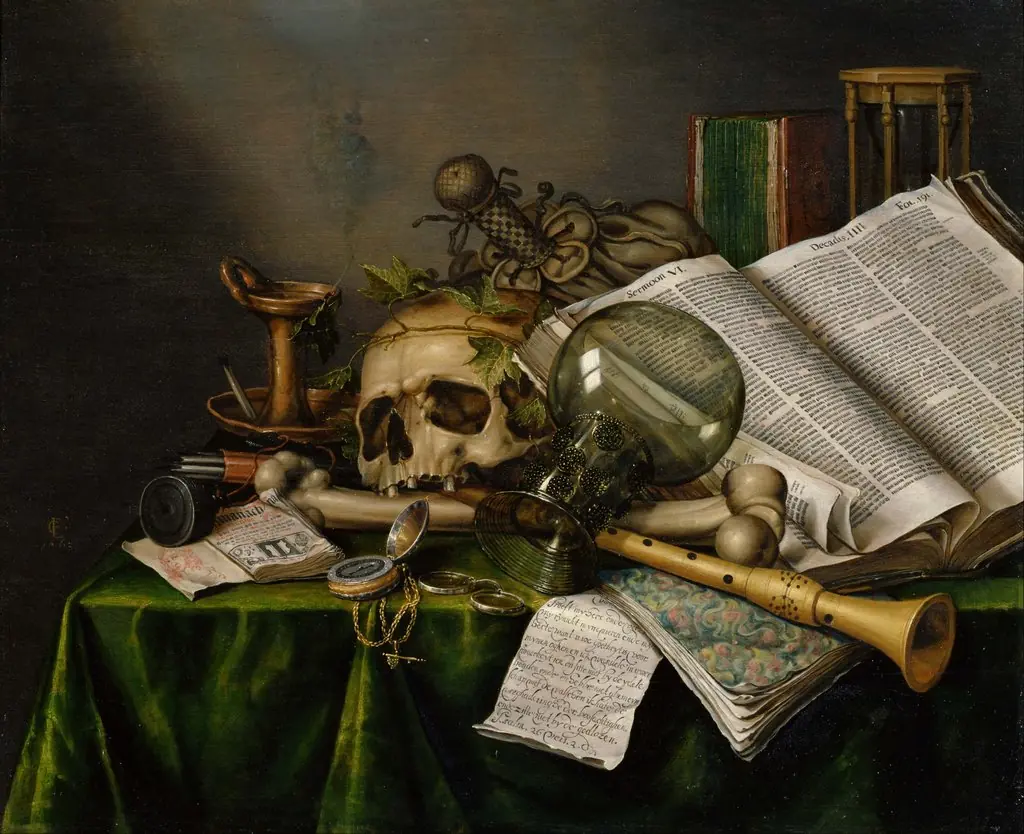 Vanitas, Still Life with Books and Manuscripts and a Skull
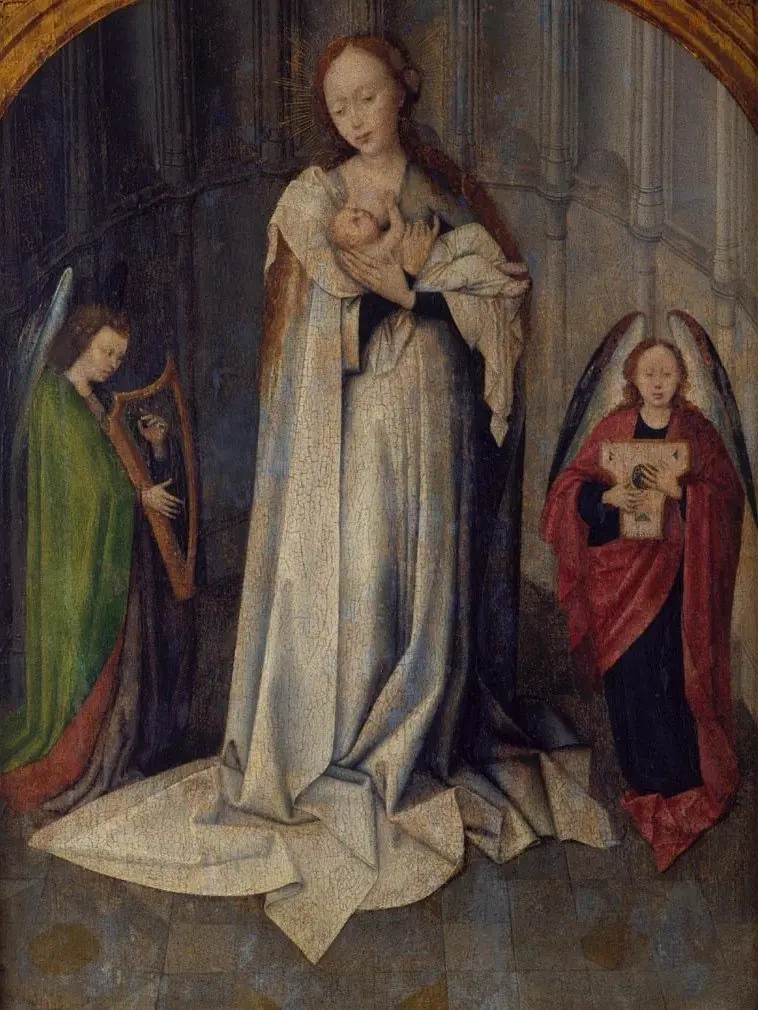 Virgin and Child with Musician Angels
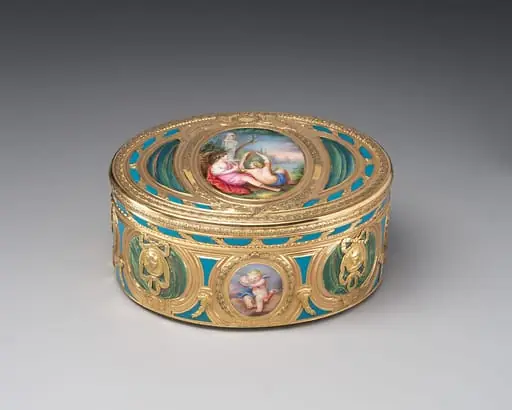 Snuffbox
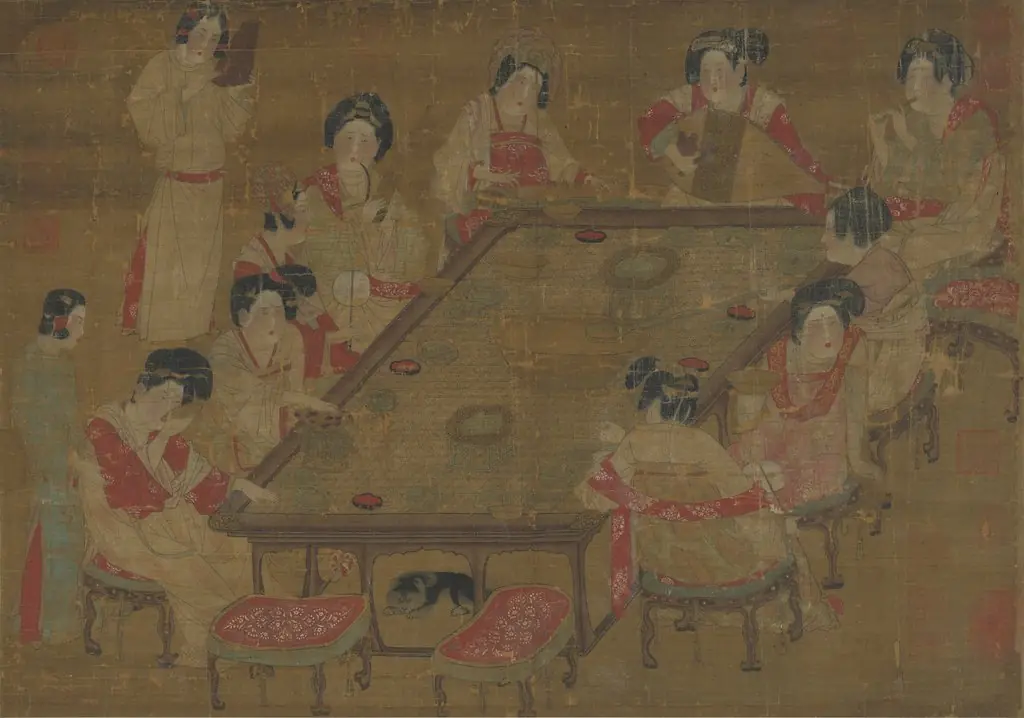 A Palace Concert
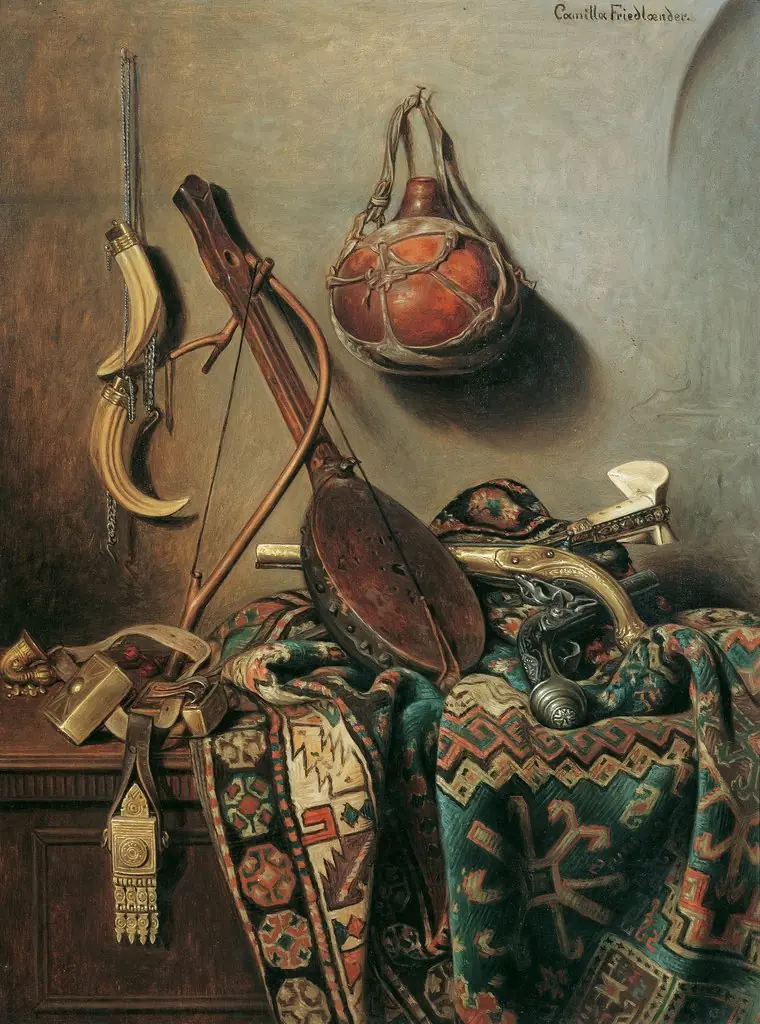 Orientalischer Hausrat
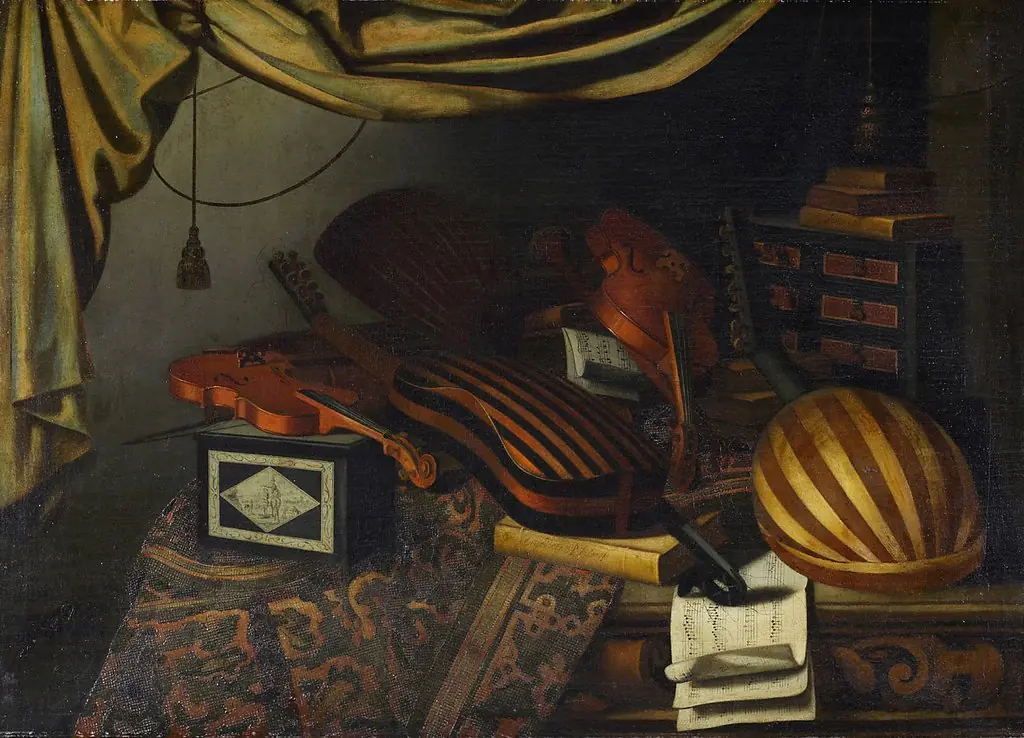 Stilleben mit Musikinstrumenten, Notenblättern und Büchern
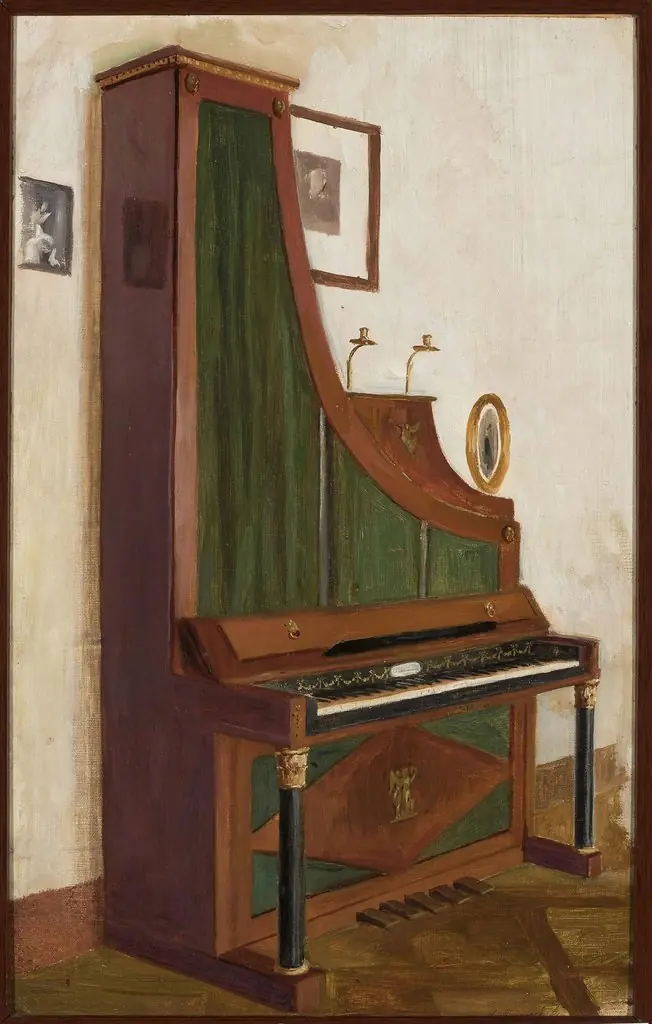 Giraffe piano
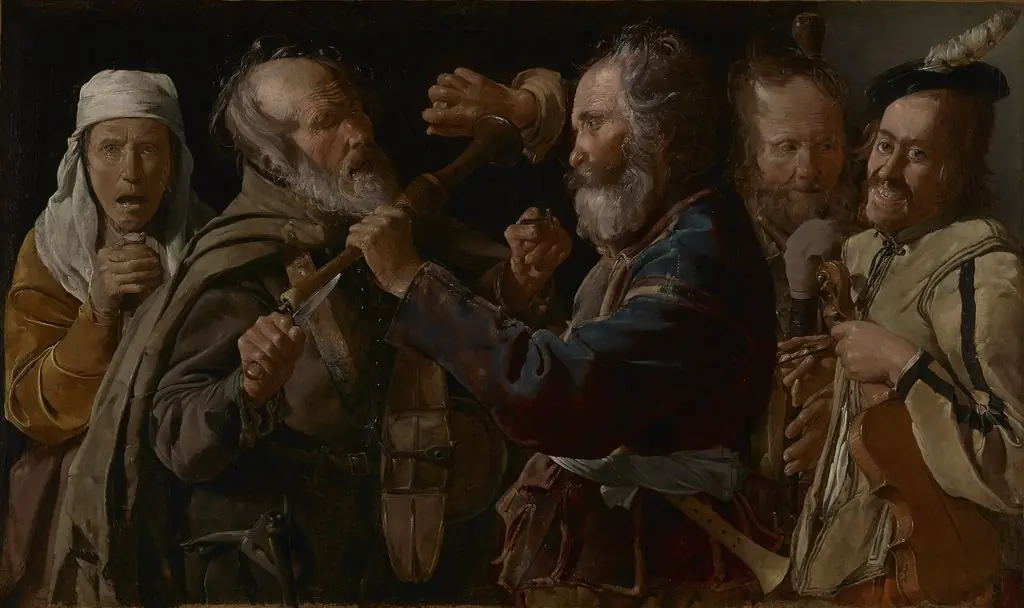 The Musicians' Brawl
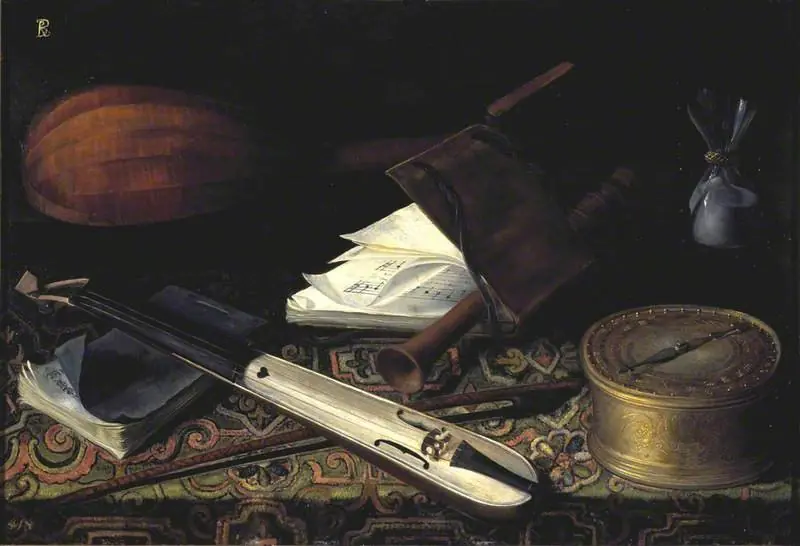 Still-life with Musical Instruments (Reverse: A Man's Head (unfinished))
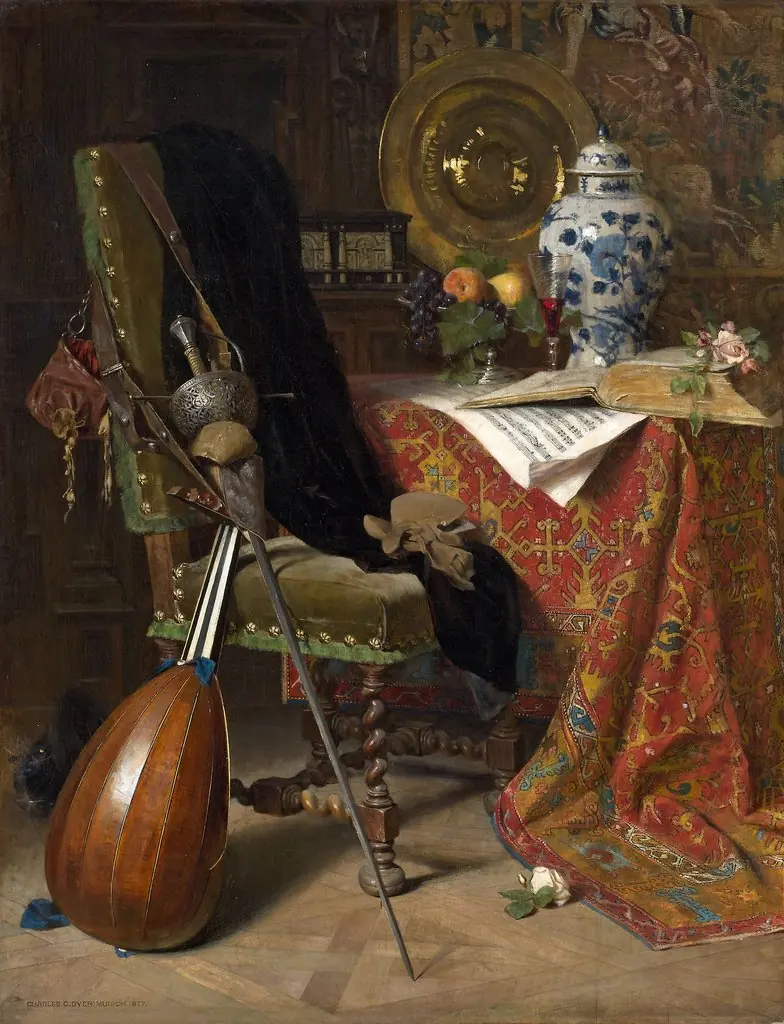 Seventeenth-Century Interior
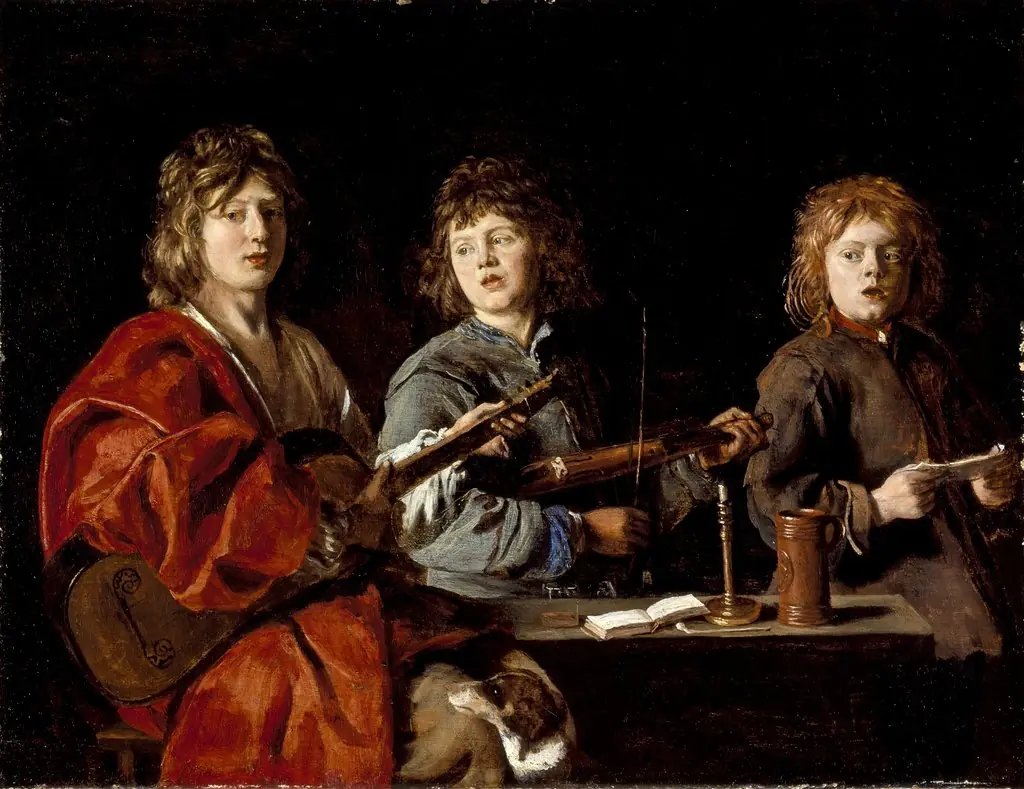 Three Young Musicians
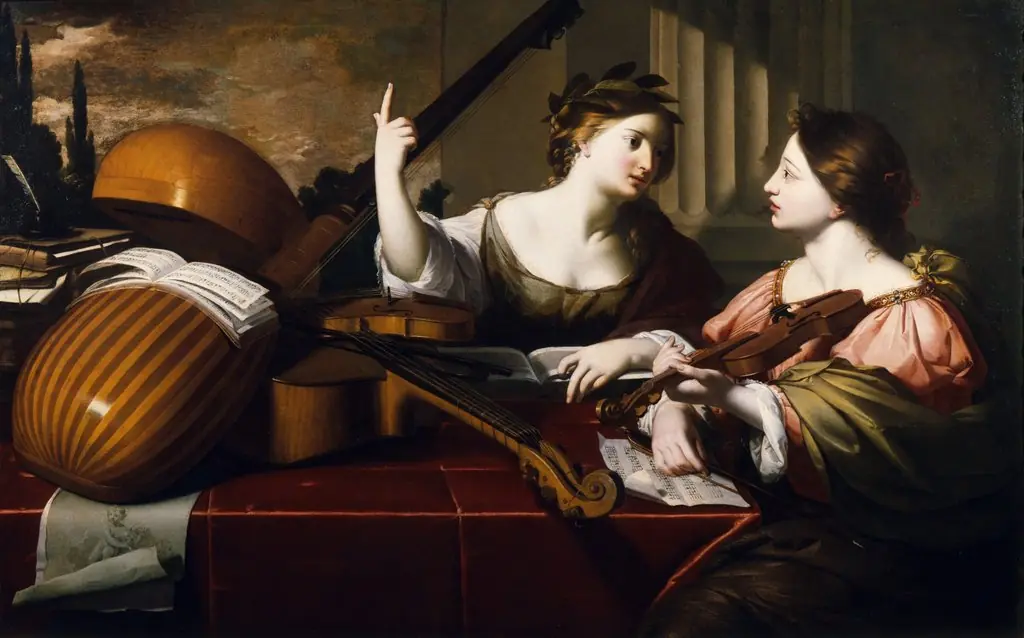 Divine Inspiration of Music
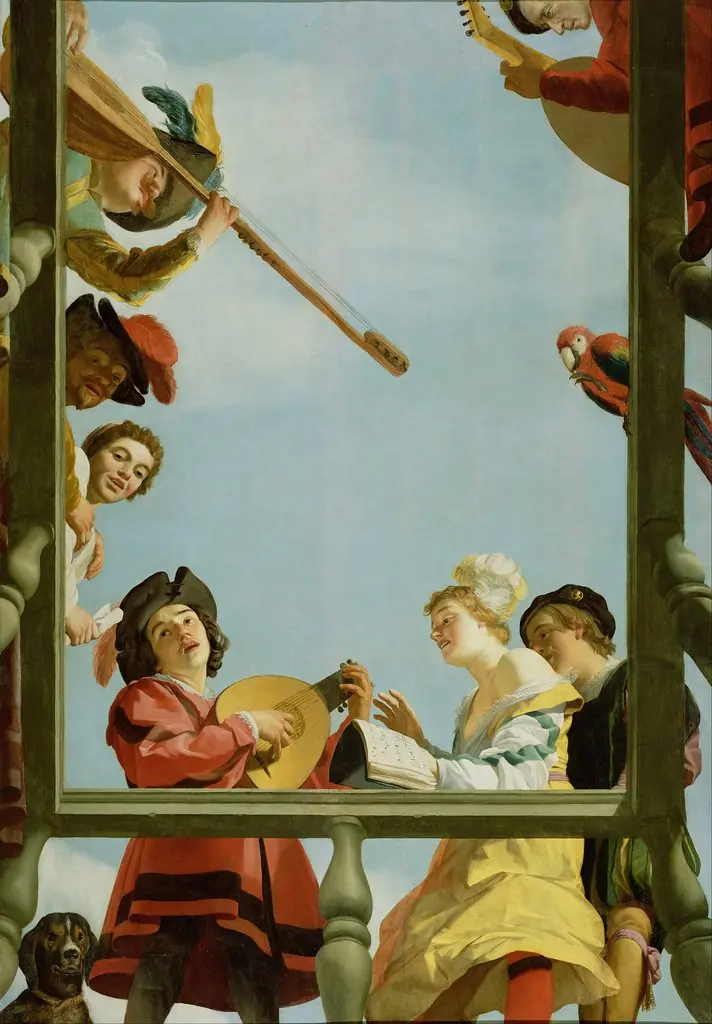 Musical Group on a Balcony
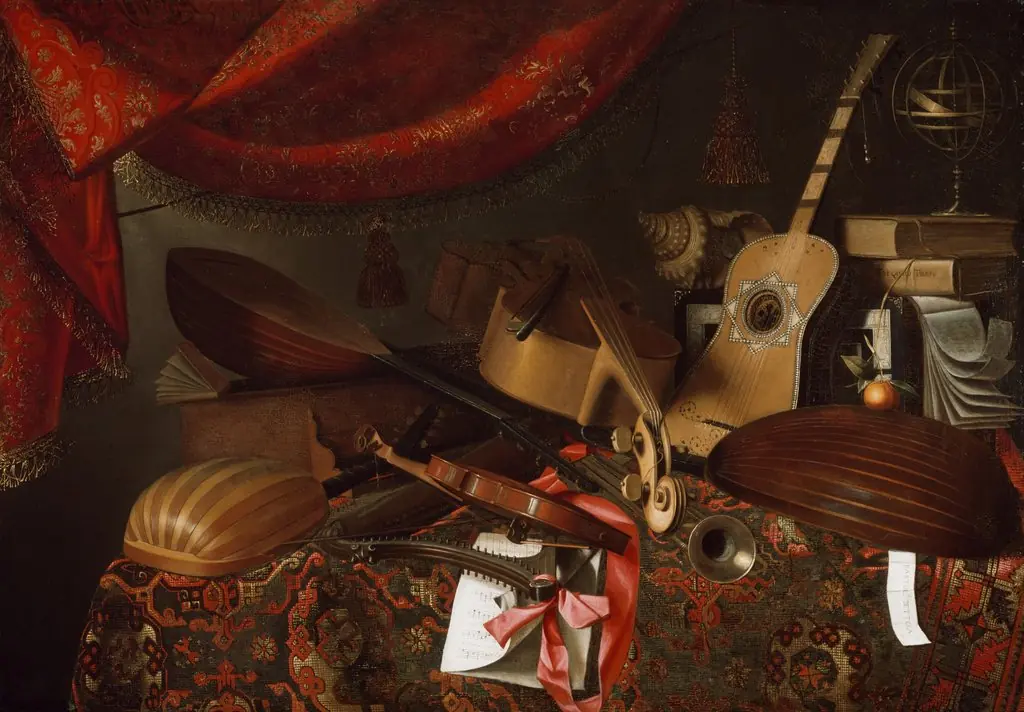 Still Life with Musical Instruments
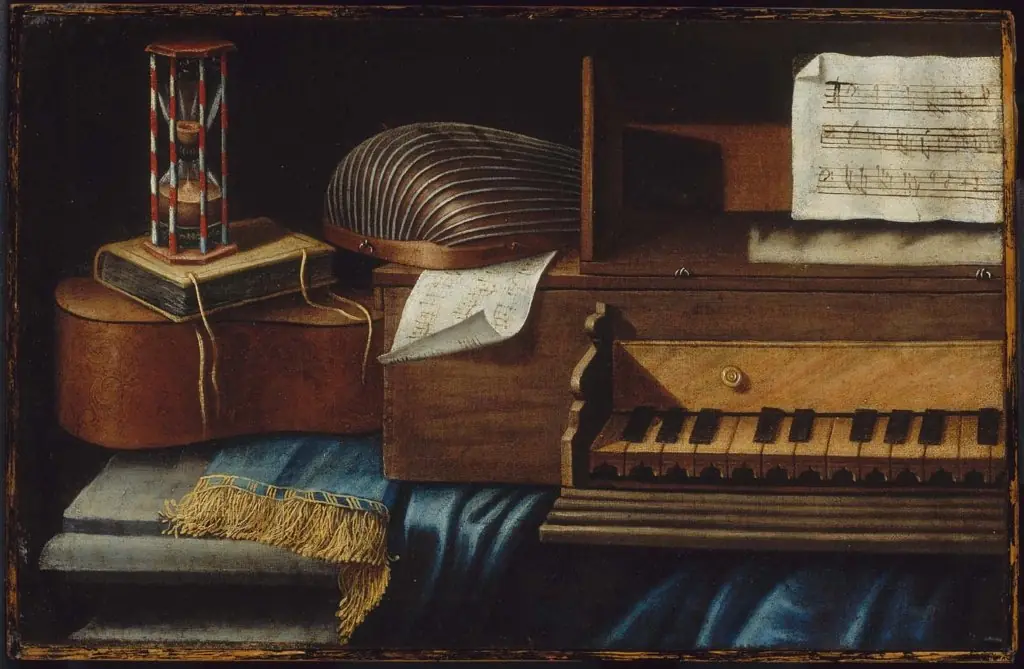 Musical Instruments
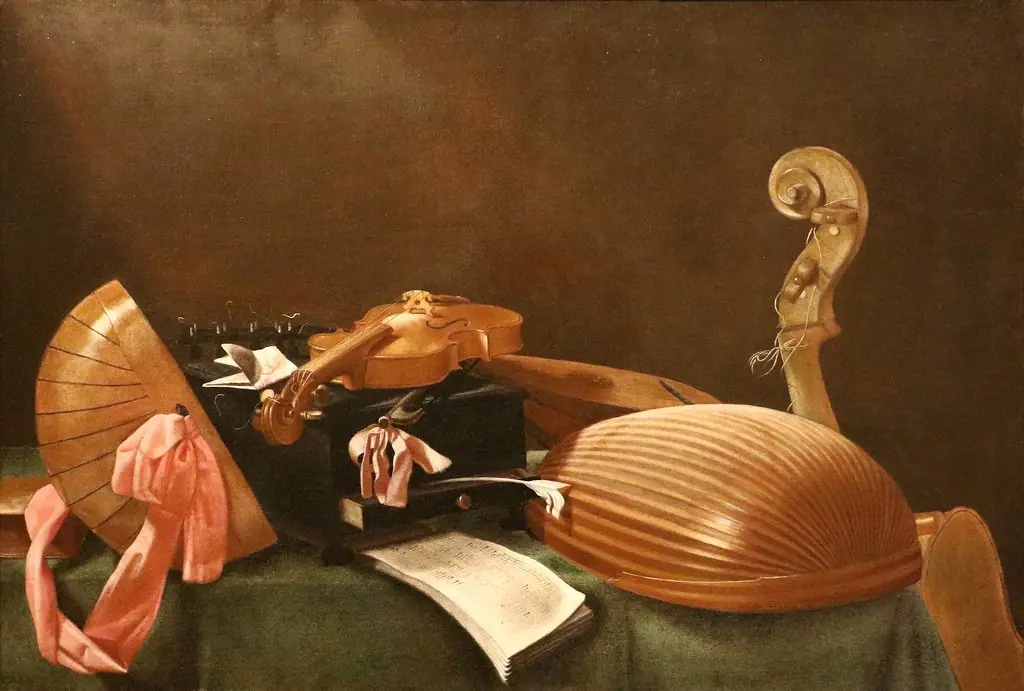 Music instruments
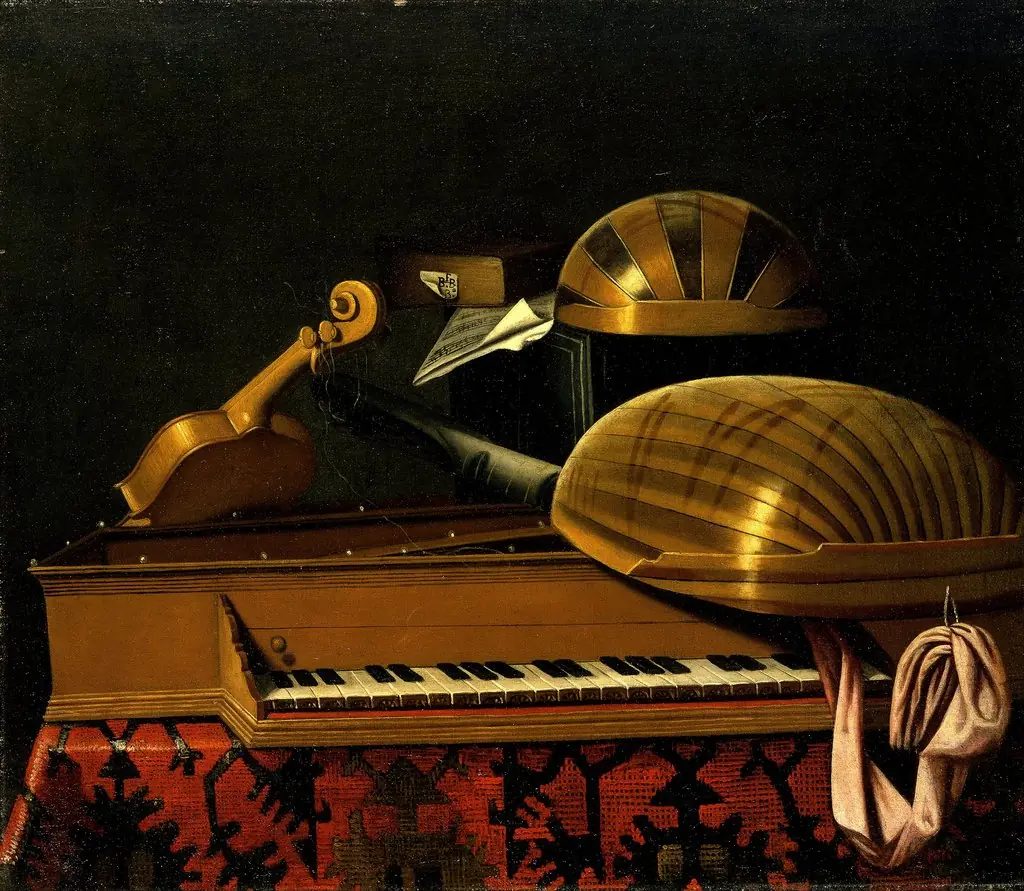 Still Life with Musical Instruments and Books
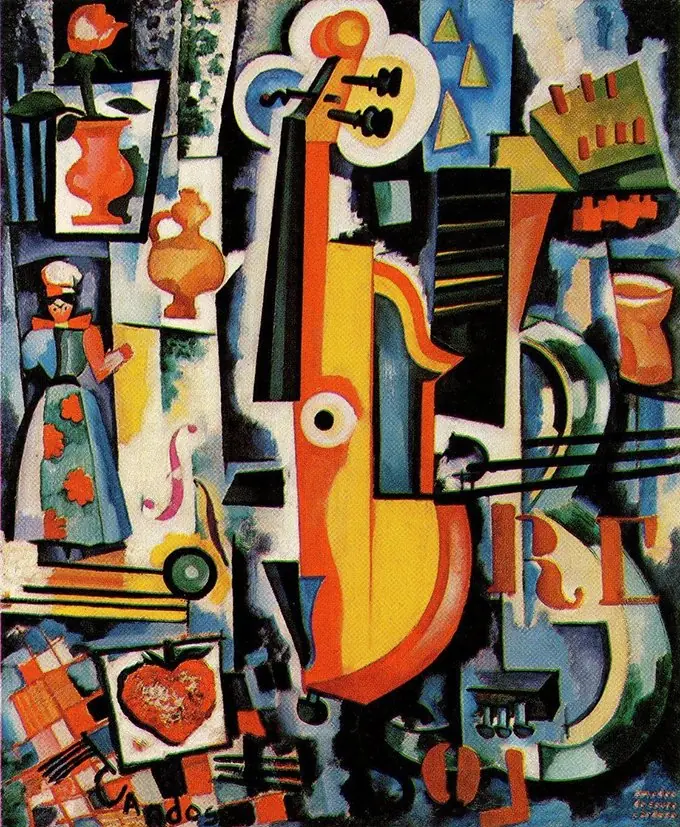 Trou de la serrure PARTO DA VIOLA Bon ménage Fraise avant garde
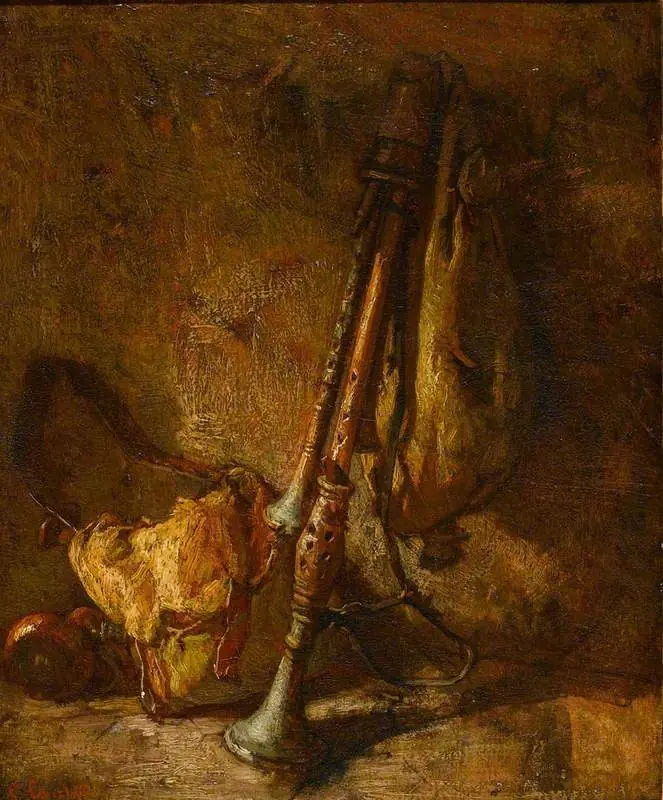 Still Life with a Cornemuse
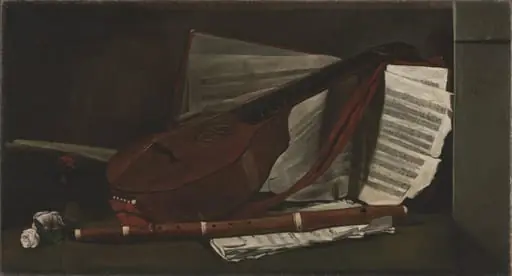 Attributes of Music
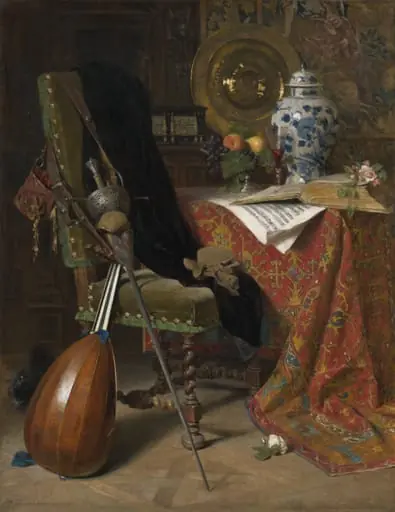 Seventeenth-Century Interior
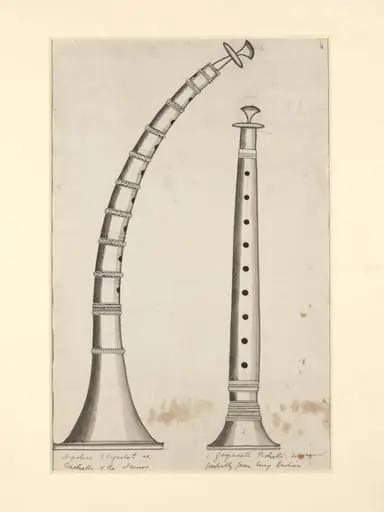 One of seven sheets of drawings depicting implements and musical instruments.
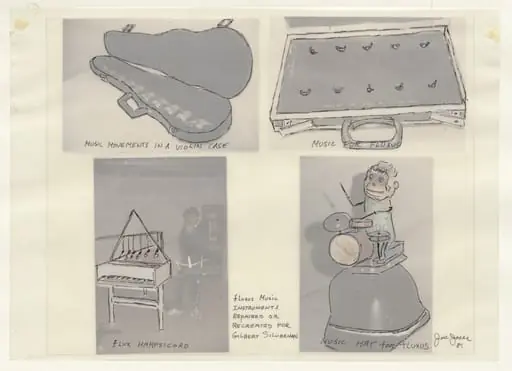 Untitled
Frequently asked questions
What is Musical Instrument?
Musical Instrument is a subject in art. A musical instrument is a device created or adapted to make musical sounds.
How many Musical Instrument works does Artifact World Gallery have?
Artifact World Gallery holds 135 public-domain Musical Instrument works, all free to view and download.
Who are the key Musical Instrument artists?
Key Musical Instrument artists in the collection include Thomas Eakins, Edgar Degas and Georges de La Tour.
Where can I see Musical Instrument works?
Musical Instrument works in the collection are held by Metropolitan Museum of Art, Museo del Prado and Art Institute of Chicago.