Artwork
白無垢美人図大津絵|Ōtsu-e of Courtesan in White
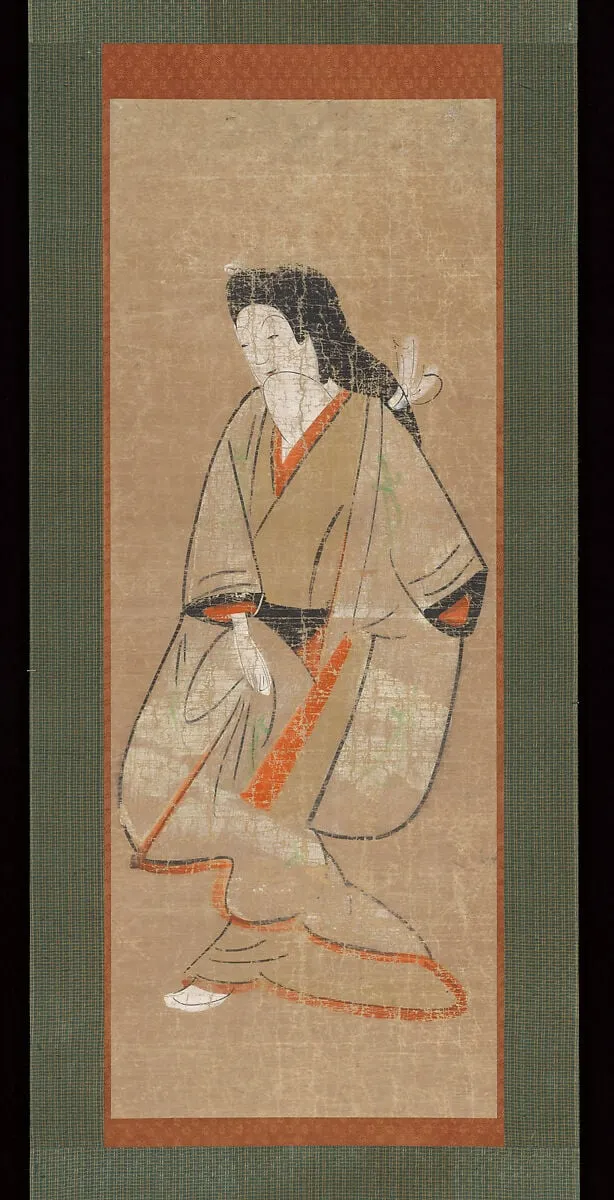
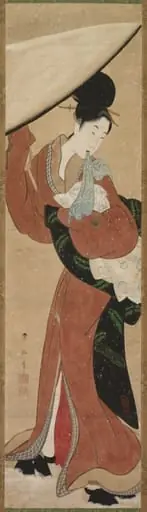
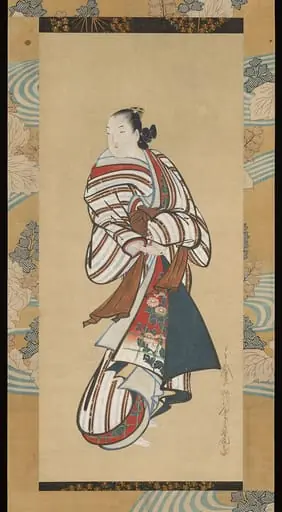
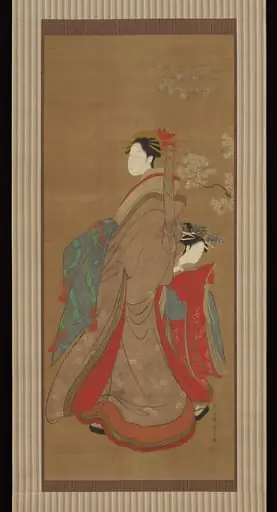
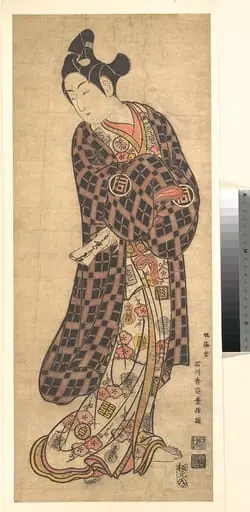
白無垢美人図大津絵|Ōtsu-e of Courtesan in White is an ink painting. It dates from 1834 and is held in the collection of the Metropolitan Museum of Art. This hanging scroll, executed in ink and color on paper, portrays a woman dressed in a white kimono.
About this work
Subject & Meaning
The work portrays a courtesan, a class of female entertainers in Edo-period Japan, rendered in white attire that references contemporary ideals of elegance.
The painting titled 白無垢美人図大津絵|Ōtsu-e of Courtesan in White is a hanging scroll from 1834 executed in ink and color on paper. It belongs to the Ōtsu-e genre and is classified as a portrait of a woman.
The work portrays a courtesan, a class of female entertainers in Edo-period Japan, rendered in white attire that references contemporary ideals of elegance. Its subject reflects the cultural fascination with transient beauty and the role of women in the pleasure quarters.
Technique & Style
This Ōtsu-e is executed as a hanging scroll in ink and color on paper, a format and medium characteristic of the popular Edo-period painting tradition to which the work belongs. The composition is a portrait of a woman, rendered in the simplified, boldly brushed manner typical of the Ōtsu-e genre, which was produced for sale to travelers and pilgrims rather than for elite patrons. The use of monochrome ink combined with applied color on a paper support allowed for rapid production while retaining the visual immediacy associated with these folk-derived images. The work is held in the collection of the Metropolitan Museum of Art and dates to 1834.
History & Provenance
The work titled 白無垢美人図大津絵, also known as Ōtsu-e of Courtesan in White, was produced in 1834 in Japan as a hanging scroll using ink and color on paper. The composition depicts a woman and is attributed to an anonymous painter. Its creation is recorded in contemporary records as part of the Ōtsu-e tradition of popular prints.
After its making, the scroll entered the collection of the Metropolitan Museum of Art, where it remains on display. No documentation indicates a specific commission or patron, and the artist’s identity remains unknown.
The Ōtsu-e of Courtesan in White is held by the Metropolitan Museum of Art, as recorded in its collection and location data. The work, dated 1834, is classified as a painting executed in ink and color on paper in hanging scroll format. No specific inventory or accession number is provided in the available sources, and no exhibition history is documented.
Overview
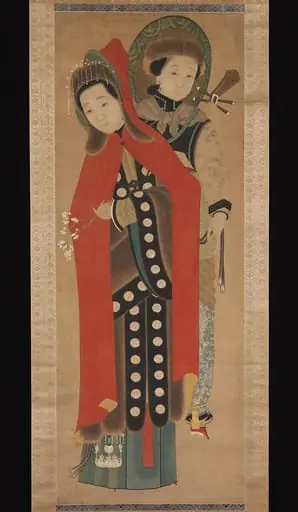
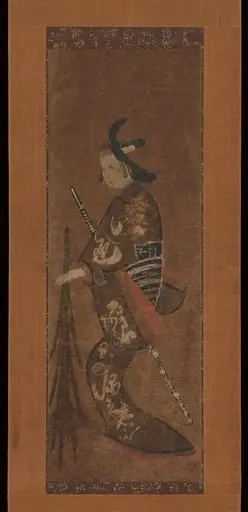
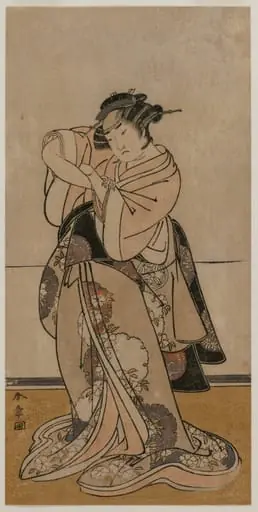
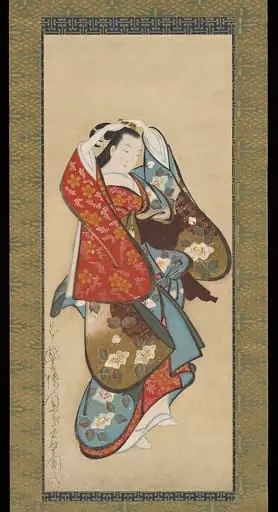
This hanging scroll, executed in ink and color on paper, portrays a woman dressed in a white kimono. She is set against an unadorned backdrop, her complexion pale, lips painted red, and hair arranged in a simple up‑style. The composition is rendered with swift, confident lines that give the figure a sketch‑like immediacy.
Context
During the Edo period, the rise of domestic travel and increased literacy fostered a market for affordable visual souvenirs. Ōtsu‑e catered to this demand, offering vivid, accessible images of everyday life, folklore, and popular figures, reflecting the tastes of a broad, non‑elite audience.
Artist & collection