Artwork
Two Beauties Inspect a Golden Lotus
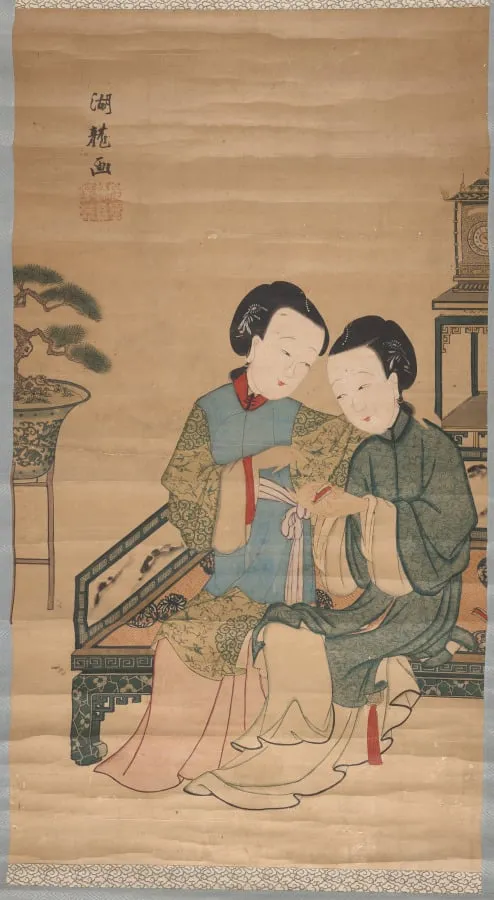
Two Beauties Inspect a Golden Lotus is a print by the Baroque artist Unknown. It dates from 1766 and is held in the collection of the Cleveland Museum of Art.
- Accession no.
- 2025.57
- Credit line
- Purchase from the J. H. Wade Fund
About this work
This painting comes from a time when Chinese artists made colorful prints just to hang on walls, like posters today.
Two women in silk robes stand side by side, holding a golden lotus bloom between them. Their faces are calm, their clothes rich with embroidered flowers.
This painting comes from a time when Chinese artists made colorful prints just to hang on walls, like posters today. The lotus wasn’t just pretty; it symbolized purity in a world full of change.
If you like this, look up qing dynasty (1644–1911).
Overview
Two Beauties Inspect a Golden Lotus is a 17th-century Chinese single-sheet color print originating from the culturally vibrant Jiangnan region, characterized by its depiction of two women examining a golden lotus bloom.
Subject & Meaning
The print features two serene women in intricately embroidered silk robes, jointly holding a golden lotus. This flower symbolized purity, conveying a message of moral integrity amidst turmoil, a common theme during the Qing Dynasty.
Technique & Style
Executed in color print, the work reflects the evolution of Jiangnan's printing techniques from illustrated books to commercial, wall-hung prints, emphasizing vivid colors and detailed textures, as seen in the women's robes and the lotus.
History & Provenance
Created during the Qing Dynasty (1644–1911), the print is part of a broader shift towards commercially produced, visually appealing artworks for urban decoration, indicative of the region's flourishing print culture.
Context
Emerging from 17th-century Jiangnan (notably Nanjing, Suzhou, Hangzhou, and Huizhou), this print was part of a rich urban visual culture, contrasting with earlier, more privately consumed illustrated books.
Legacy
While specific lasting impacts of 'Two Beauties Inspect a Golden Lotus' on subsequent art movements are not prominently documented, it represents a pivotal moment in the popularization of color prints in Chinese urban life during the Qing era.
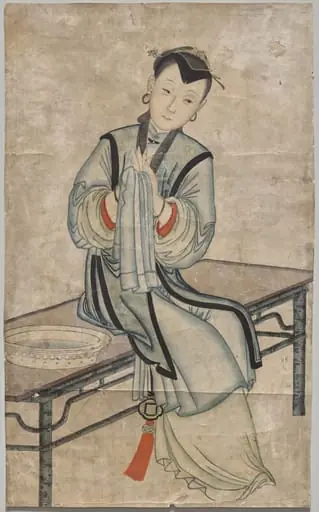
Artist & collection









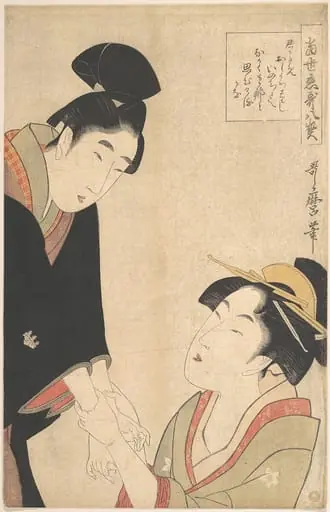 当世恋歌八契 お七と吉三郎|The Lovers Oshichi and Kichisaburo
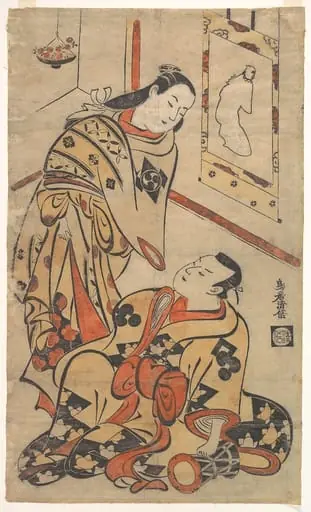 Untitled
 Untitled
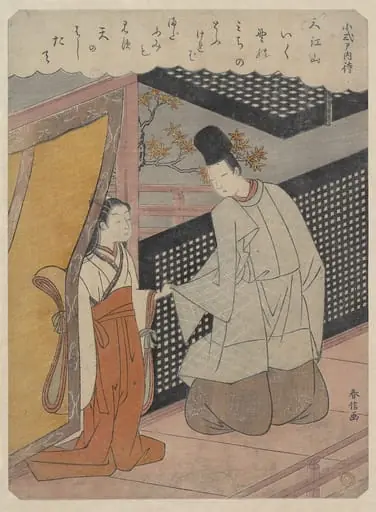 百人一首 小式の内持|Koshikibu no Naishi (999–1025), from "Hyakunin Isshu" (One Hundred Poems by One Hundred Poets)
 Untitled
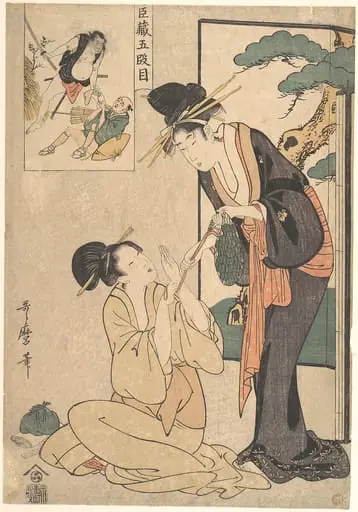 忠臣蔵五段目|A Woman Snatching a Bag of Sweetmeats from Her MotHer
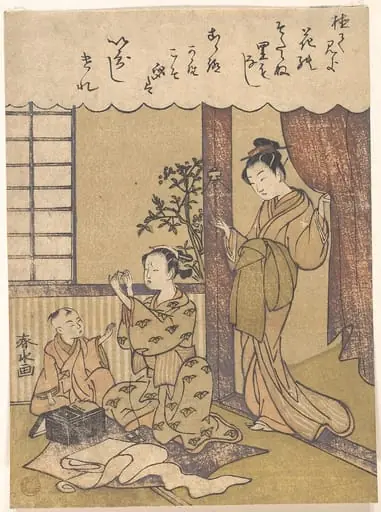 Untitled
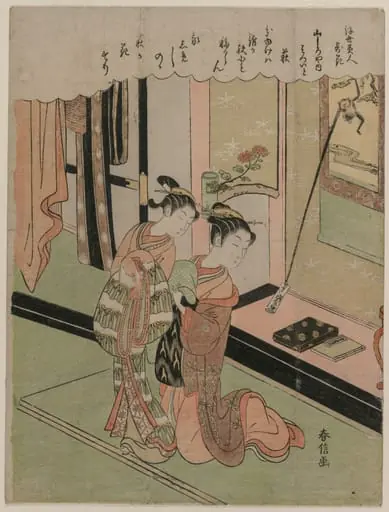 Hatsuito of the Yamashiroya Likened to Bush Clover, from Beauties of the Floating World Compared to Flowers
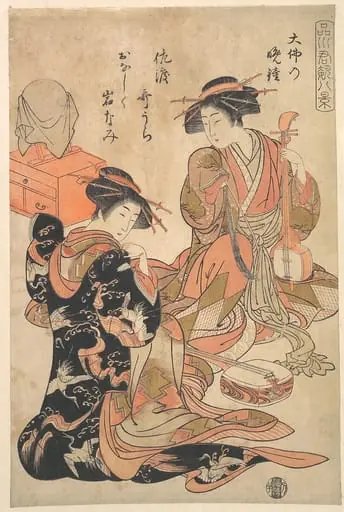 Daibutsu no bansho|Vesper Bell of the Temple of Great Buddha