Artwork
Untitled
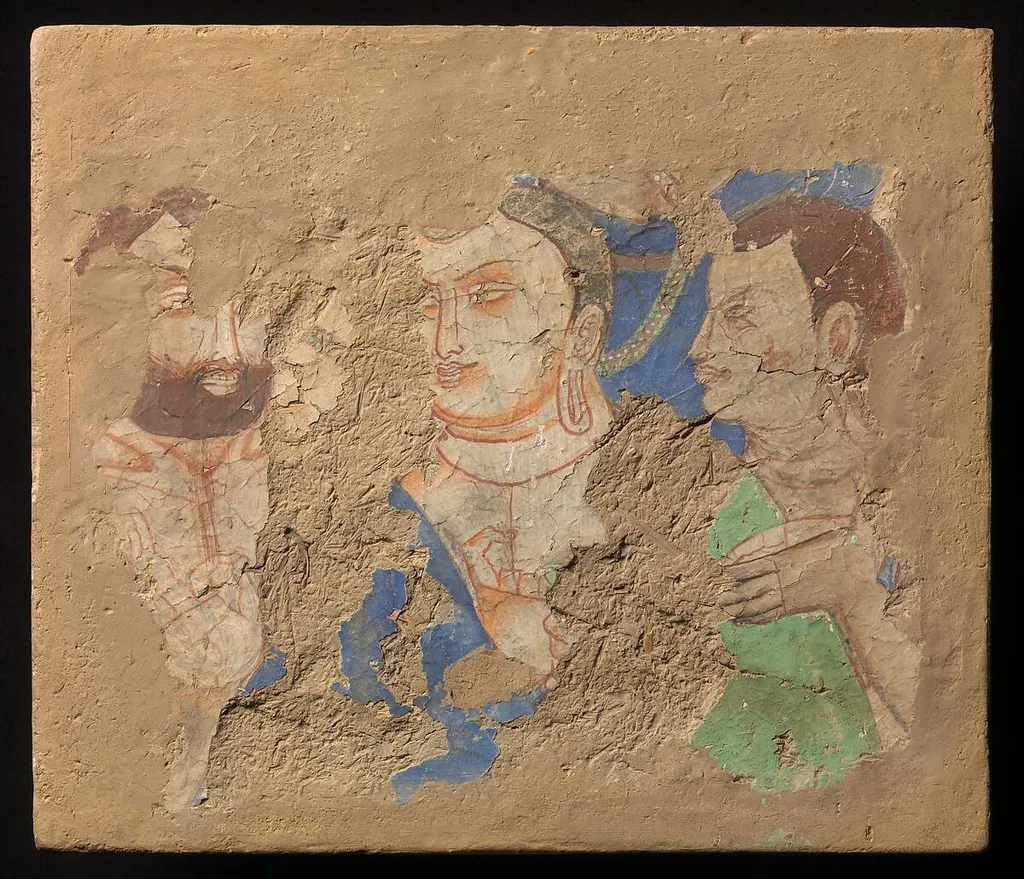
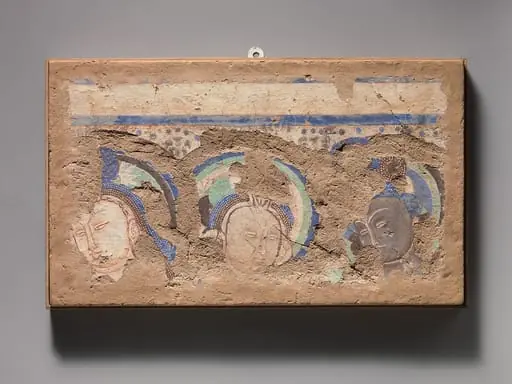
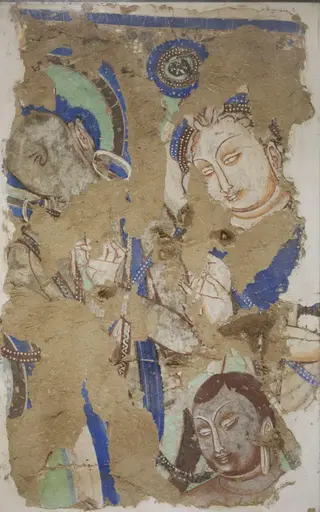
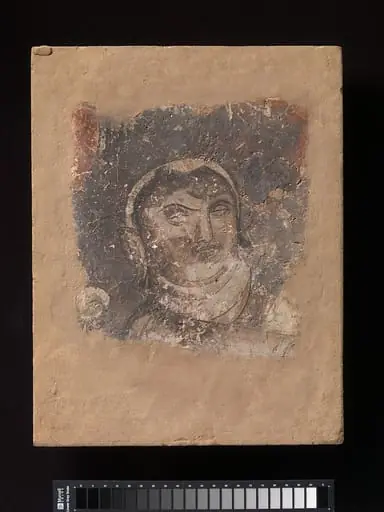
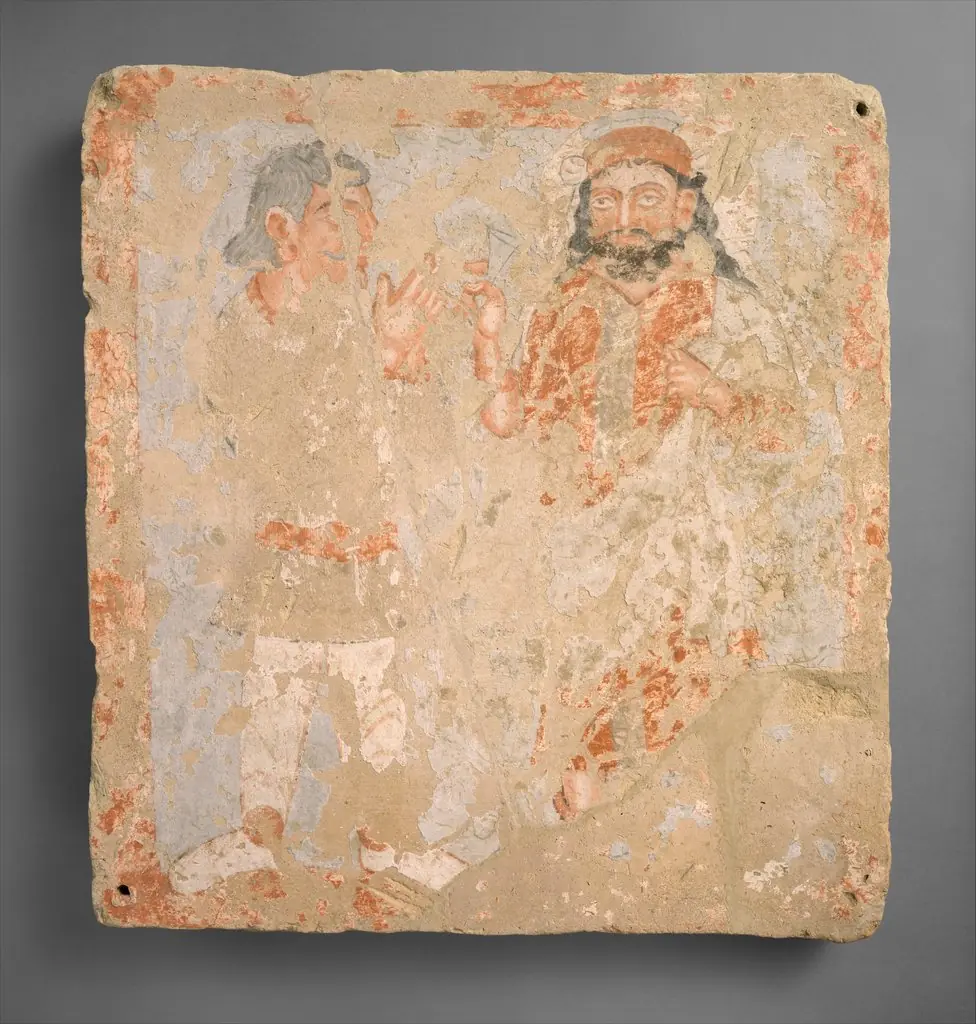
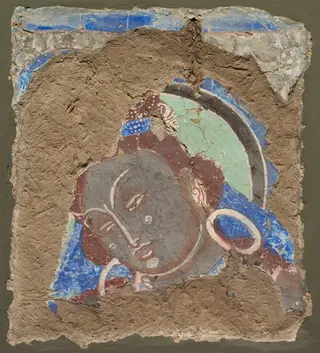
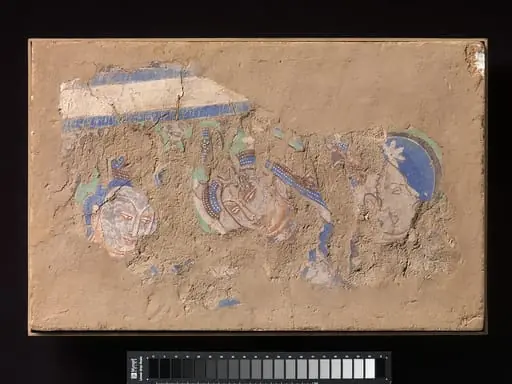
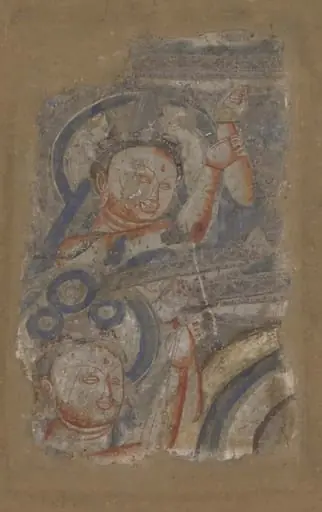
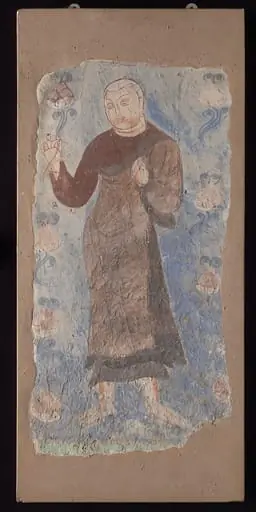
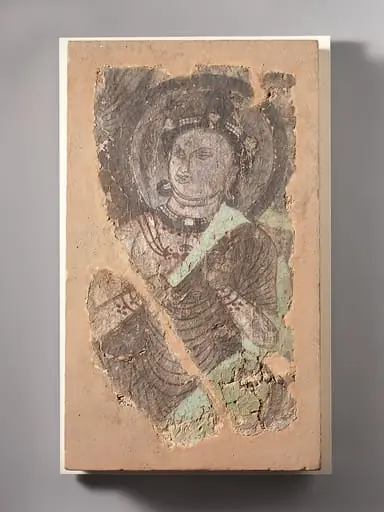
Untitled is an unspecified painting. It dates from 600 and is held in the collection of the Metropolitan Museum of Art. This mural, executed in pigments applied directly onto wet mud plaster, portrays a Buddha seated in the lotus position.
About this work
Subject & Meaning
The work depicts the Buddha, serving as a religious image from 6th–7th century China. Created with pigments on mud plaster by an anonymous artist, the piece functions within a devotional context typical of its era and medium. As a representation of the Buddha, the painting embodies core Buddhist iconography, focusing on the spiritual figure as the central subject.
Technique & Style
The work is executed in pigments applied directly onto mud plaster, a support characteristic of early Buddhist wall painting traditions in China.
The work is executed in pigments applied directly onto mud plaster, a support characteristic of early Buddhist wall painting traditions in China. Its modest dimensions, approximately 23.2 cm in height and 26.7 cm in width, suggest it was likely detached from a larger architectural surface rather than created as an independent panel. The religious subject, a depiction of the Buddha, is rendered in this pigment-on-plaster medium consistent with devotional imagery of its era.
Stylistically, the painting is associated with the 6th–7th century, when such murals were produced for sacred sites using locally prepared plaster grounds and mineral-based pigments. The handling of the plaster support and the anonymous execution align with workshop practices of the time.
History & Provenance
Created in China during the 6th or 7th century, this anonymous religious painting depicts the Buddha in pigments on mud plaster. The work measures 23.2 cm by 26.7 cm. It eventually entered the collection of the Metropolitan Museum of Art, where it is held as an example of early Chinese Buddhist art. No earlier owners or commission details are recorded in the available documentation.
Overview
This mural, executed in pigments applied directly onto wet mud plaster, portrays a Buddha seated in the lotus position. The figure is depicted with one hand raised in a gesture associated with teaching, and the overall image appears faded due to age.
Context
Cave temples in western China served as important sites for Buddhist worship and artistic production. Murals such as this one contributed to the visual transmission of Buddhist teachings along Silk Road routes, linking local practice to broader religious networks.
Artist & collection