Artwork
Untitled
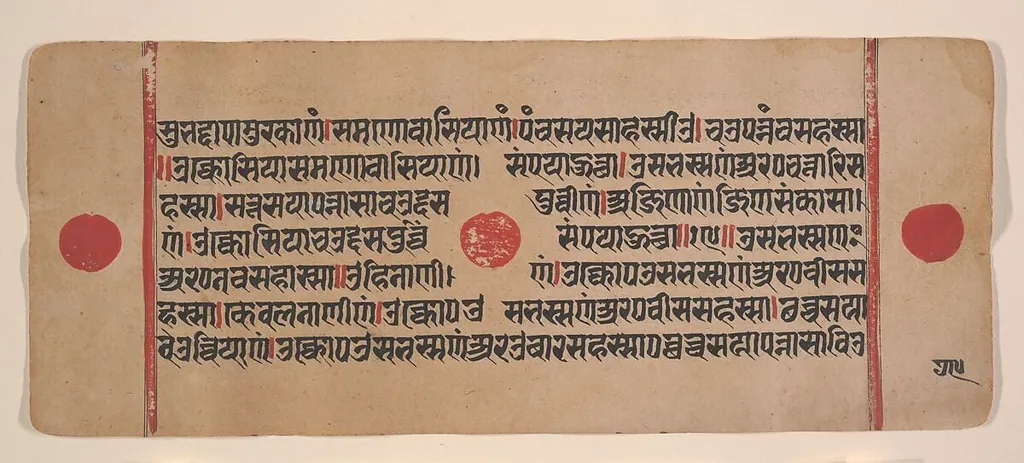
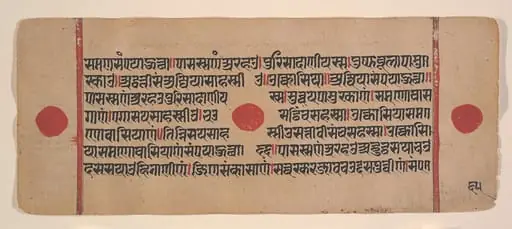
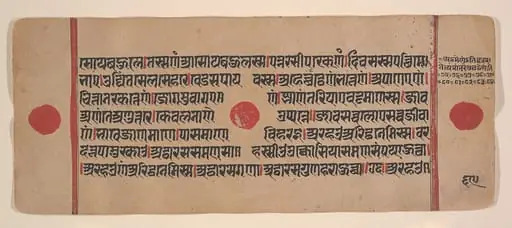
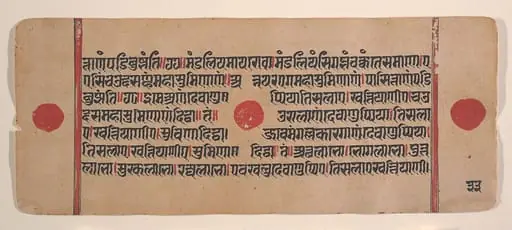
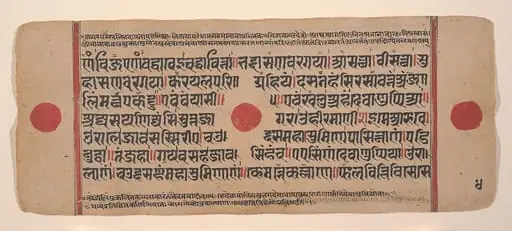
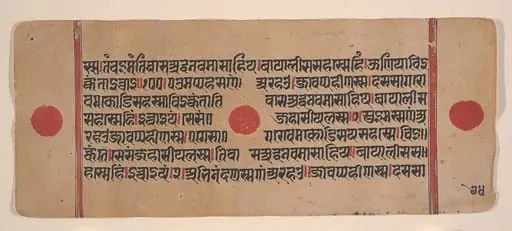
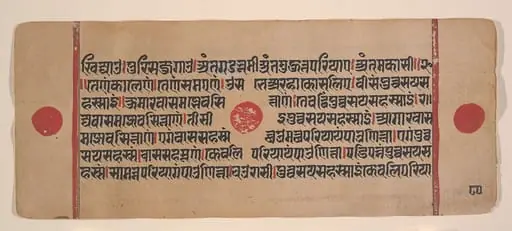
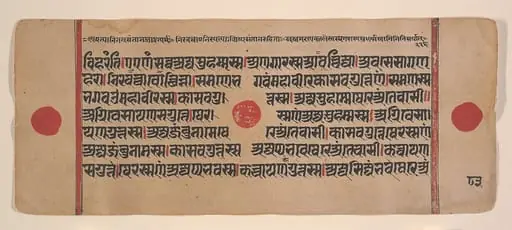
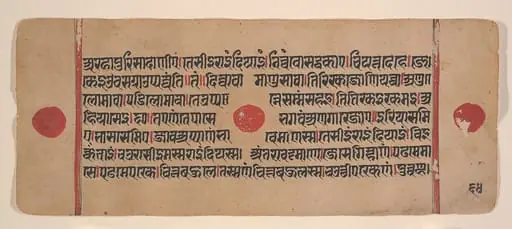
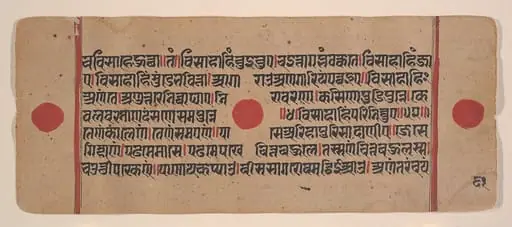
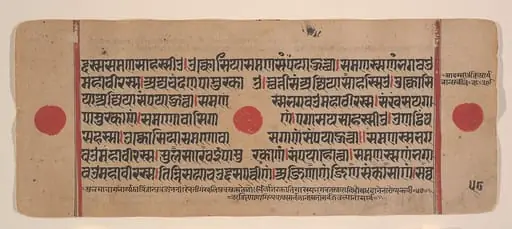
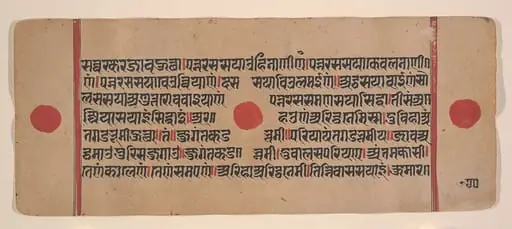
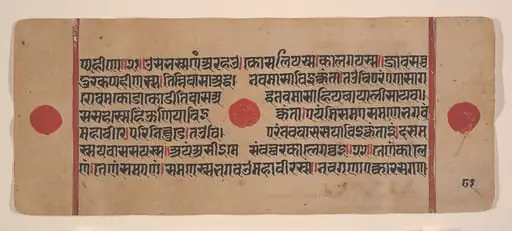
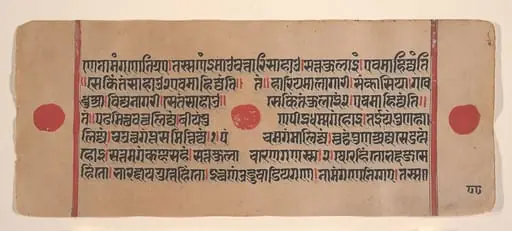
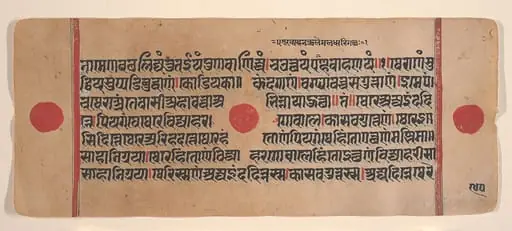
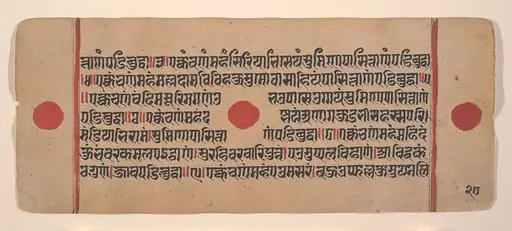
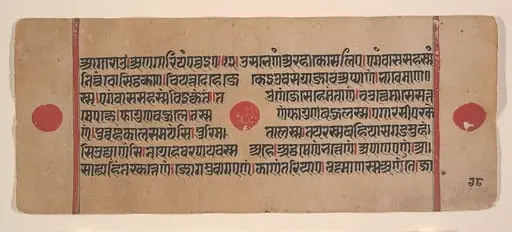
Untitled is a watercolor painting. It dates from 1449 and is held in the collection of the Metropolitan Museum of Art.
About this work
Subject & Meaning
The painting, dated 1449 and executed in ink, opaque watercolor and gold on paper, belongs to the religious genre and portrays themes associated with Jainism.
The painting, dated 1449 and executed in ink, opaque watercolor and gold on paper, belongs to the religious genre and portrays themes associated with Jainism. Its iconography follows traditional Jain visual conventions, using symbolic motifs that convey spiritual concepts central to the faith. As part of the Metropolitan Museum of Art’s collection, the work reflects the devotional artistic production of early Indian painting, where narrative scenes from Jain cosmology served both didactic and meditative purposes.
The anonymity of the artist underscores the collective workshop practice of the period, while the use of gold highlights the sacred context of the depicted subject.
Technique & Style
The work is executed on paper using ink lines filled with opaque watercolor and applied gold leaf, a technique typical of Indian manuscript painting of the 15th century. Its support is a single sheet of paper measuring approximately 11.1 cm in height by 27 cm in width, and it was created in India around 1449. The composition depicts a Jain religious narrative, reflecting the devotional style of the period with flattened spatial depth, outlined figures and richly patterned backgrounds.
The painting’s formal qualities include restrained line work, subtle tonal gradations, and the strategic use of gold to highlight sacred elements, all characteristic of Jain manuscript aesthetics. It is presently housed in the Metropolitan Museum of Art.
History & Provenance
The work is dated 1449 by the museum’s curatorial file, placing its creation during the fifteenth-century Gujarat Sultanate period. It entered the Metropolitan Museum of Art in 1955 as part of a bequest, without a known pre-20th-century provenance; no commission or original patron has been identified in surviving records. Technical and stylistic analysis situates its manufacture in western India, consistent with contemporaneous Jain manuscript illumination practices.
The painting is part of the Metropolitan Museum of Art’s collection, listed under accession number 55.121.38.88. It is housed in the museum’s galleries in New York, where it is displayed as a religious Jain work dating to 1449. The piece, executed in ink, opaque watercolor, and gold on paper, is classified as a painting within the religious genre.
No exhibition records are cited in the available documentation, indicating that the work has not been featured in separate exhibitions beyond its permanent display at the Met.
Overview
This untitled painting, rendered in ink, opaque watercolor, and gold on paper, originates from a Jain manuscript created in Gujarat, India. It depicts a prominent female figure seated on a golden throne, holding symbolic objects. The artwork is characterized by its vibrant palette and the extensive application of gold, reflecting the aesthetic traditions of Jain religious art.
Context
This painting is an integral part of a Jain manuscript produced in the Gujarat region of India. Jainism, a religion emphasizing non-violence and disciplined living, often commissioned artists to illustrate sacred narratives. The use of luminous colors and precious gold in such works served to visually elevate and honor these spiritual stories and figures, making them accessible and inspiring to devotees.
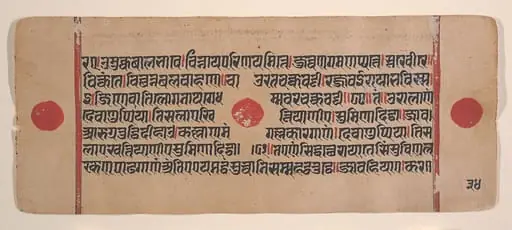
Artist & collection