Artwork
Untitled
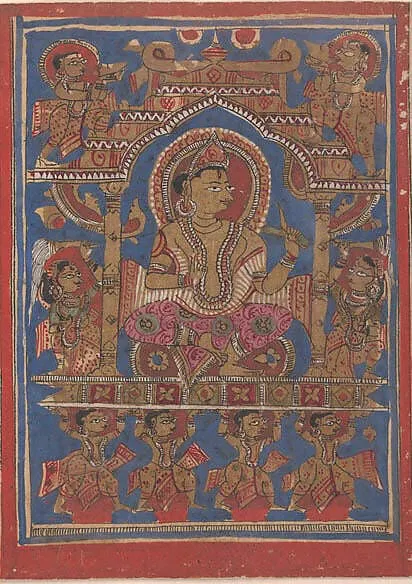
Untitled is a watercolor painting. It dates from 1449 and is held in the collection of the Metropolitan Museum of Art.
About this work
Subject & Meaning
The subject’s iconography aligns with Jain religious themes, though specific symbolic attributes are not detailed in the documentation.
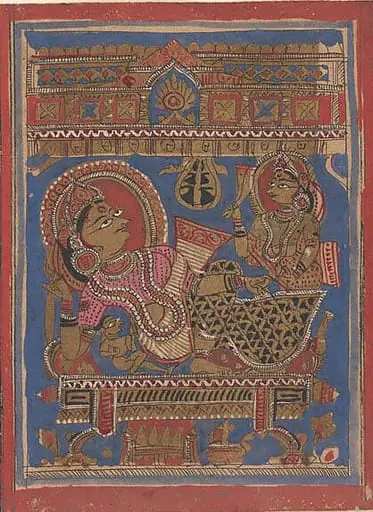
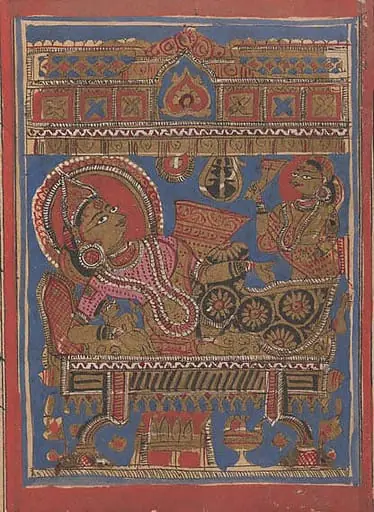
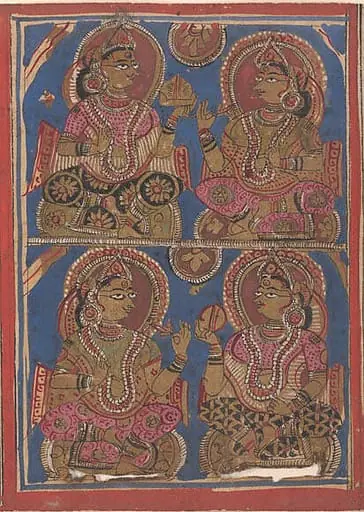
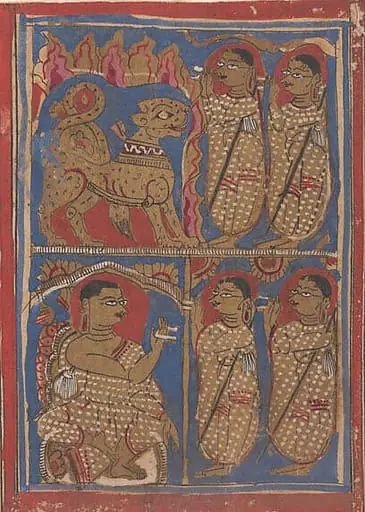
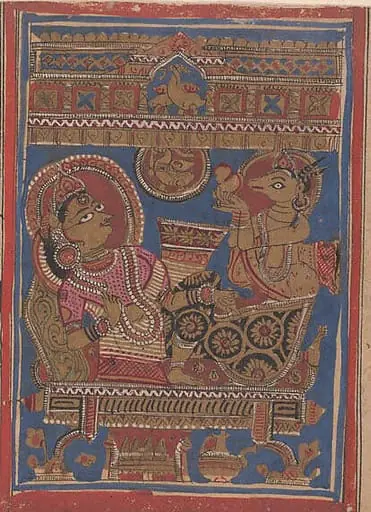
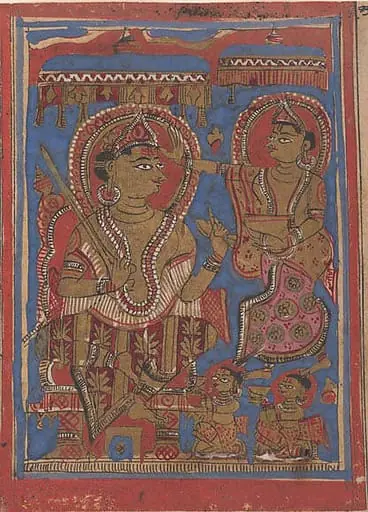
The painting, dated 1449 and executed in ink, opaque watercolor, and gold on paper, portrays a female figure linked to Jainism. As an anonymous work classified as religious art, it reflects Jain devotional imagery and was created in India before entering the collection of the Metropolitan Museum of Art. The subject’s iconography aligns with Jain religious themes, though specific symbolic attributes are not detailed in the documentation.
Its material technique and date place it within the broader tradition of Jain manuscript painting, offering insight into the spiritual representation of women in early Indian religious art.
History & Provenance
The painting Untitled, dated 1449, was produced in India using ink, opaque watercolor, and gold on paper and depicts a Jain woman. It is attributed to an anonymous painter and belongs to the religious art genre. The work is now held in the collection of the Metropolitan Museum of Art, which classifies it as a painting executed in ink, opaque watercolor, and gold on paper, depicting religious subjects related to Jainism.
Its physical dimensions are recorded as 11.1 by 27 centimeters. The specific inventory or accession number is not stated in the available records, and the documentation does not contain details of any exhibition history. The piece originates from India and remains part of the museum's permanent collection of religious art.
Overview
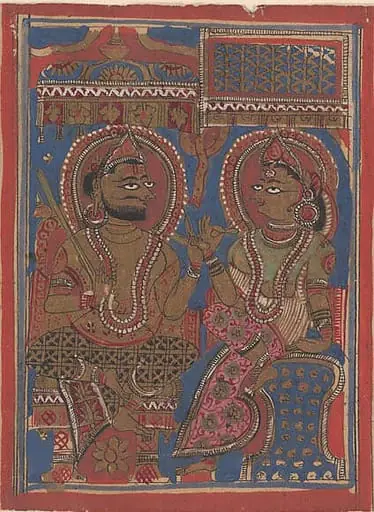
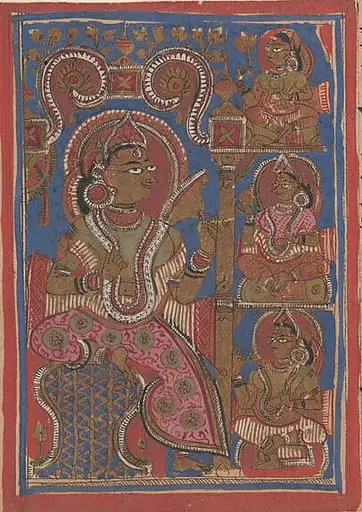
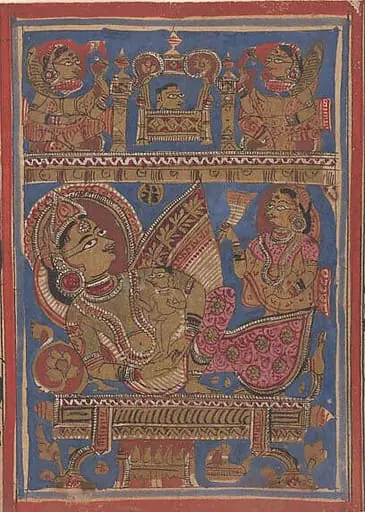
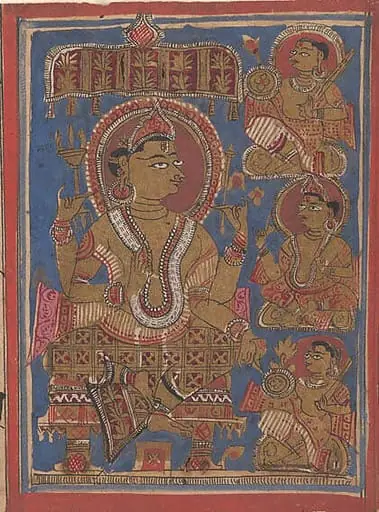
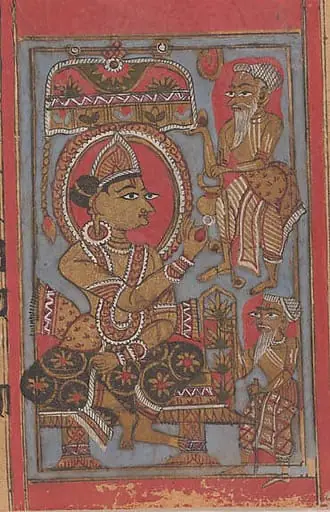
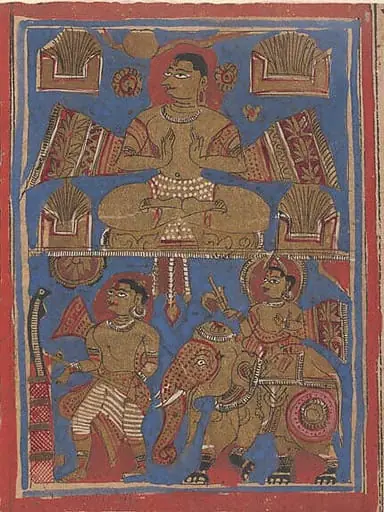
This untitled painting, rendered with ink, opaque watercolor, and gold on paper, originates from a Jain manuscript created in Gujarat, India. It depicts a seated woman adorned in a red sari, holding a book, her form and the surrounding space embellished with numerous small gold dots. The artwork exemplifies the distinctive visual language of Jain manuscript illumination, characterized by its vibrant palette and symbolic use of precious materials.
Technique & Style
Executed using ink, opaque watercolor, and gold on paper, the painting displays a distinctive artistic approach. Its visual style is marked by clear, unadorned lines and an absence of shadows, contributing to a flat, two-dimensional aesthetic. The deliberate application of bright colors and extensive gold leaf, particularly in the form of small dots, not only enhances the visual richness but also served to convey reverence, a common practice in Jain manuscript art.
Context
This artwork is an excerpt from a Jain manuscript, a type of illustrated religious text produced in the Gujarat region of India. Jainism, a religion emphasizing non-violence and spiritual purity, often inspired artists to employ rich colors and gold in their creations. This artistic choice was not merely decorative but served as a means to express profound respect and veneration for the sacred subjects and teachings contained within these illuminated manuscripts.
Artist & collection