Artwork
Untitled
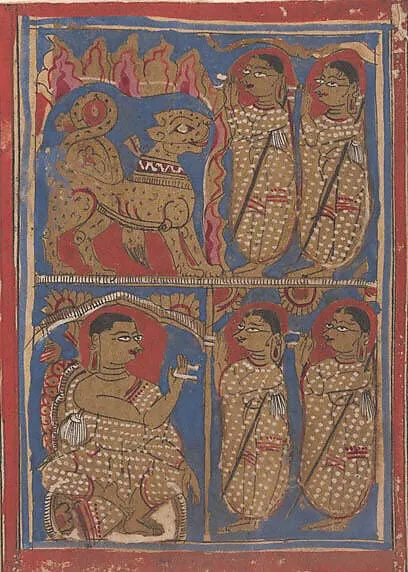
Untitled is a watercolor painting. It dates from 1449 and is held in the collection of the Metropolitan Museum of Art.
About this work
Subject & Meaning
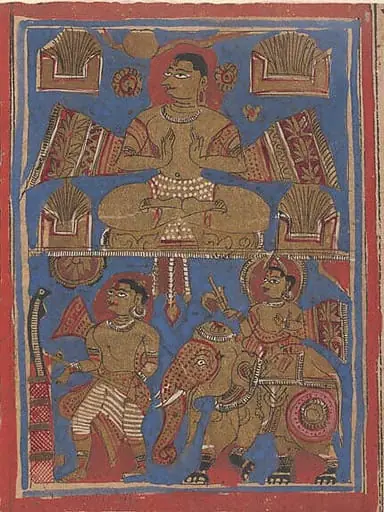
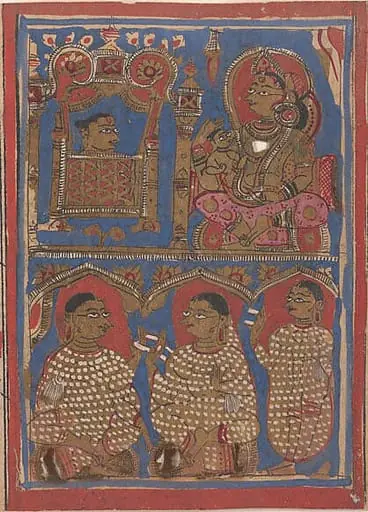
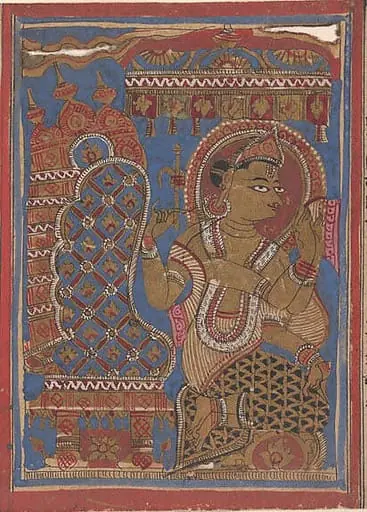
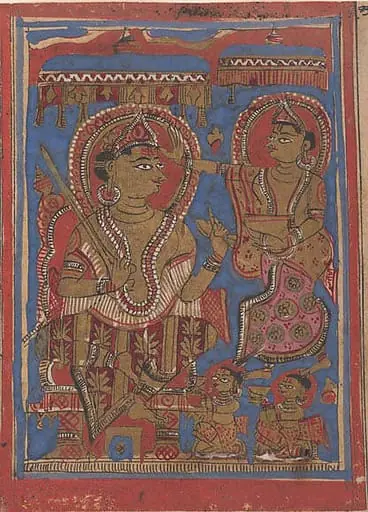
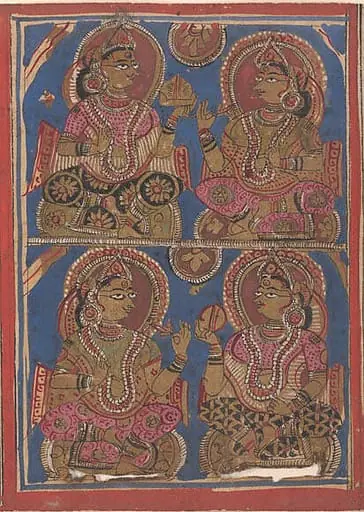
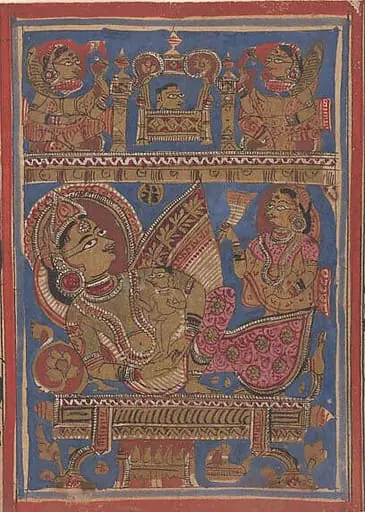
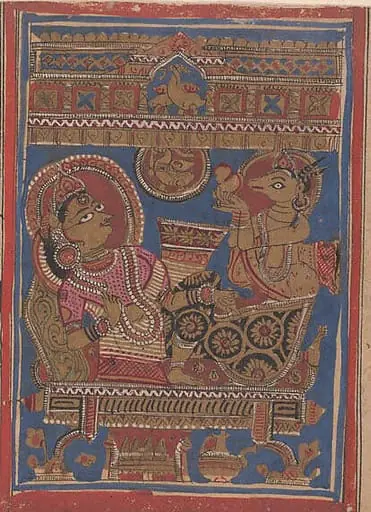
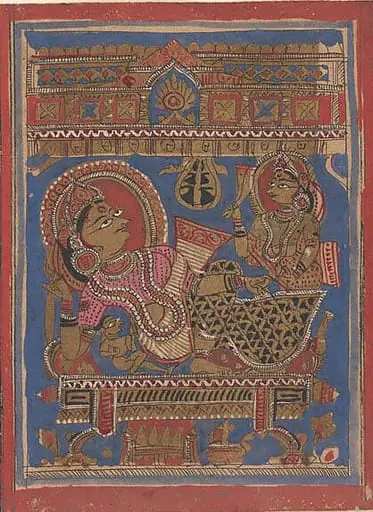
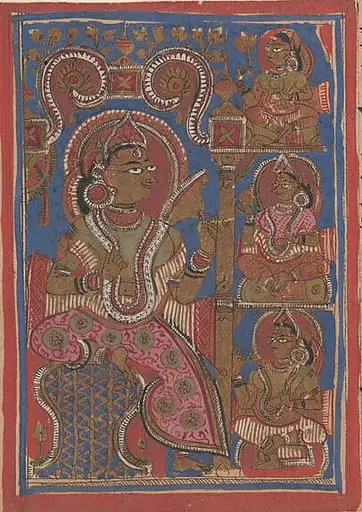
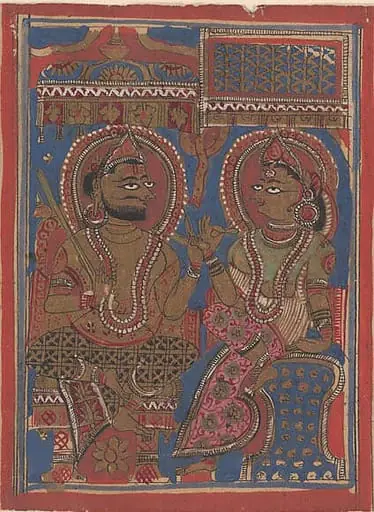
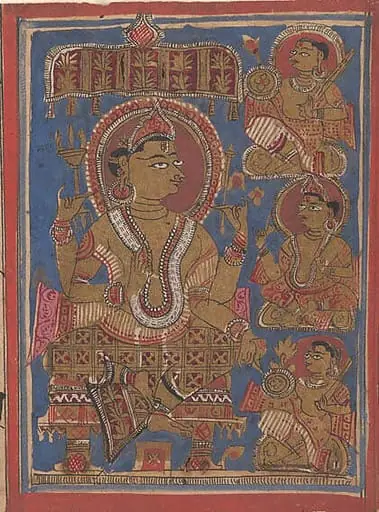
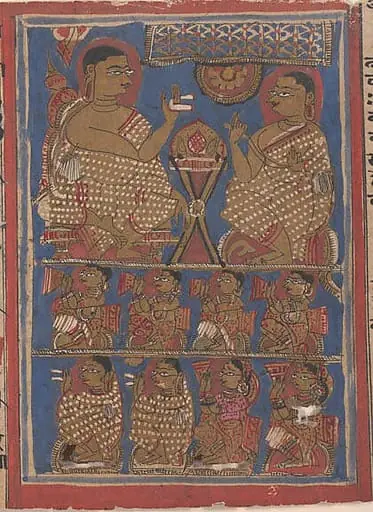
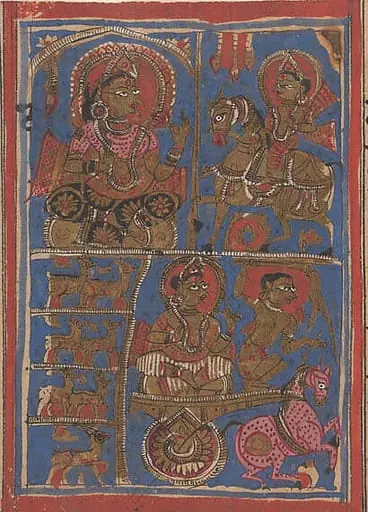
The painting, dated 1449 and executed in ink, opaque watercolor, and gold on paper, portrays three figures, a lion, a man, and a woman, within a religious composition. The lion traditionally symbolizes strength and authority, while the human pair may reference figures from the devotional narratives of Indian religious art of the period. As part of the Metropolitan Museum of Art's collection, the work reflects the conventions of Indian painting in the mid-fifteenth century, in which symbolic animals and human figures convey religious meaning, merging naturalistic detail with spiritual allegory.
Technique & Style
Created in 1449 in India, this anonymous religious painting uses ink, opaque watercolor, and gold on a paper support and measures 11.
Created in 1449 in India, this anonymous religious painting uses ink, opaque watercolor, and gold on a paper support and measures 11.1 cm in height by 27 cm in width. The composition features a man and a woman alongside a lion, executed within the traditions of South Asian manuscript illumination. The inclusion of gold reflects the decorative approach typical of the period's devotional imagery, while opaque watercolor allows for the vibrant, flat areas of color characteristic of the region's output during the mid-fifteenth century.
History & Provenance
Created in 1449 in India, Untitled is an anonymous religious painting executed in ink, opaque watercolor, and gold on paper, depicting a lion, a man, and a woman. Measuring 11.1 cm in height by 27 cm in width, it is held in the collection of the Metropolitan Museum of Art, which classifies it as a painting within its religious art holdings. The artist remains unknown, and the available records do not detail a specific accession number, exhibition history, or ownership chain prior to its acquisition by the museum.
Context
The work titled Untitled is an anonymous fifteenth-century Indian religious painting executed in 1449 with ink, opaque watercolor, and gold on paper. It portrays a lion, a man, and a woman and belongs to the religious genre. According to the sources, the piece was made in India and is housed in the Metropolitan Museum of Art.
It can be situated within the broader tradition of regional Indian religious and manuscript imagery of the period. Because the artist remains unidentified, it is discussed primarily in art-historical terms rather than through documented critical reception.
Overview
This untitled painting, rendered in ink, opaque watercolor, and gold on paper, presents a vibrant scene. A man and a woman are depicted seated beneath a tree, while two lions rest peacefully nearby. The artwork's small scale is offset by its luminous quality, achieved through the application of rich pigments and shimmering gold leaf, creating a visually striking composition.
Artist & collection