Artwork
Untitled
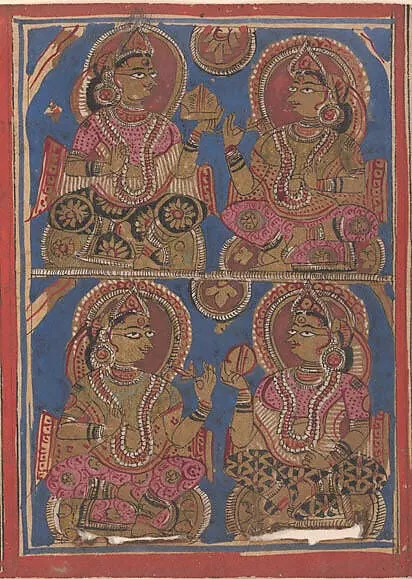
Untitled is a watercolor painting. It dates from 1449 and is held in the collection of the Metropolitan Museum of Art.
About this work
Subject & Meaning
The work's iconography is defined by its specific religious genre, utilizing ink, opaque watercolor, and gold on paper to render the subject.
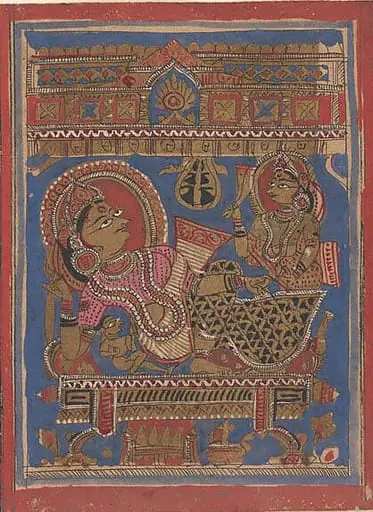
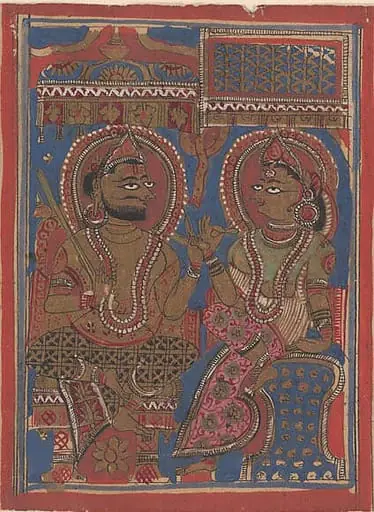
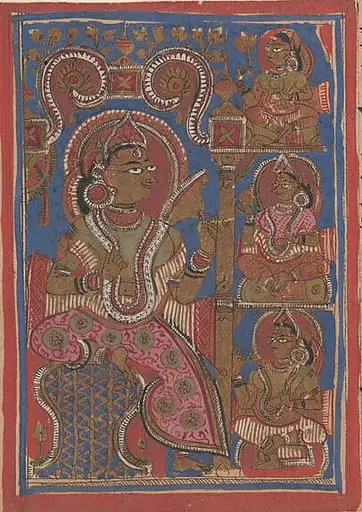
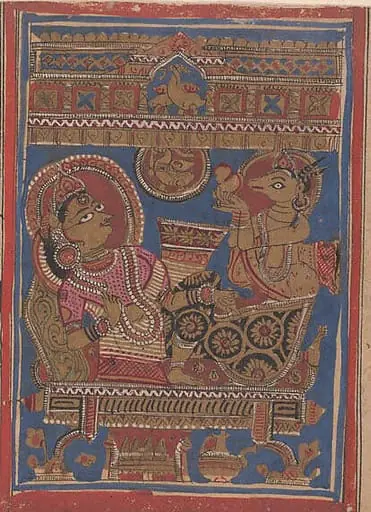
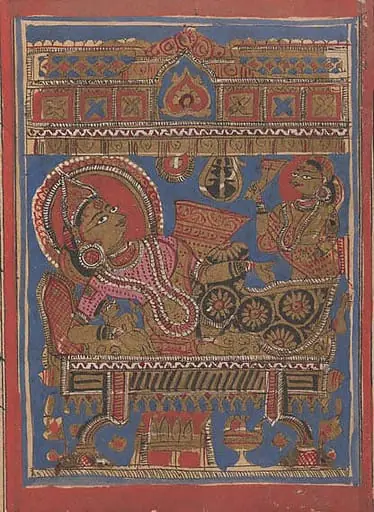
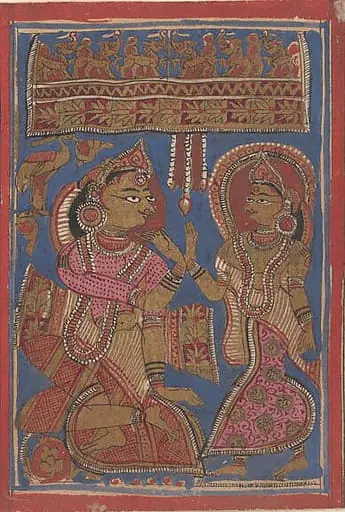
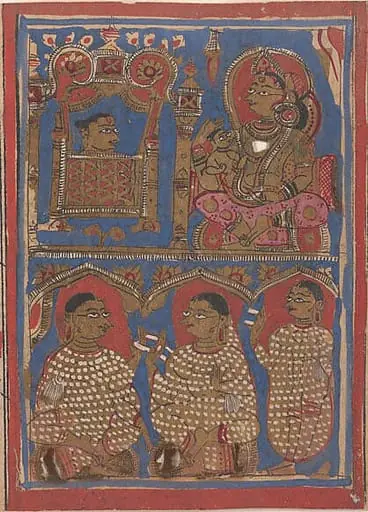
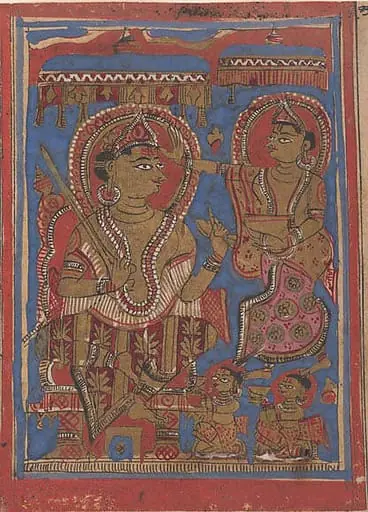
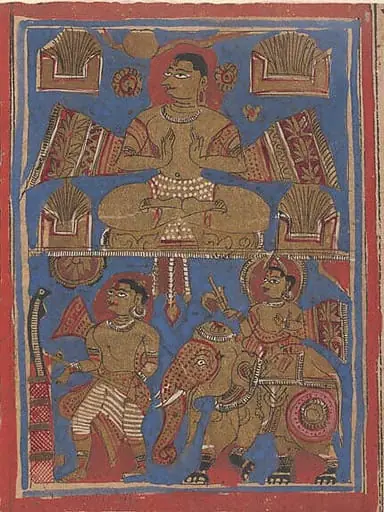
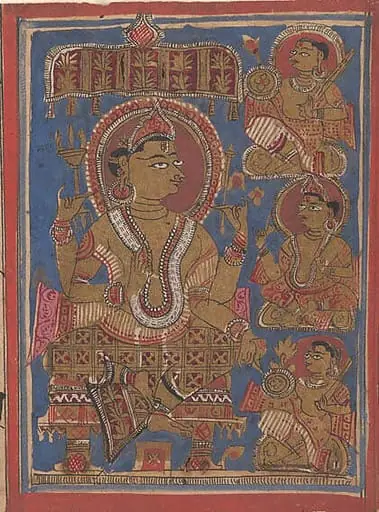
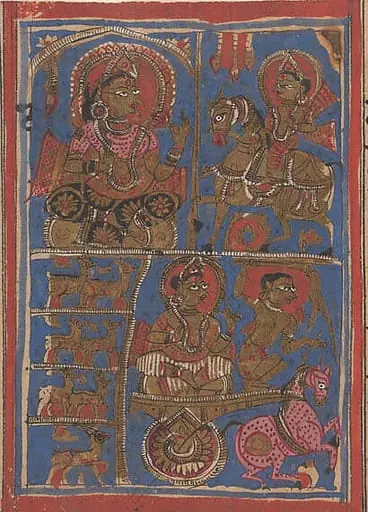
Created in 1449 by an anonymous Indian artist, this religious painting depicts a female figure within the context of Jainism. The work's iconography is defined by its specific religious genre, utilizing ink, opaque watercolor, and gold on paper to render the subject. While the precise identity of the woman is not detailed in the available records, her presence serves as the central visual element representing Jain spiritual themes.
The combination of the female form with Jain motifs suggests the artwork functions as a devotional object or illustrative scene intended to convey specific theological narratives or revered figures associated with the faith. The use of gold further emphasizes the sacred nature of the depicted subject matter.
Technique & Style
The work is executed in ink and opaque watercolor heightened with gold on paper, a combination typical of fifteenth-century Indian Jain manuscript painting. The support is a single sheet of paper, sized 11.1 cm in height and 27 cm in width, with fluid, linear brushwork outlining a standing female figure. The palette is restrained, relying on mineral-based pigments and gold wash for highlights, while the handling emphasizes delicate contour lines and flat color fields rather than volumetric modeling.
Stylistic features include an elongated form, schematic drapery, and a hieratic posture aligned with contemporary Jain devotional imagery.
History & Provenance
The work is dated to 1449 on the basis of internal curatorial records and the Wikidata entry, which both assign the painting to that year within the Hindu Samvat calendar context used in fifteenth-century Gujarat;. Its creation history situates the object in western India, consistent with the Jain devotional milieu depicted. The artist remains unattributed in both sources, which classify the painting as anonymous and of religious genre, specifying Jain themes;.
Provenance prior to its acquisition by The Metropolitan Museum of Art is not documented in the cited records.
The work is held in the collection of the Metropolitan Museum of Art, where it is catalogued as a painting. According to the Wikidata record, its location is listed as the Metropolitan Museum of Art and the collection is identified as the same institution. No specific inventory or accession number is provided in the available sources. No exhibition history is documented in the materials consulted.
Context
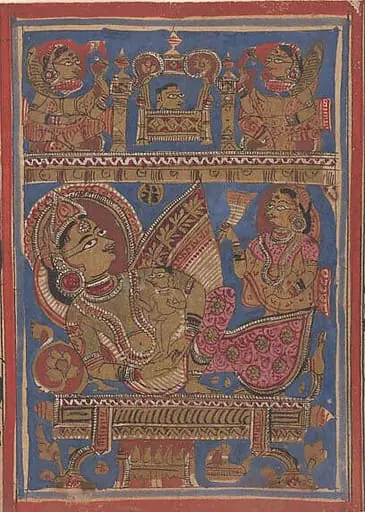
The 1449 painting, rendered in ink, opaque watercolor, and gold on paper, portrays a Jain narrative featuring a woman and is classified as religious art produced in India. As part of the Metropolitan Museum of Art’s collection, it exemplifies early Indian manuscript illumination and contributes to scholarly understanding of regional religious painting traditions in the fifteenth century. Its stylistic elements and iconography are frequently cited in studies of Jain visual culture, underscoring its significance within the broader narrative of South Asian art history.
Overview
This untitled painting, rendered with ink, opaque watercolor, and gold on paper, depicts a solitary female figure. Originating from a Jain manuscript in Gujarat, India, the artwork showcases the distinctive aesthetic of this religious tradition. The composition features a woman in a vibrant red sari set against a luminous gold background, embodying the rich visual language employed in devotional texts.
Artist & collection