Artwork
Untitled
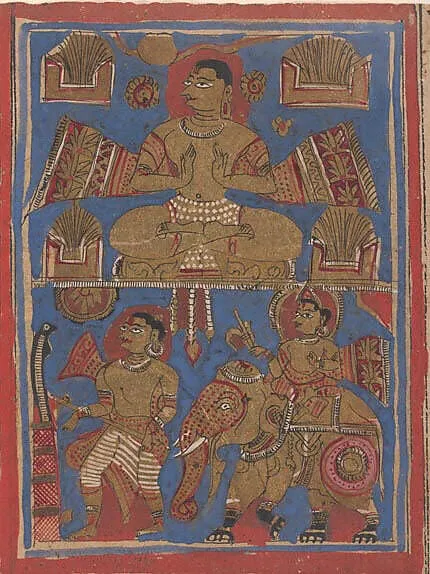
Untitled is a watercolor painting. It dates from 1449 and is held in the collection of the Metropolitan Museum of Art.
- Accession no.
- 55.121.38.20
- Credit line
- Rogers Fund, 1955
About this work
Subject & Meaning
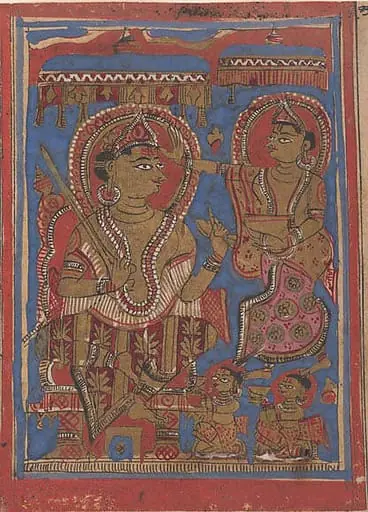
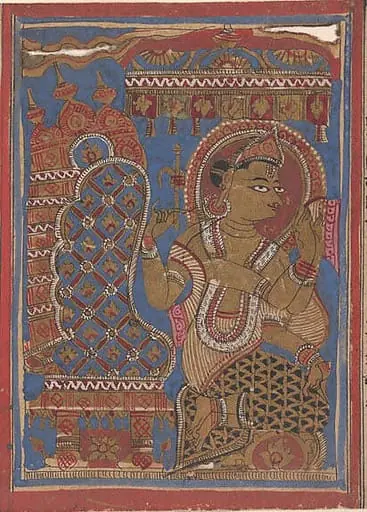
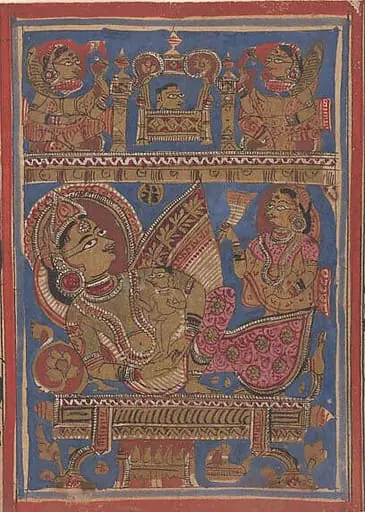
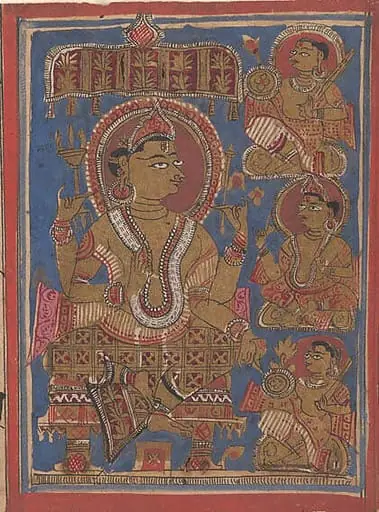
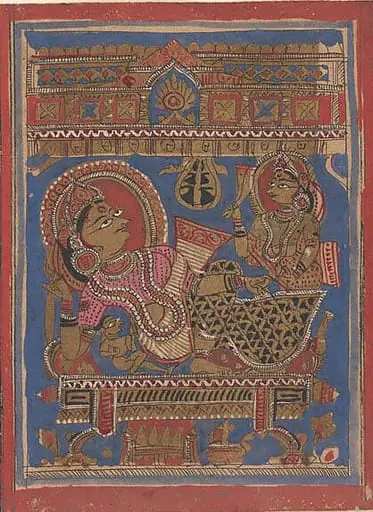
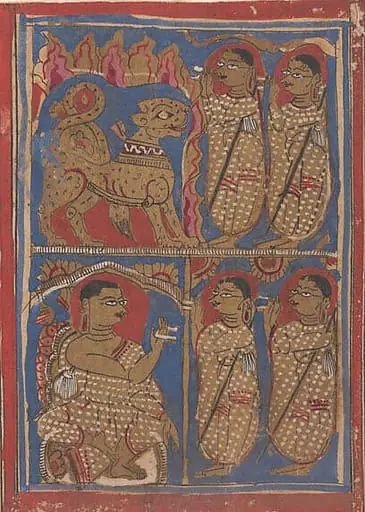
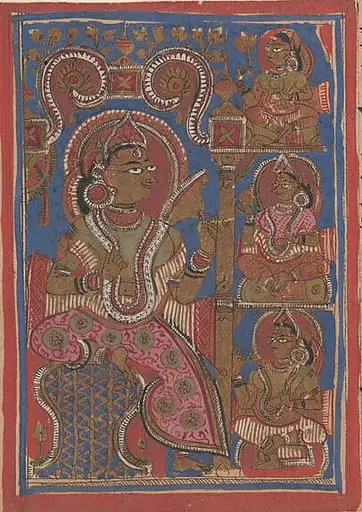
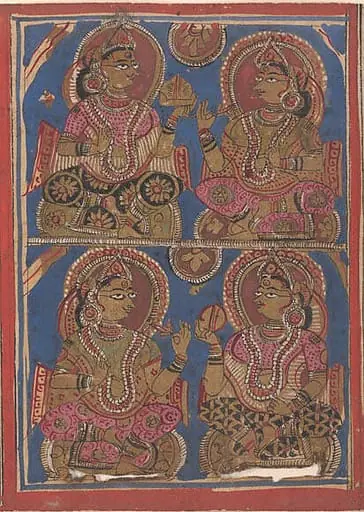
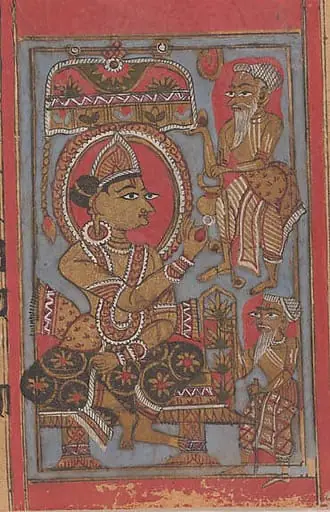
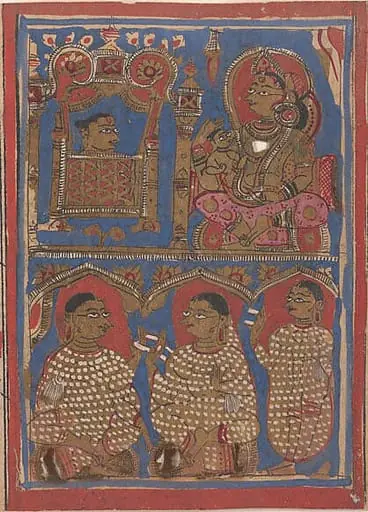
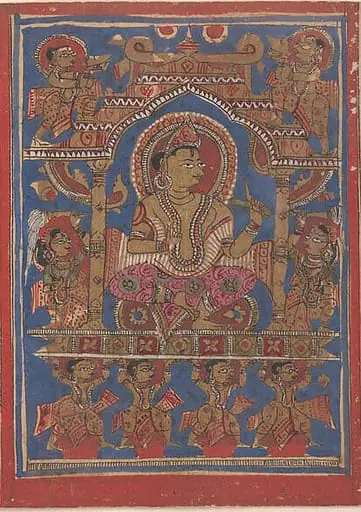
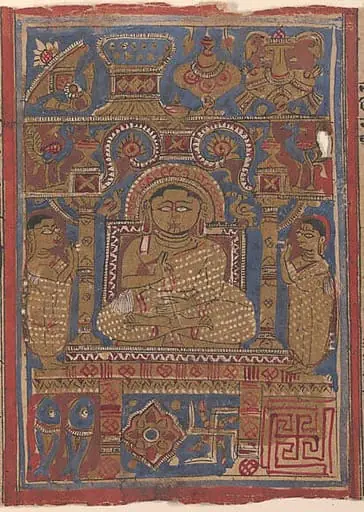
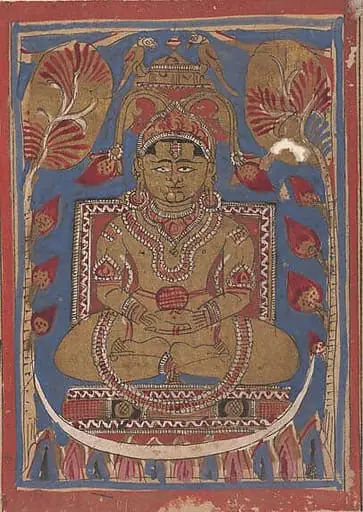
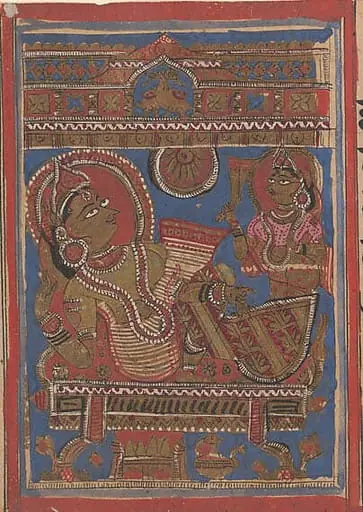
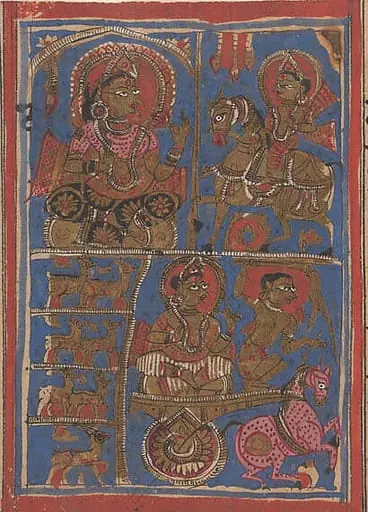
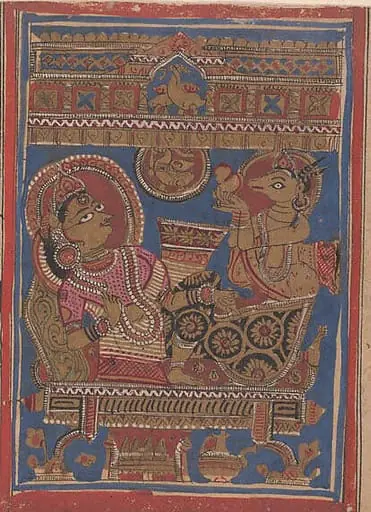
Created in 1449 in India, this religious painting depicts a deity accompanied by an elephant, serving as a visual representation of Jainism.
Created in 1449 in India, this religious painting depicts a deity accompanied by an elephant, serving as a visual representation of Jainism. The work's iconography centers on these specific figures, which are central to the spiritual narrative it conveys. By combining the divine figure with the elephant, the artwork embodies key theological concepts within the Jain tradition.
The piece functions not merely as a decorative object but as a devotional image intended to reflect specific religious beliefs and narratives associated with the faith during the mid-fifteenth century.
Technique & Style
Created in 1449 in India, this anonymous religious painting utilizes ink, opaque watercolor, and gold applied to a paper support. The work measures 11.1 cm in height by 27 cm in width. Stylistically, the piece functions as a depiction of Jainism, featuring iconography of a deity and an elephant.
The combination of gold with opaque pigments on paper reflects specific material choices characteristic of the region and period's manuscript or devotional art traditions.
History & Provenance
The work is dated 1449 and was created in India by an anonymous painter using ink, opaque watercolor, and gold on paper. It portrays a Jain deity with an elephant and falls within the religious art genre. Dimensions are 11.1 cm height and 27 cm width.
The painting is held by the Metropolitan Museum of Art. No records of commission or prior owners are documented in the available sources.
Overview
This untitled painting, rendered in ink, opaque watercolor, and gold on paper, depicts a distinctive white elephant. The animal, characterized by its six tusks and a radiant halo, stands atop a lotus flower. Tiny figures are visible riding on its back, all set against a luminous gold background. The work exemplifies a specific tradition of devotional art.
Context
This painting belongs to a rich tradition of visual art created to serve the spiritual and devotional needs of Jainism. Such works provide insight into the religious practices and iconographic conventions of the faith, offering a visual complement to its philosophical and ethical principles.
Artist & collection