Artwork
Vrouw uit Hoogwoud
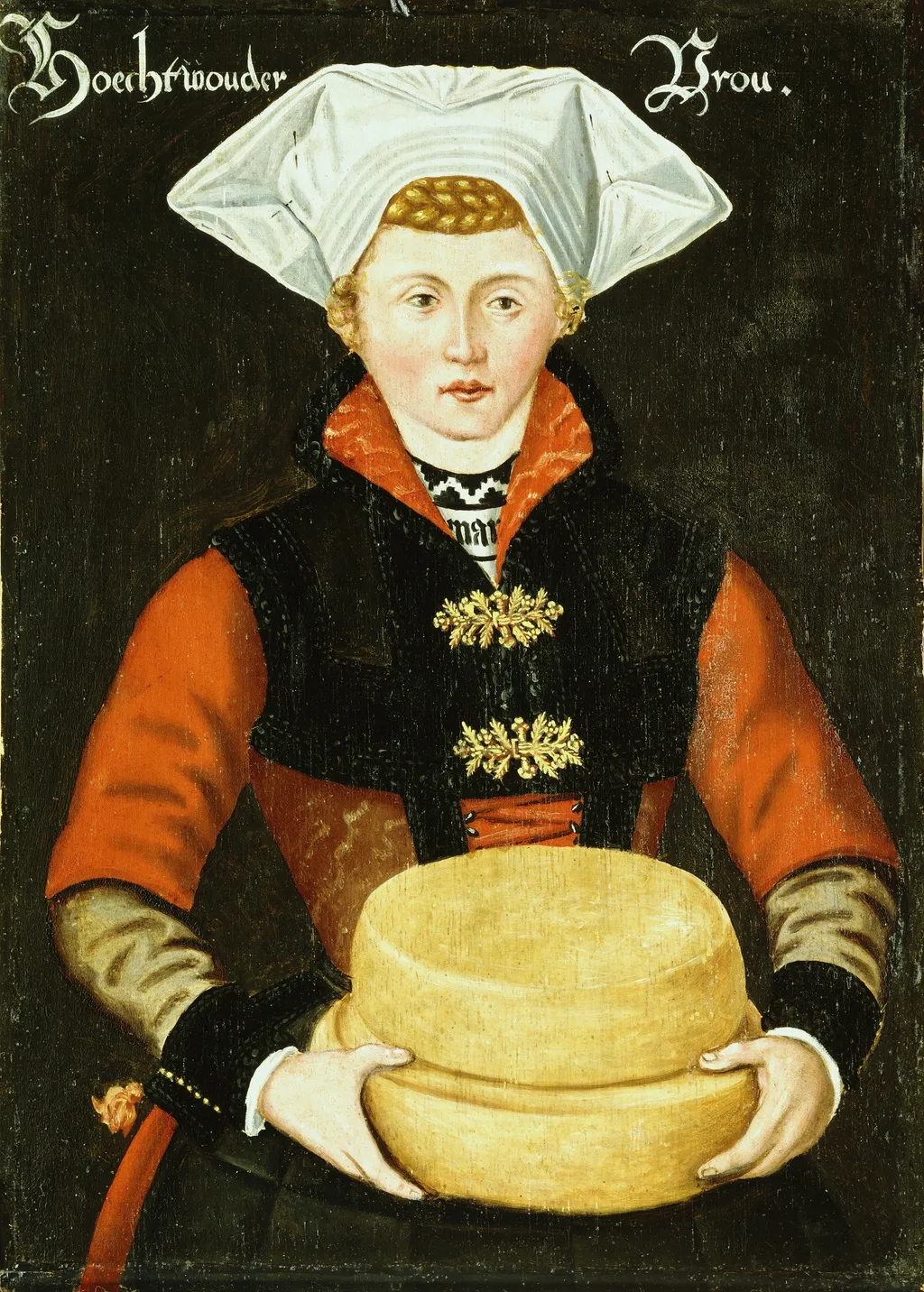
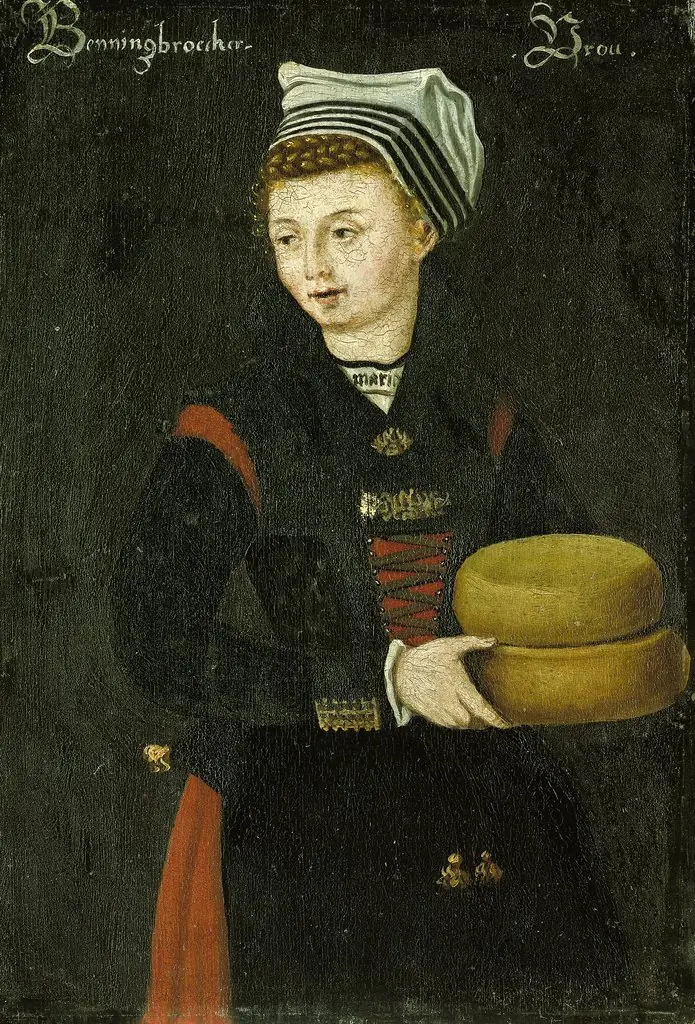
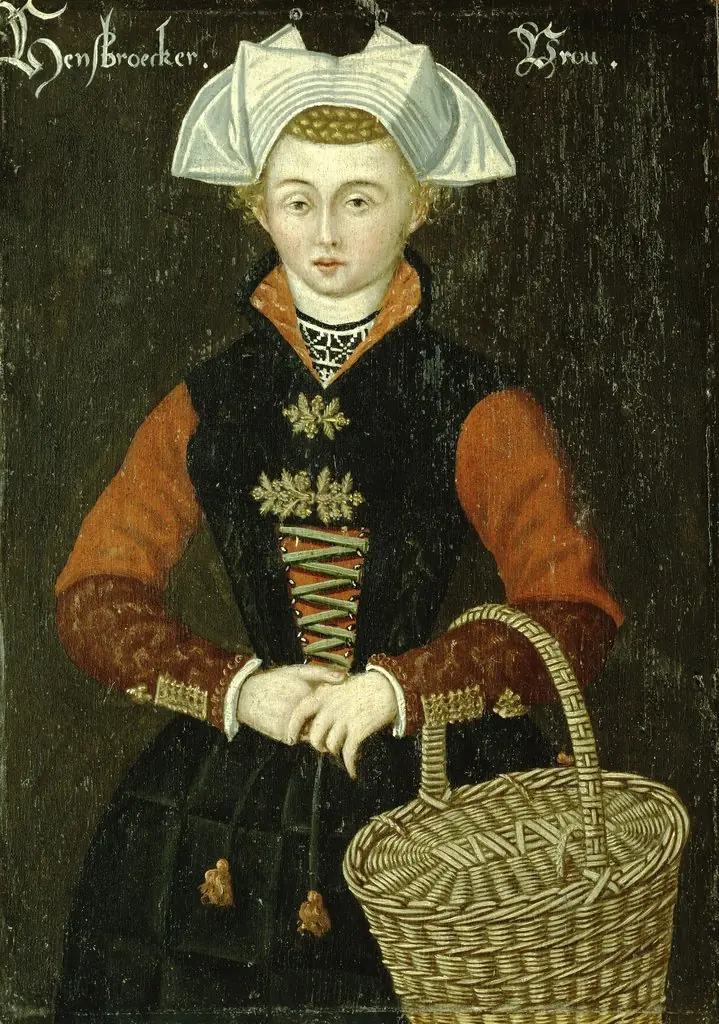
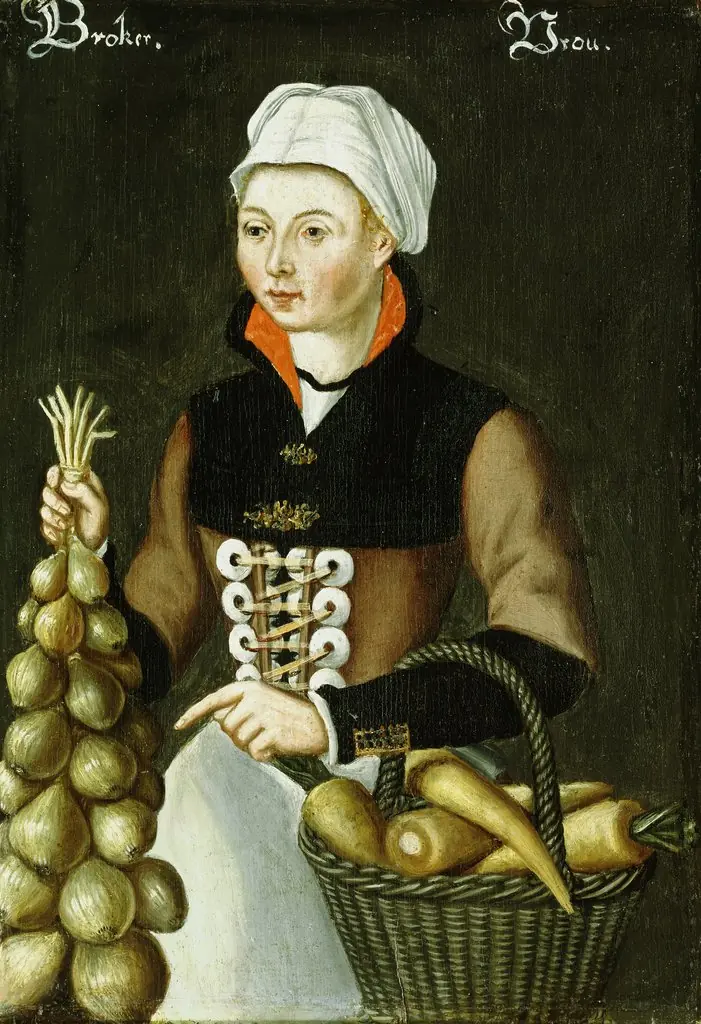
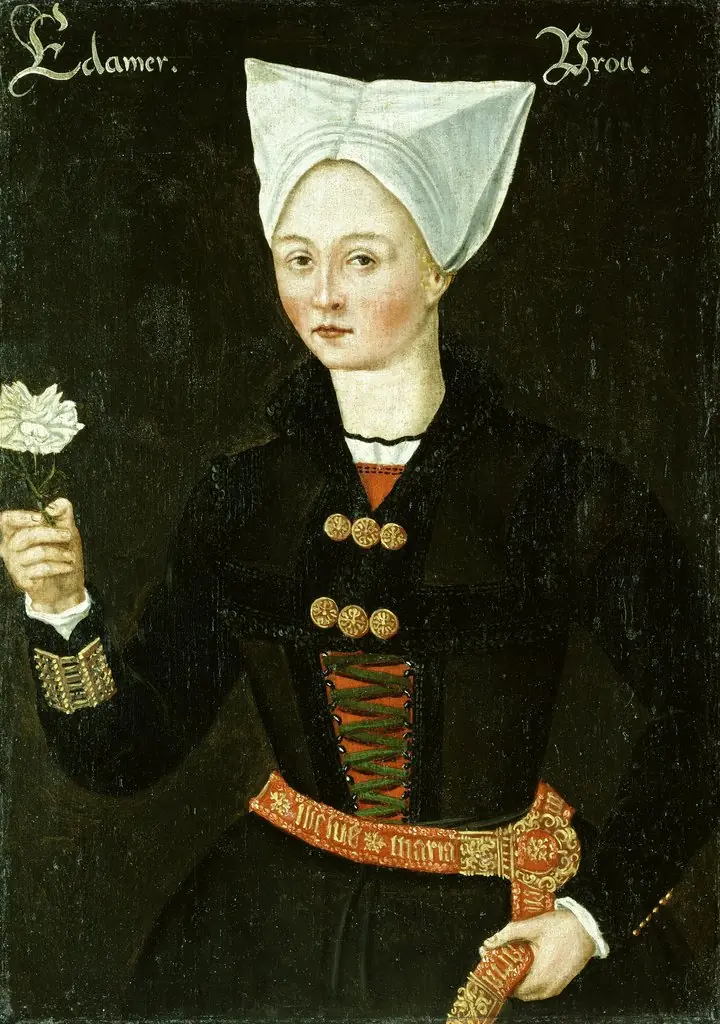
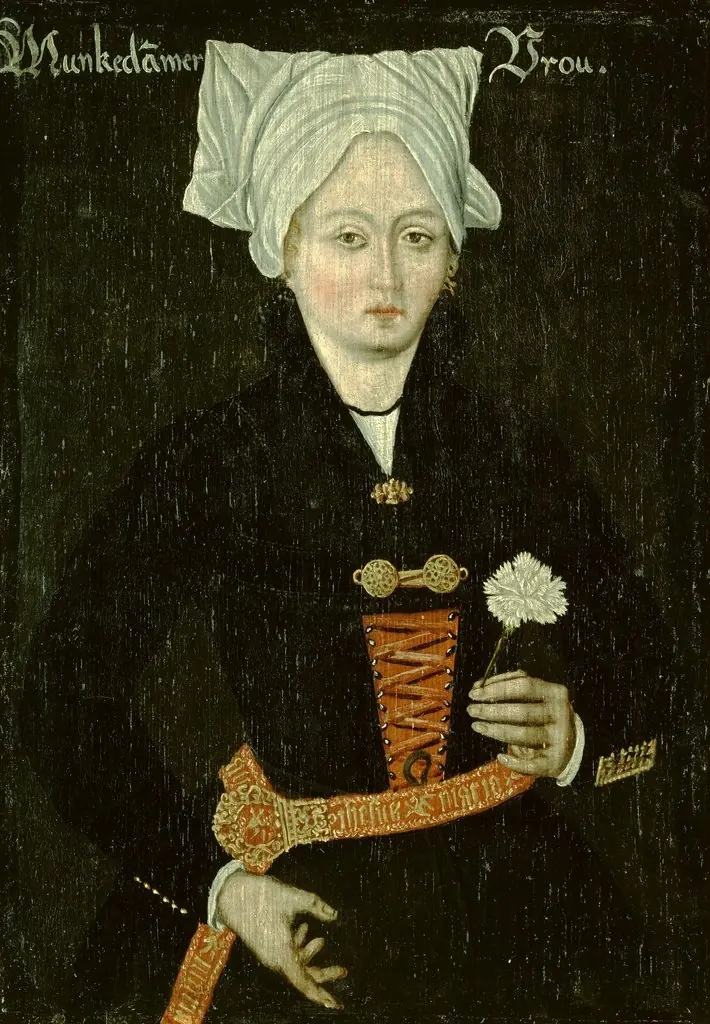
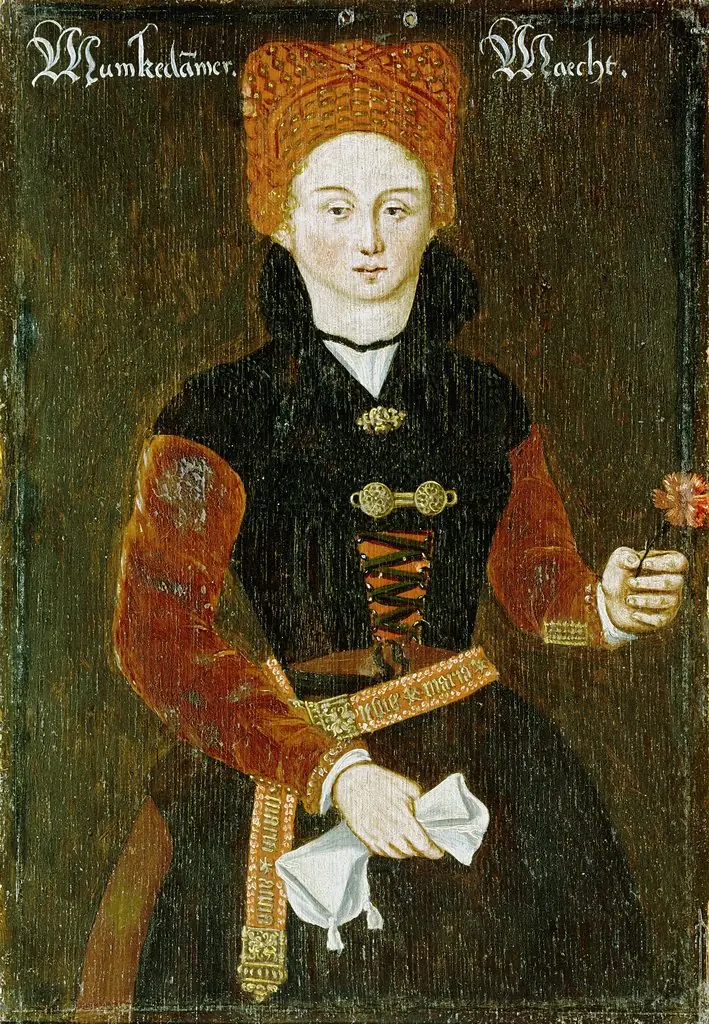
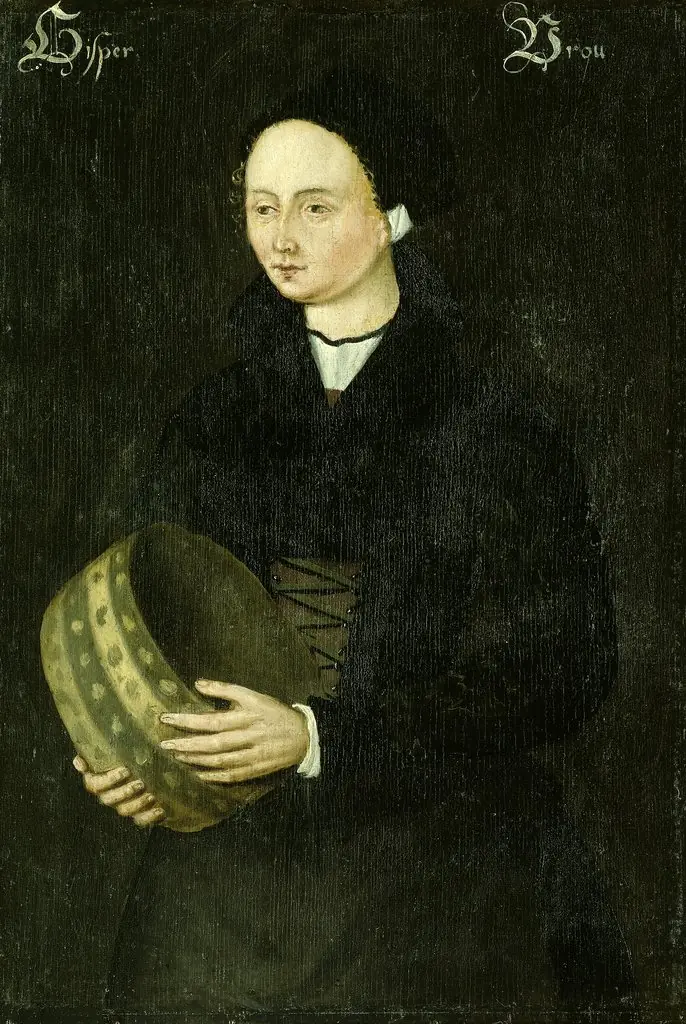
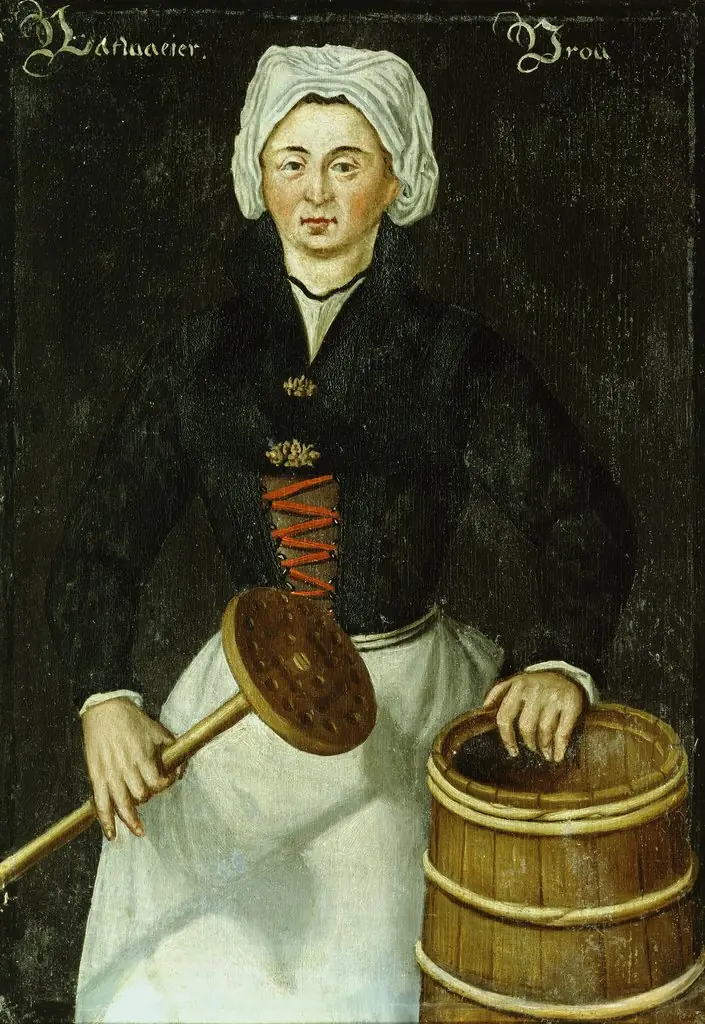
Vrouw uit Hoogwoud is an oil painting. It dates from 1550 and is held in the collection of the Rijksmuseum. The work is an oil painting portraying a woman dressed in vivid red and black garments, clutching a rounded hat.
About this work
Subject & Meaning
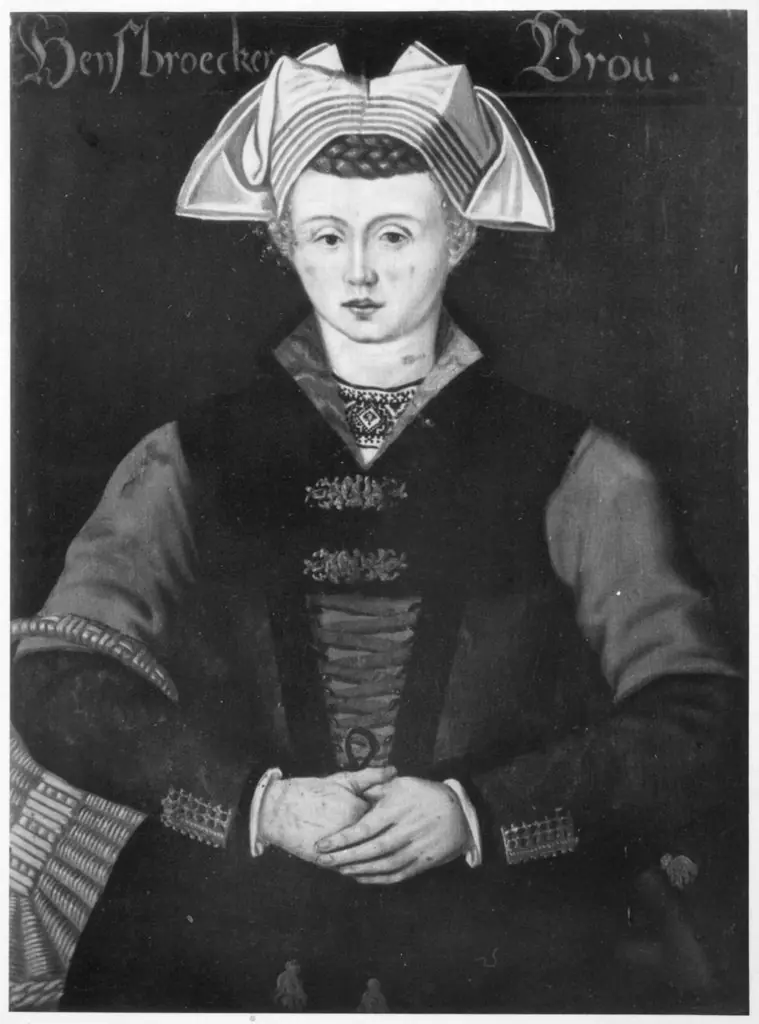
The painting Vrouw uit Hoogwoud (Woman from Hoogwoud) depicts an unidentified woman dressed in the traditional attire of the Netherlands during the mid-16th century. Her clothing, characterized by its regional specificity, suggests a representation of rural or provincial Dutch identity, rather than aristocratic or urban fashion. The portrait focuses on the sitter’s direct gaze and modest, unadorned appearance, reinforcing a sense of individual dignity within a localized cultural context.
Symbolically, the work may reflect the social and economic realities of non-elite women in the Netherlands at the time, emphasizing their roles within community and domestic spheres. The absence of overt allegorical attributes or luxury items directs attention to the subject’s personal and regional identity, rather than idealized beauty or status.
Technique & Style
The medium and support reflect standard techniques for Dutch panel painting of this period, utilizing oil pigments applied to a wooden substrate.
Vrouw uit Hoogwoud is an anonymous portrait executed in oil paint on a panel support, created in 1550. The work depicts a woman wearing traditional Dutch clothing, characterized by the formal style of mid-16th-century portraiture. Physically, the painting measures 42 cm in height and 29 cm in width.
The medium and support reflect standard techniques for Dutch panel painting of this period, utilizing oil pigments applied to a wooden substrate.
History & Provenance
The painting Vrouw uit Hoogwoud was created around 1550, as consistently attributed across sources. Executed in oil on panel, it measures 42 cm in height and 29 cm in width. The work depicts a woman in traditional Netherlandish clothing, reflecting portrait conventions of the mid-sixteenth century.
Ownership history places the painting within the collections of the Rijksmuseum and the Bavarian State Painting Collections, though the precise chain of custody prior to these institutions remains undocumented. There is no evidence of a specific commission or earlier private ownership.
Since the early twentieth century, Vrouw uit Hoogwoud has been held by the Rijksmuseum in Amsterdam, where it is catalogued under inventory number SK-A-3931. The panel remains part of the museum’s permanent collection and is displayed in the galleries dedicated to sixteenth-century Netherlandish portraits.
The work has been included in several key exhibitions, among them the 1993–1994 traveling show Dürer and His Time: German Painting 1490–1540 organized by the Bavarian State Painting Collections, which borrowed the portrait as part of its comparative study of Northern Renaissance portraiture.
Overview
The work is an oil painting portraying a woman dressed in vivid red and black garments, clutching a rounded hat. She wears a white cap and a gold brooch on her chest, set against a dark, unadorned backdrop that isolates the figure. The inscription at the top reads “Doechtwouder Zrou,” which may reference her name or occupation.
Context
The composition reflects a tradition of portraiture that foregrounds individual presence through simplified settings, a practice common in Dutch and Flemish art of the 17th and 18th centuries. The plain background and direct gaze align the work with genre portraits that document ordinary people rather than aristocratic patrons.
Artist & collection