Artwork
Samson Lennard
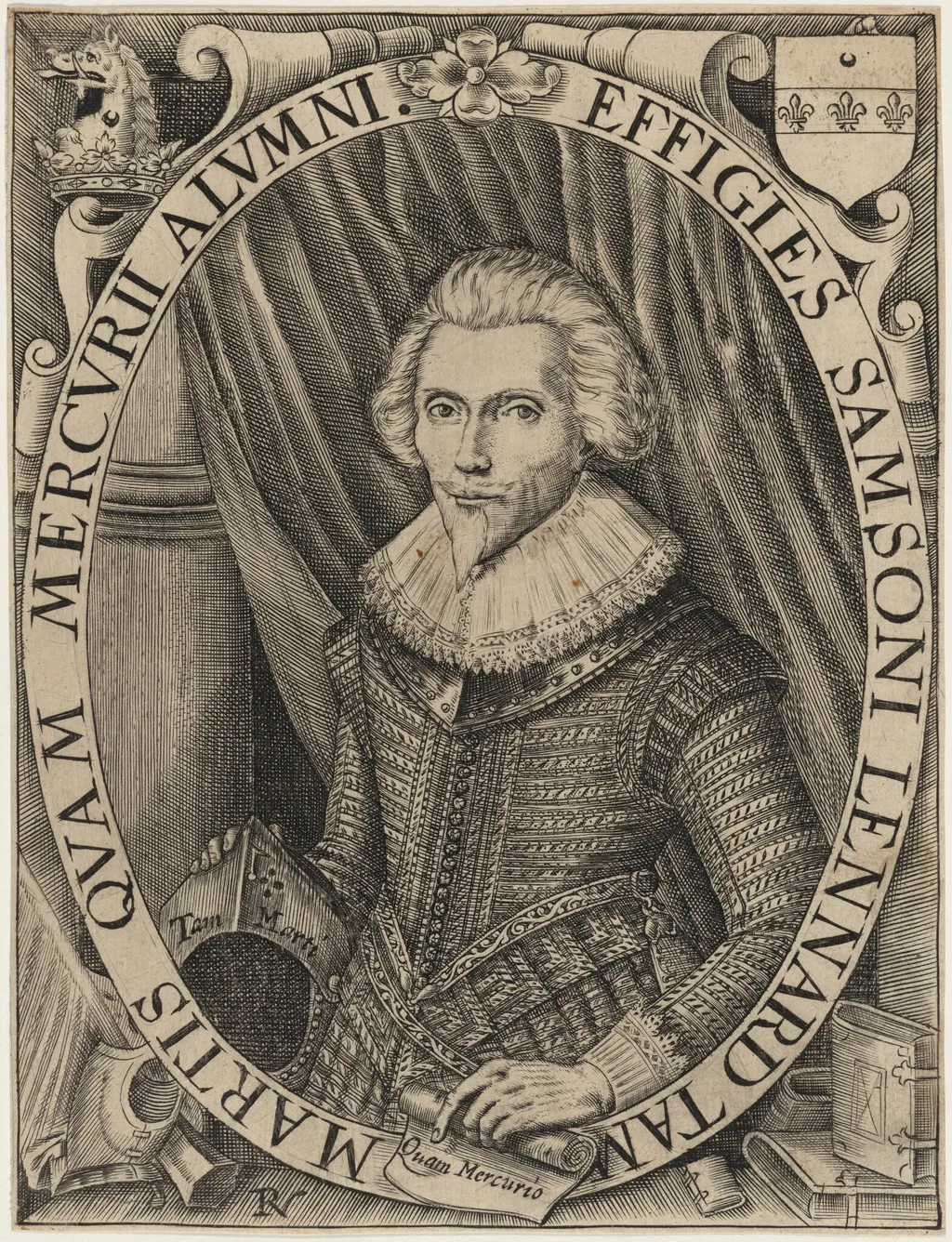
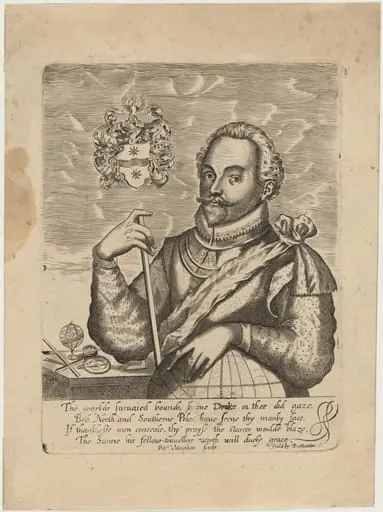
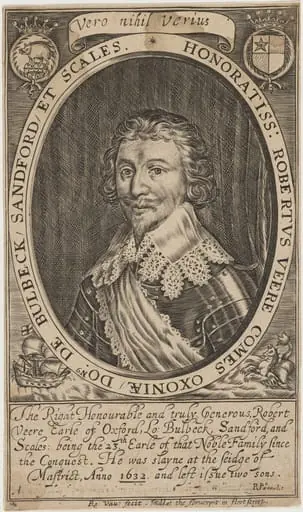
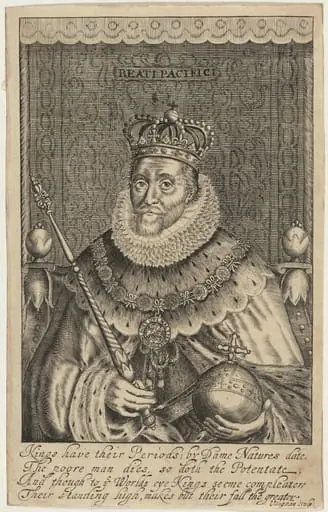
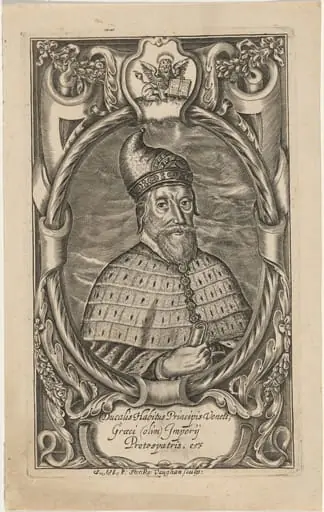
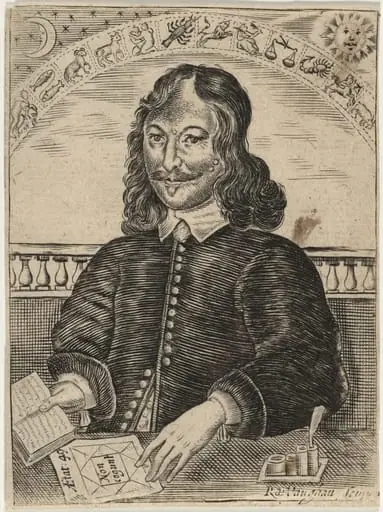
Samson Lennard is an ink print by the Baroque artist Robert Vaughan. It dates from 1658 and is held in the collection of the National Gallery of Art.
About this work
Overview
She is attired in elaborate seventeenth‑century costume, featuring a high lace‑trimmed collar and a dark mantle draped over her shoulders.
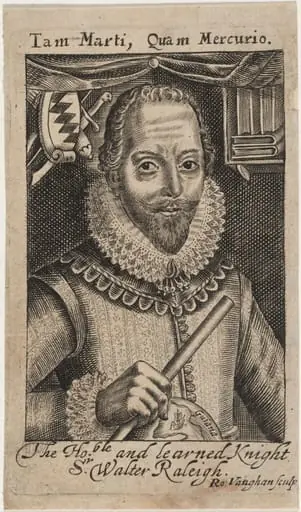
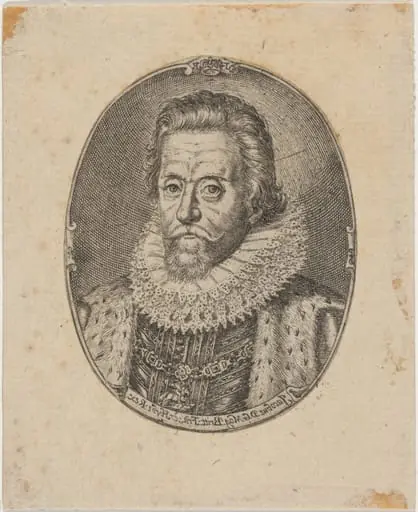
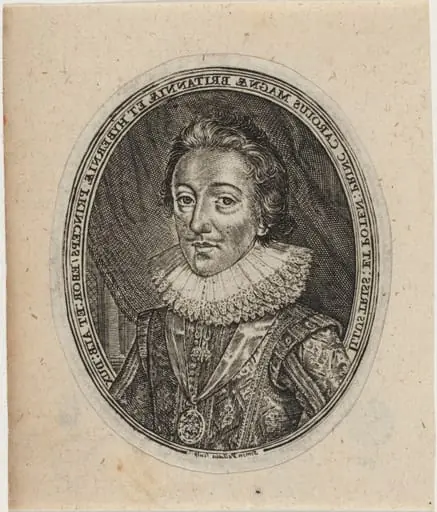
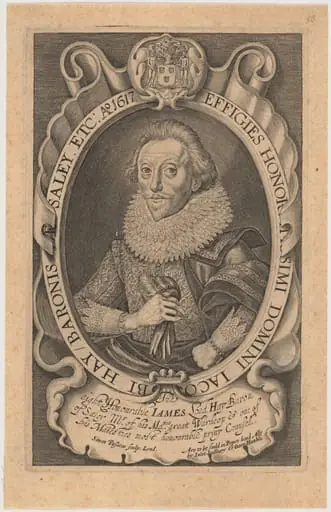
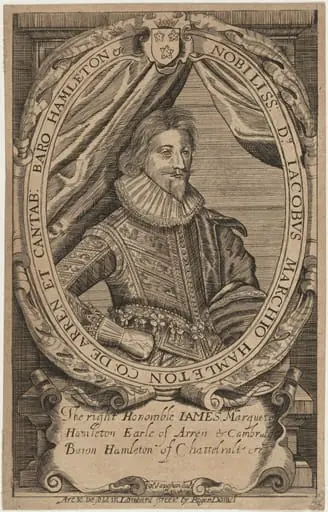
Robert Vaughan’s 1658 engraving presents a solitary female figure rendered in stark black-and-white. She is attired in elaborate seventeenth‑century costume, featuring a high lace‑trimmed collar and a dark mantle draped over her shoulders. Her hair is gathered back, and she gazes with a composed, solemn expression, framed by a decorative band of text that includes the names “Mercurius” and “Samson Lennard.”
Subject & Meaning
The portrait likely commemorates an individual linked to the names inscribed around the sitter’s head, perhaps a patron or dedicatee. The inclusion of the Latinized “Mercurius” suggests an allegorical or scholarly reference, while the calm demeanor of the woman conveys dignity and restraint typical of portraiture intended to convey status or virtue.
Technique & Style
Executed in copper engraving, Vaughan employed fine, intersecting lines to model the texture of lace, the sheen of the cloak, and the subtle gradations of shadow across the face. The meticulous hatching creates depth without tonal washes, a hallmark of mid‑seventeenth‑century English printmaking, and the ornamental lettering integrates seamlessly with the visual composition.
History & Provenance
Created in 1658, the print bears the signature of Robert Vaughan, an English engraver active during the Commonwealth period. While specific ownership records are scarce, the work’s association with the name Samson Lennard, potentially a member of the gentry, suggests it may have been commissioned for private circulation among elite circles.
Context
The engraving emerges from a period when portrait prints served both documentary and decorative functions, often circulated among patrons as tokens of affiliation. Vaughan’s work aligns with contemporary English portraiture that emphasized realistic detail and restrained elegance, reflecting broader artistic trends influenced by continental Baroque aesthetics.
Own this work as a print
Artist & collection