Artwork
Portrait of Pastor A.F. Byushing
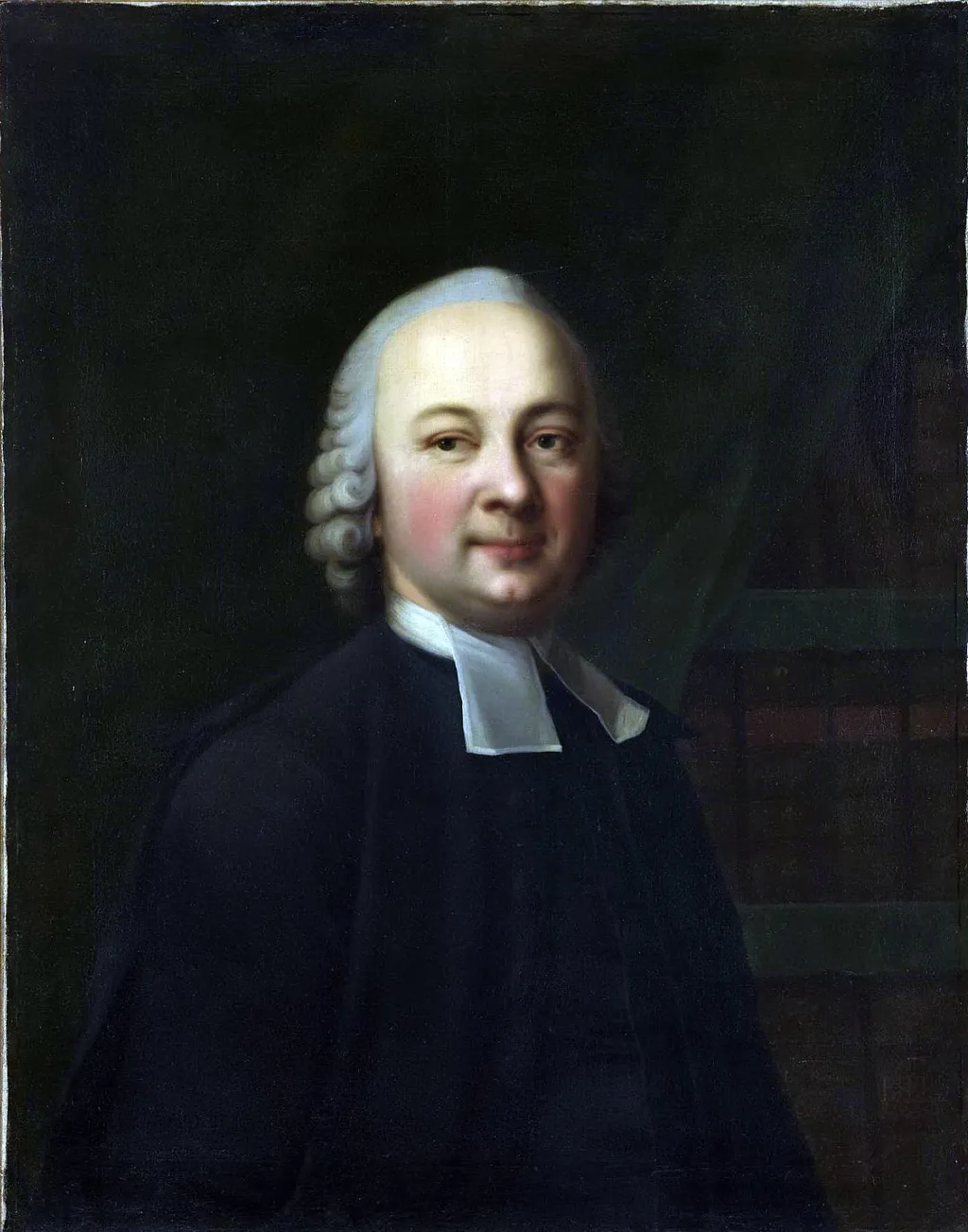
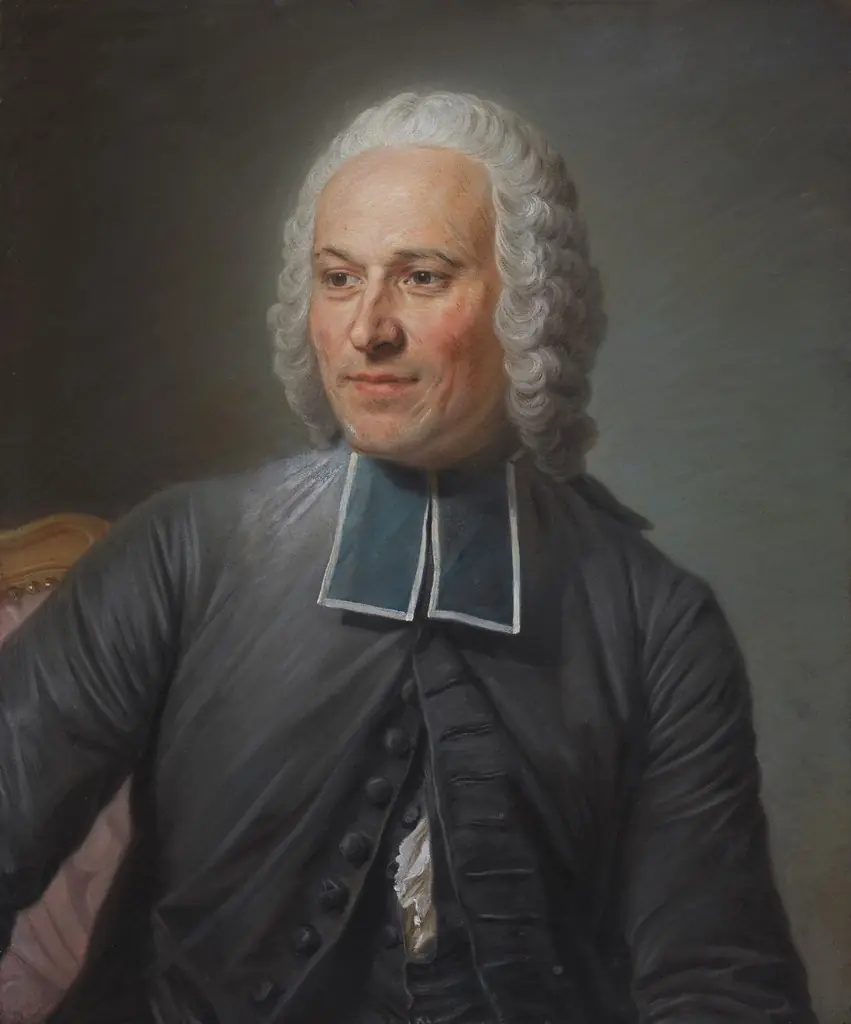
Portrait of Pastor A.F. Byushing is an oil painting by the Rococo painting artist Vigilius Eriksen. It dates from 1750 and is held in the collection of the Hermitage Museum.
About this work
Overview
Byushing is an oil-on-canvas painting by the Danish artist Vigilius Eriksen, dated to 1750.
The Portrait of Pastor A.F. Byushing is an oil-on-canvas painting by the Danish artist Vigilius Eriksen, dated to 1750. Measuring 82.3 by 64.5 centimetres, this half-length portrait depicts the German geographer and theologian Anton Friedrich Büsching, who is identified in the title by a variant spelling of his surname. The work is held in the collection of the State Hermitage Museum in St. Petersburg, where it is listed under the attribution to Eriksen. As a product of mid-eighteenth-century Russian court portraiture by a painter who served as portraitist to Empress Catherine the Great, the painting exemplifies the formal conventions of European state portraiture transplanted to the Russian imperial context.
Subject & Meaning
The sitter, Anton Friedrich Büsching, was a prominent German scholar whose intellectual profile as a geographer and Protestant theologian is conveyed through restrained visual means. The portrait presents him as a cleric and man of learning rather than through explicit scholarly attributes. He wears a powdered white wig with rolled curls above the ears, signalling his status within the educated elite of the period. His dark clerical garment is set off by a prominent white rectangular collar, the standard attire of Protestant pastors. The direct gaze and frontal orientation assert a degree of intellectual authority and moral seriousness appropriate to his station. The absence of hands or additional attributes in the frame focuses attention entirely on the physiognomy and costume, making this a portrait of professional identity rather than of action or accomplishment.
Technique & Style
The painting is executed in oil on canvas with a smooth, blended brushwork that produces a polished finish characteristic of formal European portraiture in the mid-eighteenth century. Light falls from the left, illuminating the face, wig, and collar while allowing the right side of the figure to recede into shadow, a device that models the form and creates spatial depth. The palette is restrained, dominated by blacks, deep browns, and whites with subtle flesh tones. The background is nearly black on the left, transitioning to a dimly suggested interior on the right with shelving or architectural elements in shadow. This treatment of the background, together with the smooth handling of the face, aligns the work with the conventions of court portraiture that Eriksen practised in Russia, where he was known for his ability to render textures of fabric and wig with precision while maintaining an overall effect of dignified restraint.
History & Provenance
The portrait was painted in 1750 in Russia, during the period when Eriksen was active at the Russian court. It entered the collection of the State Hermitage Museum in St. Petersburg, where it remains today. The work has been reproduced in stock photography archives, including Alamy and SuperStock, which note its dimensions as 82.3 by 64.5 centimetres and its location at the Hermitage. One stock image caption gives the date as 1722, though this appears to be an error given the consensus of other sources for 1750; another lists the date more vaguely as the middle of the eighteenth century. The Hermitage attribution to Vigilius Eriksen is recorded in these sources, though one stock photograph qualifies the attribution with a question mark, suggesting some lingering uncertainty in the scholarly literature.
Context
Vigilius Eriksen (1722-1782) was a Danish painter who spent the majority of his career in Russia, serving as court painter to Empress Catherine the Great and producing portraits of the Russian nobility and foreign dignitaries. His work represents the transplantation of Western European, particularly Danish and French, portrait conventions to the Russian imperial context. The portrait of Büsching belongs to this milieu of mid-century cultural exchange, in which foreign scholars and clergy at the Russian court or in its orbit were commemorated in the formal visual language of state portraiture. The painting's presence in the Hermitage, one of the world's major repositories of European art, ensures its visibility within the broader corpus of Eriksen's work, which is represented in museum collections and image archives through at least twenty-six documented paintings in the Wikimedia Commons category devoted to the artist.
Legacy
The Portrait of Pastor A.F. Byushing occupies a modest but representative place within Eriksen's oeuvre and within the history of eighteenth-century European portraiture in Russia. Its continued presence in the Hermitage collection and its circulation through commercial image archives testify testament to its documentary value for scholars of the period. The work serves as a visual record of Büsching's appearance and of the conventions through which scholarly and clerical status were communicated in mid-eighteenth-century portraiture. While not among the most widely studied of Eriksen's portraits, its attribution and preservation in a major museum collection ensure its availability for ongoing research into the artist's practice, the cultural politics of the Russian Enlightenment, and the representation of foreign intellectuals at the Russian court.
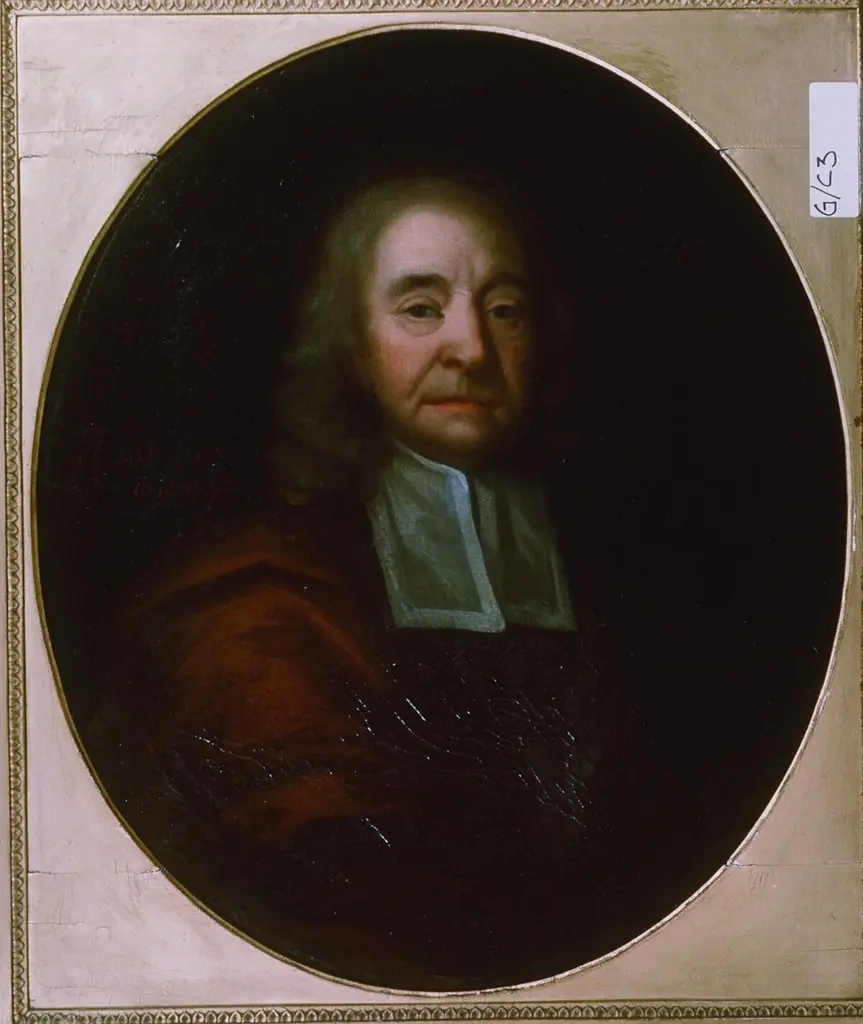
Own this work as a print
Artist & collection
Artist
Vigilius Eriksen (2 September 1722 in Copenhagen – 25 May 1782 in Rungstedgård) was a Danish painter. He was the royal portraitist to Christian VI of Denmark.

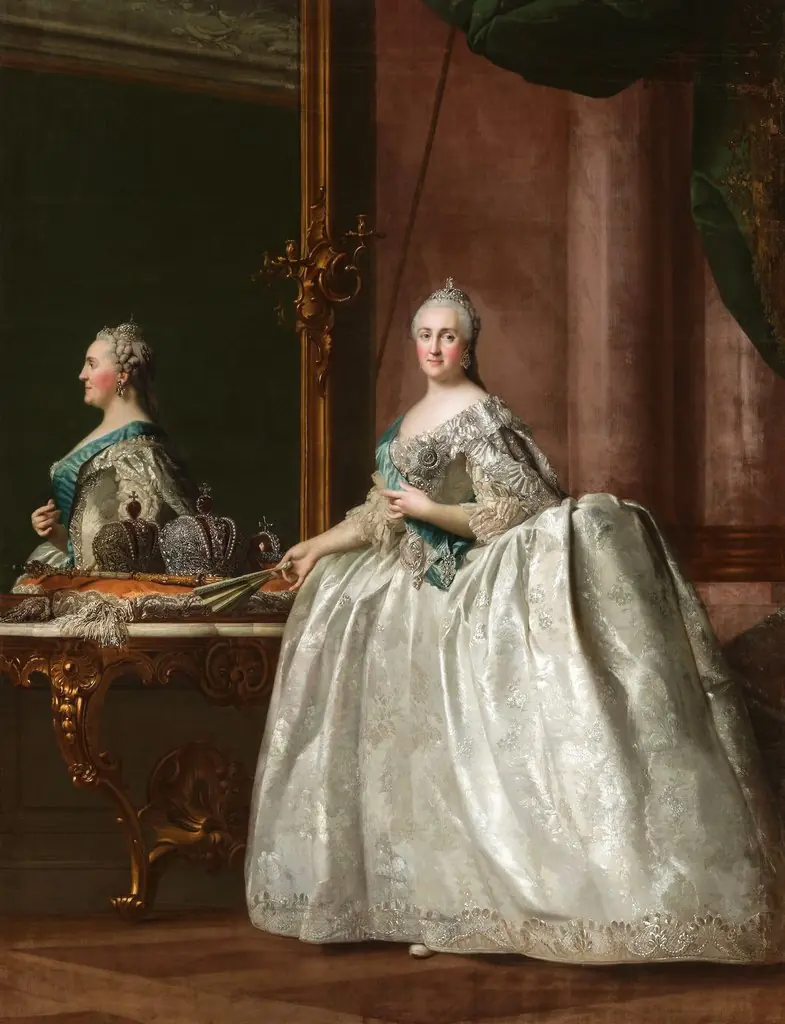 Portrait of Catherine II in front of a Mirror
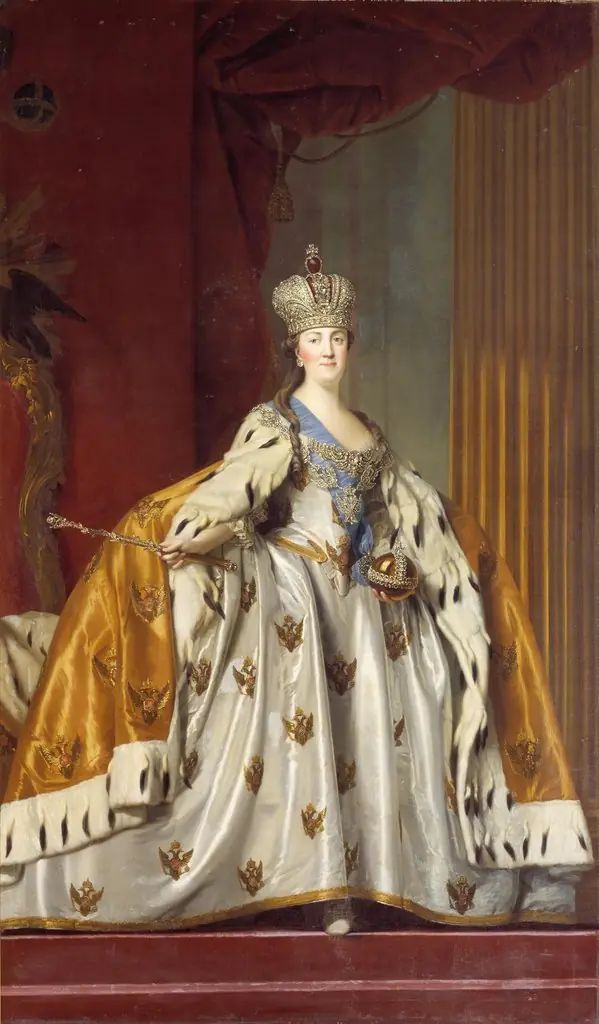 Catherine II, Empress of Russia (1729-1796)
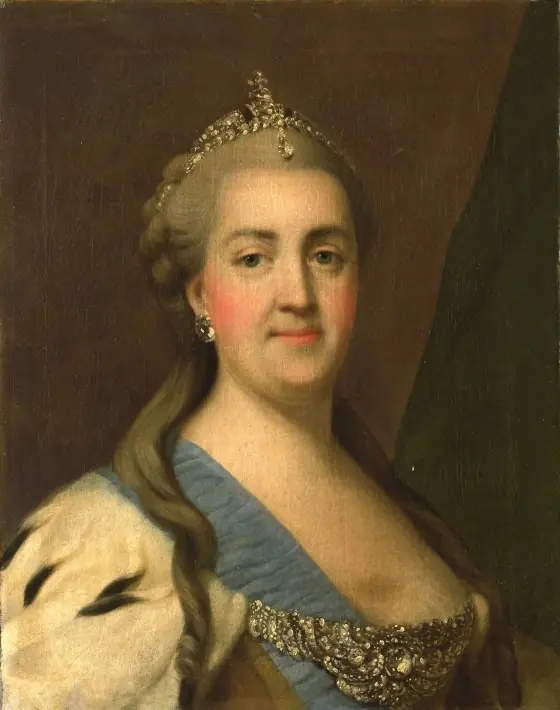 Portrait of Catherine II (1729-96), empress of Russia
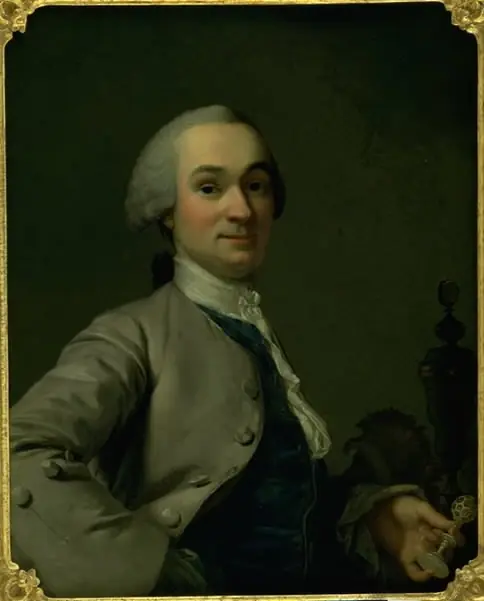 Portrait of Lorenz Spengler, Ivory Turner and Curator of the Royal Danish Kunstkammer
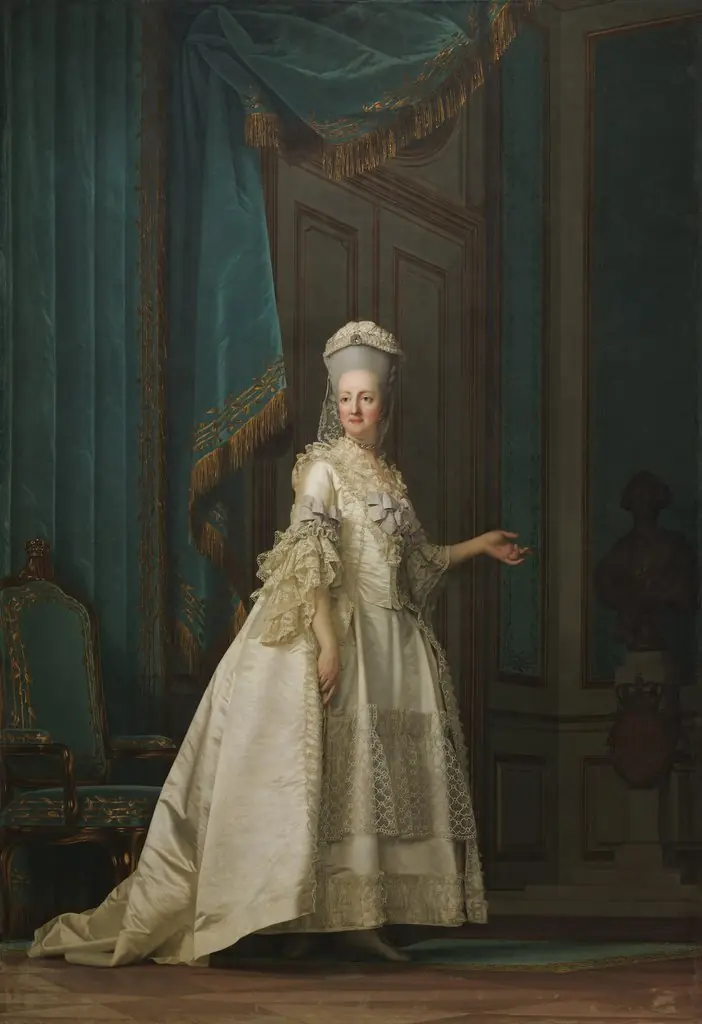 The Queen Dowager Juliane Marie
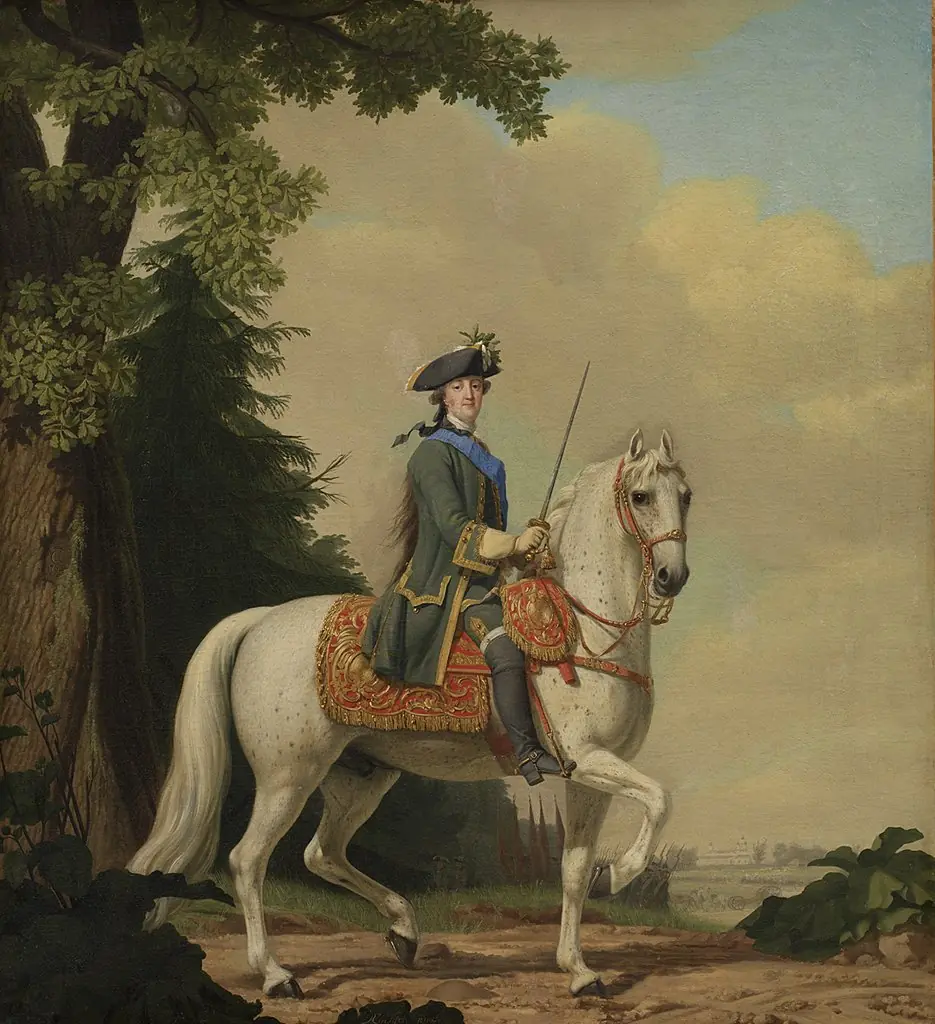 Catharina II of Russia and her stallion Brillante
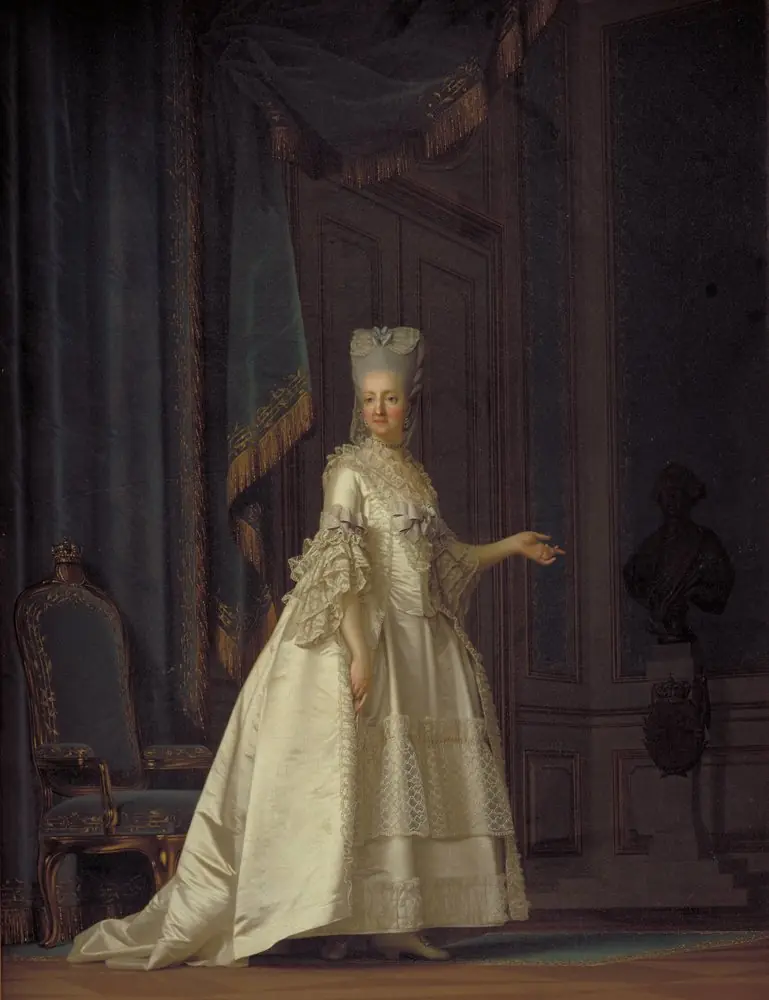 The Dowager Queen Juliane Marie of Denmark
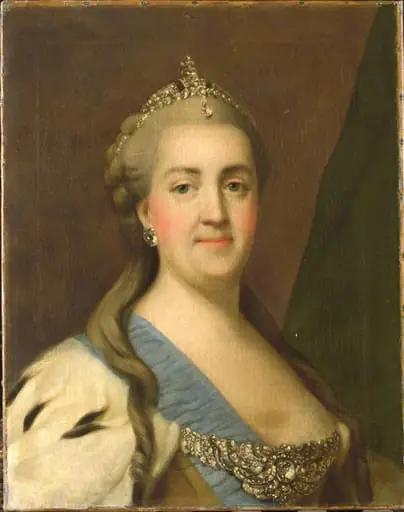 Catherine II (1729-96), Empress of Russia
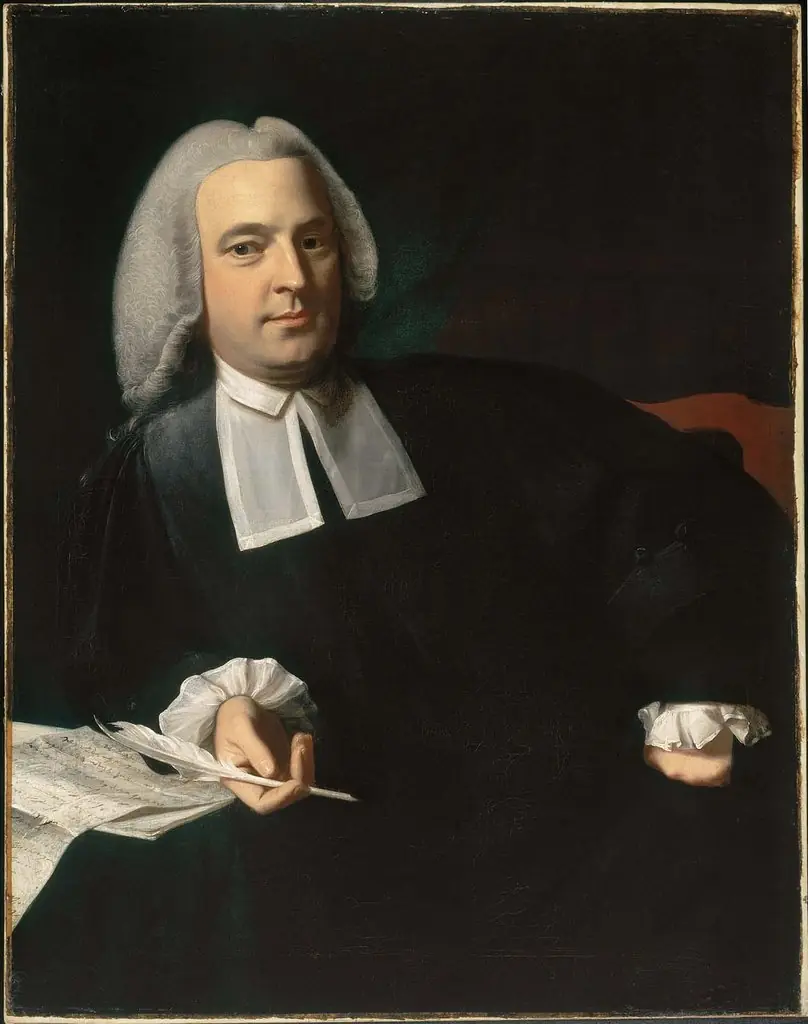 Samuel Quincy
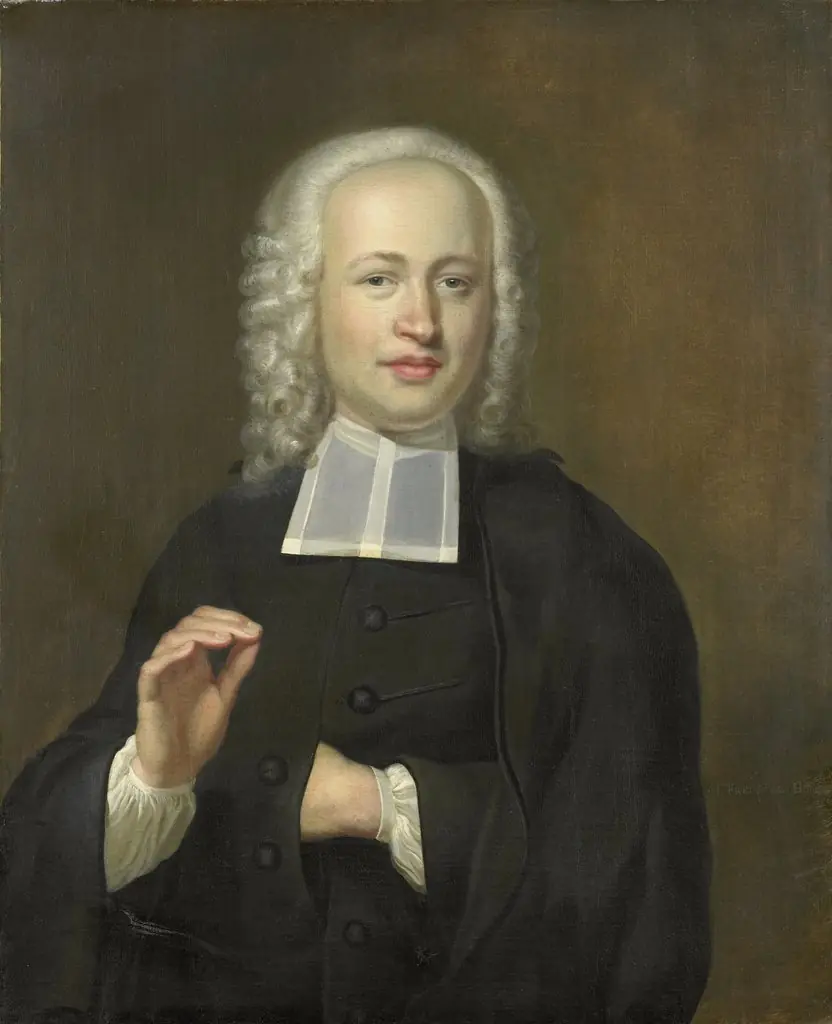 Portrait of Justus Tjeenk, one of the Founders of the Scientific Society of Zealand and Clergyman at Flushing
 Untitled
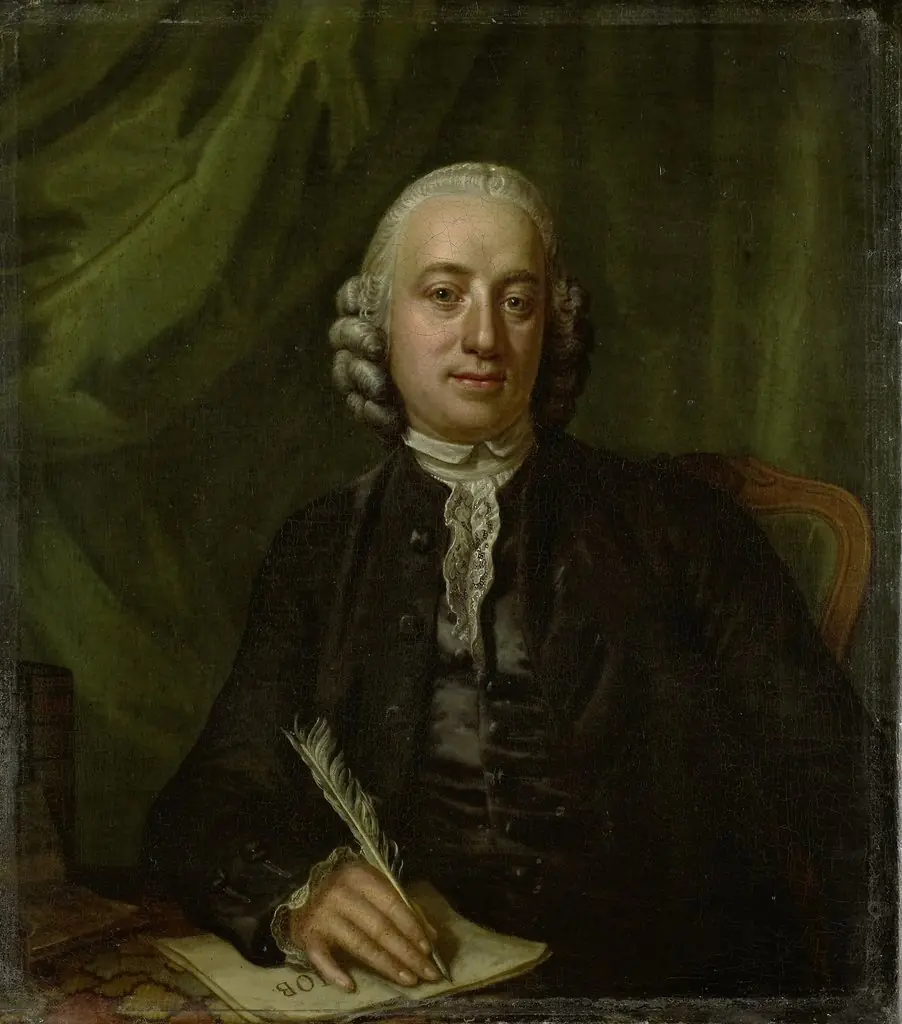 Portrait of Pieter Meijer, publisher and bookseller of Amsterdam
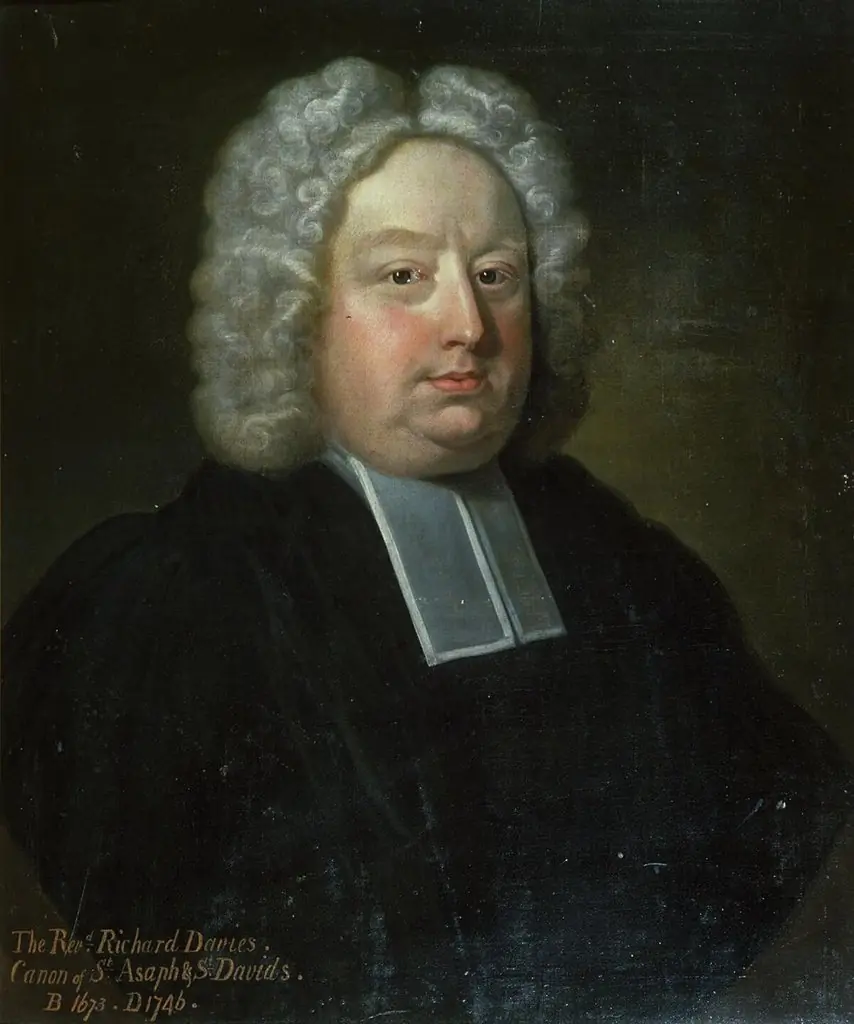 Revd. Richard Davies, Canon St. Asaph
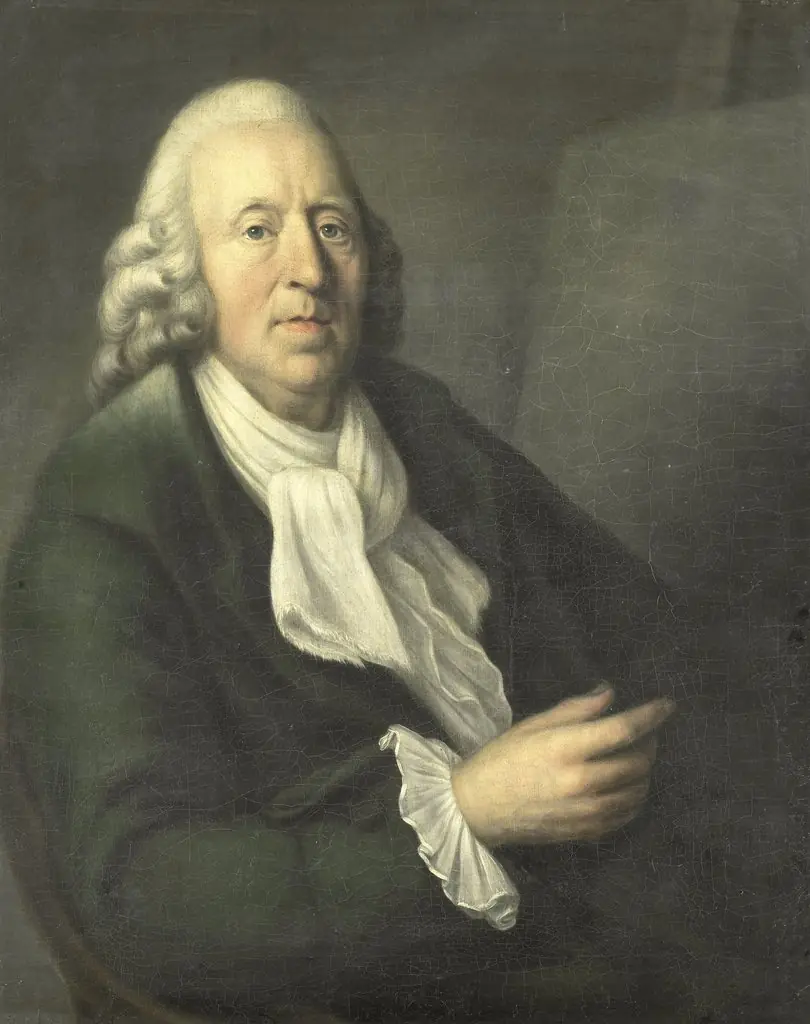 Self Portrait at approximately 60 years of age
 Portret van een man
 Portrait of the Physician Herman Boerhaave, Professor at the University of Leiden
 Untitled
 Antoni Warin
 Abbé Nollet
- Portrait of a cleric