Artwork
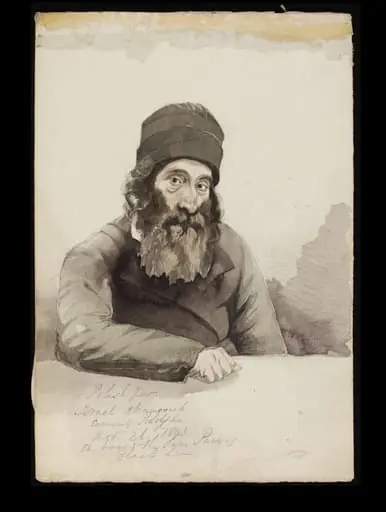
A Hazarah peasant of the Ghuznee Country
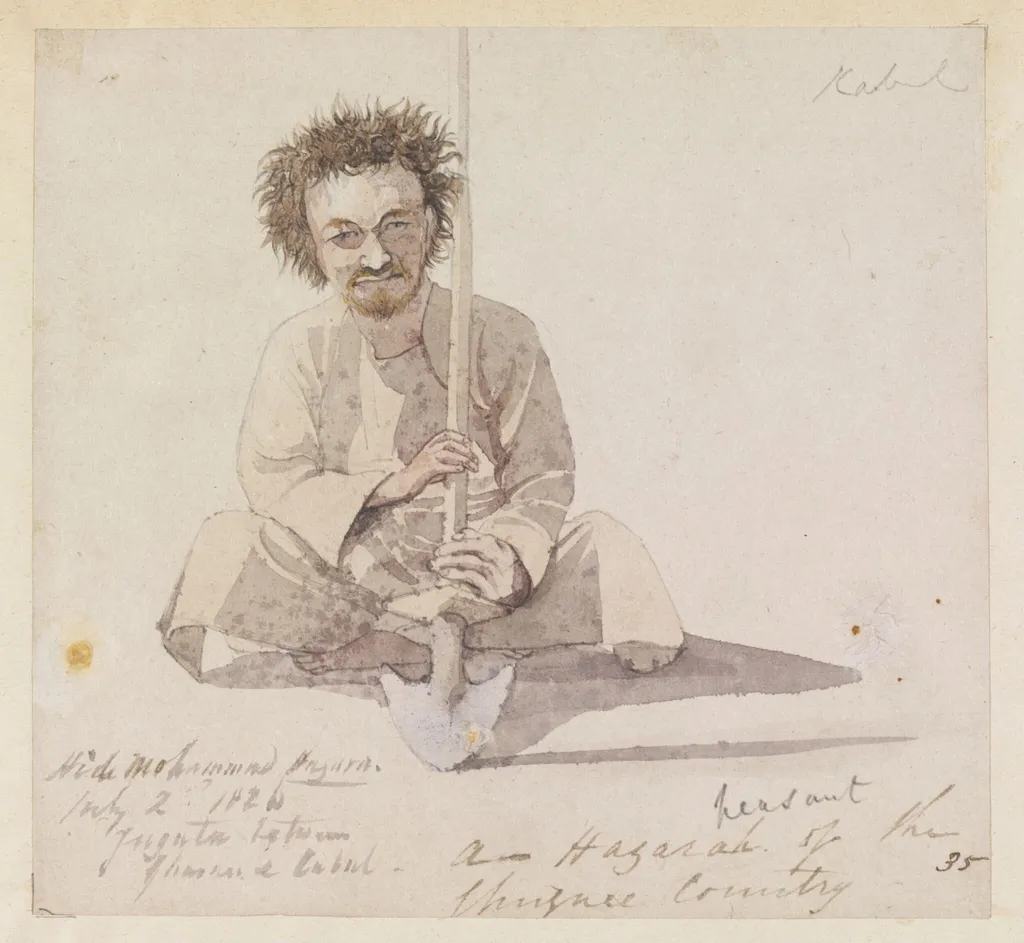
A Hazarah peasant of the Ghuznee Country is a watercolor work on paper by the Romanticist artist Godfrey Thomas Vigne. It dates from 1836 and is held in the collection of the Victoria and Albert Museum. This watercolour sketch portrays a Hazarah man from the Ghuznee region, rendered in delicate ink and wash.
About this work
Overview
Executed with observational precision, it captures a solitary figure seated on the ground, holding a staff.
This watercolour sketch portrays a Hazarah man from the Ghuznee region, rendered in delicate ink and wash. Executed with observational precision, it captures a solitary figure seated on the ground, holding a staff. The plain paper background bears faint script and marginal annotations, including the name 'Kabul' and a date, situating the work within a specific time and place during the artist’s travels.
Subject & Meaning
The figure is identified as a Hazarah peasant, a Shiite Muslim community historically rooted in Afghanistan’s central highlands. The depiction avoids idealization, emphasizing rugged features and simple attire, reflecting the artist’s intent to document daily life among a group often marginalized in 19th-century accounts. The stick may suggest utility or status, though its exact role remains unconfirmed.
Technique & Style
Executed in watercolour and ink, the drawing employs loose, rapid strokes to define form and texture. The figure’s shaggy hair and loose robe are suggested rather than meticulously rendered, conveying immediacy. The background is left largely untouched, with only faint notations around the edges, indicating this was a field study rather than a polished composition.
History & Provenance
The work was created during the artist’s journey through Afghanistan in the 1830s–40s and remained in the family collection until 1971, when it was acquired from Henry D’Olier Vigne, the artist’s great-nephew. It formed part of a broader assemblage of sketches documenting regional peoples and landscapes, preserved through generations before entering institutional care.
Context
The sketch aligns with British colonial-era ethnographic efforts to record South Asian and Central Asian populations. The Hazarah, often subject to political marginalization, were rarely depicted with such directness. The artist’s marginal notes, including references to Kabul, situate the work within a larger project of geographic and cultural documentation during a period of shifting regional power.
Legacy
The drawing contributes to a small but significant body of 19th-century visual records of Hazarah life. While not widely exhibited, it remains a valuable primary source for scholars studying Afghan ethnography and colonial-era art. Related works by the same artist are held in the Victoria and Albert Museum’s collection, offering further insight into his observational approach.
Own this work as a print
Artist & collection


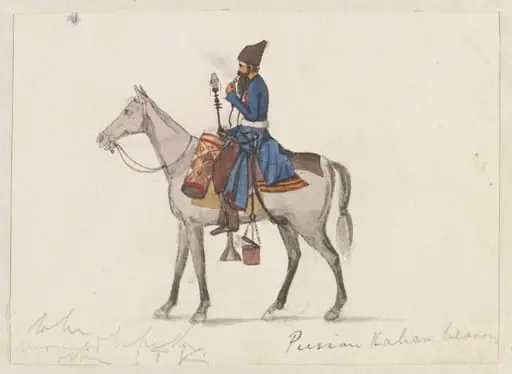
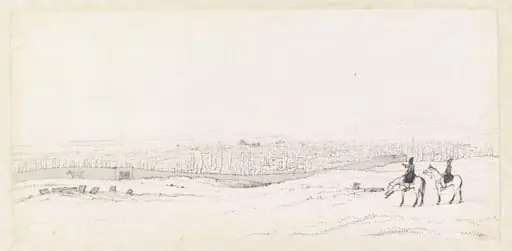
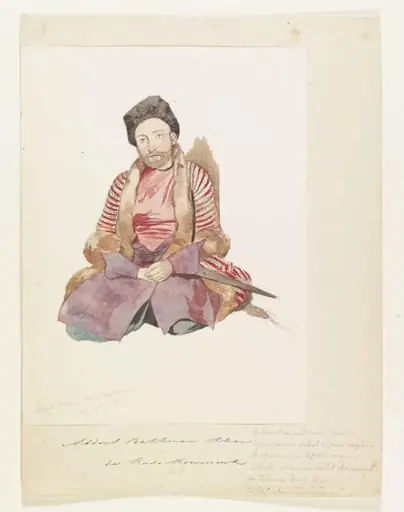
- Abdoul-Rakhman - Khan de Kazi-Koumyk
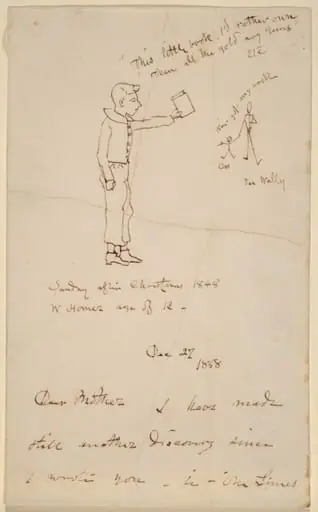 Sunday after Christmas 1848
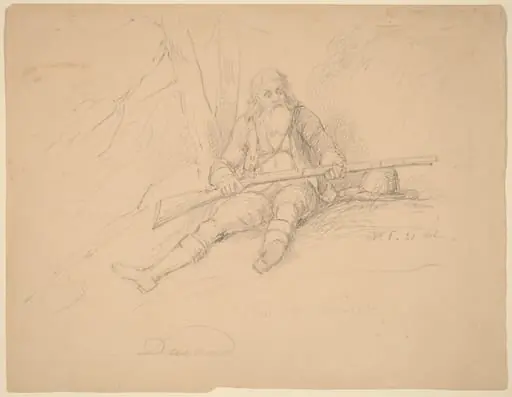 Rip Van Winkle
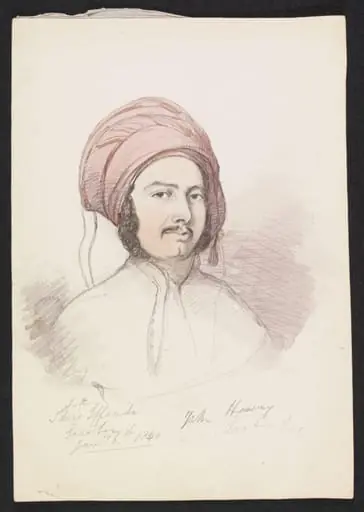
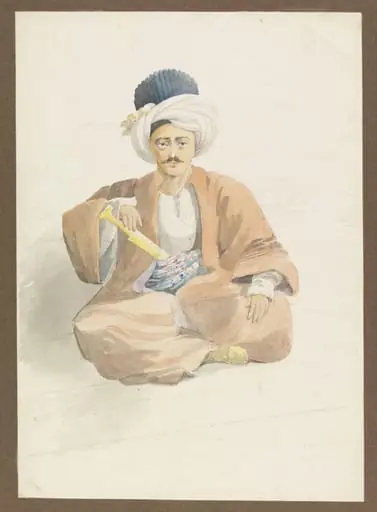 Jafer Beck Affendi
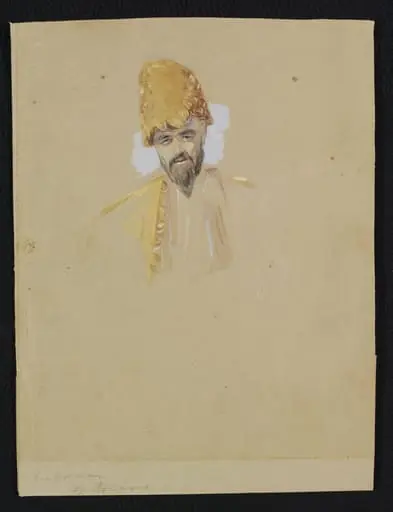 Turkoman of Bokhara
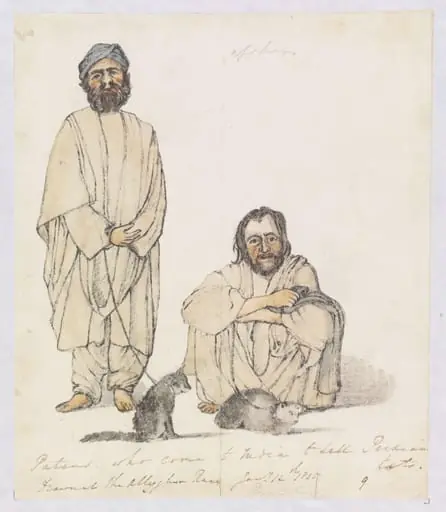 Patans, who come to India to sell Persian Cats, 1835-1838
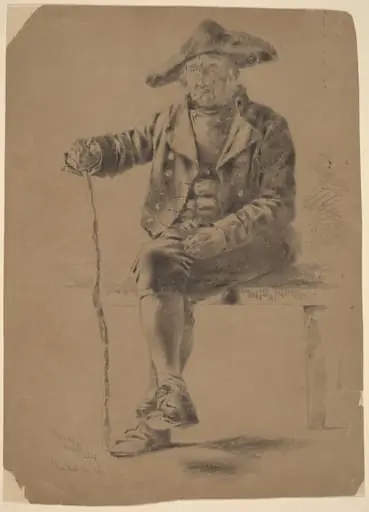 The Old Soldier - Berncastel
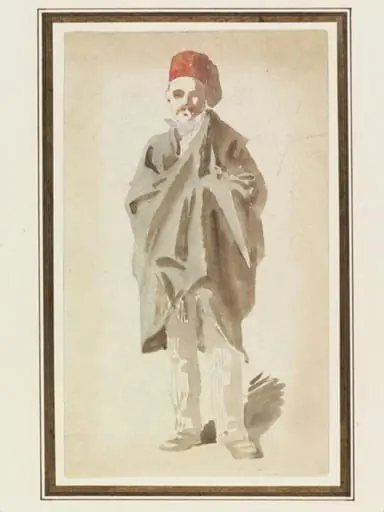 A man wearing a fez and wrapped in a long cloak
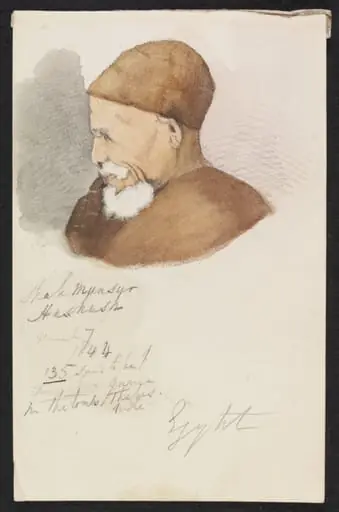 Shah Mansur Hashash
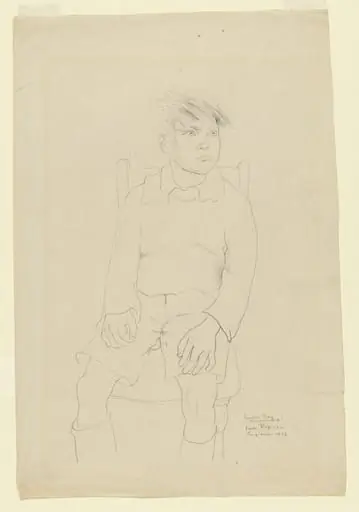 Untitled
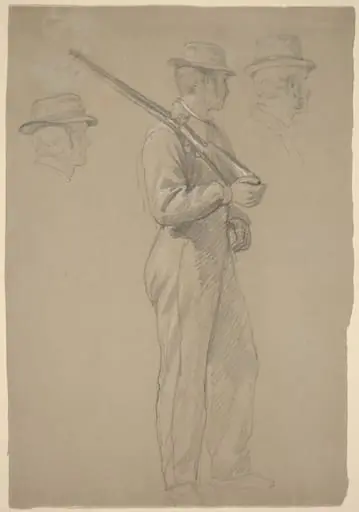 Recruit; Two Studies of Heads
![GW. [Sir John Gardner Wilkinson], by Godfrey Thomas Vigne](https://artifactworldgallery.com/img/godfrey-thomas-vigne--gw-sir-john-gardner-wilkinson--64a60946dbe35509-w320.webp) GW. [Sir John Gardner Wilkinson]
GW. [Sir John Gardner Wilkinson]