Subject
Sitting
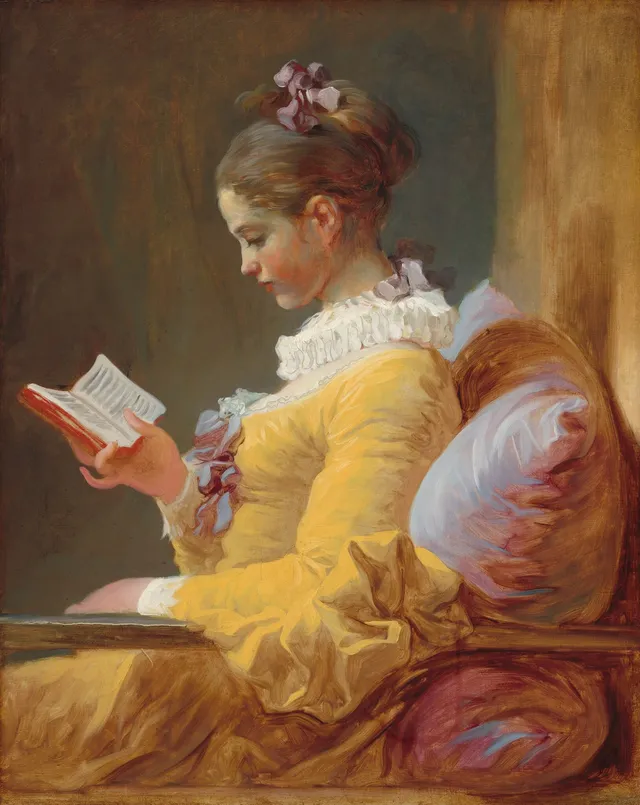
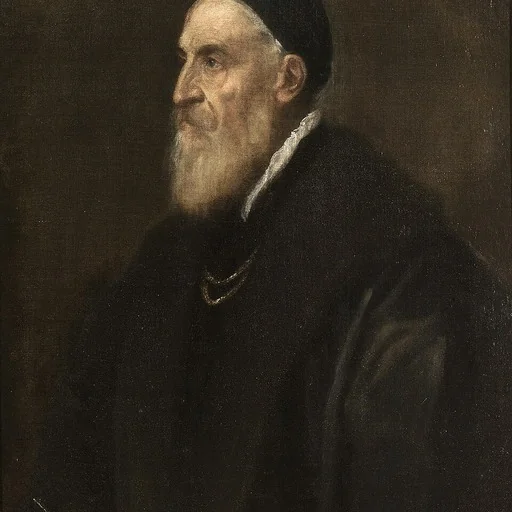
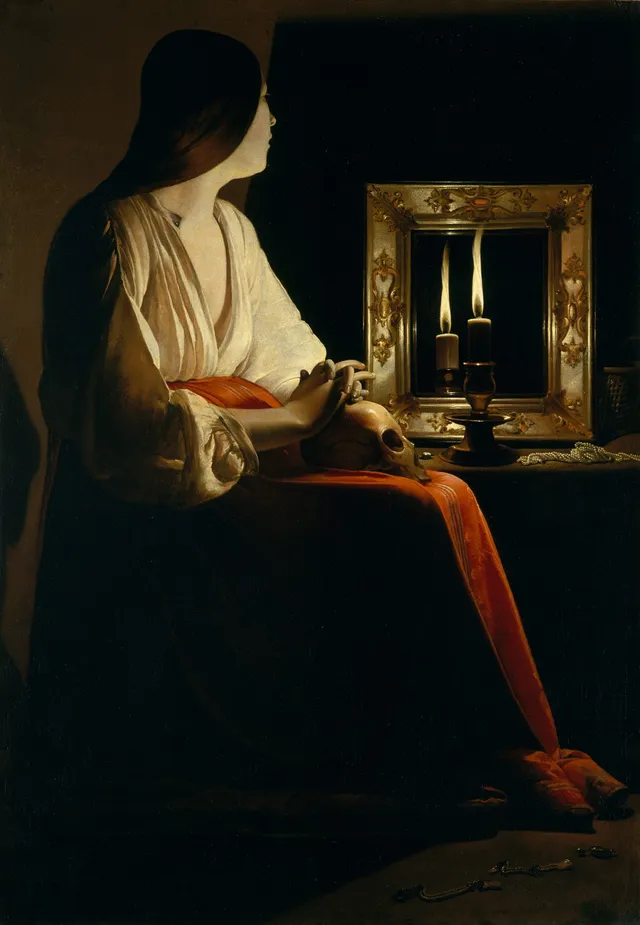
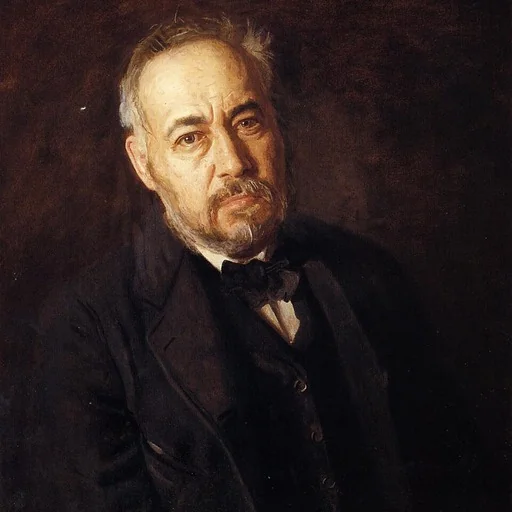
Sitting is a subject in art. The gallery holds 200 works in this subject in art, including works by Titian, Thomas Eakins and Paolo Veronese.
Sitting is among the oldest and most charged of human postures in art, and from the earliest civilizations it carried meaning far beyond simple rest. In ancient Egypt the seated pose signified permanence, status and command: the limestone Seated Scribe of Saqqara (c. 2620–2325 BCE, now in the Louvre), cross-legged with a papyrus across his knees and rock-crystal eyes, embodies attentive authority, while the diorite Khafre Enthroned projects total royal and divine power. To sit—especially to sit upon a throne—was visually to occupy a position above and apart from those who stood or knelt in attendance.
Medieval and Renaissance art codified this language of the seated figure into sacred formulas. The Maiestas Domini, or Christ in Majesty, shows Christ enthroned and frontal as ruler of the cosmos, while the Italian Maestà presents the enthroned Madonna and Child, the Virgin's rigid form echoing her chair so that she becomes the "Throne of Wisdom" for her son. Giotto's monumental Ognissanti Maestà (c. 1310, Uffizi) is a defining example. In parallel, Asian art developed lalitasana, the relaxed "royal ease" with one leg pendant, for kings and bodhisattvas alike.
The rise of secular portraiture made the seated pose a flexible instrument of character and rank. A sitter at rest could read as dignified, contemplative or intimately aristocratic, and artists labored over the precise attitude. Jacques-Louis David's reclining Madame Récamier (1800), Ingres's brooding Portrait of Monsieur Bertin (1832), and Whistler's austere Arrangement in Grey and Black No. 1—Whistler's Mother (1871, Musée d'Orsay)—show how a chair, a profile and a pair of folded hands could carry an entire personality.
Nineteenth-century realism turned the seated figure toward everyday life and quiet observation. Thomas Eakins's The Chess Players (1876, Metropolitan Museum) sets two absorbed opponents and a watching father in a Philadelphia parlor, while Degas repeatedly studied dancers resting between exertions, as in The Dancing Class. The motif threads through earlier mythologies too—the seated Venus of Titian's Venus with a Mirror and Veronese's Venus and Mars—confirming sitting as one of art's most enduring and adaptable poses, equally suited to gods, monarchs and ordinary people at ease.
Key artists
Works
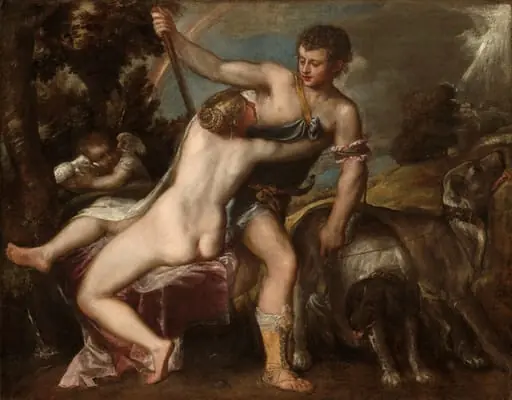 Venus and Adonis
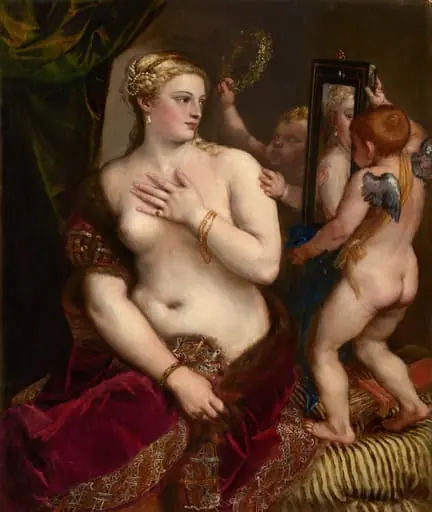 Venus with a Mirror
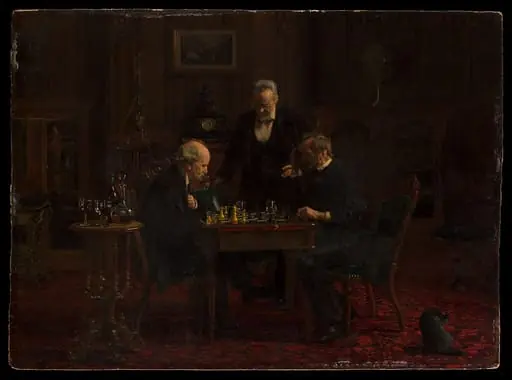 The Chess Players
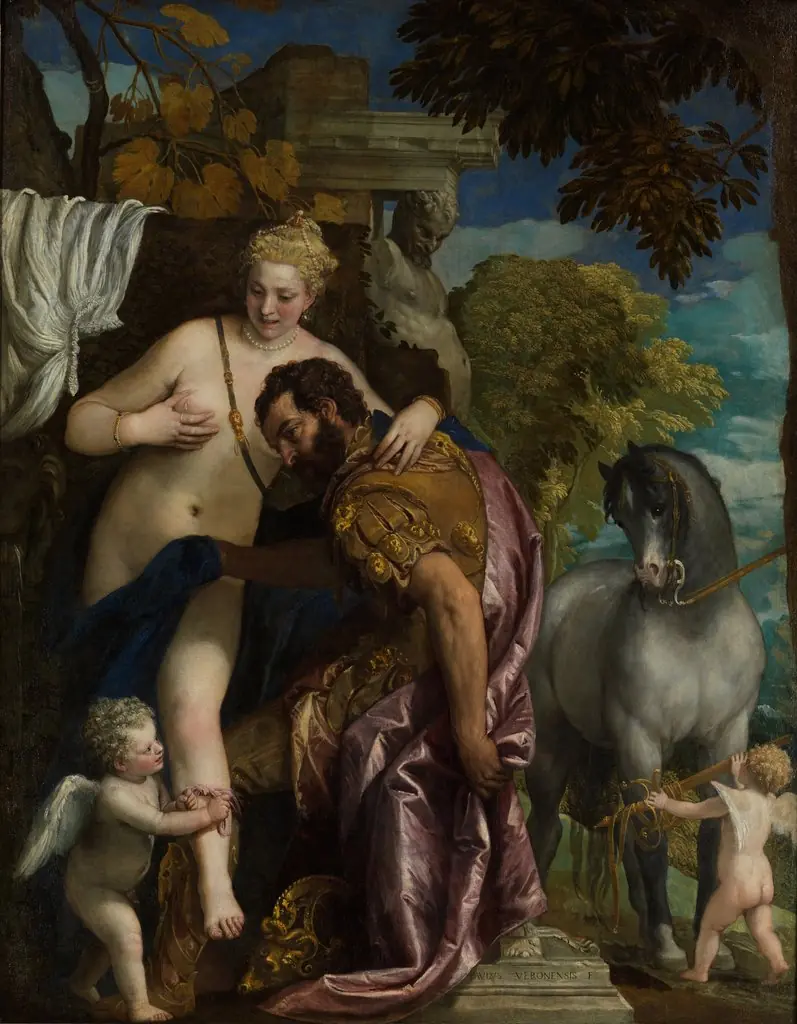 Venus and Mars
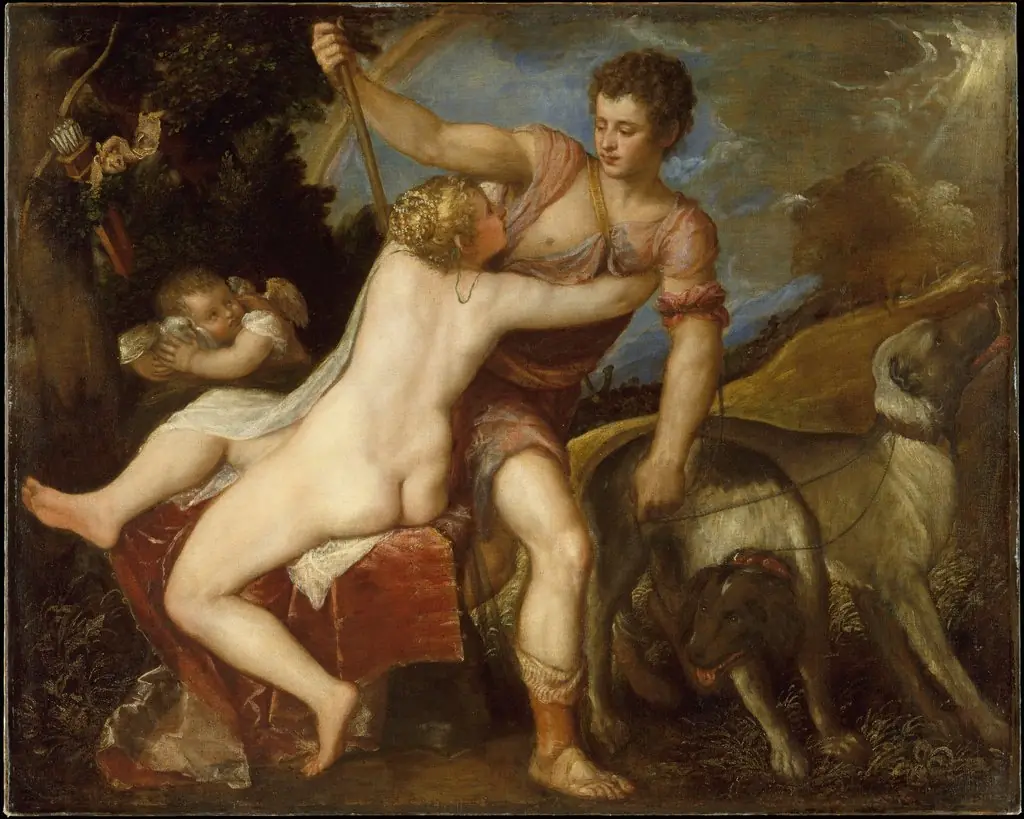 Venus and Adonis
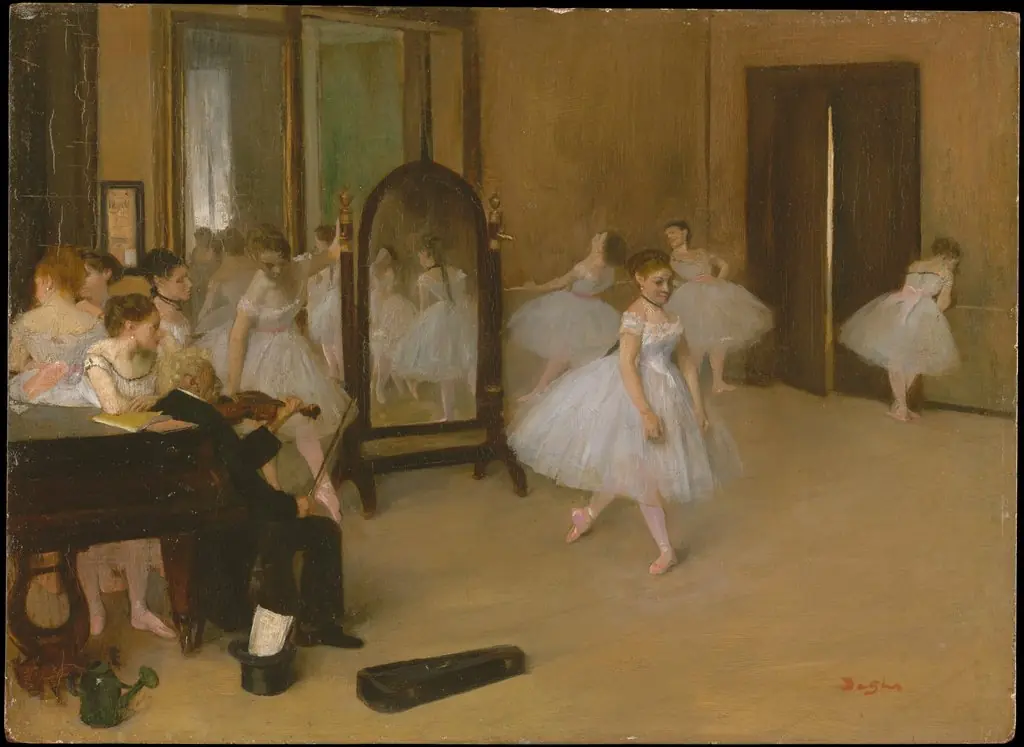 The Dancing Class
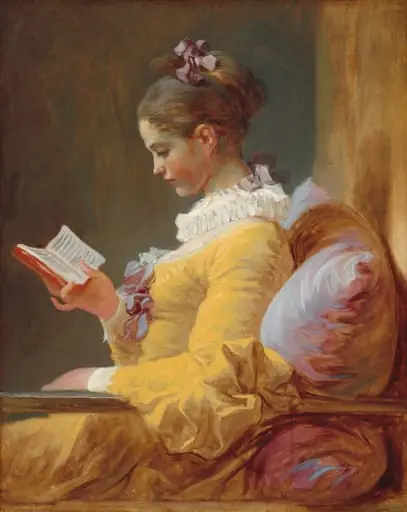 Young Girl Reading
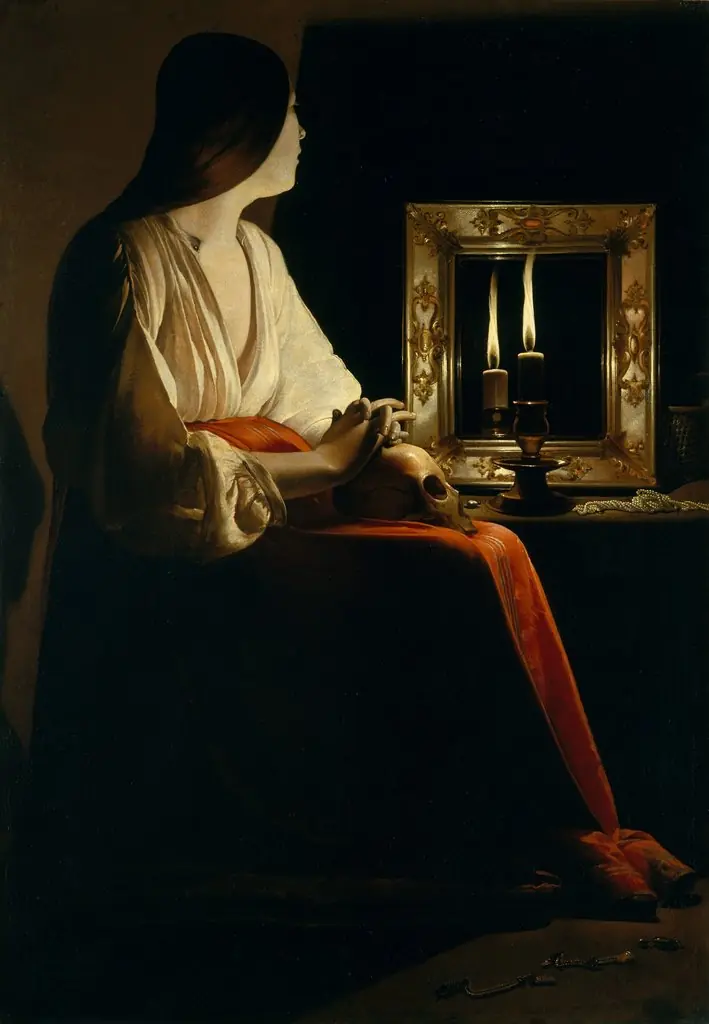 The Penitent Magdalen
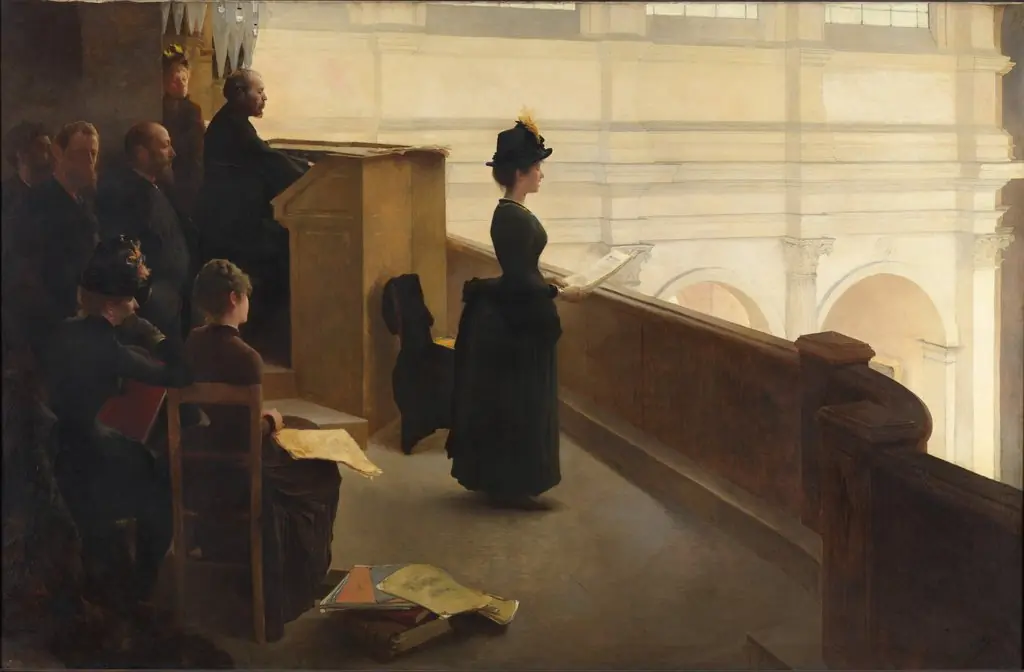 The Organ Rehearsal
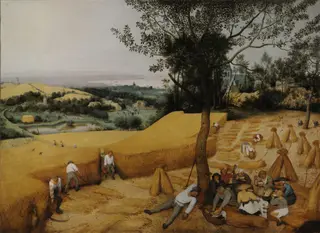 The Harvesters
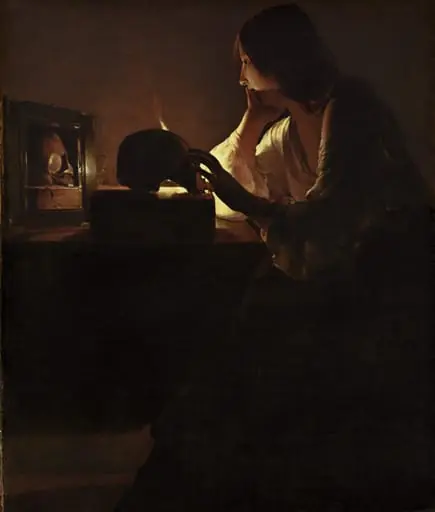 The Repentant Magdalen
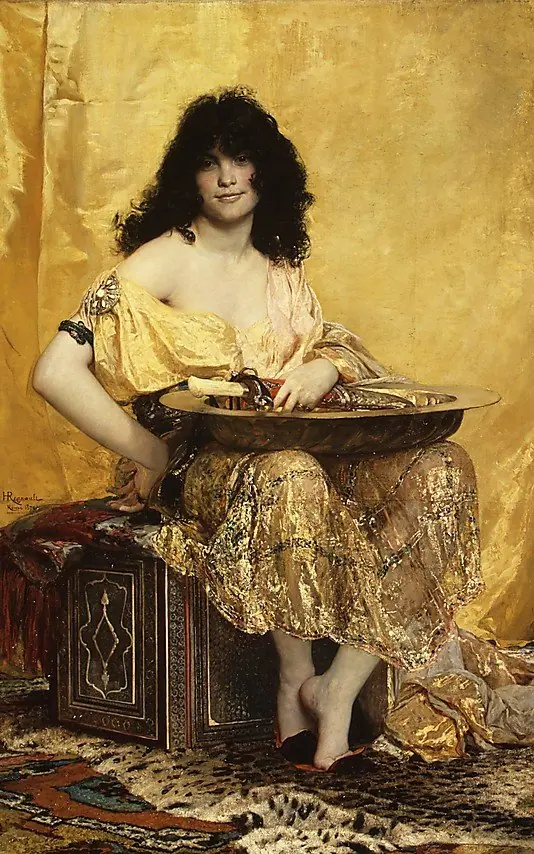 Salome
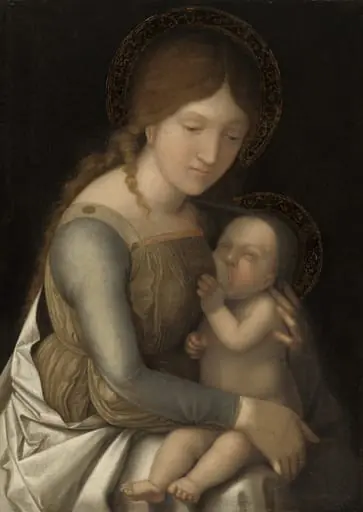 Madonna and Child
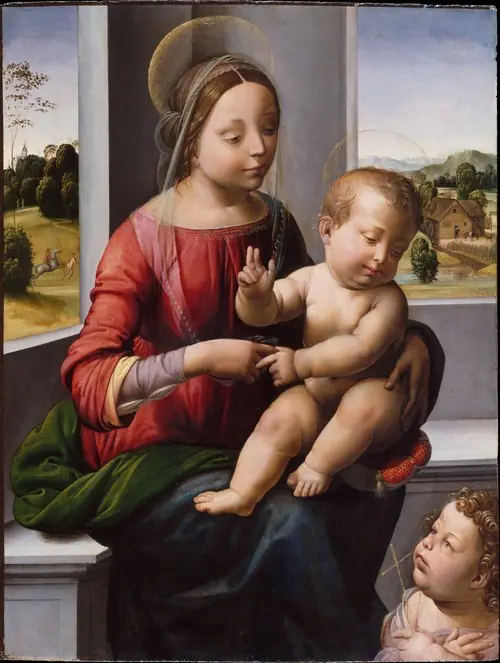 Madonna and Child with the Young Saint John the Baptist
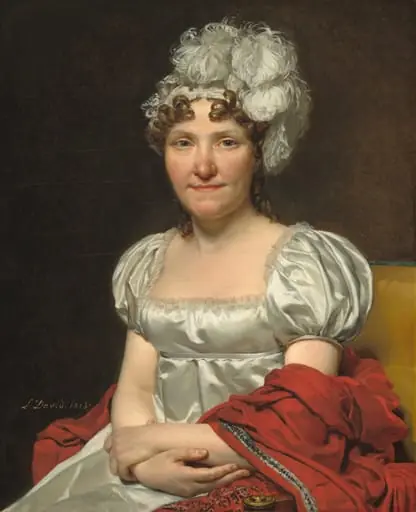 Madame David
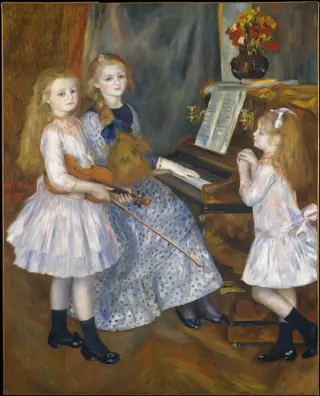 The Daughters of Catulle Mendès
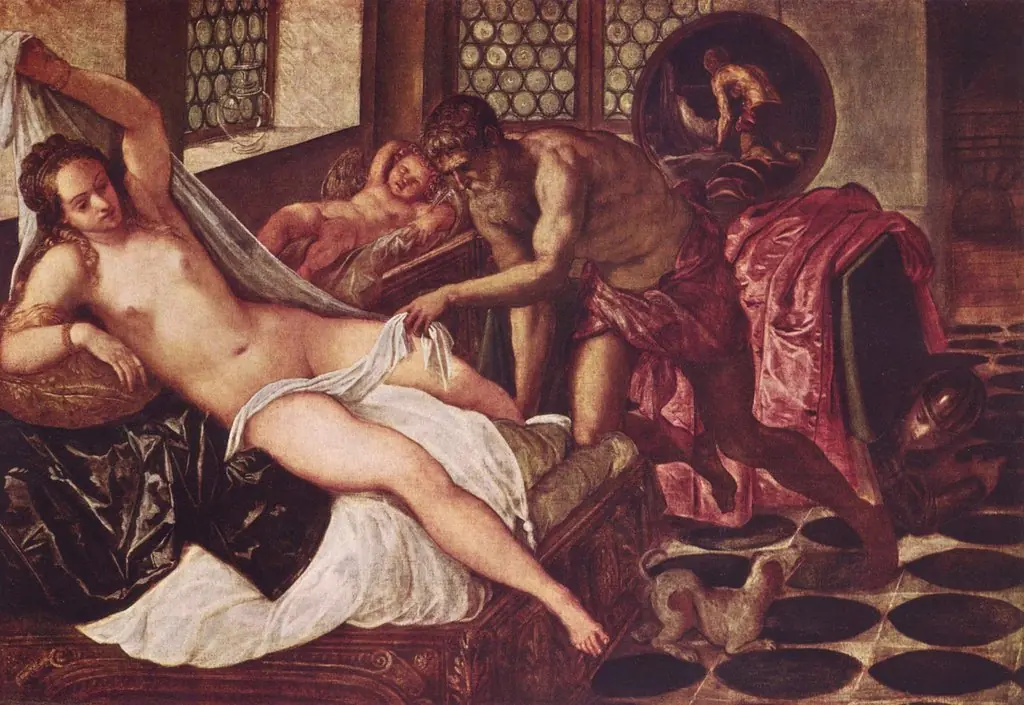 Venus and Mars Surprised by Vulcan
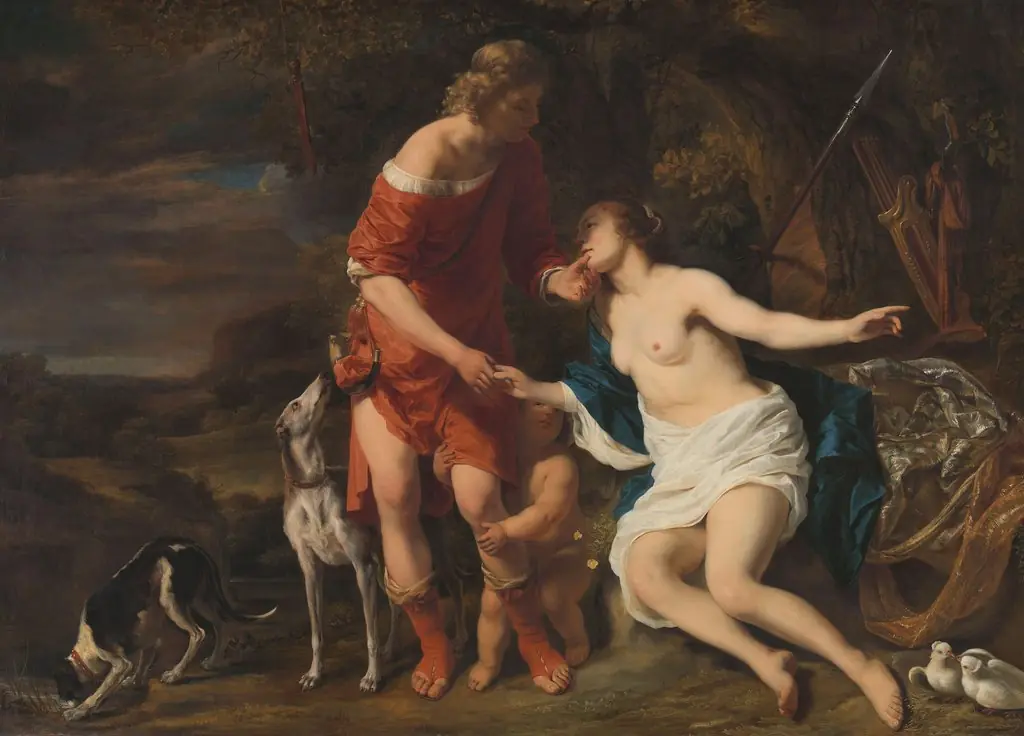 Venus and Adonis
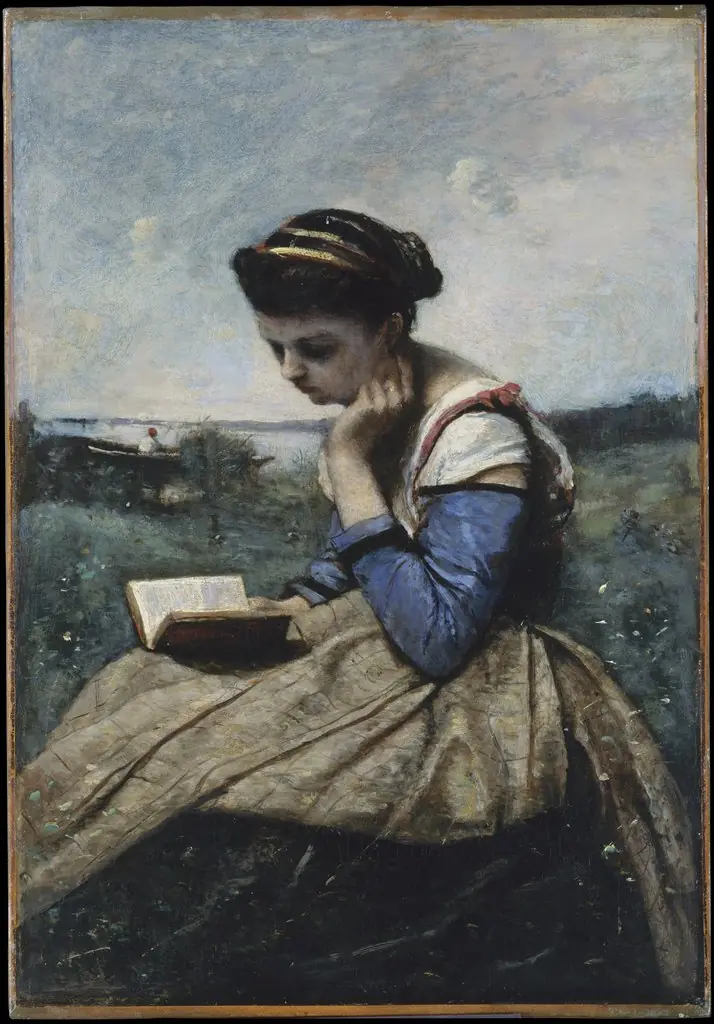 Femme Lisant
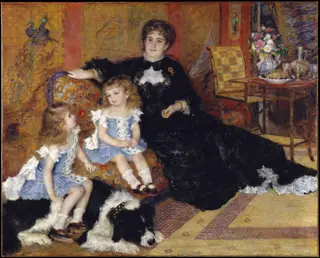 Madame Georges Charpentier and her Children
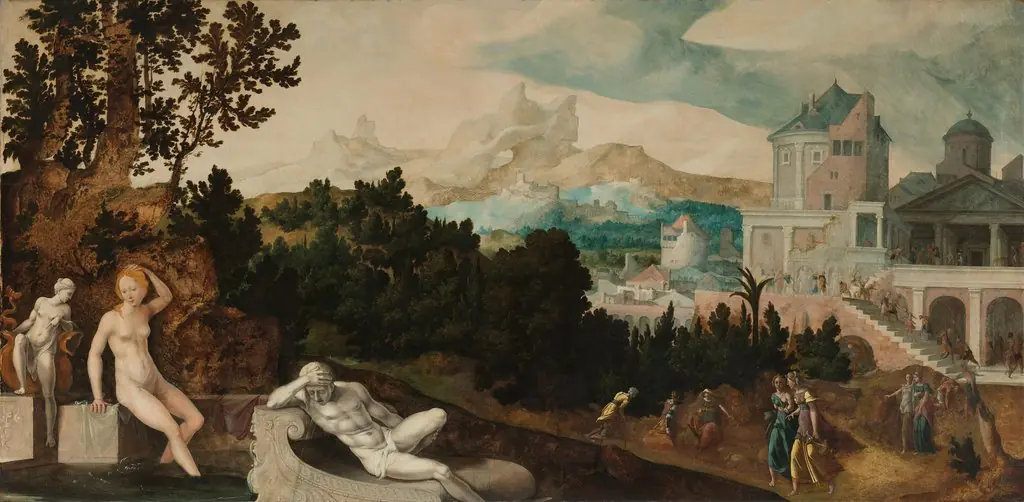 Landscape with Bathsheba
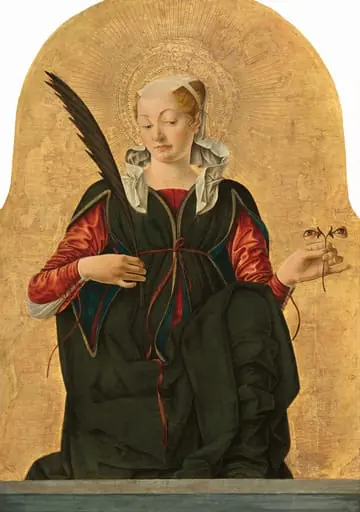 Saint Lucy
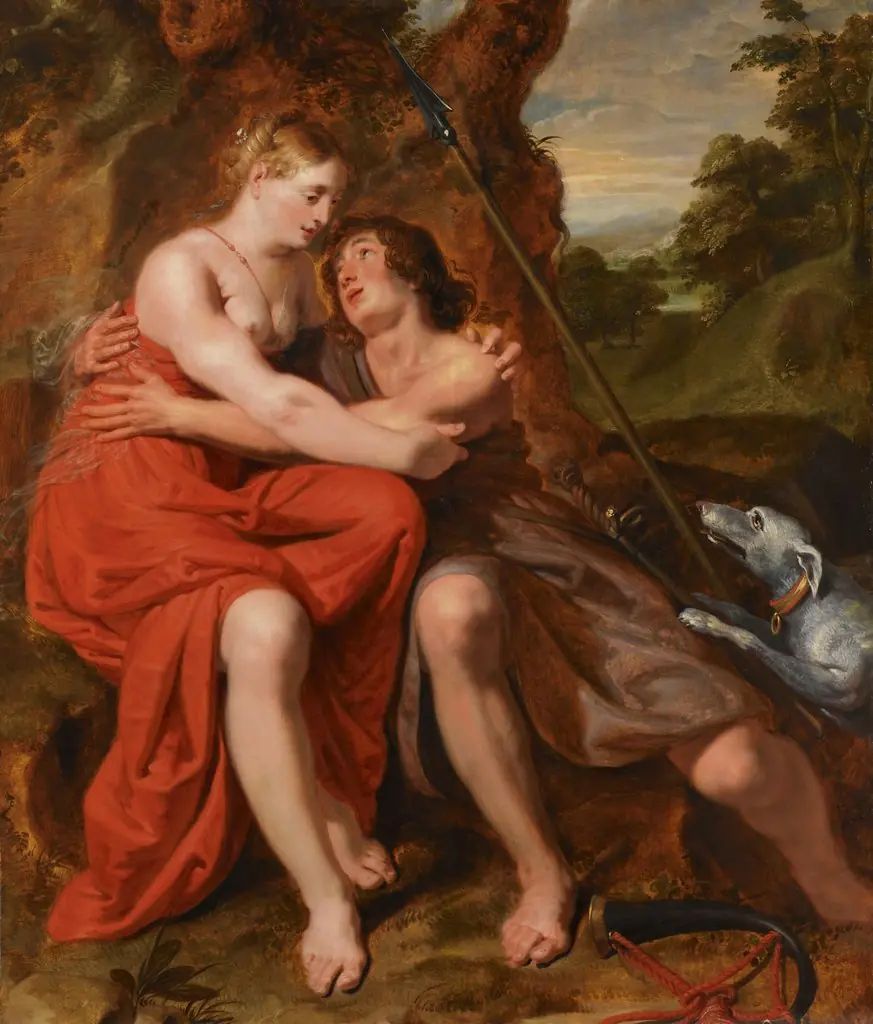 Venus and Adonis
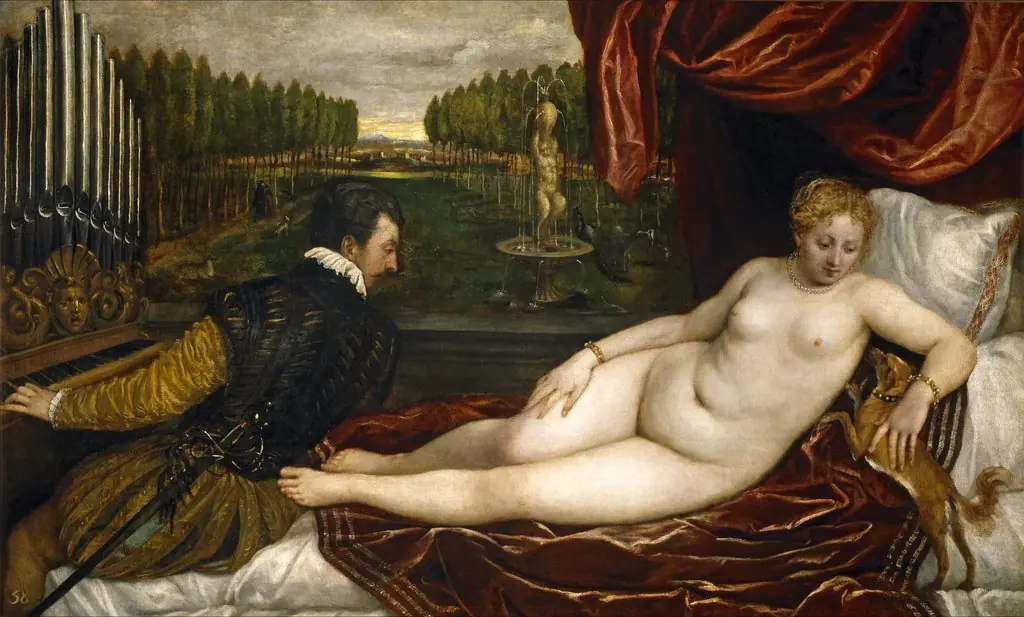 Venus and Music
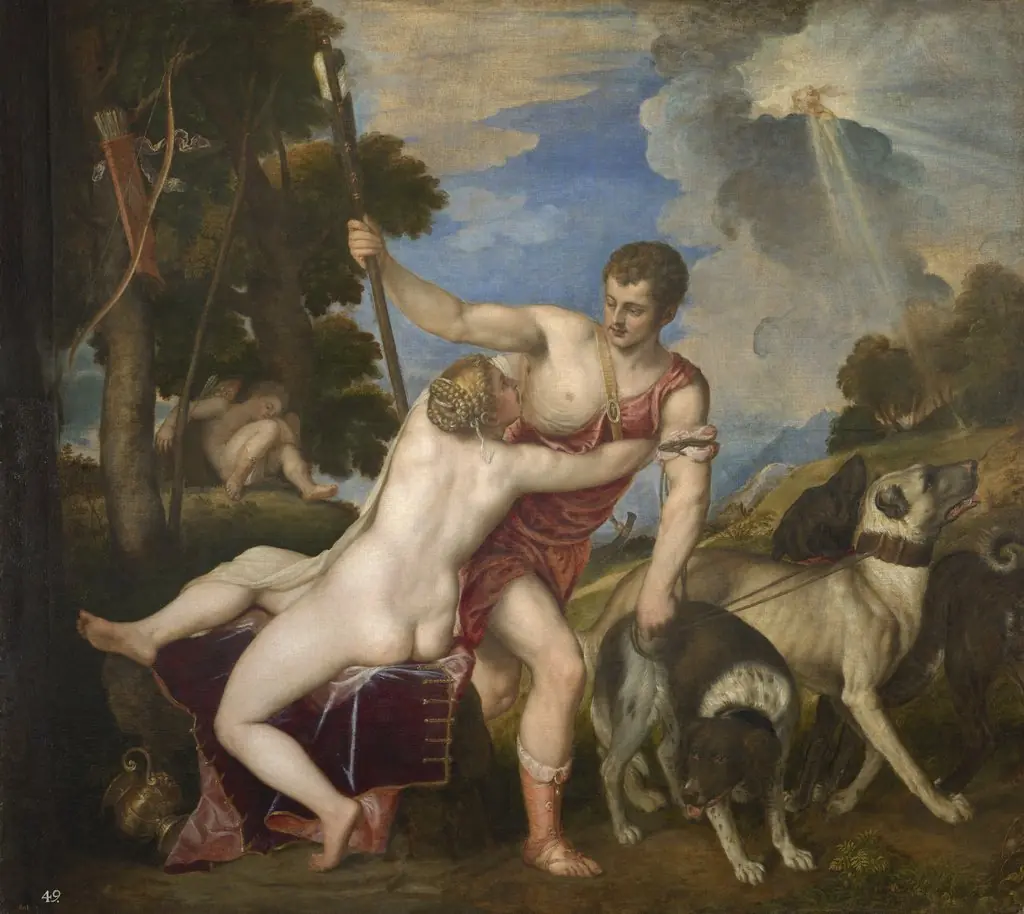 Venus and Adonis
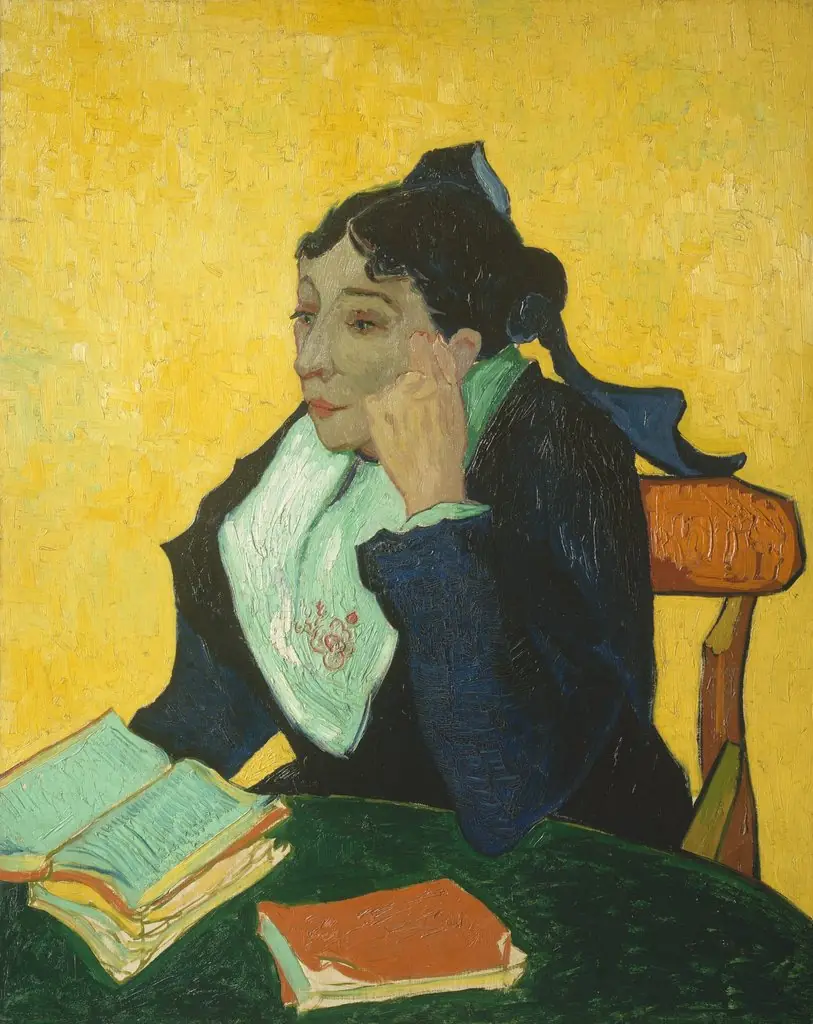 L'Arlésienne
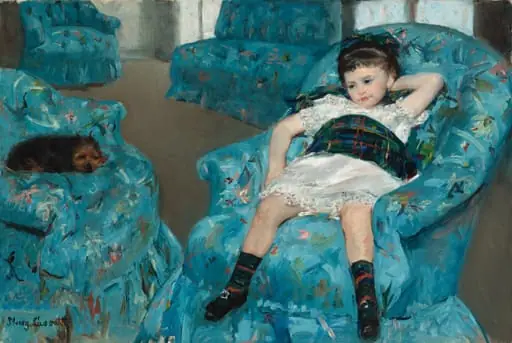 Little Girl in a Blue Armchair
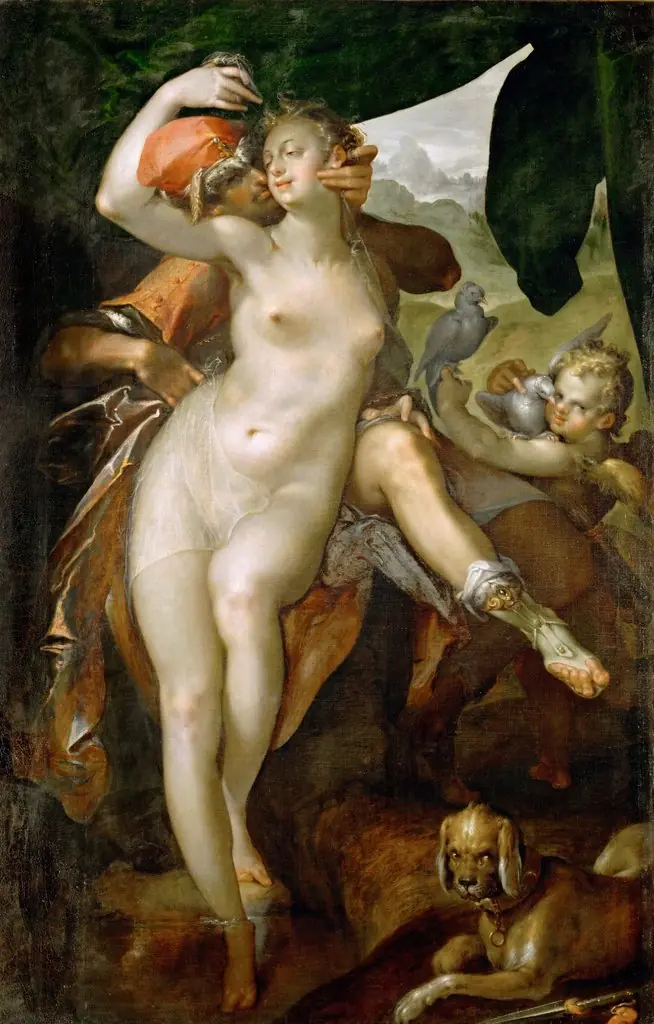 Venus and Adonis
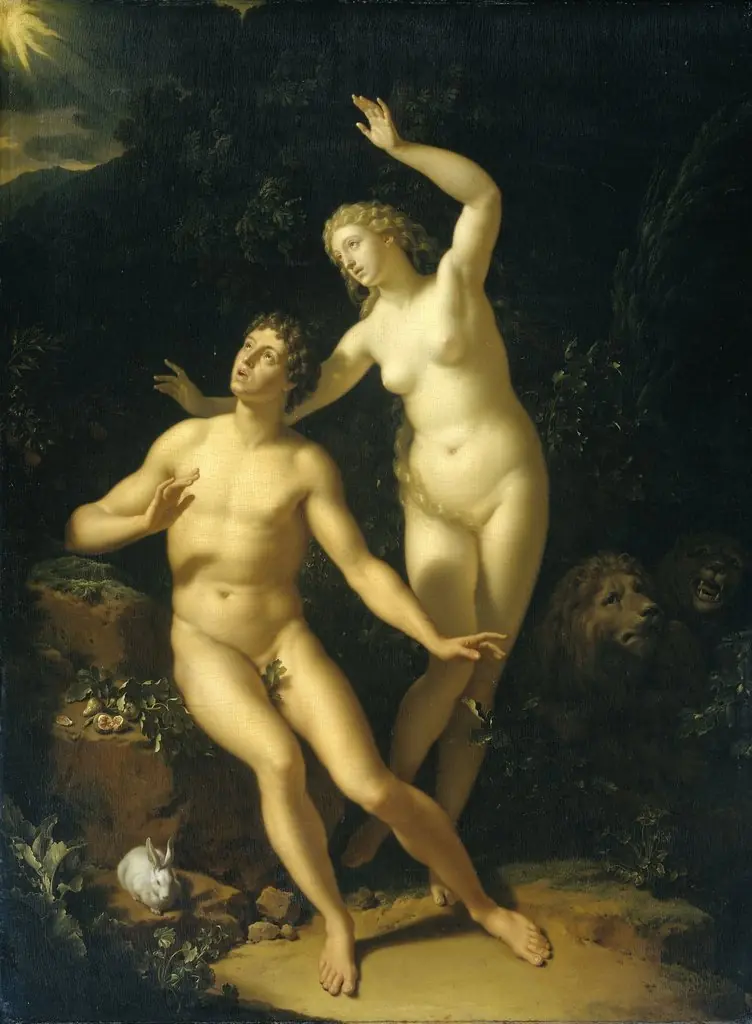 God Holds Adam and Eve Responsible
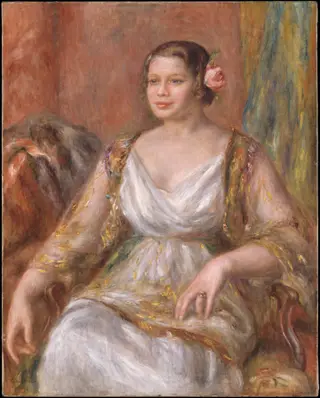 Tilla Durieux
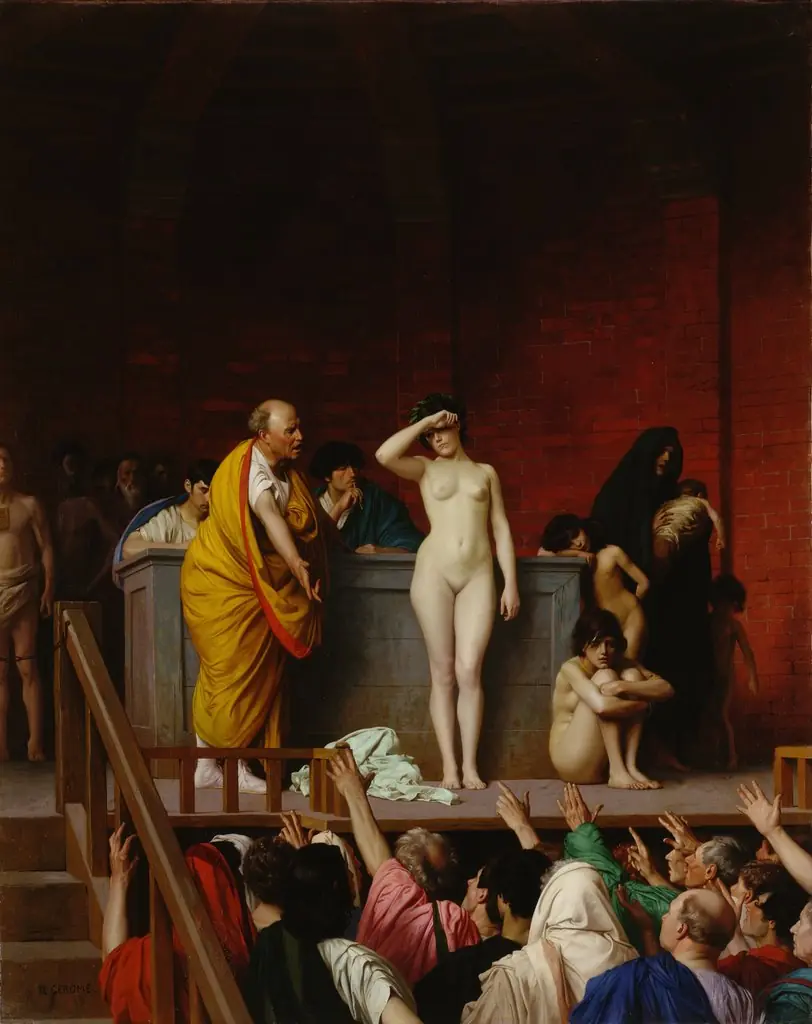 Slave Market in Rome
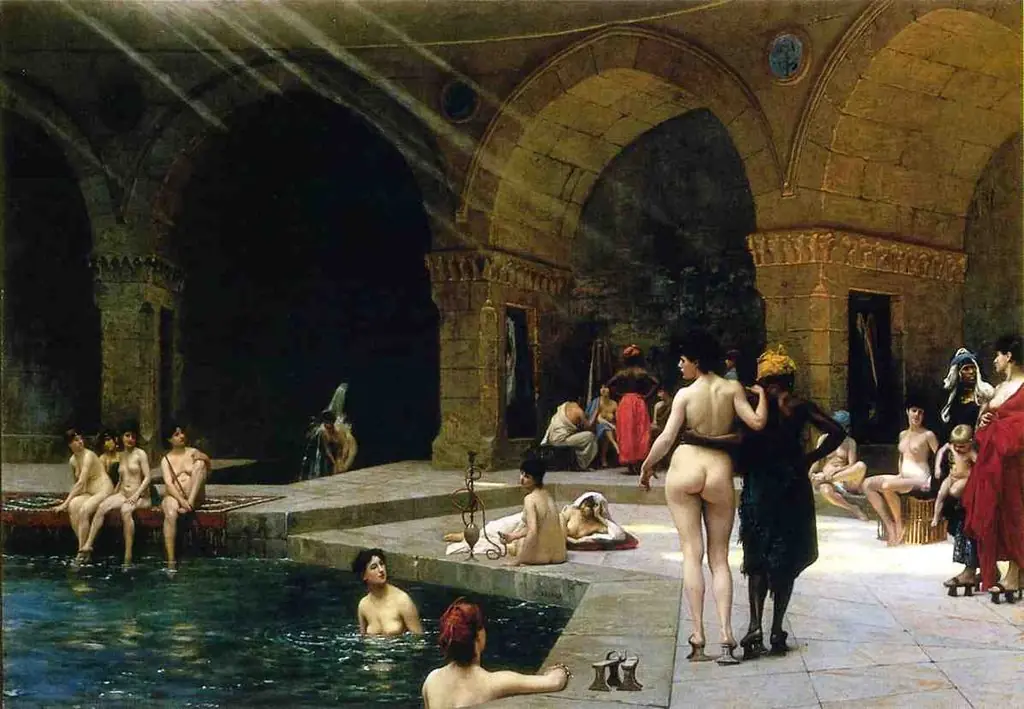 The Great Bath at Bursa
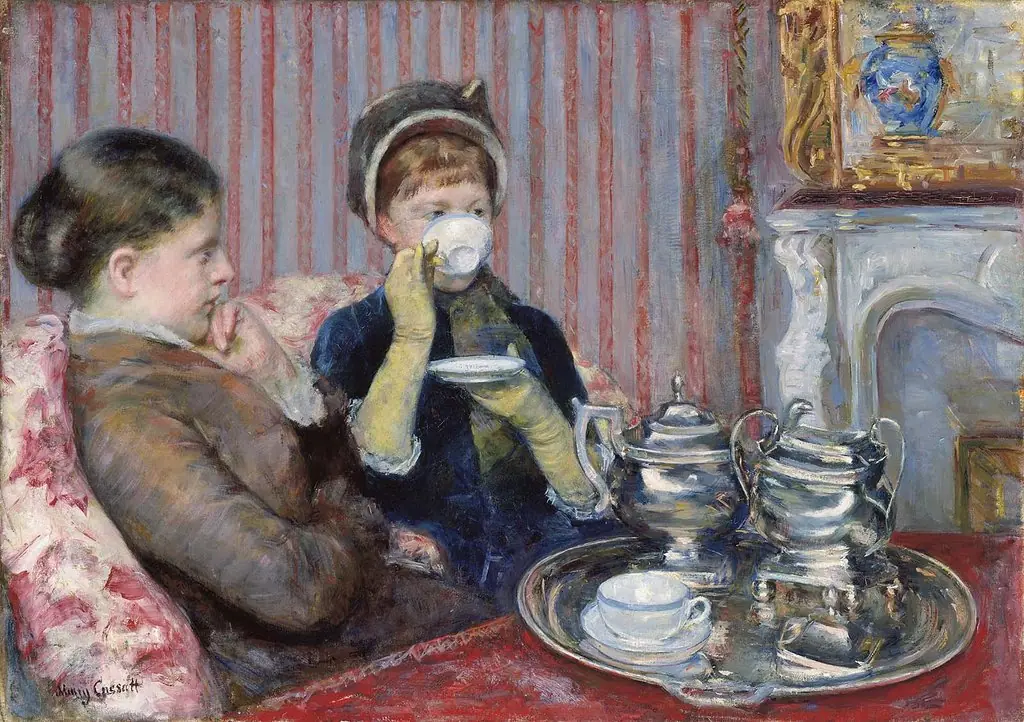 Five O'Clock Tea
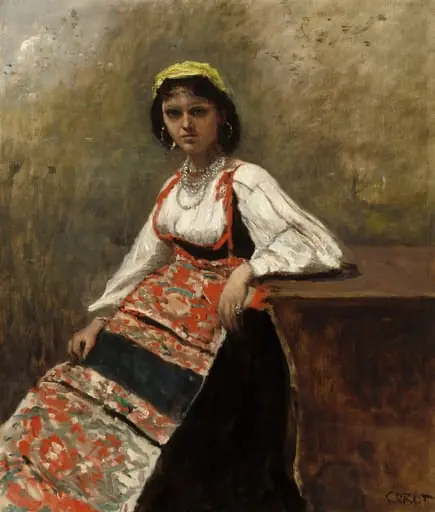 Italian Woman (La Morieri)
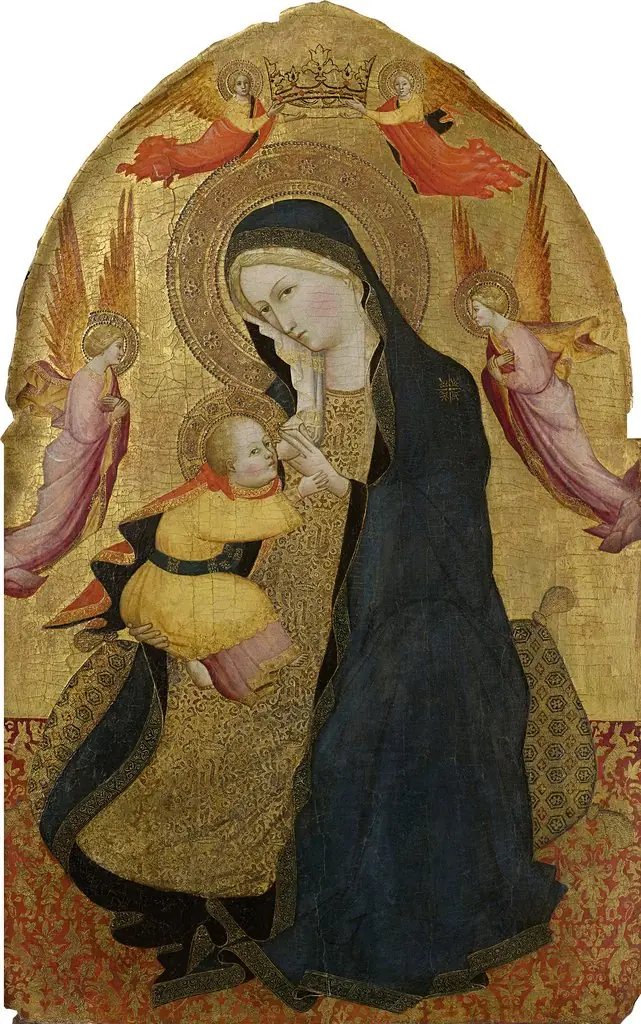 Madonna of Humility (Madonna dell'Umiltà)
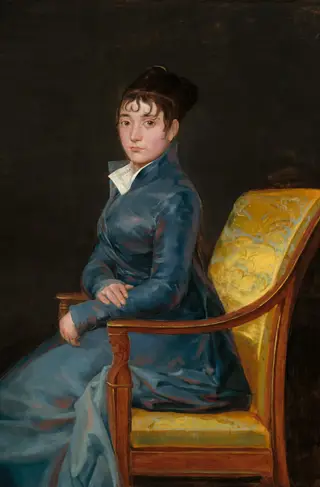 Thérèse Louise de Sureda
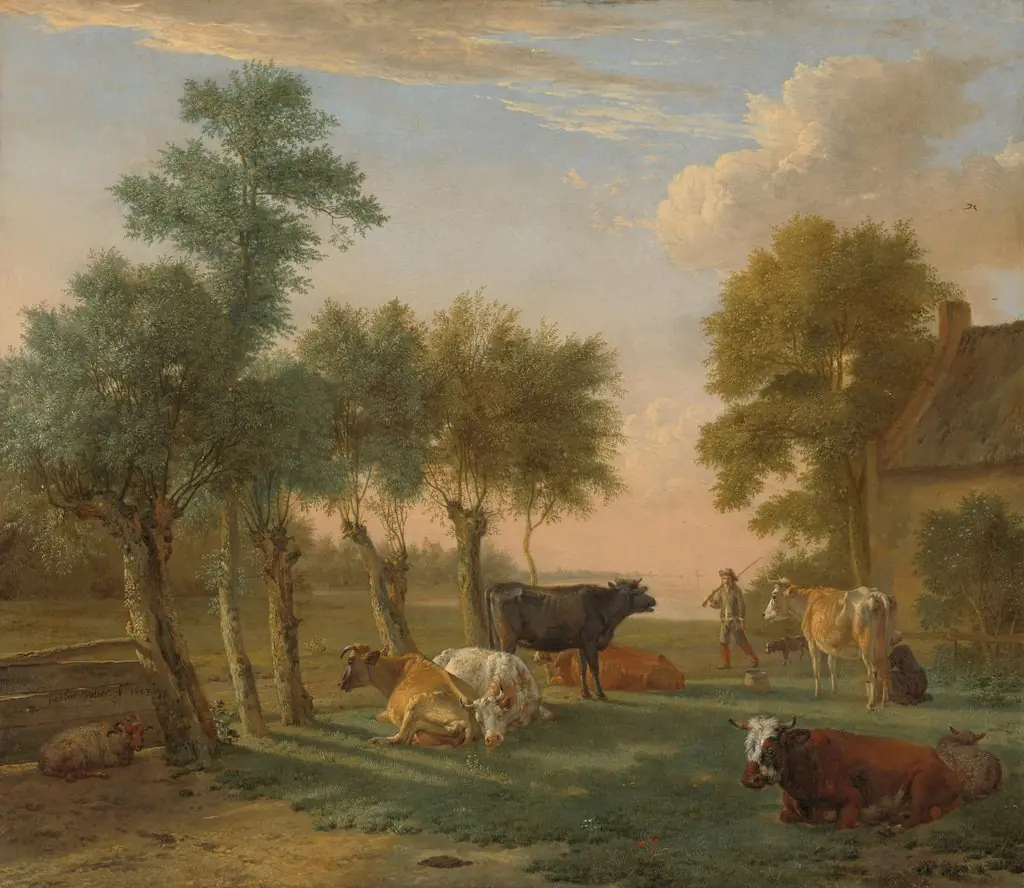 Cows in a Meadow near a Farm
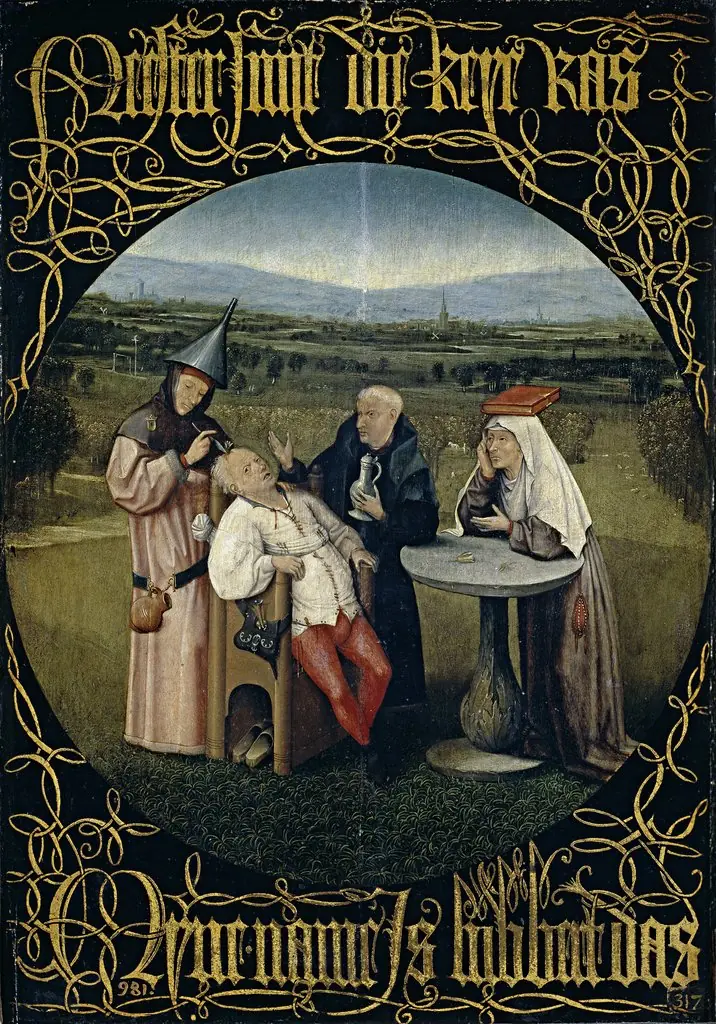 Cutting the Stone
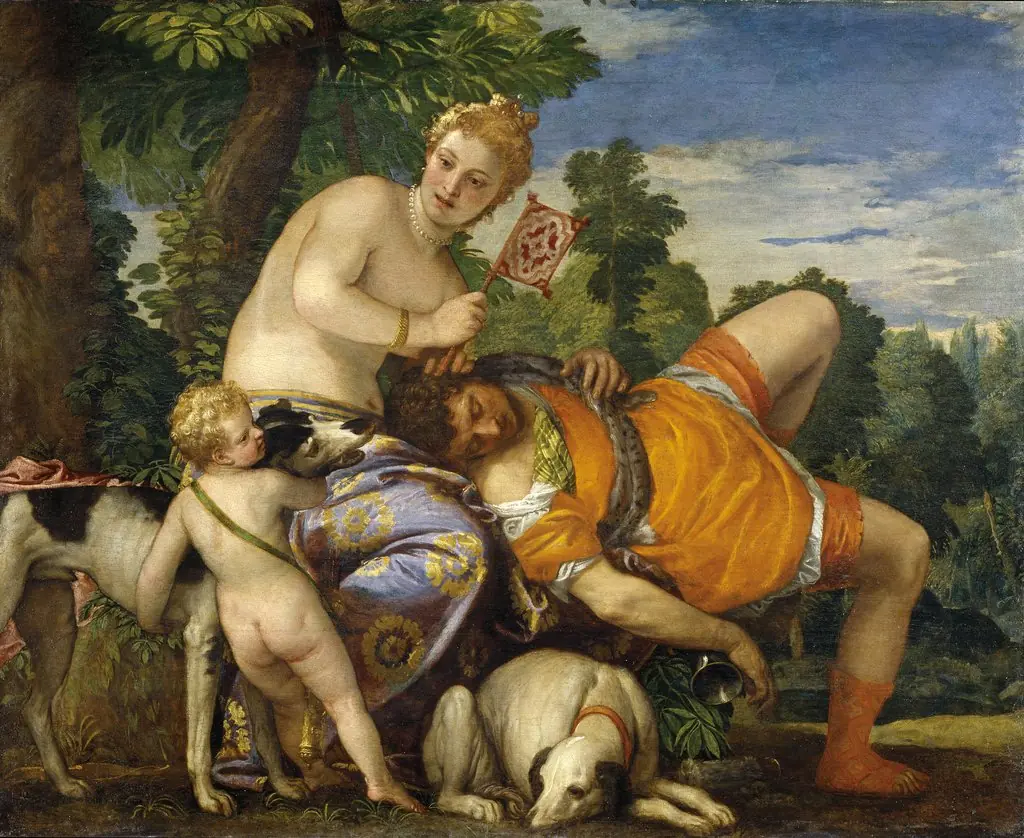 Venus and Adonis
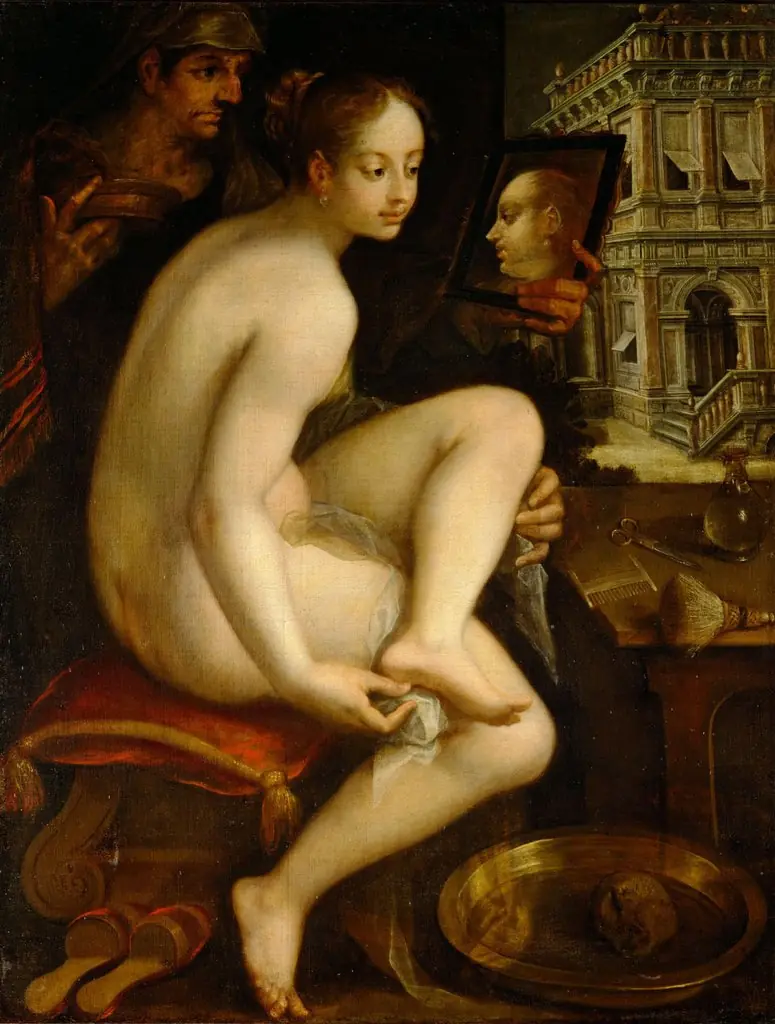 David and Bathsheba
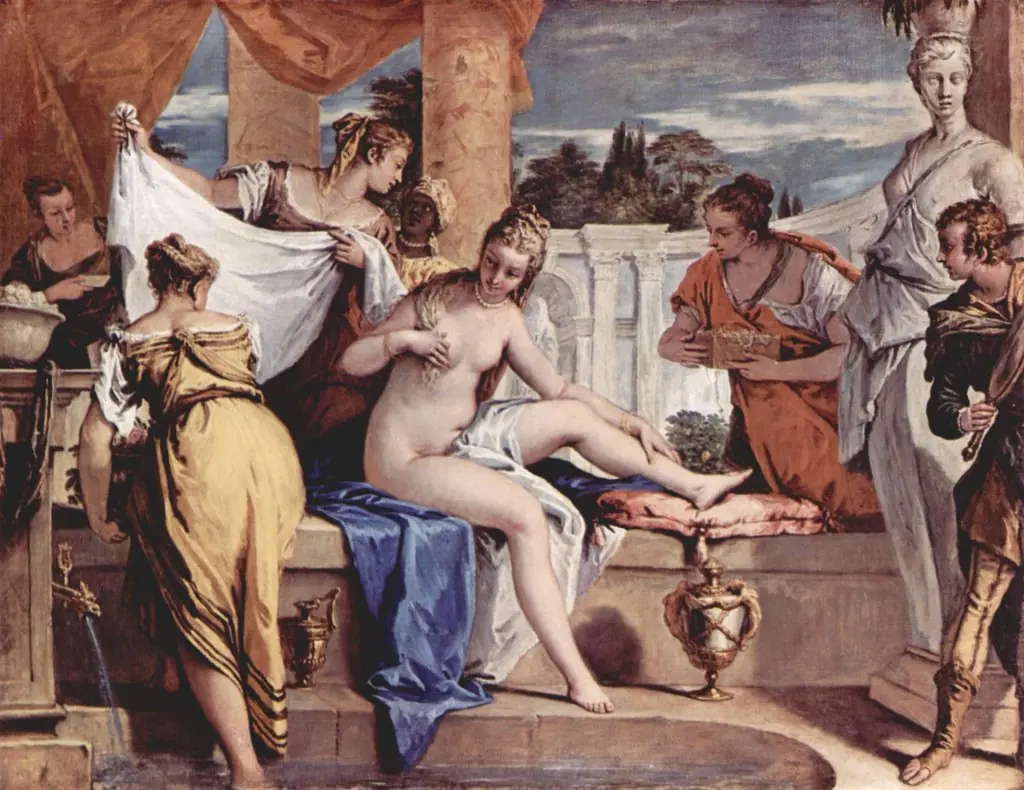 Bathsheba at her bath
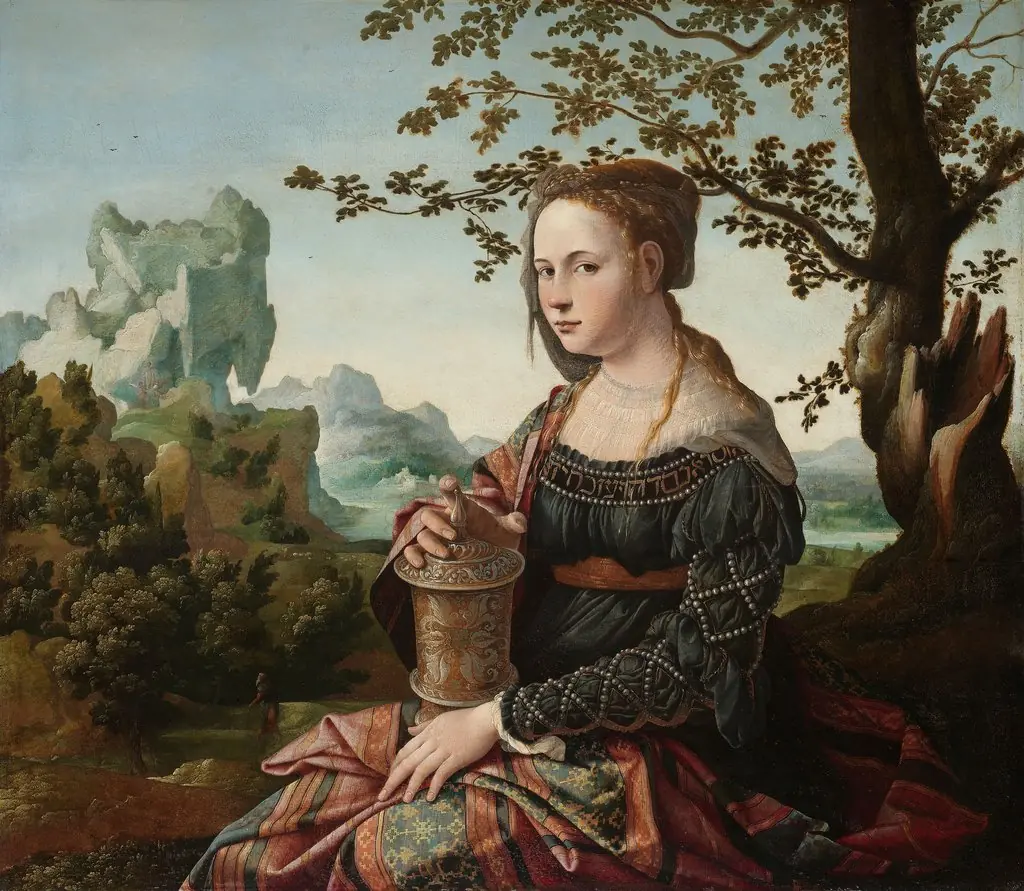 Mary Magdalene
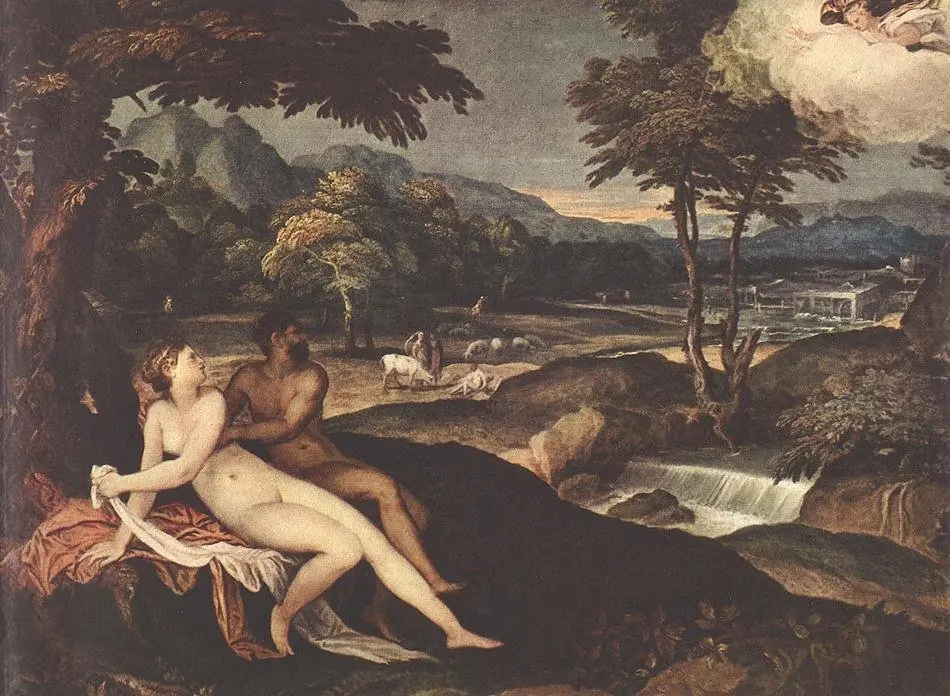 Landscape with Jupiter and Io
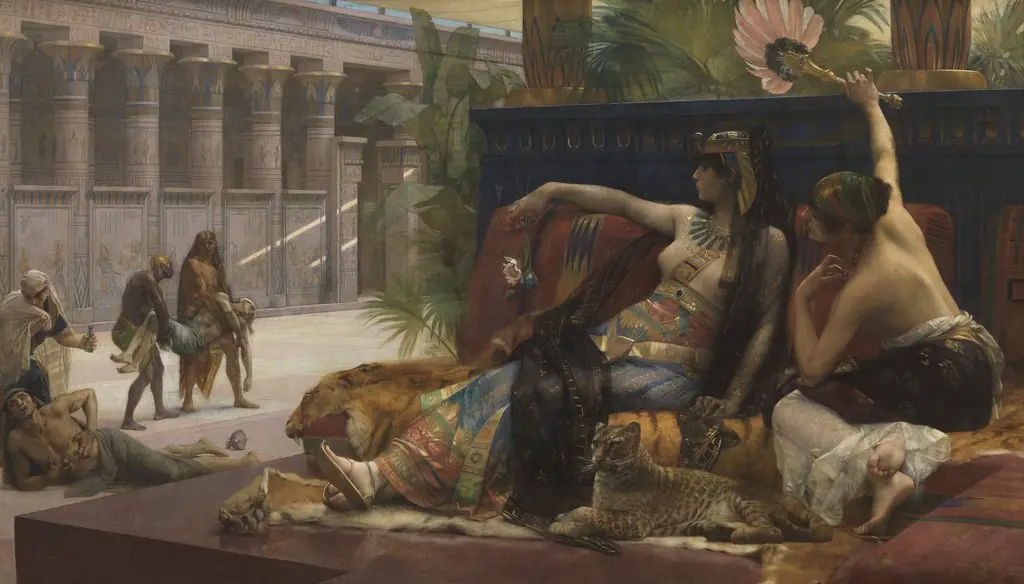 Cleopatra Testing Poisons on Condemned Prisoners
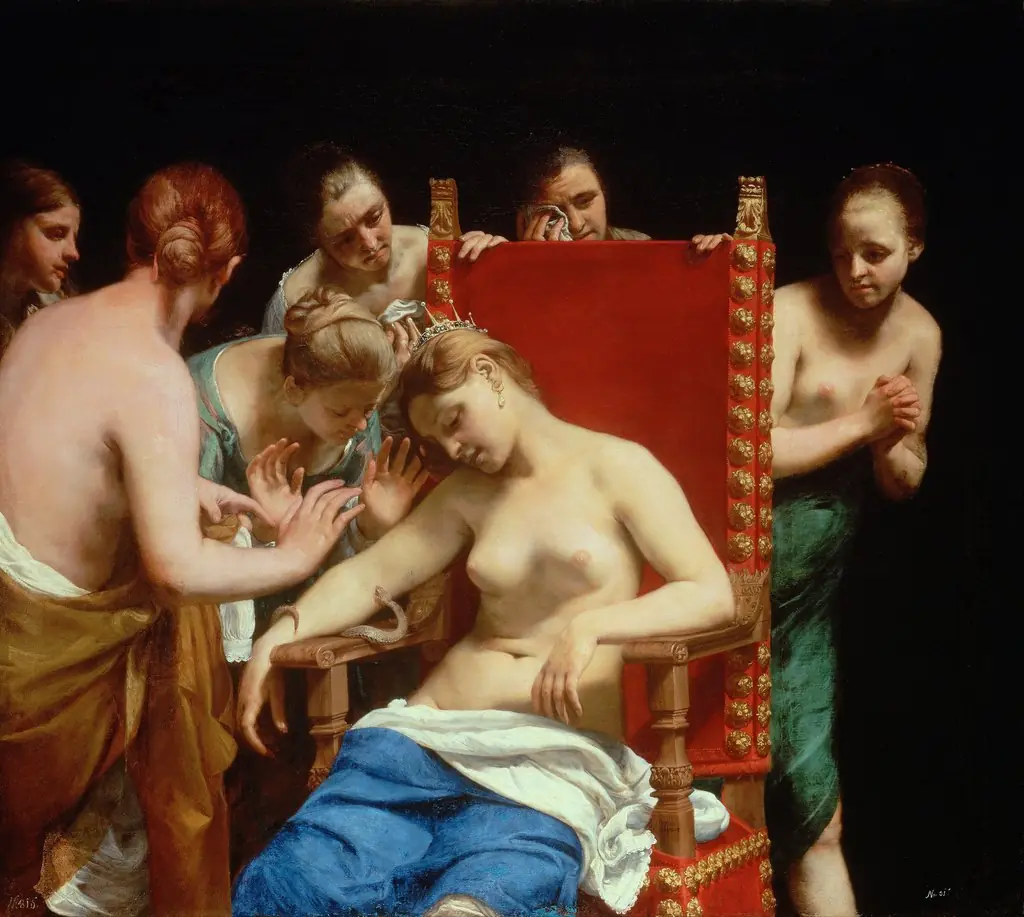 The Death of Cleopatra
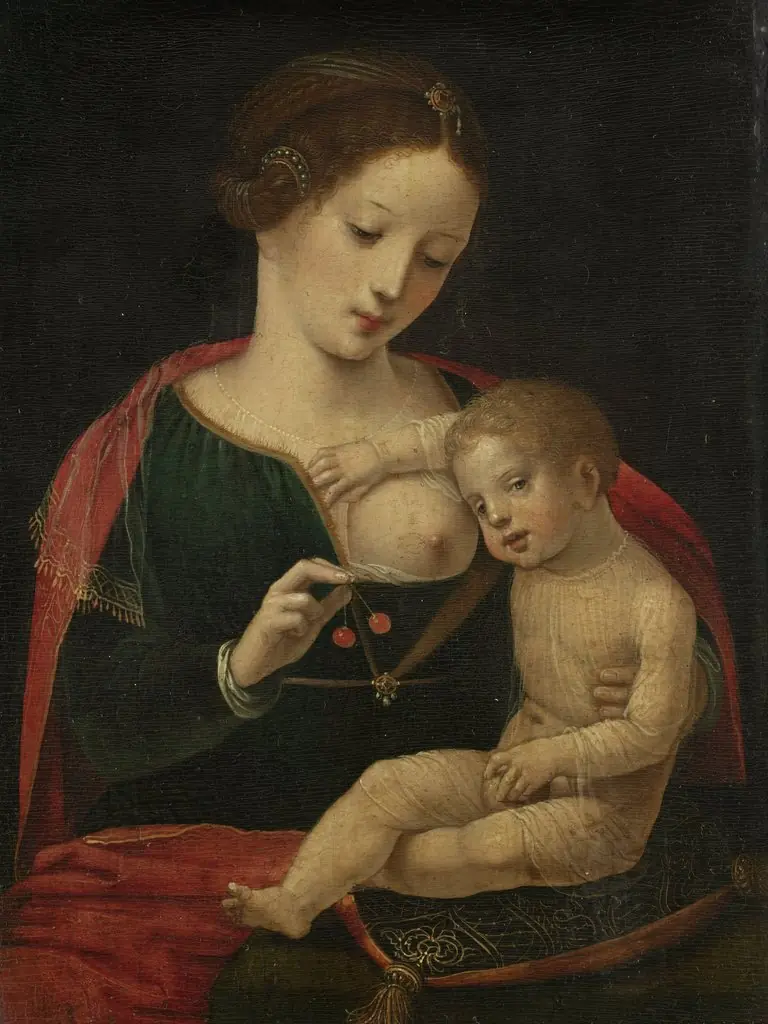 Madonna and child
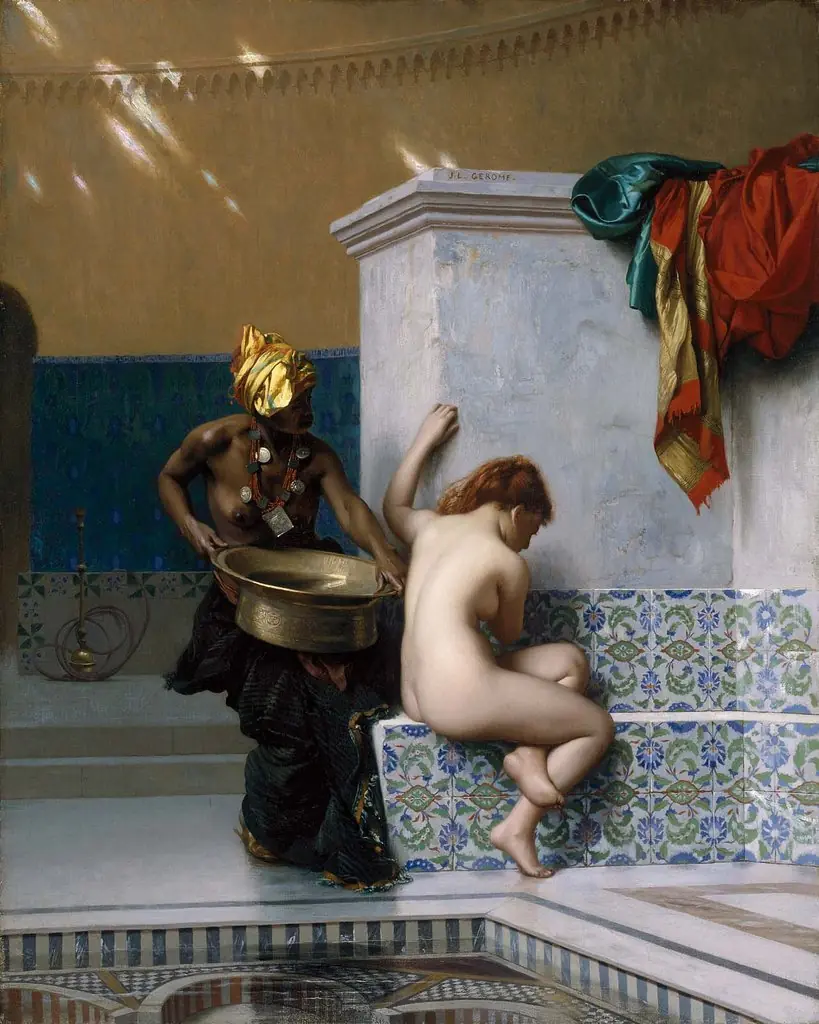 Moorish Bath
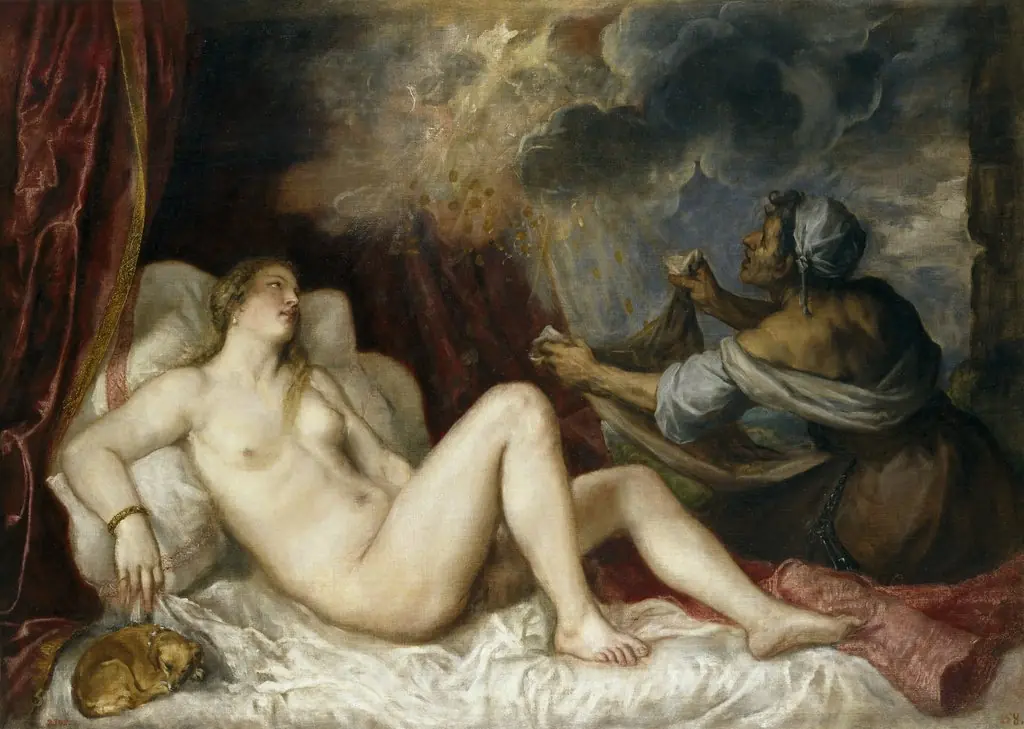 Danaë
Danaë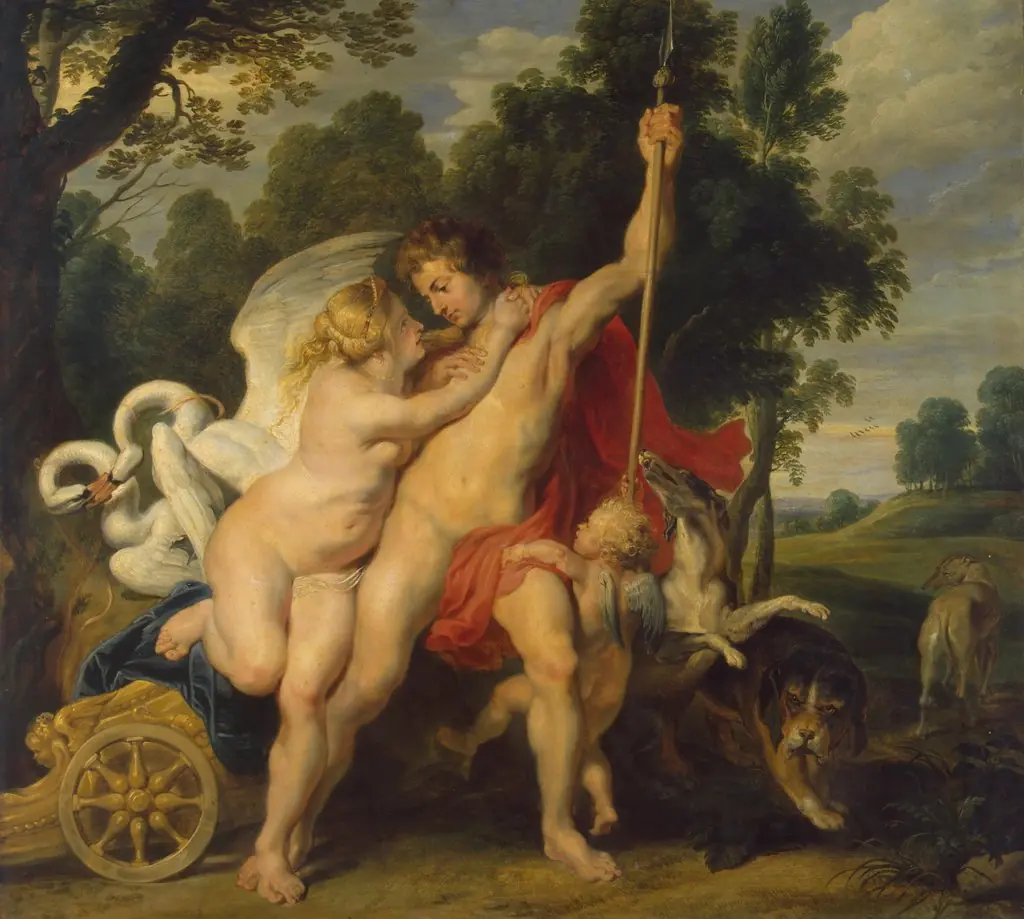 Venus and Adonis (Rubens, 1614)
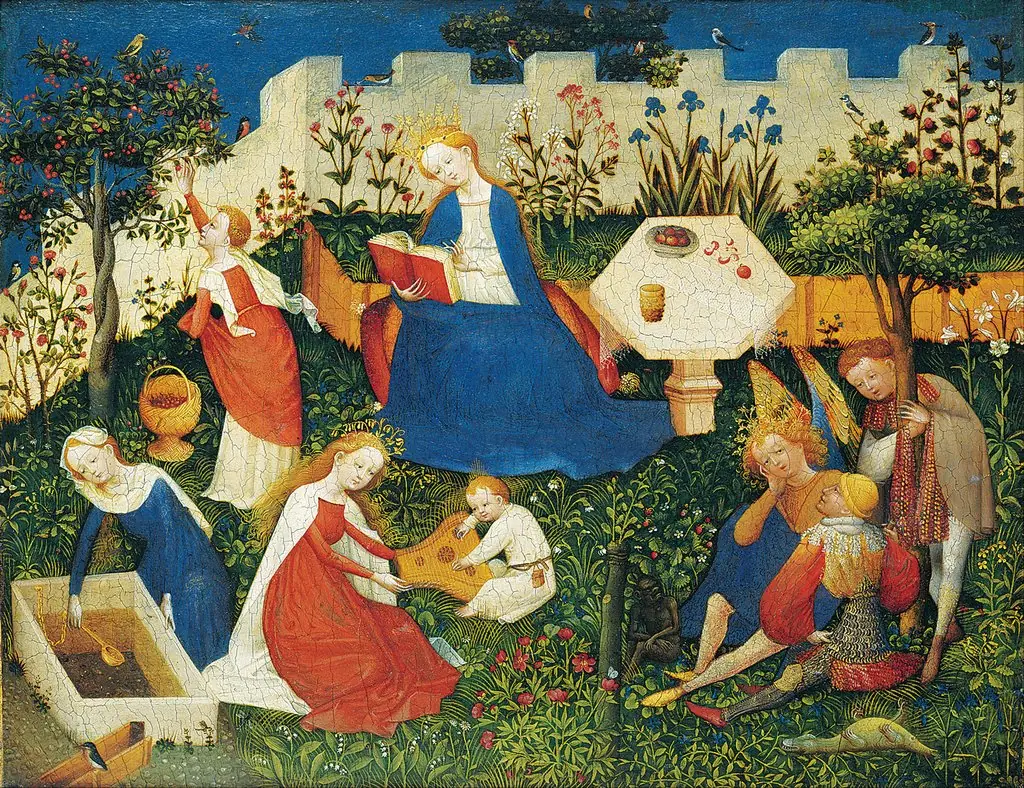 Paradiesgärtlein
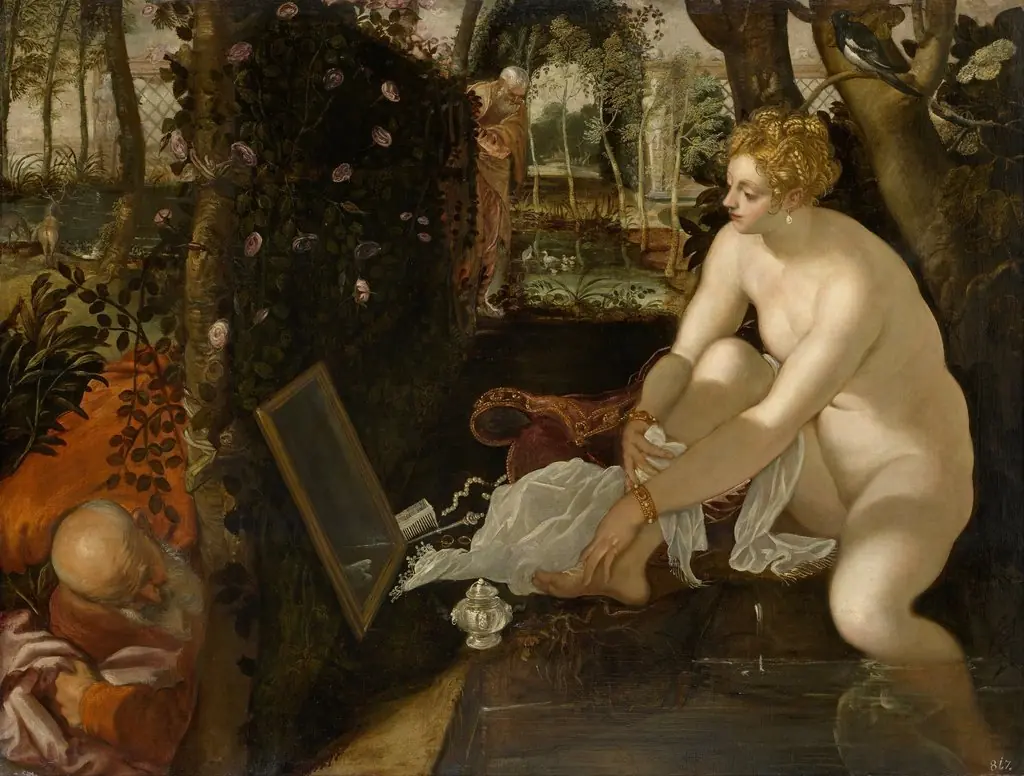 Susanna and the Elders
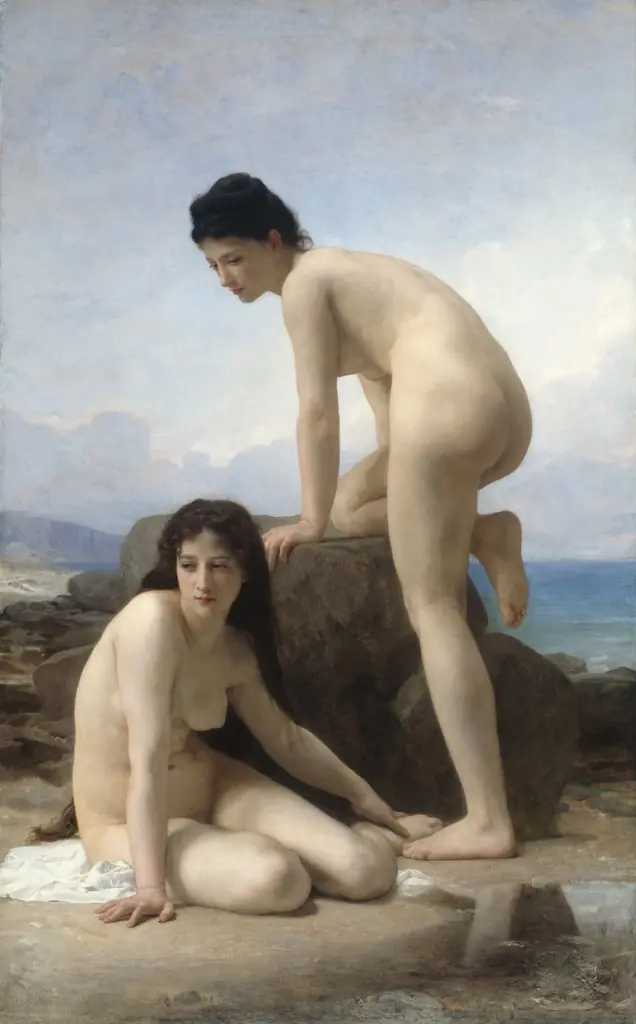 The Two Bathers
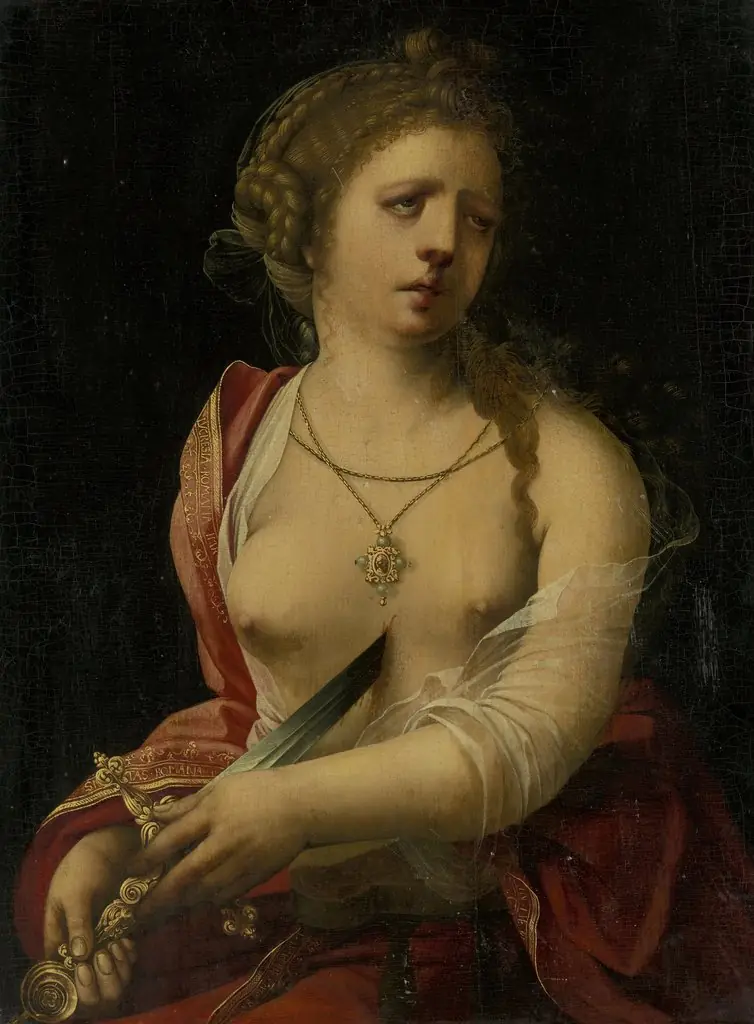 The suicide of Lucretia
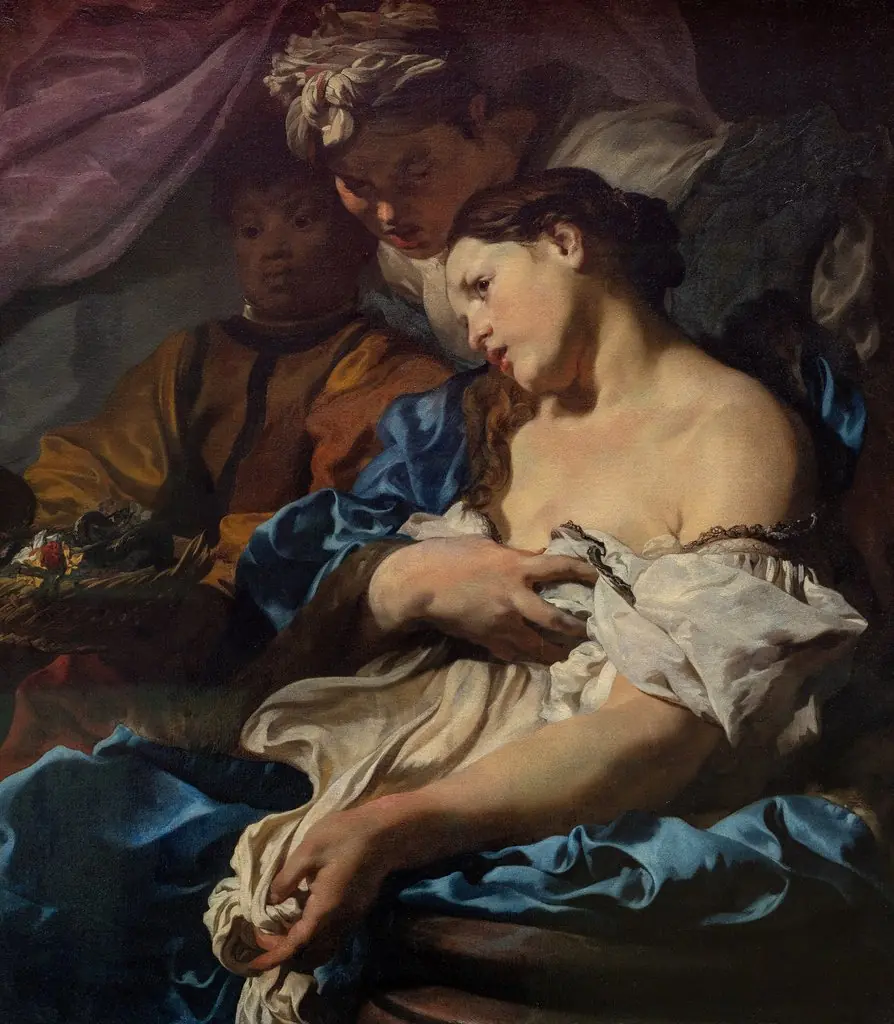 The Death of Cleopatra
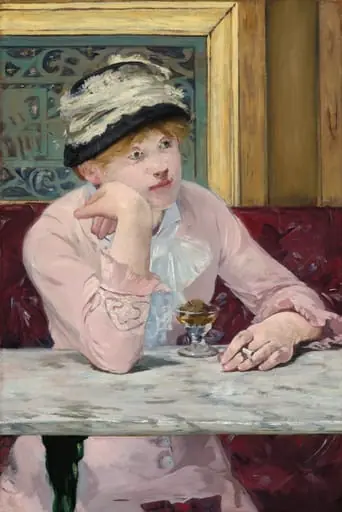 Plum Brandy
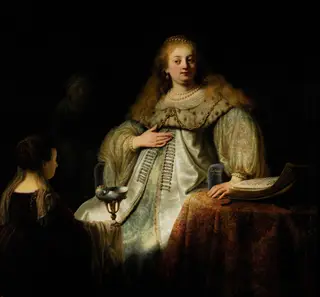 Judith at the Banquet of Holofernes
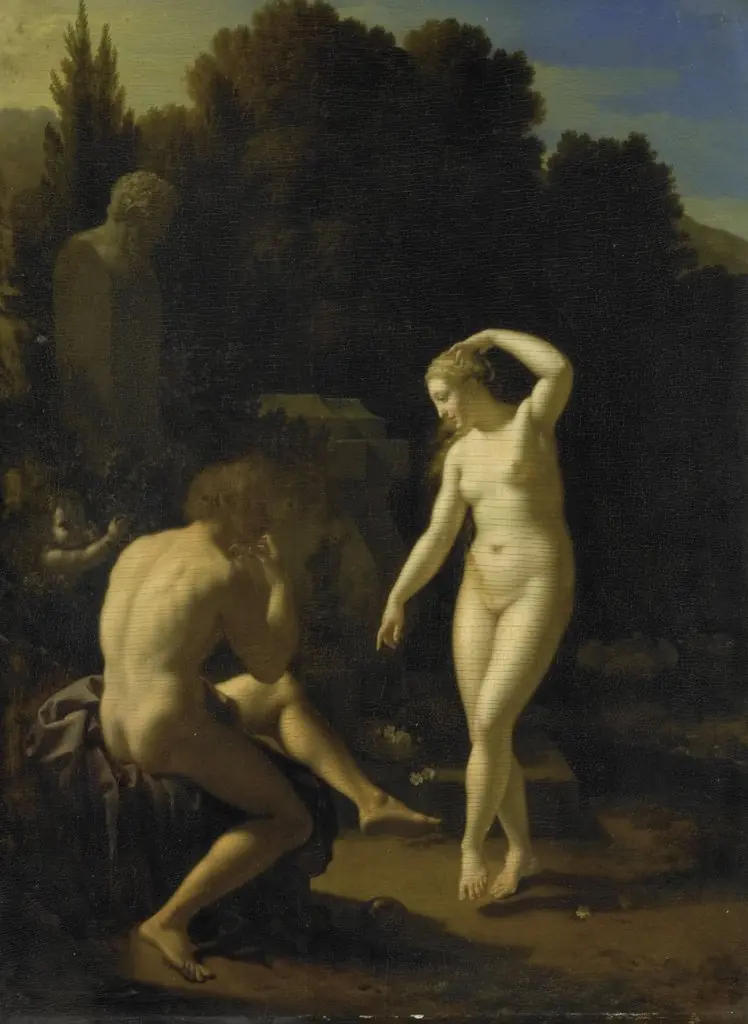 A Nymph Dancing to a Shepherd's Flute-Playing
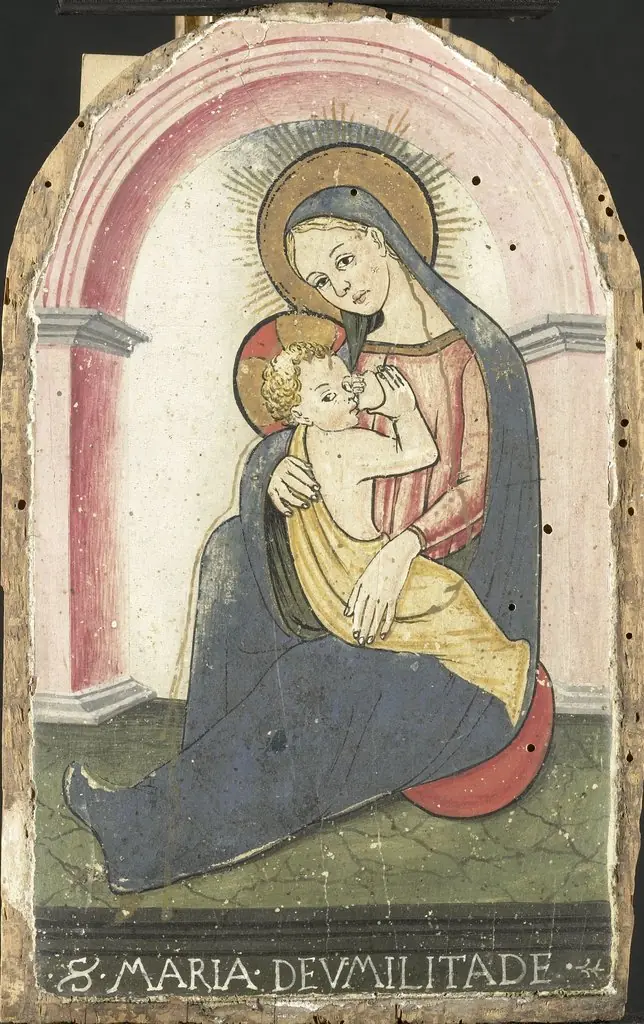 Madonna of Humility
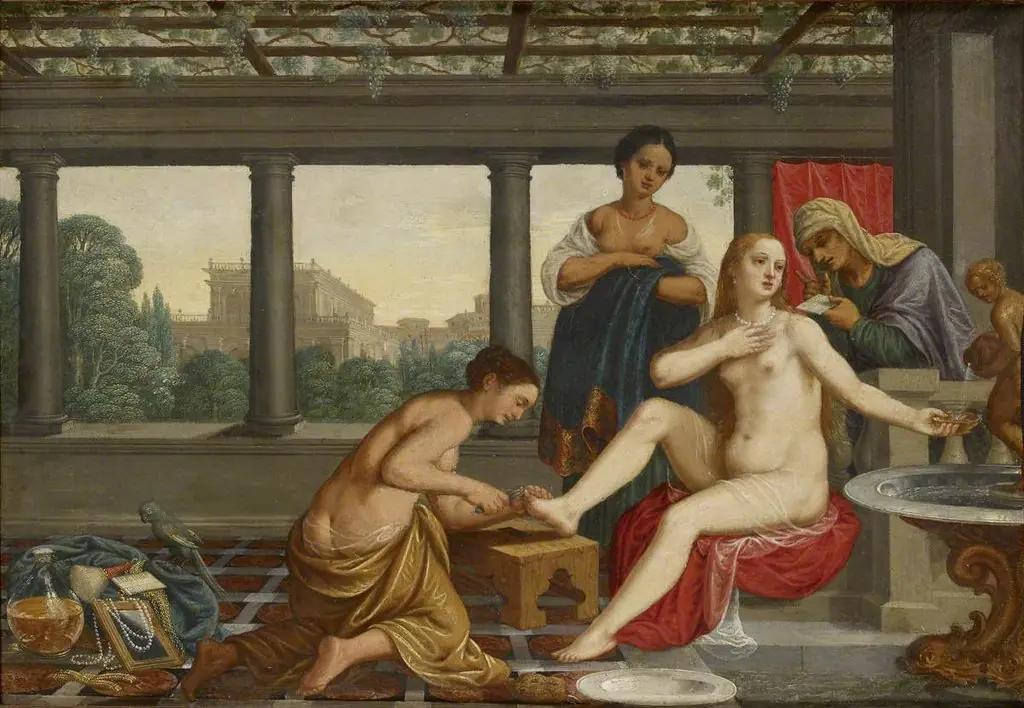 Bathsheba's Bath
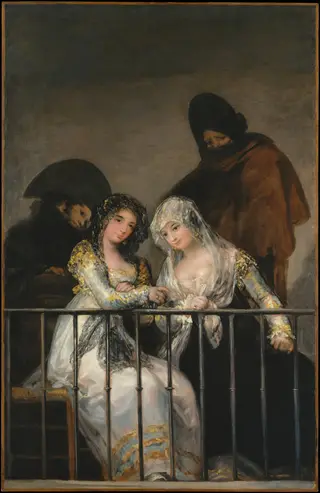 Majas on a Balcony
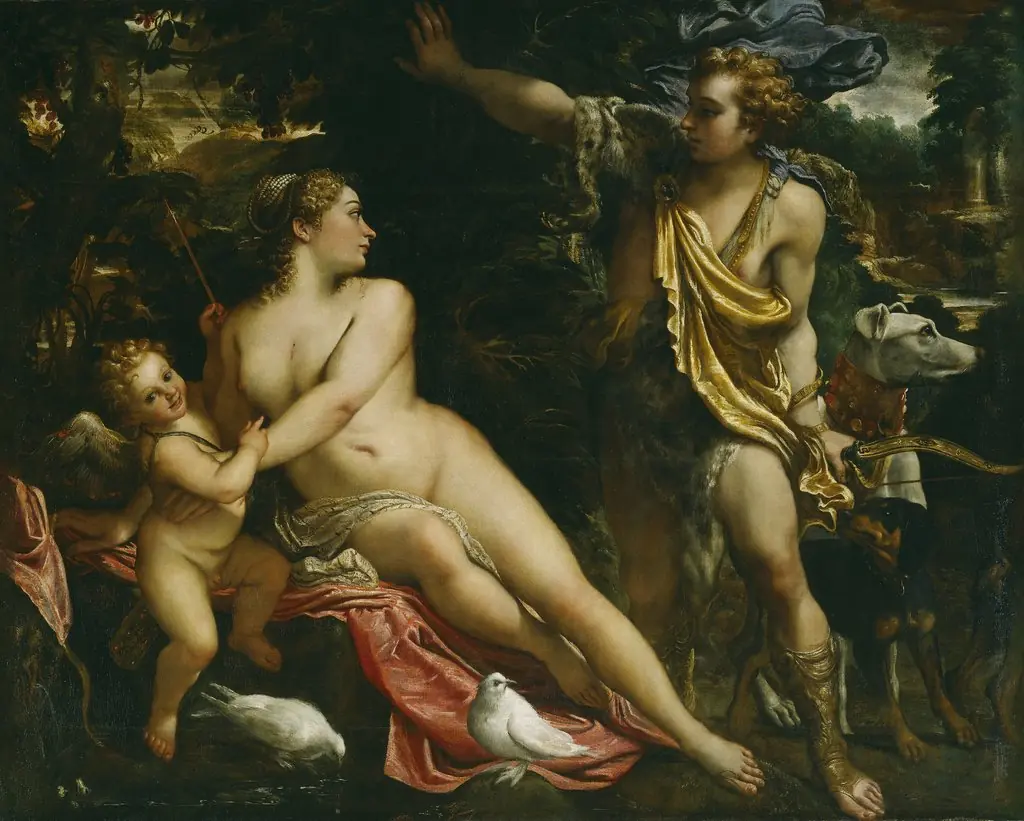 Venus, Adonis and Cupid
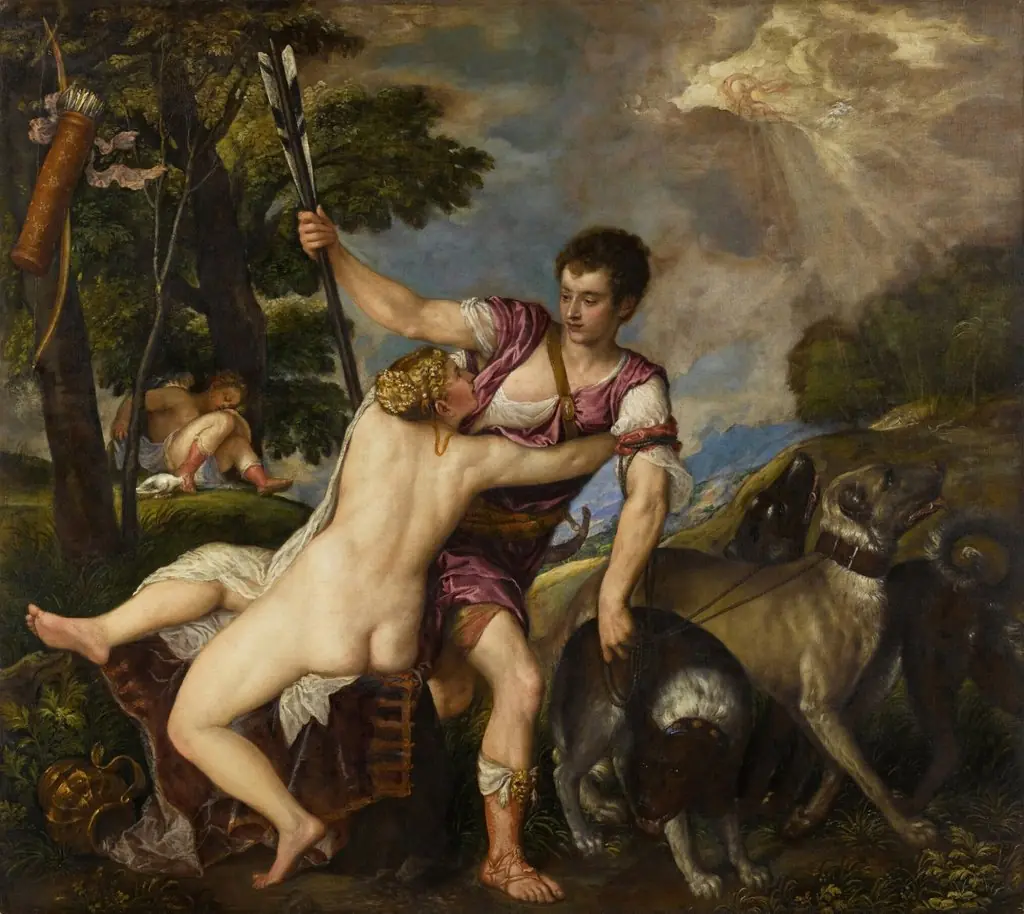 Venus and Adonis
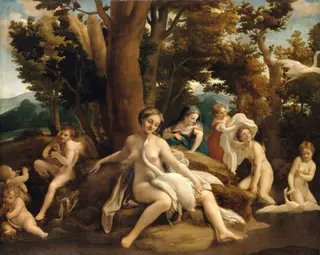 Leda and the Swan
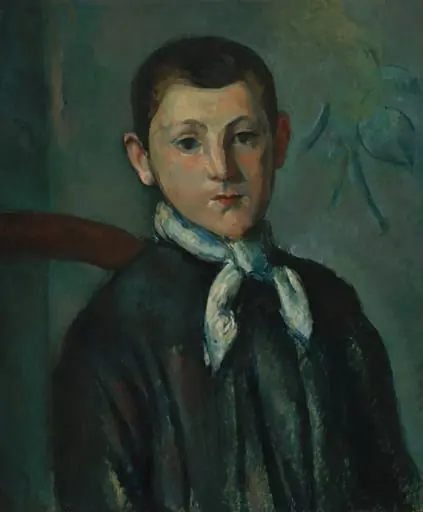 Louis Guillaume
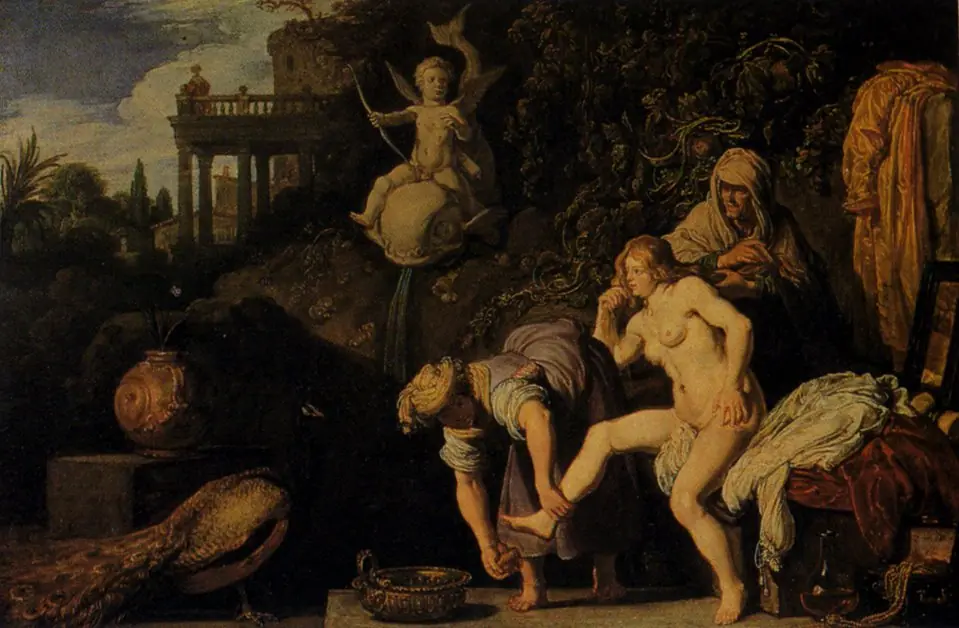 Bathsheba at her Toilette
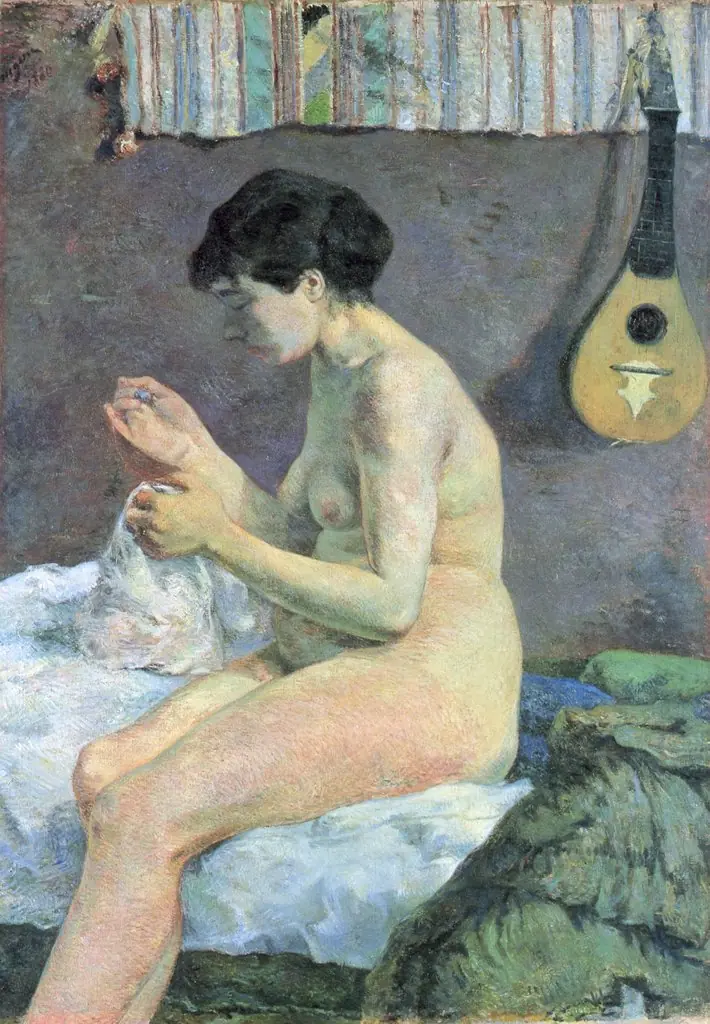 Study of a Nude
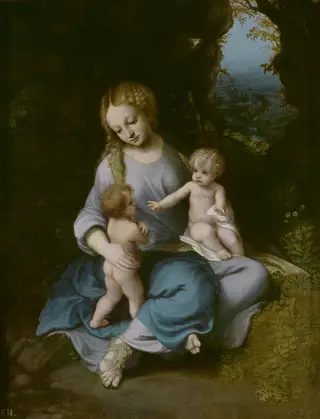 Madonna and Child with the Young Saint John
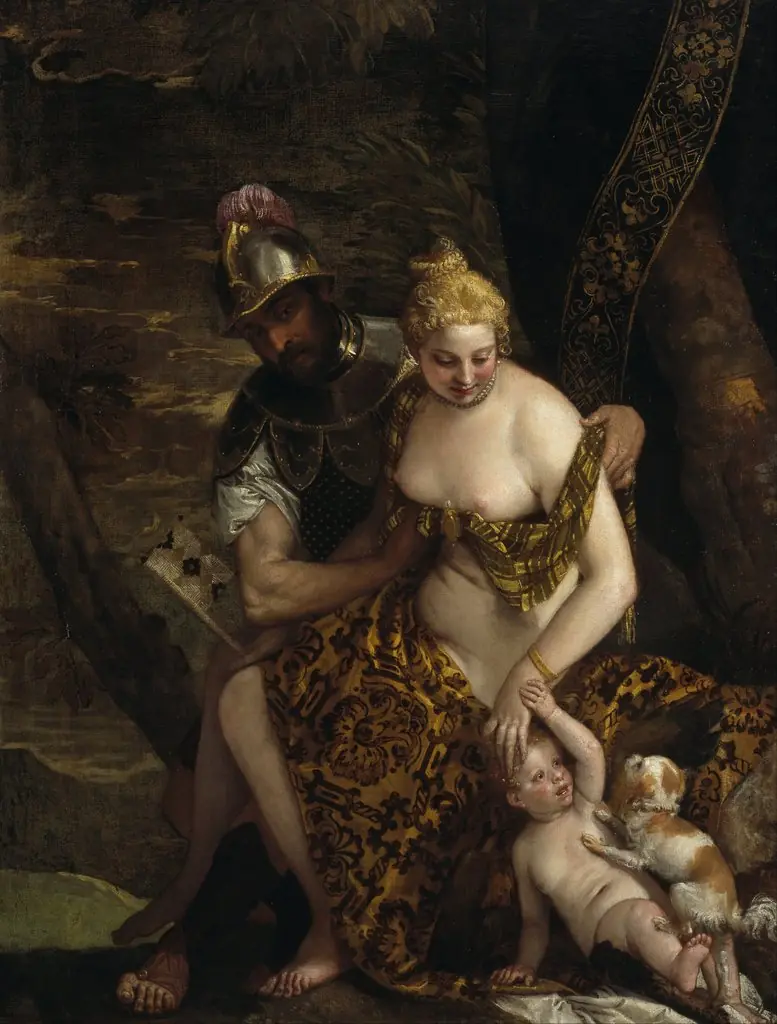 Mars and Venus with Cupid and a Dog
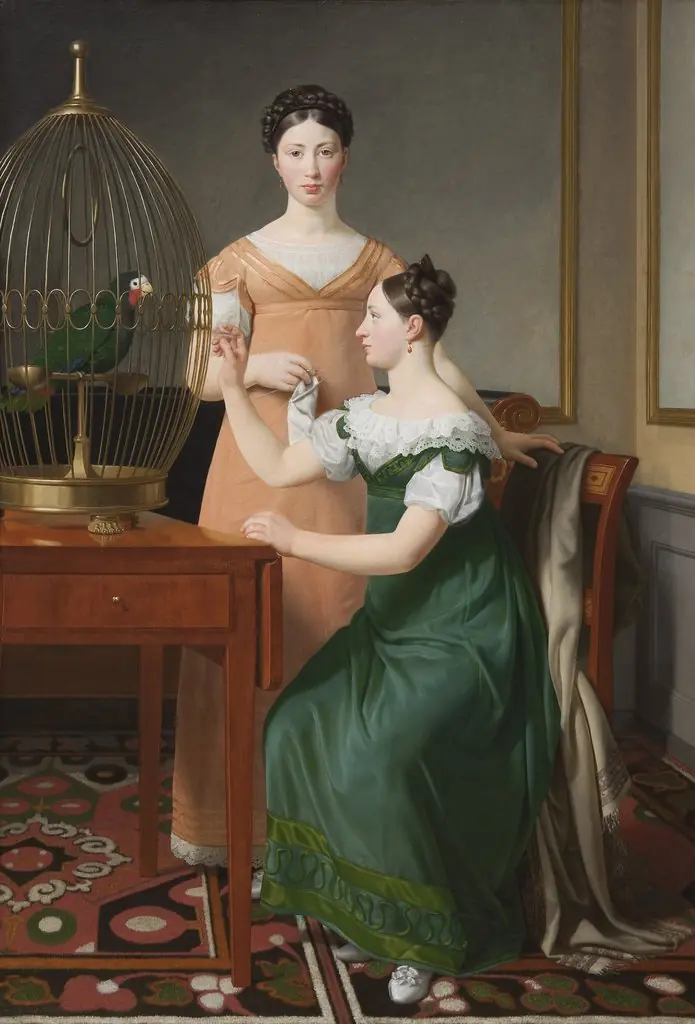 Bella and Hanna. The Eldest Daughters of M. L. Nathanson
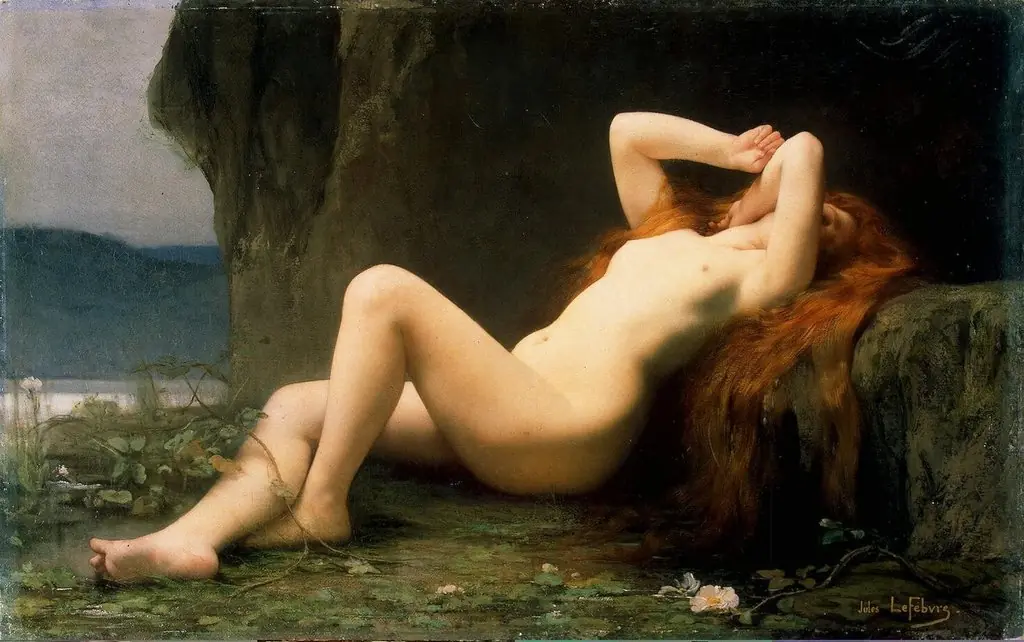 Mary Magdalene in a Grotto
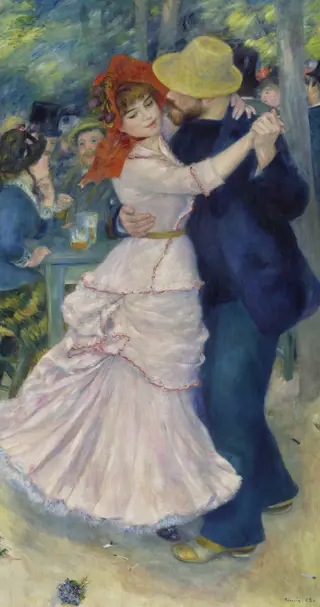 Dance at Bougival
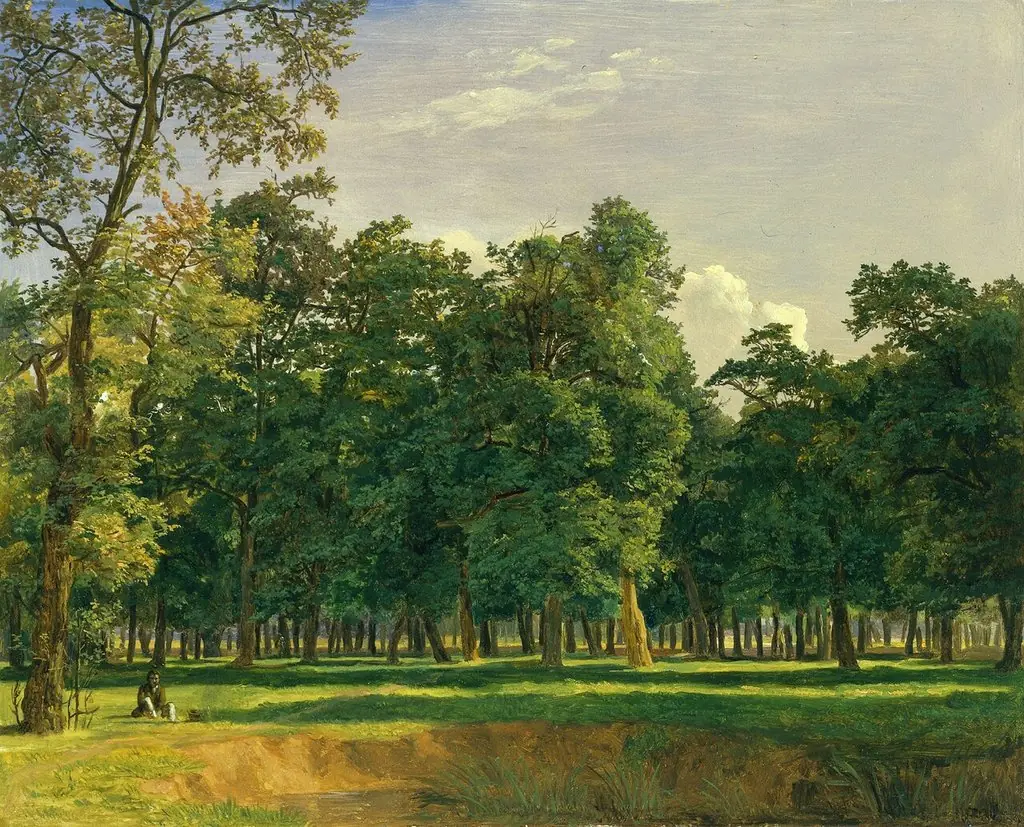 Prater Landscape
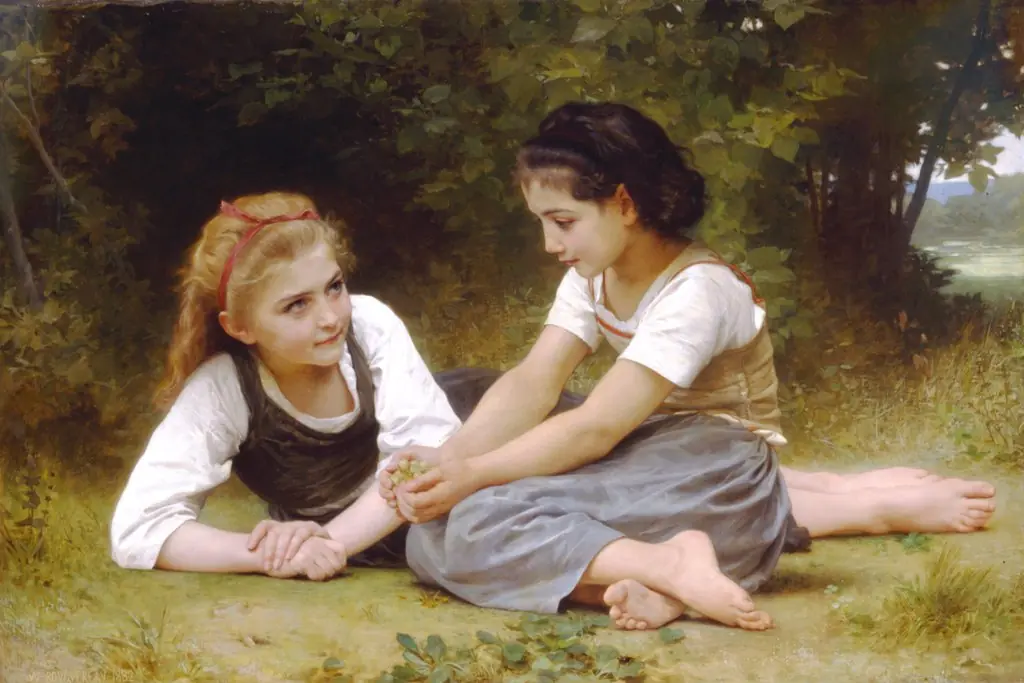 The Nut Gatherers
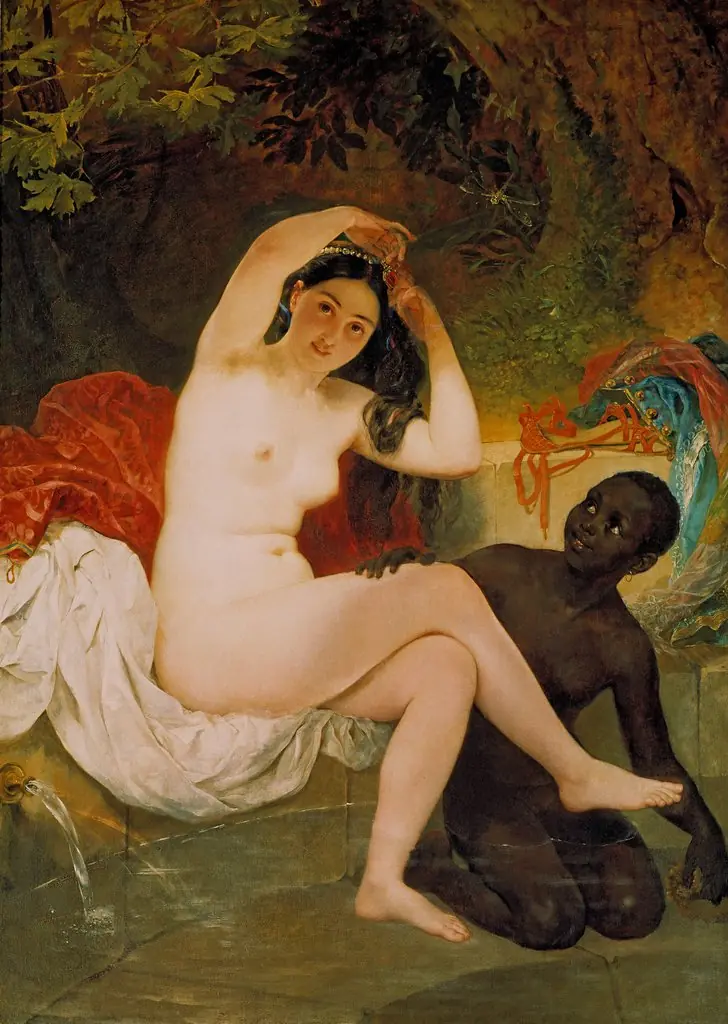 Bathsheba
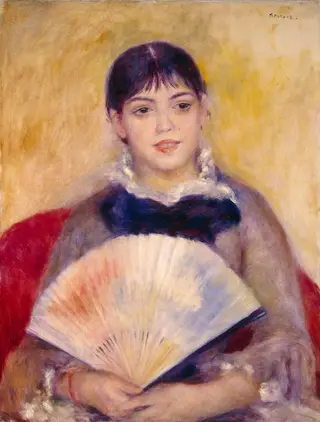 Girl with a Fan
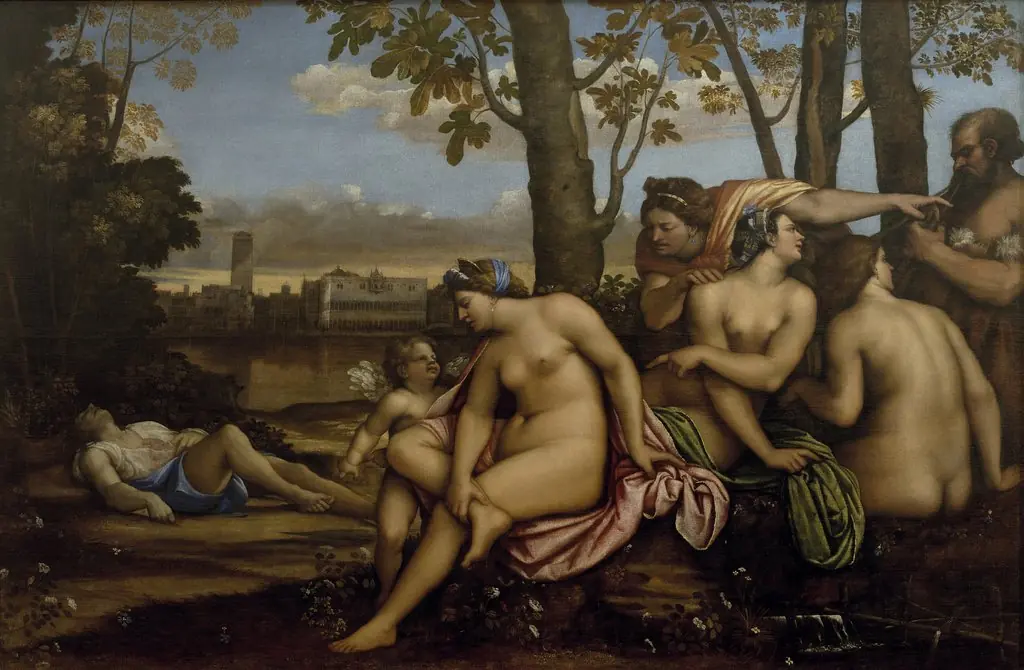 Death of Adonis
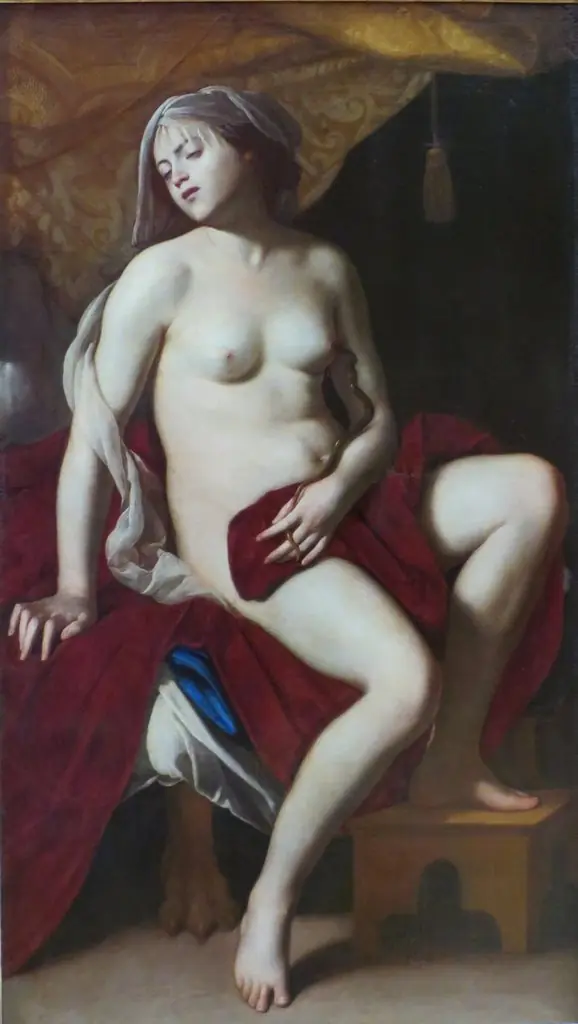 The Death of Cleopatra
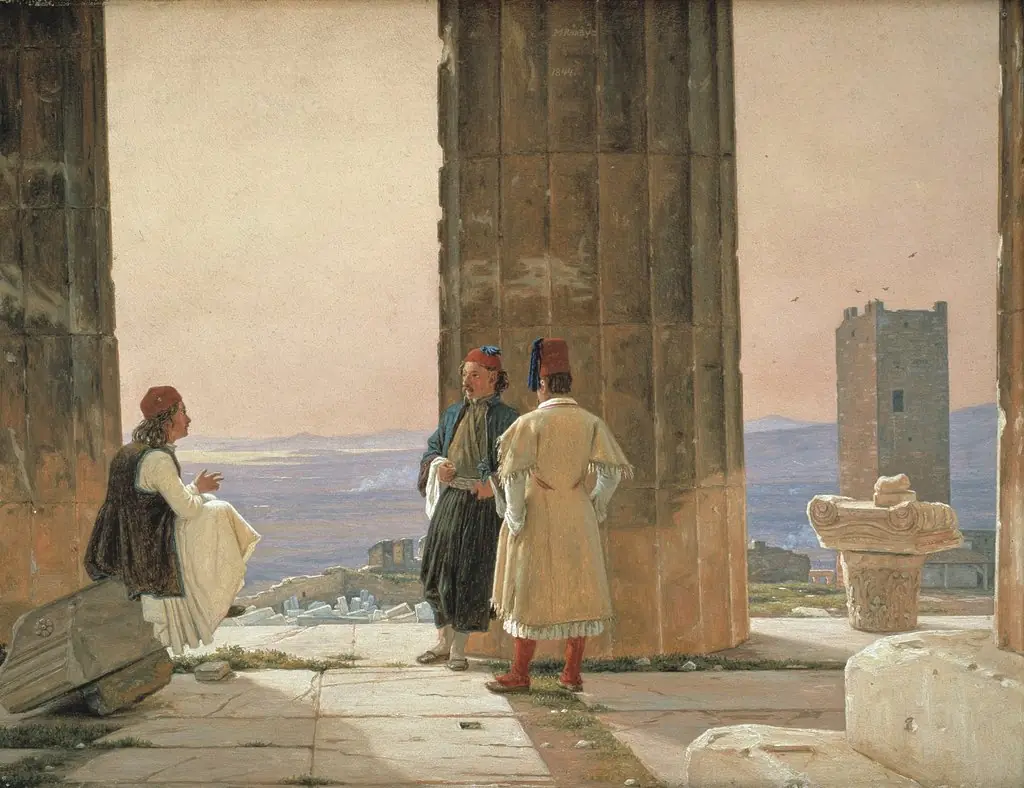 The View from the Temple of Athena on the Acropolis
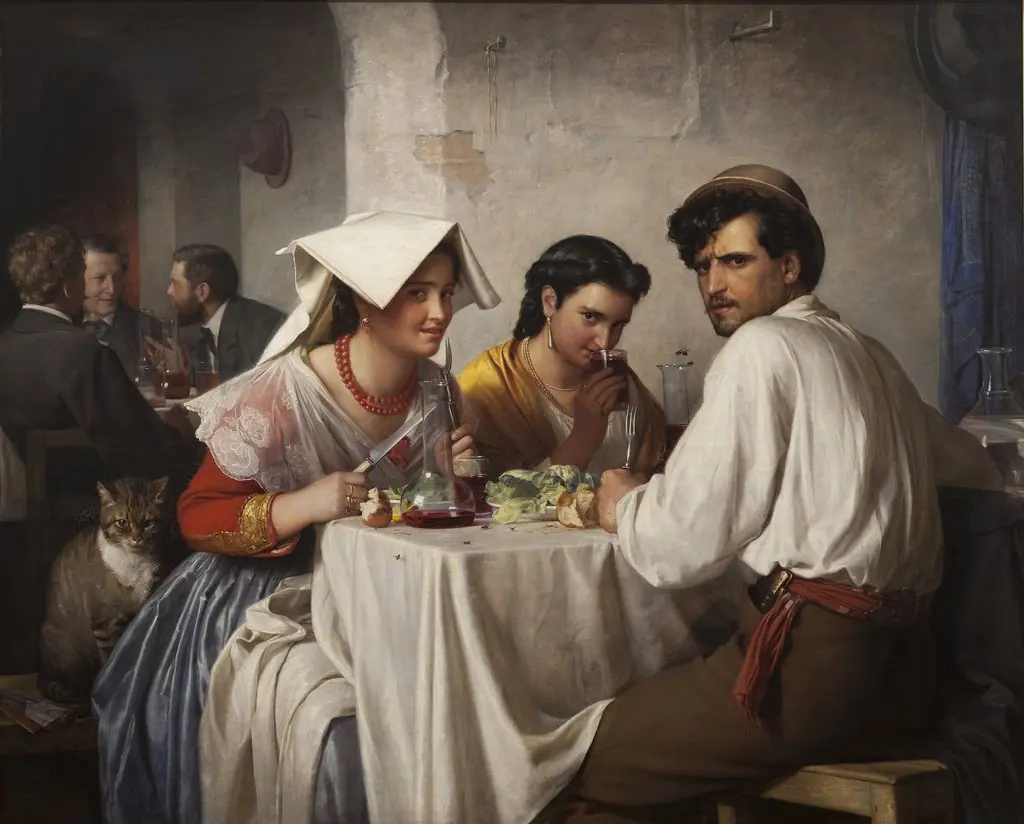 In a Roman Osteria
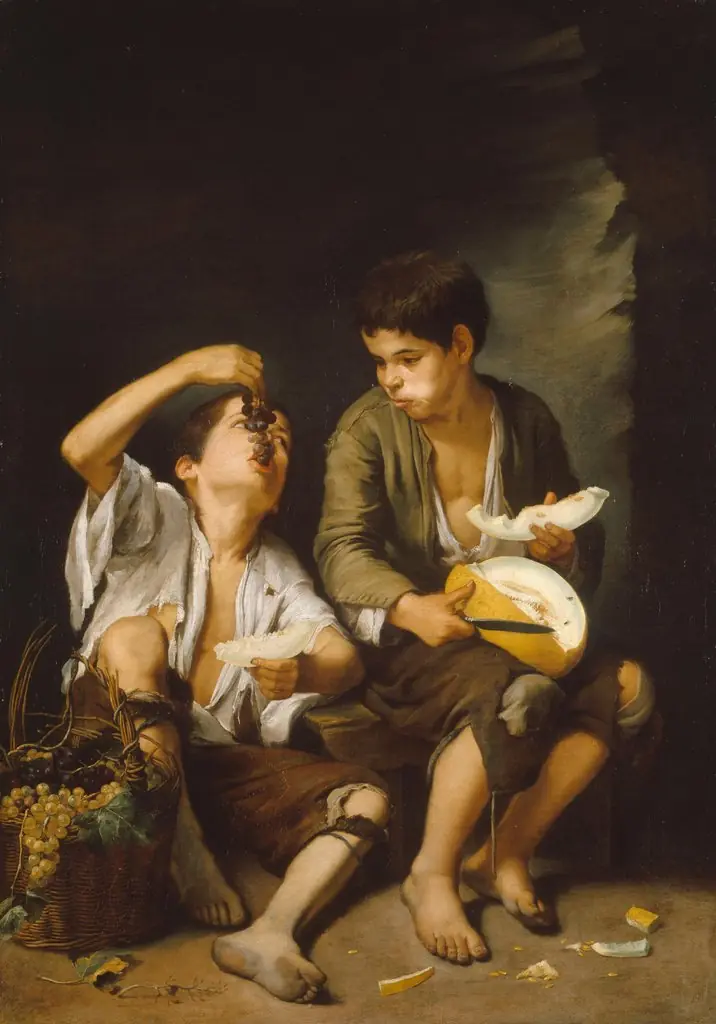 Grape and Melon Eaters
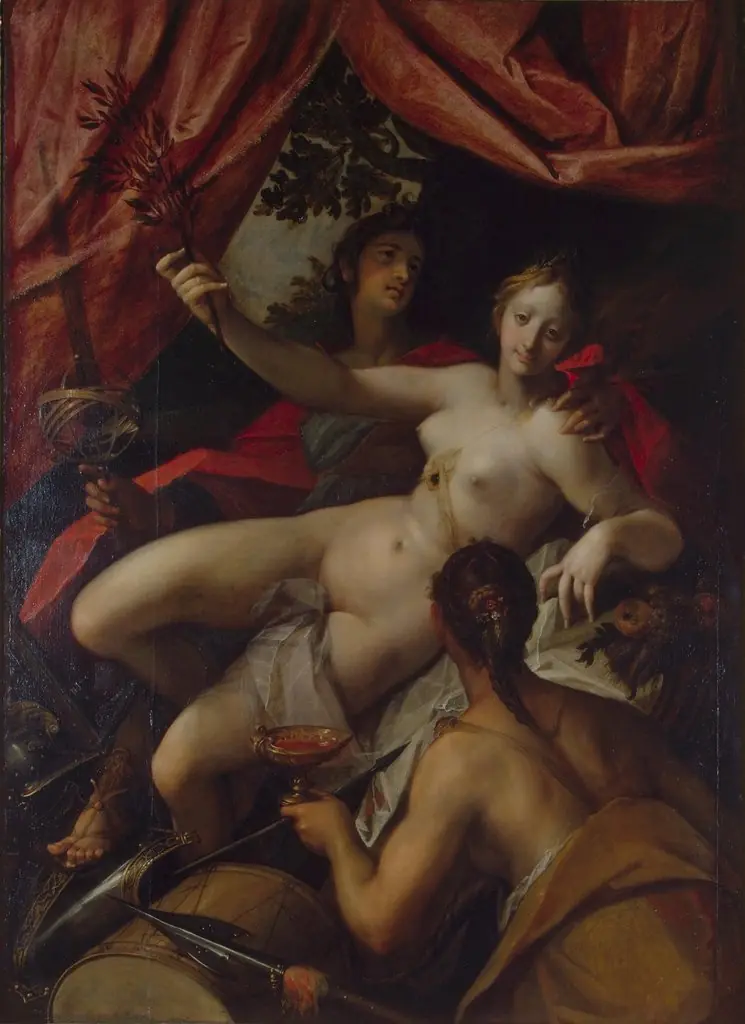 Allegory of Peace and Abundance
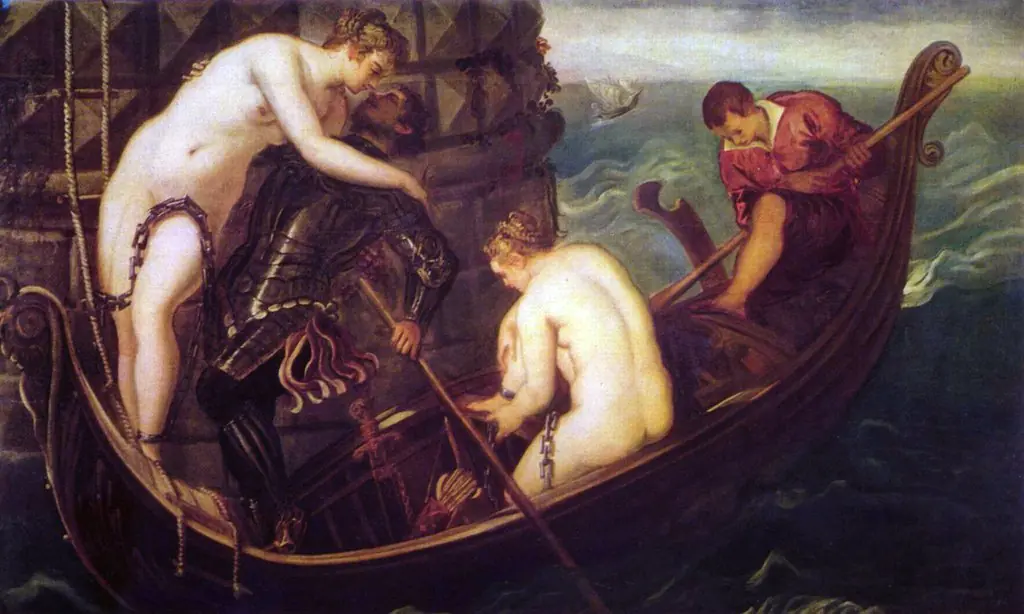 The Deliverance of Arsinoe
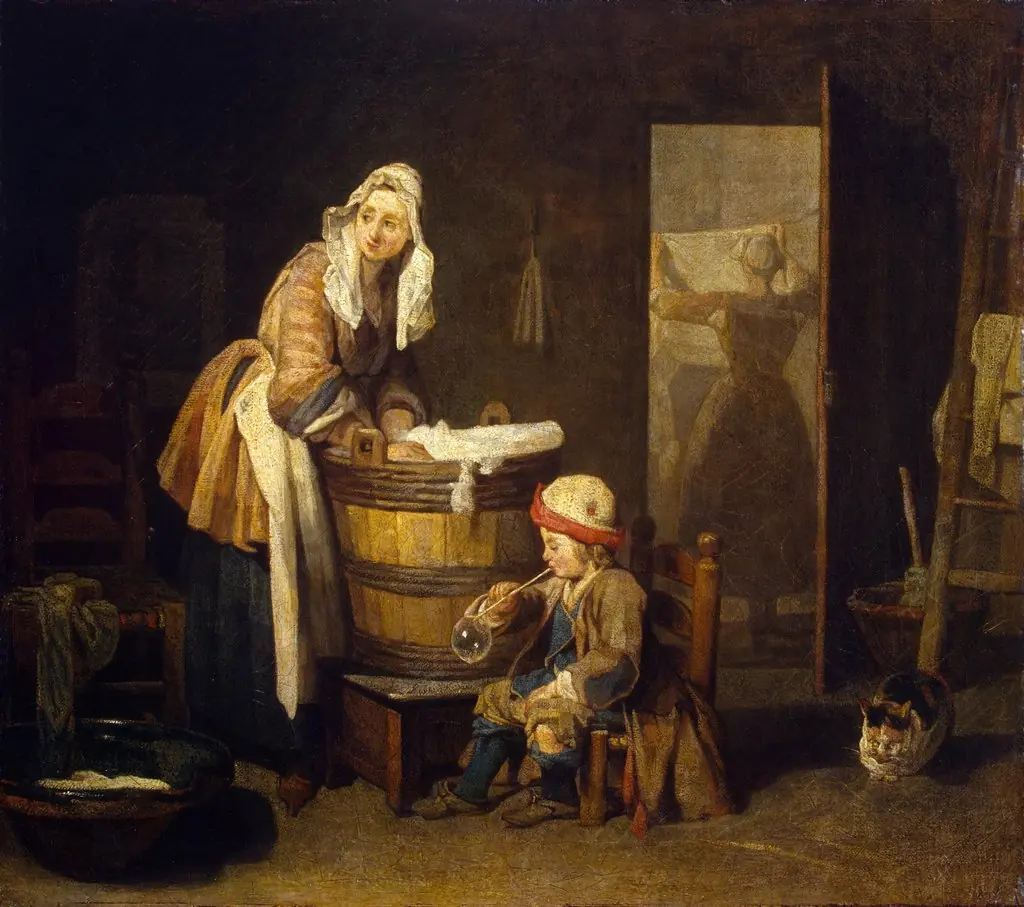 The Laundress
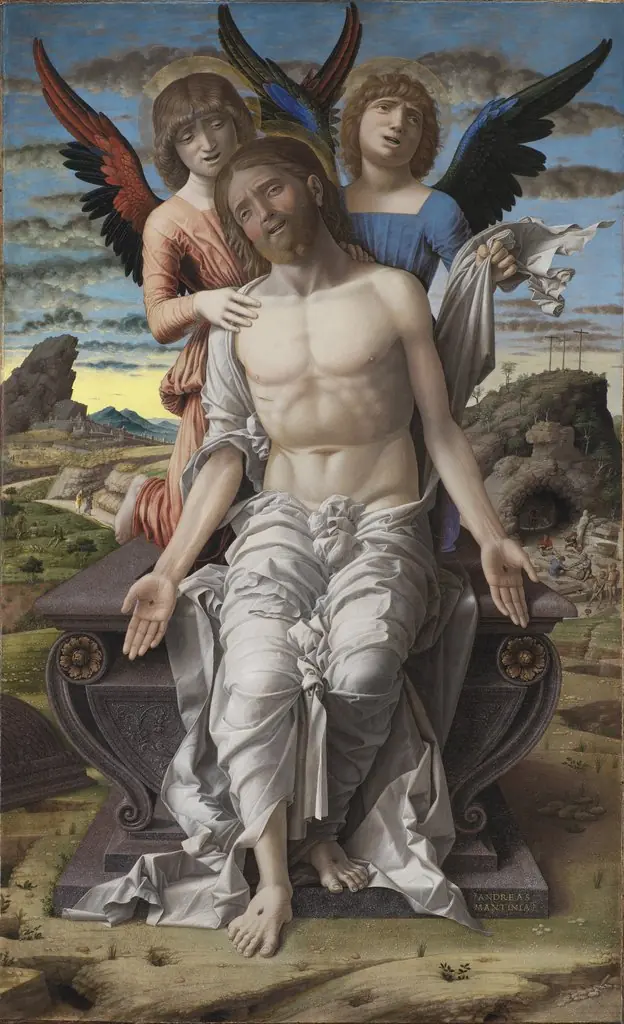 Christ as the Suffering Redeemer
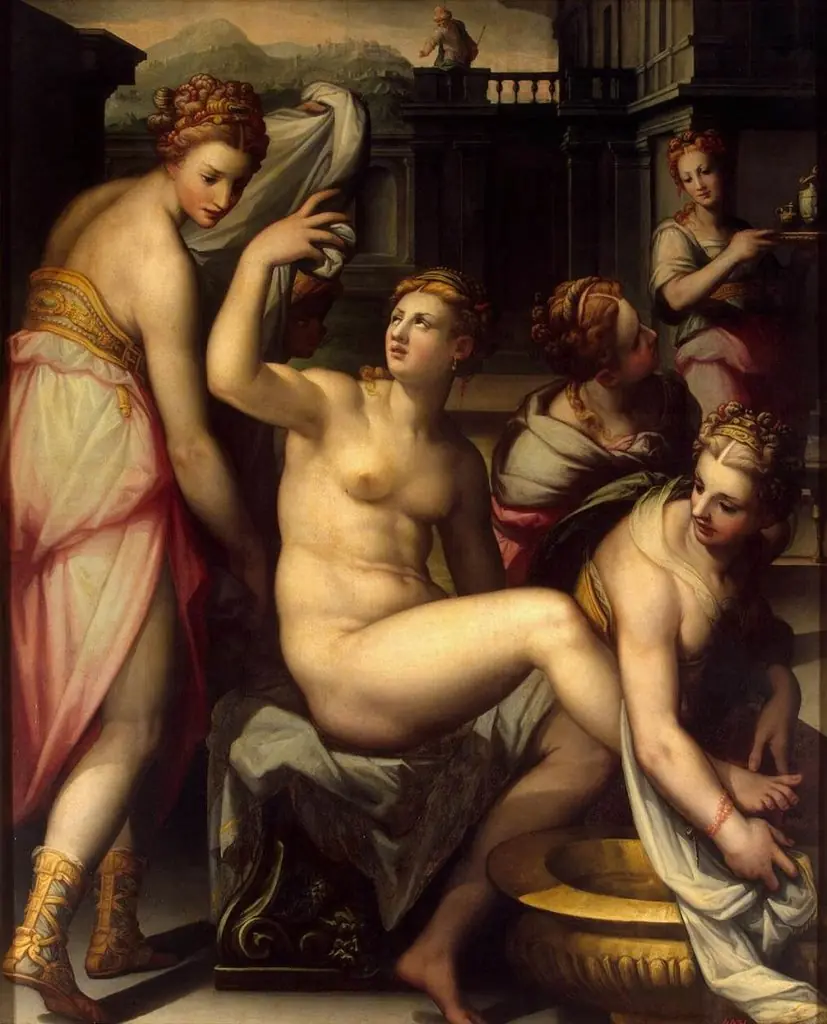 Bathsheba
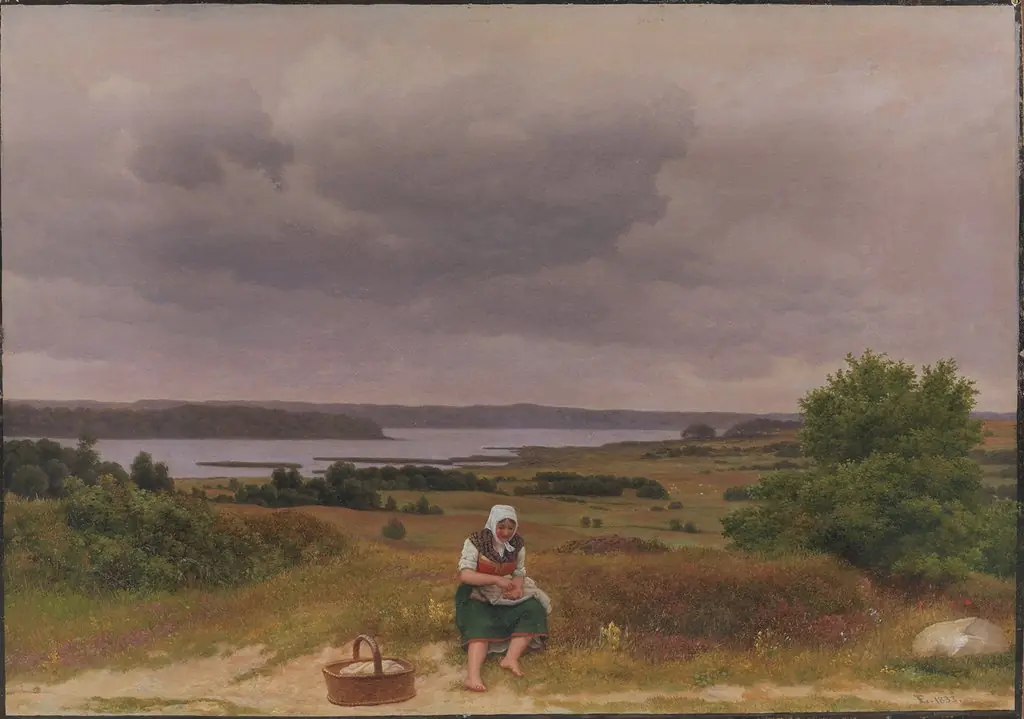 View of Lake Fure near Rudersdal, North Sealand.
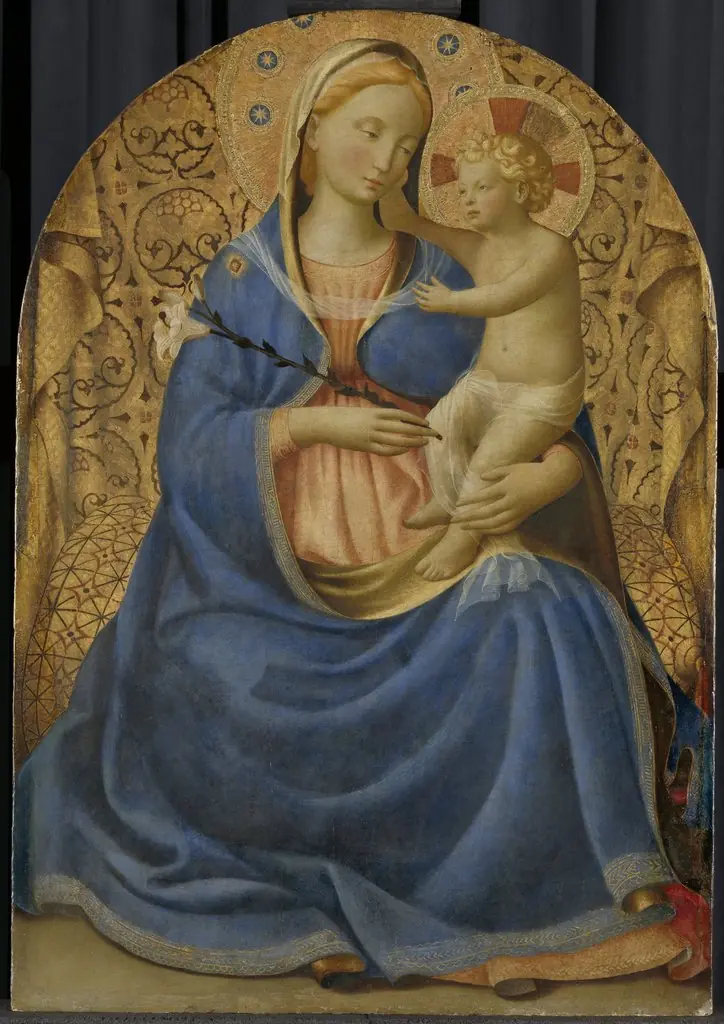 Madonna of Humility
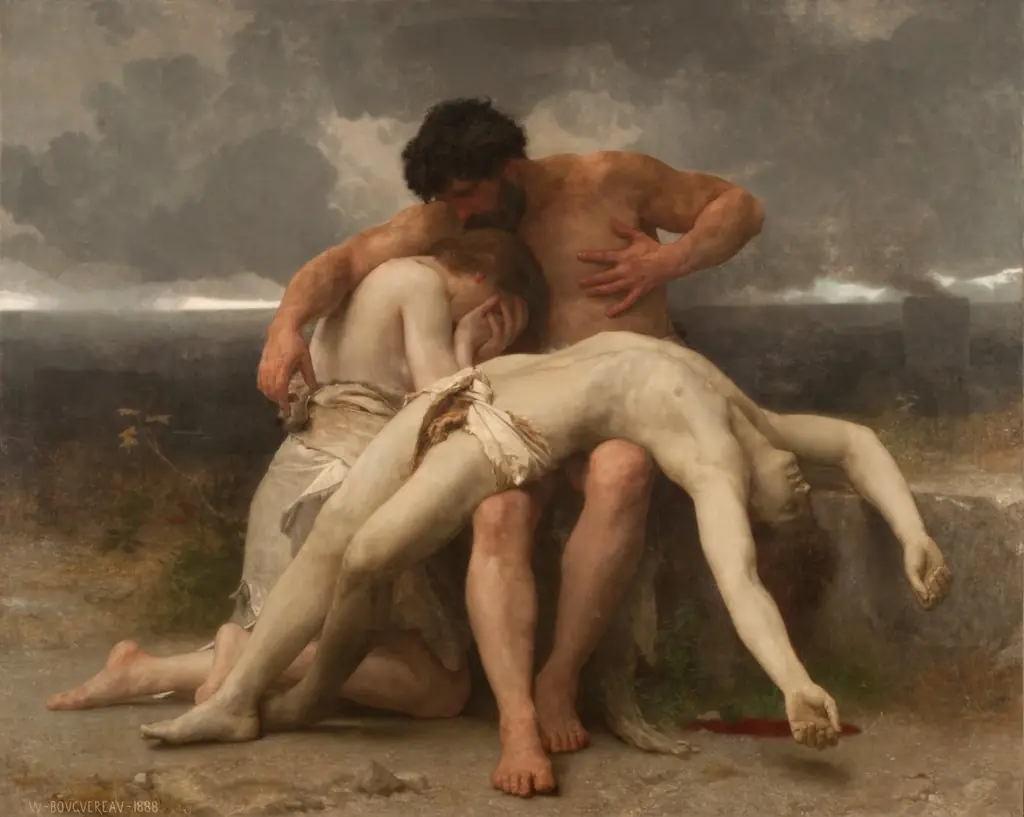 The First Mourning
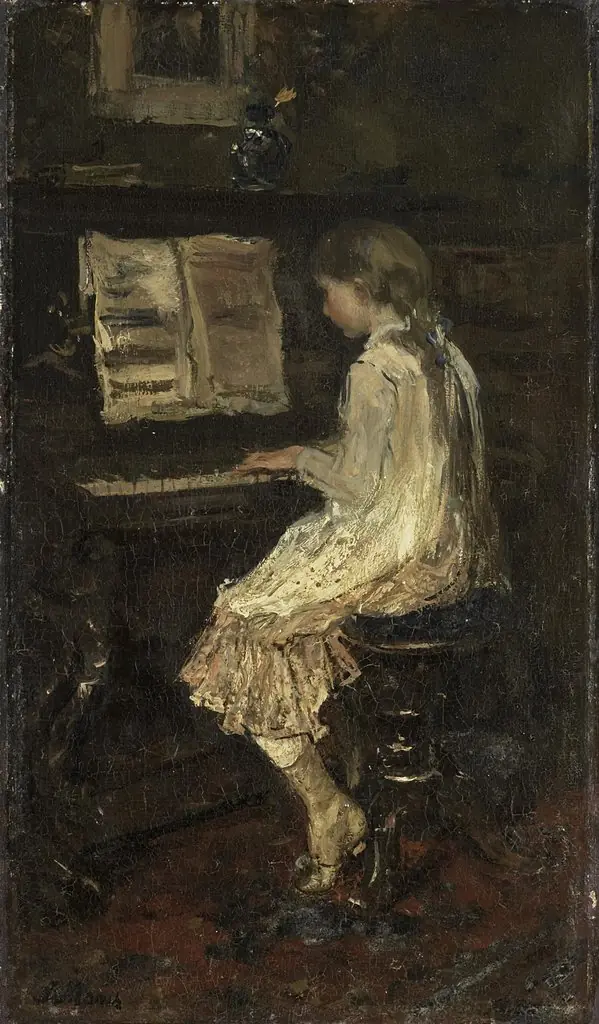 Girl at the Piano
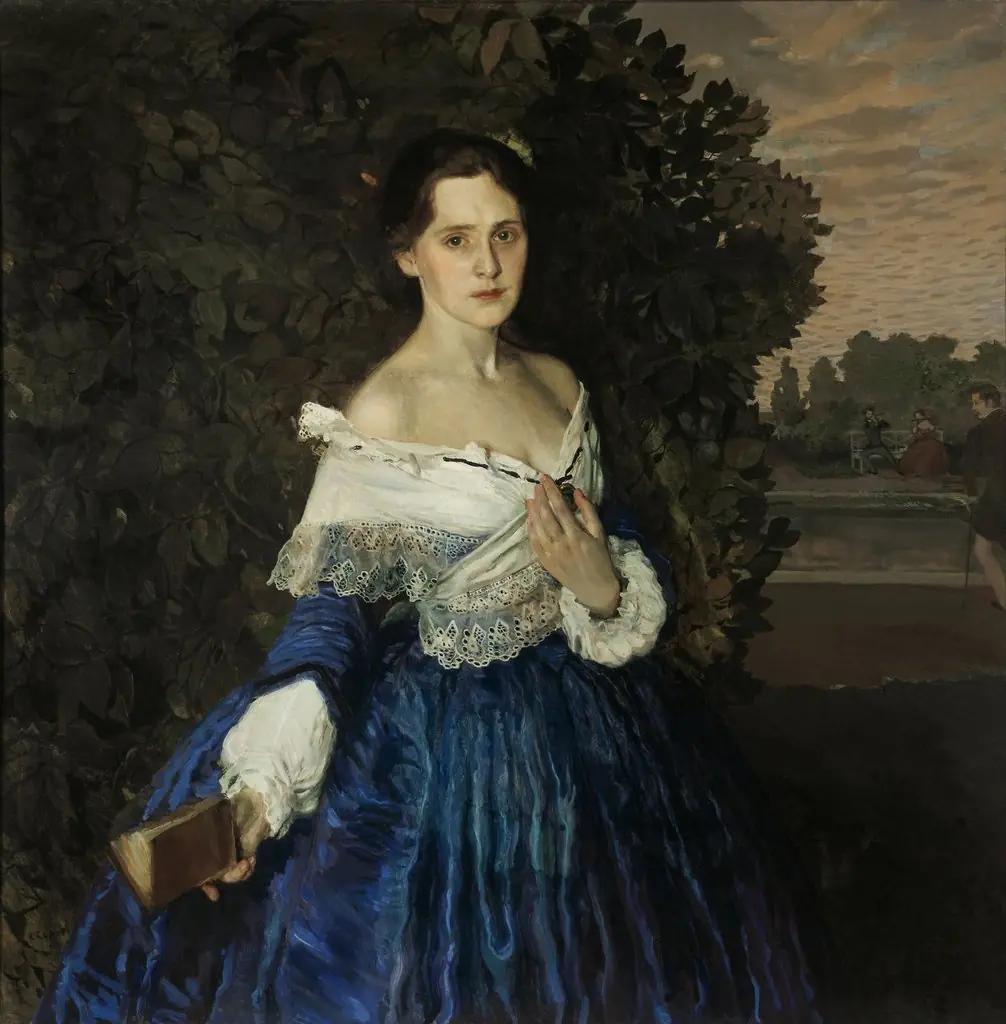 Lady in Blue
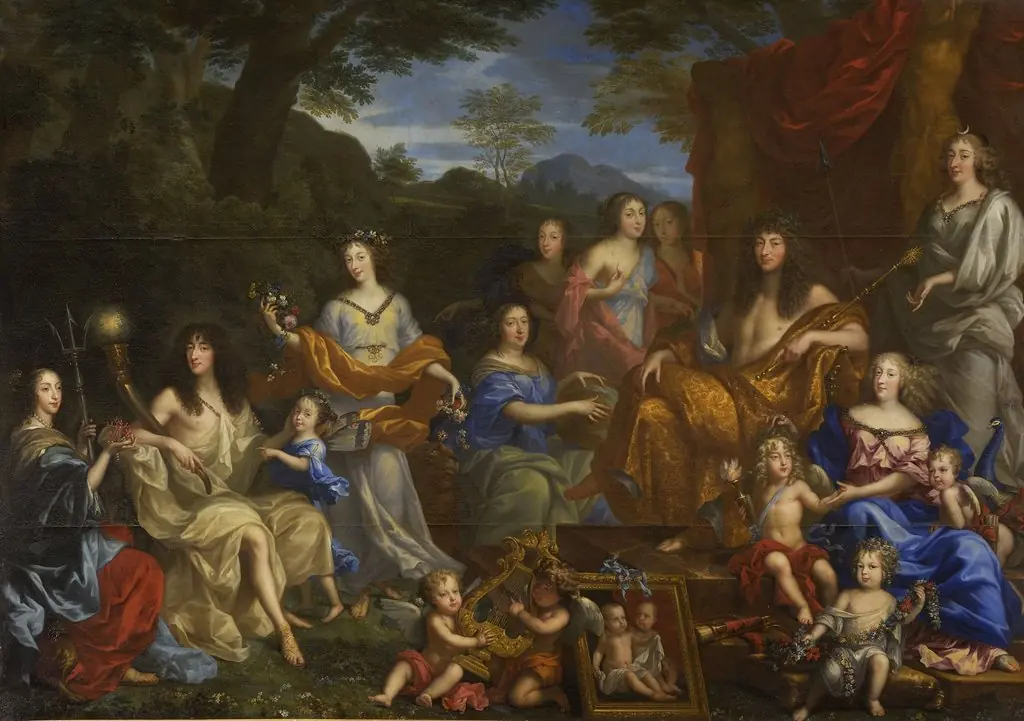 Mythological portrait of Louis XIV and the royal family
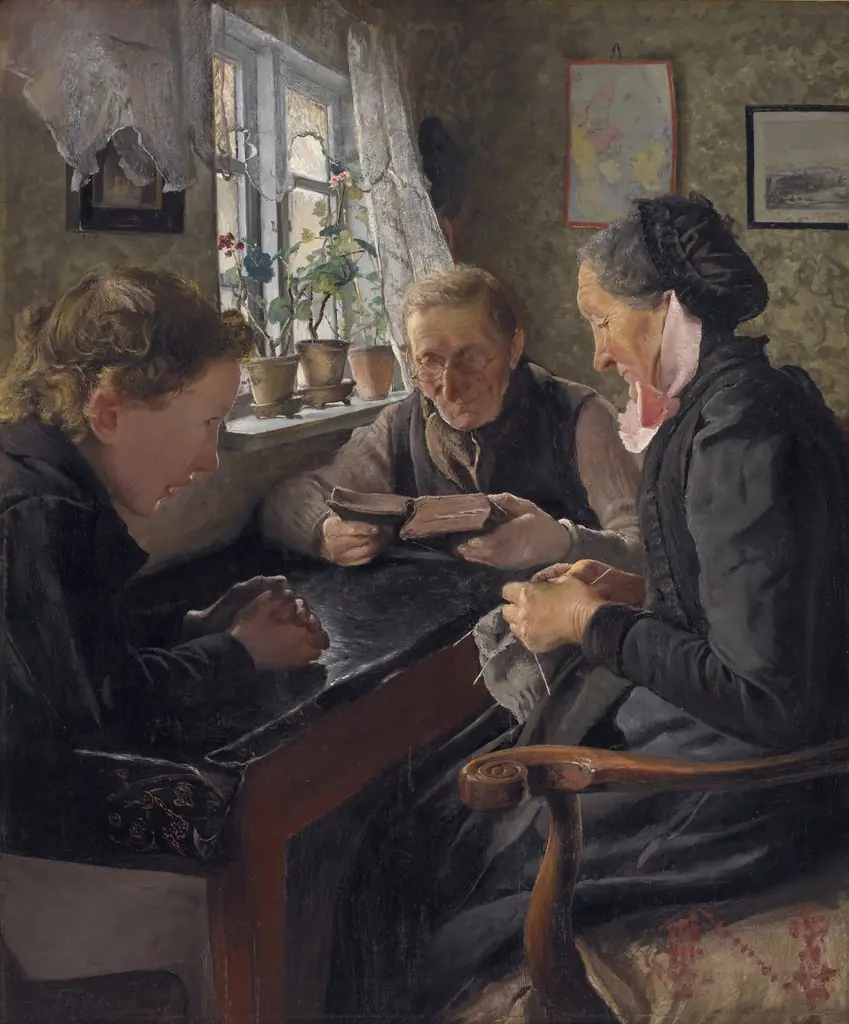 A Child Visiting his Grandparents on a Sunday
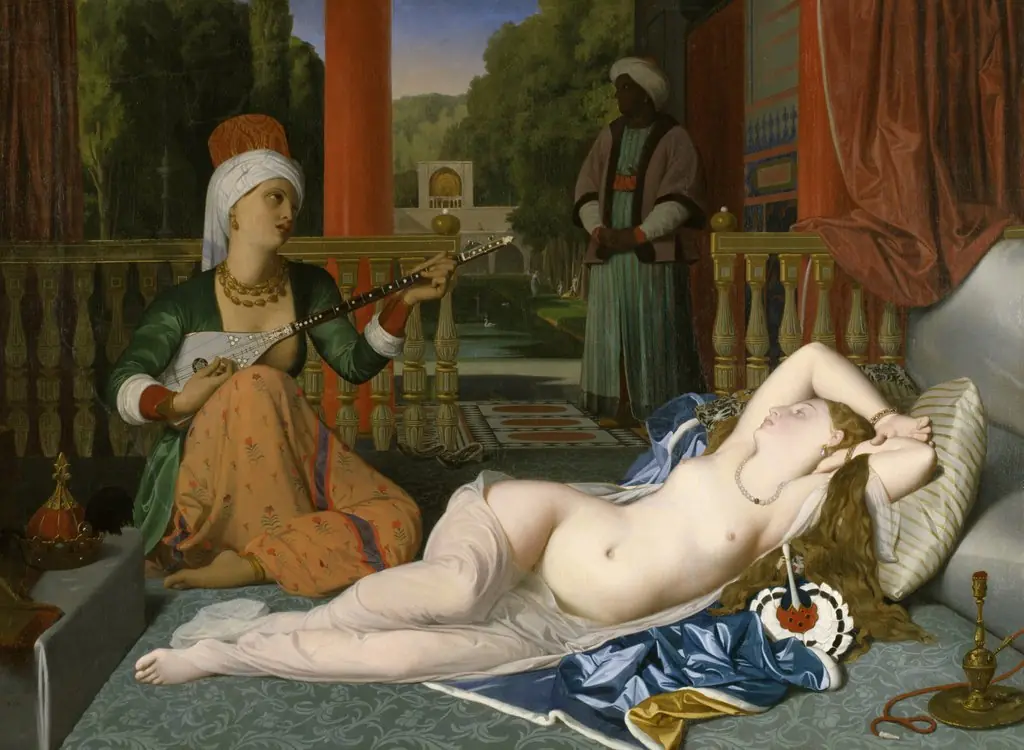 Odalisque with Slave
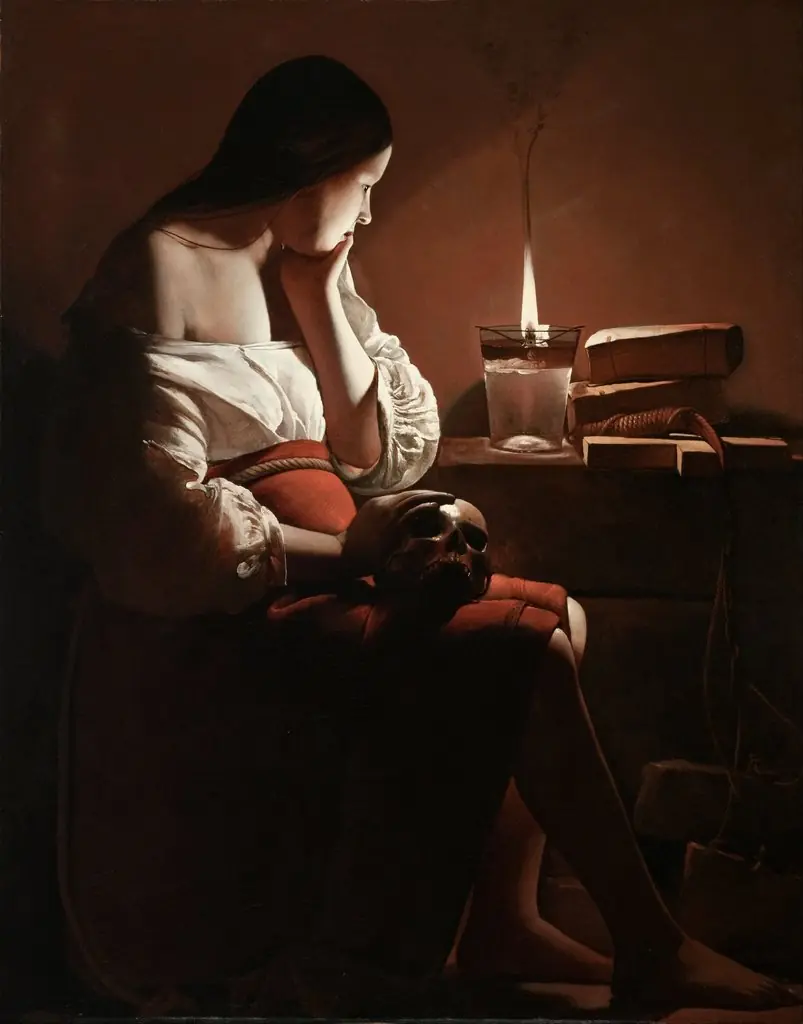 Magdalen with the Smoking Flame
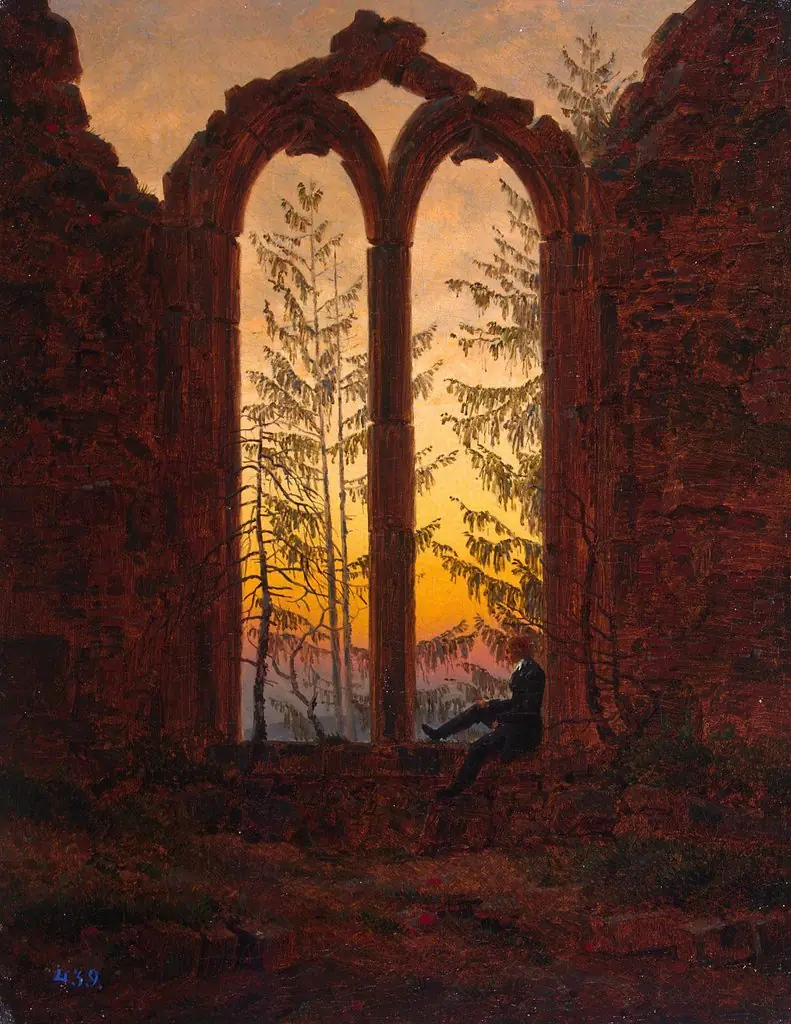 Ruins of the Oybin
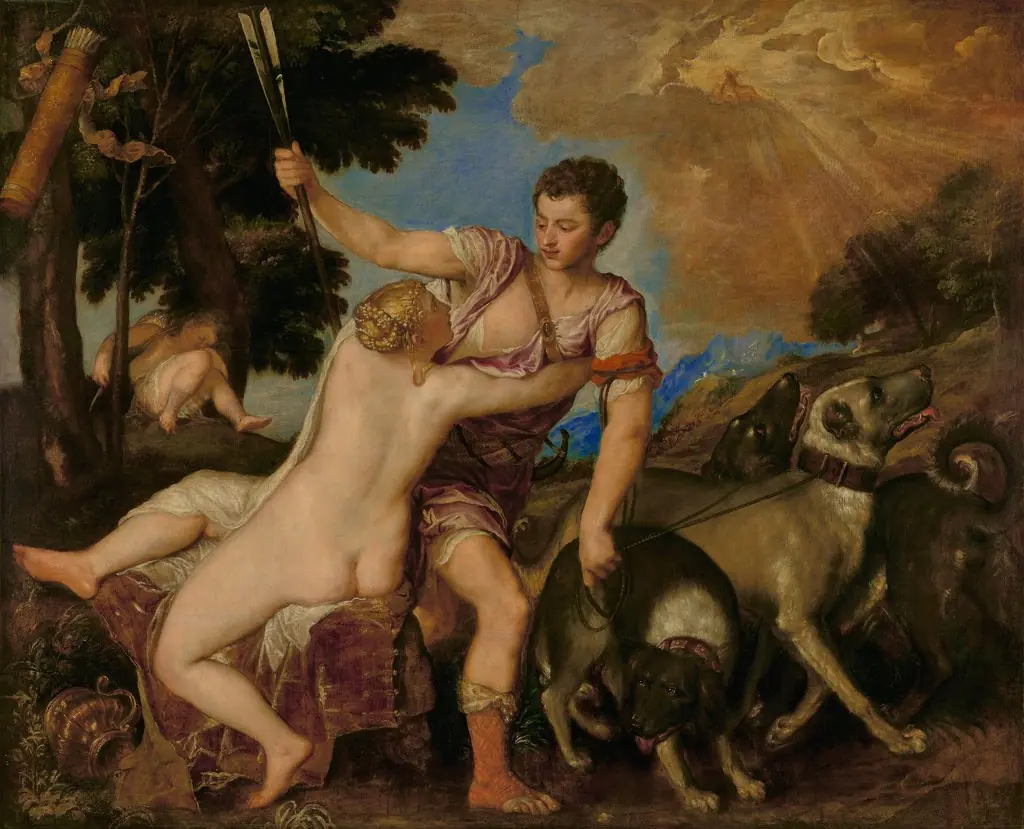 Venus and Adonis
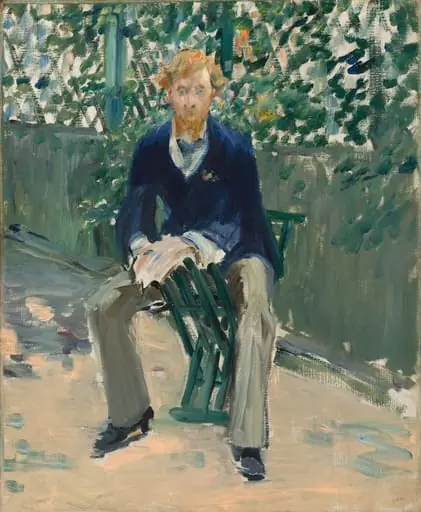 George Moore in the Artist's Garden
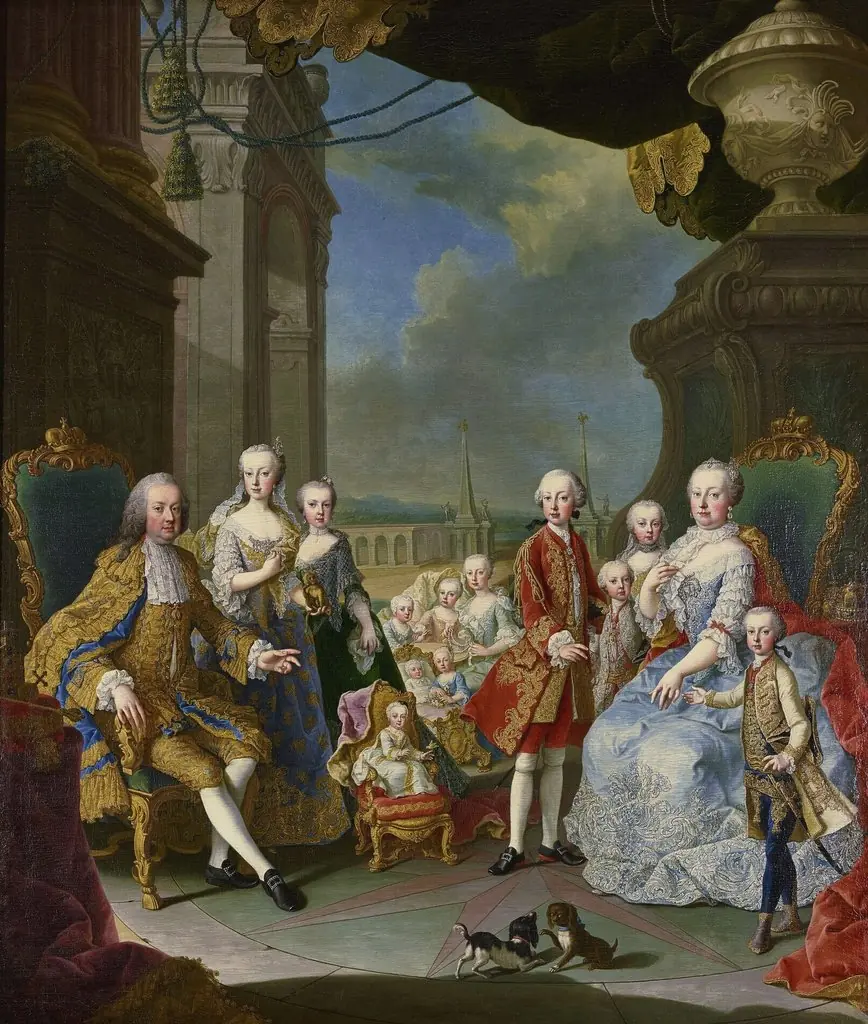 The Imperial family in 1756
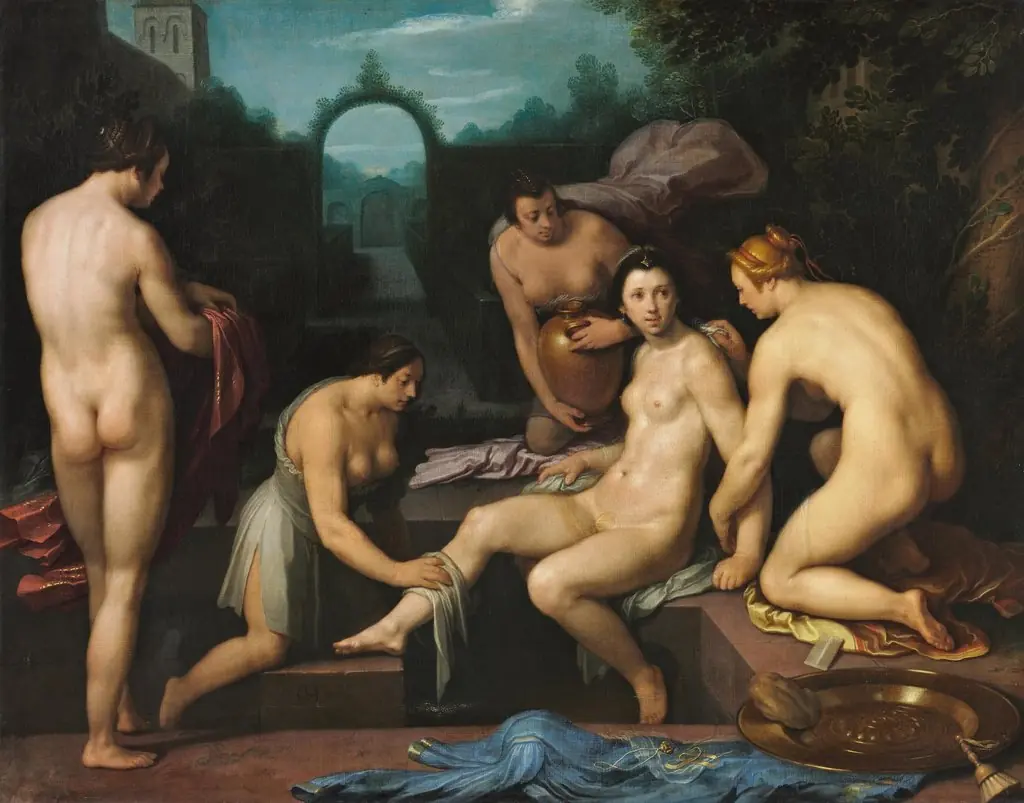 Bathsheba at her toilet
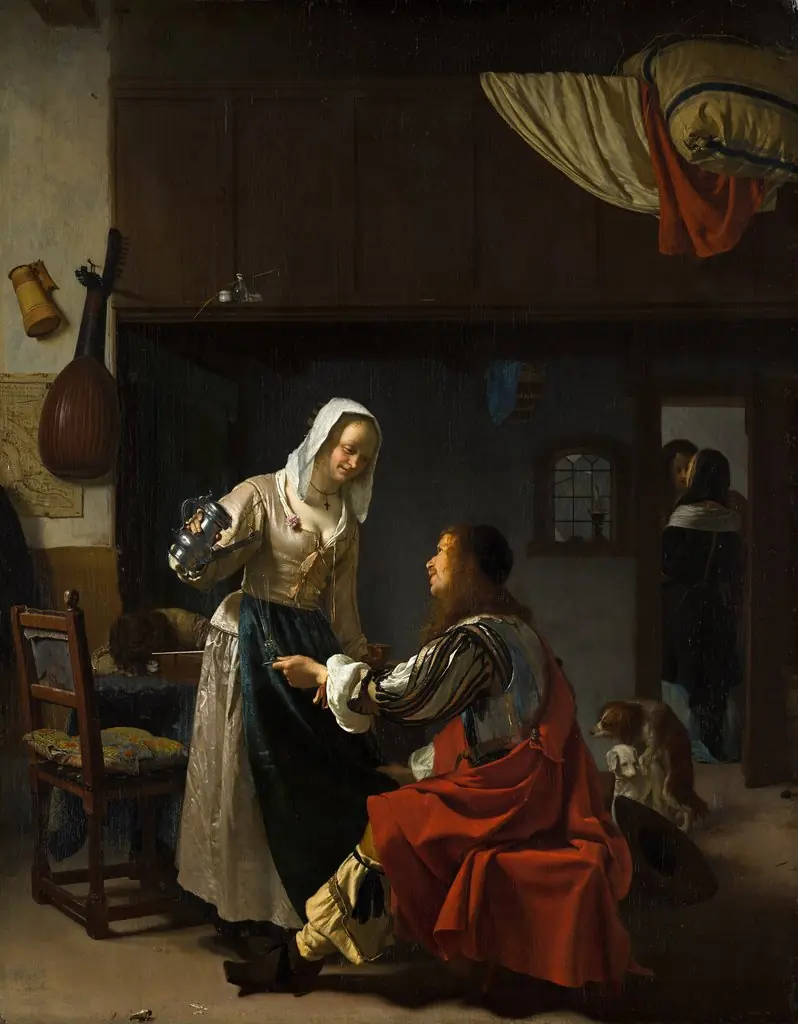 Brothel Scene
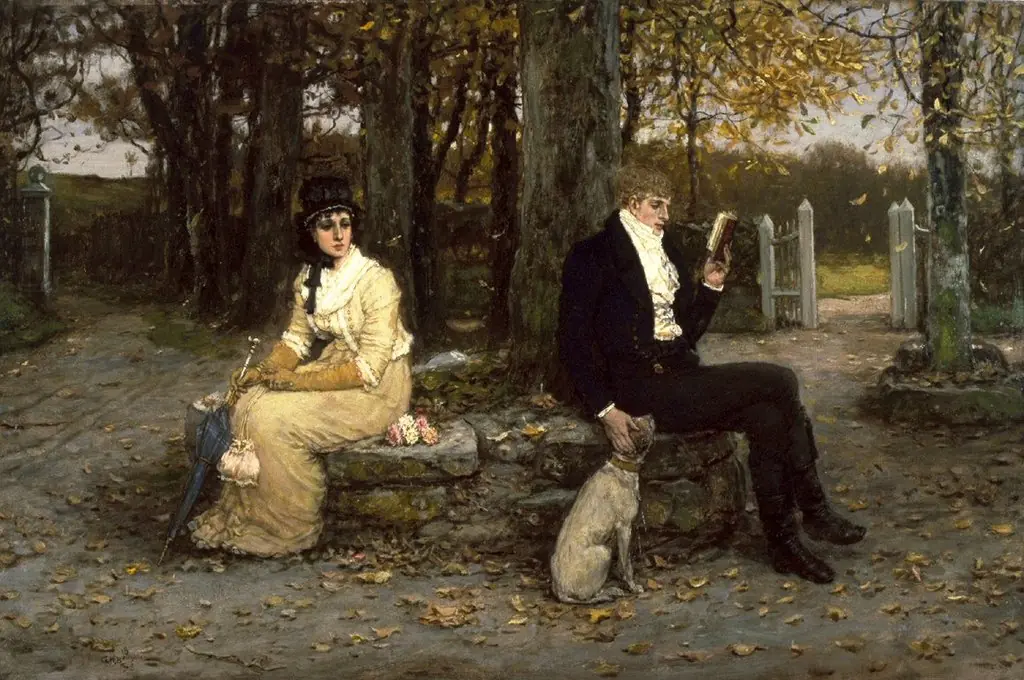 The Waning Honeymoon
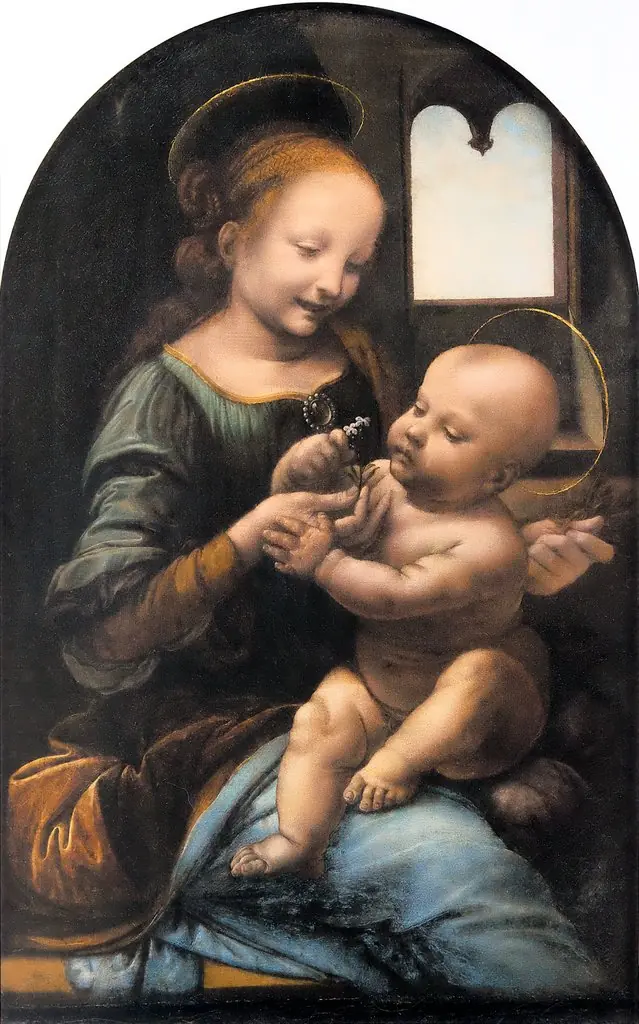 Benois Madonna
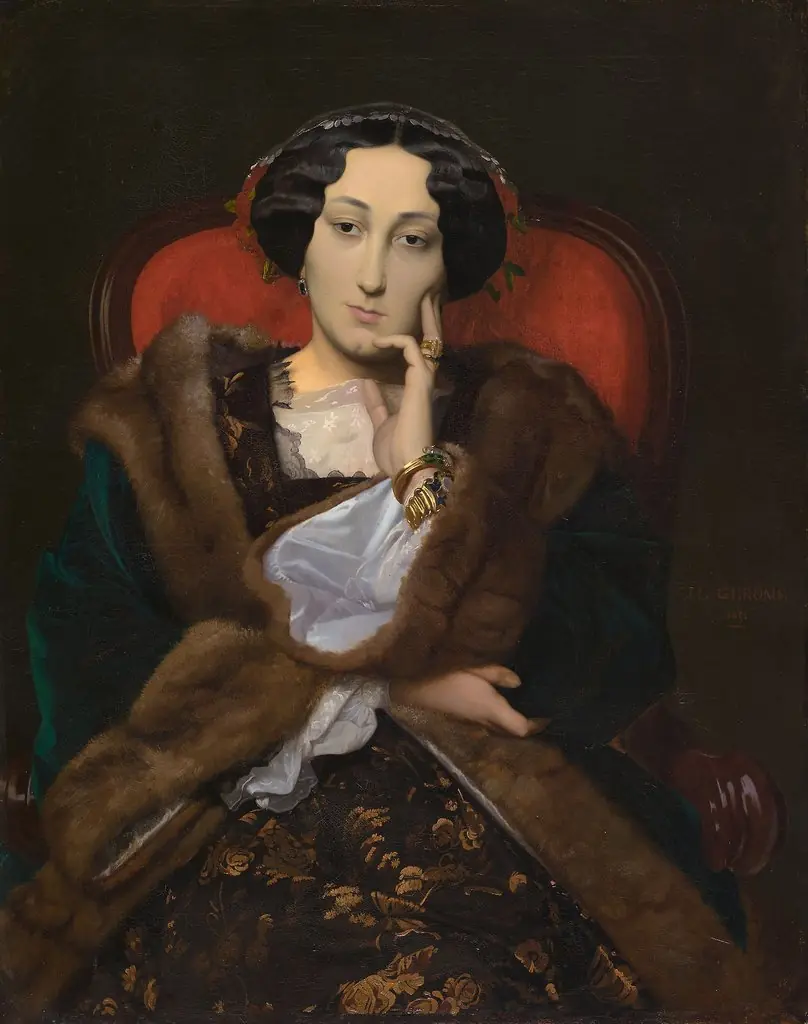 Portrait of a Woman
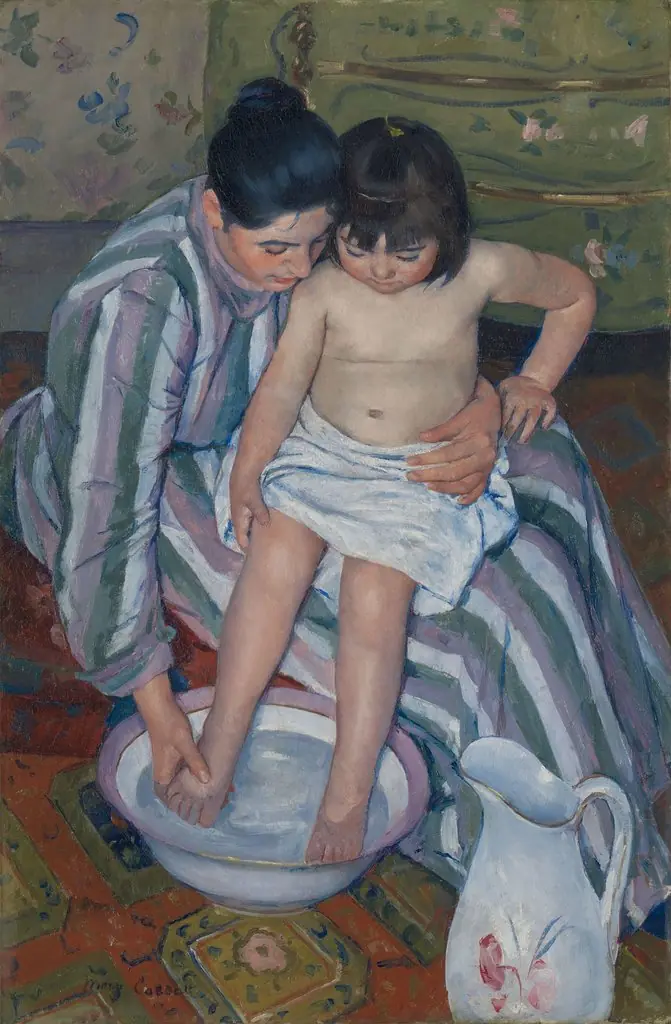 The Child's Bath
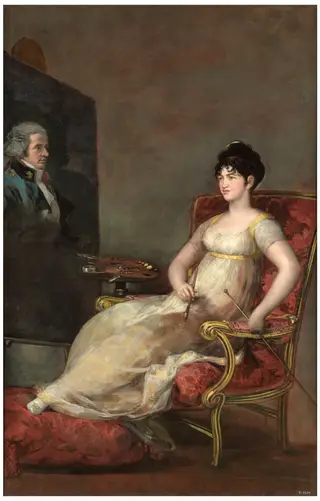 The Marchioness of Villafranca Painting her Husband
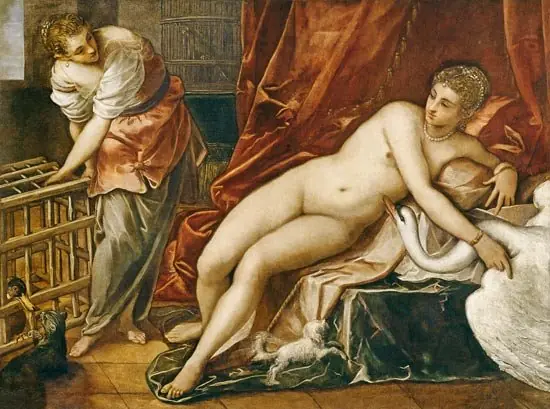 Leda and the Swan
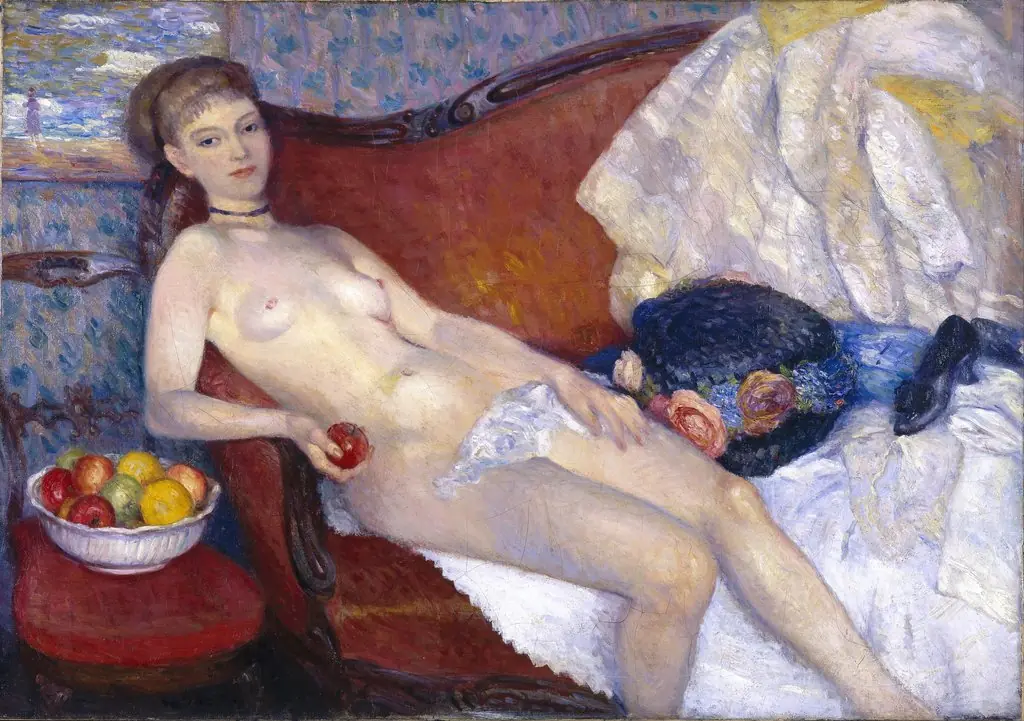 Nude with Apple
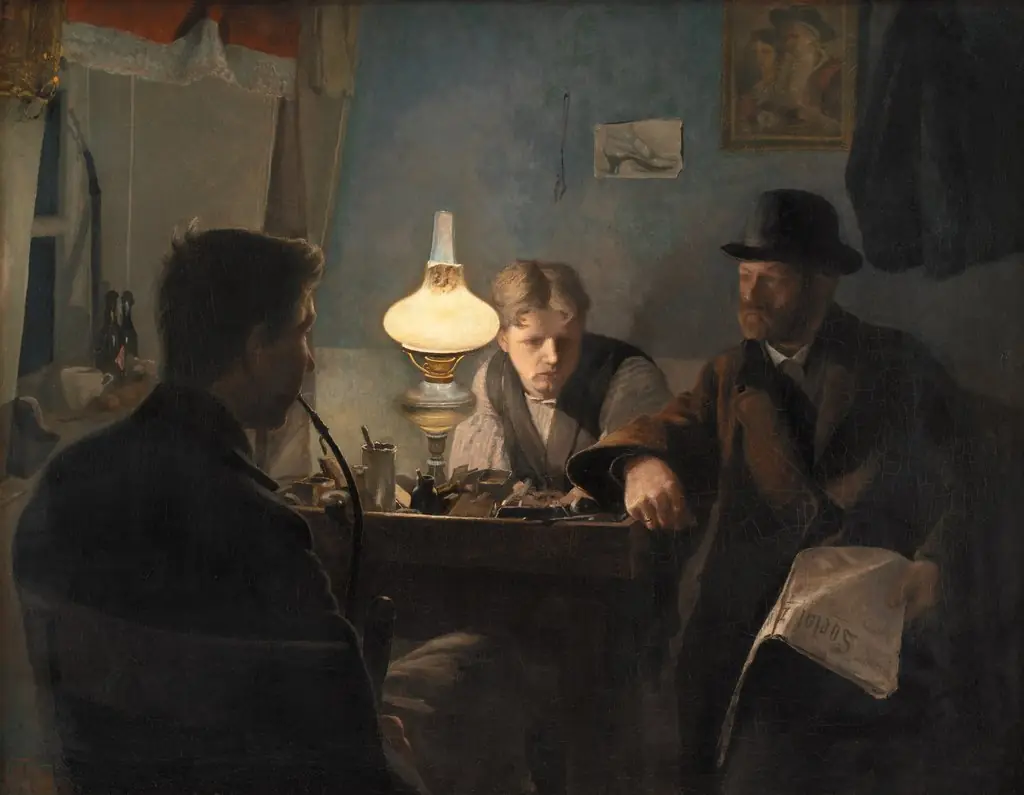 Et besøg i et skomagerværksted
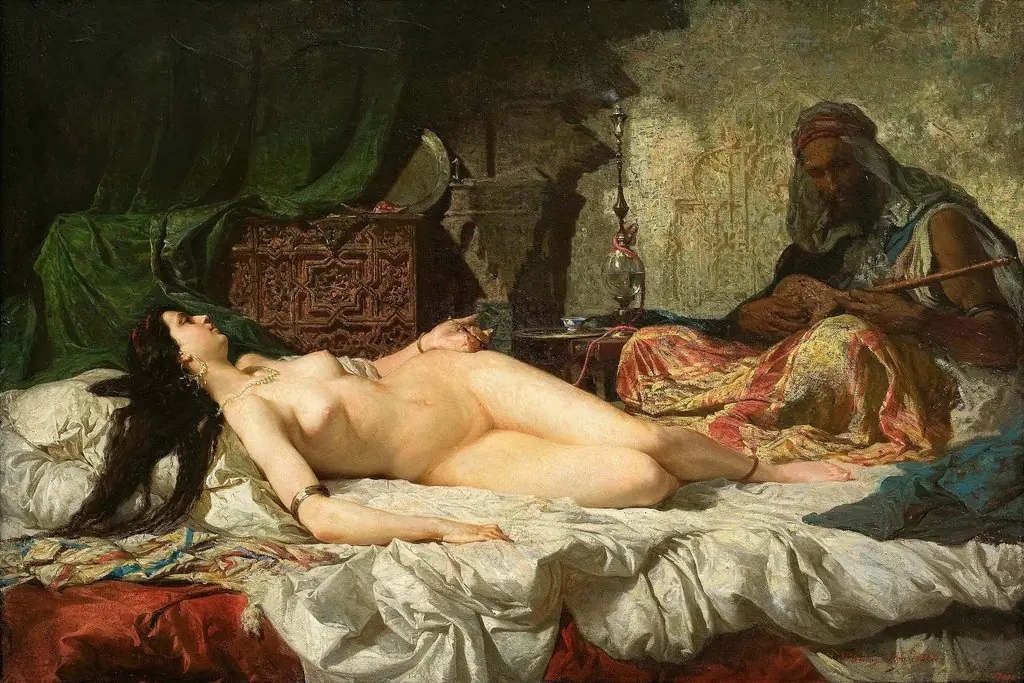 The Odalisque
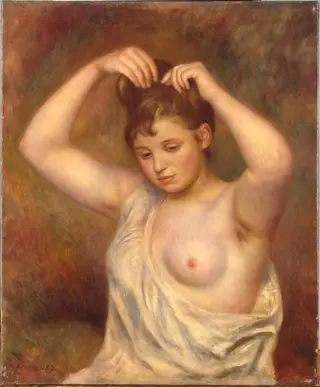 Woman Arranging her Hair
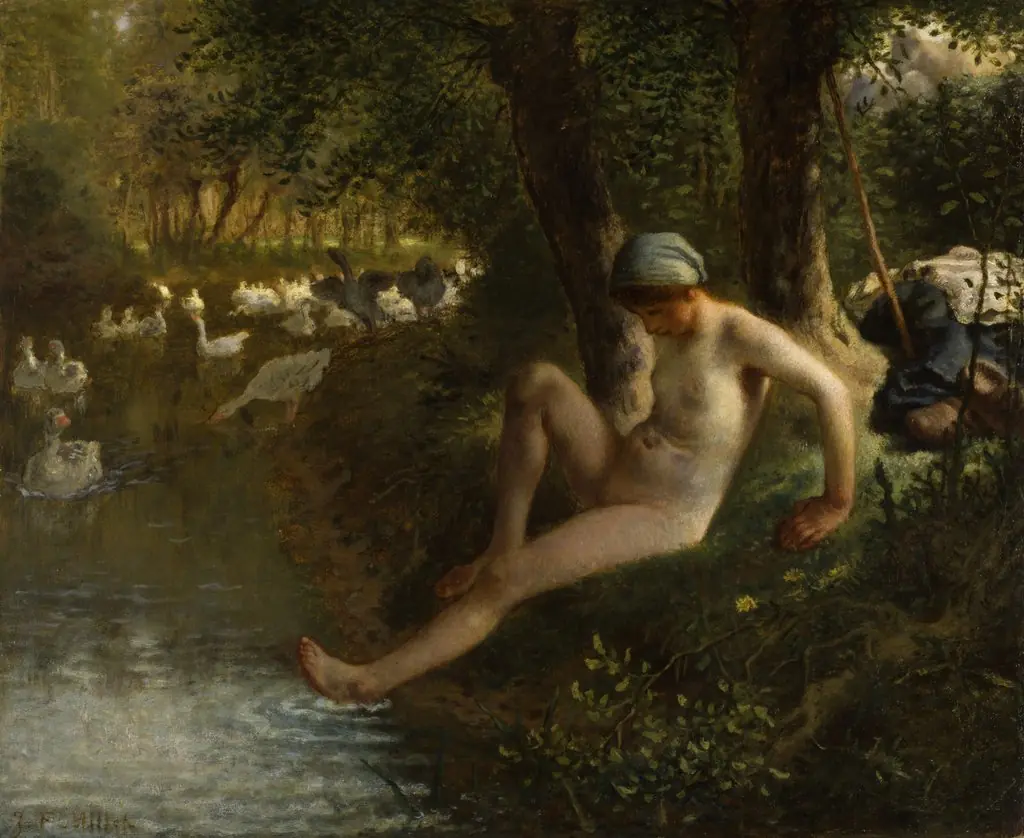 The Goose Girl
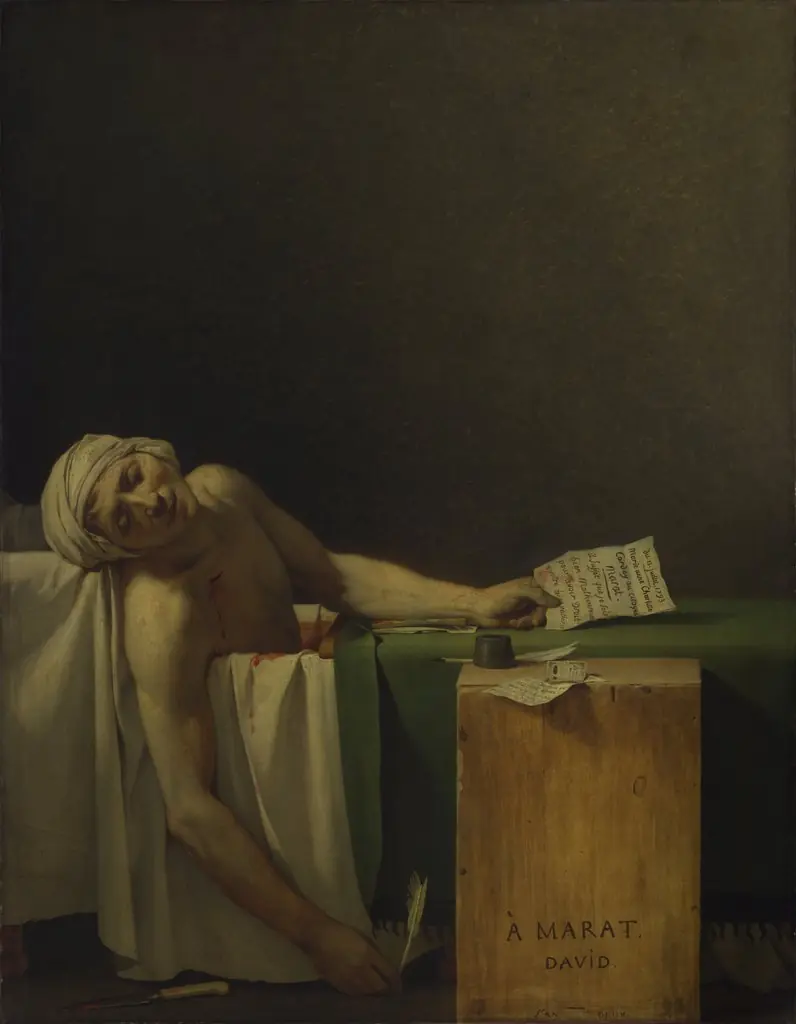 The Death of Marat
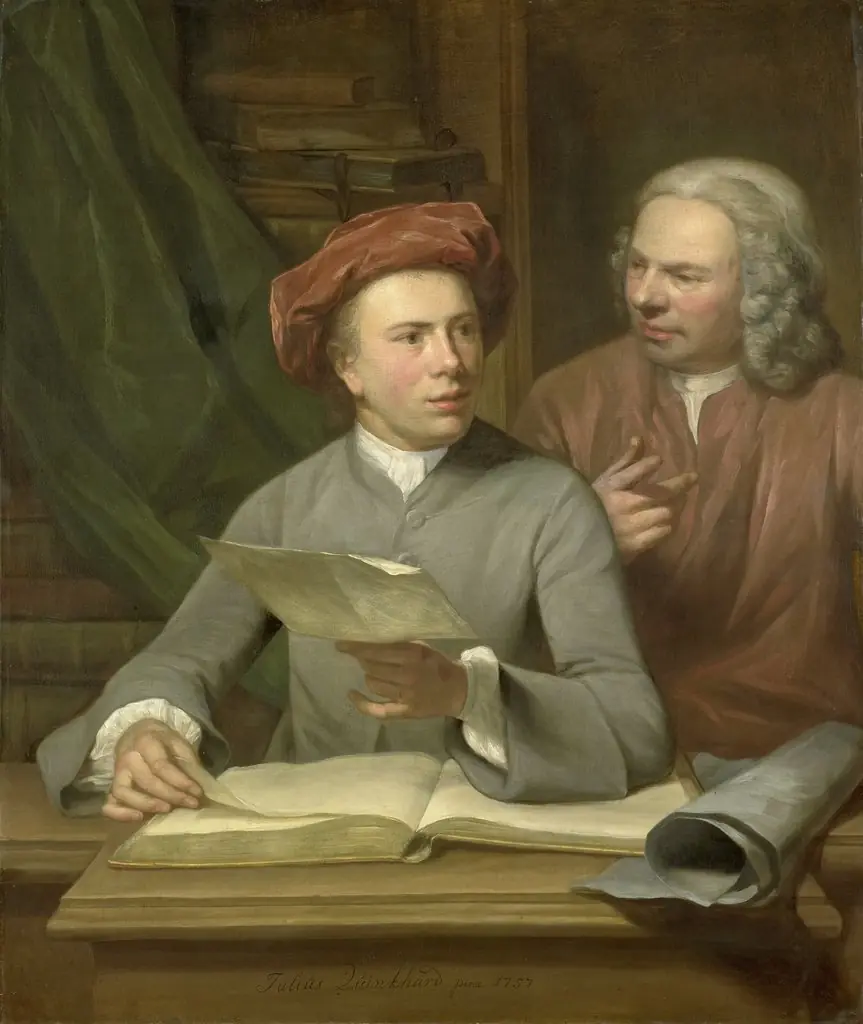 Self-portrait with Jan Maurits Quinkhard next to him
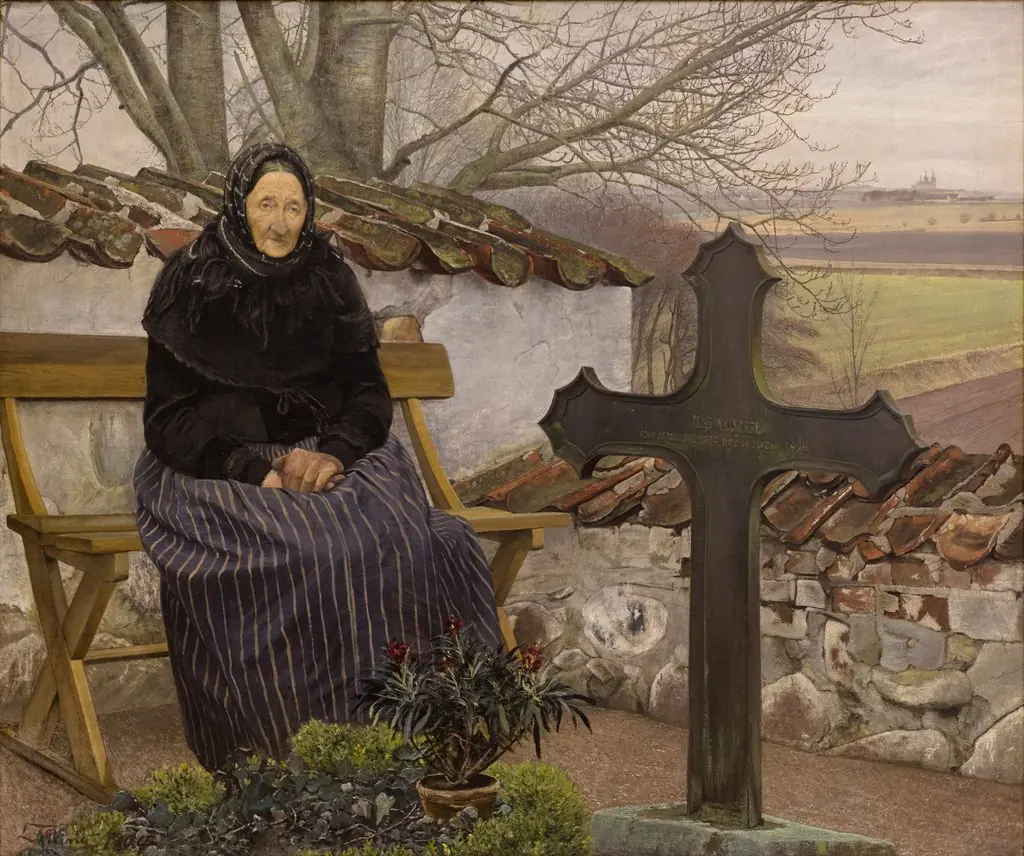 Churchyard at Fløng
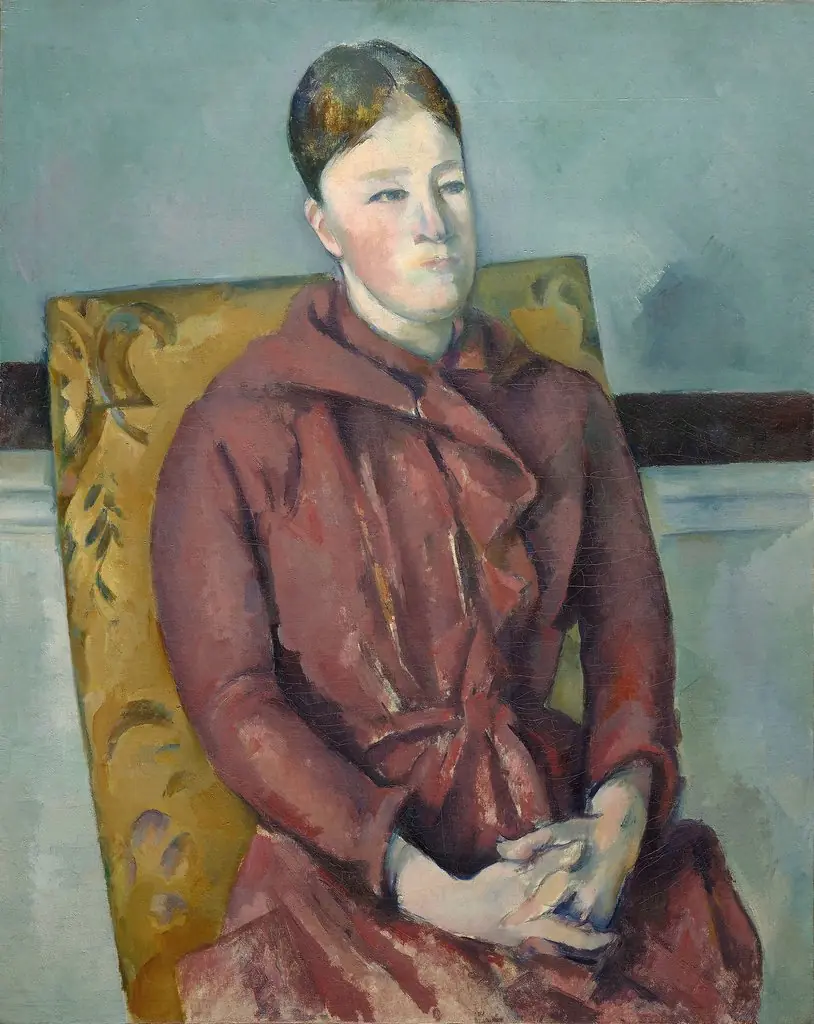 Madame Cézanne in a Yellow Chair
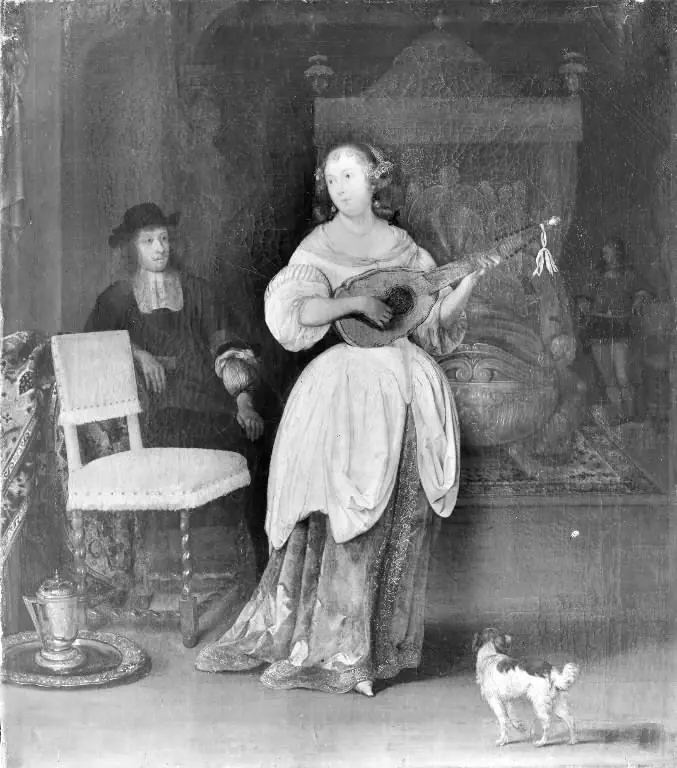 A Woman Playing the Bandora
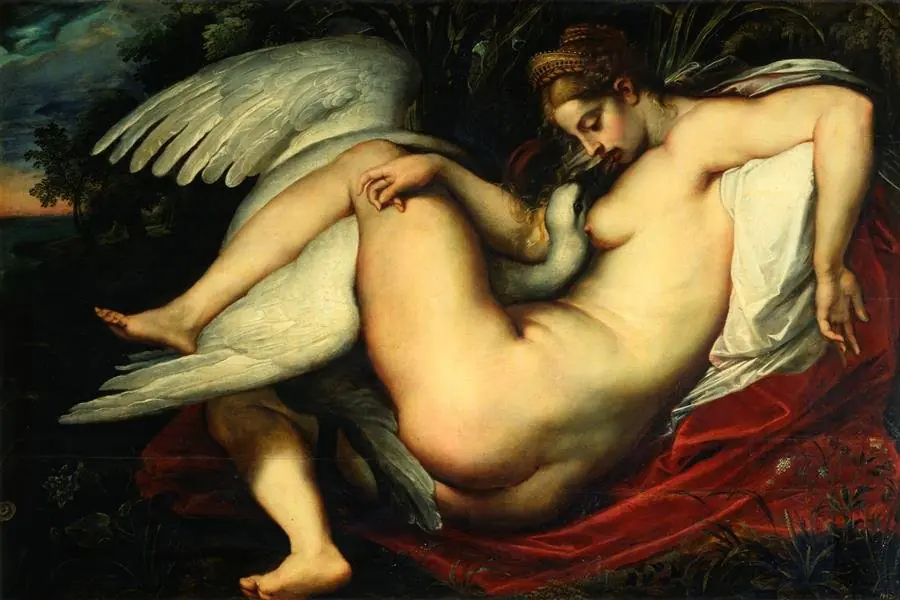 Leda and the swan
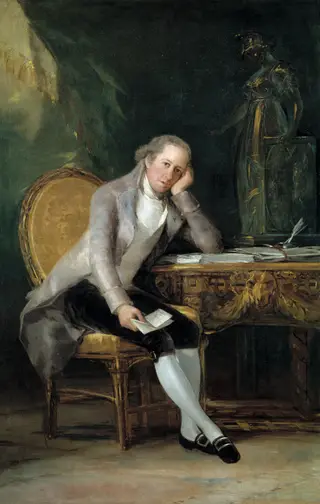 Portrait of Gaspar Melchor de Jovellanos
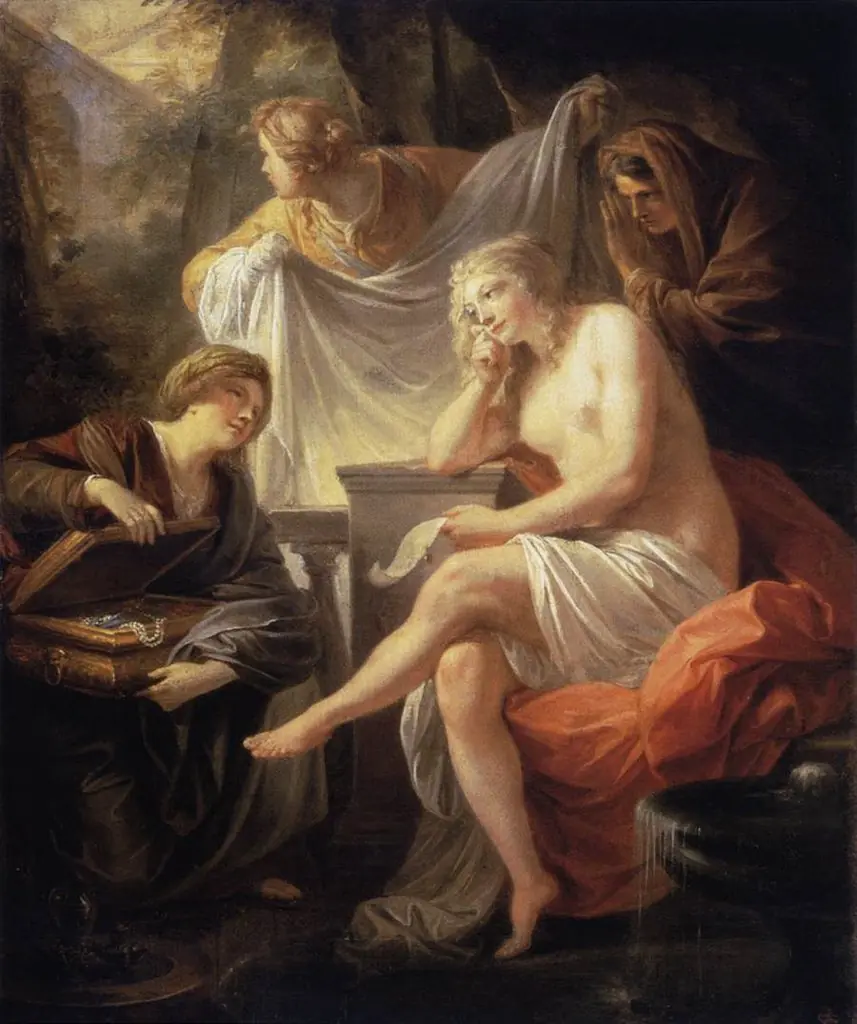 Bathsheba at her bath
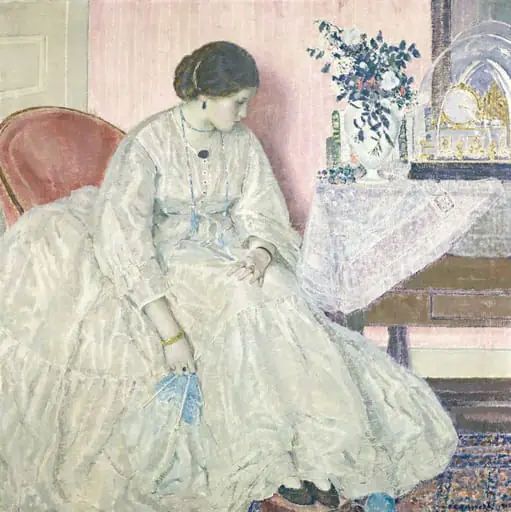 Memories
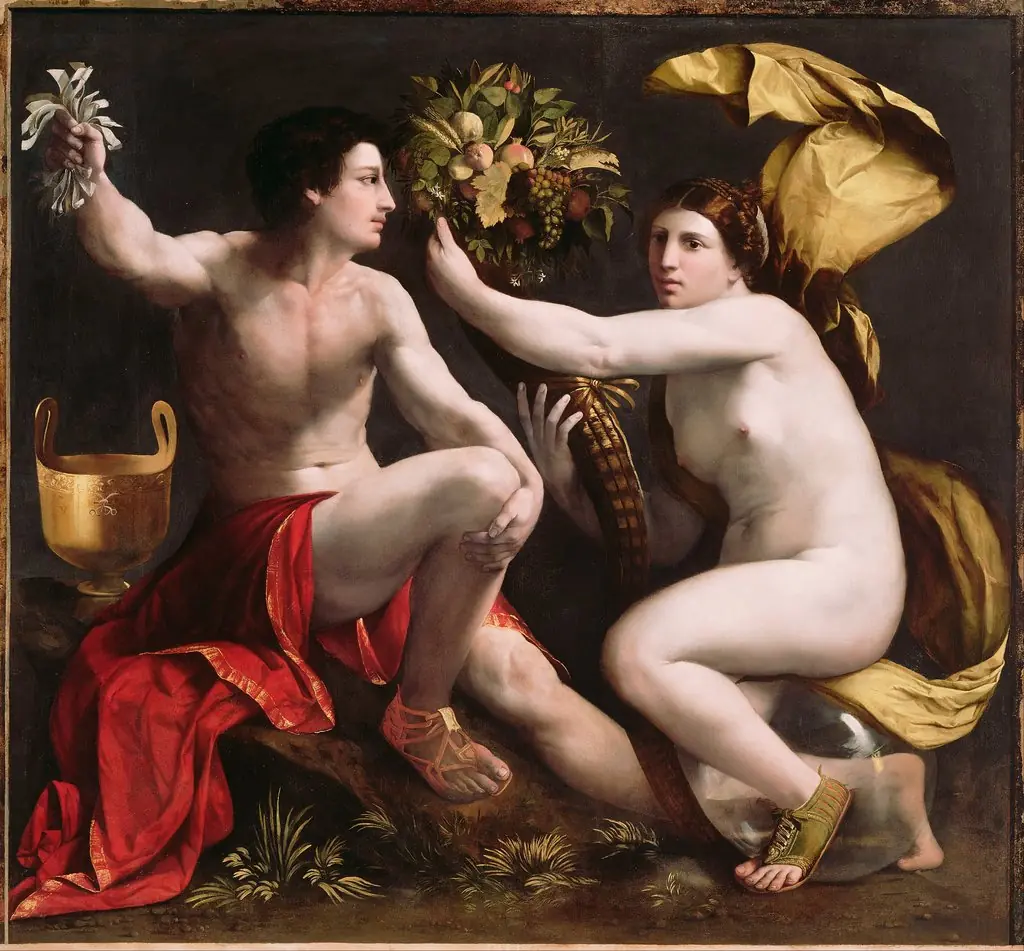 An Allegory of Fortune
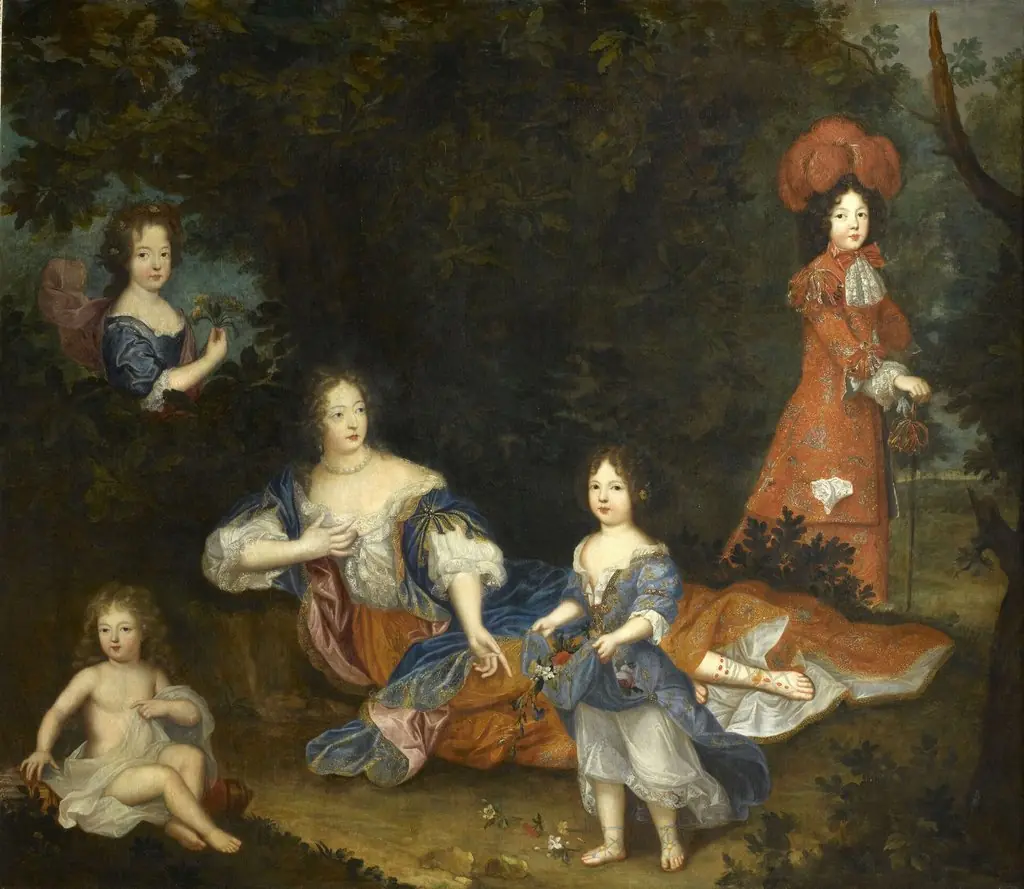 Françoise-Athénaïs de Rochechouart, Marquise de Montespan and her children
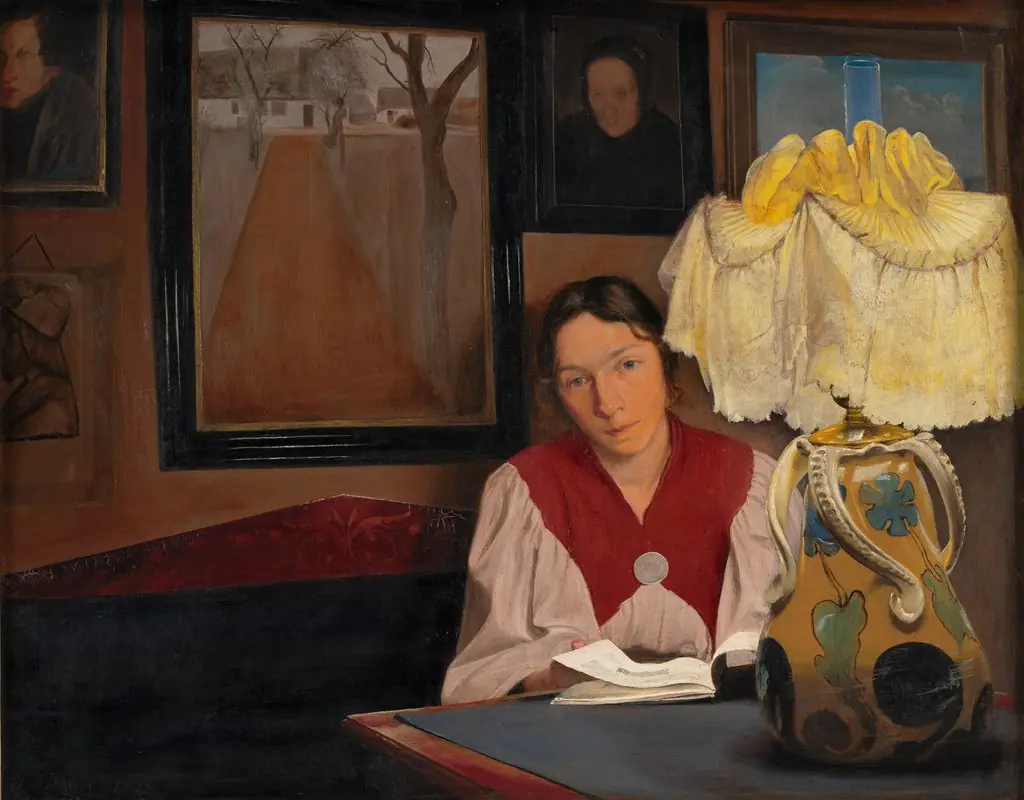 The Artist's Wife by Lamplight
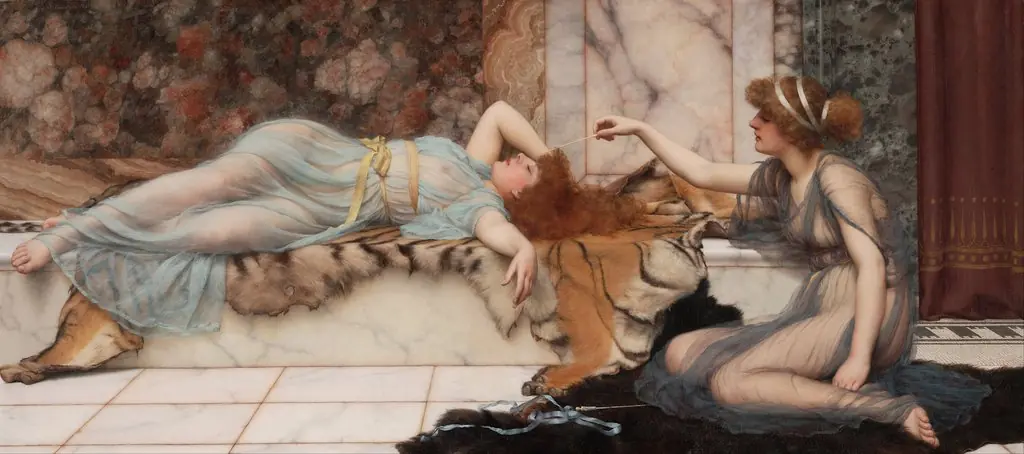 Mischief and Repose
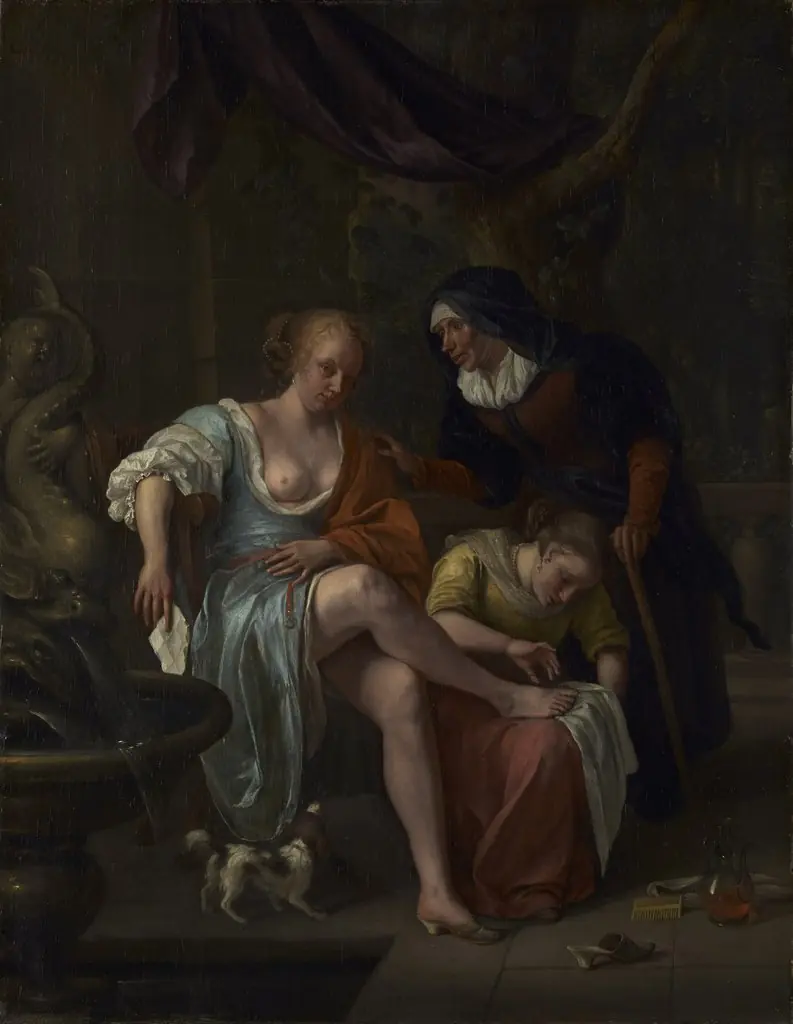 Bathsheba after the Bath
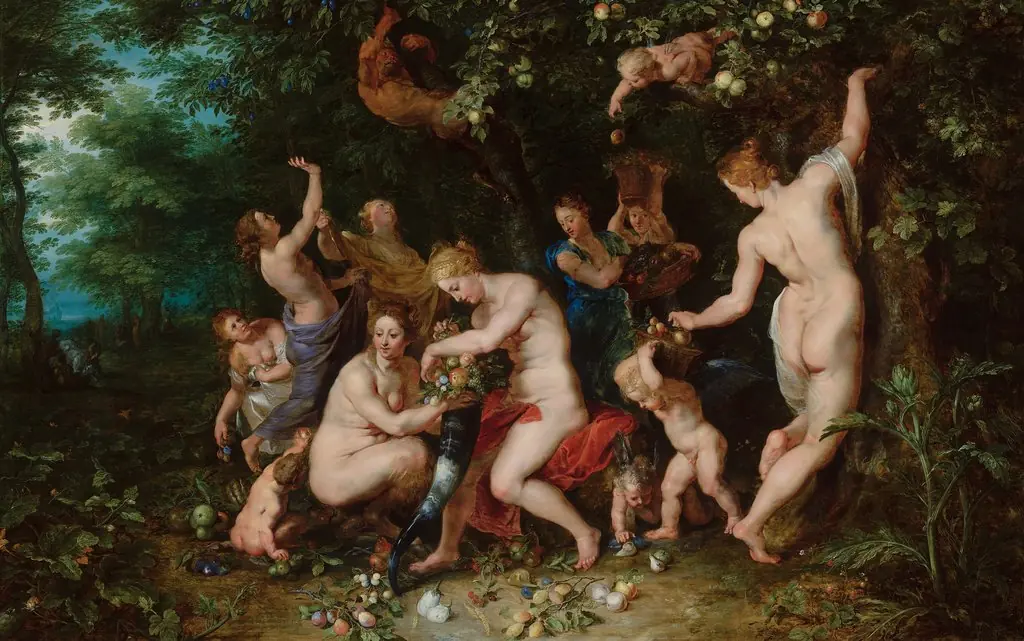 Nymphs filling the horn of plenty
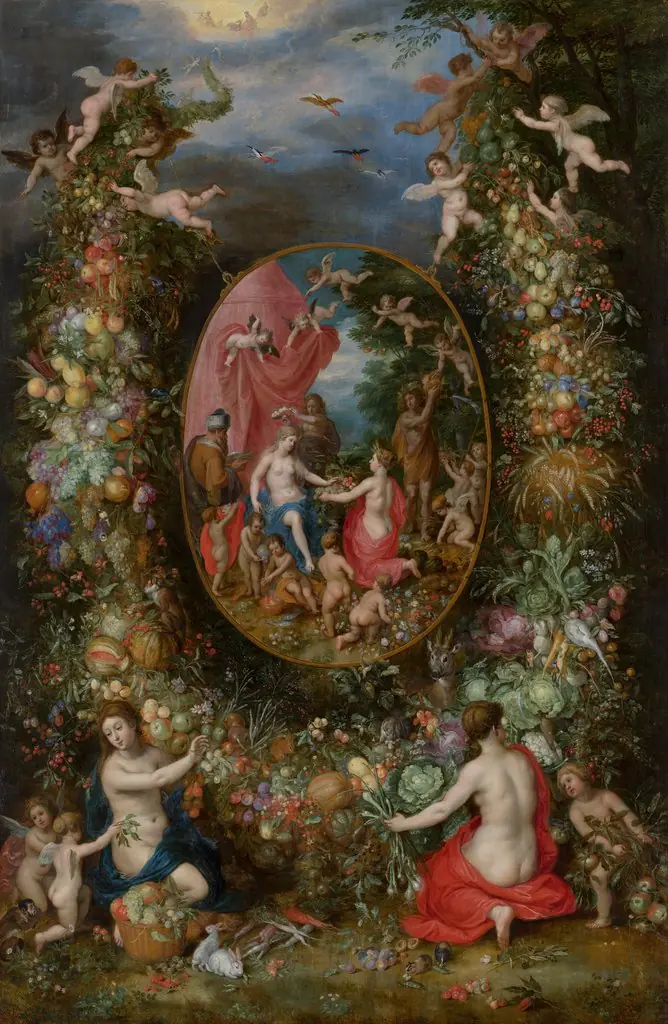 Garland of Flowers around an Allegory of Farming
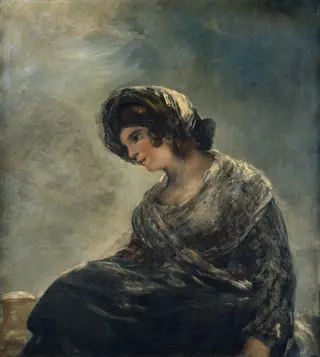 The Milkmaid of Bordeaux
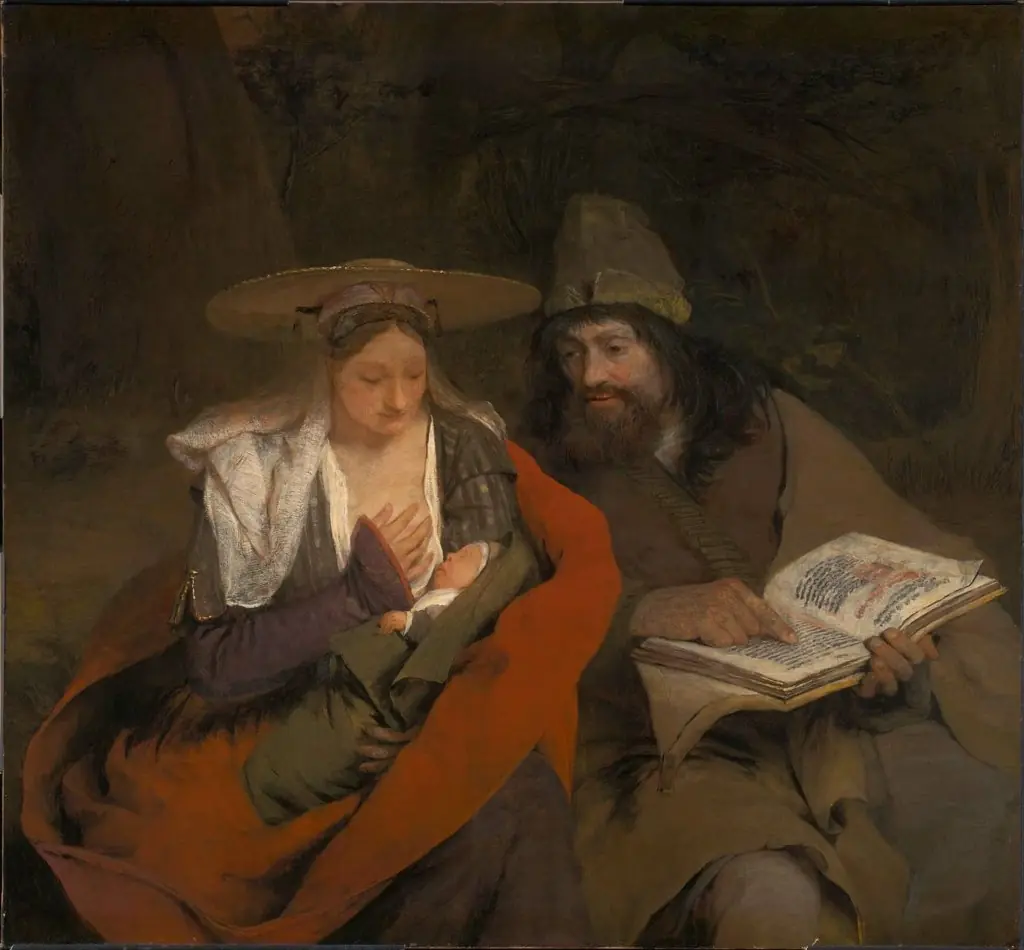 Rest on the Flight into Egypt
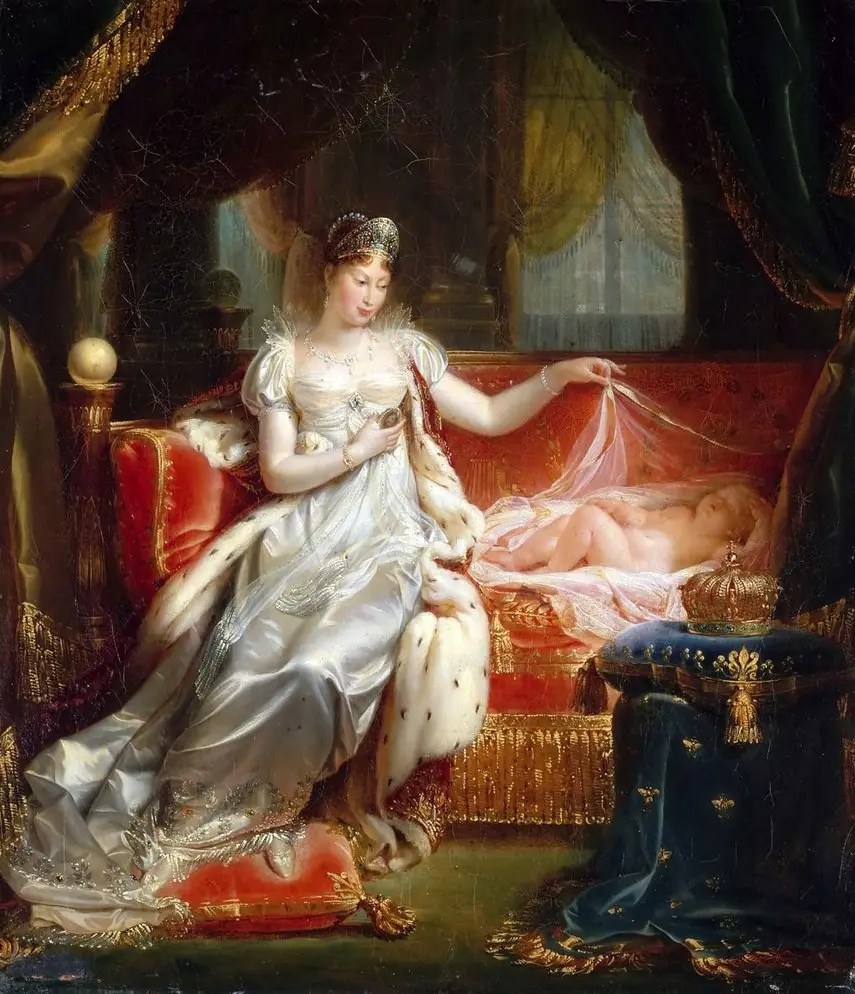 The Empress Marie-Louise watching over the sleep of the King of Rome
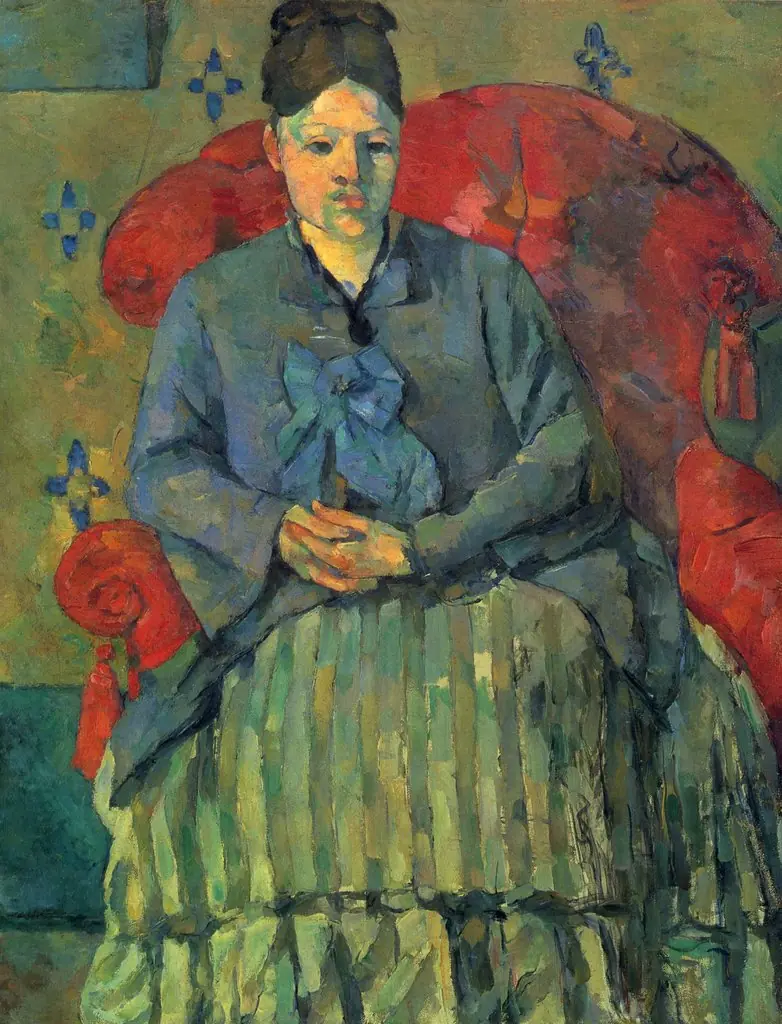 Madame Cézanne à la jupe rayée (Madame Cézanne in a Red Armchair)
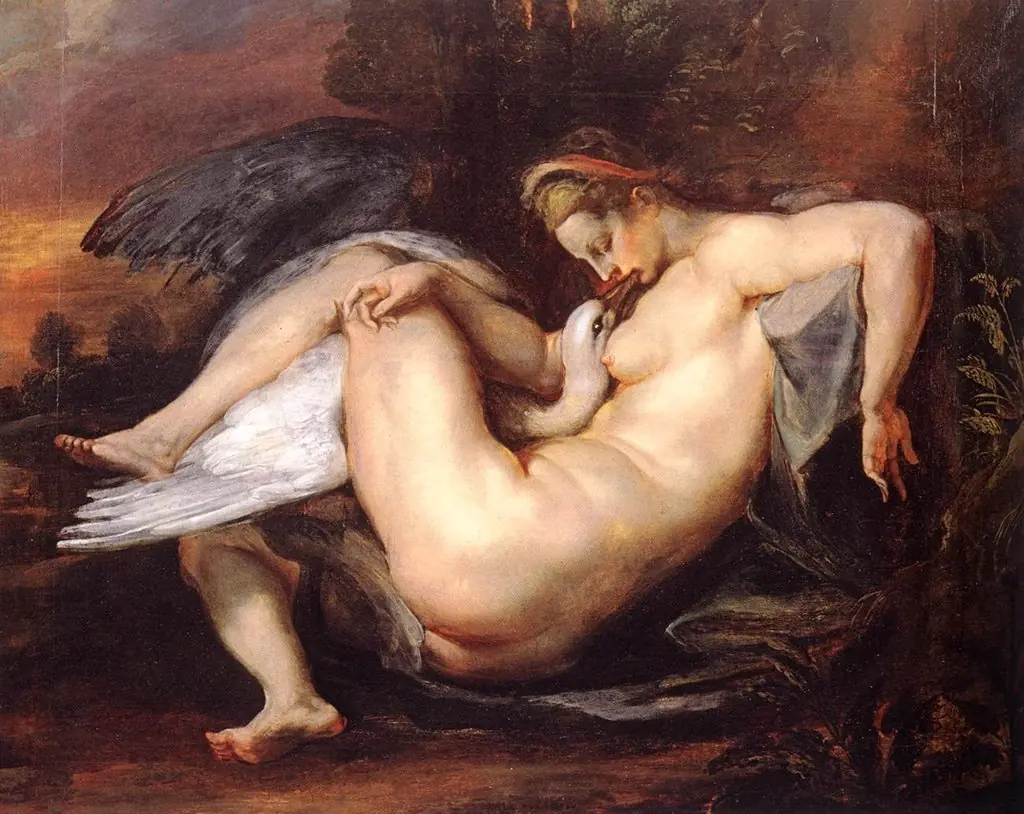 Leda and the Swan
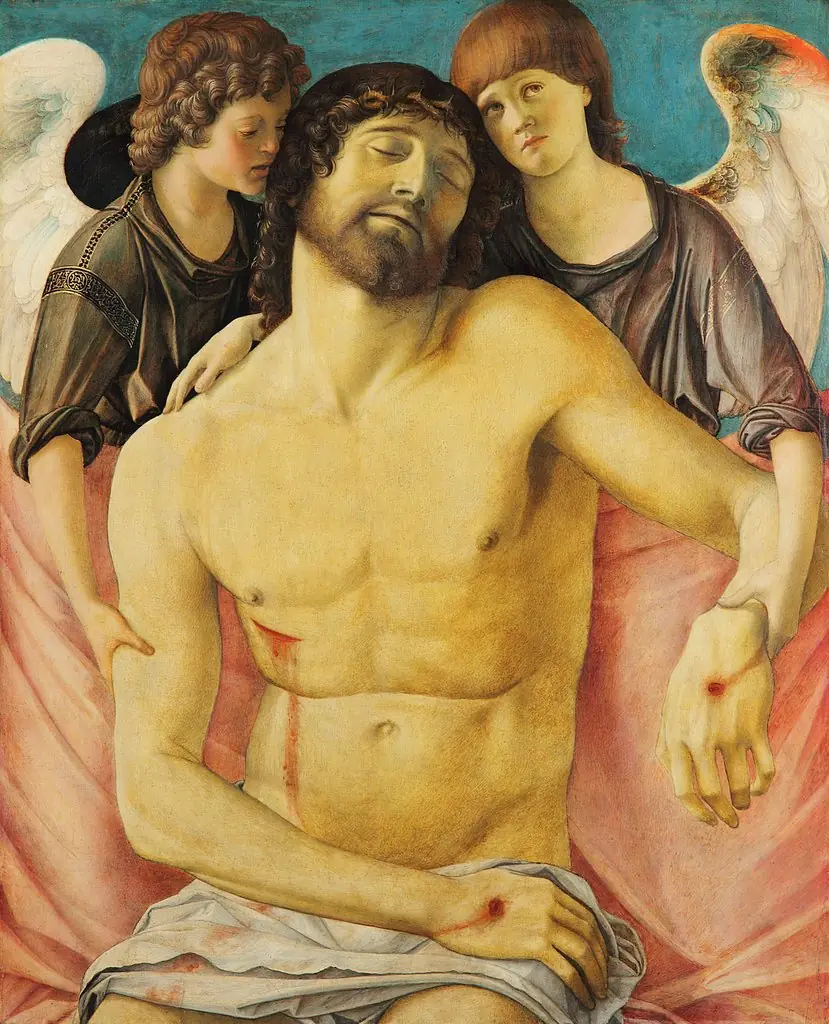 Dead Christ Supported by Two Angels
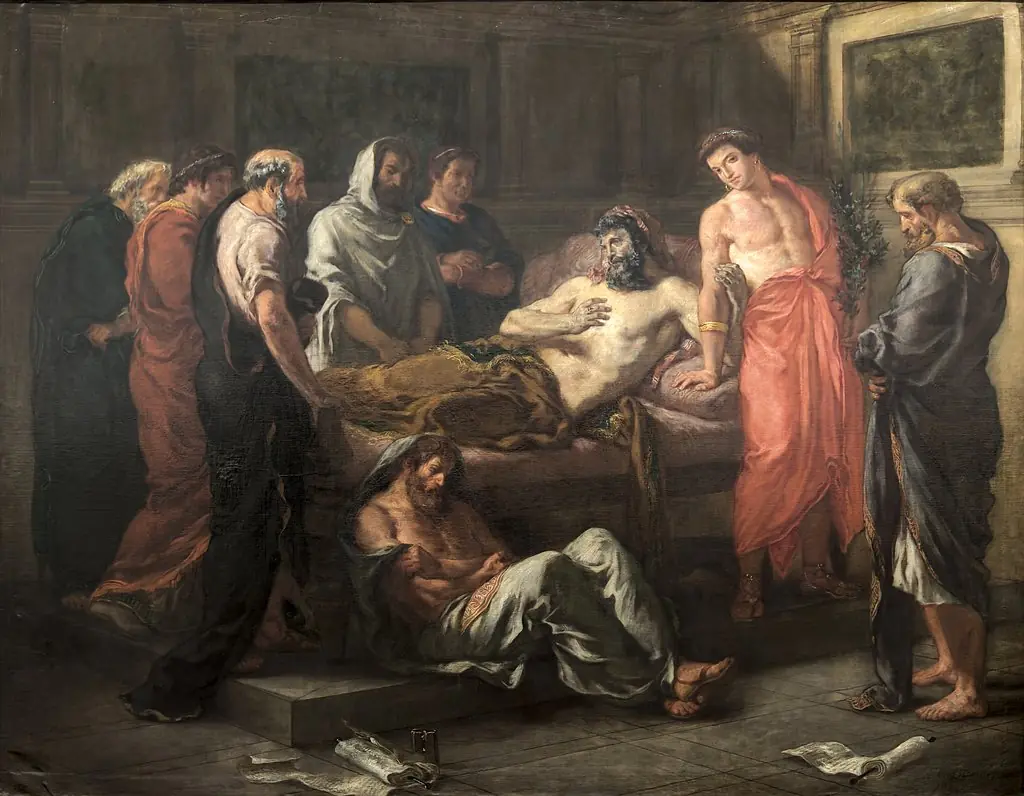 Last Words of the Emperor Marcus Aurelius
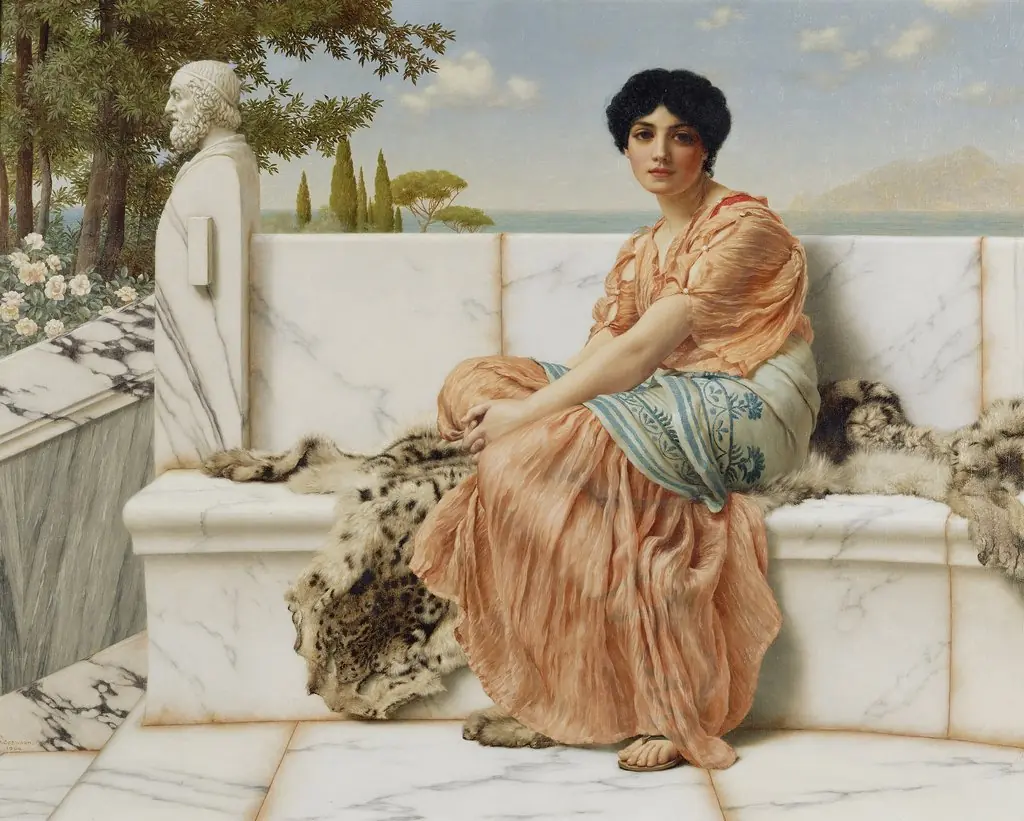 Reverie
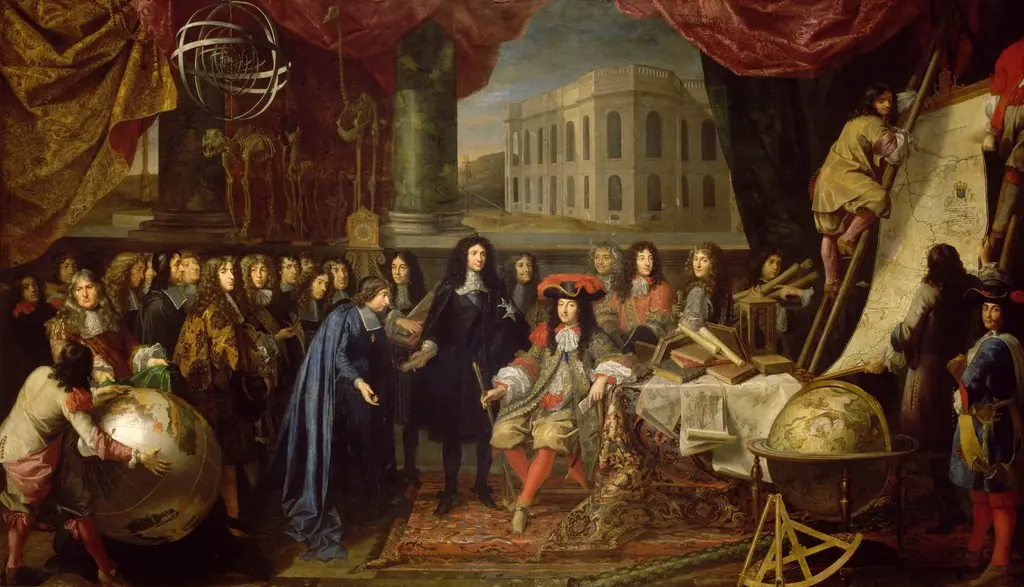 Establishment of the French Academy of Sciences and of Paris Observatory
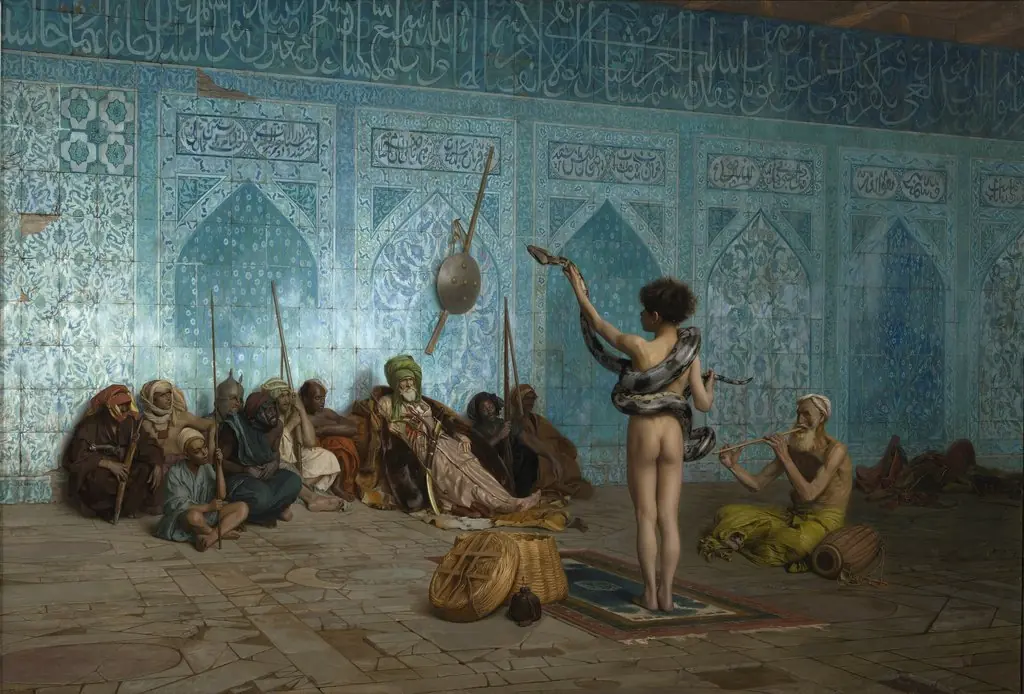 The Snake Charmer
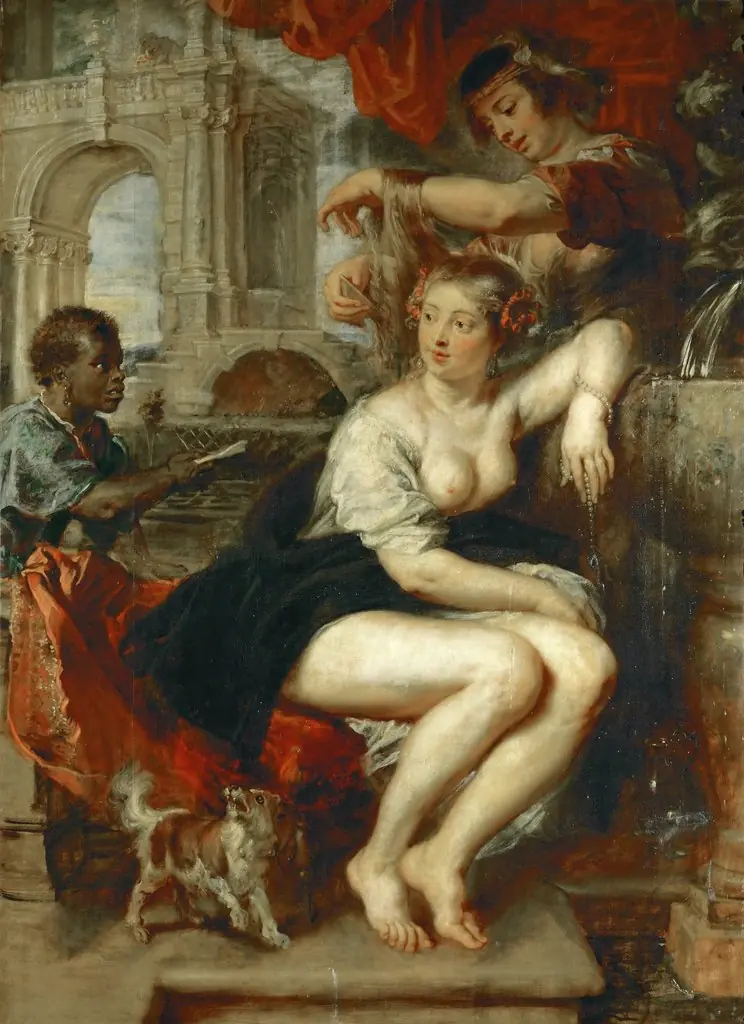 Bathsheba at Her Toilet
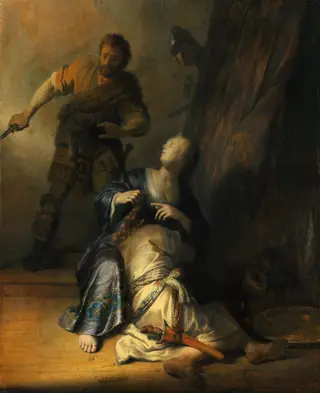 Samson betrayed by Delilah
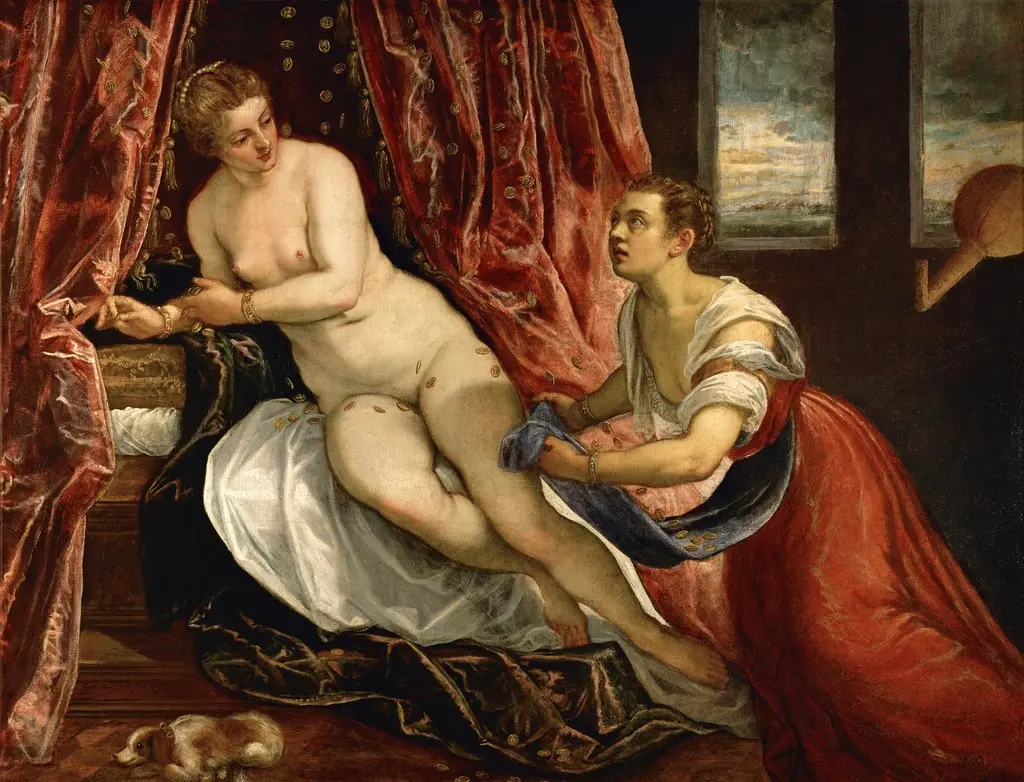 Danae
Danae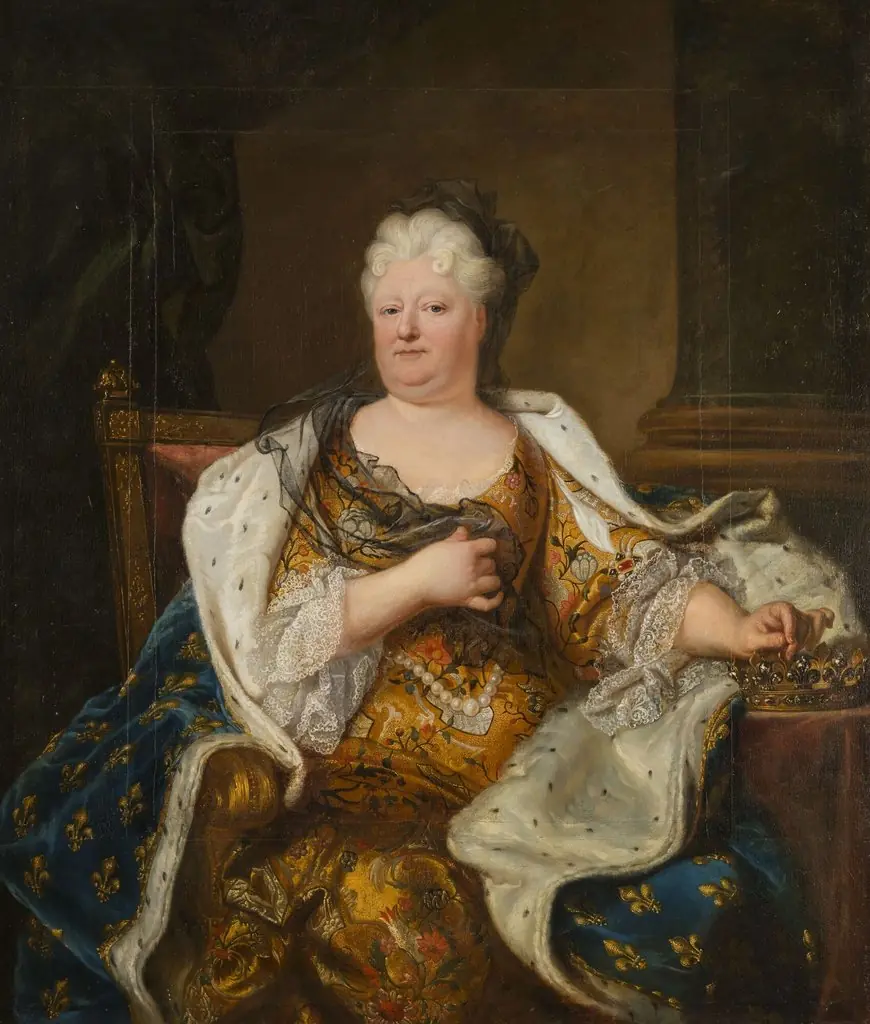 Elizabeth Charlotte, Princess Palatine
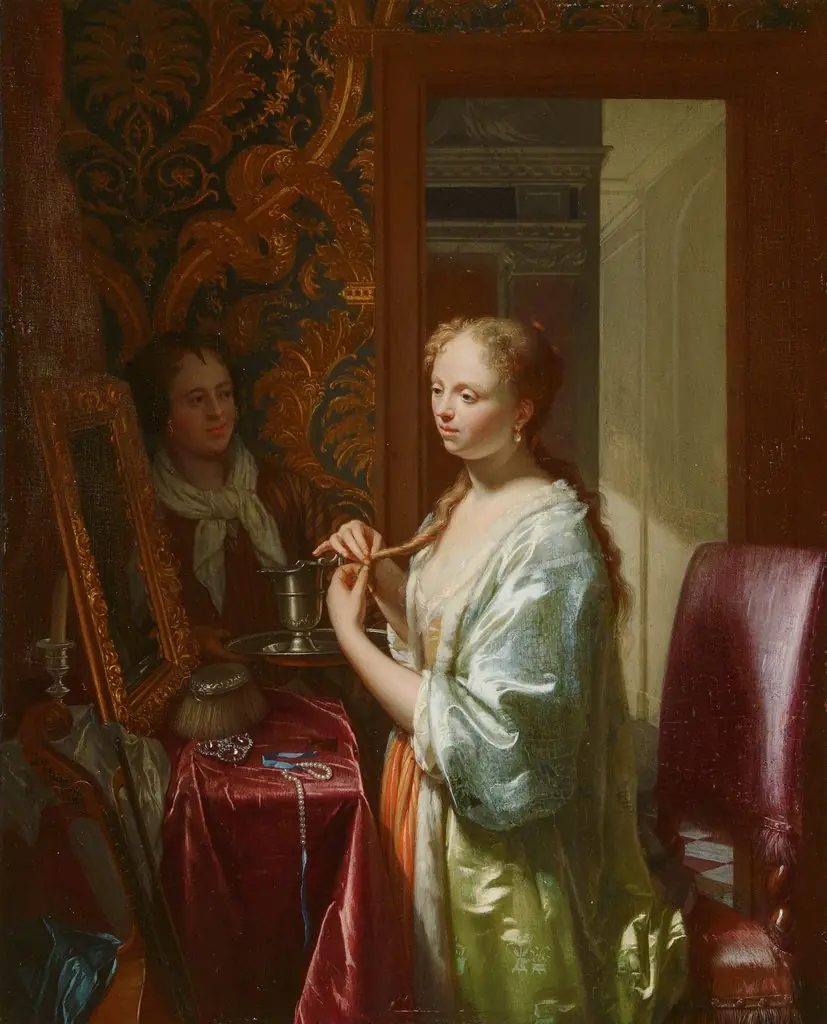 Lady attending to her toilet
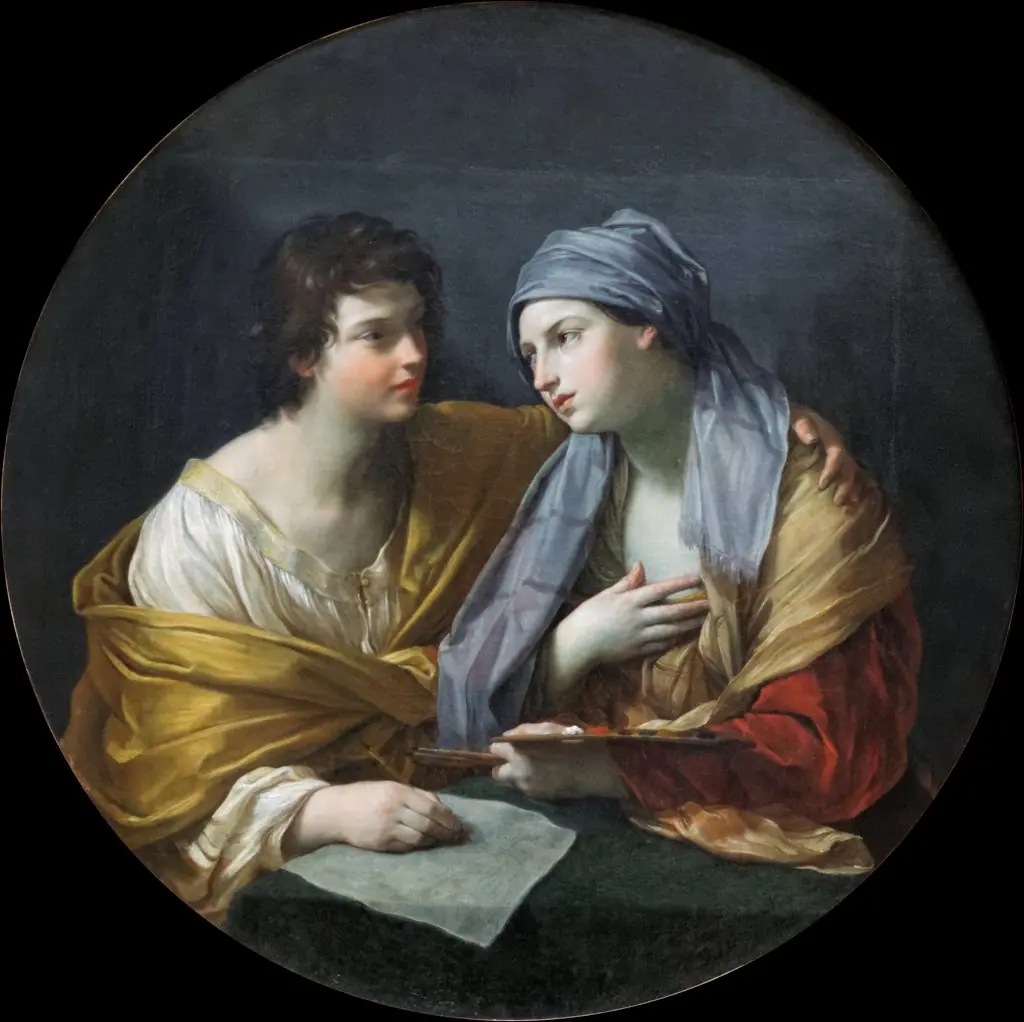 The Union of Drawing and Color
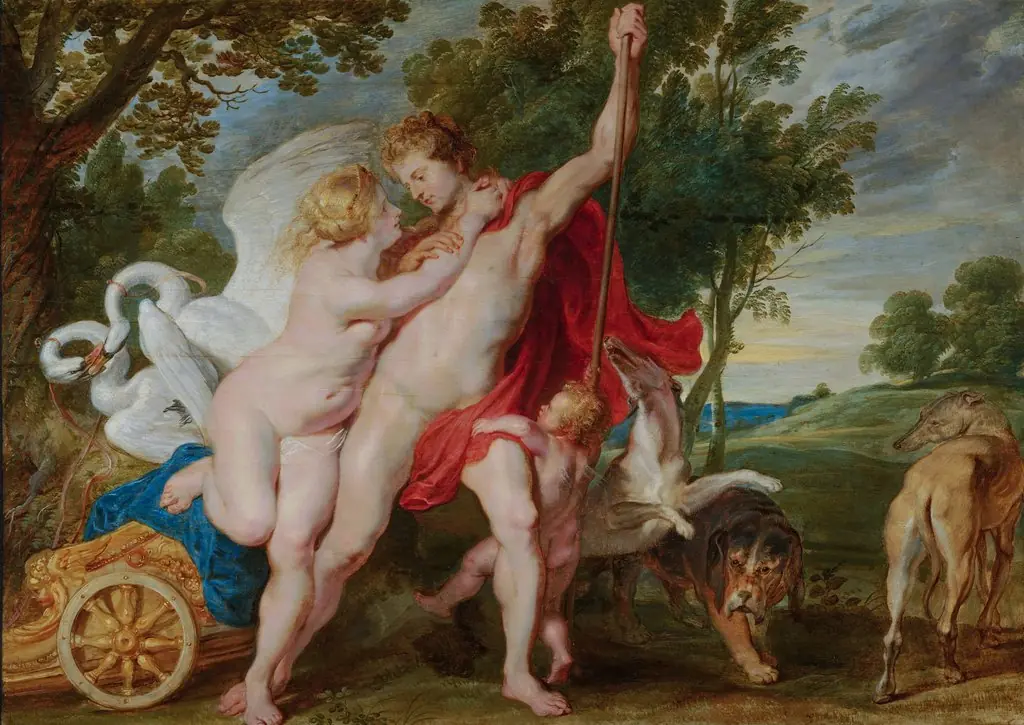 Venus trying to prevent Adonis from going hunting
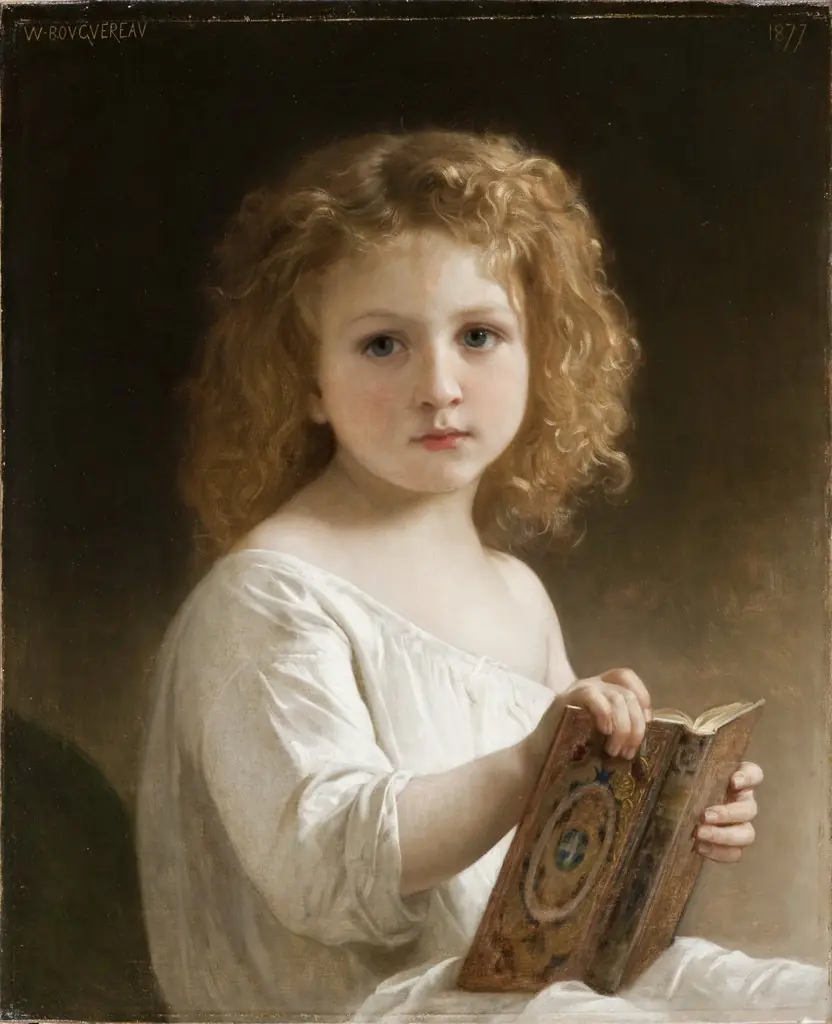 The Story Book
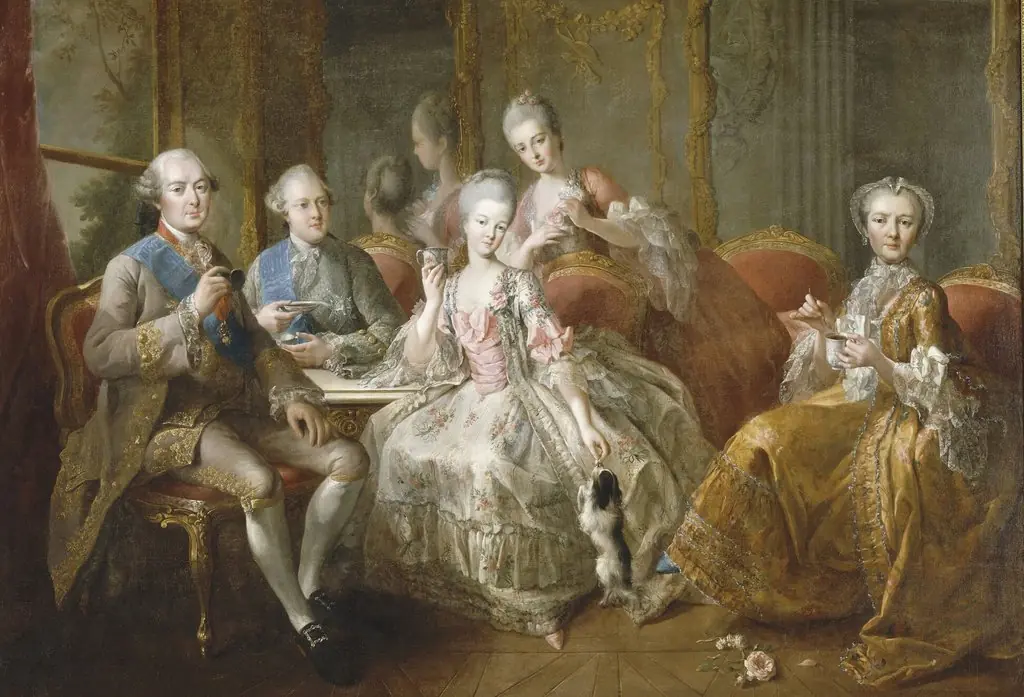 The family of the Duke of Penthièvre called la tasse de chocolat
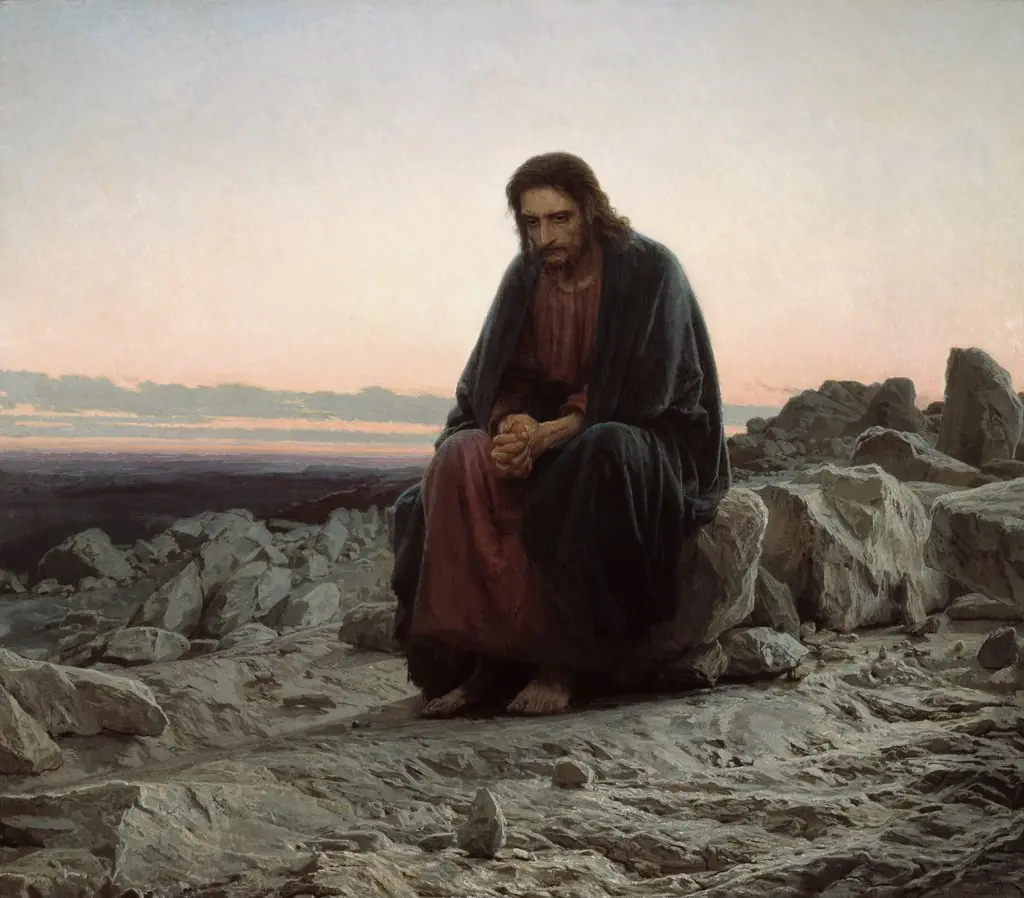 Christ in the Wilderness
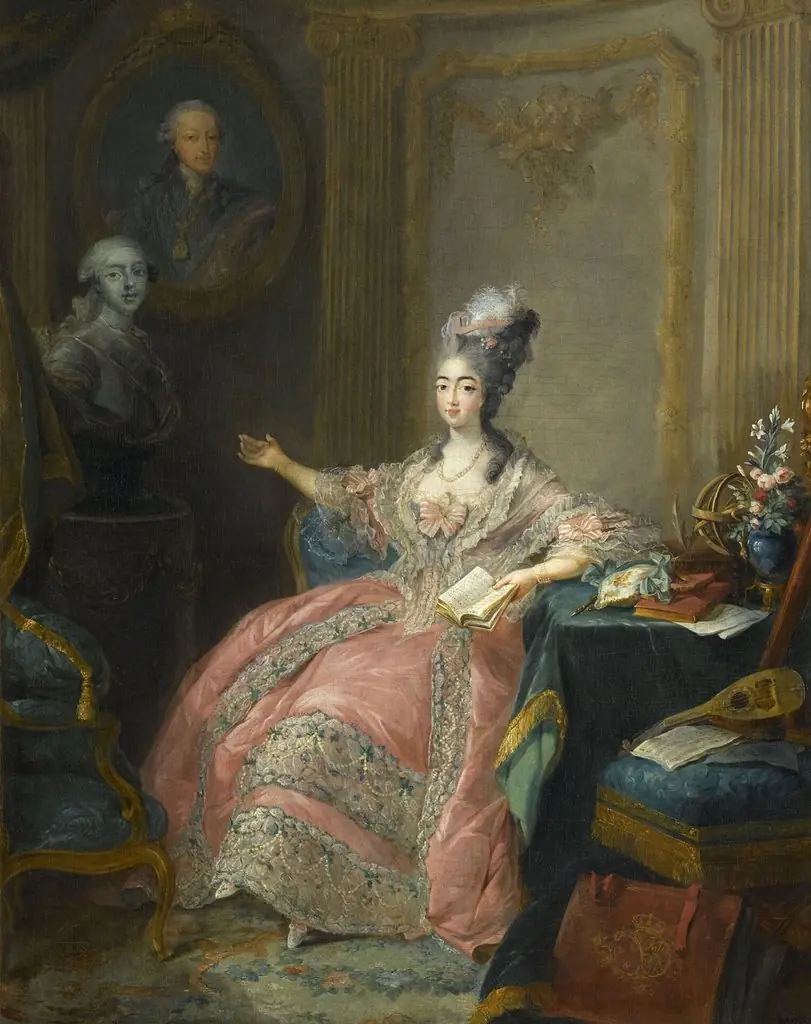 Marie-Joséphine-Louise de Savoie, Countess of Provence
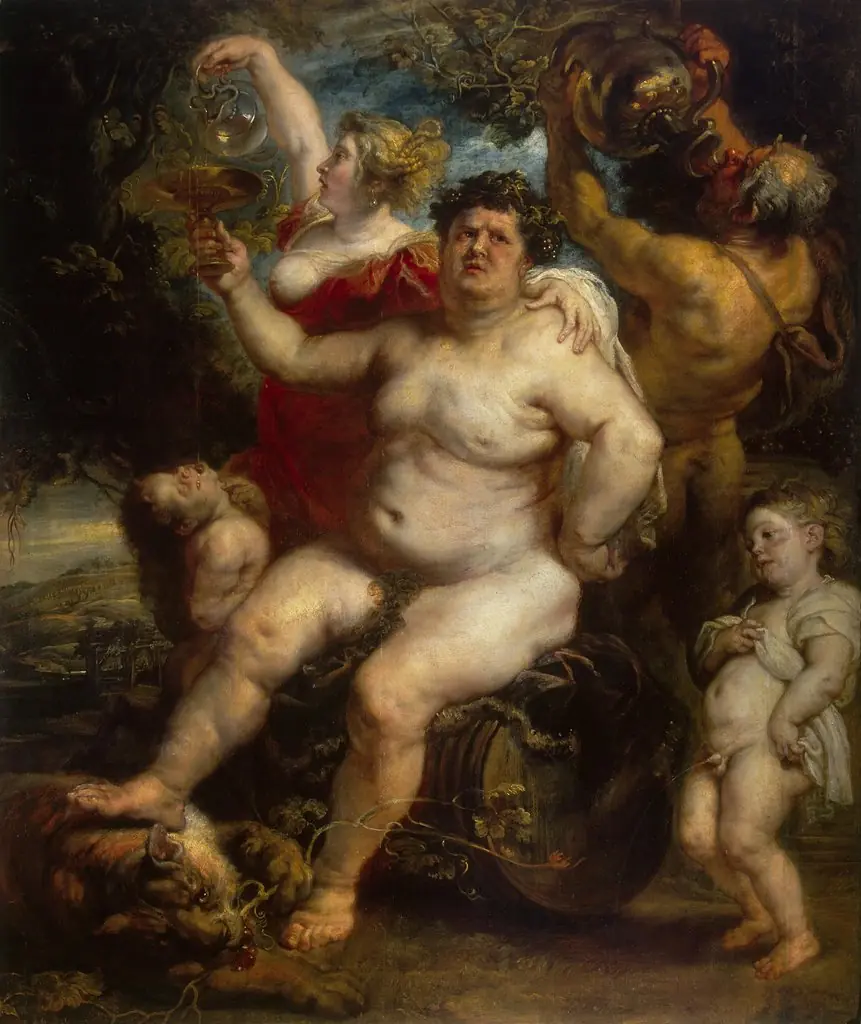 Bacchus
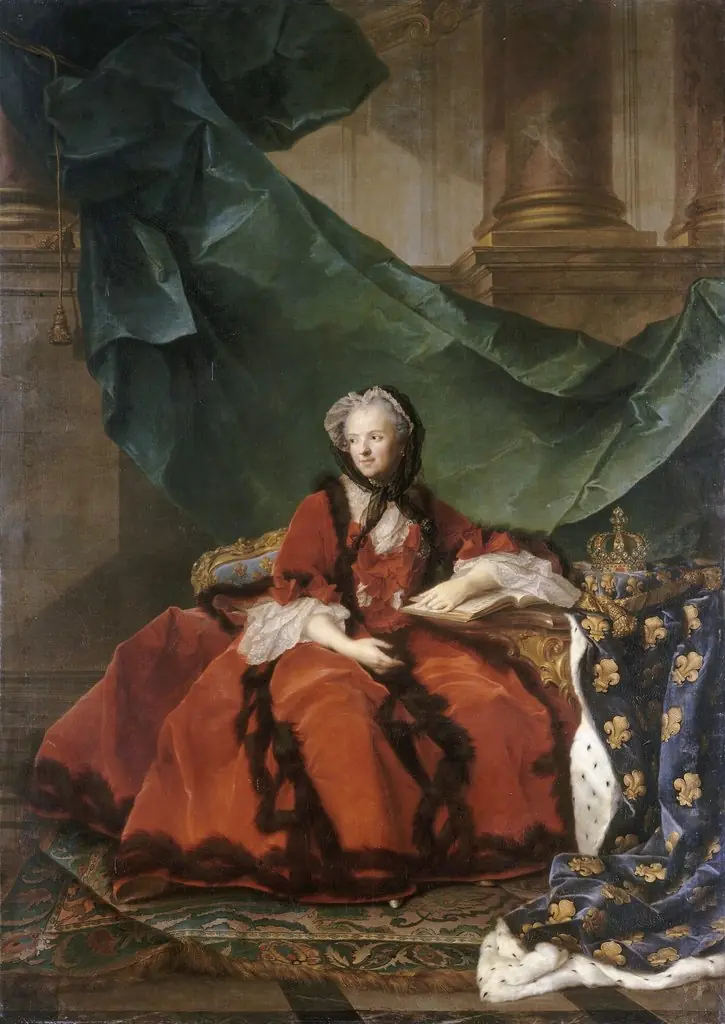 Marie Leszczyńska, Queen of France (1703–1768)
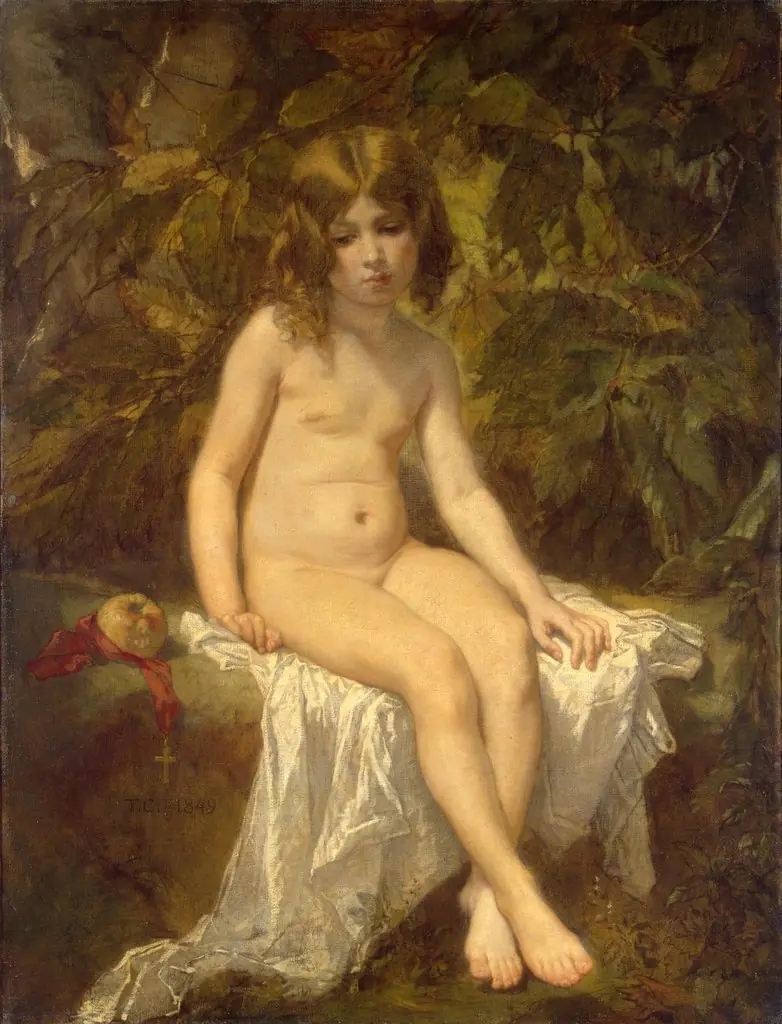 Little Bather
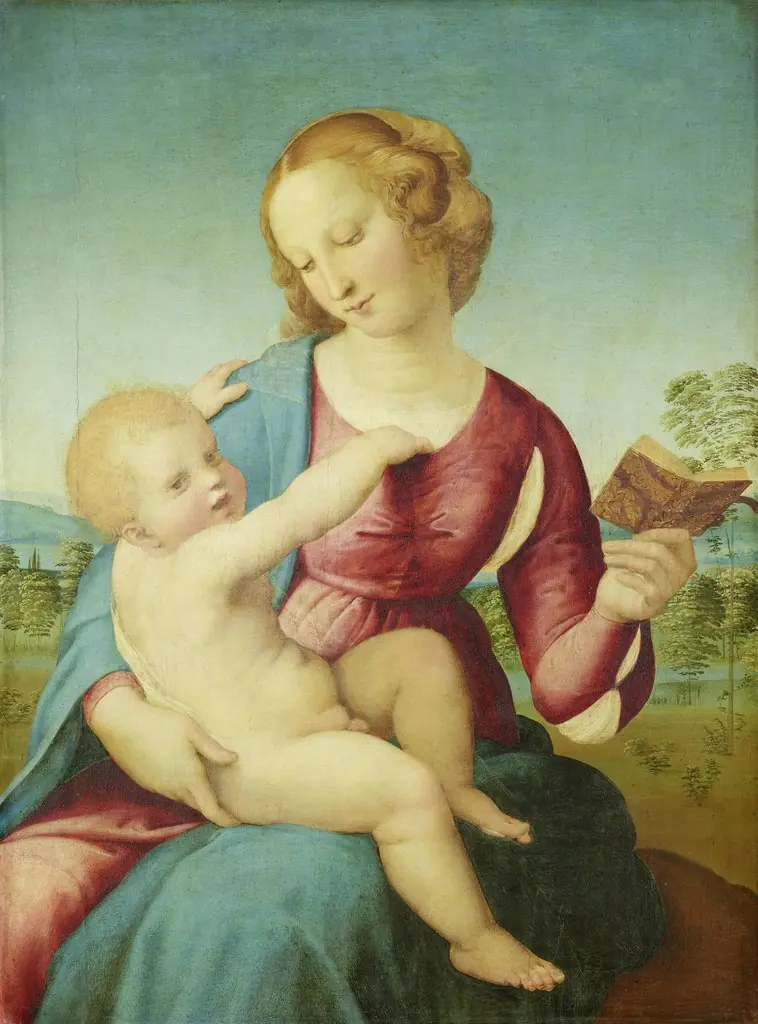 Colonna Madonna
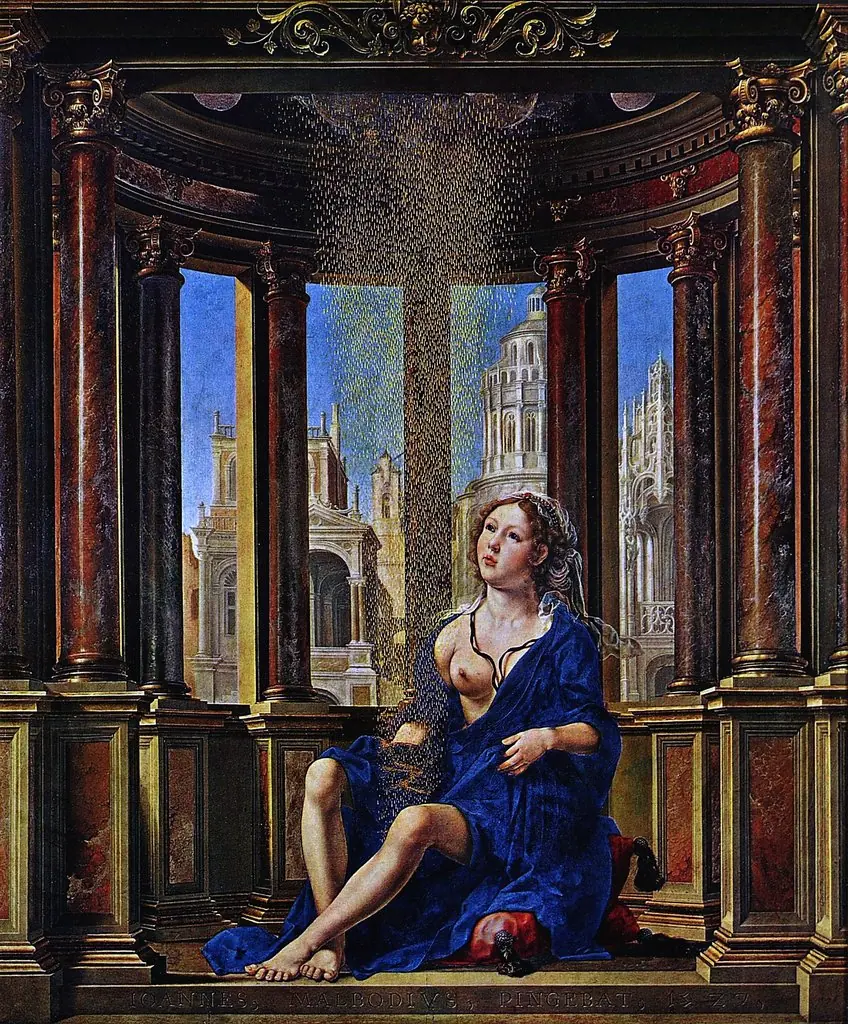 Danae
Danae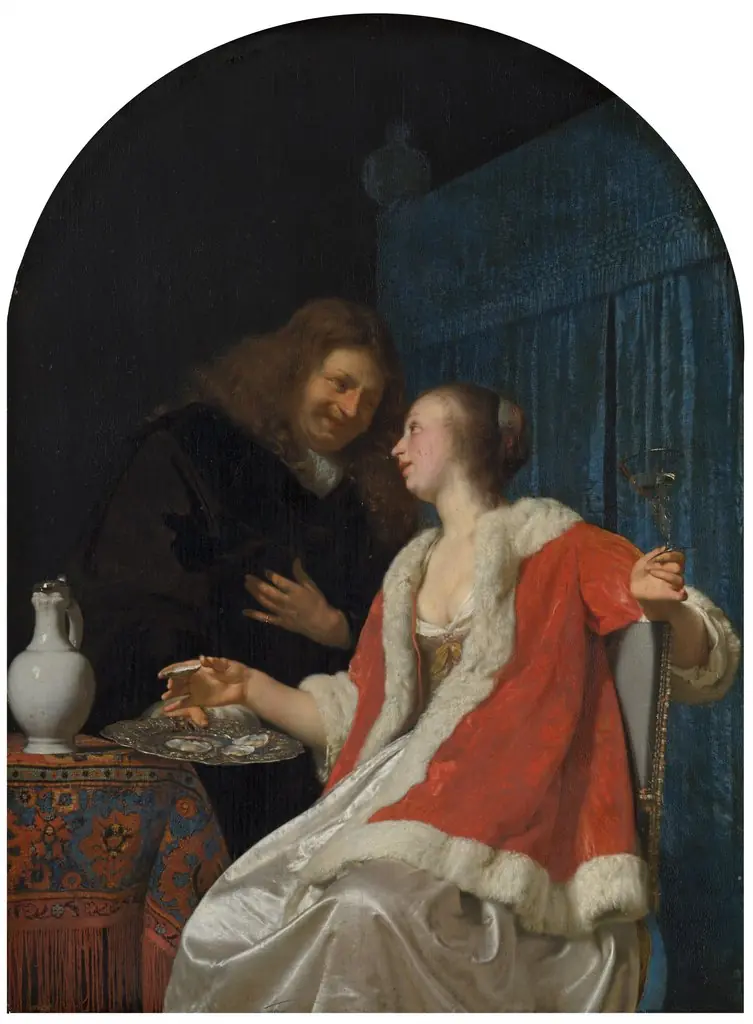 A Meal of Oysters
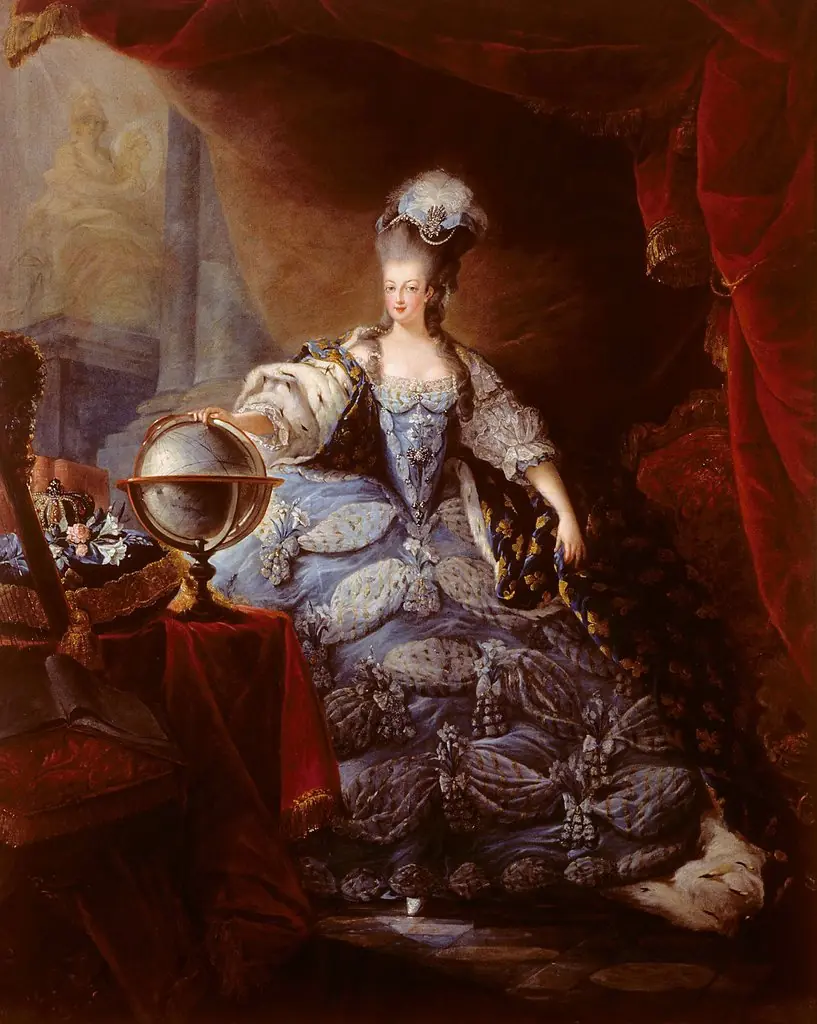 Portrait of Marie-Antoinette of Austria
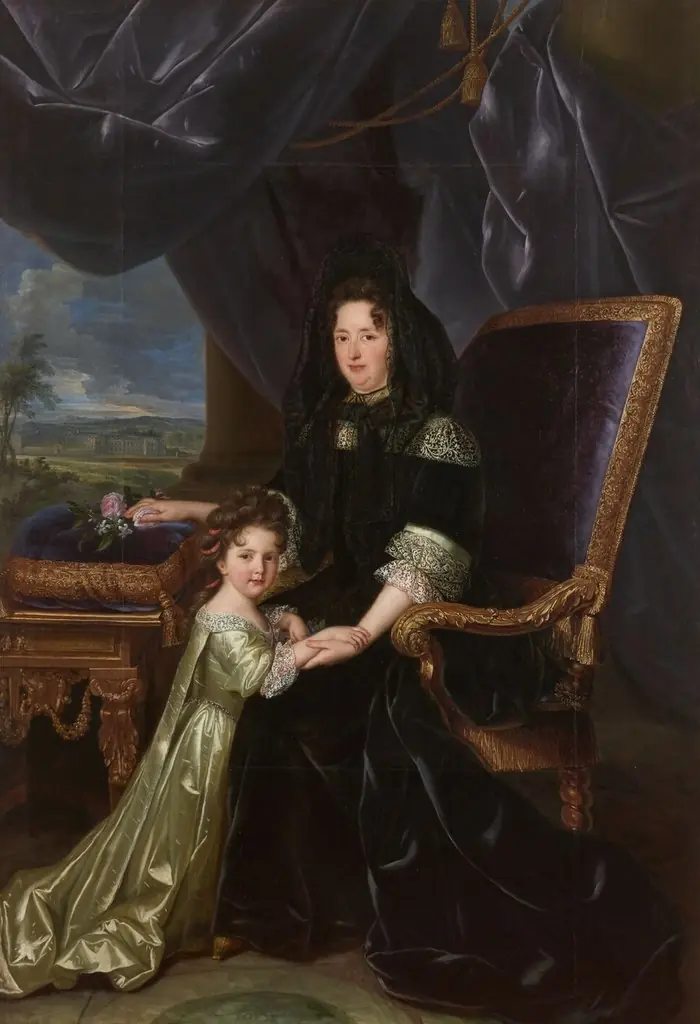 Françoise Charlotte d'Aubigné with her aunt Madame de Maintenon.
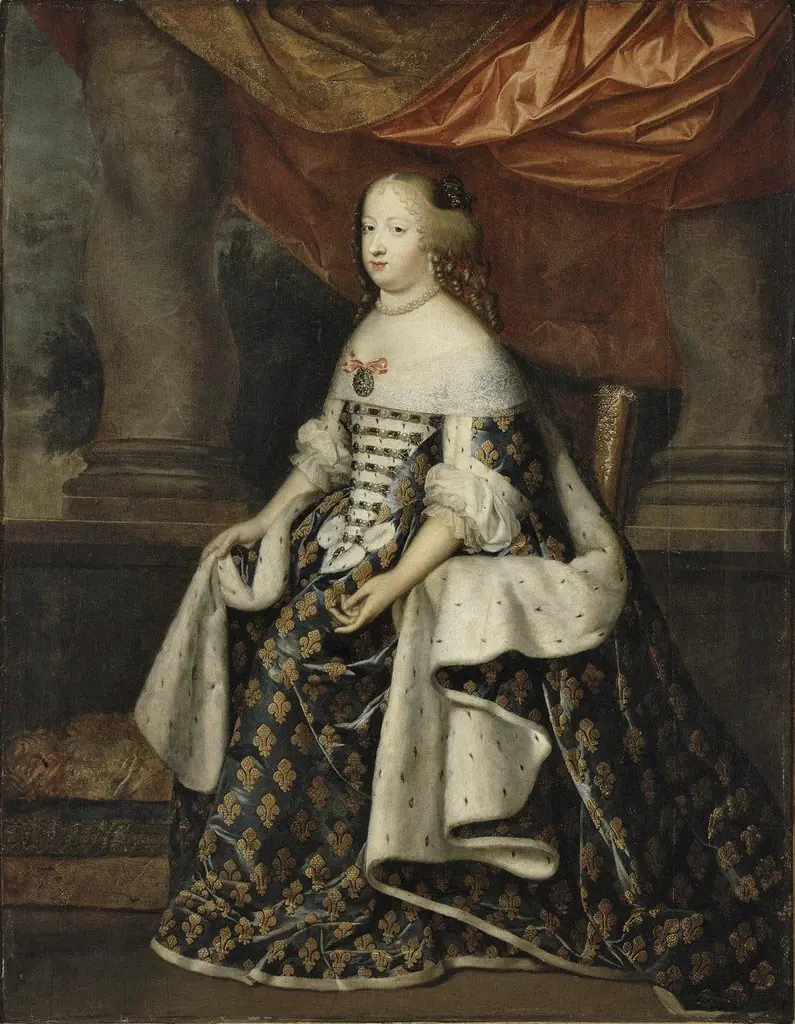 Marie Thérèse of Austria in Royal Costume
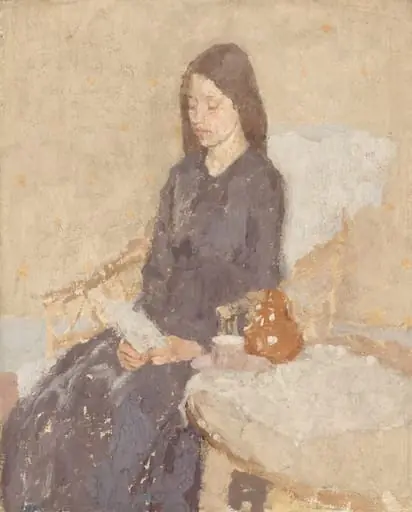 The Convalescent
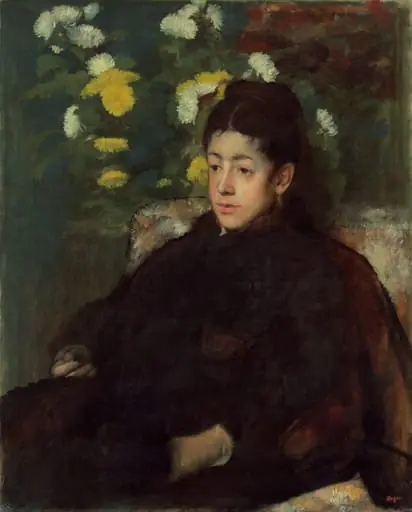 Mademoiselle Malot
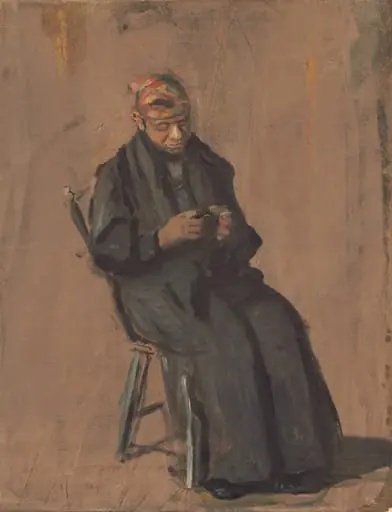 The Chaperone
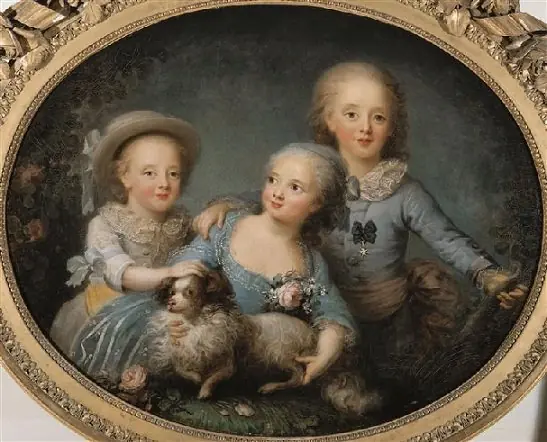 Artois children
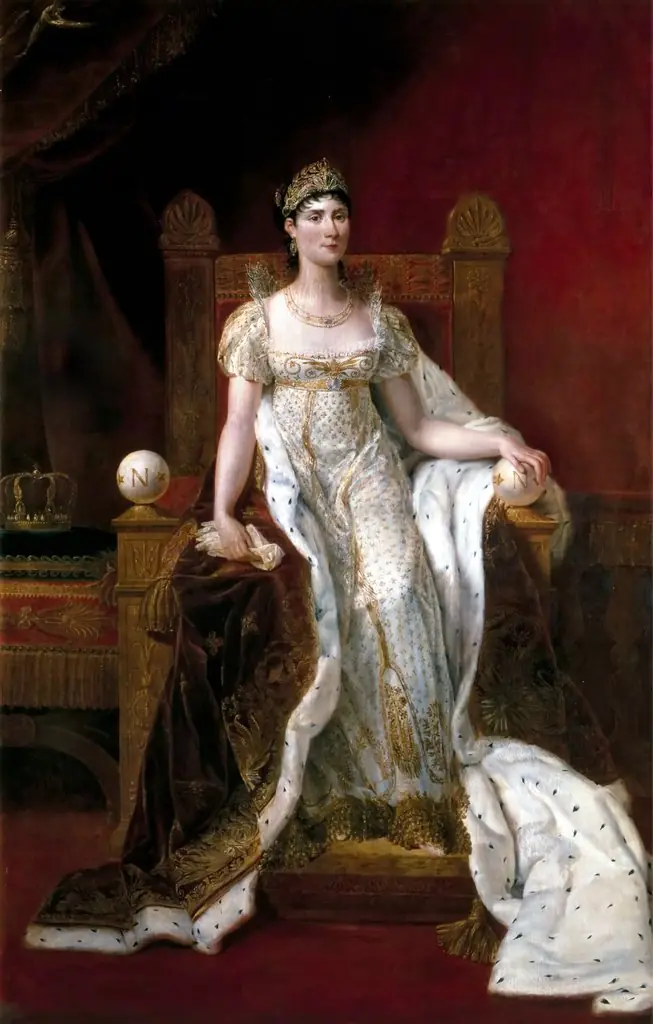 Joséphine, Empress of the French
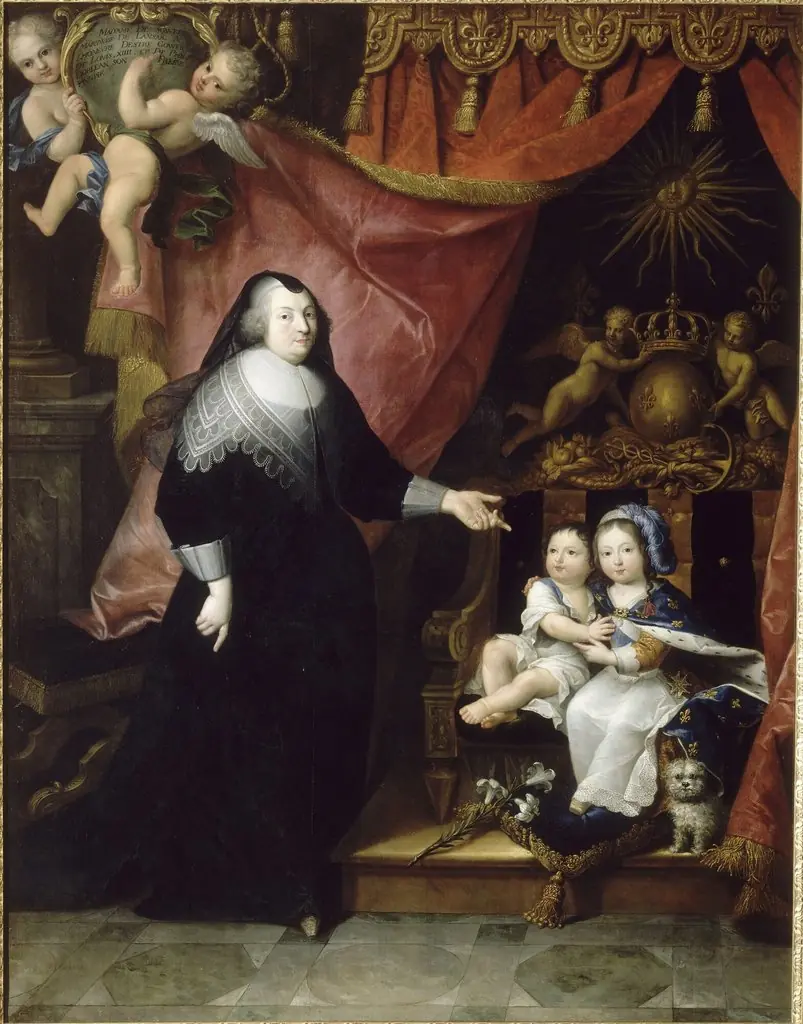 The young Louis XIV with his brother Philippe and his governess Françoise de Souvré, marquise de Lansac
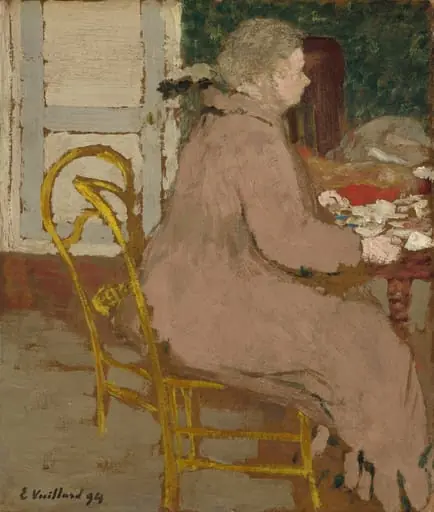 Breakfast
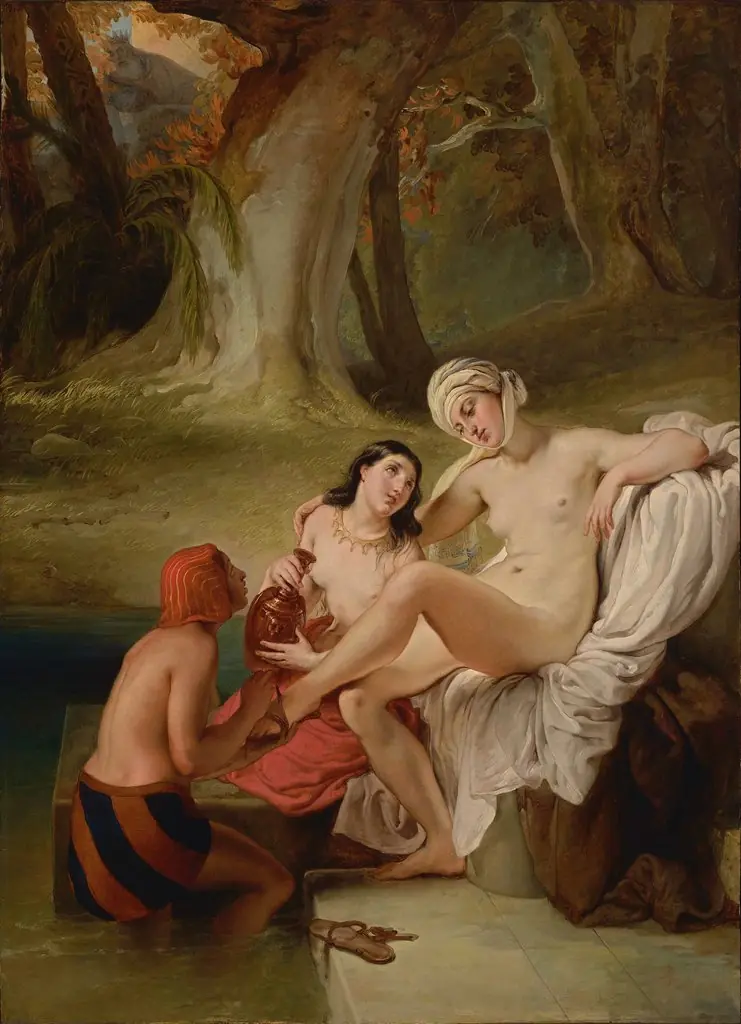 Bathsheba Bathing
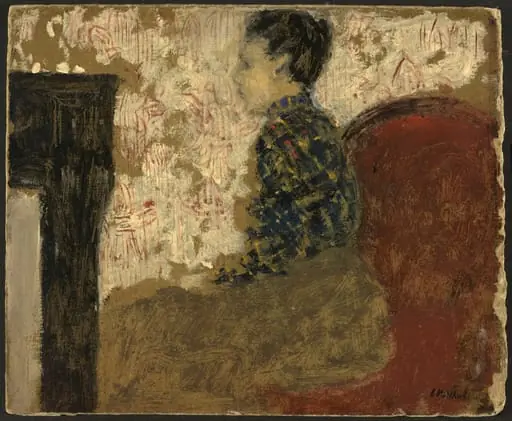 Woman Sitting by the Fireside
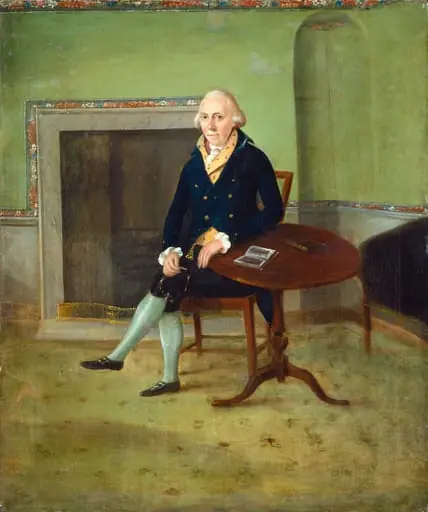 Samuel Griffin
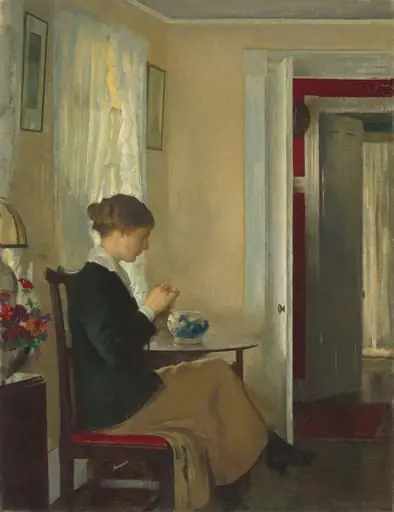 Josephine Knitting
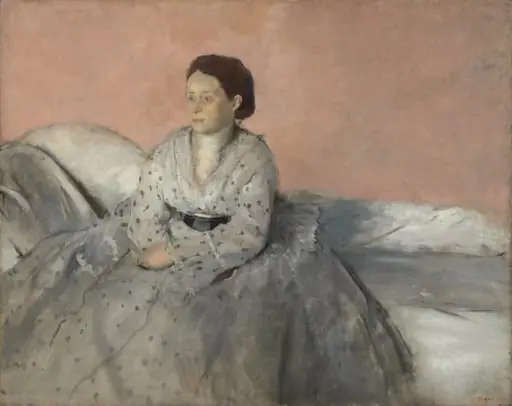 Madame René de Gas
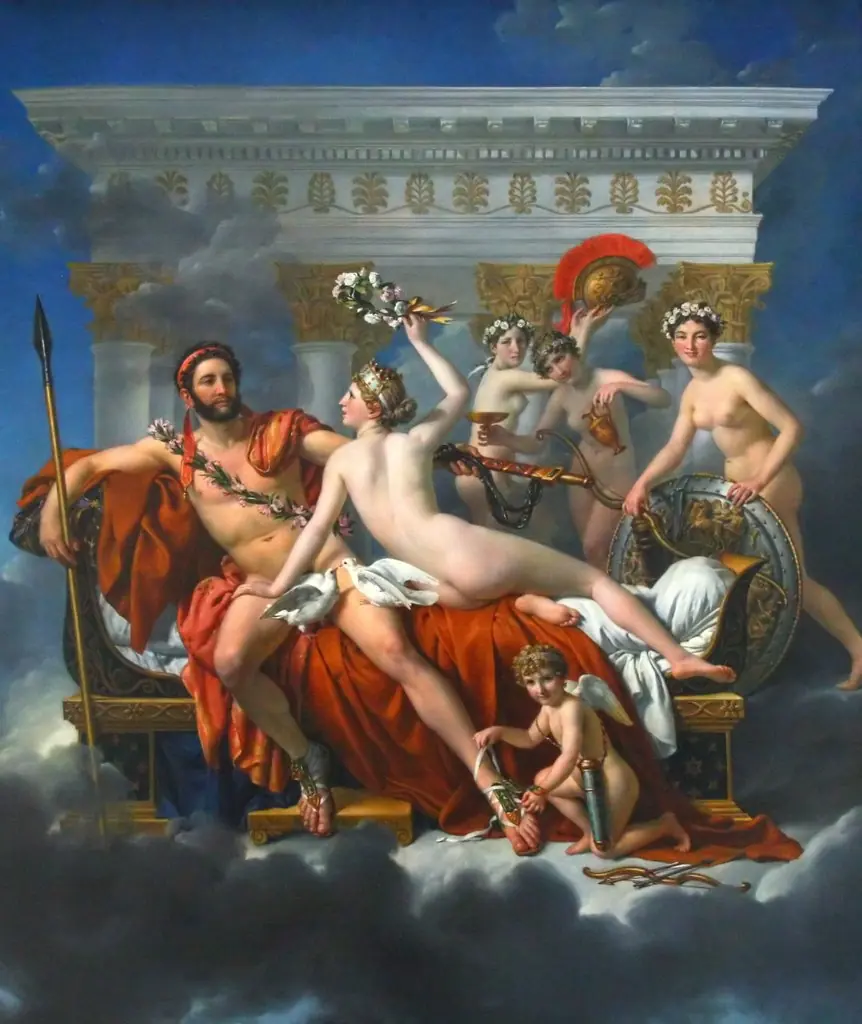 Mars Being Disarmed by Venus
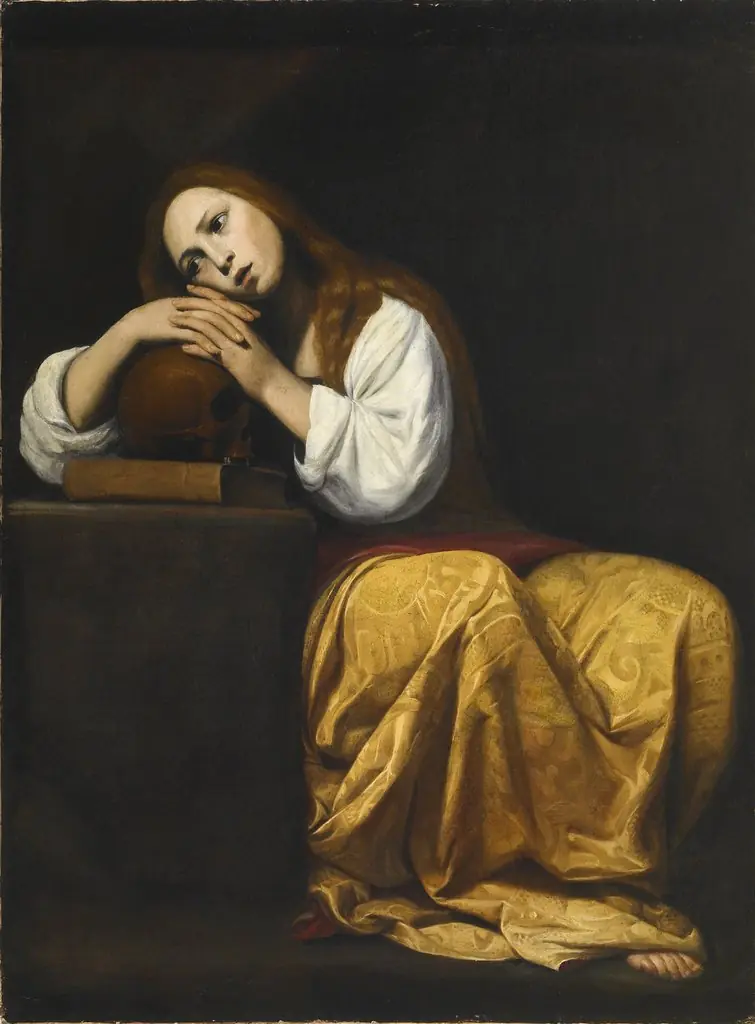 The Penitent Mary Magdalene
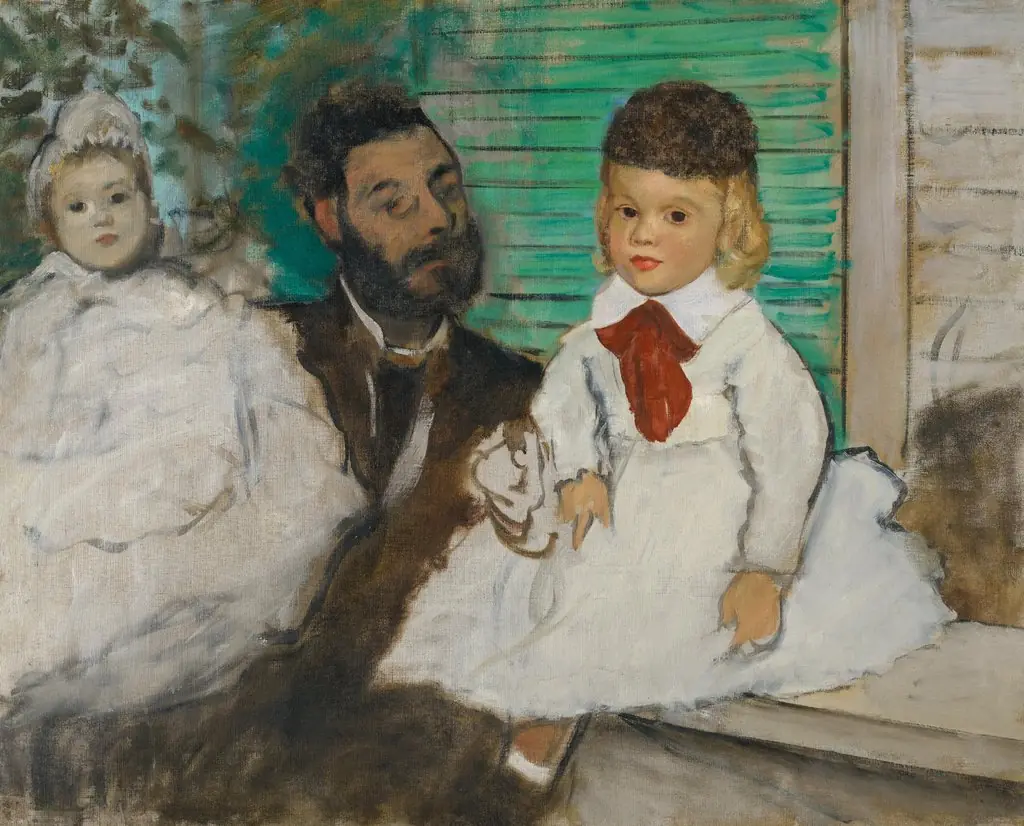 Count Lepic and His Daughters
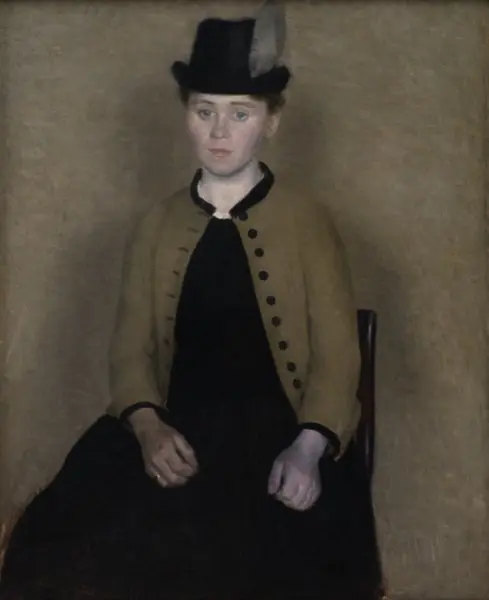 Portræt af Ida Ilsted, senere kunstnerens hustru
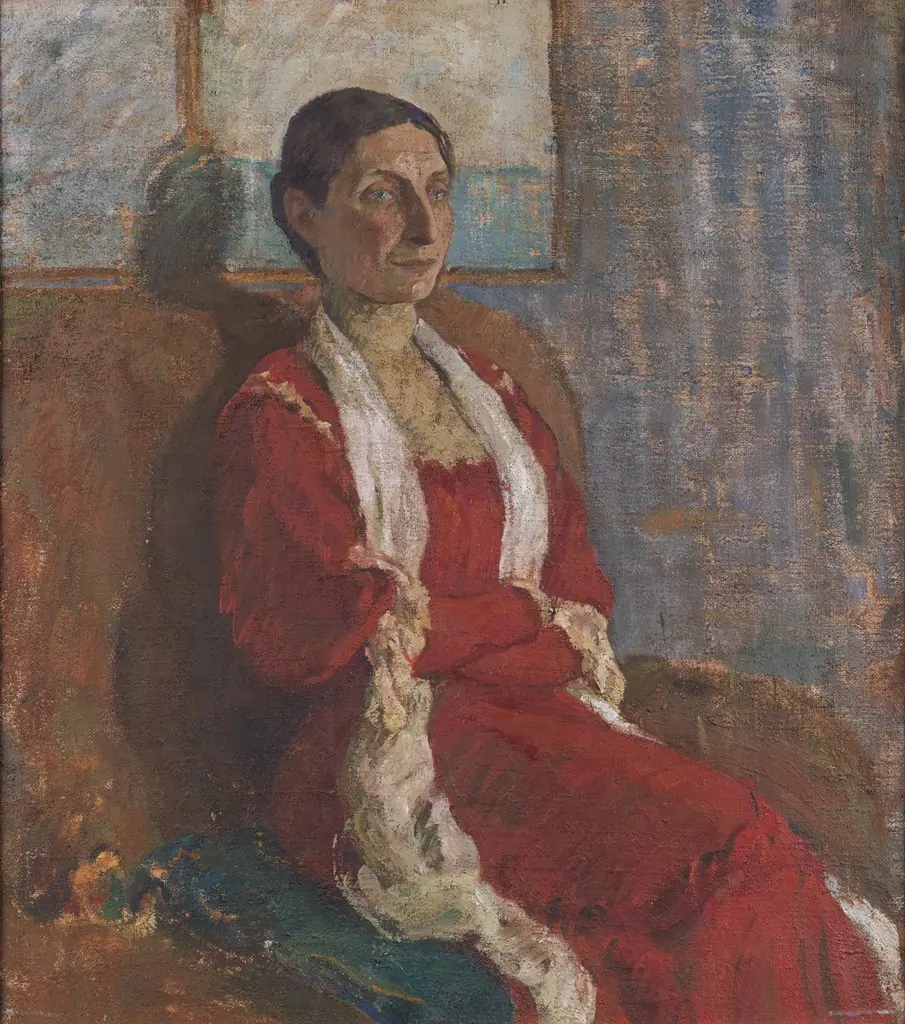 Portrait of Mrs. Bertha Brandstrup
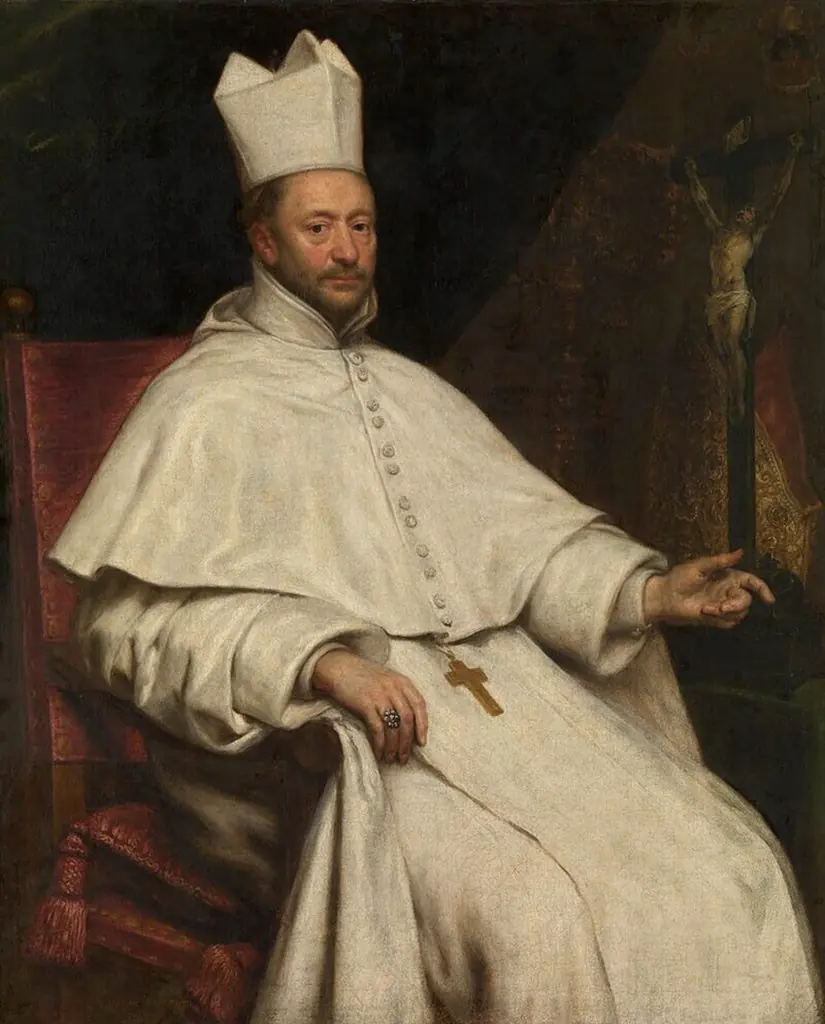 Norbertus van Couwerven, abbot of St Michael's
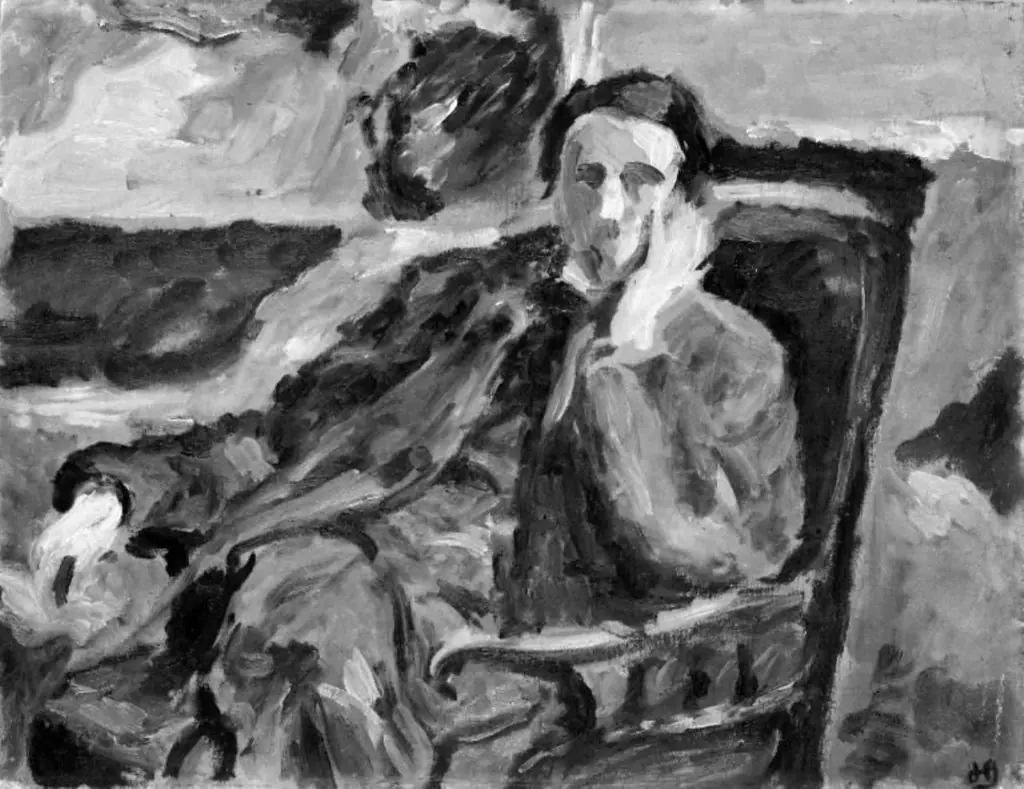 The Painter Sigurd Swane
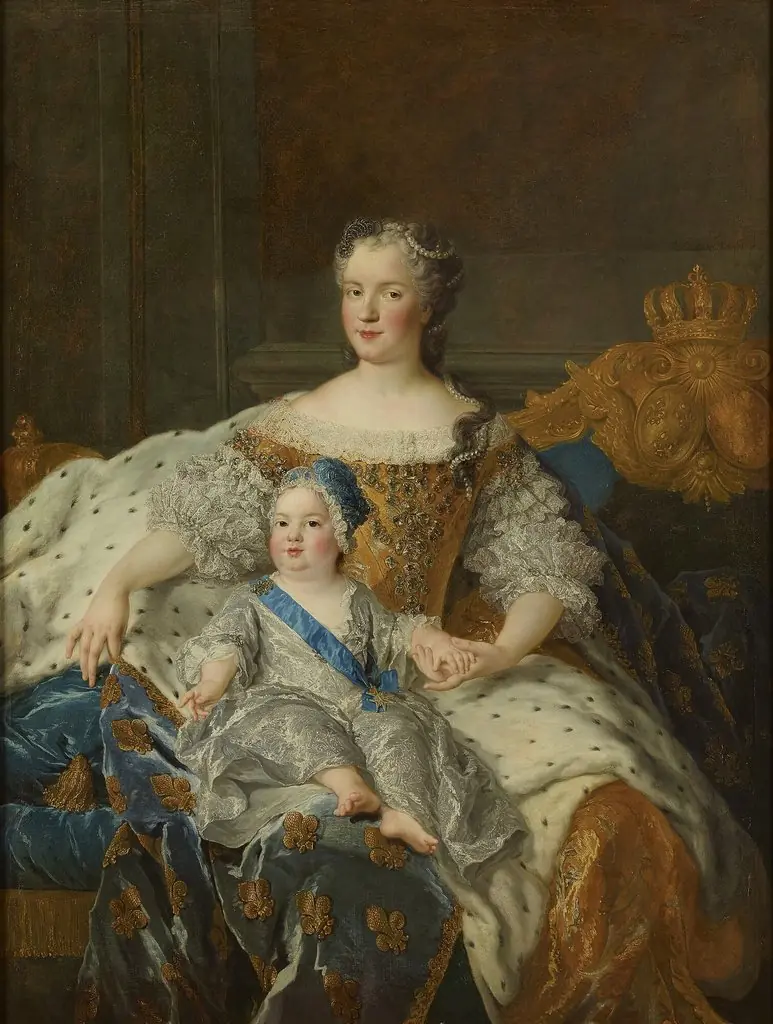 Marie Leszczynska, Queen of France, and the Dauphin
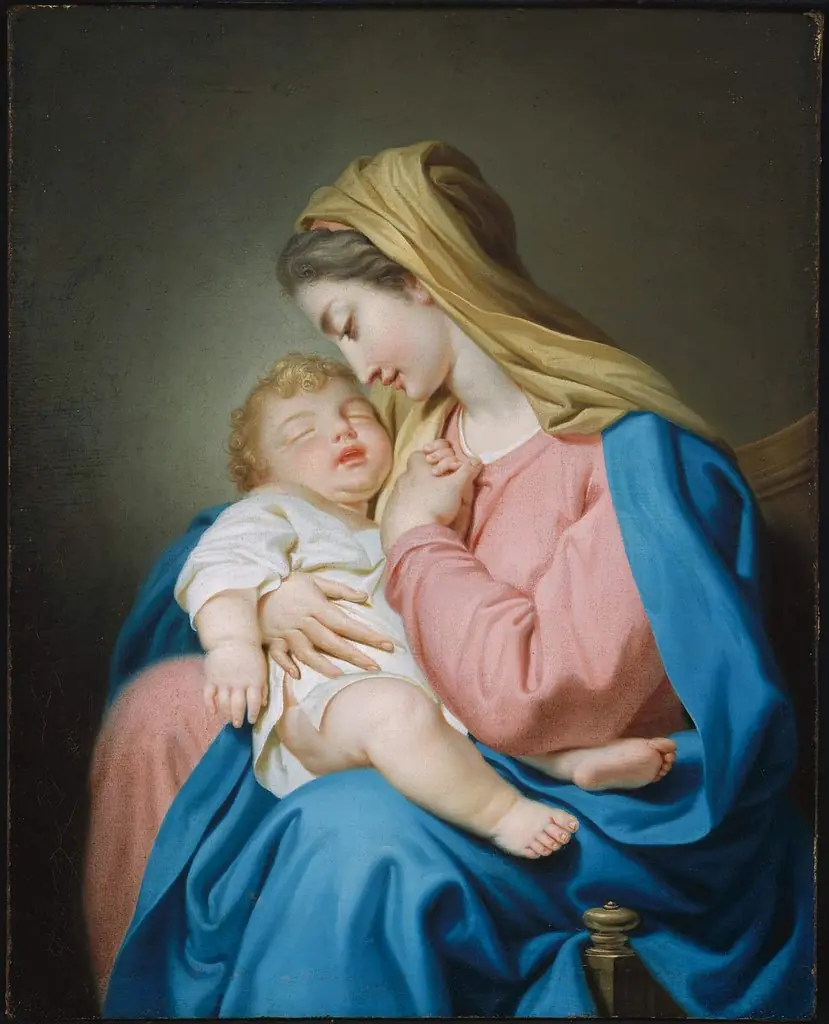 Virgin and Child
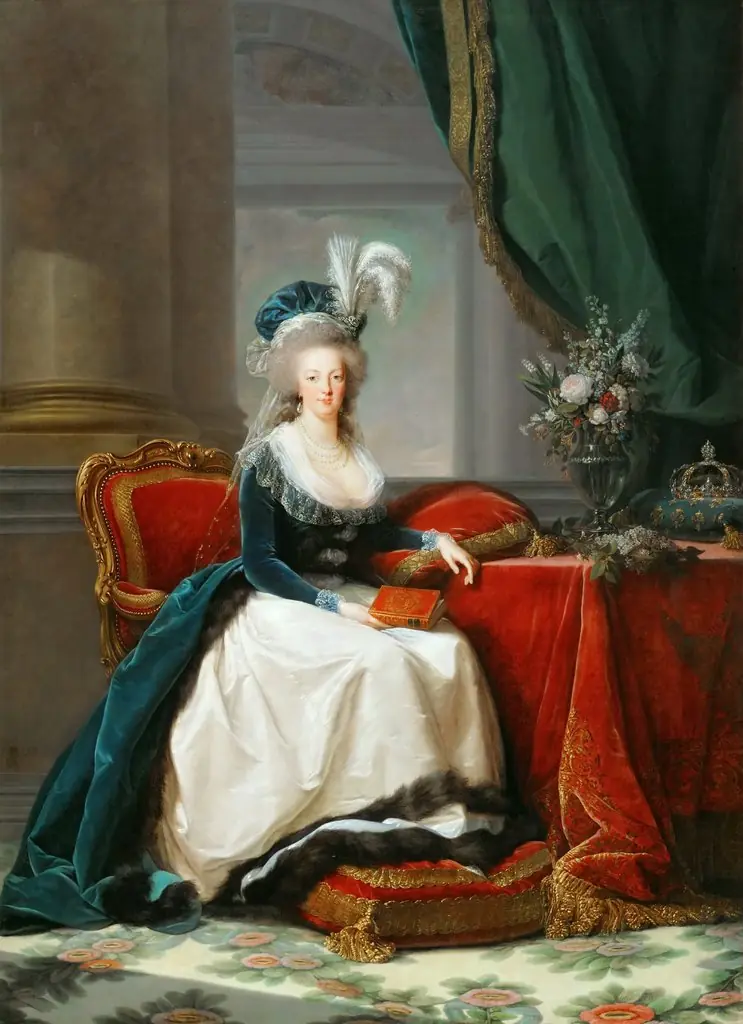 Marie-Antoinette seated, in blue coat and white dress, holding a book in her hand
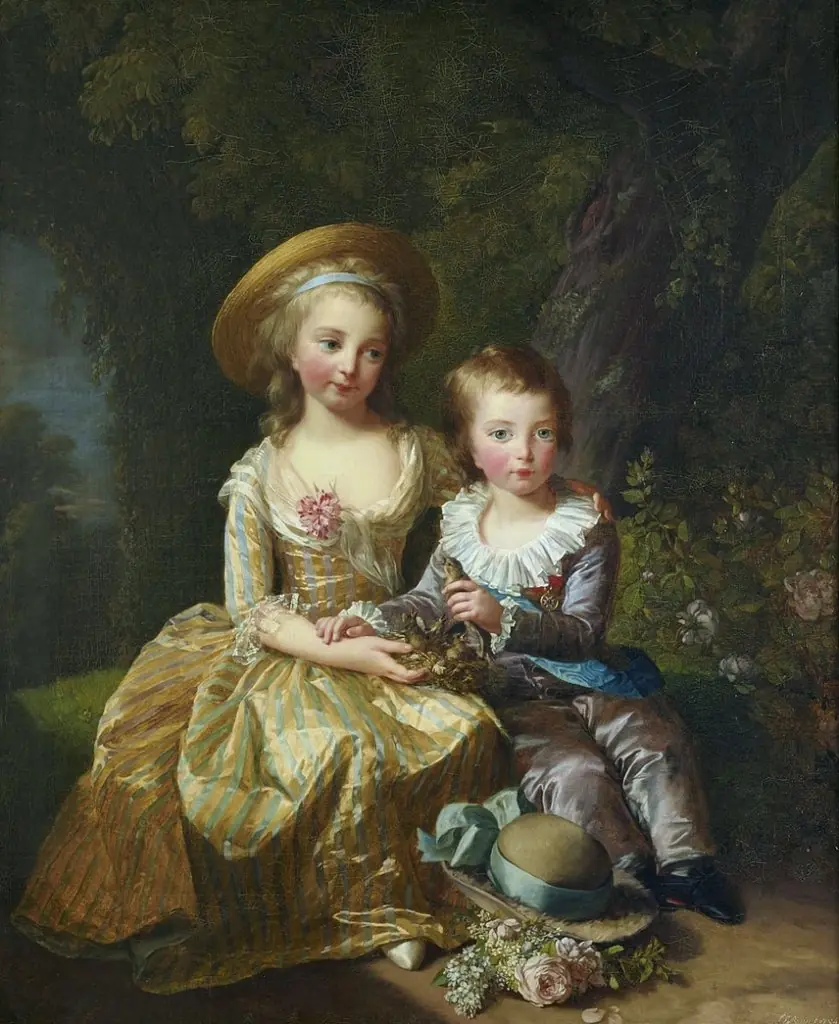 Portrait of Madame Royale and Louis Joseph, Dauphin of France
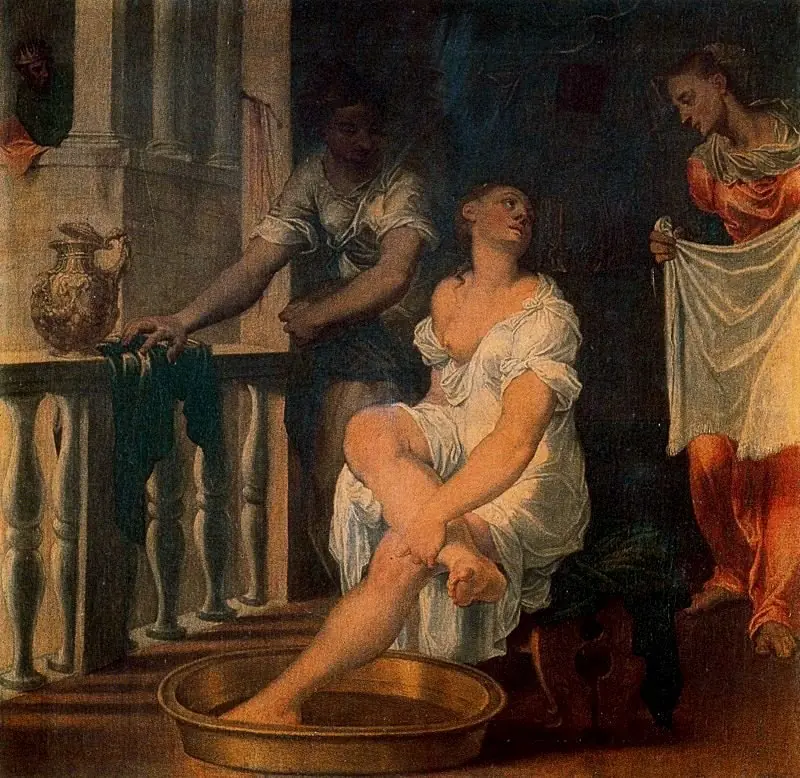 Bathsheba at her bath
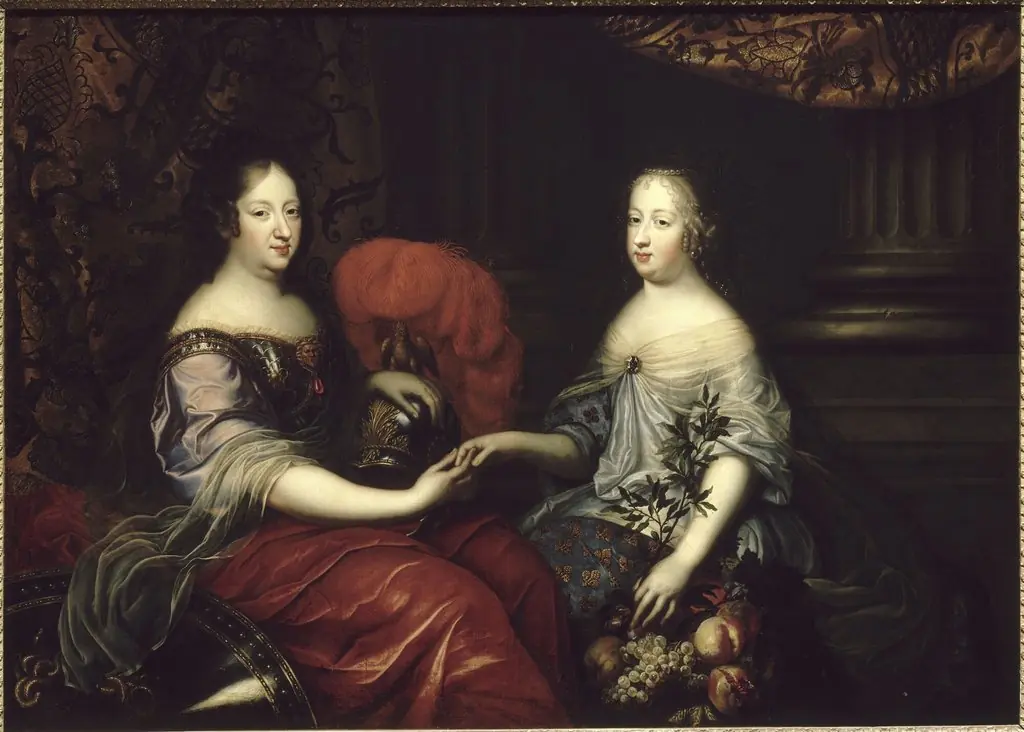 Anne of Austria and Marie-Thérèse of Austria, queens of France
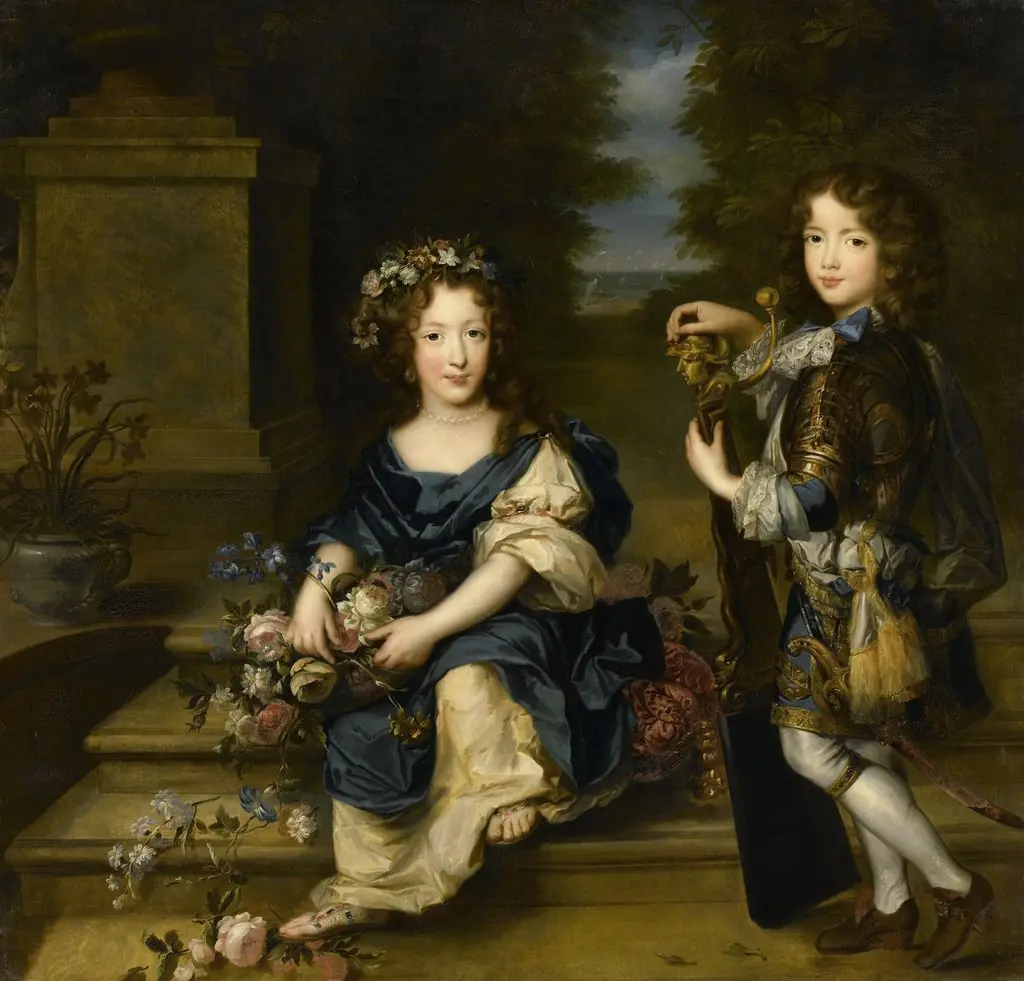 Anne-Marie de Bourbon, future princess of Conti and Louis de Bourbon, count of Vermandois
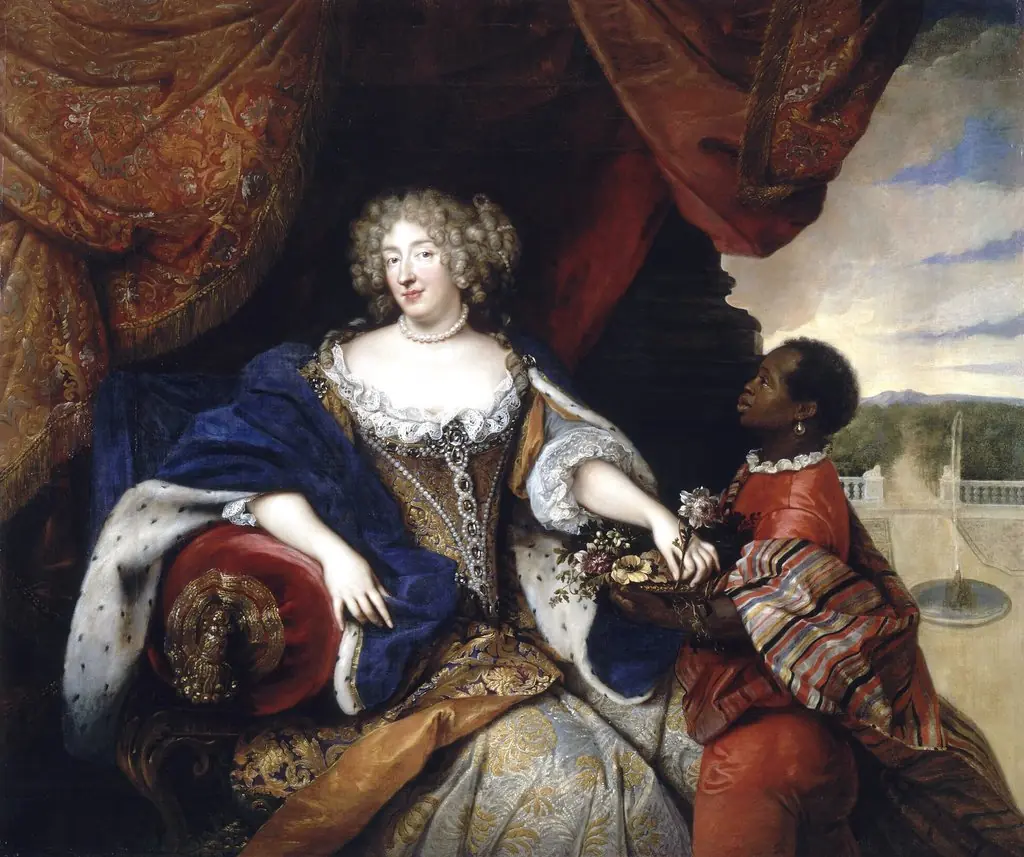 Portrait of Elizabeth Charlotte of the Palatine with her Slave
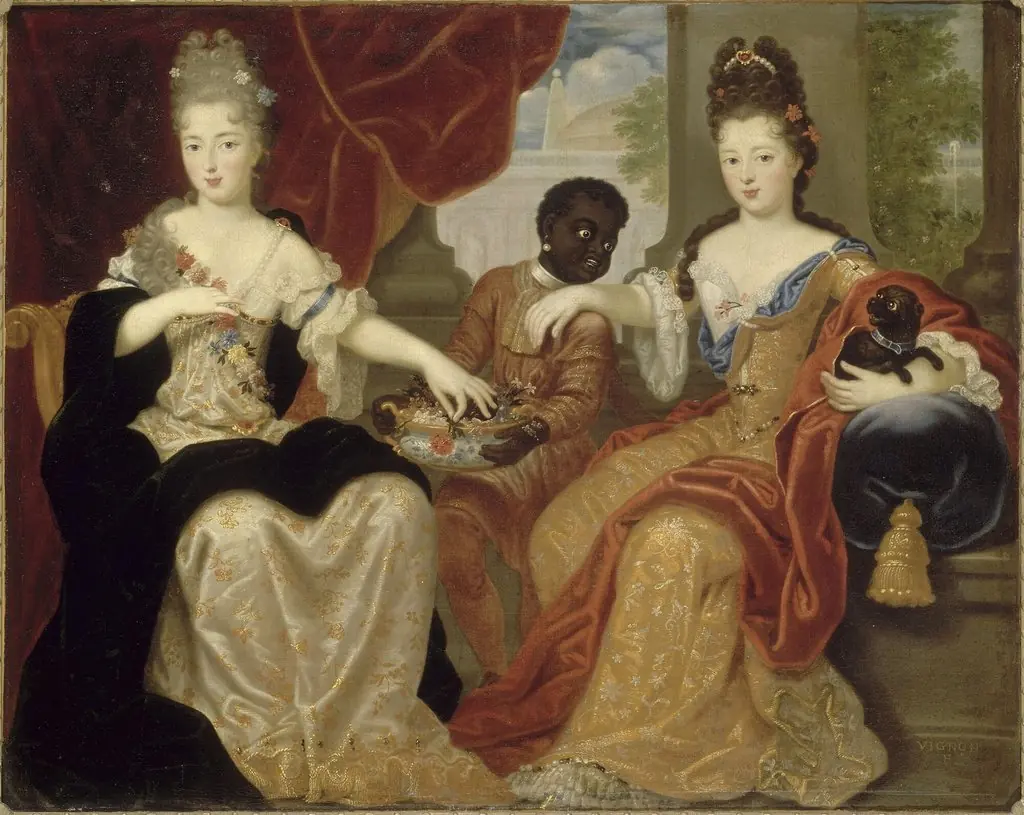 Françoise-Marie de Bourbon known as Mademoiselle de Blois and Louise-Françoise de Bourbon known as Mademoiselle de Nantes
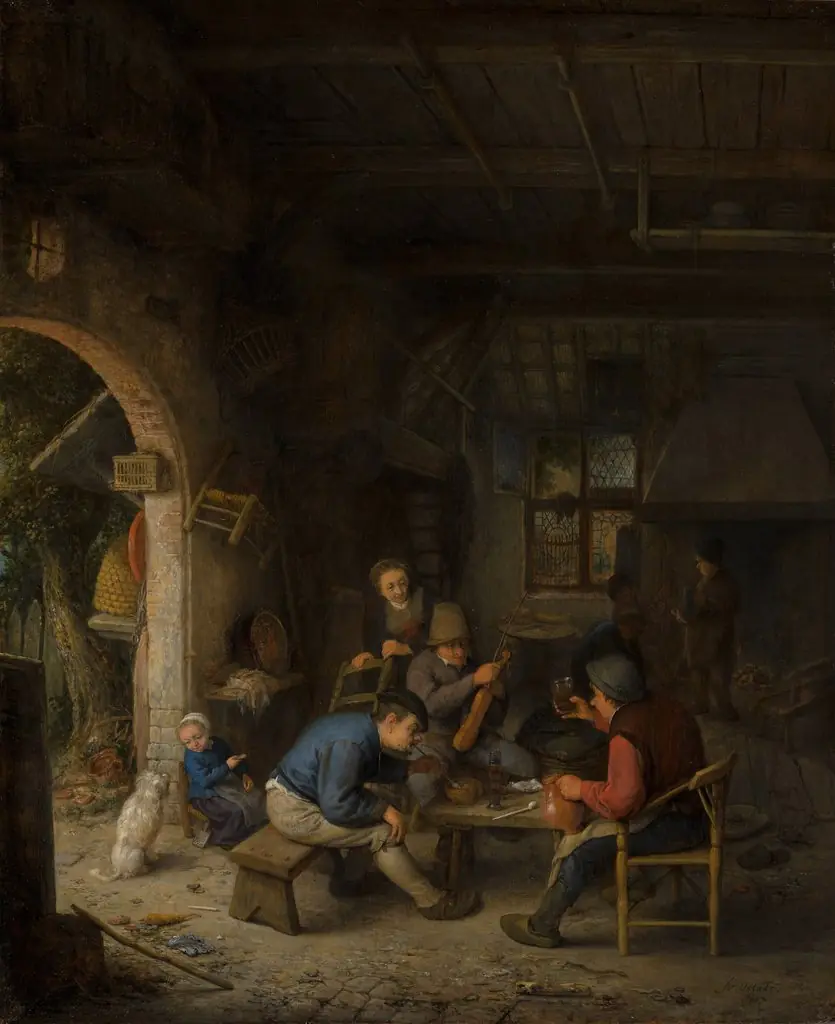 Peasants in an inn
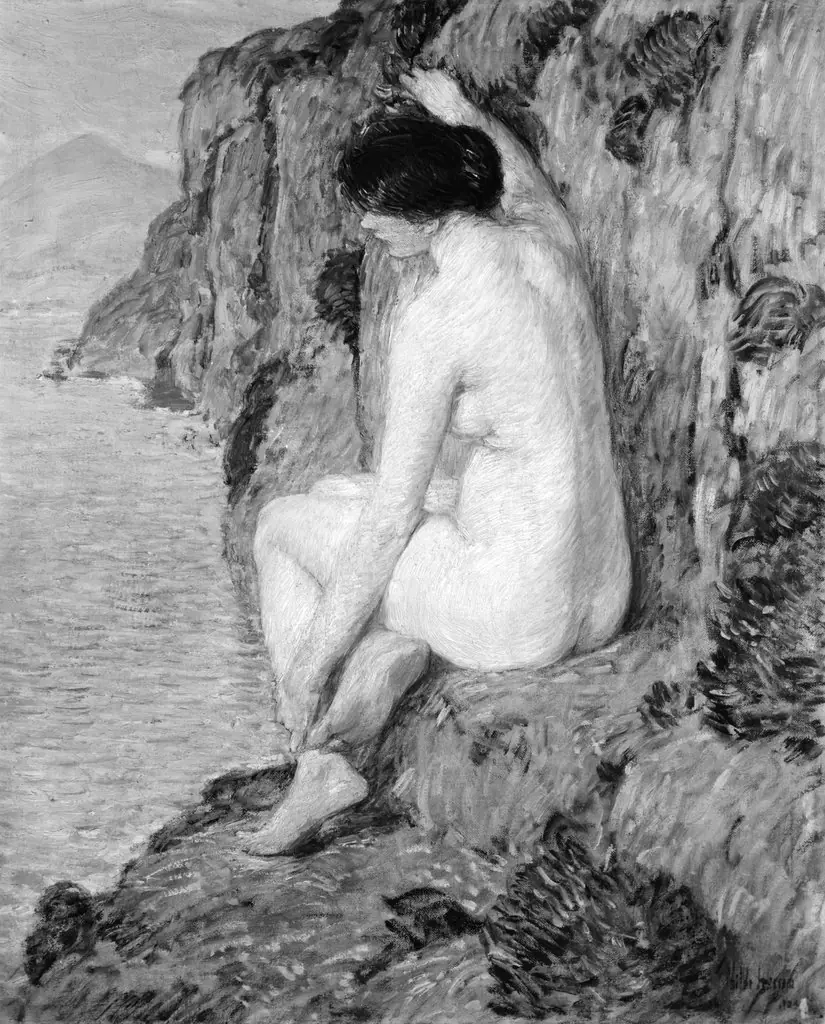 The Lorelei
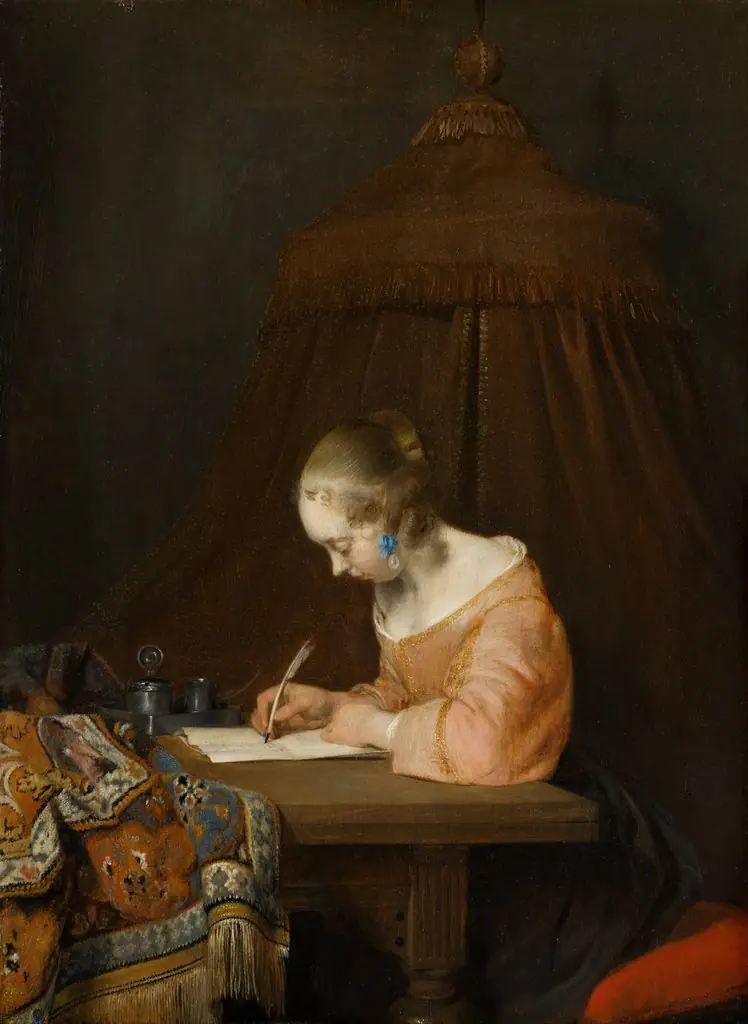 Woman writing a letter
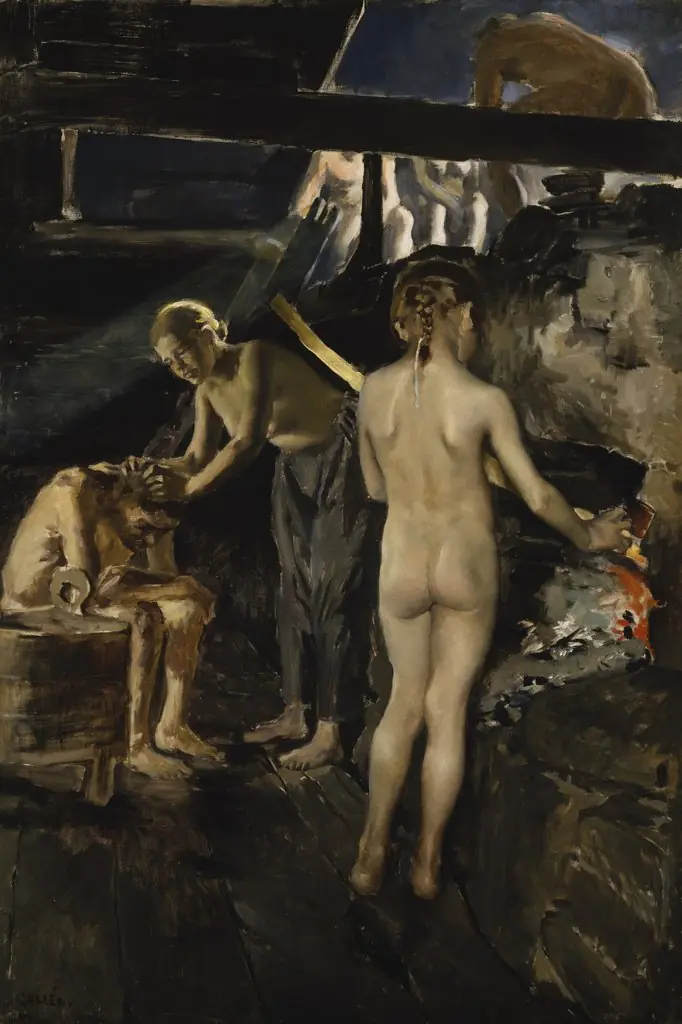 In the Sauna
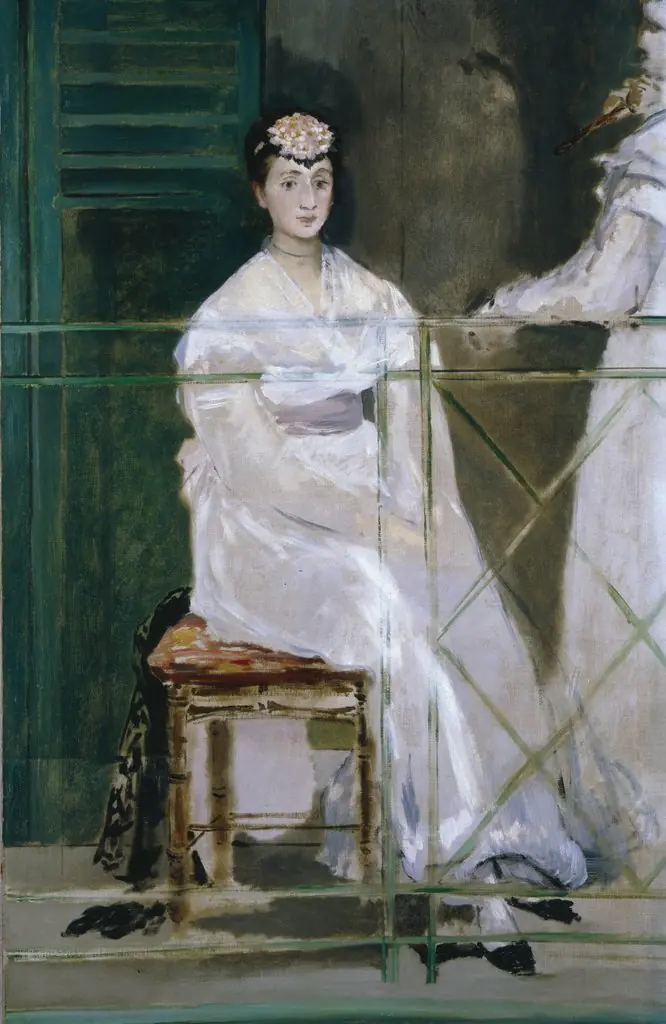 Portrait of Mademoiselle Claus
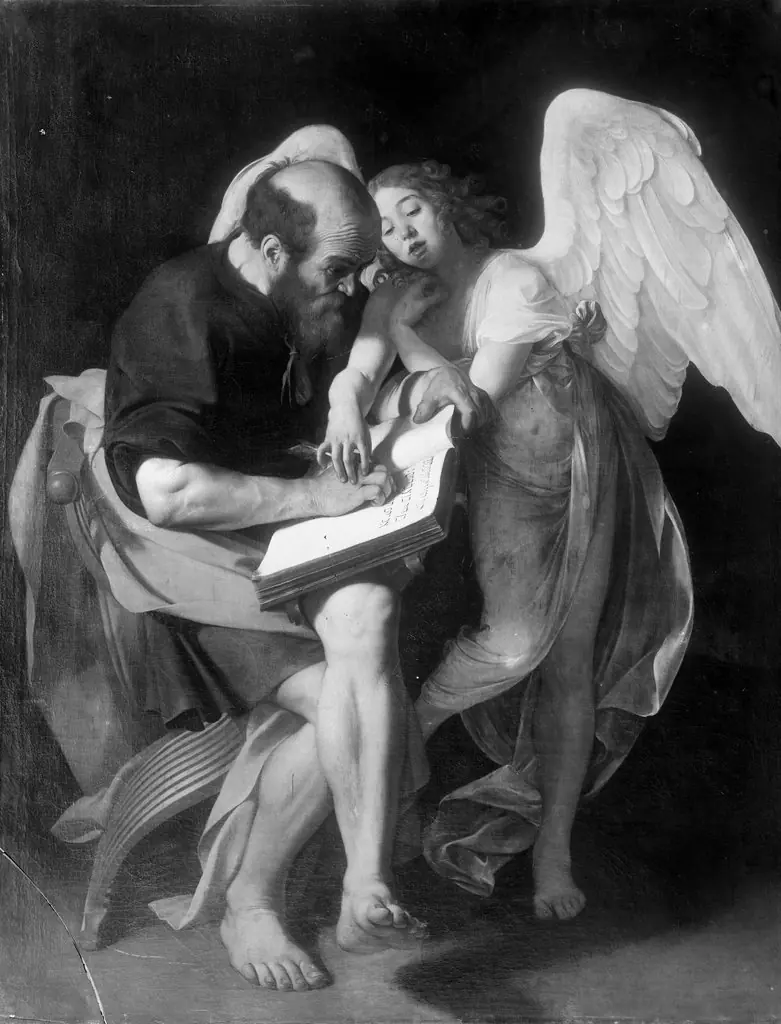 Saint Matthew and the Angel
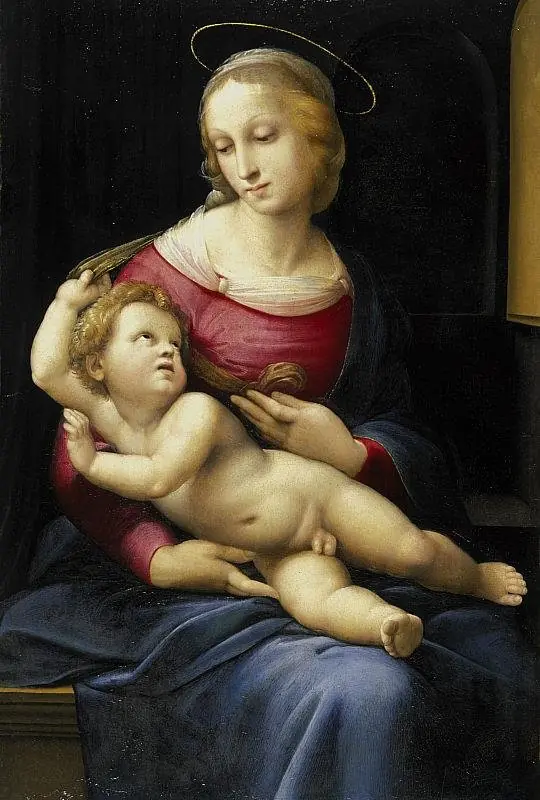 Bridgewater Madonna
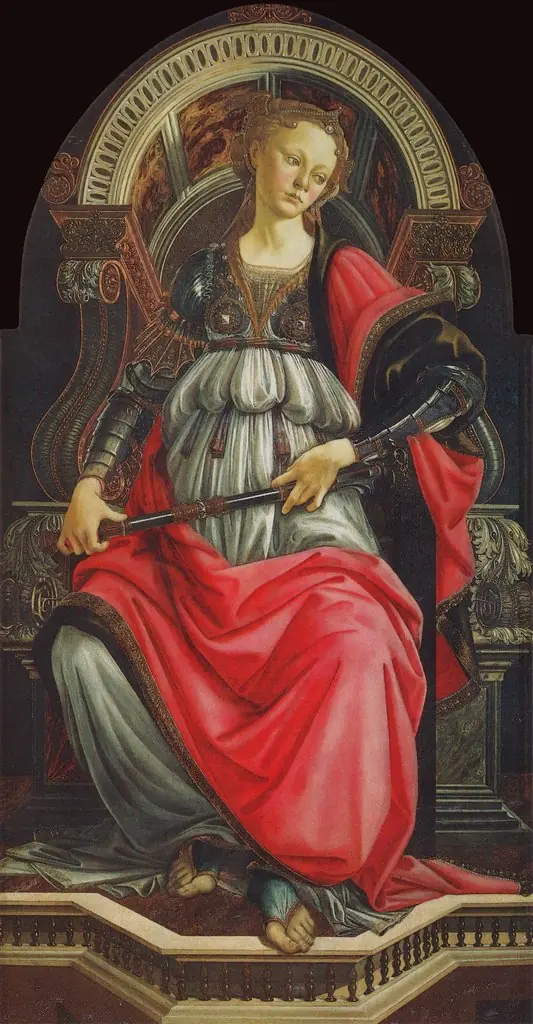 Fortitude
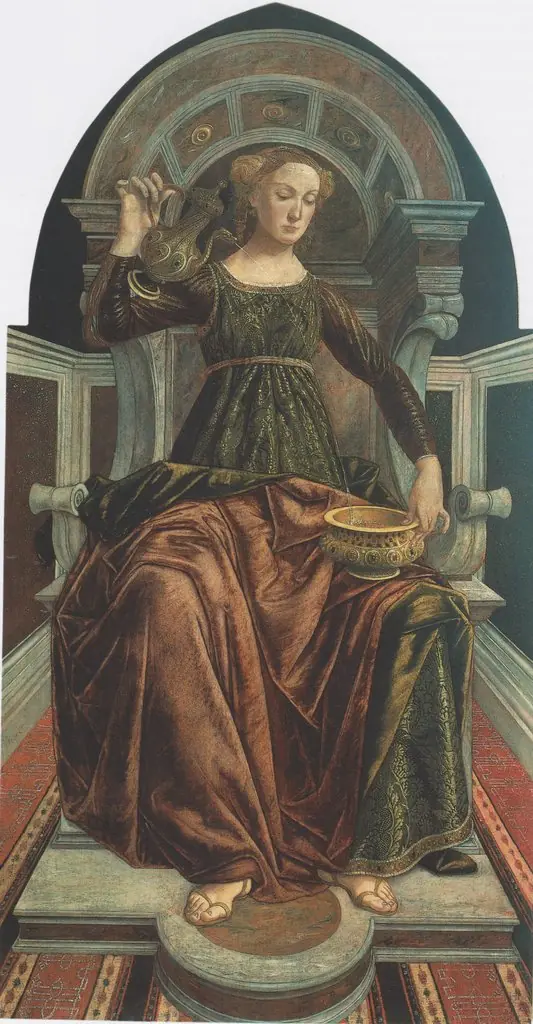 Temperance
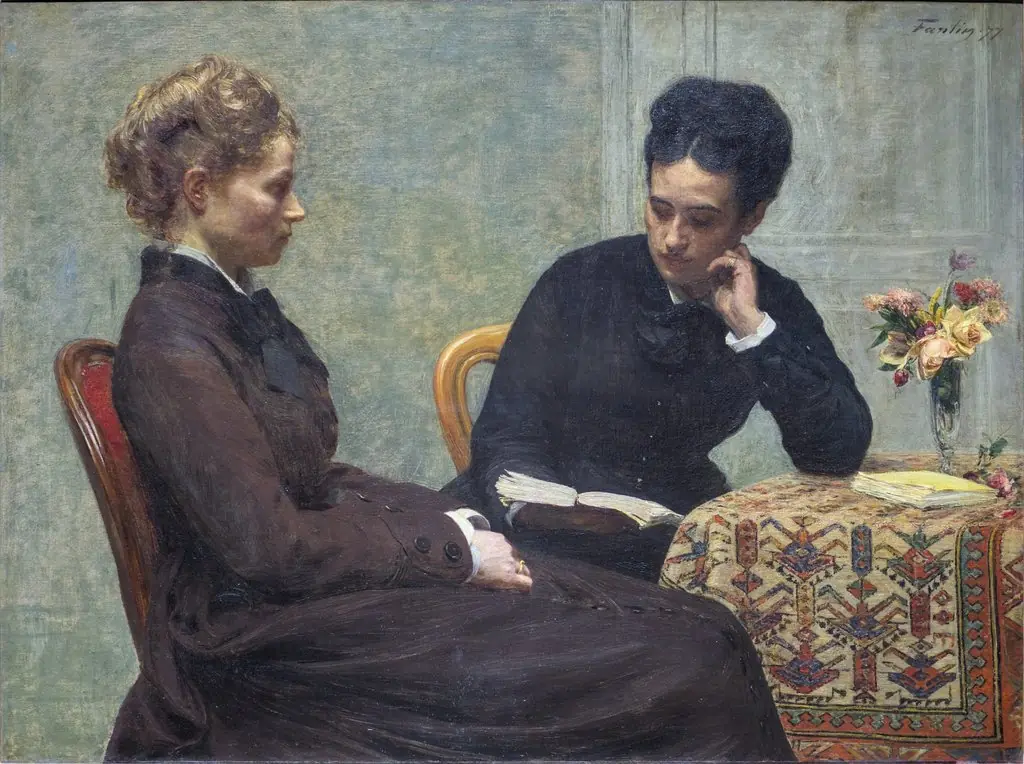 The Reading
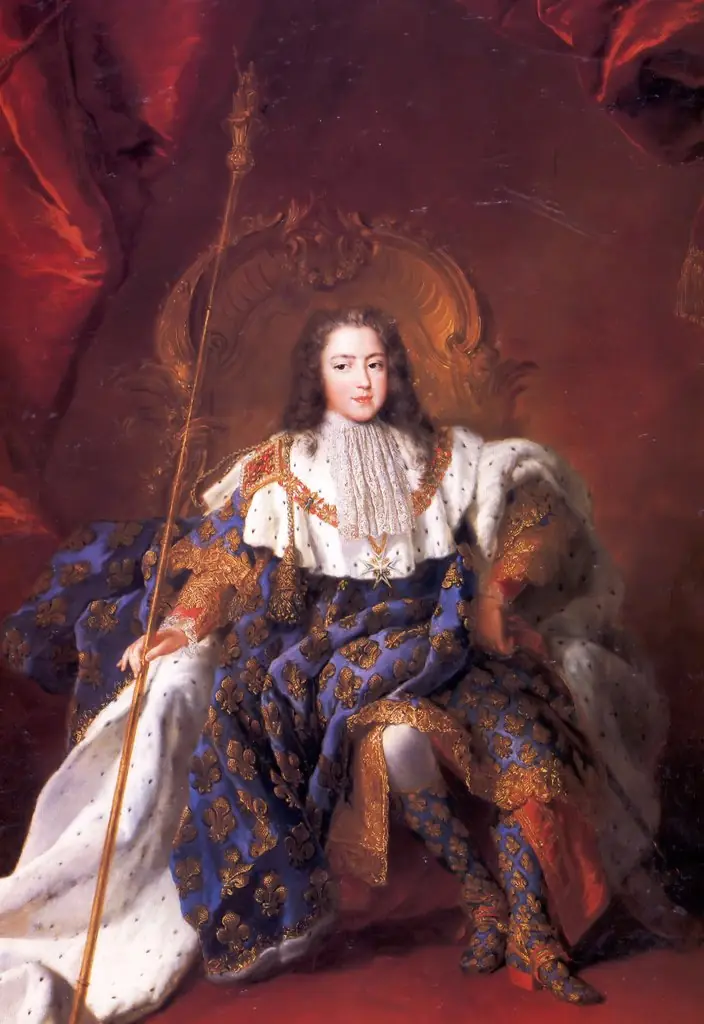 Portrait of Louis XV of France
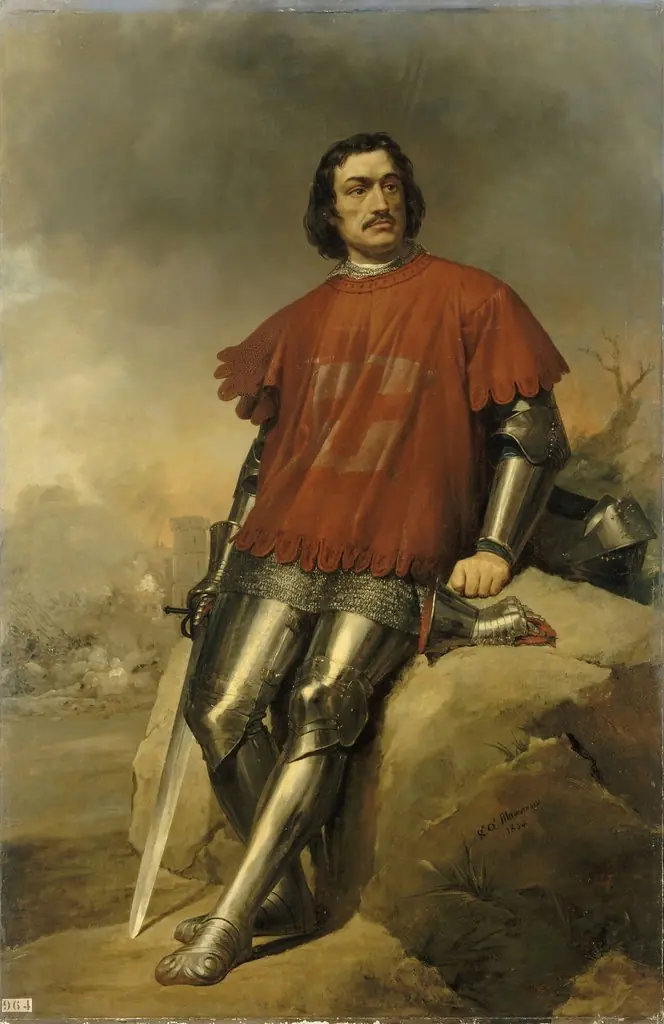 Jean, dit Poton, seigneur de Xaintrailles (?-1461)
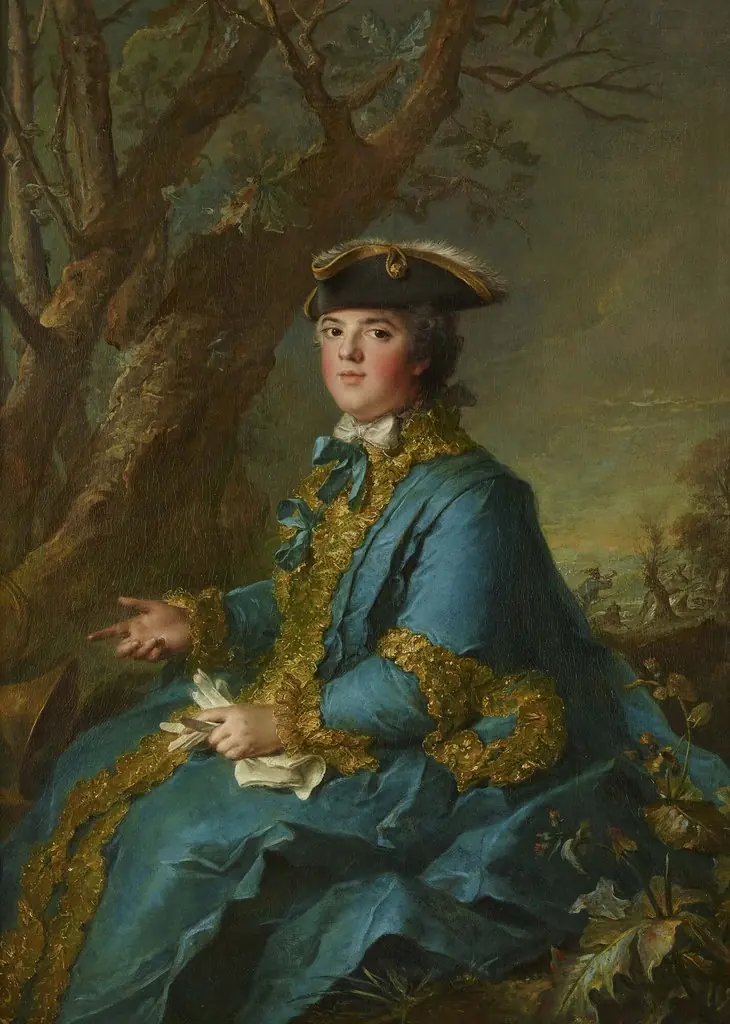 Posthumous portrait of Louise-Élisabeth de France, Duchess of Parma
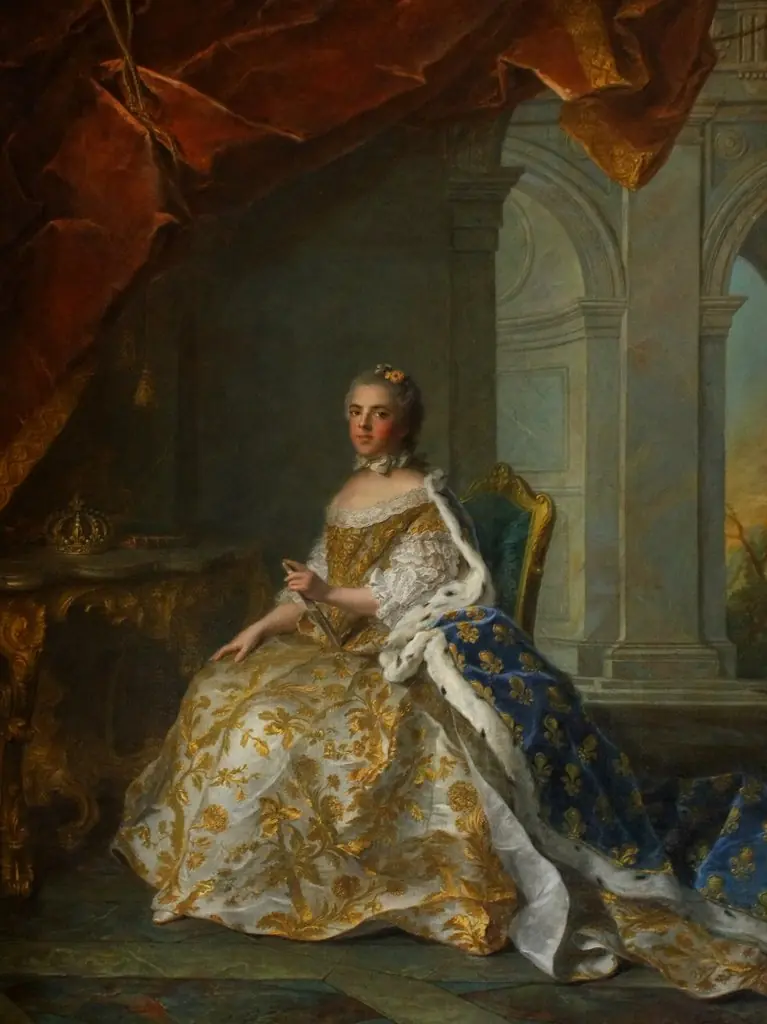 Posthumous portrait of Louise Elisabeth of France (1727-1759), Duchess of Parma, in court dress
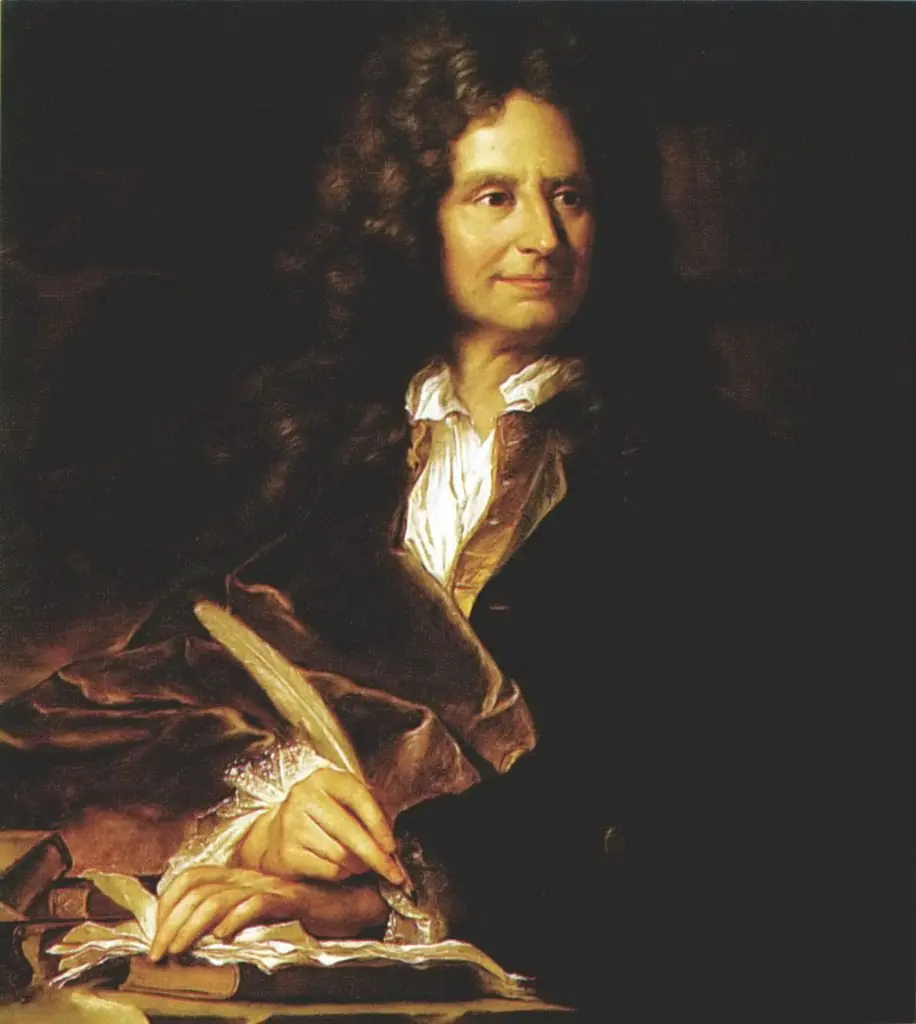 Nicolas Boileau-Despréaux
Frequently asked questions
What is Sitting?
Sitting is a basic action and resting position in which the body weight is supported primarily by the bony ischial tuberosities with the buttocks in contact with the ground or a horizontal surface such as a chair seat, instead of by the lower limbs as in standing, squatting or k…
How many Sitting works does Artifact World Gallery have?
Artifact World Gallery holds 200 public-domain Sitting works, all free to view and download.
Who are the key Sitting artists?
Key Sitting artists in the collection include Titian, Thomas Eakins and Paolo Veronese.
Where can I see Sitting works?
Sitting works in the collection are held by National Gallery of Art, Palace of Versailles and Statens Museum for Kunst.