Artwork
Χωρίς τίτλο
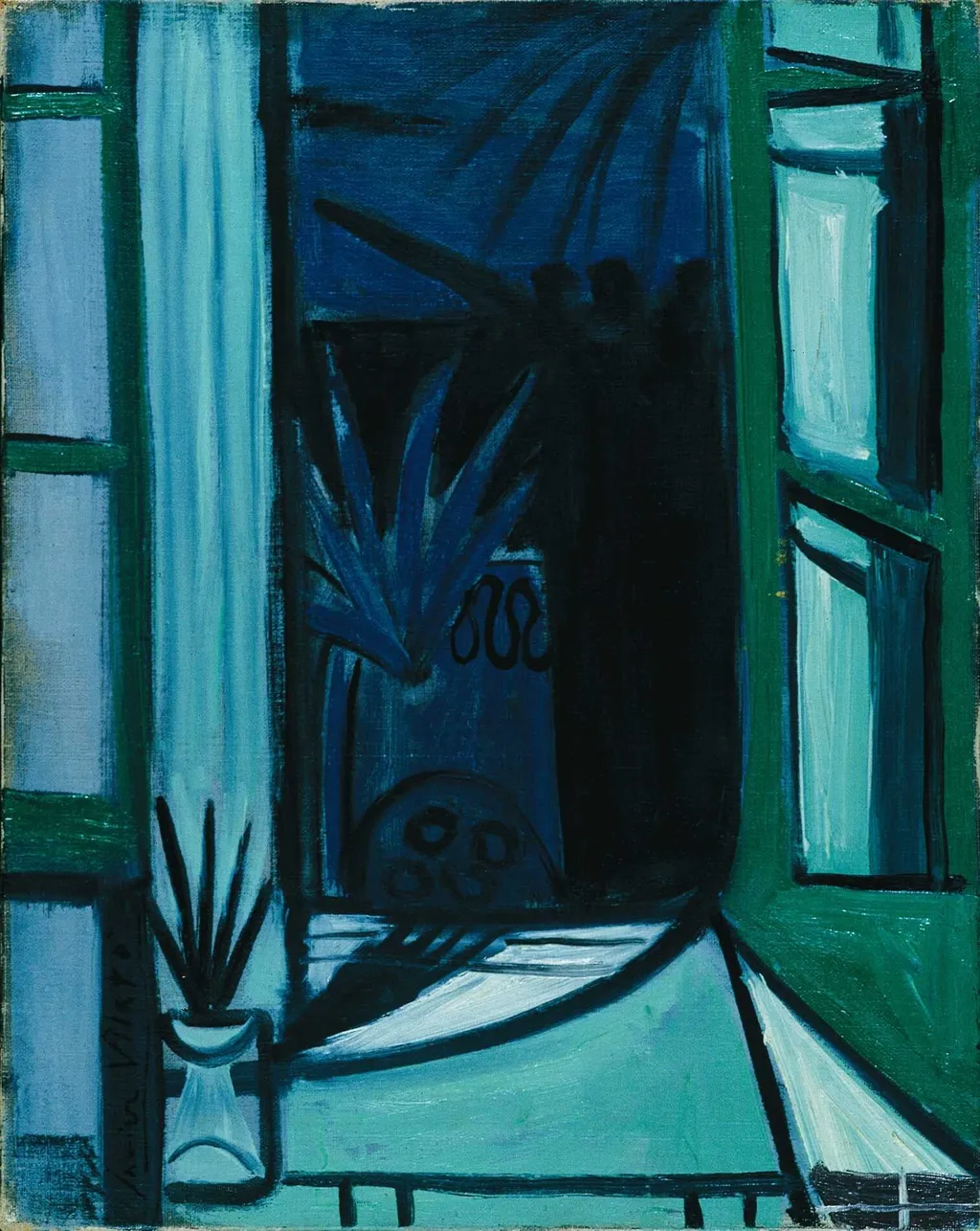
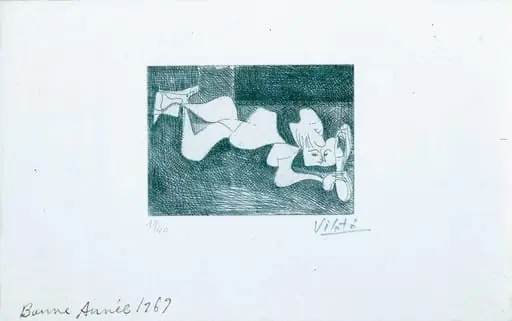
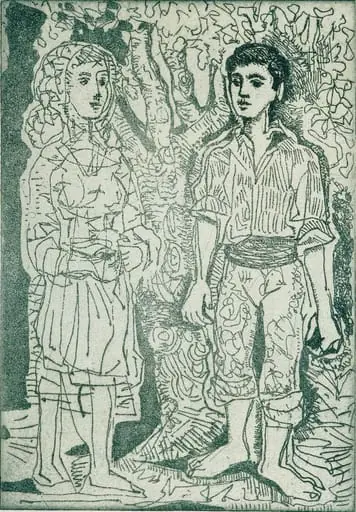
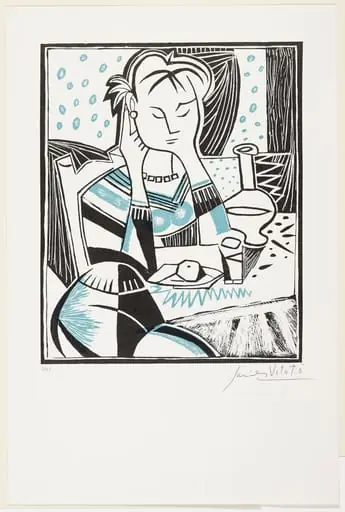
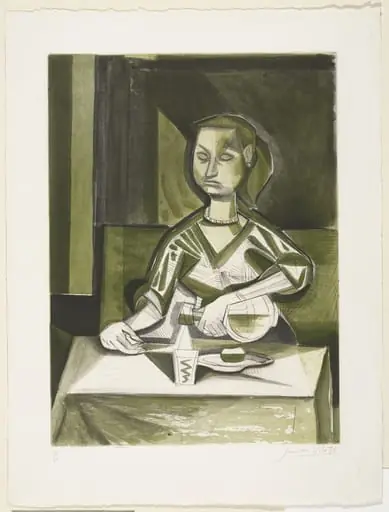
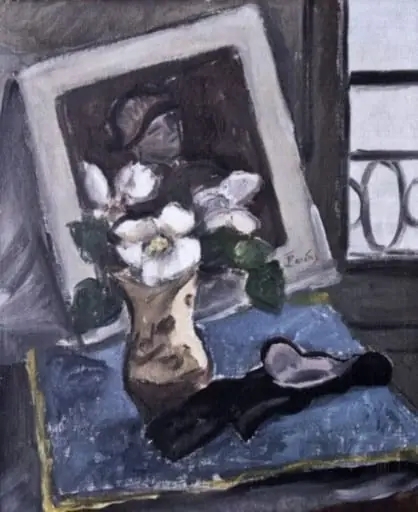
Χωρίς τίτλο is an unspecified painting by the Cubism Synthetic artist Javier Vilato. It dates from 1948 and is held in the collection of the Metropolitan Organisation of Museums of Visual Arts of Thessaloniki – MOMus.
About this work
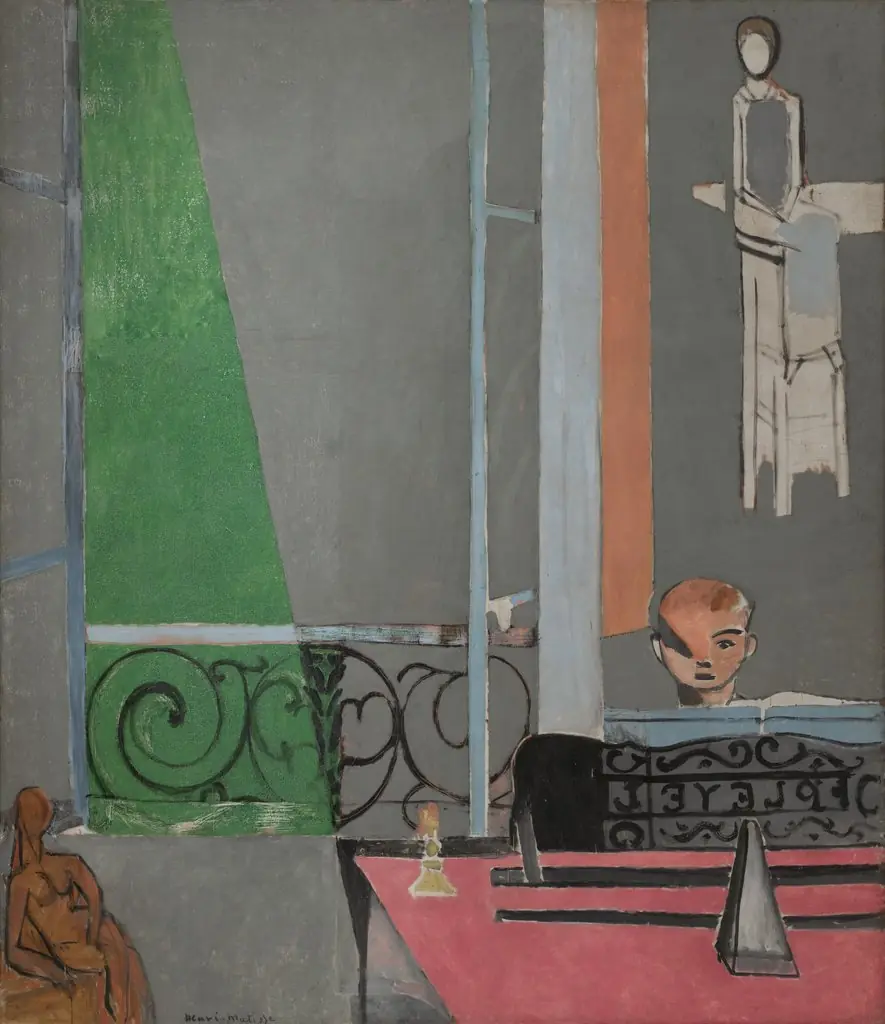
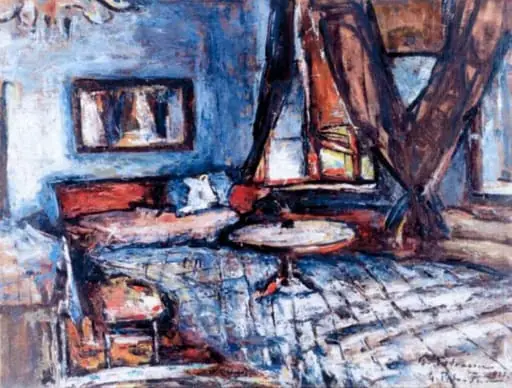
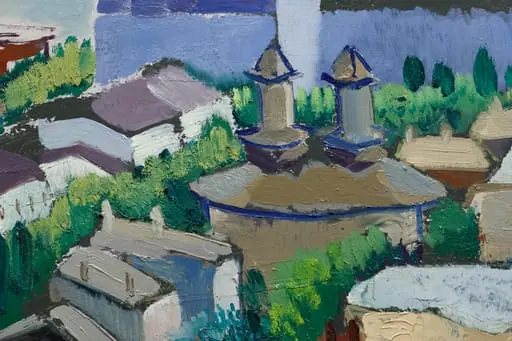
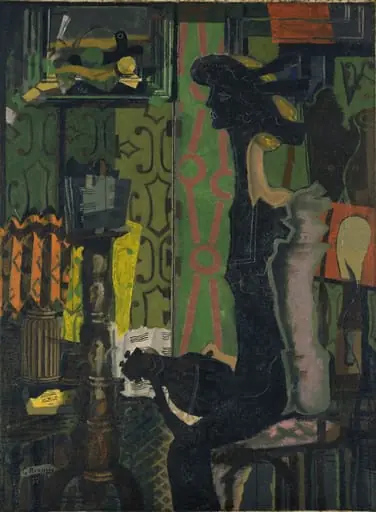
This painting is a mix of sharp angles and soft curves. It uses flat colors and sharp edges like broken glass. The shapes don’t quite fit together right.
Vilato studied under Picasso early on. His cubist style shows here but already bends its rules. The curves calm the chaos. It’s like a stormy sea smoothed by wind.
Look up Vilato, Javier (1921-2000) next.
Overview
The work retains the fragmented structure and geometric tension characteristic of the movement, yet already signals a departure through subtle shifts in form.
Javier Vilato’s 1948 untitled oil painting reflects his early engagement with Cubist principles, learned during his formative years under Picasso. The work retains the fragmented structure and geometric tension characteristic of the movement, yet already signals a departure through subtle shifts in form. Sharp angles coexist with emerging curves, suggesting a transition from rigid abstraction toward a more fluid visual language.
Subject & Meaning
The painting avoids literal representation, focusing instead on the interplay of abstract shapes and spatial relationships. Its composition conveys tension and resolution through contrasting forms, angular fragments suggest disruption, while softer curves introduce rhythm and balance. The absence of recognizable subject matter invites contemplation of structure and movement rather than narrative.
Technique & Style
Vilato employs flat, unmodulated color fields bounded by crisp, sharp edges, evoking the fractured planes of Cubism. However, the application of curved lines disrupts the rigidity of the style, introducing a sense of organic flow. The shapes appear deliberately misaligned, creating visual instability that is gently moderated by the curvilinear elements, distinguishing his approach from strict Cubist orthodoxy.
History & Provenance
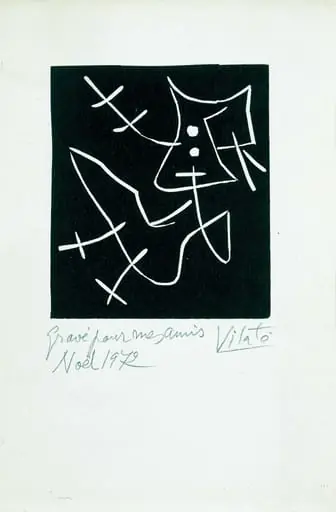
Created in 1948, this work belongs to Vilato’s early period, shortly after his studies with Picasso in Spain. It predates his later abstract lithographs, such as 'Engraved for My Friends' (1972), and represents a transitional phase in his career. The painting’s survival and documentation confirm its role as a key indicator of his evolving aesthetic beyond direct Cubist influence.
Context
In post-war Spain, artists like Vilato navigated the legacy of European modernism amid political isolation. While Cubism remained a foundational reference, many sought to soften its austerity. Vilato’s movement toward curvilinear abstraction aligned with broader tendencies in Iberian modern art, where emotional resonance began to replace structural rigor.
Legacy
This painting marks the beginning of Vilato’s distinctive path away from Cubist dogma toward a personal idiom of controlled abstraction. His later works, increasingly minimalist and lyrical, trace their origins to this period of formal experimentation. The tension between angular disruption and curvilinear harmony became a hallmark of his mature style.
Artist & collection
Museum
Metropolitan Organisation of Museums of Visual Arts of Thessaloniki – MOMus
Continue through works from the same source collection.