Artwork
Portrait of Yekaterina P. Shuvalova
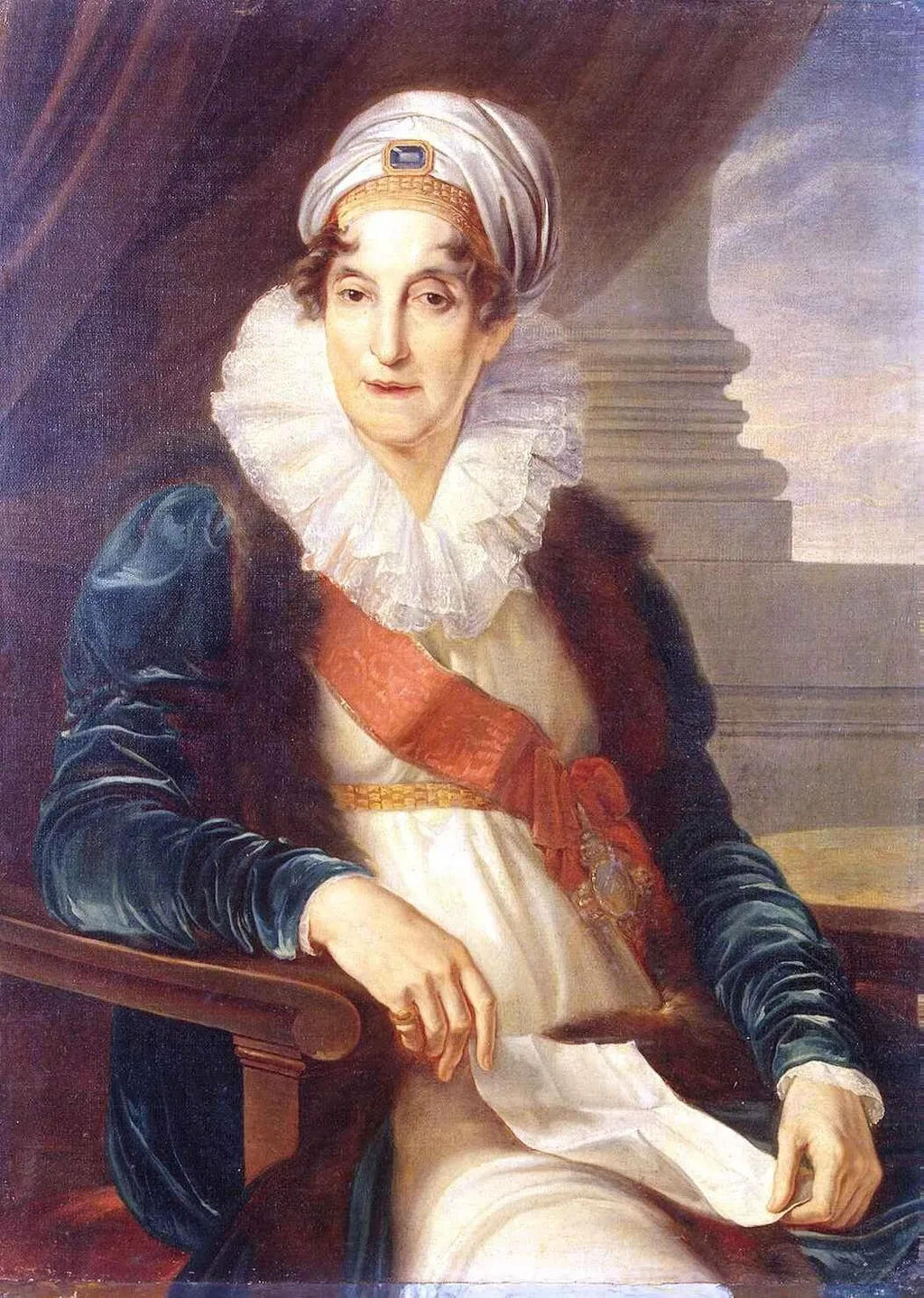
Portrait of Yekaterina P. Shuvalova is an oil painting by the Neoclassicist artist Vincenzo Camuccini. It dates from 1805 and is held in the collection of the Hermitage Museum.
About this work
Overview
Shuvalova is an oil on canvas painting by the Italian Neoclassical artist Vincenzo Camuccini, dated to 1805.
The Portrait of Yekaterina P. Shuvalova is an oil on canvas painting by the Italian Neoclassical artist Vincenzo Camuccini, dated to 1805. Measuring 98 by 74 centimeters, the portrait depicts a seated noblewoman in formal attire and is currently held in the collection of the State Hermitage Museum in Saint Petersburg, where it is catalogued under inventory number GE-5264. The work represents a significant example of Camuccini's portraiture from his mature period, executed in Italy for the Russian aristocratic market, and exemplifies the refined, polished aesthetic of early nineteenth-century European court portraiture.
Subject & Meaning
The portrait depicts Yekaterina P. Shuvalova, born Yekaterina Golovkina, a member of the Russian aristocracy. The sitter is presented in full-length format, seated in a pose of dignified composure that conveys her social status. Her costume carries deliberate symbolic weight: she wears a white turban adorned with a gold band and a rectangular blue gem, a large starched white ruff collar, and a white dress cinched with a gold belt, over which is draped a dark blue velvet coat with fur trim. A red sash with a bow and attached medallion crosses her torso, likely indicating an order or honor bestowed upon her. The left hand holds a folded white paper, possibly a letter or document that alludes to literacy, correspondence, or administrative responsibility. The architectural setting, with its fluted column and draped curtain, frames the sitter within a vocabulary of classical grandeur, while the transition from dark interior to hazy sky beyond the column suggests a connection between the private, domestic sphere and the broader world of aristocratic public life.
Technique & Style
Camuccini executed the portrait in oil on canvas with a smooth, highly polished finish characteristic of his Neoclassical approach. The brushwork is refined and nearly invisible, with careful attention devoted to the rendering of diverse textile surfaces: the sheen of dark blue velvet, the crisp texture of lace and starched linen, and the soft folds of the turban fabric. Soft light enters from the left, creating gentle shadows that model the figure's form and emphasize the luxurious materials of her costume. The palette is restrained but rich, consisting of deep blues, warm whites, russet red, and muted earth tones. The composition is vertically oriented and centered, with the sitter positioned against architectural elements that include a fluted column to the right and a dark draped curtain to the left. The right arm rests on a wooden balustrade, creating a stable triangular structure that anchors the figure in space. This combination of precise draftsmanship, smooth surface finish, and classical architectural backdrop aligns the work with the academic ideals of the Neoclassical movement, while the intimate scale and directness of presentation maintain a personal connection to the sitter.
History & Provenance
The portrait was painted in Italy in 1805, during a period when Camuccini was establishing his reputation as a leading painter in Rome and attracting commissions from international patrons, including members of the Russian aristocracy. The painting remained in the Shuvalova family collection until 1925, when it was handed over to the State Hermitage Museum in Saint Petersburg, entering the museum's holdings as part of the nationalization of private collections following the Russian Revolution. The work has been listed in the Hermitage's digital collection and appears in scholarly databases of the artist's work, including the Art Cyclopedia compilation of Camuccini's museum holdings worldwide.
Context
Vincenzo Camuccini (1771-1844) was a central figure in Italian Neoclassicism, celebrated primarily for his history paintings on classical, biblical, and historical subjects, though he also produced portraits for the European elite. The Portrait of Yekaterina P. Shuvalova belongs to a broader pattern of Russian aristocratic patronage of Italian artists during the Napoleonic era, when travel to Italy formed part of the education of the Russian nobility and commissions from wealthy Russian families provided crucial support to artists in Rome. The work's place in Camuccini's oeuvre reflects the tension between his ambition as a history painter and the practical necessity of portrait commissions. While his large-scale narrative works, such as the Deposizione dalla Croce of 1833 at Palazzo Braschi in Rome, garnered the most critical attention, his portraits of international patrons, including this example for the Shuvalov family, demonstrate his ability to adapt the formal language of Neoclassicism to individual likeness and social representation. The painting is cited in standard reference works on the artist, including the Hermitage Museum's unofficial site and the RKD Netherlands Institute for Art History database, indicating its established place in Camuccini scholarship.
Legacy
The Portrait of Yekaterina P. Shuvalova has remained in continuous public collection since 1925, ensuring its accessibility for study and public viewing at the Hermitage Museum. Its presence in major art historical databases, including the Hermitage's digital collection, Wikidata, and the Getty Museum's Union List of Artist Names, testifies to its recognition as an authenticated work by Camuccini. The painting has also entered the commercial image market, with reproductions available through stock photography and fine art print services, a common fate for canonical works in major museum collections. While not among Camuccini's most widely reproduced compositions, the portrait serves as a significant document of Russian-Italian cultural exchange in the early nineteenth century and of the international reach of Neoclassical portraiture. Its continued residence in the Hermitage, one of the world's premier repositories of European painting, secures its place in the permanent record of Camuccini's achievement and of aristocratic portraiture in the age of Napoleon.
Artist & collection
Artist
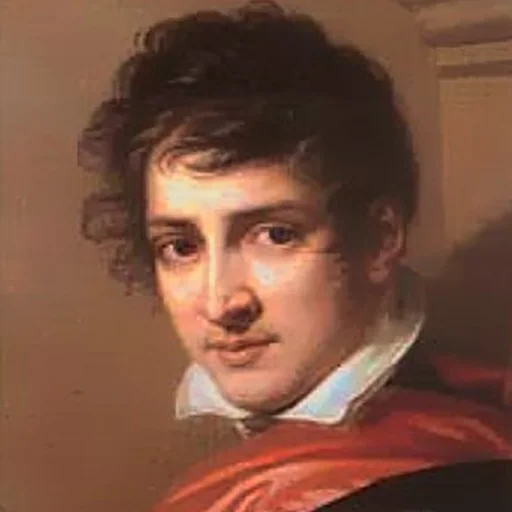
Vincenzo Camuccini (22 February 1771 – 2 September 1844) was an Italian Neoclassical painter. He was considered the premier academic painter of his time in Rome. Camuccini was known for his sober grandeur and archeological accuracy.

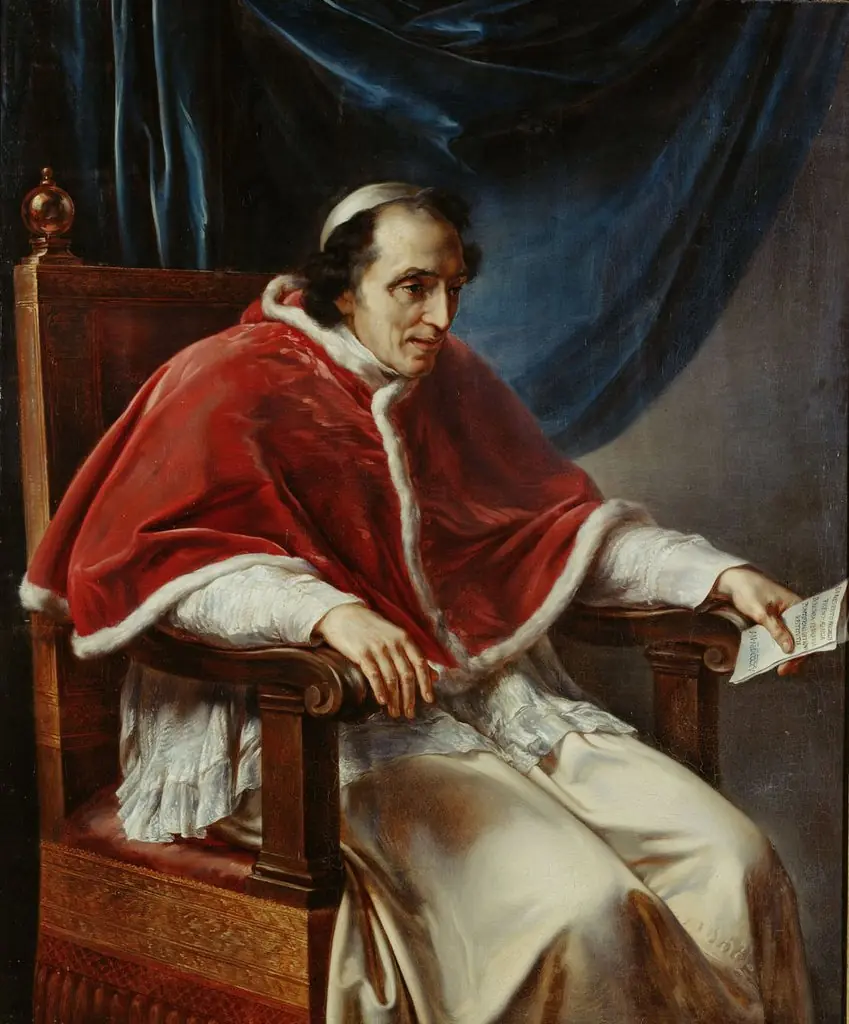
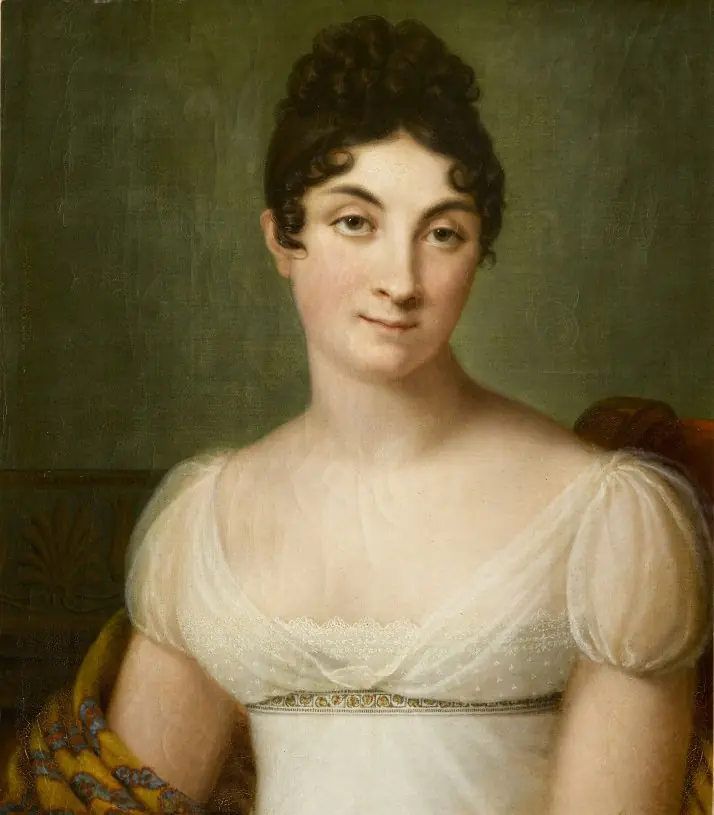
- Portrait de Claire Élisabeth de Vergennes, Comtesse de Rémusat
 Anna Denk
 Marie-Joséphine Lafont-Porcher
 Portrait of Karolina née Sapieha 1.v.Potocka 2.v.Sołtyk
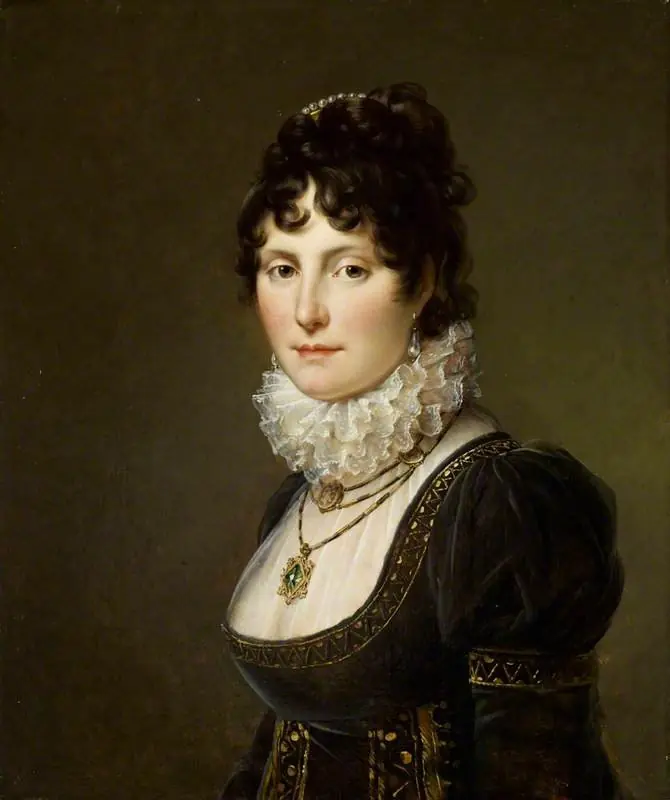 Mary Nisbet, Countess of Elgin (1777 - 1855)
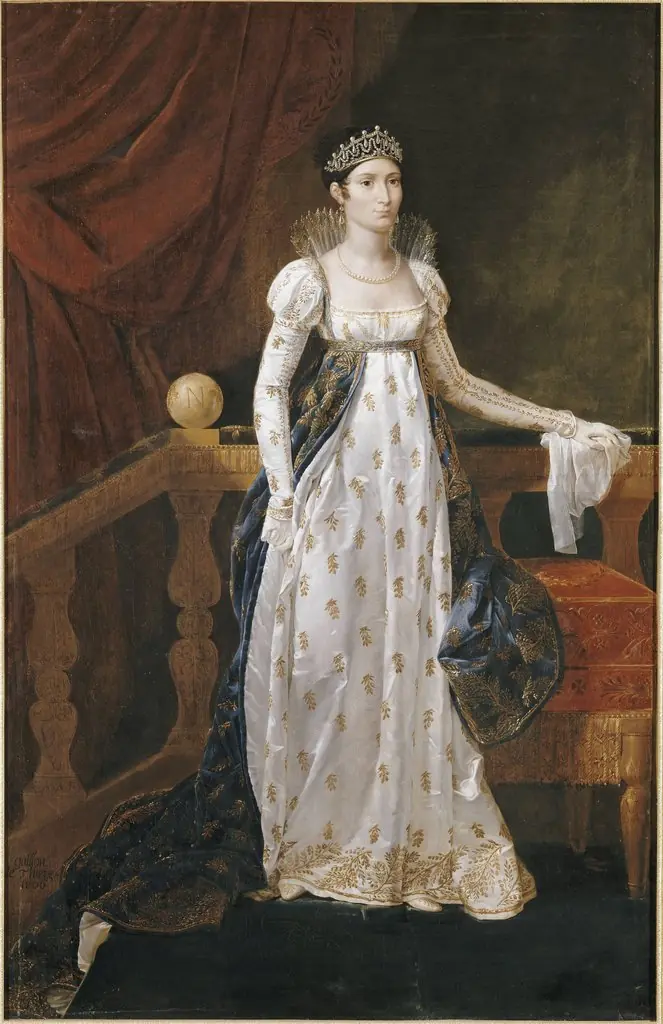 Elisa Bonaparte-Bacciocchi, Grand Duchess of Tuscany
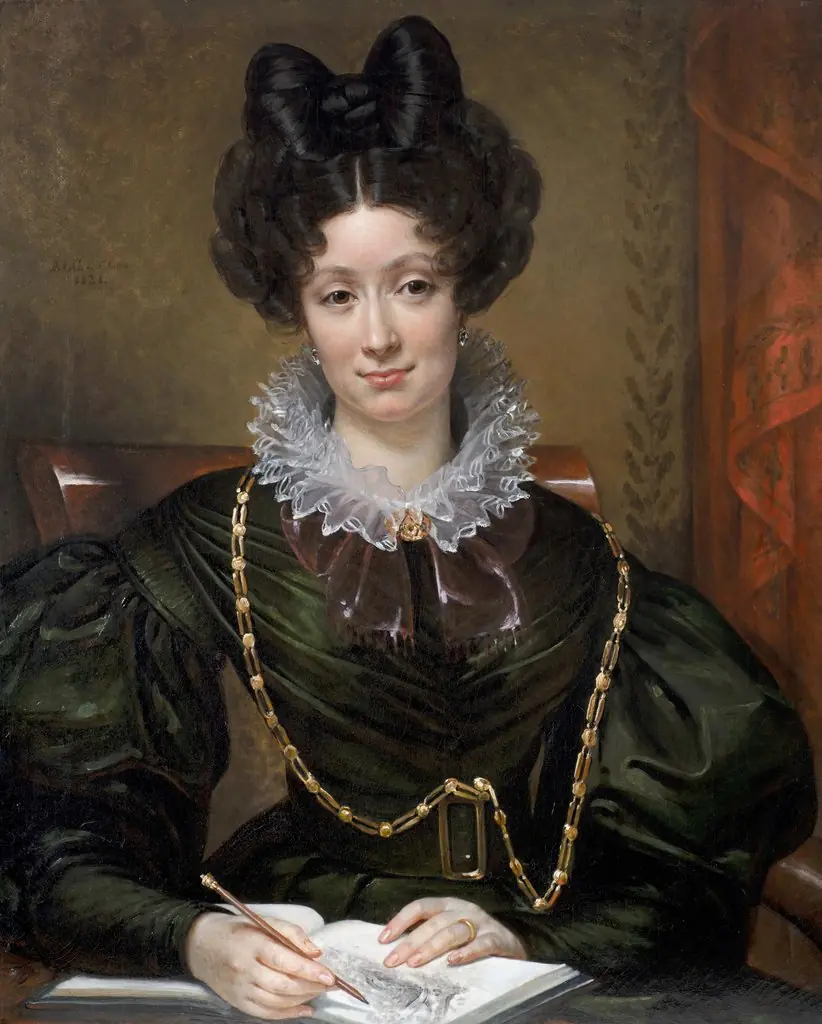 Portrait of a Young Artist
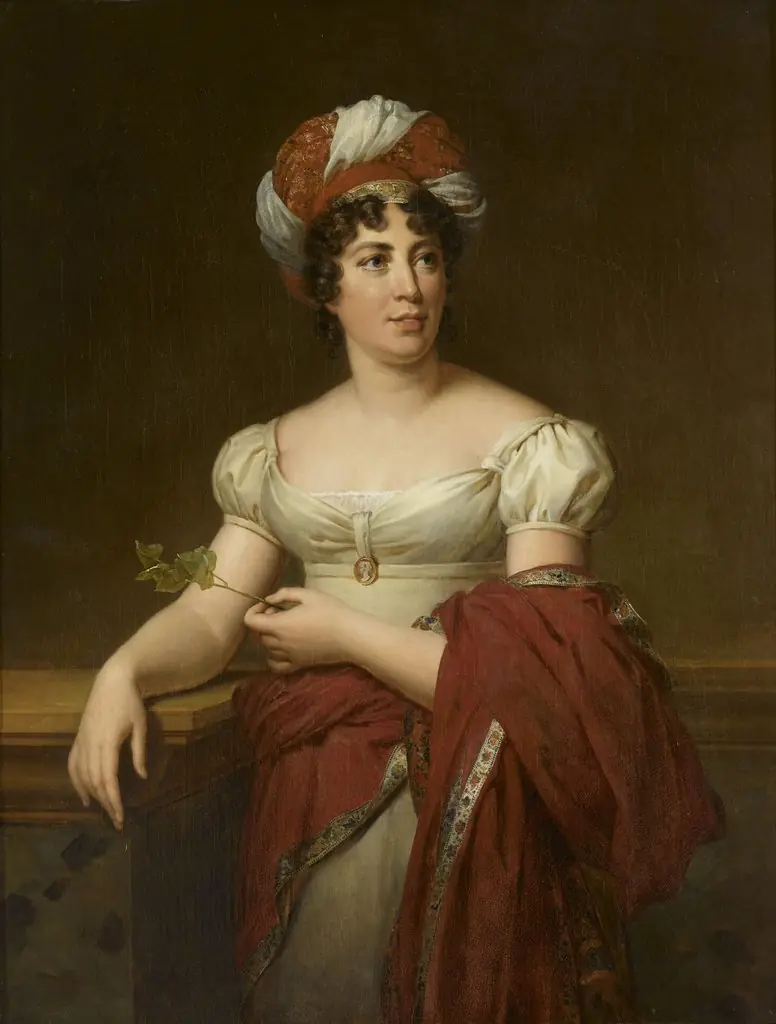 Portrait of Mme de Staël
 Therese Rockert
 Portrait of Sophie Gay
 Portrait of Sophia of the Palatinate, dowager electress of Hanover
 Portrait of Princess Varvara Golitsyna