Artwork
Recognition of the Carthusian Saint Cardinal Niccolò Albergati
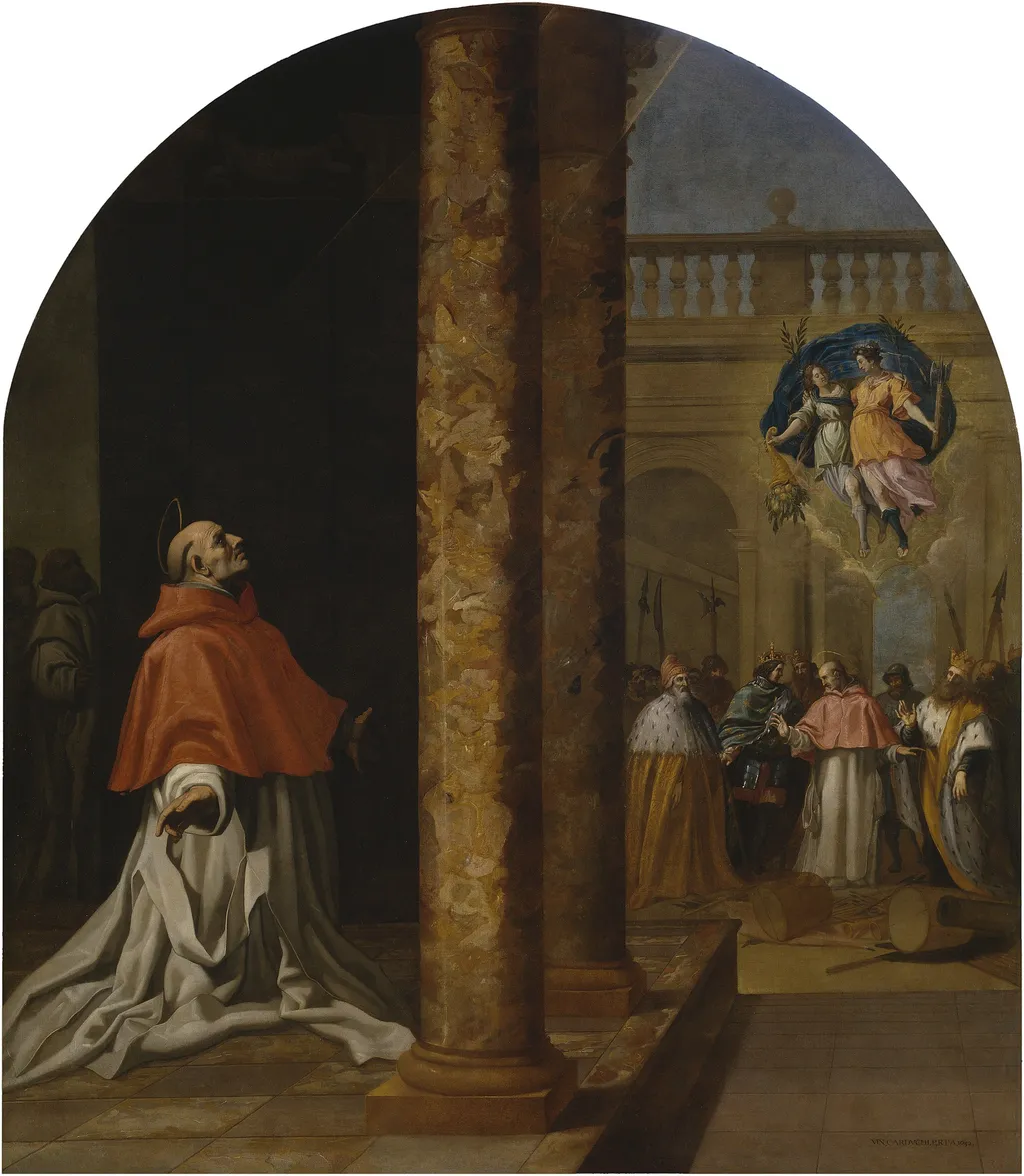
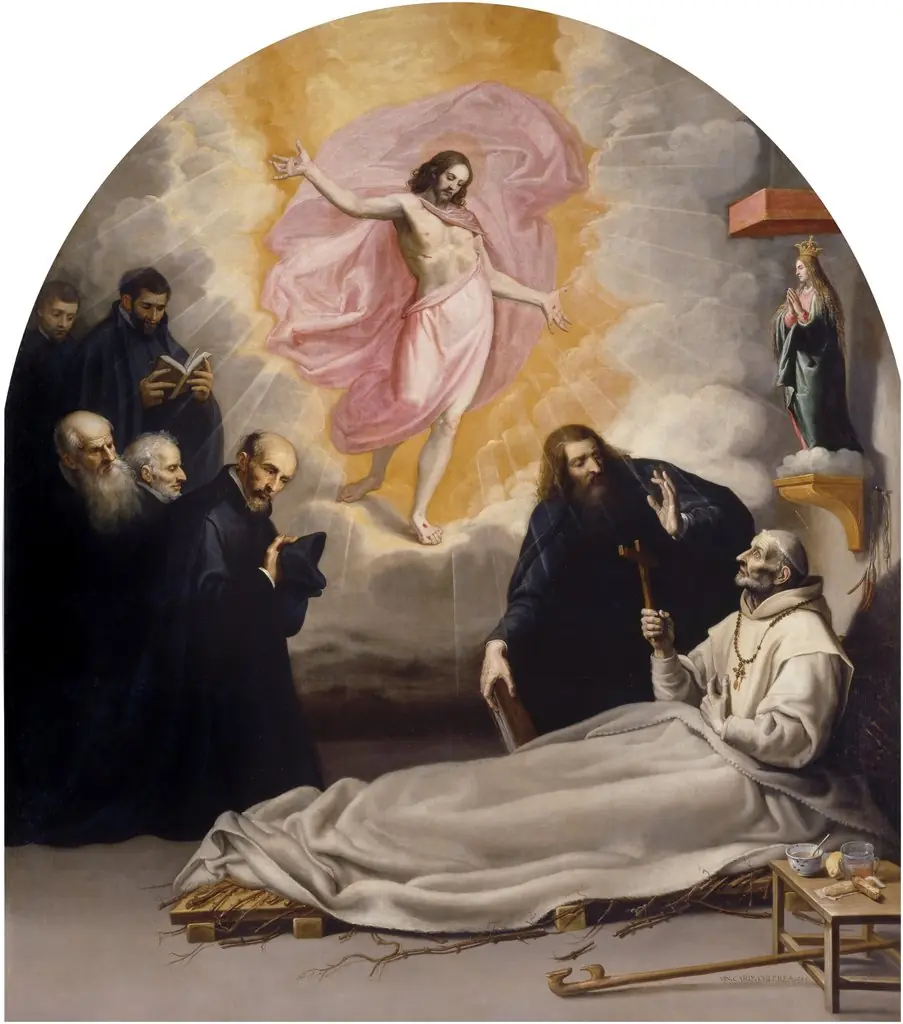
Recognition of the Carthusian Saint Cardinal Niccolò Albergati is an oil painting by the Early Baroque Italian artist Vincenzo Carducci. It dates from 1632 and is held in the collection of the Museo del Prado.
About this work
Subject & Meaning
The work is housed in the Museo del Prado and was created in 1632 by Vincenzo Carducci, employing oil on canvas to achieve rich textural depth.
The painting portrays Niccolò Albergati, a Carthusian cardinal, in a moment of spiritual recognition, embodying contemplative devotion. He is identified by his cardinalatial vestments and the presence of a weapon, traditional attributes that signal his ecclesiastical rank and martyric association. The composition conveys a narrative of divine insight within a religious framework, reflecting the Baroque emphasis on emotive piety.
The work is housed in the Museo del Prado and was created in 1632 by Vincenzo Carducci, employing oil on canvas to achieve rich textural depth.
Technique & Style
Vincenzo Carducci executed Recognition of the Carthusian Saint Cardinal Niccolò Albergati in 1632 using oil paint applied to a canvas support. The work measures 337 cm in height and 297.5 cm in width, classifying it as a large-scale religious painting. As a religious genre piece, the composition depicts Cardinal Niccolò Albergati alongside a weapon, adhering to the iconographic requirements of the subject matter.
The painting is currently held in the collection of the Museo del Prado, having been transferred from the Museo de la Trinidad. The medium of oil on canvas allows for the detailed rendering of the figures and objects central to the narrative scene.
History & Provenance
Vincenzo Carducci painted Recognition of the Carthusian Saint Cardinal Niccolò Albergati in 1632 as an oil on canvas work. The painting entered the collection of the Museo del Prado and was later displayed in the Museo de la Trinidad, both institutions holding it as part of their religious art holdings. Its dimensions are 337 cm by 297.5 cm.
The painting is housed in the Museo del Prado in Madrid. Its accession number is P00968. It has been part of the museum's collection since 1922 and has been featured in exhibitions at the Prado including the 1992 retrospective on Spanish Baroque art and the 2005 display of Spanish religious paintings.
Legacy
The painting’s influence is noted through its inclusion in major museum collections and continued scholarly attention to Carducci’s religious subjects. Its legacy is anchored in the preservation of the work at the Museo del Prado, where it remains part of the permanent display of 17th‑century Spanish religious art.
Reproductions and catalogues of the canvas have contributed to ongoing discussions of Baroque devotional imagery, reinforcing the reputation of the depiction of Niccolò Albergati within the broader narrative of Carthusian saints in European art history.
Overview
Created in 1632, this oil painting by Vincenzo Carducci, an Italian artist active in Spain, captures a solemn encounter within an expansive, vaulted interior. The work is part of the early Baroque tradition and is presently displayed in the Museo del Prado.
Context
Executed during Carducci’s Spanish period, the work aligns with contemporary court commissions that blended Italian Baroque dynamism with Spanish devotional sensibilities. The setting, a grand hall with a decorative fresco of a woman in yellow and blue, mirrors the ceremonial spaces used for papal or royal ceremonies, reinforcing the painting’s commemorative purpose.
Own this work as a print
Artist & collection
Artist
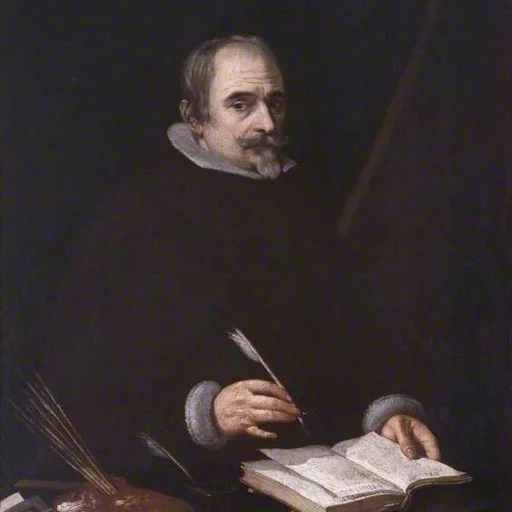
Vincenzio Carduccio (in Spanish, sometimes Vicencio or Vicente Carducho; 1576 or 1578–1638) was an Italian painter who spent his career in Spain.

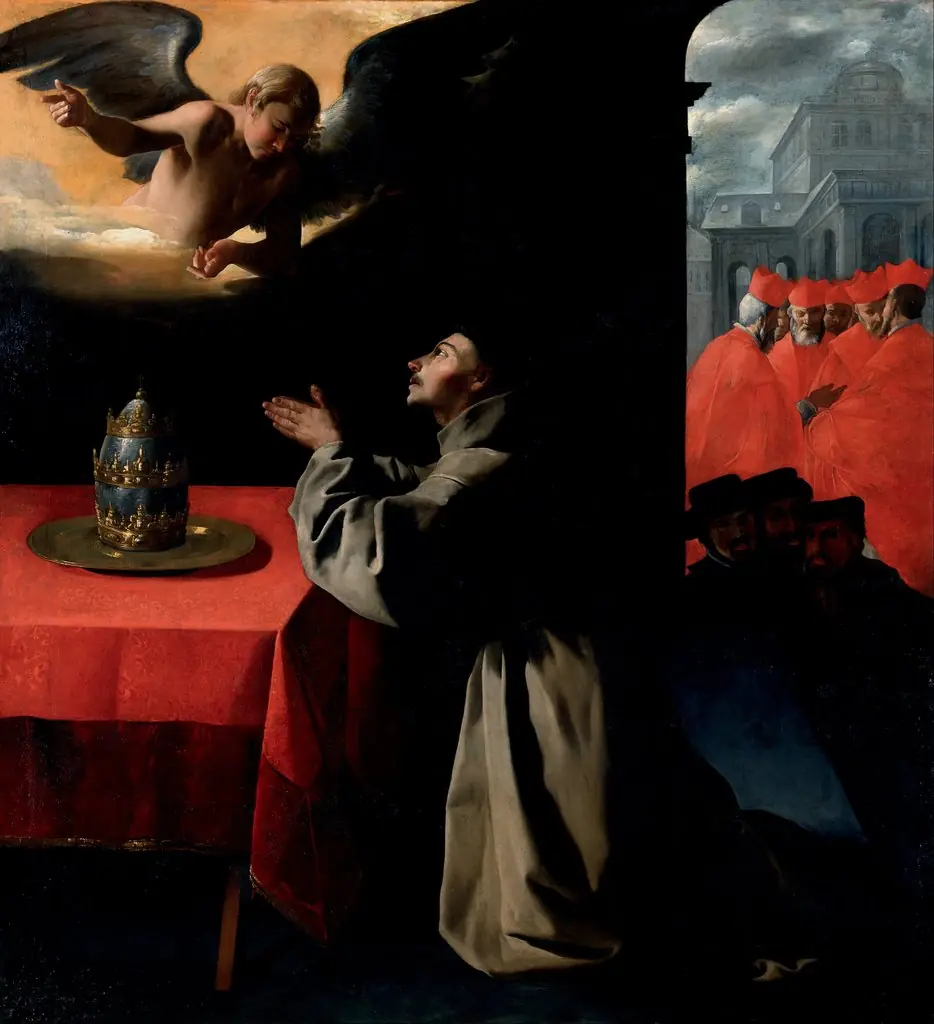 The Prayer of St. Bonaventura about the Selection of the New Pope
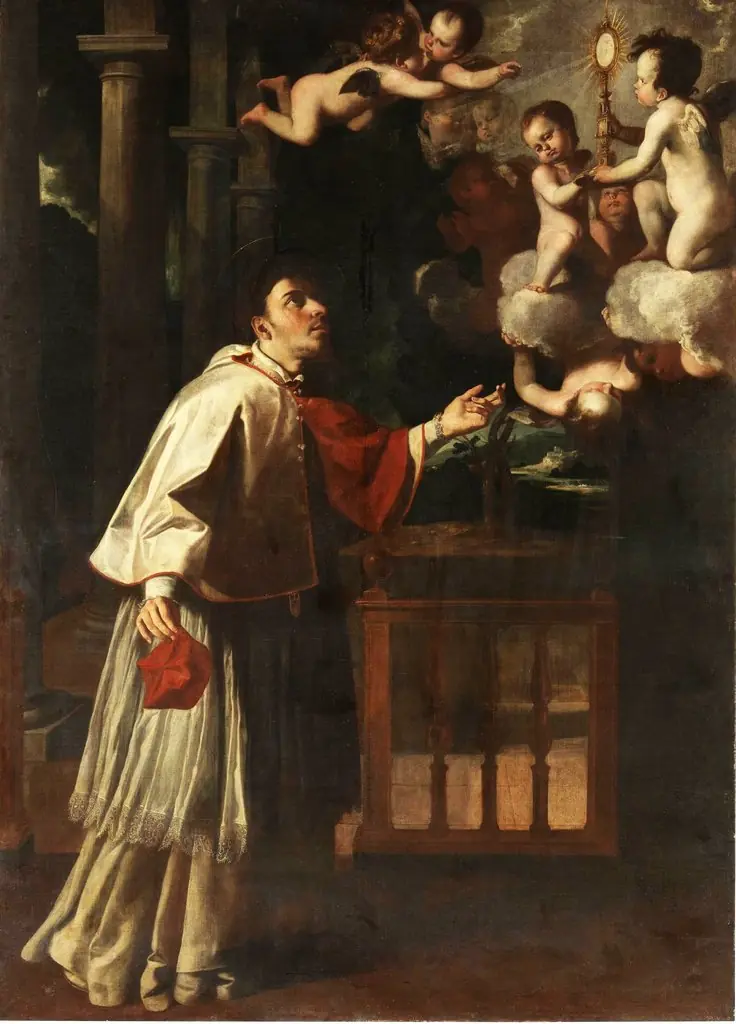 St. Raymond Nonnatus
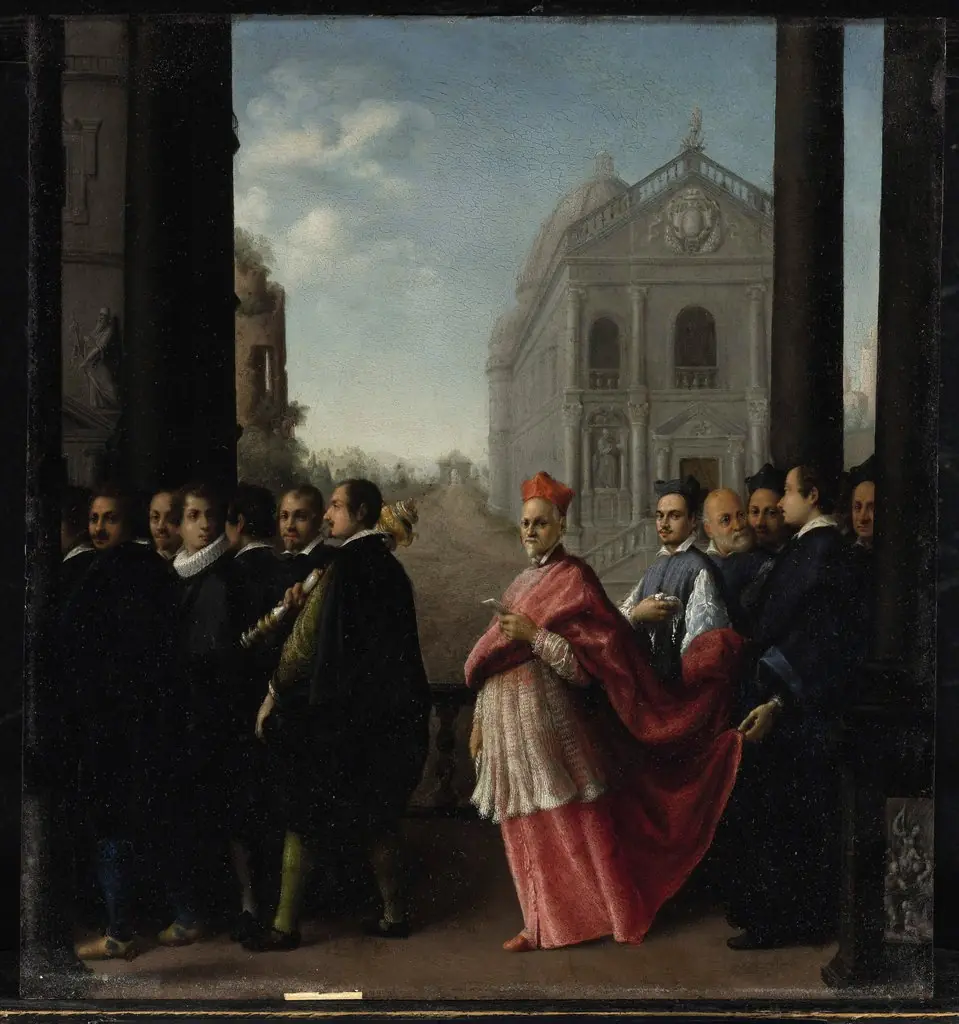 A Cardinal's Procession
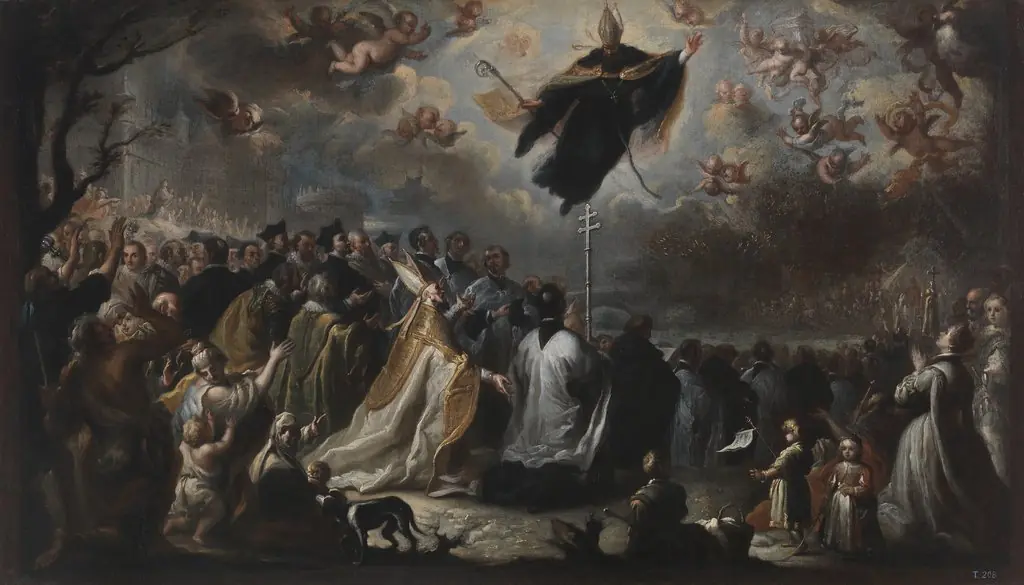 Saint Augustine vanquishing the Plague of Locusts
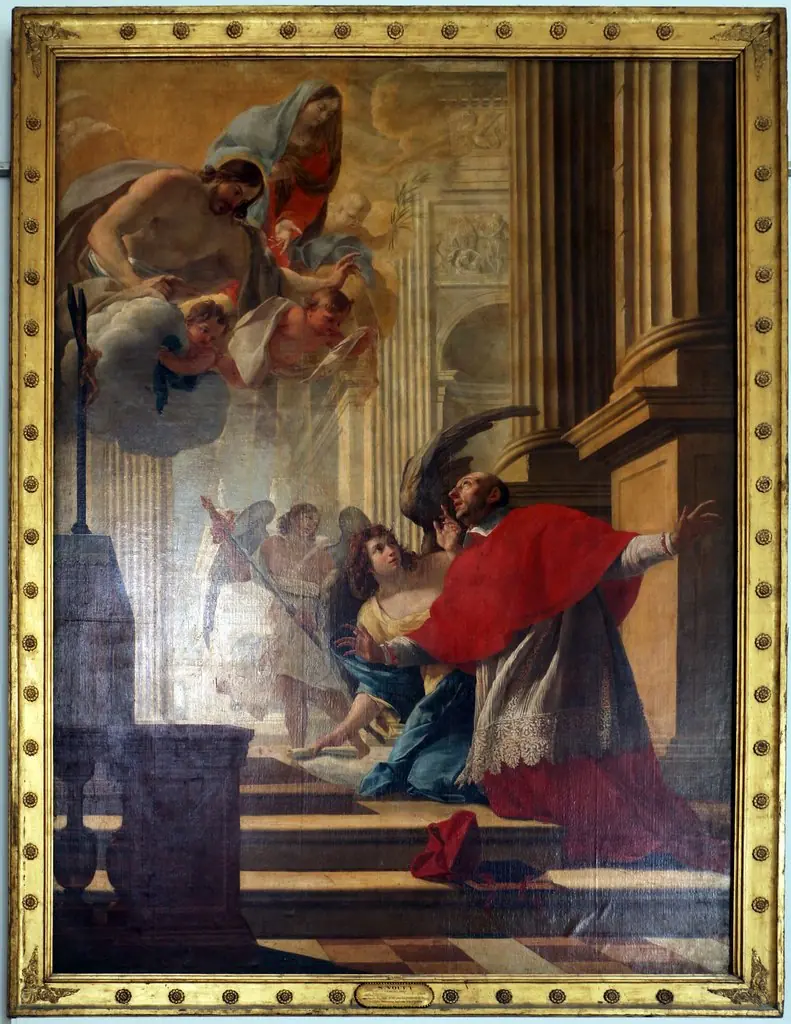 Saint Charles Borromée priant pour les pestiférés de Milan
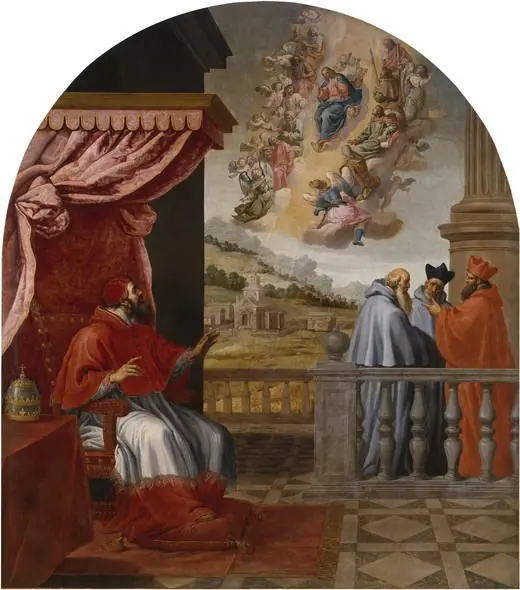 The Vision of Pope Victor III
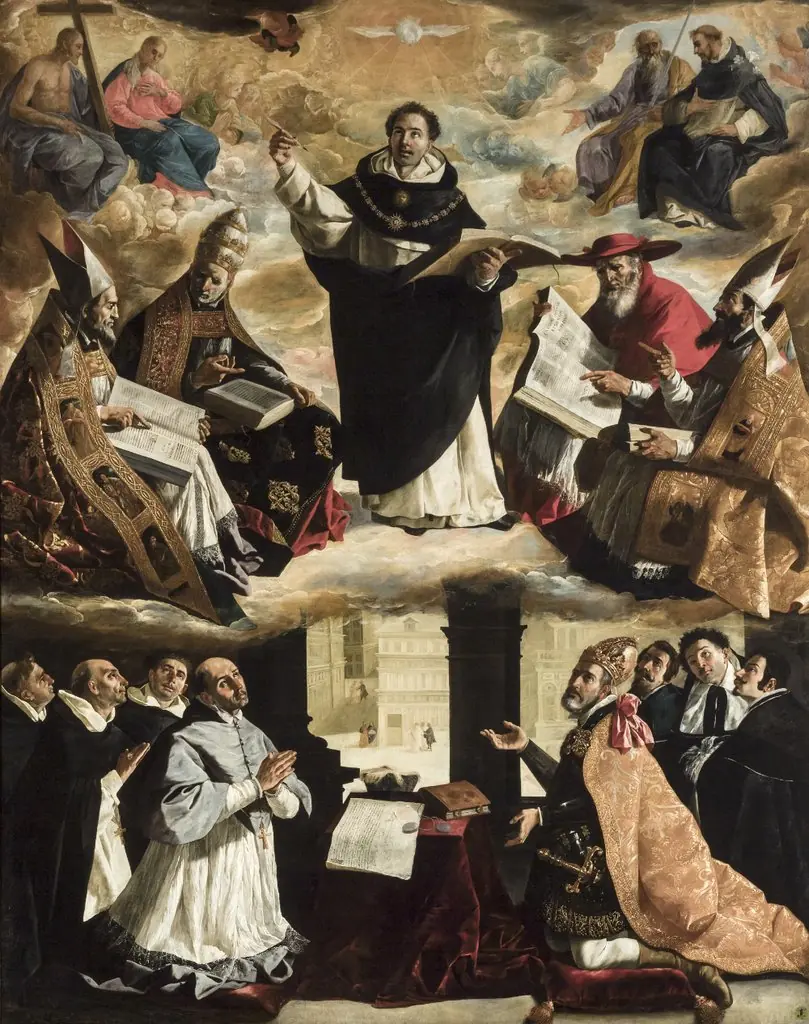 The Apotheosis of St. Thomas of Aquino
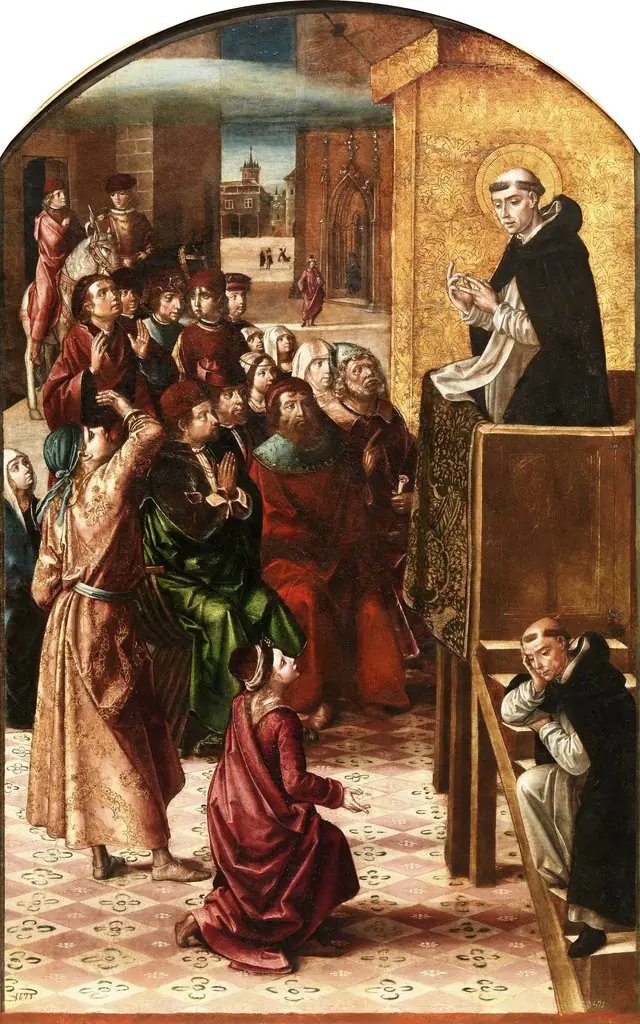 The Miracle of the Cloud
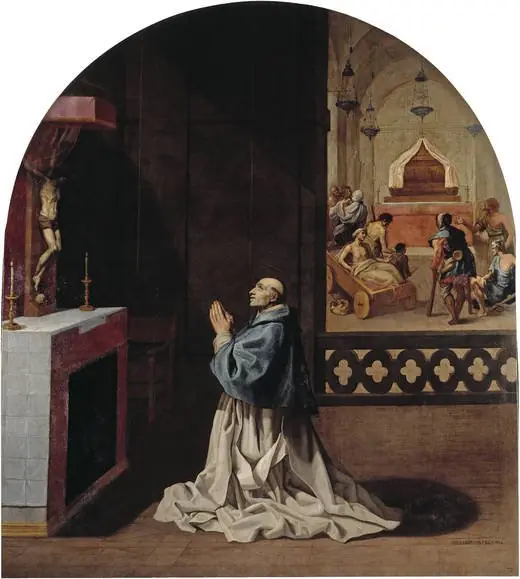 Father Bernard Praying in the Portes Charterhouse
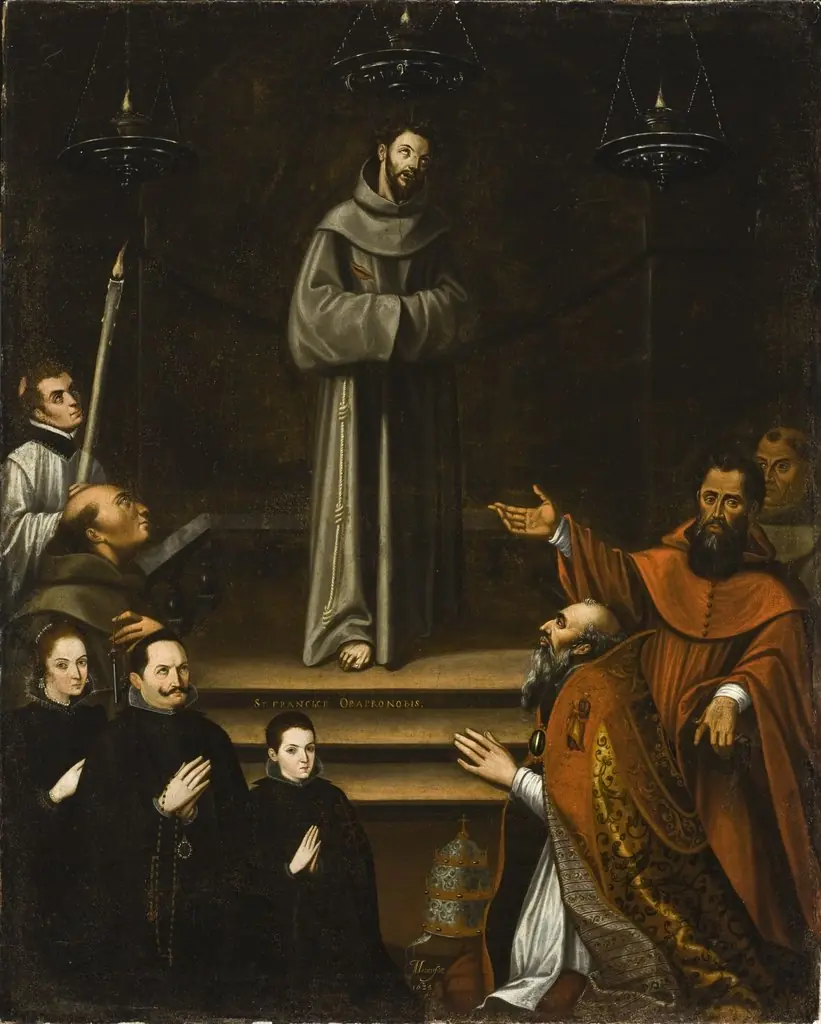 Saint Francis of Assisi Appearing before Pope Nicholas V, with Donors (La aparición de San Francisco de Asís al Papa Nicolás V, con donantes)
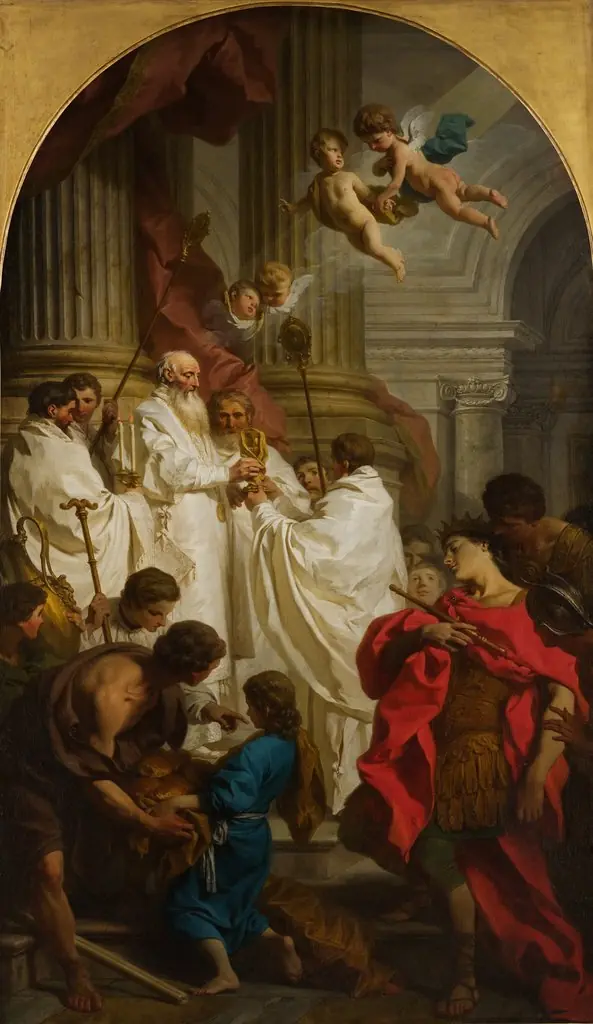 The Mass of Saint Basil
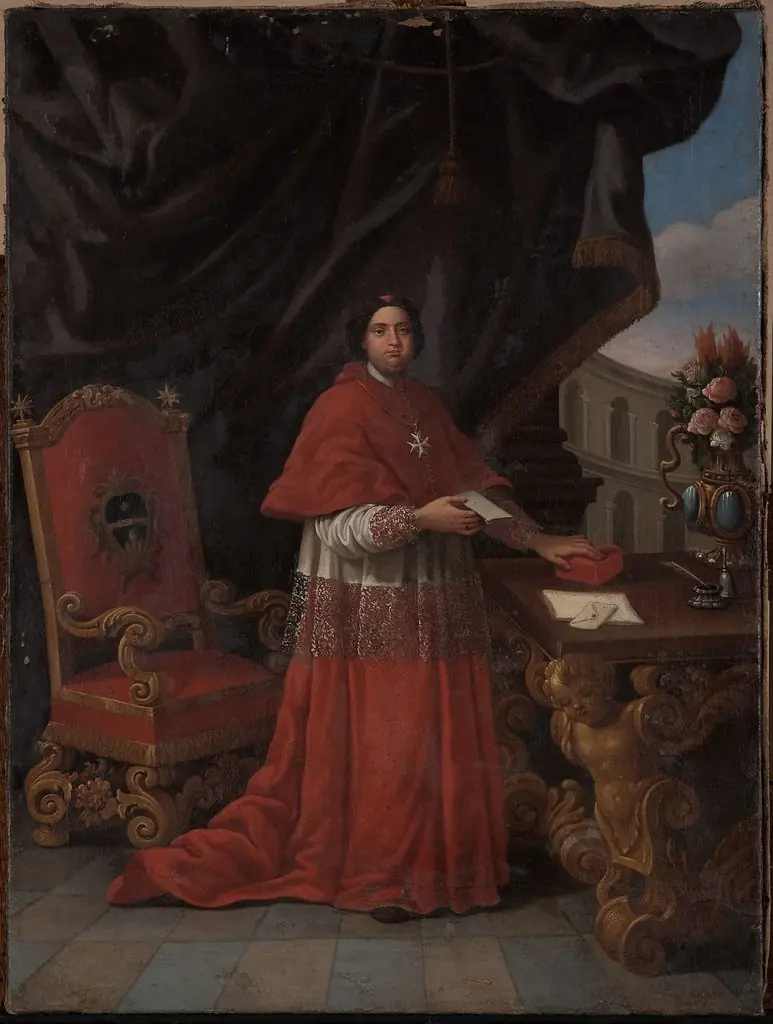
- Portrait of a cardinal, Knight of Malta