Artwork
The Storming of Rheinfelden
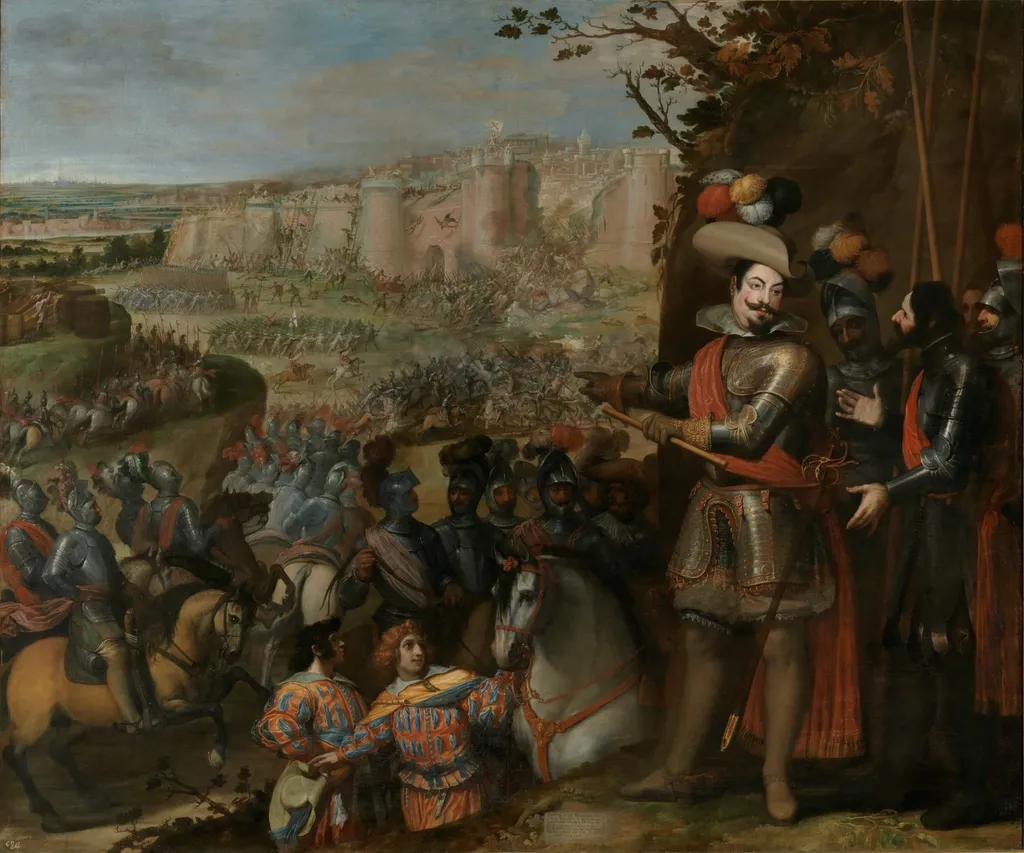
The Storming of Rheinfelden is an oil painting by the Baroque artist Vincenzo Carducci. It dates from 1634 and is held in the collection of the Museo del Prado.
About this work
Subject & Meaning
The painting depicts the 1633 Spanish capture of Rheinfelden, a strategic action intended to secure the military route connecting Milan and the Netherlands.
The painting depicts the 1633 Spanish capture of Rheinfelden, a strategic action intended to secure the military route connecting Milan and the Netherlands. As part of a larger cycle glorifying King Philip IV, the work functions as an allegory of princely virtue and military triumph. The central figure is Gómez Suárez de Figueroa, the third Duke of Feria, portrayed standing on a rock issuing commands while holding a baton of authority.
The composition details the disciplined formation of the Spanish tercios, with compact groups of pikemen and musketeers assaulting the fortress walls. Iconographic elements include the Burgundy cross flag raised atop a tower, which explicitly symbolizes Spanish victory. The scene combines historical narration of the siege with the broader political message of Habsburg dominance.
Technique & Style
The Storming of Rheinfelden is executed in oil on canvas, a support typical of Baroque easel paintings in the early seventeenth century. The work is signed and dated by the artist, confirming its 1634 execution. Its composition follows a Baroque visual language, employing a clear hierarchical arrangement of figures, dramatic gestures, and a symbolic flag to convey triumph.
The painter renders armour, weapons, and the Duke of Feria with meticulous detail, reflecting the ordered structure of the Spanish tercios. The canvas measures 297 × 357 cm and was originally displayed in the Salón de Reinos of the Buen Retiro palace.
History & Provenance
Painted in 1634 by Vicente Carducho (Vincenzo Carducci), this oil on canvas commemorates the Spanish victory at Rheinfelden in 1633 under the command of the Duke of Feria. The painting was commissioned as part of a series of battle scenes intended to decorate the Salón de Reinos within the Palace of Buen Retiro in Madrid, serving to glorify the military achievements of King Philip IV. Carducho signed and dated the work in the lower centre.
Originally catalogued as number 253 in the 1701 inventory of the Salón de Reinos, the piece remained in the Royal Collection and appeared in the Buen Retiro inventory of 1794. By 1814–1818 it was recorded as hanging in the corridors of the Royal Palace in Madrid before eventually entering the Museo del Prado, where it is held under inventory number P000637 and displayed in the permanent collection.
Context
Painted in 1634 by Vincenzo Carducci, this work originally adorned the Hall of Realms in the Buen Retiro Palace as part of a series of canvases glorifying the military victories of Philip IV. Scholars interpret the Hall as a 'Hall of Princely Virtue,' where narrative and allegory combined to celebrate the monarch's reign. The painting specifically highlights Gómez Suárez de Figueroa, the third Duke of Feria, who also commands the focus in other canvases within the same series.
Carducci's composition meticulously details the battle order of the Spanish tercios, contrasting compact pikemen formations with musketeers on the flanks, while the Burgundy cross flag signals Spanish triumph. Historically, the piece commemorates the 1633 capture of Rheinfelden, a strategic move to secure the Spanish Road between Milan and the Netherlands, though the city was later retaken by Protestant forces in 1638.
Overview
Vincenzo Carducci, an Italian painter active in Spain, completed The Storming of Rheinfelden in 1634. This oil painting exemplifies the early Baroque style, presenting a dramatic historical battle. Classified as a history painting, the artwork is currently housed in the collection of the Museo del Prado, offering a vivid portrayal of a significant military engagement from its era.
Own this work as a print
Artist & collection
Artist
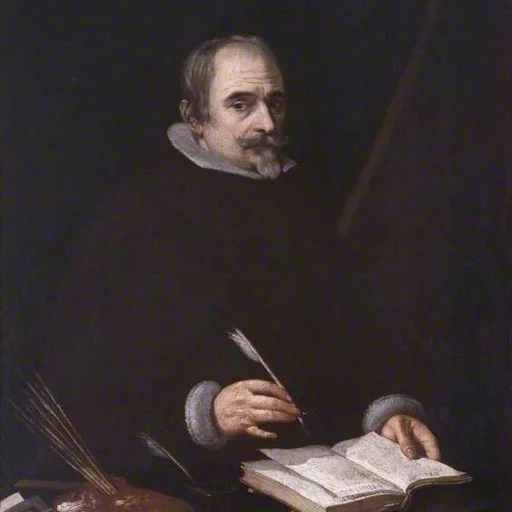
Vincenzio Carduccio (in Spanish, sometimes Vicencio or Vicente Carducho; 1576 or 1578–1638) was an Italian painter who spent his career in Spain.

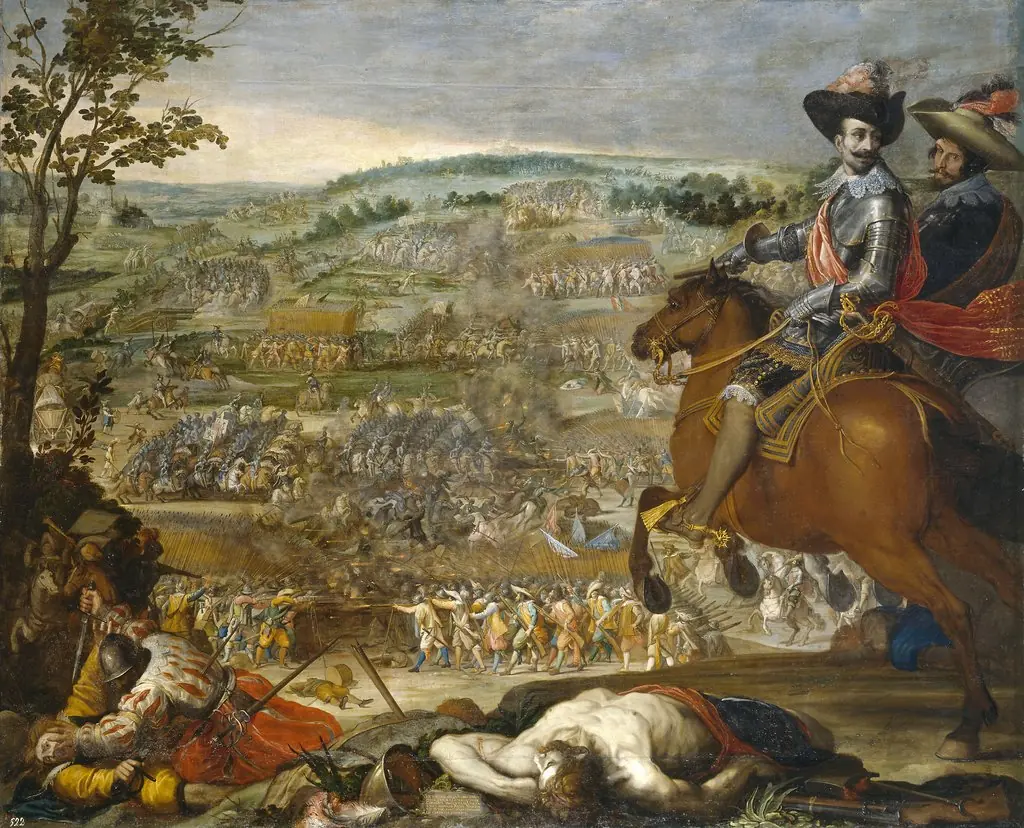 The Victory of Fleurus
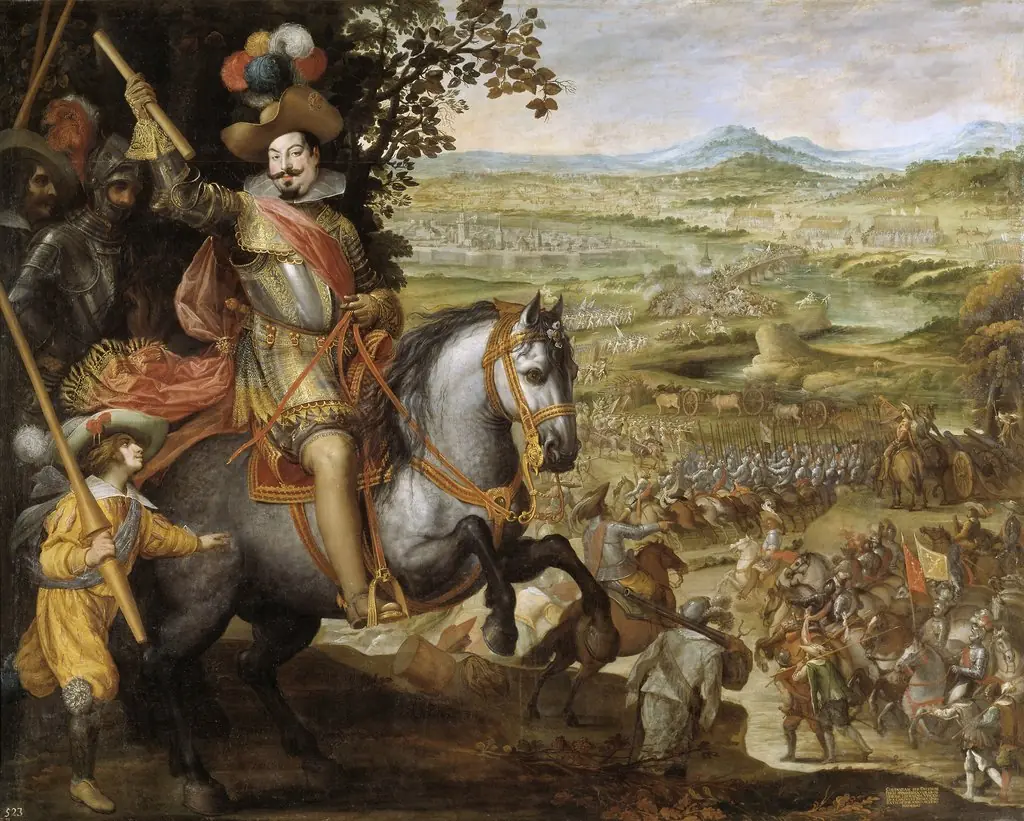 The Relief of Constance
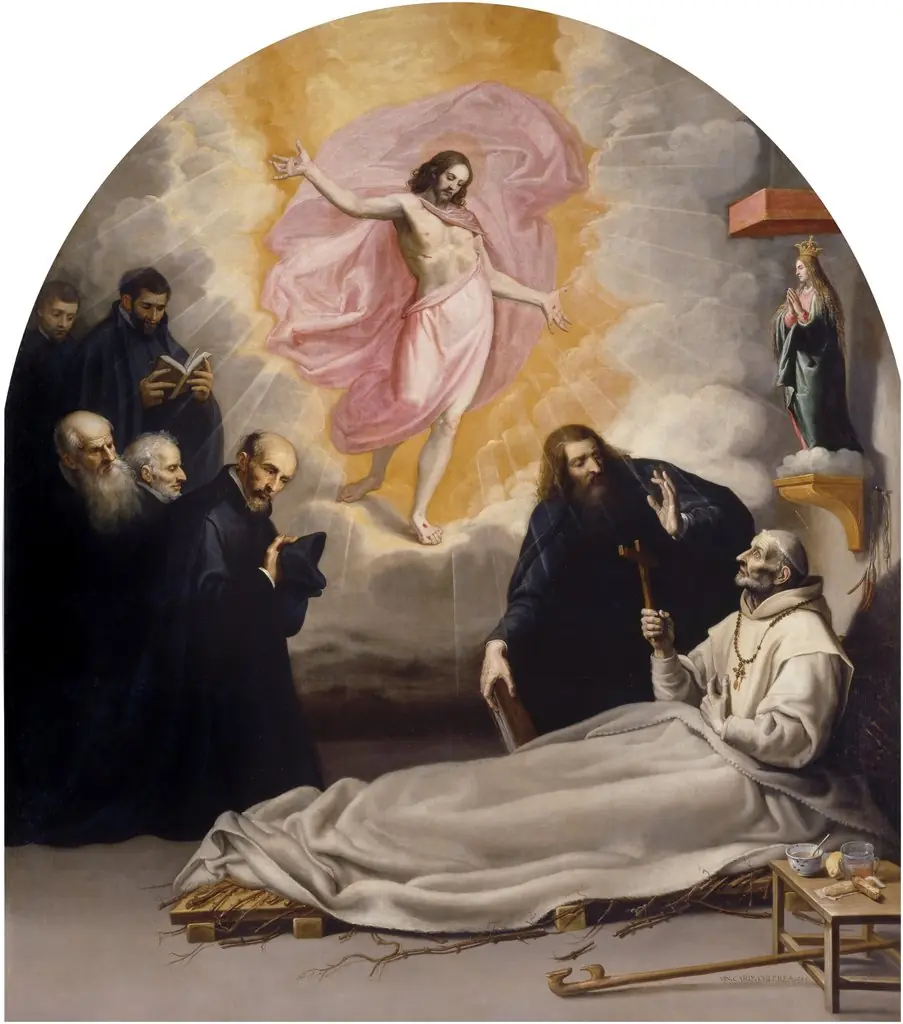 The Death of the Venerable Odón de Novara
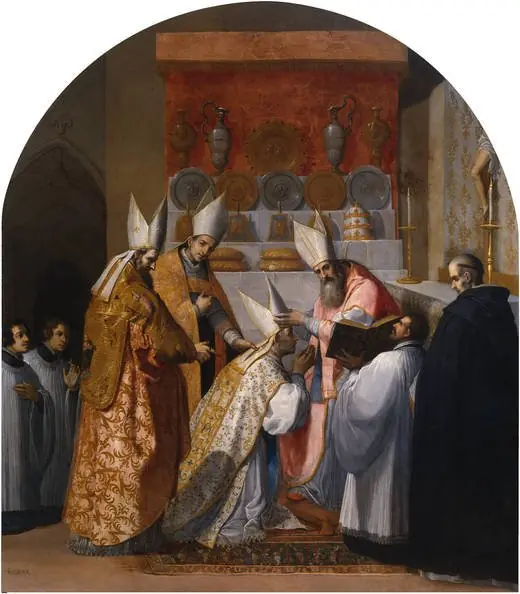 Pope Alexander III Consecrates Anthelm of Chignin as Bishop of Belley
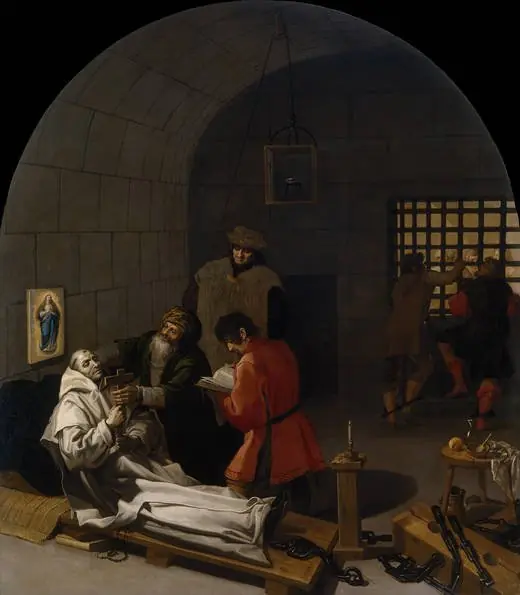 Landuino Dies in Jail
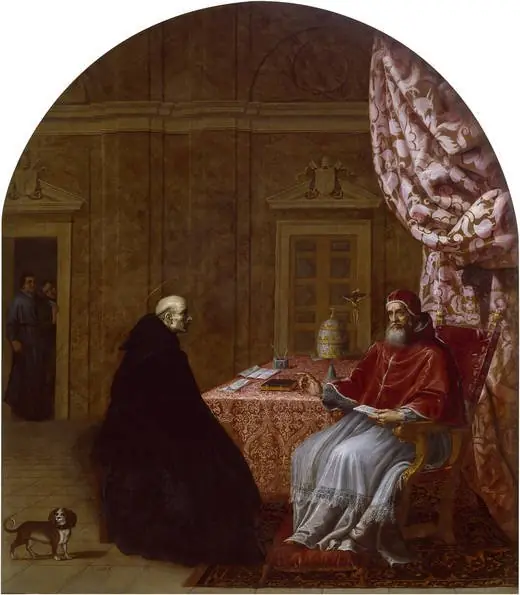 Urban II Deliberates with Saint Bruno
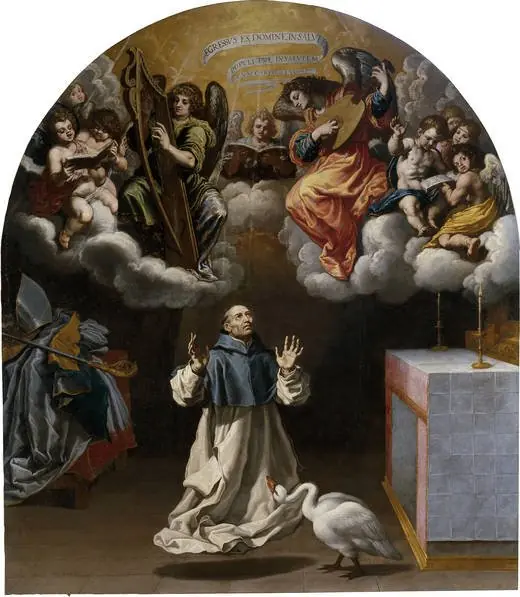 Musician Angels Appear to Saint Hugo of Lincoln
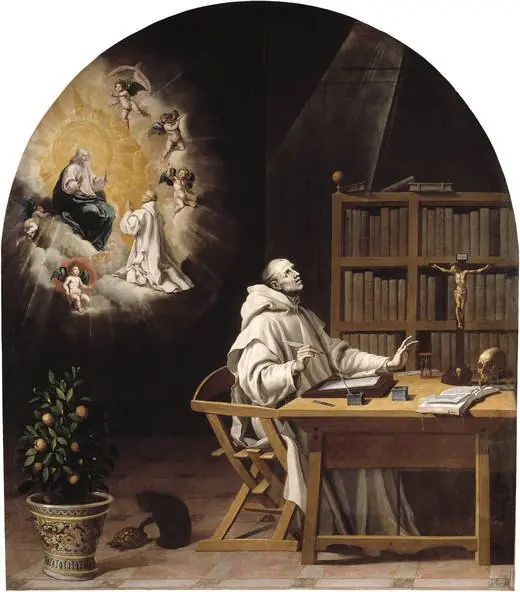 The Vision of Dionisio Rickel The Carthusian
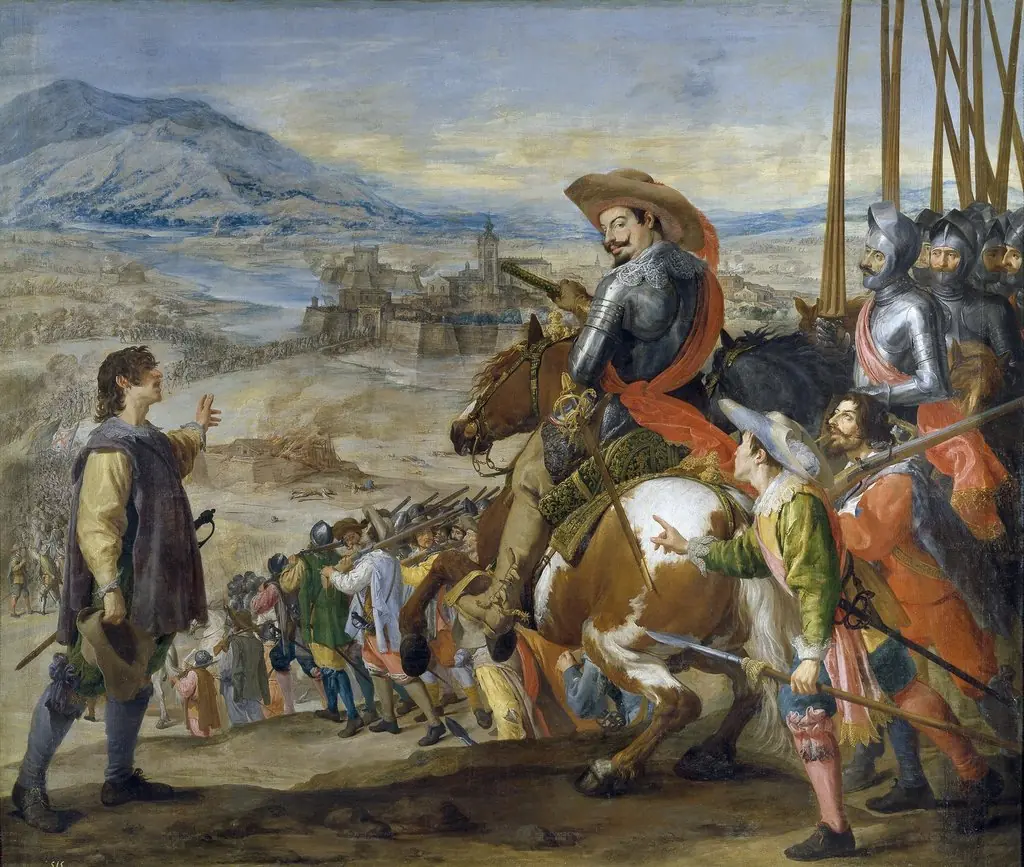 The Liberation of Brisach
 Battle
 Cavalry troop
 Battle of Gascona and battery in a castle
 The Surrender of Brea
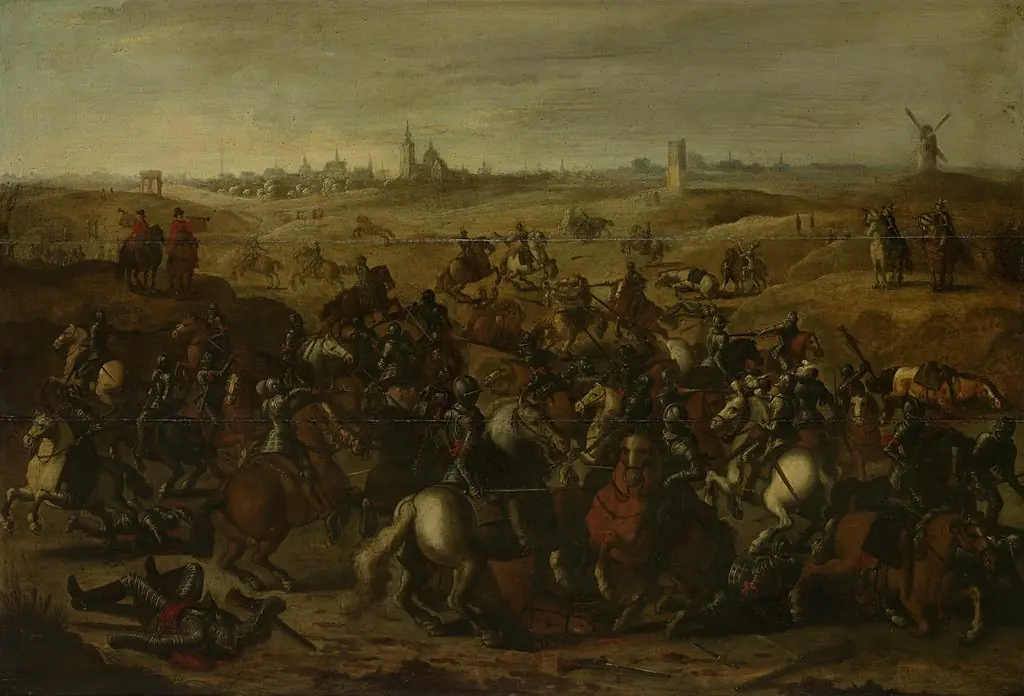 The battle between Bréauté and Leckerbeetje on the heath outside Vught, 5 Februari 1600
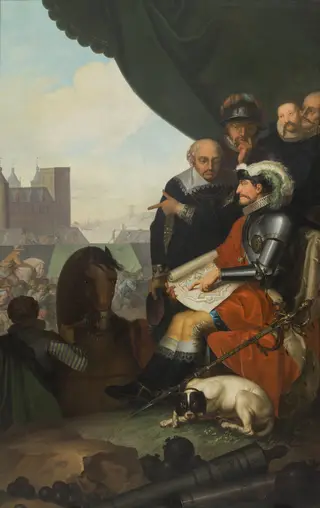 Frederik II Builds Kronborg Castle at Elsinore
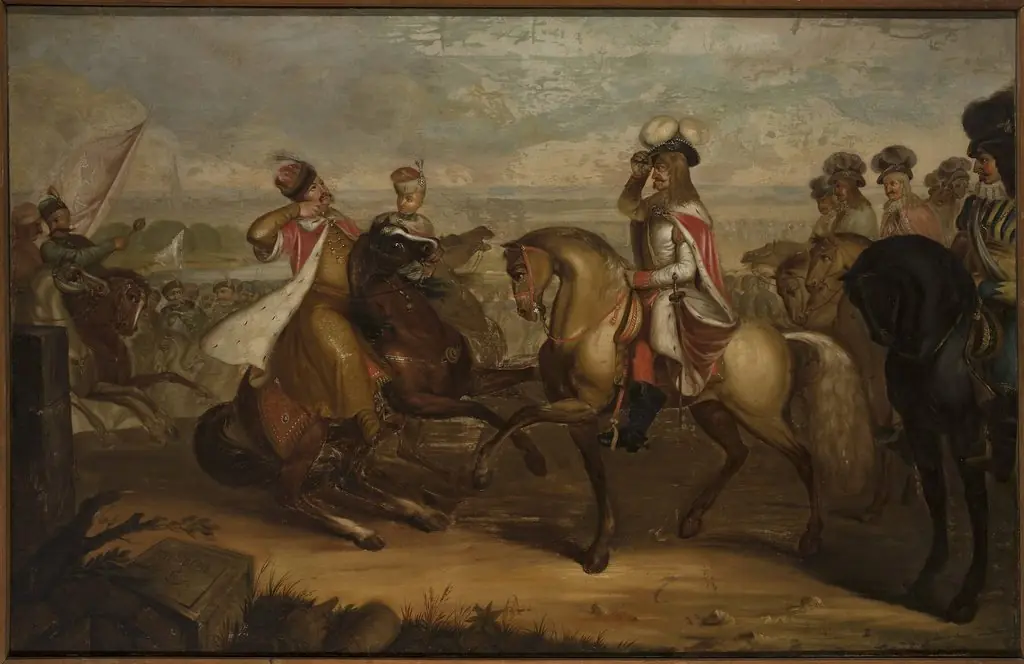 King John III Sobieski meets emperor Leopold at Vienna, replica
 Army Camp
- The Storming of Ofen 1686