Artwork
Landuino Dies in Jail
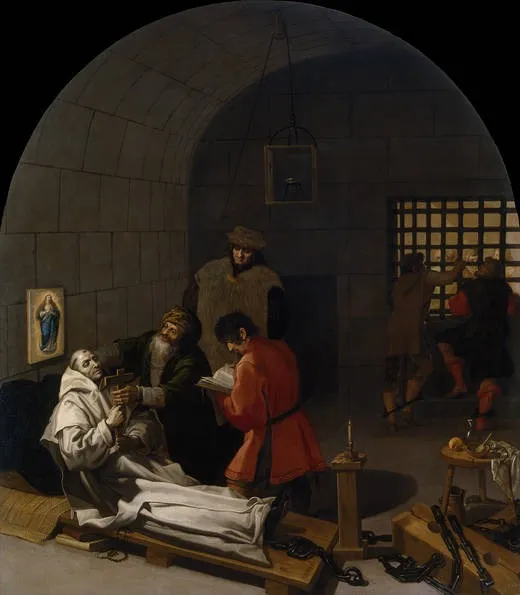
Landuino Dies in Jail is an oil painting by the Early Baroque Italian artist Vincenzo Carducci. It dates from 1626 and is held in the collection of the Museo del Prado.
About this work
Subject & Meaning
The painting depicts the death of a bearded monk, identified as Landuino, who lies in a simple cell surrounded by liturgical and mournful objects.
The painting depicts the death of a bearded monk, identified as Landuino, who lies in a simple cell surrounded by liturgical and mournful objects. A crucifix is prominently placed near his head, while a candle on a ledge casts a subdued light, reinforcing the solemnity of the scene. A small painting within the composition, visible on the wall behind the figure, likely alludes to a sacred narrative or devotional image, deepening the religious atmosphere.
The scene emphasizes the monk’s pious end within confinement, evoking themes of spiritual endurance and heavenly reward despite earthly suffering.
Technique & Style
Vincenzo Carducci executed the 1626 religious painting Landuino Dies in Jail using oil paint applied to a canvas support. The work measures 337.5 cm in height and 297.5 cm in width. As a large-scale religious composition, the piece depicts a narrative scene containing specific iconographic elements including a book, a candle, a painting, and a crucifix alongside the figure of Lanuinus.
The handling of the medium serves the dramatic religious genre, presenting the moment of the protagonist's death within a jail setting.
History & Provenance
The painting Landuino Dies in Jail was created by Vincenzo Carducci in 1626. Executed in oil on canvas, the work measures 337.5 cm in height and 297.5 cm in width. It depicts the religious scene of Lanuinus alongside objects including a book, a candle, a painting, and a crucifix.
The artwork is currently held in the collection of the Museo del Prado in Madrid, having previously been associated with the Museo de la Trinidad.
Context
Landuino Dies in Jail is a 1626 oil on canvas painting by Vincenzo Carducci, recorded in the Museo del Prado collection and documented in early 17th‑century religious genre works. The composition, noted for its depiction of a book, candle, crucifix and a figure identified as Lanuinus, reflects Counter‑Reformation devotional imagery. Scholars cite the work as illustrative of Carducci’s transition from earlier naturalistic tendencies toward a more symbolic visual language within Baroque art.
Its presence in both the Prado and the Museo de la Trinidad underscores the diffusion of Carducci’s religious output across Iberian institutions.
Legacy
The painting entered the holdings of the Museo del Prado and the Museo de la Trinidad, placing it within prestigious public collections and ensuring its visibility to later audiences.
Measured at 337.5 cm by 297.5 cm, its dimensions reflect the scale typical of early‑17th‑century religious paintings, while its classification as an oil painting on canvas underscores the technical ambitions of the period. Its inclusion in major museum collections has made it a point of reference in discussions of Counter‑Reformation visual culture, contributing to its sustained reputation as a representative example of the genre.
Overview
Vincenzo Carducci's 1626 oil painting, Landuino Dies in Jail, captures a somber religious narrative. Executed in an early Baroque Italian style, the work depicts the final moments of Lanuinus within a prison setting. This significant piece by Carducci, an Italian artist active in Spain, is housed in the collection of the Museo del Prado, offering insight into 17th-century devotional art.
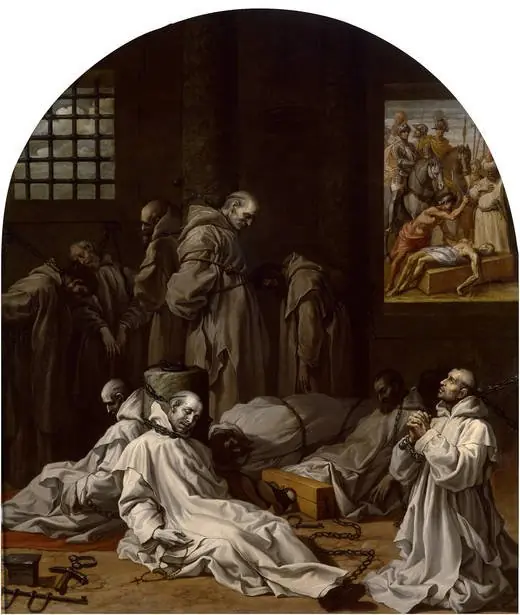
Artist & collection
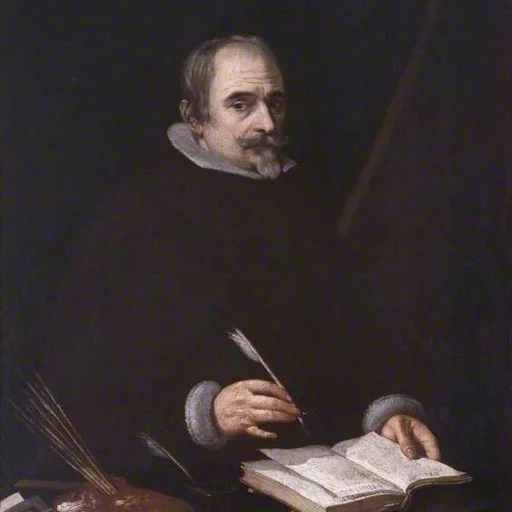
Artist
Vincenzio Carduccio (in Spanish, sometimes Vicencio or Vicente Carducho; 1576 or 1578–1638) was an Italian painter who spent his career in Spain.

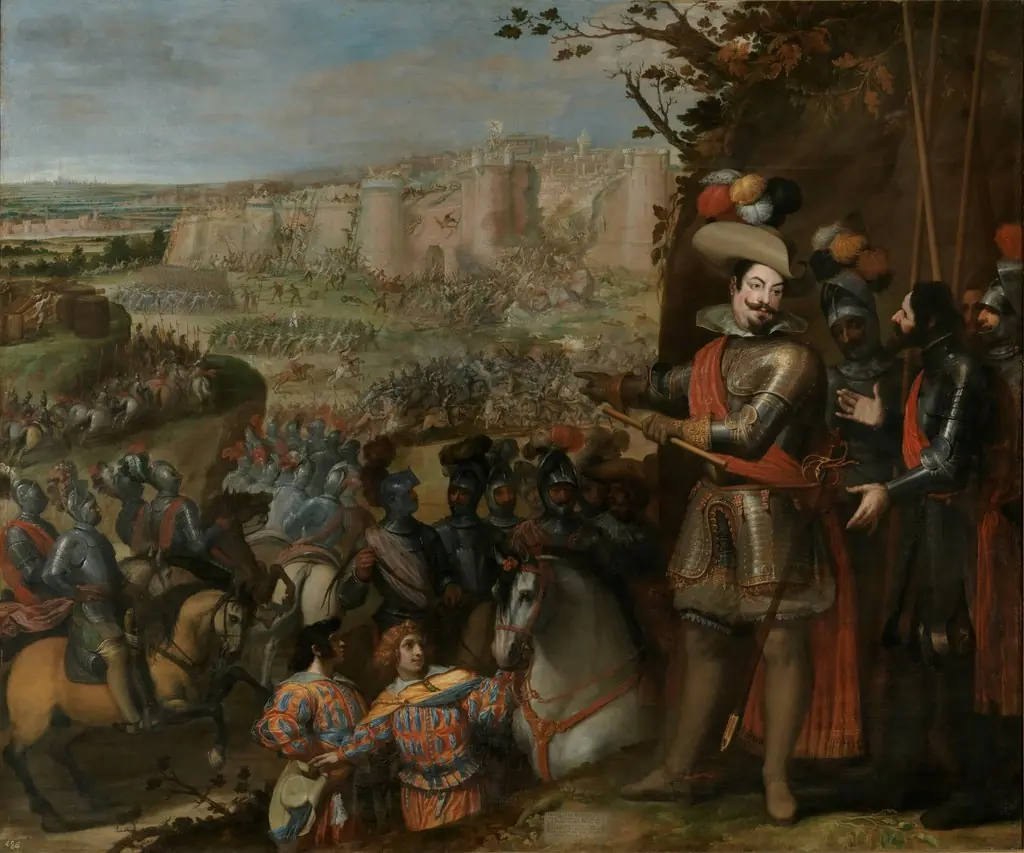 The Storming of Rheinfelden
 The Victory of Fleurus
 The Relief of Constance
 The Death of the Venerable Odón de Novara
 Pope Alexander III Consecrates Anthelm of Chignin as Bishop of Belley
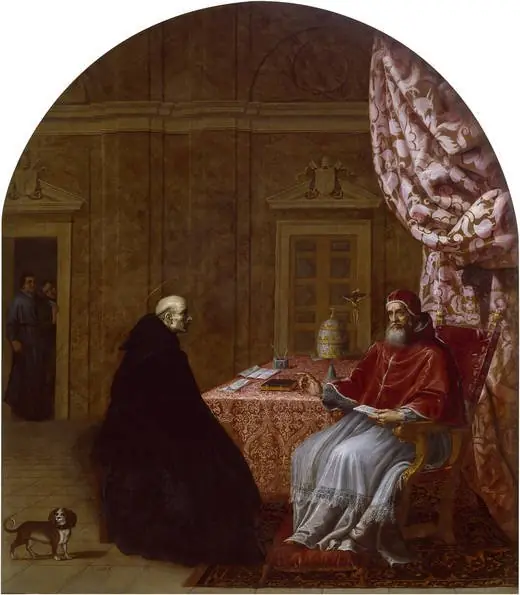 Urban II Deliberates with Saint Bruno
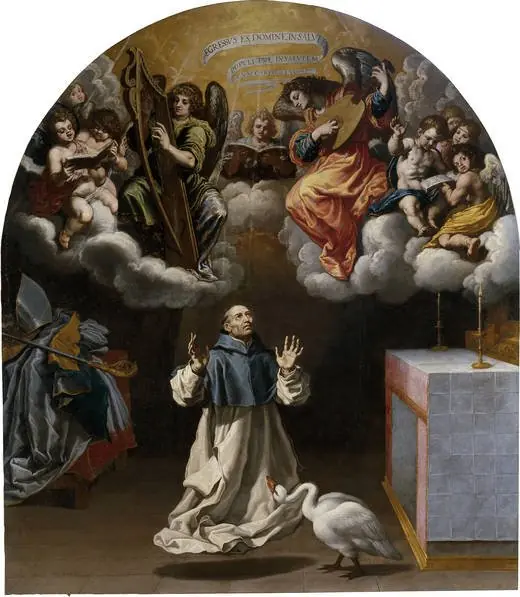 Musician Angels Appear to Saint Hugo of Lincoln
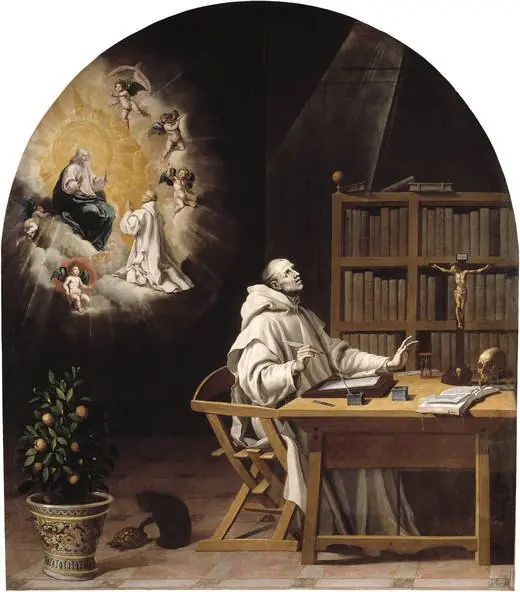 The Vision of Dionisio Rickel The Carthusian
- Prison and Death of the Ten Members of the London Charterhouse
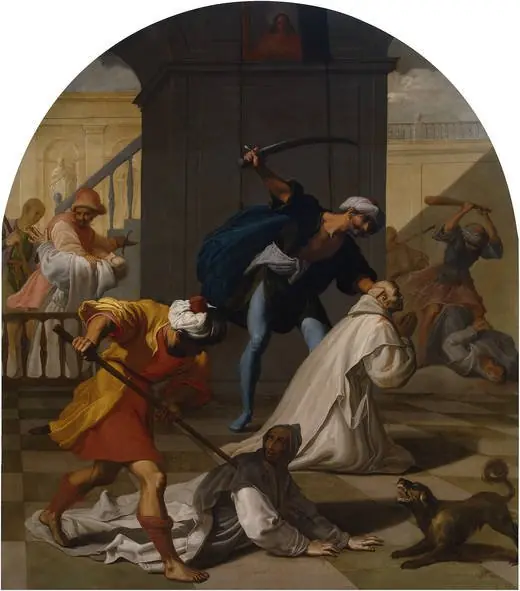 The Martyrdom of the Mauerbach Carthusians
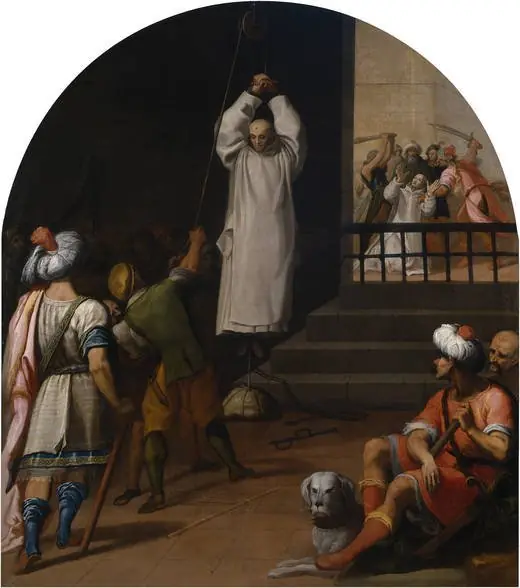 The Martyrdom of Father Andrés Prior of the Seiz Charterhouse
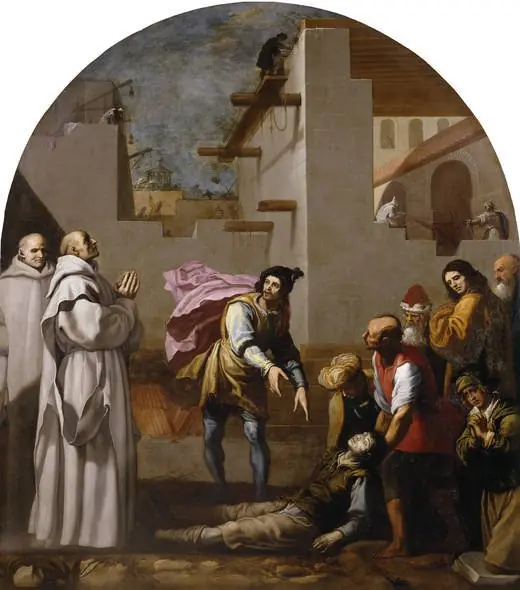 Prior Boson Revives a Mason
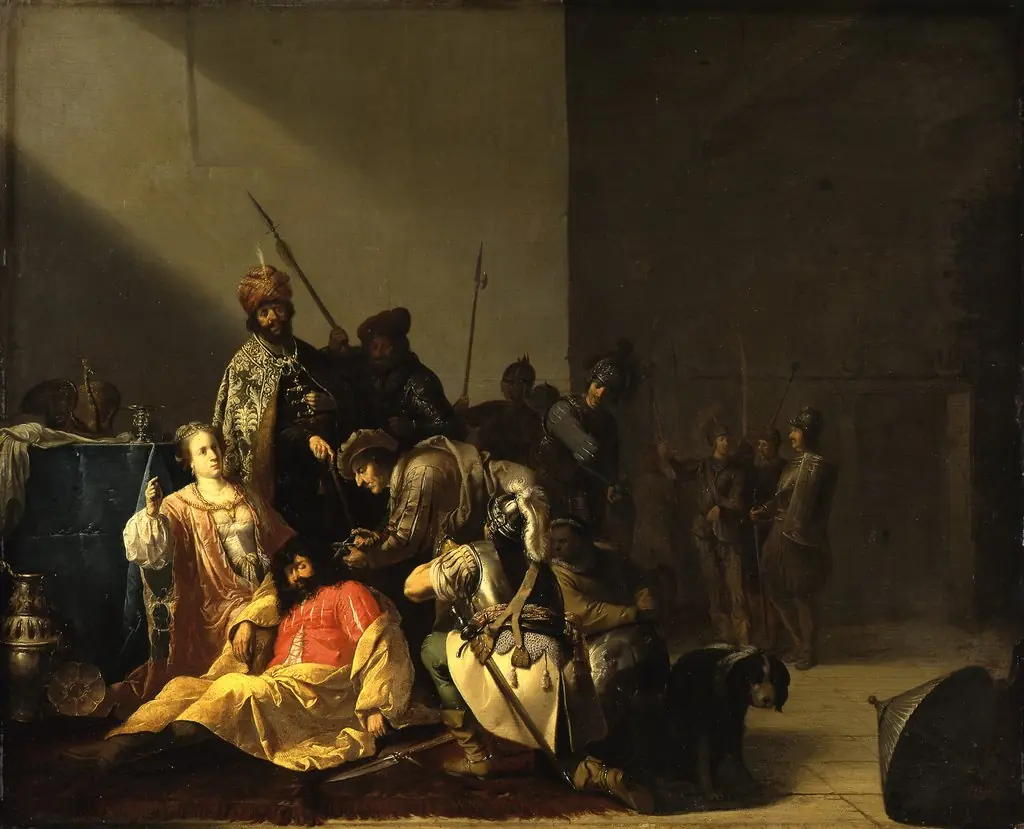 Samson and Delilah
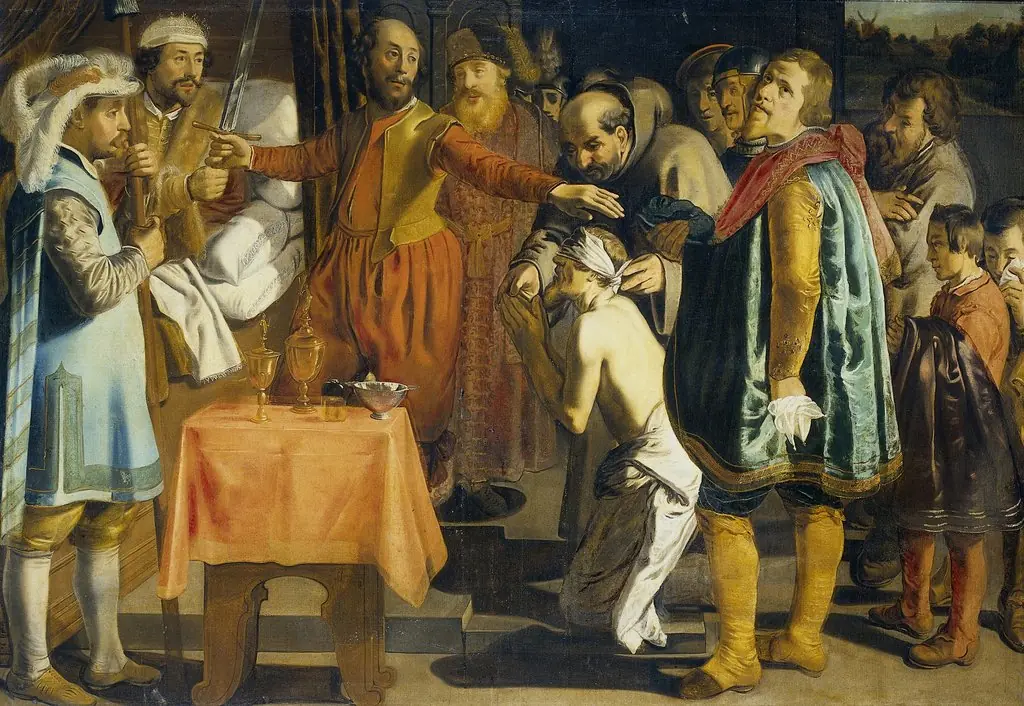 Willem III, Count of Holland, Ordering the Beheadal of the Bailiff of Zuid Holland, 1336
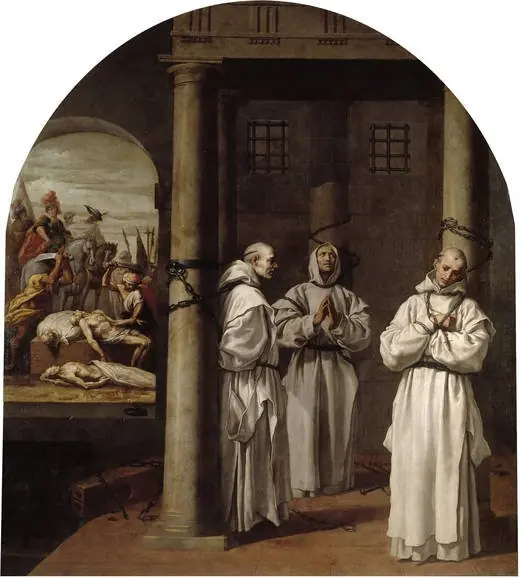 The Martyrdom of the Priors of the English Charterhouses of London Nottingham and Axholme
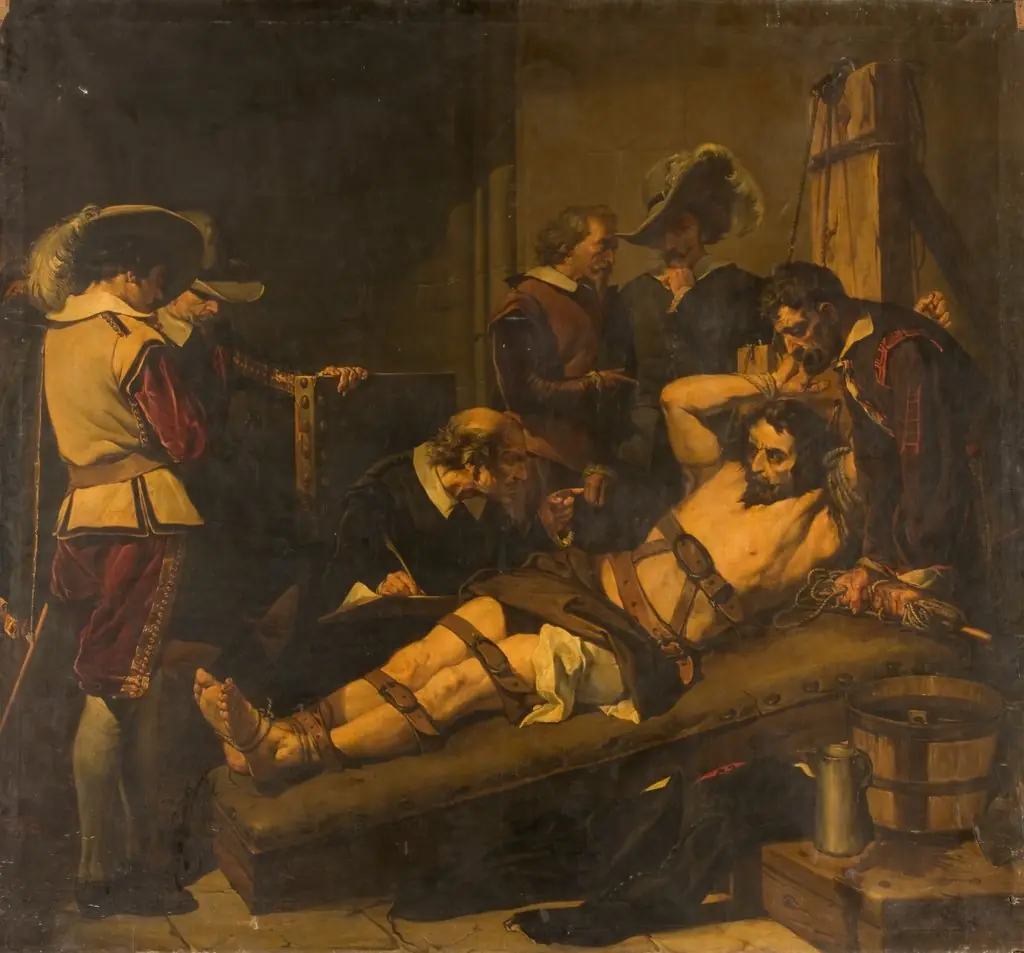 Don Rodrigo Calderón en el tormento
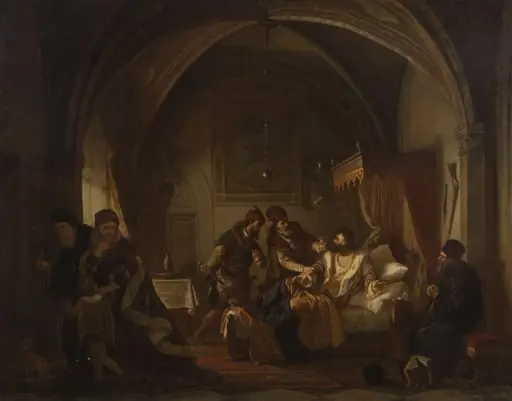 Moartea lui Alexandru Lăpușneanu
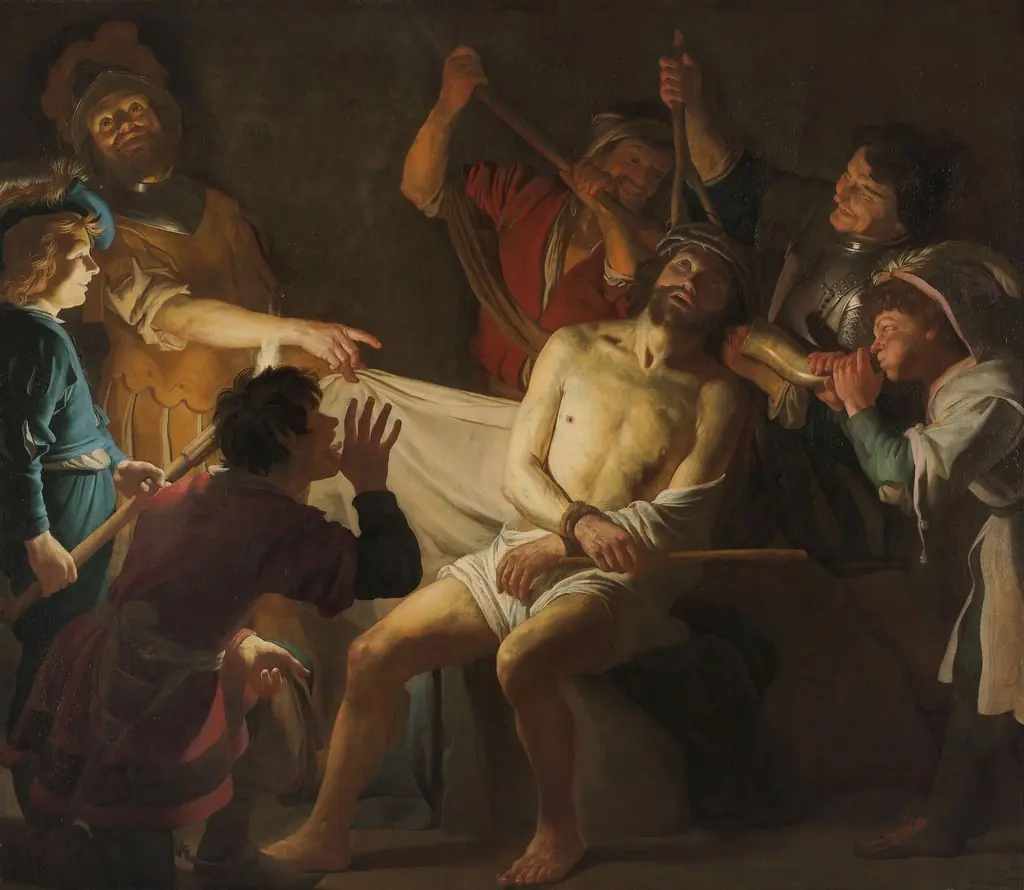 Christ Crowned with Thorns
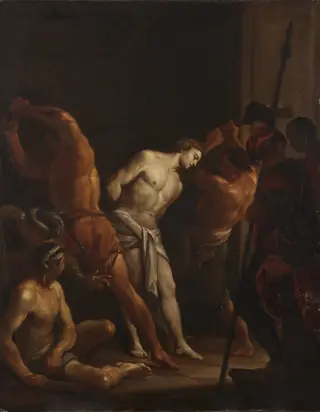 The Flagellation of Christ
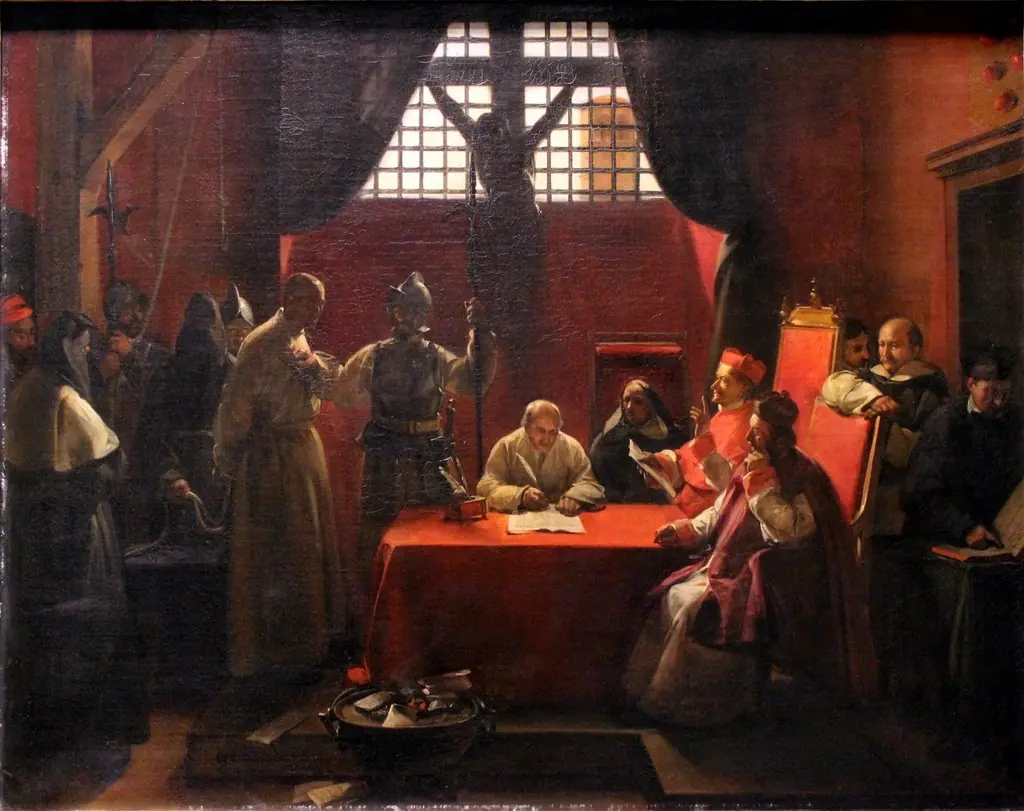 The Examination of Savonarola