Artwork
Bessie Moore
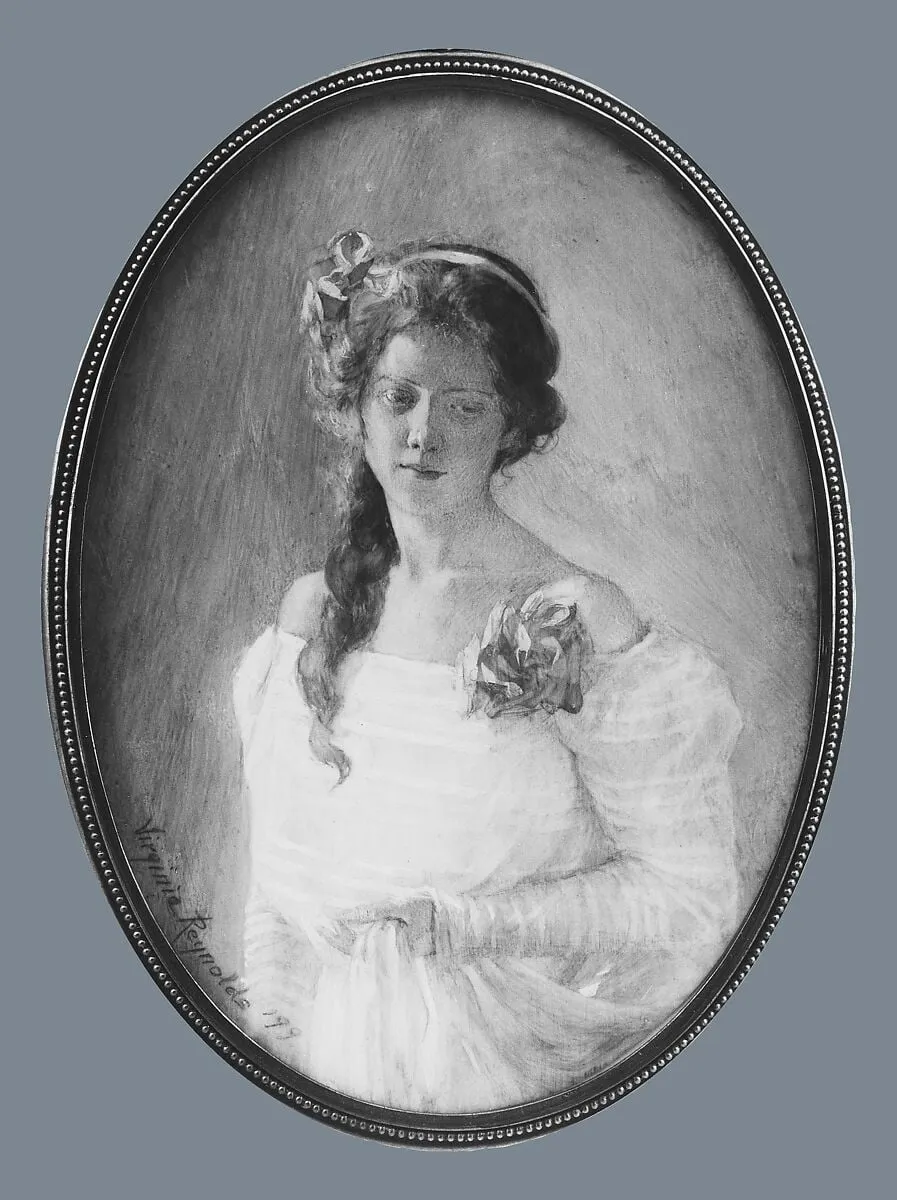
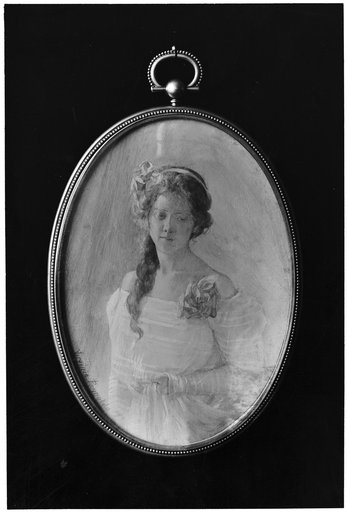
Bessie Moore is a watercolor painting by the American Impressionist artist Virginia Richmond Reynolds. It dates from 1899 and is held in the collection of the Metropolitan Museum of Art.
About this work
Subject & Meaning
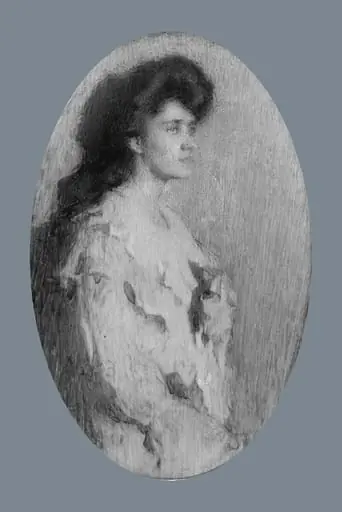
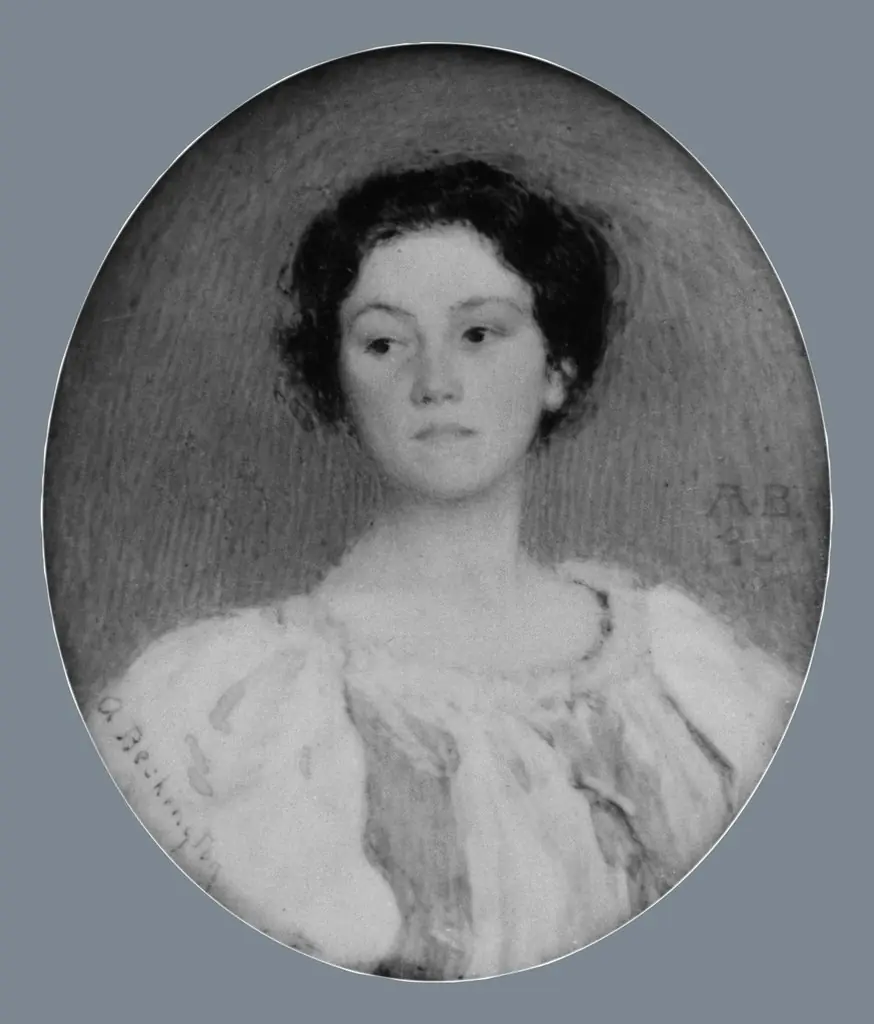
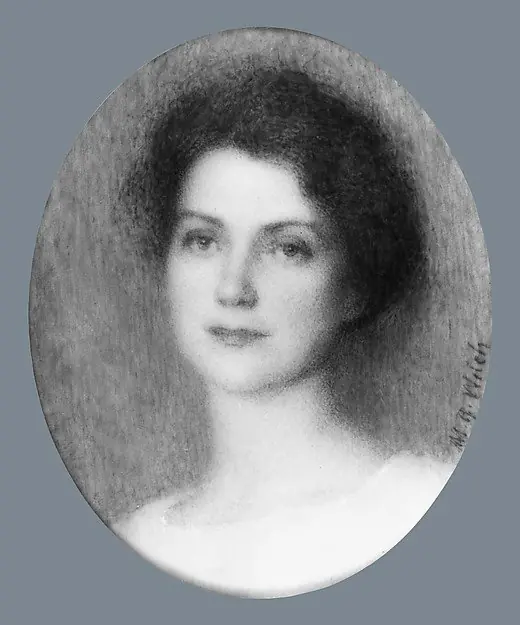
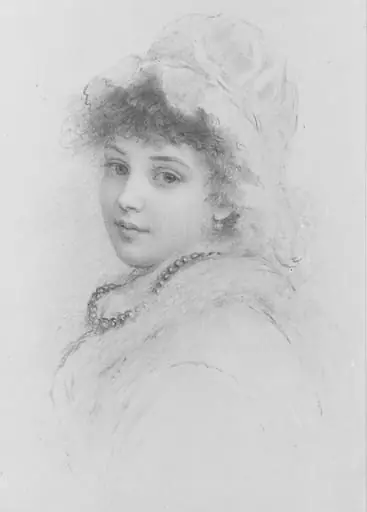
The artwork depicts a female subject rendered in the format of a miniature portrait, a genre traditionally associated with intimate, personal representations.
The artwork depicts a female subject rendered in the format of a miniature portrait, a genre traditionally associated with intimate, personal representations. Created in 1899 by Virginia Richmond Reynolds, the piece presents the sitter adorned with specific accessories including a ribbon, a rosette, and a stripe. These elements of dress serve as key iconographic features within the composition, framing the woman's likeness in a manner characteristic of late 19th-century portraiture.
The work functions as a formal record of the individual, identified as Bessie Moore, capturing her appearance through the delicate medium of watercolor on ivory. As a portrait, the primary meaning of the object lies in its representation of the sitter's identity and social presentation during that era.
Technique & Style
Created in 1899 by Virginia Richmond Reynolds, this portrait miniature utilizes watercolor applied to an ivory support. The work measures 11.7 by 8.3 units, adhering to the small scale characteristic of the miniature genre. Stylistically, the piece focuses on a female subject, incorporating detailed decorative elements such as a ribbon, rosette, and striped patterns within the composition.
The classification of the object as a miniature portrait underscores the artist's engagement with the specific technical demands of painting on ivory, a medium requiring precise handling to achieve the fine details observed in the subject's attire and features.
History & Provenance
Virginia Richmond Reynolds painted the watercolor portrait titled “Bessie Moore” in 1899, employing watercolor on ivory and measuring roughly 11.7 × 8.3 cm. The work is categorized as a portrait and is part of the American Wing’s collection at the Metropolitan Museum of Art. Its iconography includes a ribbon, rosette, and stripe, reflecting contemporary portrait conventions of the period. The painting entered the museum’s holdings and remains in its permanent collection, where it is displayed as an example of late‑19th‑century American portraiture.
The painting Bessie Moore (1899) by Virginia Richmond Reynolds is held by The Metropolitan Museum of Art. Its accession number is 1975.1.103, as recorded in the museum’s collection records. The work has been exhibited at the Metropolitan Museum of Art as part of its permanent collection, which includes American portrait miniatures from the late nineteenth century.
Context
Bessie Moore (1899), a watercolor on ivory portrait by Virginia Richmond Reynolds, is part of The American Wing’s collection at the Metropolitan Museum of Art. The work is classified as a portrait and depicted as a miniature featuring a woman adorned with a ribbon, rosette and stripe. Scholarship on Reynolds’s oeuvre situates this piece within the broader trajectory of late‑19th‑century American portrait miniatures, highlighting its technical precision and its role in documenting genteel femininity.
Its inclusion in a major museum wing signals recognition of Reynolds’s contribution to American genre painting and underscores the painting’s historical significance within the canon of U.S. portraiture.
Overview
Virginia Richmond Reynolds executed 'Bessie Moore' in 1899 as a miniature portrait on ivory, a medium favored for its luminous quality and historical association with intimate keepsakes. The work depicts a woman in a dark dress, her hair pulled back and secured with a blue ribbon. Reynolds utilizes the translucency of the ivory support to create a soft, glowing effect in the sitter's complexion, a technique characteristic of the watercolor-on-ivory tradition.
The composition is tightly framed, focusing entirely on the head and shoulders to emphasize the subject's expression and the delicate rendering of her attire. Painted at the turn of the twentieth century, this piece reflects Reynolds' specialization in miniature portraiture, a genre that persisted in the United States despite the rise of photography. The work demonstrates the artist's skill in capturing likeness and texture within a small format, maintaining the formal elegance typical of late nineteenth-century American portraiture while adhering to the technical constraints of the medium.
Artist & collection
Artist
Virginia Richmond Reynolds (1866 to 1903) was an American painter known for portrait miniatures.