Artwork
Jan de Witt
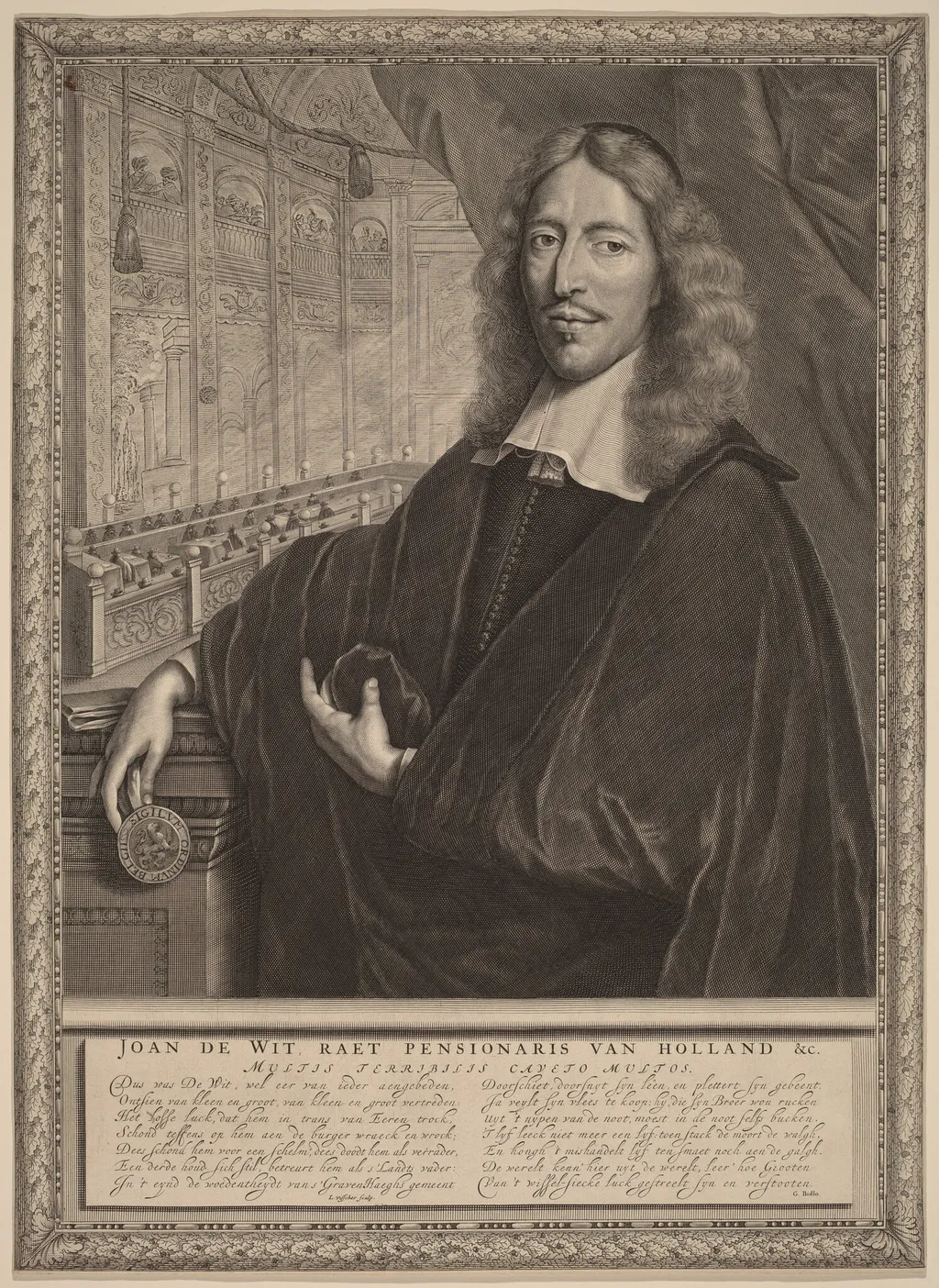
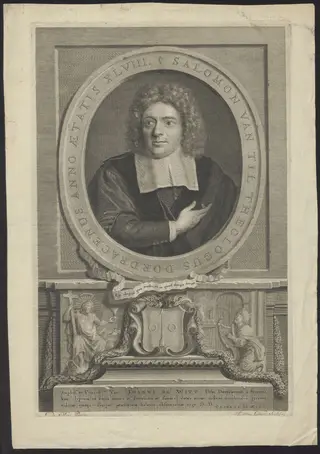
Jan de Witt is an ink print by the Baroque artist Lambert Visscher. It dates from 1662 and is held in the collection of the National Gallery of Art.
About this work
Overview
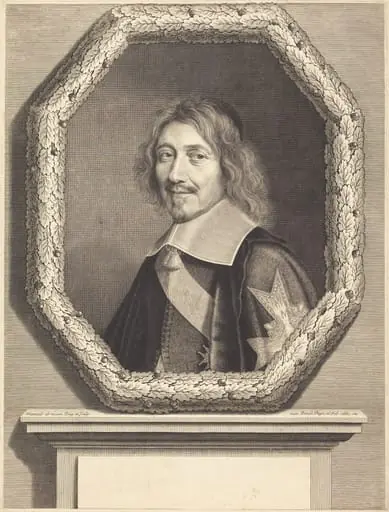
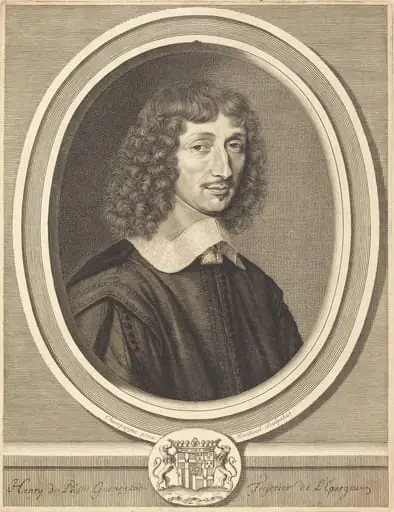
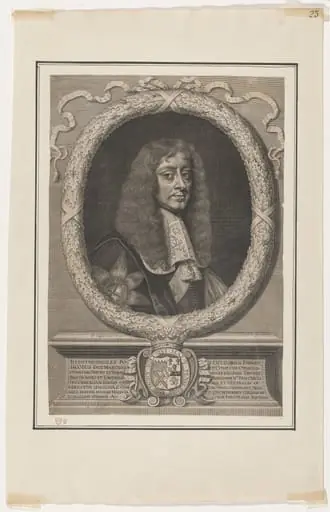
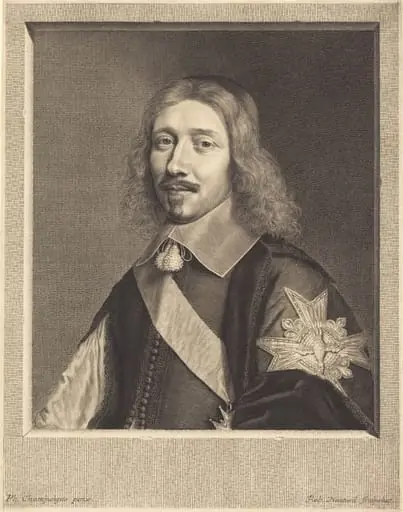
Lambert Visscher’s 1662 engraving presents a portrait of Jan de Witt, a prominent Dutch statesman. Rendered in black‑and‑white, the image centers on de Witt in a dark coat with a ruffled collar, his face sharply defined against a softer, less detailed background that includes architectural elements and figures. Inscriptions in Latin and Dutch appear beneath the portrait, identifying the sitter.
Subject & Meaning
The work depicts Jan de Witt holding a small object, likely a symbol of his political office, while gesturing with his other hand, suggesting authority and engagement. The blurred cityscape behind him may allude to his role in the governance of the Dutch Republic, situating the individual within a broader civic context.
Technique & Style
Visscher employs fine, intersecting lines to model light and shadow, a hallmark of 17th‑century engraving. The meticulous hatching creates texture on the coat and depth on the face, while broader, less precise strokes render the background, emphasizing the sitter’s prominence. The contrast between crisp foreground and softer backdrop demonstrates the medium’s capacity for tonal variation.
History & Provenance
Created in 1662, the print reflects the period’s demand for portraiture of political figures. Though specific ownership records are scarce, such engravings were commonly distributed as prints for public consumption, circulating de Witt’s image among contemporaries and later collectors of Dutch printmaking.
Context
The engraving belongs to a tradition of Dutch republican portraiture that celebrated civic leaders during the Golden Age. Visscher, a Dutch engraver active in the mid‑1600s, often reproduced likenesses of notable individuals, contributing to the visual record of the era’s political elite.
Legacy
While not as widely reproduced as other contemporary portraits, the print remains a valuable example of Dutch engraving technique and political iconography. It offers insight into the visual strategies used to convey authority and personal identity in the Republic’s public sphere.
Own this work as a print
Artist & collection