Artwork
Thomas Howard, Earl of Arundel and His Wife
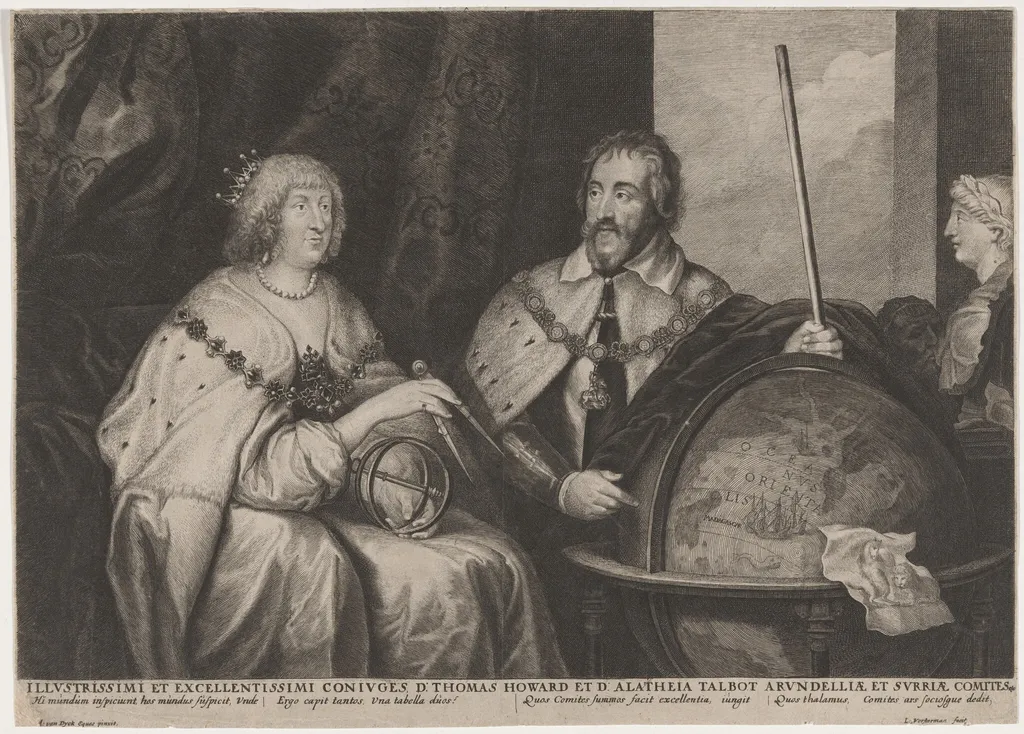
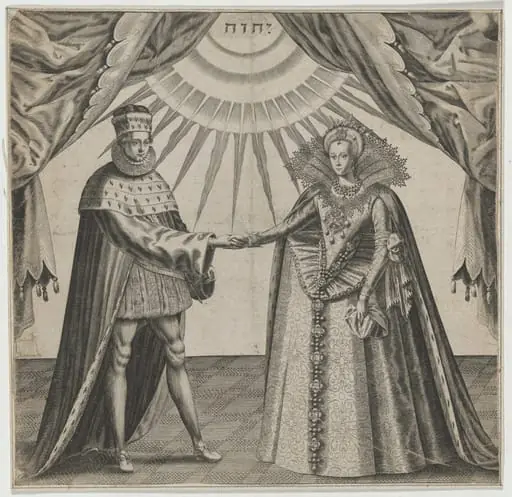
Thomas Howard, Earl of Arundel and His Wife is an ink print by the Renaissance artist Lucas Emil Vorsterman. It dates from 1635 and is held in the collection of the National Gallery of Art.
About this work
Overview
The Earl, positioned on the left, holds a staff of office and wears a heavy cloak, signifying his high rank and role as a statesman.
Created in 1635 by the Flemish engraver Lucas Emil Vorsterman, this print presents a formal double portrait of Thomas Howard, the 21st Earl of Arundel, and his wife, Lady Alethea Talbot. The composition features the couple seated side-by-side against a draped curtain, a convention that elevates their status while focusing attention on their attributes. The Earl, positioned on the left, holds a staff of office and wears a heavy cloak, signifying his high rank and role as a statesman.
His wife, Lady Alethea, sits to his right, distinguished by a crown and a necklace, while her hand rests upon a terrestrial globe, symbolizing her vast inheritance and the family's extensive landholdings. To the right of the figures, a classical sculpture is partially visible, alluding to the couple's renowned patronage of the arts and their significant collection of antiquities. Vorsterman's technique captures the textures of the fabrics and the solidity of the stone with precision.
This work serves as a definitive visual record of the Arundels at the height of their cultural influence in the early Stuart court, reflecting their identity as major collectors and connoisseurs of classical art.
Subject & Meaning
The composition underscores the couple’s aristocratic rank and intellectual interests. The globe, detailed with a miniature map, alludes to the Earl’s patronage of the arts and sciences, while the staff and crown symbolize authority and nobility. Their poised togetherness suggests a partnership in both domestic and cultural spheres.
Technique & Style
Executed in fine line engraving, Vorsterman renders textures with meticulous cross‑hatching, from the sheen of the woman’s dress to the plushness of the man’s cloak. The chiaroscuro achieved through varying line density creates a three‑dimensional effect, characteristic of early‑modern printmaking that sought realistic representation within a flat medium.
History & Provenance
Created in the mid‑seventeenth century, the print was likely commissioned to commemorate the Howard family’s prominence. Copies circulated among collectors of portraiture and served as visual documentation of the Earl’s lineage. The work now resides in several European print collections, reflecting its continued relevance to studies of aristocratic portraiture.
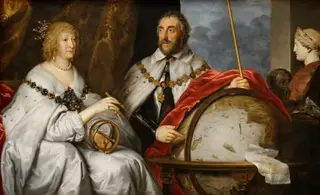
Own this work as a print
Artist & collection
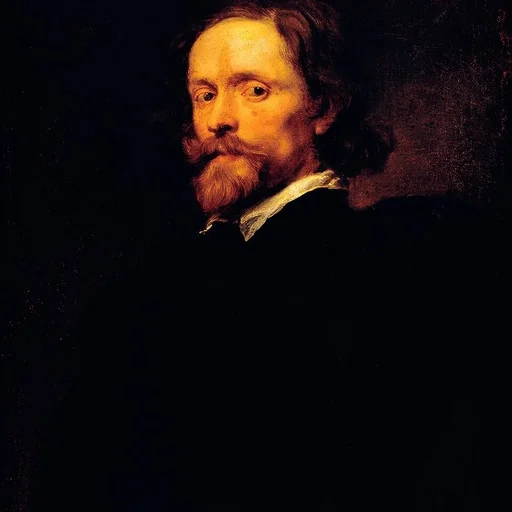
Artist
etching and engraving by Lucas Vorsterman II, NGA 10762), B1977.14.10539 - Yale etc

 Betrothal of Princess Elizabeth and Frederic V, Elector Palatine
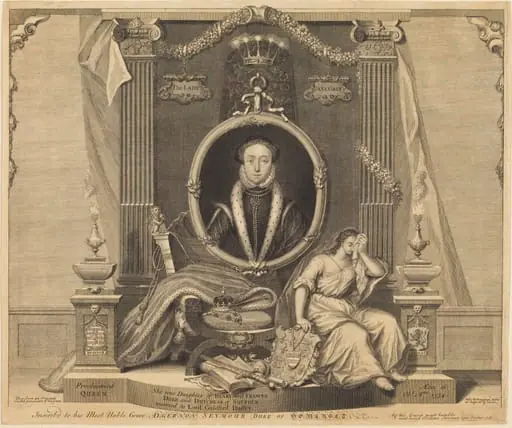 Lady Jane Grey
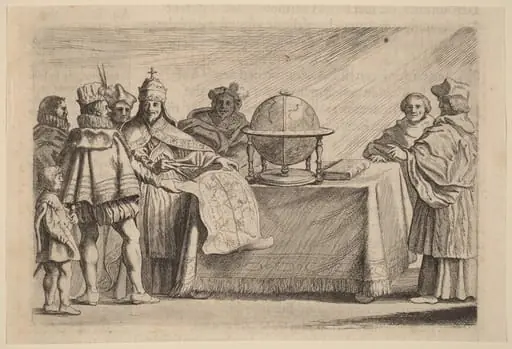 The Partitioning of the Globe between Spain and Portugal
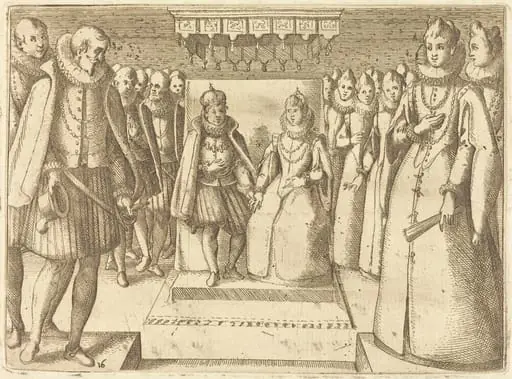 Meeting of Margaret of Austria and Philip III
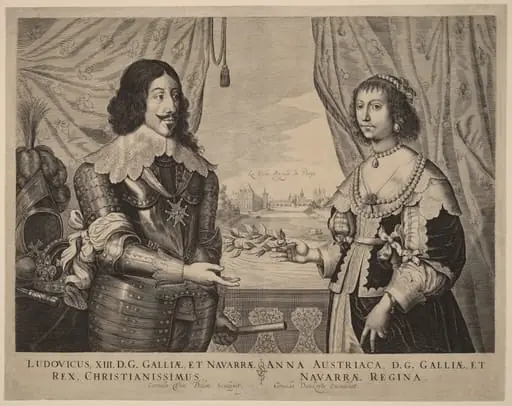 King Louis XIII of France and Anne of Austria
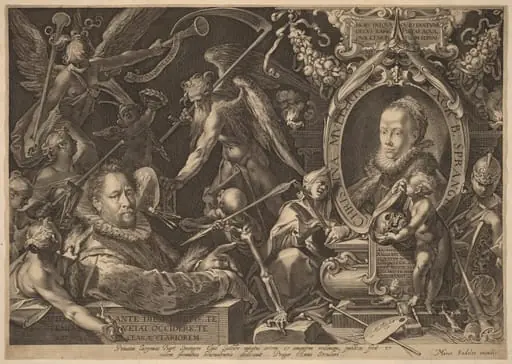 Bartholomaeus Spranger and his Late Wife Christina Muller
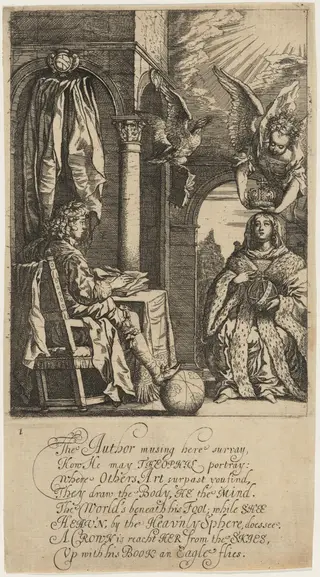 Illustration for Edward Benlowes, Theophila
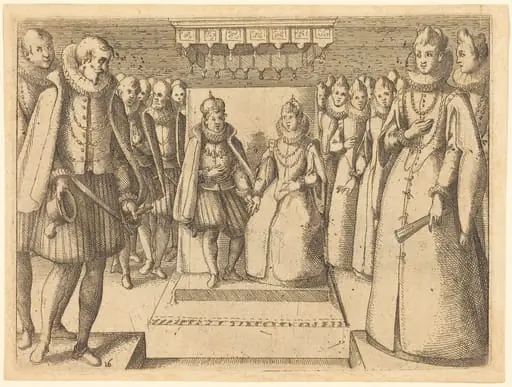 Meeting of Margaret of Austria and Philip III
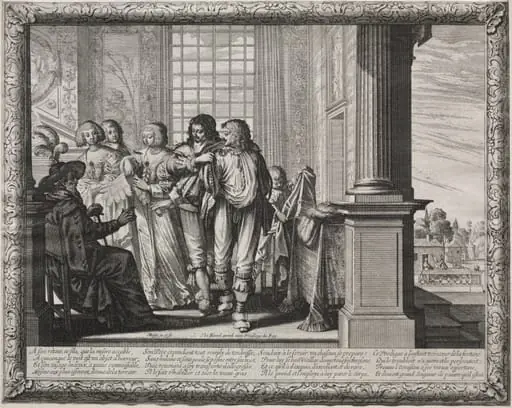 The Prodigal Son: Dressing for the Feast
 Henrietta Maria, Queen of Charles I