Artwork
Autumn landscape
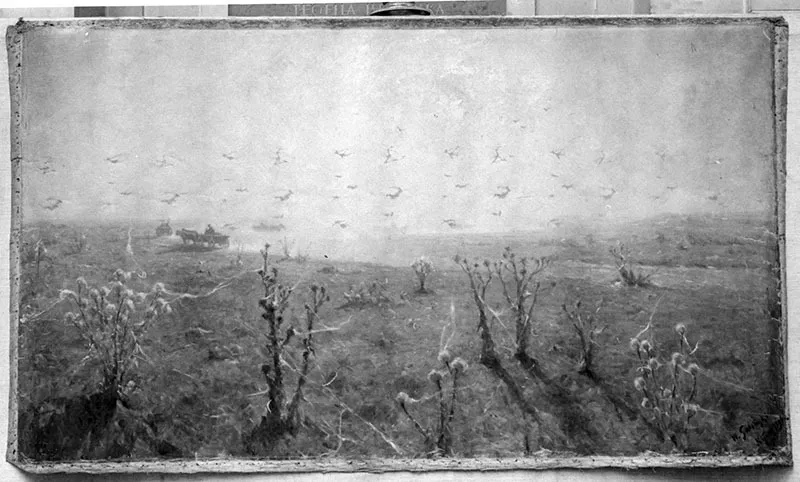
Autumn landscape is an oil painting by the Post-Impressionist artist Władysław Galimski. It dates from 1898 and is held in the collection of the National Museum in Warsaw.
About this work
Overview
Created in 1898, this oil painting by Władysław Galimski depicts a quiet autumnal scene. It is part of the collection at the National Museum in Warsaw. The work captures a rural landscape in transition, with bare trees, dried grass, and a still body of water under a overcast sky. The medium allows for subtle layering and tactile surface variation, reinforcing the season’s stillness.
Subject & Meaning
Bare trees and withered grass suggest the quiet decay of the season, while the distant boats on the water imply human presence without activity.
The painting presents a tranquil, unpopulated countryside in late autumn. Bare trees and withered grass suggest the quiet decay of the season, while the distant boats on the water imply human presence without activity. The muted tones and subdued light evoke introspection rather than drama, reflecting a contemplative relationship with nature’s cycles rather than a celebratory or romanticized view.
Technique & Style
Galimski employed oil paint to build texture through layered brushwork, particularly in the depiction of dry grass and tree bark. The palette is restrained, dominated by earthy browns, grayish greens, and muted ochres. There is no sharp detail or vivid contrast; instead, soft transitions between tones create a hazy, atmospheric effect consistent with late 19th-century Polish landscape traditions.
History & Provenance
The painting was completed in 1898 and entered the collection of the National Museum in Warsaw at some point after its creation. While specific acquisition records are not widely documented, its inclusion in the museum’s permanent holdings indicates early institutional recognition of Galimski’s work within the context of Polish national art collections.
Context
Galimski worked during a period when Polish artists were increasingly turning to native landscapes as expressions of cultural identity under foreign partition. His approach, less dramatic than Romantic predecessors, aligns with a quieter, observational realism that emphasized the dignity of everyday rural scenes, resonating with broader European trends in late 19th-century naturalism.
Legacy
Though not widely known outside Poland, Galimski’s landscapes contribute to the understanding of regional artistic responses to nature during the late partitions. His restrained style and focus on seasonal change offer a counterpoint to more theatrical interpretations, preserving a quiet, unembellished vision of the Polish countryside that continues to inform local art historical discourse.
Artist & collection

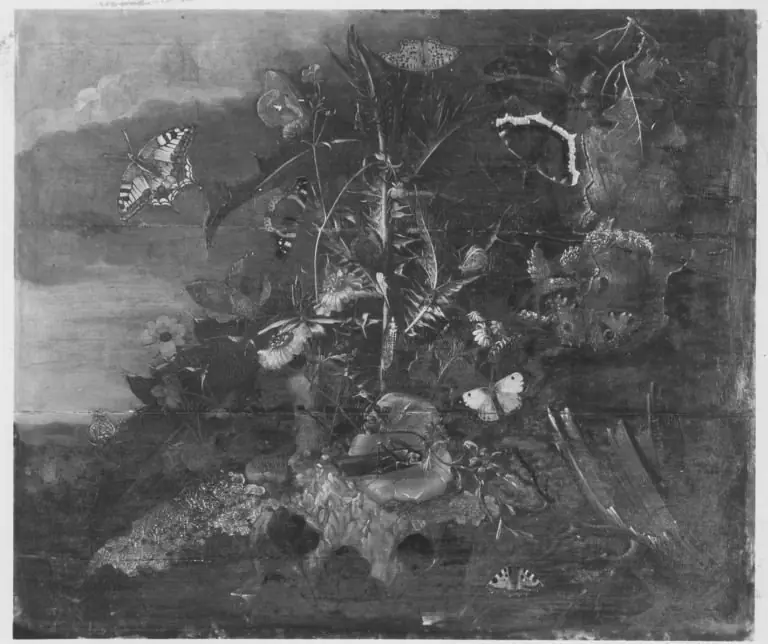
- Stillleben
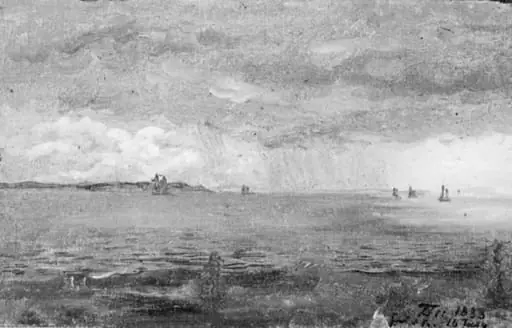 The Sound with Rain Clouds and Ships in the Background
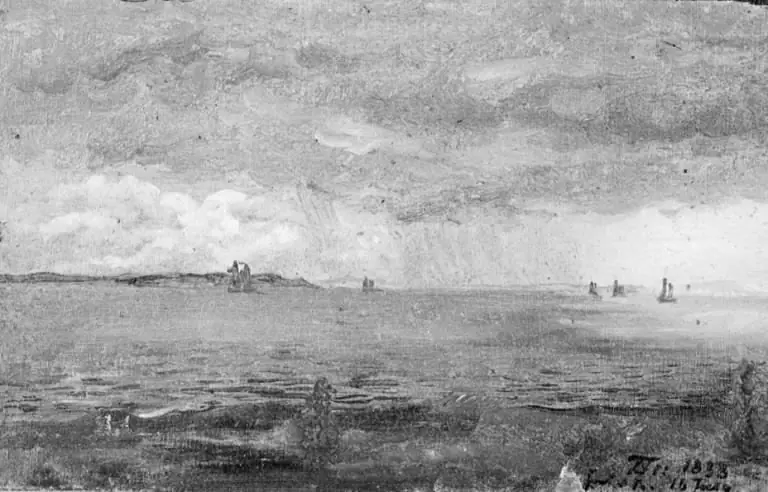 The Sound with Rain Clouds and Ships in the Background
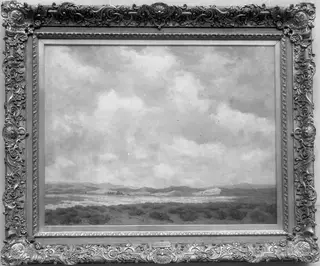 Washoe Valley, Nevada
 Bear Family with Snake
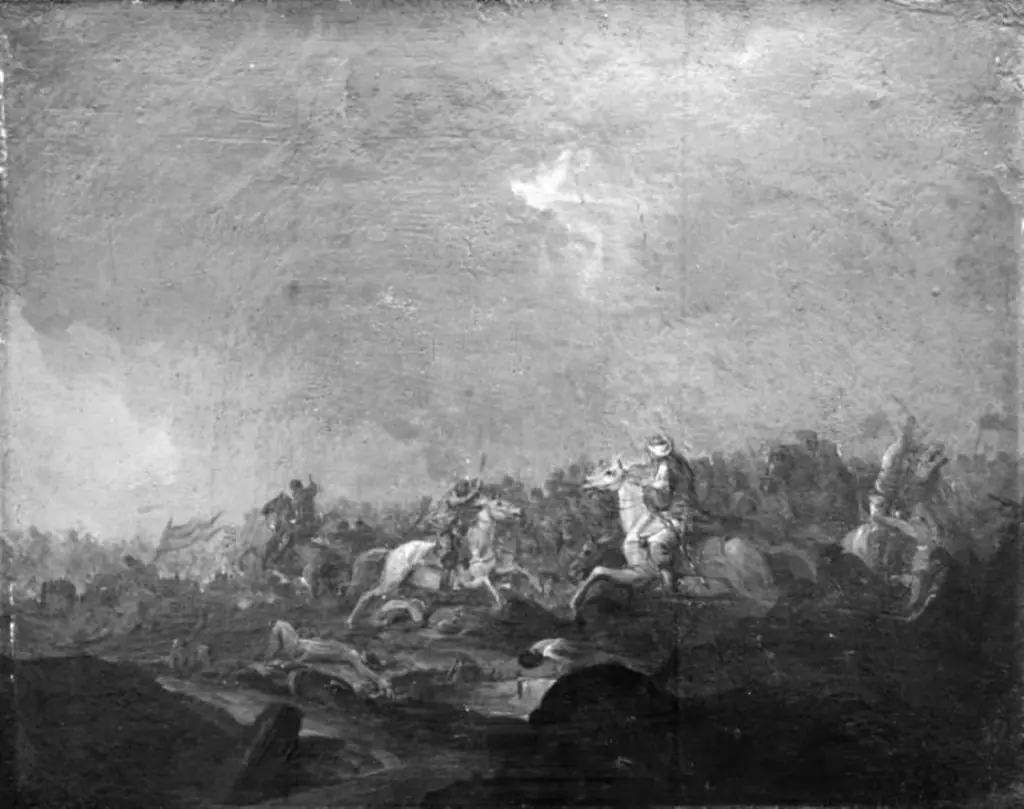 Rytterfægtning
 The Stump (after Ruisdael)
 Fields
 Early Morning—September
 Reitergefecht
 Rytterfægtning
 White and Pink Clouds against a Pale Blue Sky