Artwork
Portrait of a man
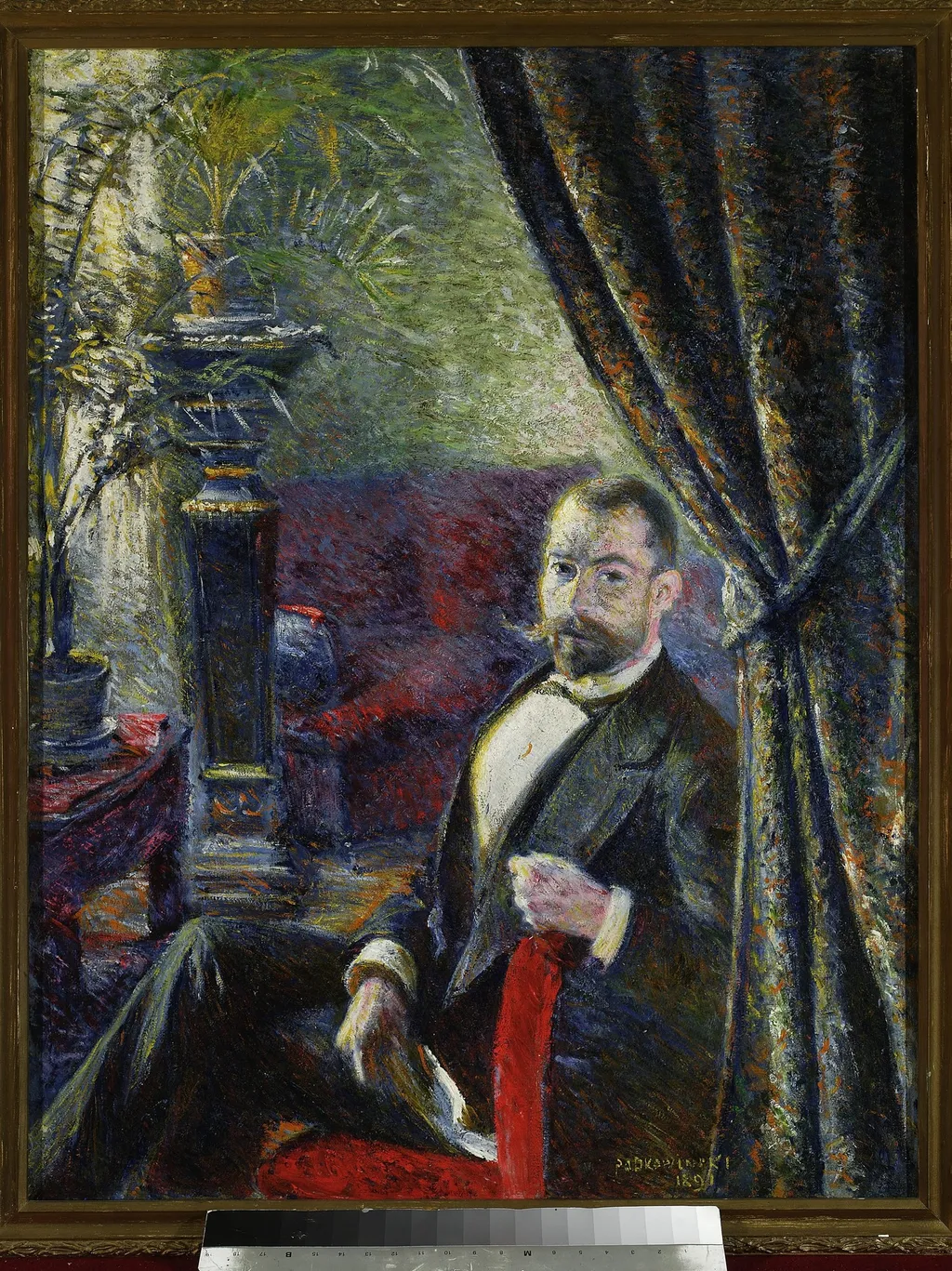
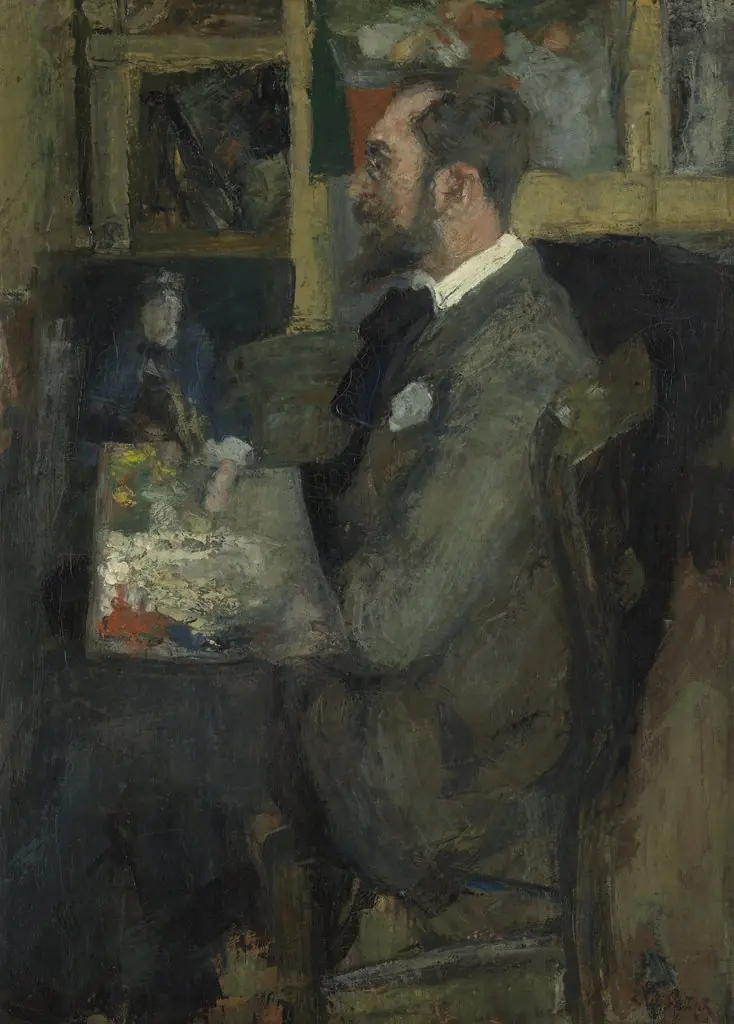
Portrait of a man is an oil painting by the Post-Impressionist artist Władysław Podkowiński. It is held in the collection of the National Museum in Warsaw.
About this work
Overview
The painting stands as a significant document of Podkowiński's portraiture, a genre that occupied an important place alongside his more famous Symbolist works.
Portrait of a Man is an oil-on-canvas portrait painted in 1891 by the Polish artist Władysław Podkowiński, a leading figure of the Young Poland movement. Measuring 81.5 by 62.5 centimeters, the work is held in the collection of the National Museum in Warsaw. Painted during the final years of Podkowiński's brief career, the portrait exemplifies his mature synthesis of Impressionist technique with the psychological directness characteristic of Polish art of the Partition period. The painting stands as a significant document of Podkowiński's portraiture, a genre that occupied an important place alongside his more famous Symbolist works.
Subject & Meaning
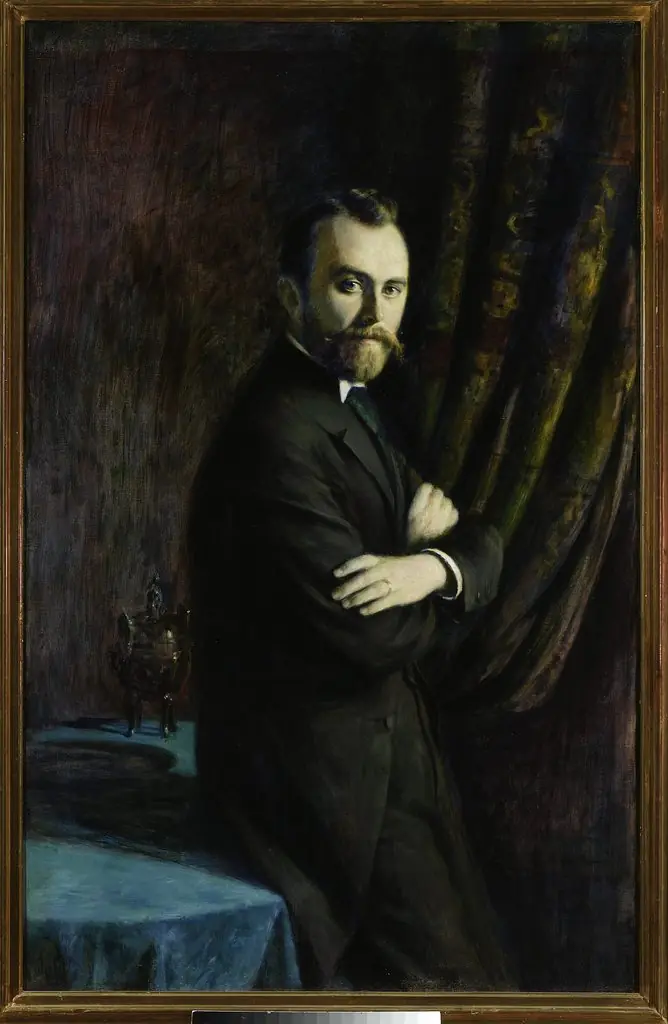
The painting depicts an unidentified seated gentleman, turned three-quarters toward the viewer, his body occupying the right half of the vertical composition. He wears a dark suit with a white shirt, accented by a vivid red necktie and sash that provide the primary chromatic focal points against the otherwise subdued palette. His left hand rests visibly on his lap, while his right hand remains out of view. The subject's pose and attire suggest a man of respectable social standing, though no specific identity is recorded in the available sources. The iconography of the portrait extends beyond the figure himself to include a tall, ornate blue ceramic stove with gold trim, topped with a potted plant, positioned to his left. This domestic interior element, together with the heavy dark curtains with warm highlights that frame the scene and the textured green background wall, creates an intimate, bourgeois setting that was conventional in late nineteenth-century European portraiture. The red accents of the tie and sash may carry connotations of vitality and presence, contrasting with the somber tones that otherwise dominate the composition.
Technique & Style
Podkowinski executed the portrait in oil on canvas, working with thick, visible, and energetic brushwork throughout. The paint application is dappled and unblended, building form through discrete strokes rather than through smooth gradation, a technique directly attributable to his absorption of French Impressionist methods following his 1889 trip to Paris. Light falls unevenly across surfaces, creating strong contrasts that model the figure and his surroundings without resorting to academic finish. The palette is dominated by deep blues, greens, and blacks, punctuated by the red accents of the necktie and sash and touches of yellow and white. This color scheme, together with the emphatic brushwork, demonstrates Podkowiński's role in transmitting Impressionist practice to Polish painting. The handling of paint in the curtains and background wall shows particular freedom, while the figure's face and hands, though still broadly treated, receive relatively more structured attention. The painting is presented in a simple gold frame, and its overall condition and surface characteristics remain consistent with a well-preserved work of this period.
History & Provenance
The portrait was painted in 1891, during the last four years of Podkowiński's life. He was already in declining health from the tuberculosis that would claim his life in 1895 at age 28. The work bears a signature and date in the lower right corner. The specific circumstances of its commission, and whether it was commissioned or executed speculatively, are not recorded in the available sources. The painting's provenance before its acquisition by the National Museum in Warsaw is not documented in the sources provided. It is currently located in the National Museum in Warsaw, having been accessioned into that collection. No exhibition history is specified in the available sources, though Podkowiński's works were regularly shown in Warsaw during his lifetime, including at the Zachęta exhibition hall where his most famous painting, Frenzy of Exultations, was displayed in 1894.
Context
Władysław Podkowiński was born in Warsaw in 1866 and received his initial training at Wojciech Gerson's drawing school before enrolling at the Warsaw Academy of Fine Arts from 1880 to 1884. He continued his studies at the Imperial Academy of Arts in St. Petersburg from 1885 to 1886 alongside Józef Pankiewicz. Upon returning to Warsaw, he worked as an illustrator for Tygodnik Ilustrowany magazine, where he became one of its most renowned artists. His early paintings, influenced by Aleksander Gierymski, he considered personal rather than public endeavors. The decisive turning point in his career came with his 1889 journey to Paris, where he encountered the work of Claude Monet and other French Impressionists. Podkowiński is credited with bringing Impressionism to Poland, and the 1891 Portrait of a Man belongs to this mature phase of his production. Toward the end of his life, his failing health inclined him toward Symbolism, as evidenced by Frenzy of Exultations, the notorious 1894 work that he slashed with a knife during its exhibition at Zachęta. The Portrait of a Man thus occupies a significant position in his oeuvre, representing his accomplished portraiture at the height of his Impressionist period, before the turn toward more overtly Symbolist content.
Legacy
Podkowiński's reputation rests primarily on Frenzy of Exultations, which remains his best-known work and a touchstone of Polish Symbolism, now prominently exhibited at the Sukiennice Museum in Kraków. However, his broader significance lies in his pioneering introduction of Impressionist techniques into Polish painting. The Portrait of a Man, held in the National Museum in Warsaw, contributes to this legacy as a representative example of his portraiture and his handling of color and brushwork under Impressionist influence. The work has entered the public domain and is reproduced in digital formats, including remastered editions distributed through commercial print platforms. Its presence in the National Museum's collection ensures its continued accessibility for scholarly study and public viewing, even as critical attention to Podkowiński remains concentrated on his more sensational late Symbolist productions. The painting serves as a material testament to the range of his practice and to the integration of international artistic currents within Polish culture during the Partition period.
Own this work as a print
Artist & collection
Artist
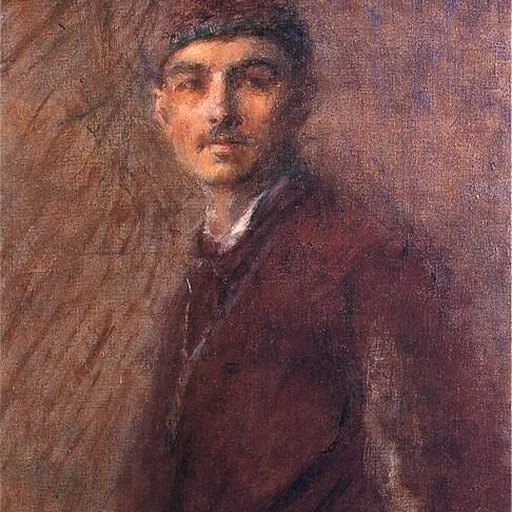
Władysław Podkowiński (Polish:; 4 February 1866 – 5 January 1895) was a Polish master painter and illustrator associated with the Young Poland movement during the Partition period.

- Klas Fåhraeus (1863-1944). Study for Friends (NM 1723)
 Theo Hannon
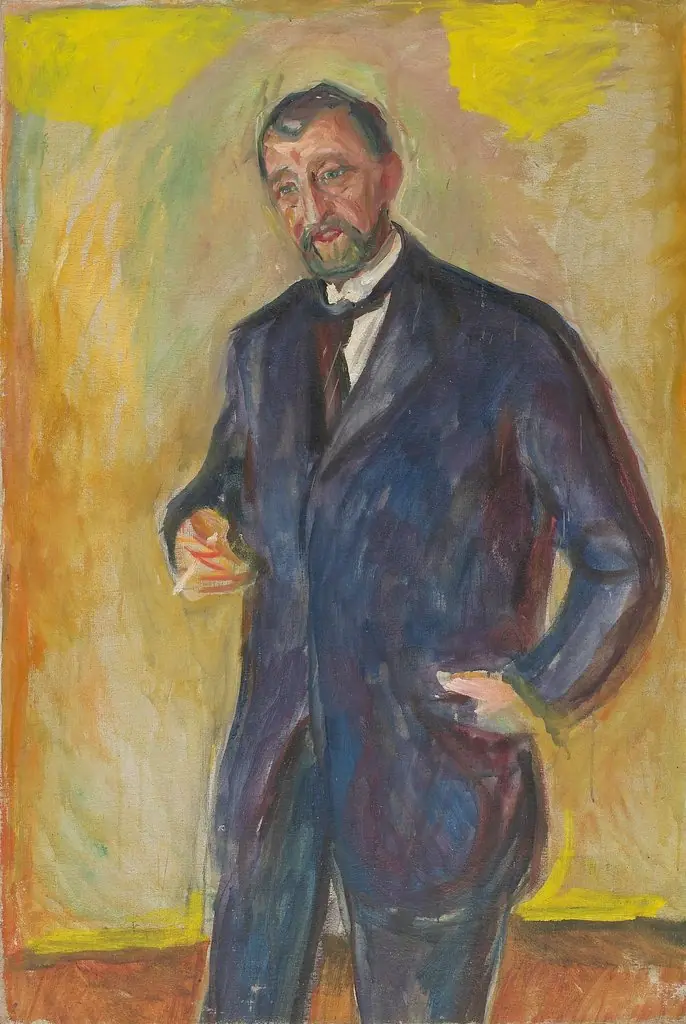 Thorvald Løchen
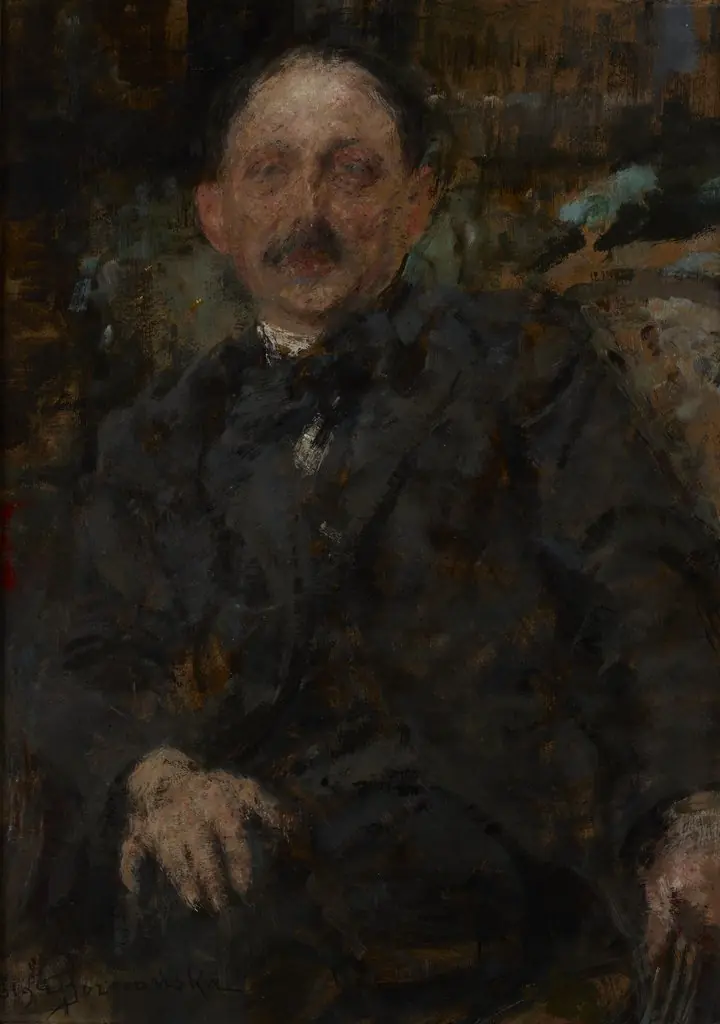 Portrait of Painter Marcin Samlicki
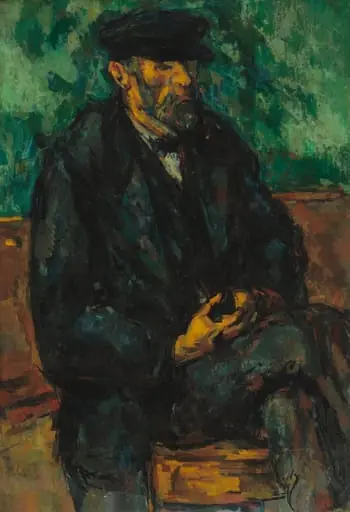 The Gardener Vallier
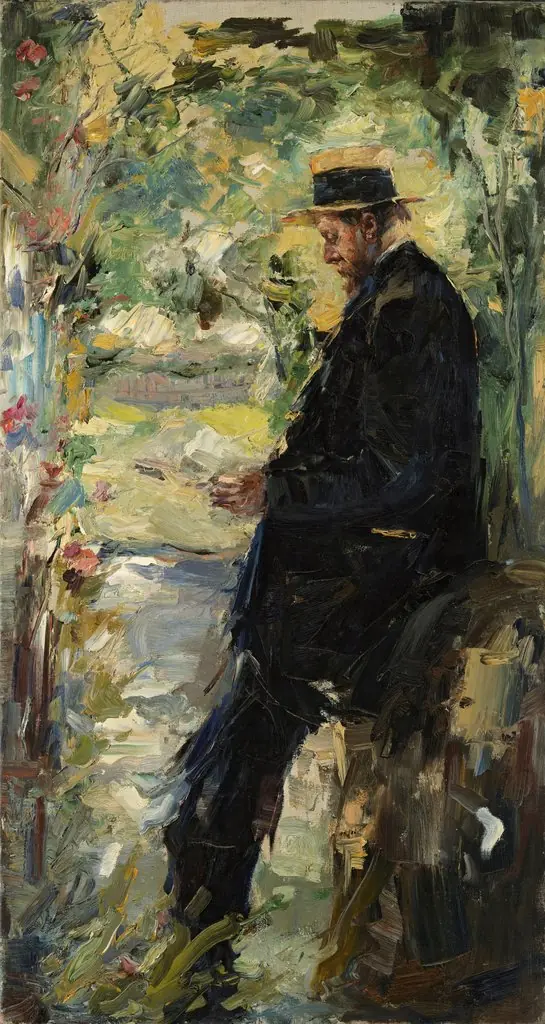 Portrait of the Veterinarian Reindl
 Kai Møller
 Portrait of George Eumorfopoulos
 L'Oncle Dominique
 Portrait of Savva Mamontov
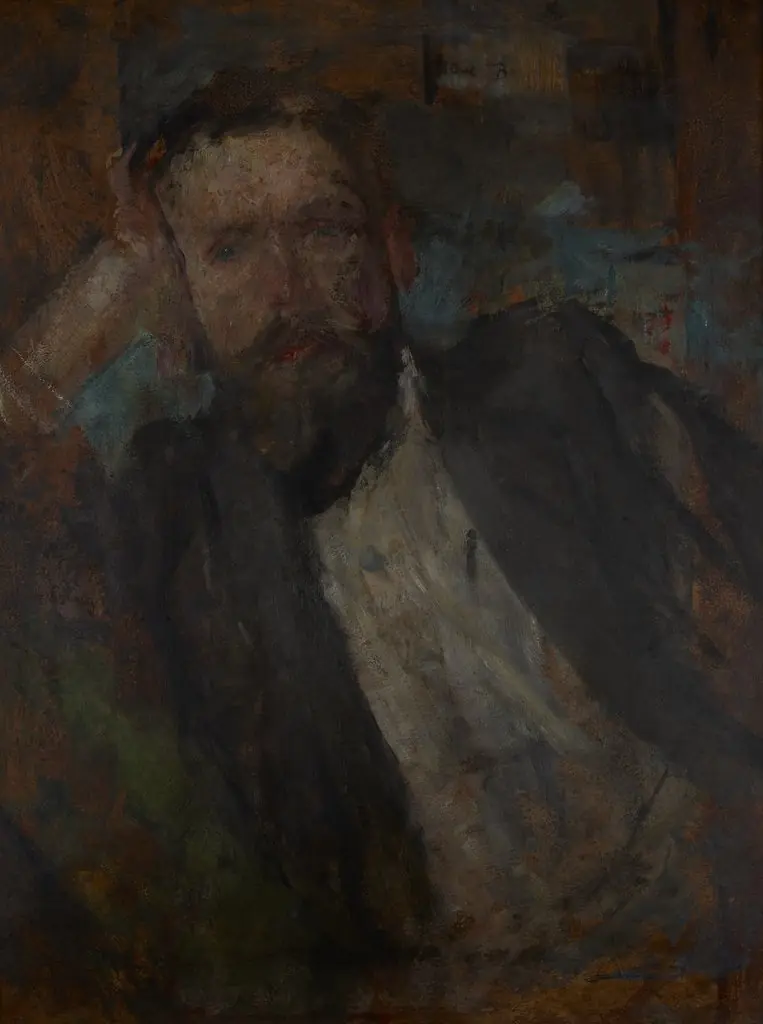 Male Portrait – two-sided painting
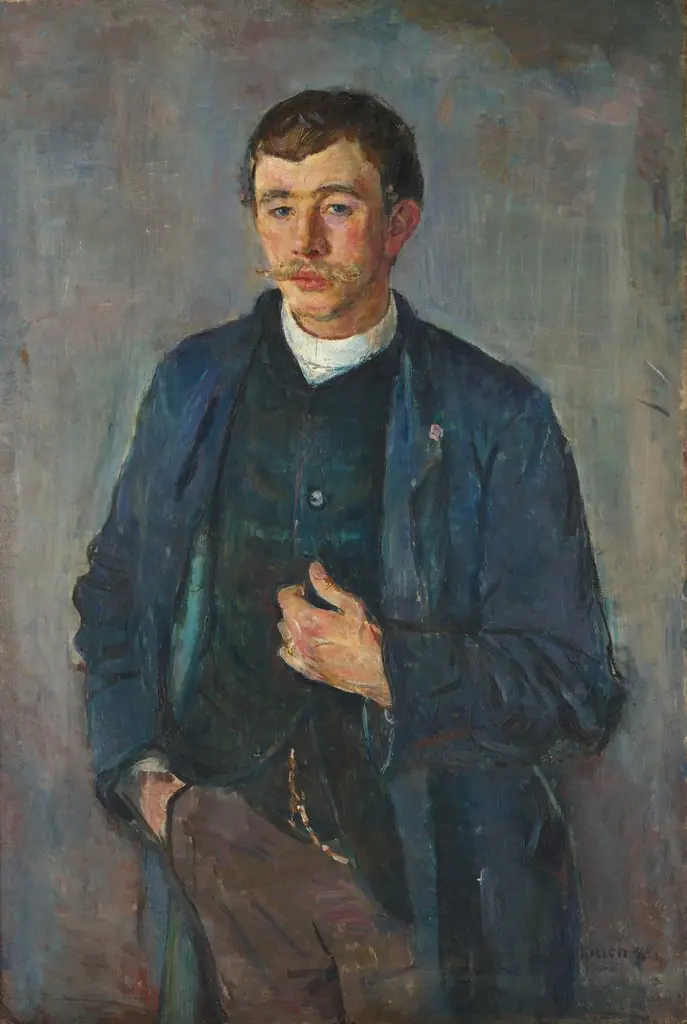 Thorvald Torgersen