Artwork
Album of Landscapes: Leaf 8
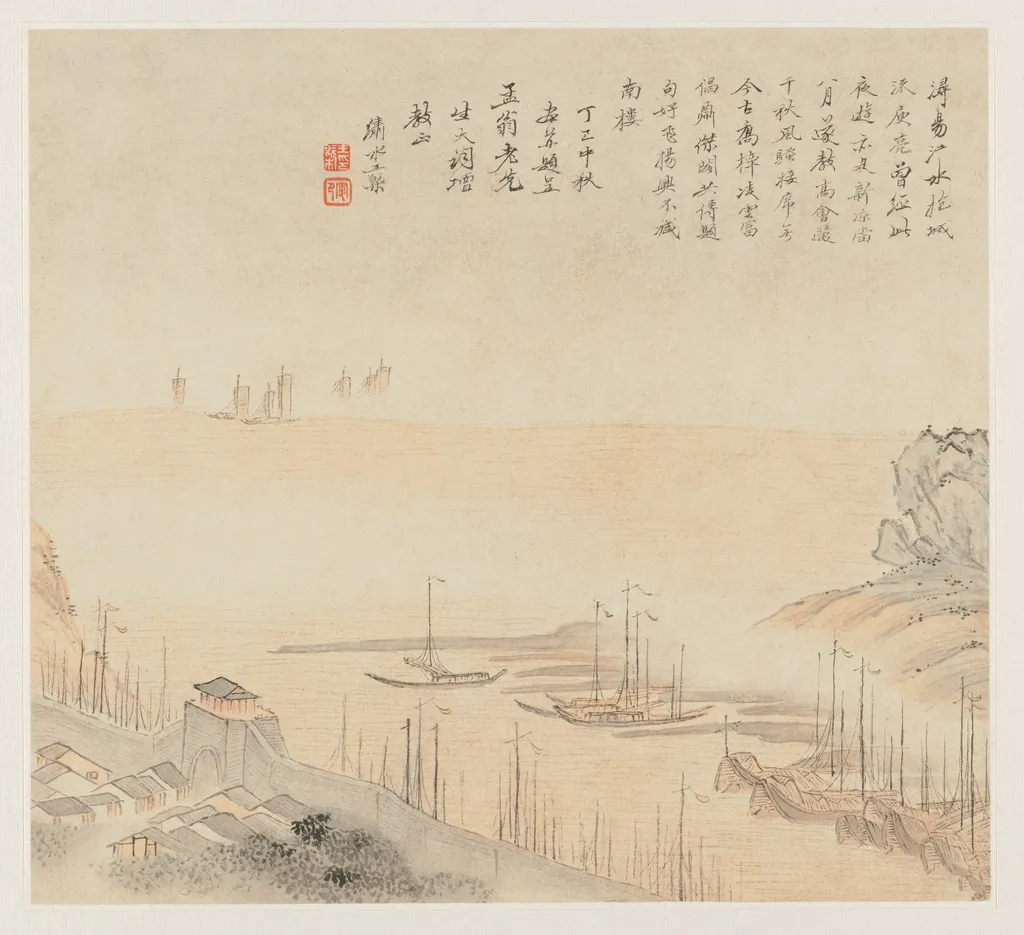
Album of Landscapes: Leaf 8 is an unspecified painting by the Chinese Orthodox School artist Wang Gai. It dates from 1689 and is held in the collection of the Cleveland Museum of Art.
About this work
Technique & Style
The composition emphasizes negative space and asymmetrical balance, reflecting literati aesthetic principles of the period.
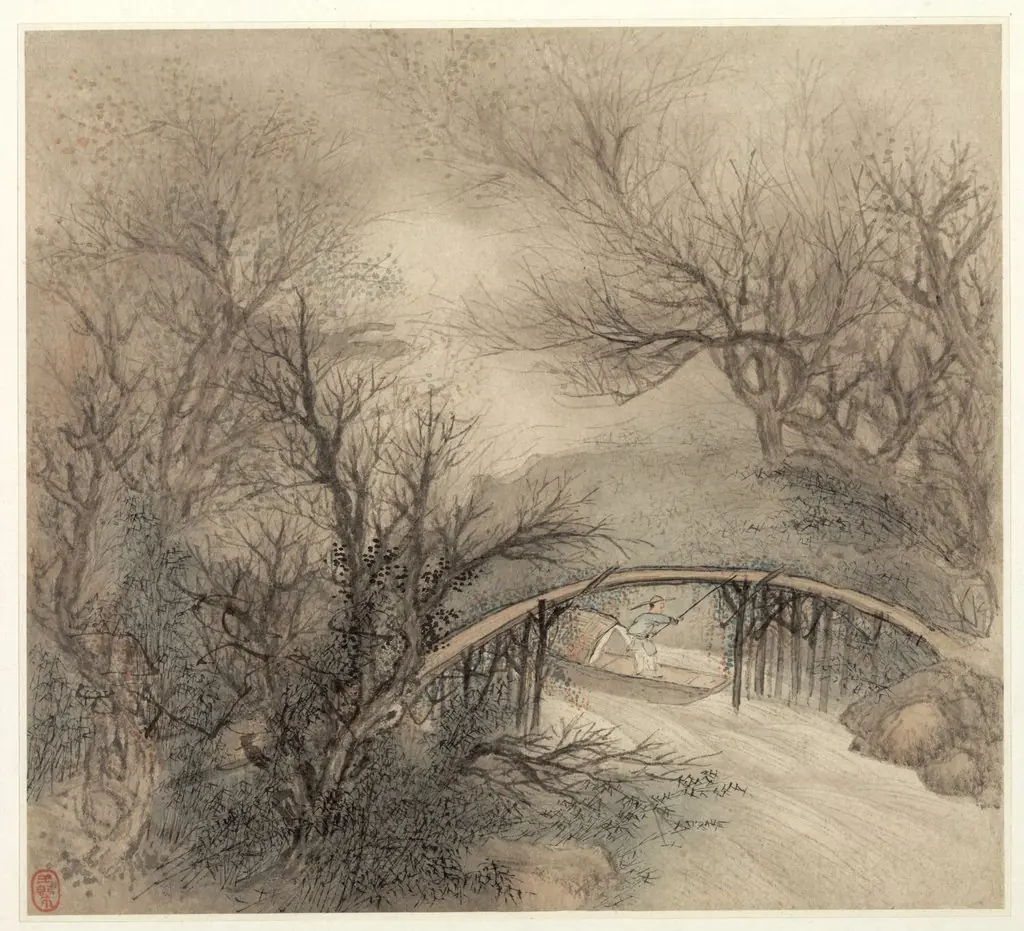
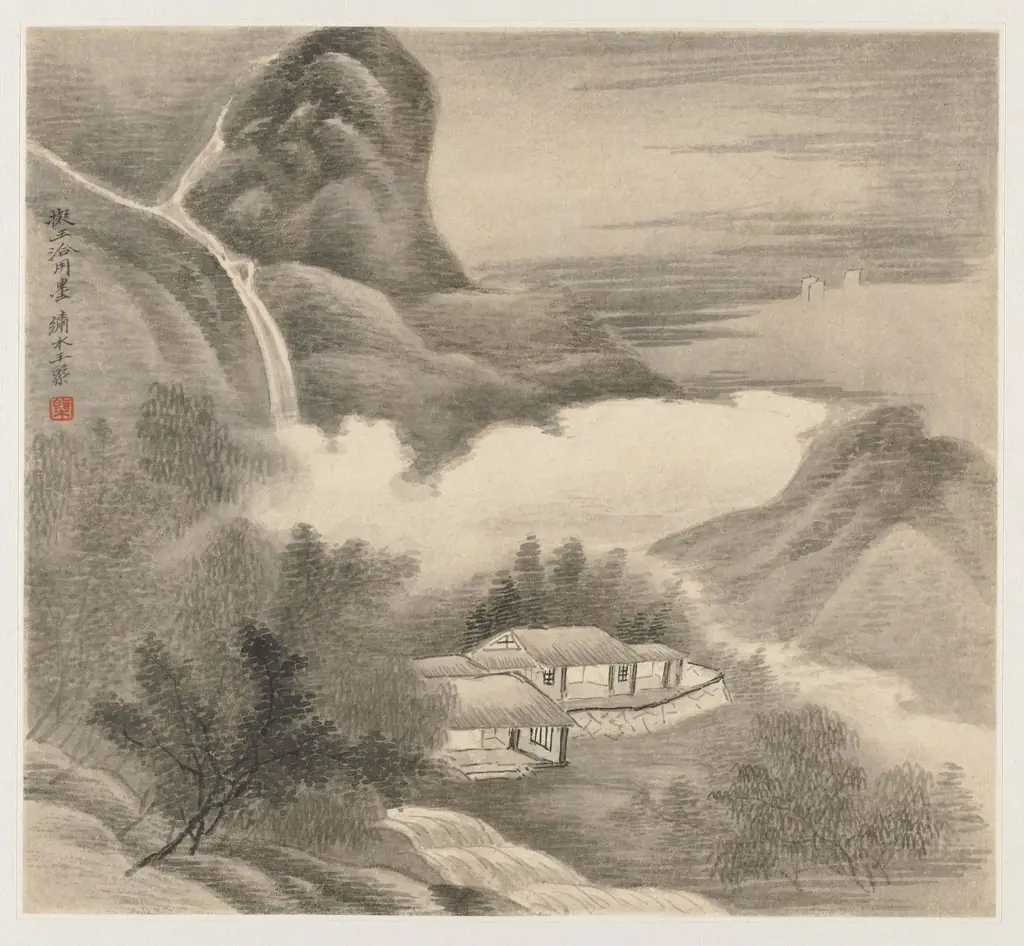
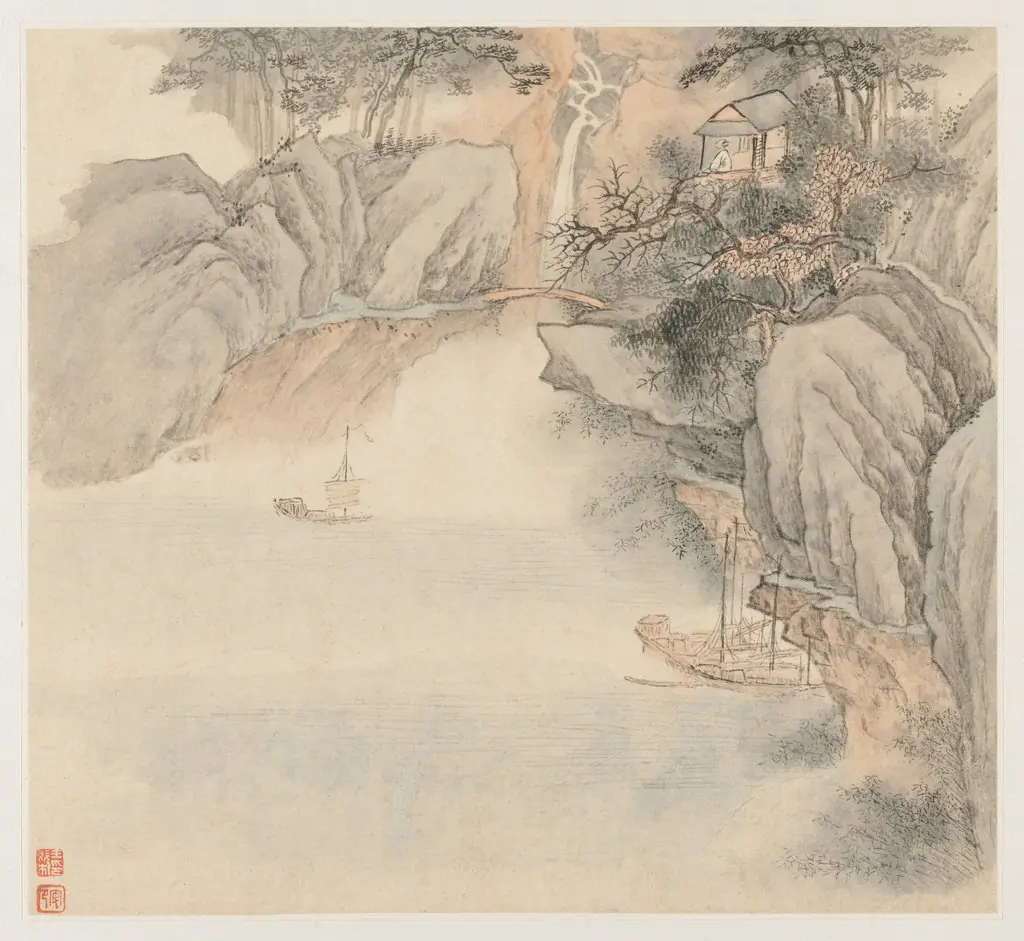
The work is a leaf from a 17th-century album of landscapes painted in ink and color on paper. It depicts a solitary pine tree and rock formation within a misty mountain setting, rendered with delicate brushwork and subtle tonal gradations characteristic of Wang Gai's style. The composition emphasizes negative space and asymmetrical balance, reflecting literati aesthetic principles of the period.
The painting is recorded as accession 1975.64.8 in the Cleveland Museum of Art collection, where it remains in stable condition.
History & Provenance
The leaf is dated 1677 and attributed to Wang Gai, placing its creation during his active period in late‑seventeenth‑century China.
It entered the Cleveland Museum of Art as accession number 1975.64.8, indicating acquisition in 1975. The album’s provenance prior to that date is not specified in available records.
The painting Album of Landscapes: Leaf 8 by Wang Gai is part of the Cleveland Museum of Art's collection, listed under inventory number 1975.64.8. It was created in China in 1677 and has been displayed at the Cleveland Museum of Art as part of its permanent collection exhibitions.
Overview
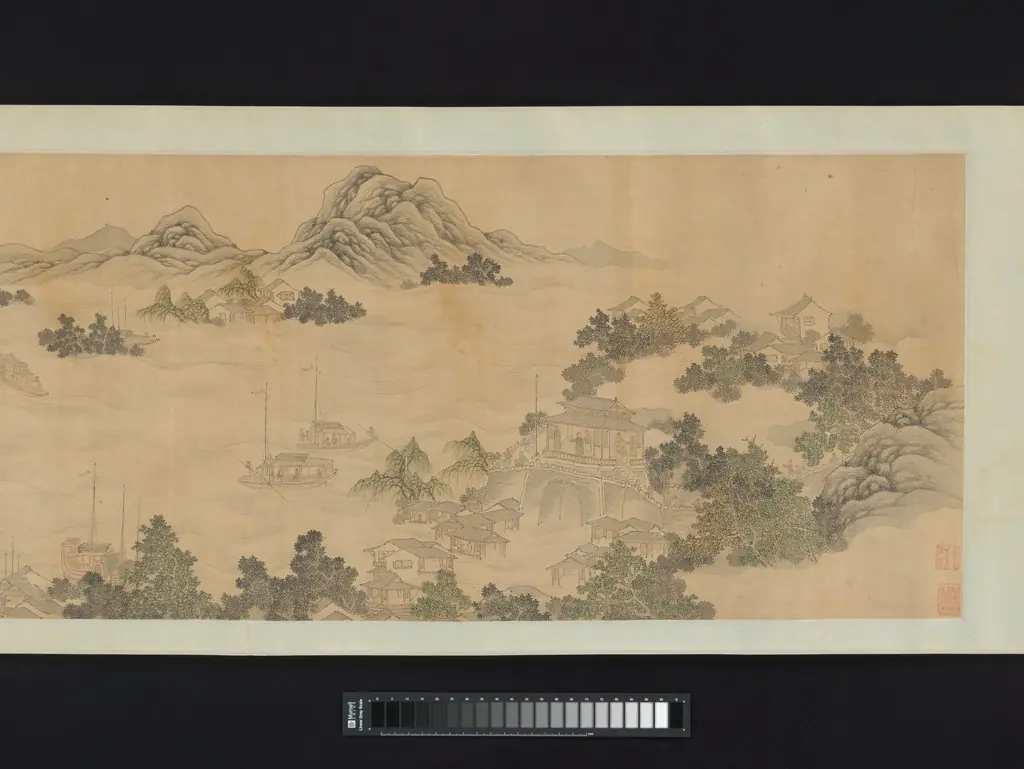
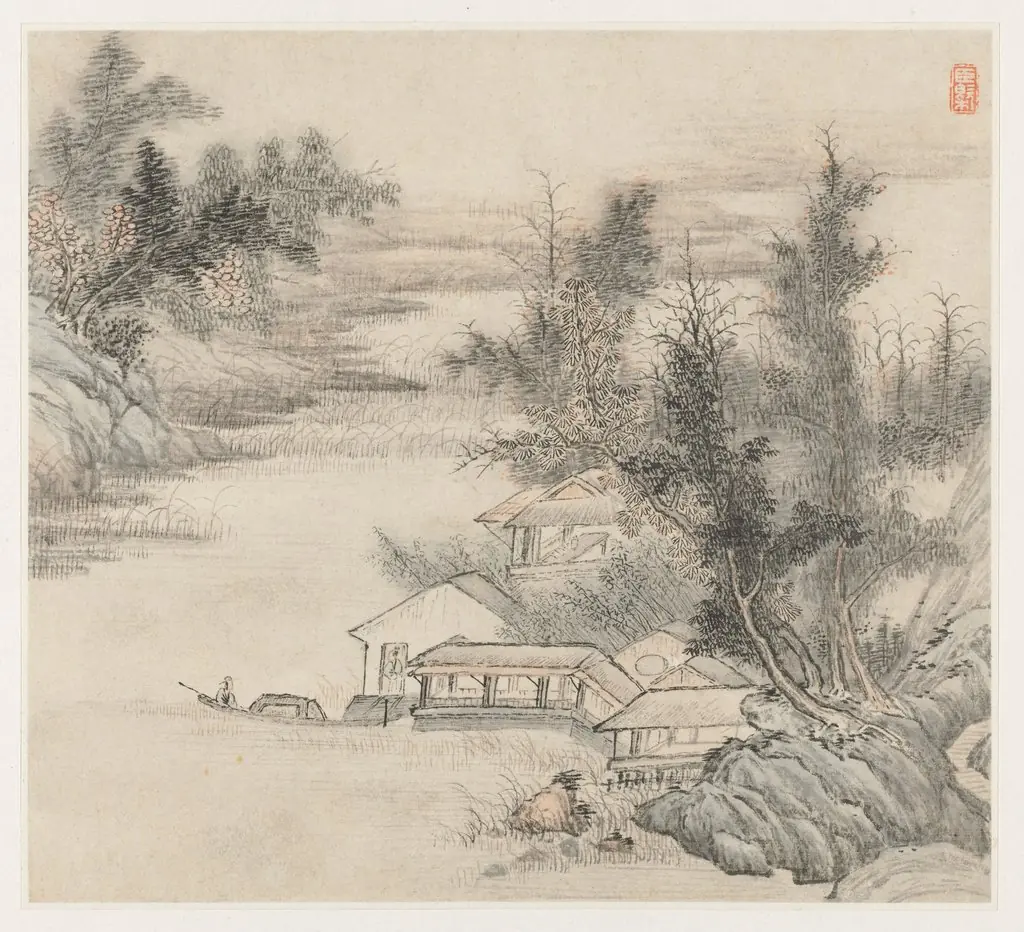
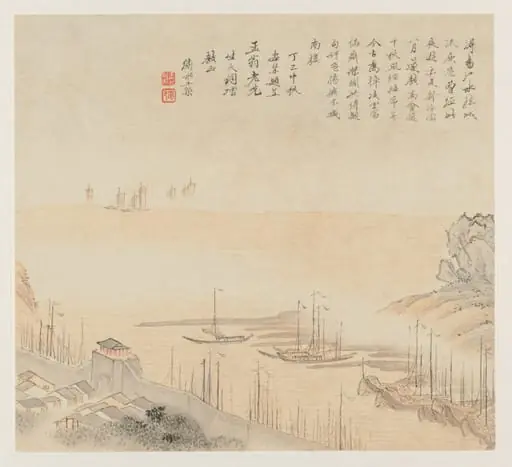
Album of Landscapes: Leaf 8, painted by Wang Gai in 1689, is a modest river scene now in the collection of the Cleveland Museum of Art. The work presents a tranquil waterway flanked by a low wall, a cluster of modest tiled-roof structures, and slender trees that frame the composition toward a softly lit horizon.
Subject & Meaning
The painting depicts a quiet riverside where small boats drift near a protective wall, suggesting a peaceful daily life. The distant hills dissolve into a pale sky, evoking a sense of calm and the passage of time. The inclusion of Chinese calligraphic verse at the top adds a literary dimension, inviting contemplation of nature’s harmony.
Context
Wang Gai worked within the literati tradition that valued personal expression and poetic accompaniment in landscape painting. The work’s inclusion in an album format suggests it was part of a larger series intended for scholarly or private enjoyment, a common practice among educated elites of the Qing dynasty.
Own this work as a print
Artist & collection