Artwork
Album of Landscapes
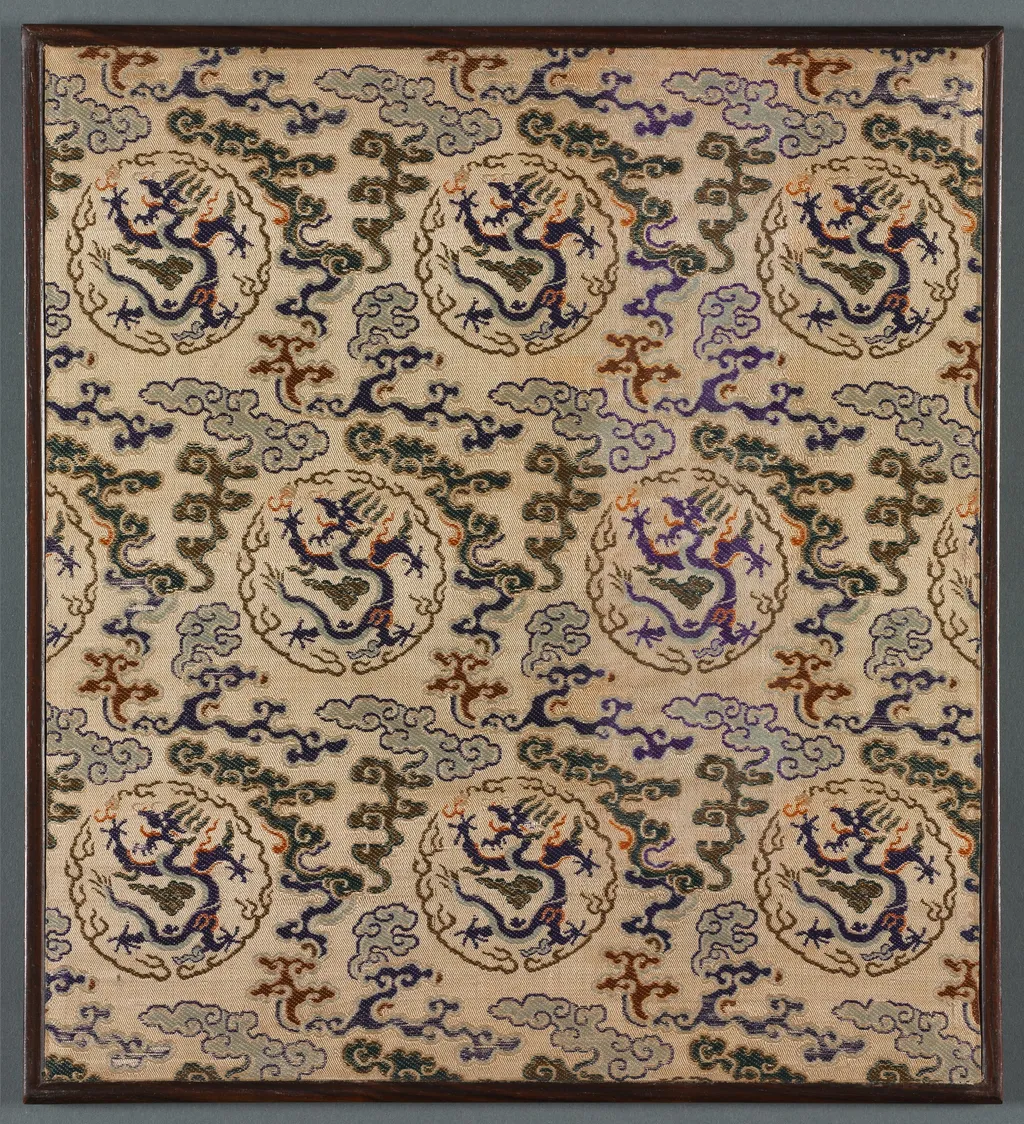
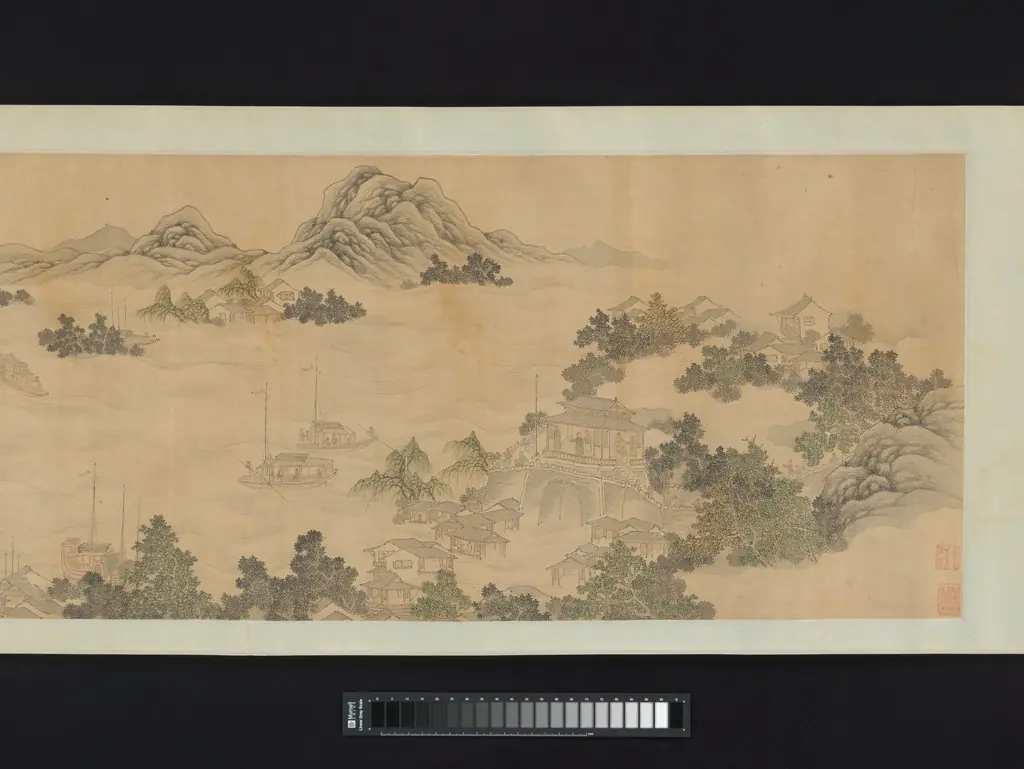
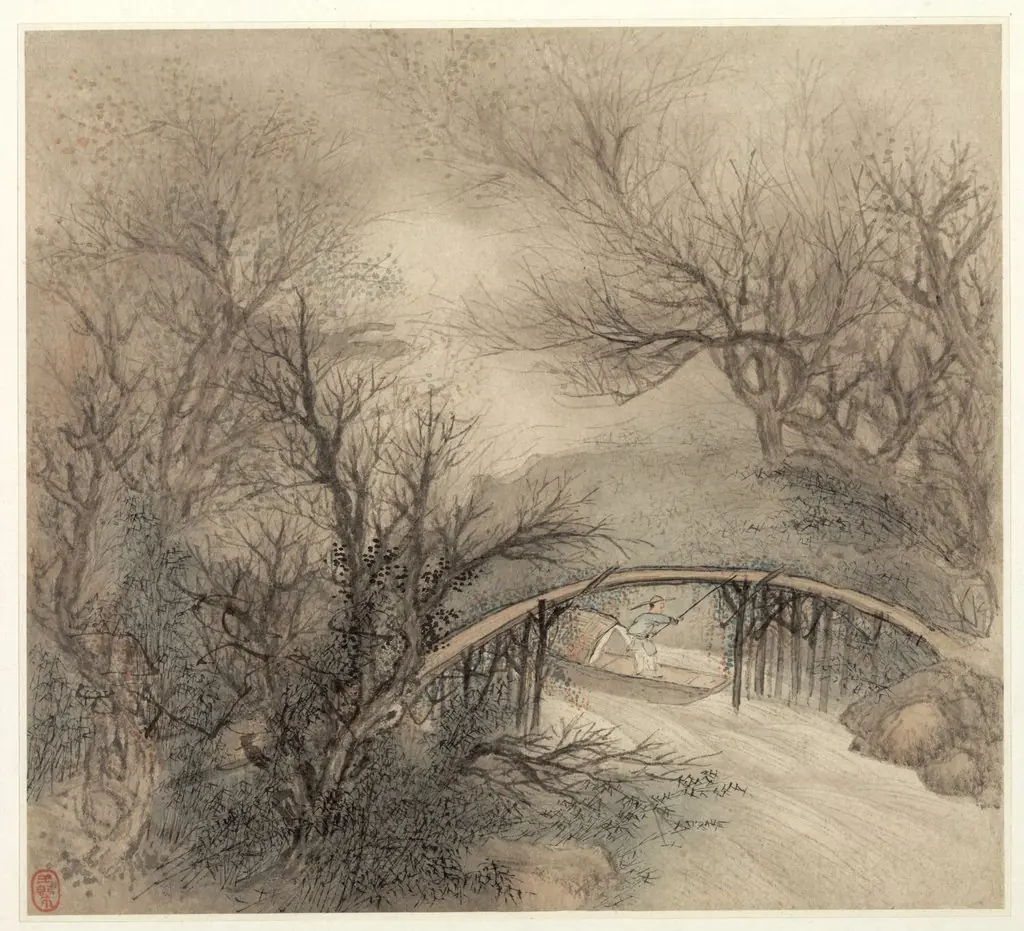
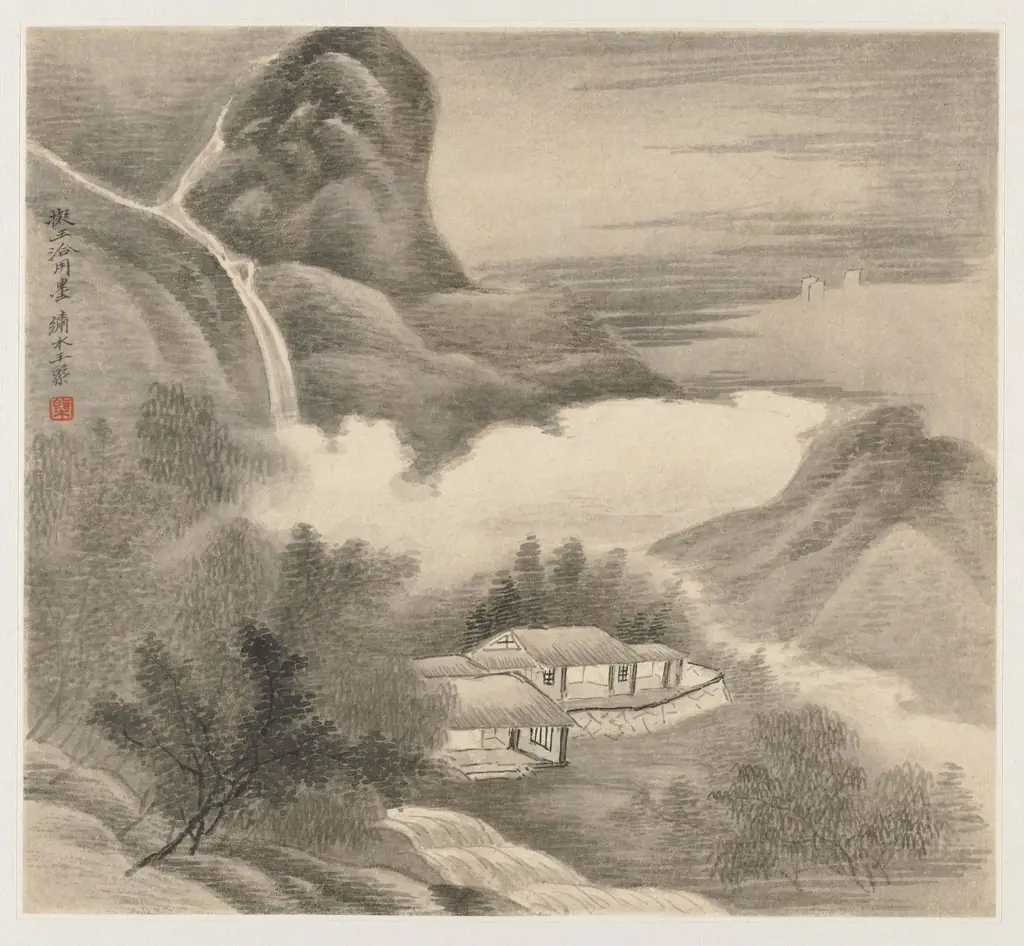
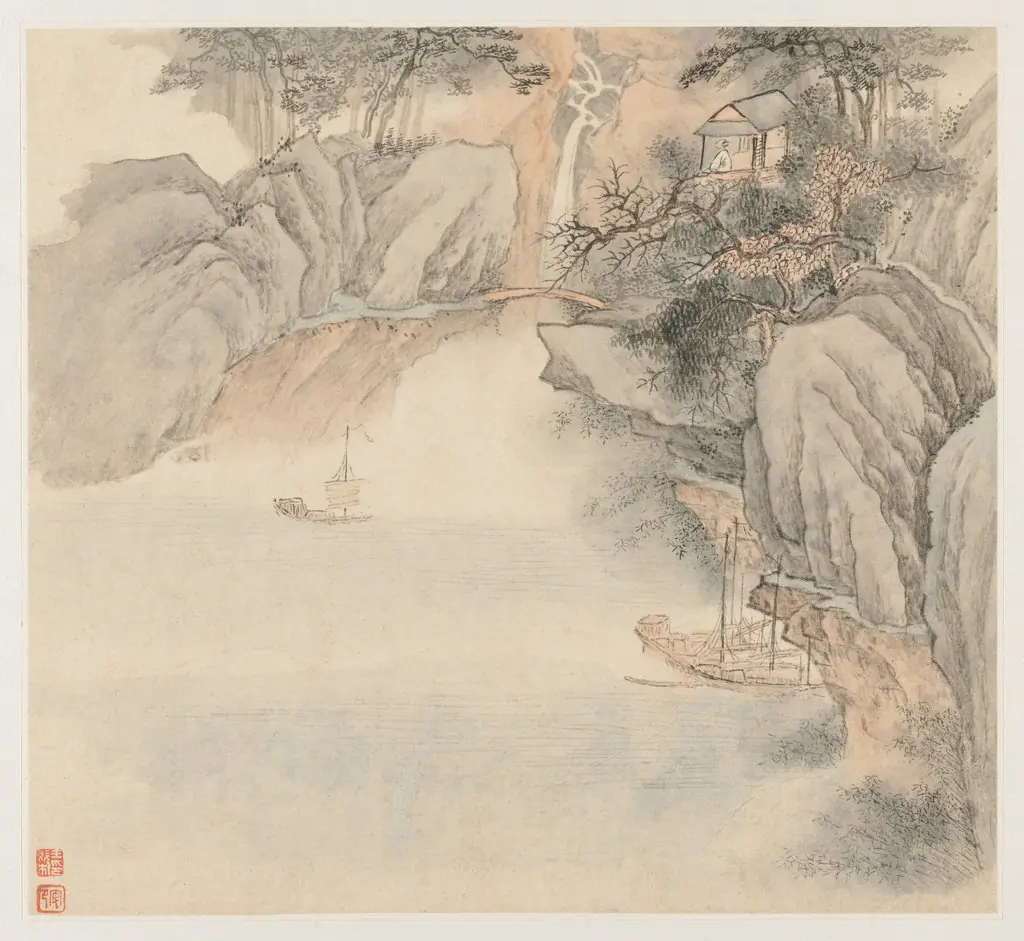
Album of Landscapes is an unspecified painting by the Qing dynasty painting artist Wang Gai. It dates from 1689 and is held in the collection of the Cleveland Museum of Art.
About this work
History & Provenance
No further details regarding specific commissions or intermediate owners prior to the museum's acquisition are provided in the available records.
The Album of Landscapes was created in 1677 by the Chinese artist Wang Gai, who was active during the late seventeenth century. Produced in China, this landscape painting dates specifically to that year according to institutional records. The work eventually entered the collection of the Cleveland Museum of Art, where it is held under the accession number 1975.64, indicating its acquisition by the museum in 1975.
No further details regarding specific commissions or intermediate owners prior to the museum's acquisition are provided in the available records.
Legacy
The album of landscapes by Wang Gai was collected by the Cleveland Museum of Art in 1975, ensuring the preservation of his late 17th-century Chinese landscape tradition. Its inclusion in the museum's holdings has contributed to renewed scholarly attention on Wang Gai's role in shaping regional landscape painting styles.
Overview
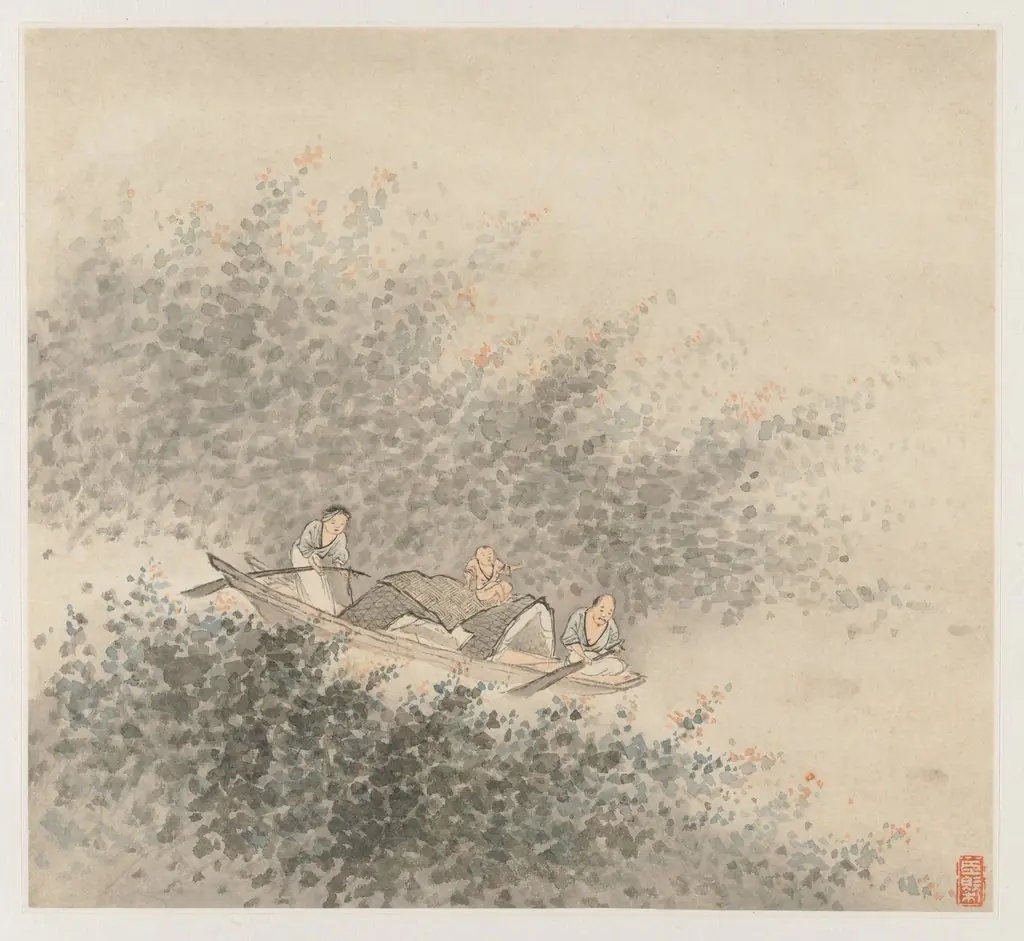
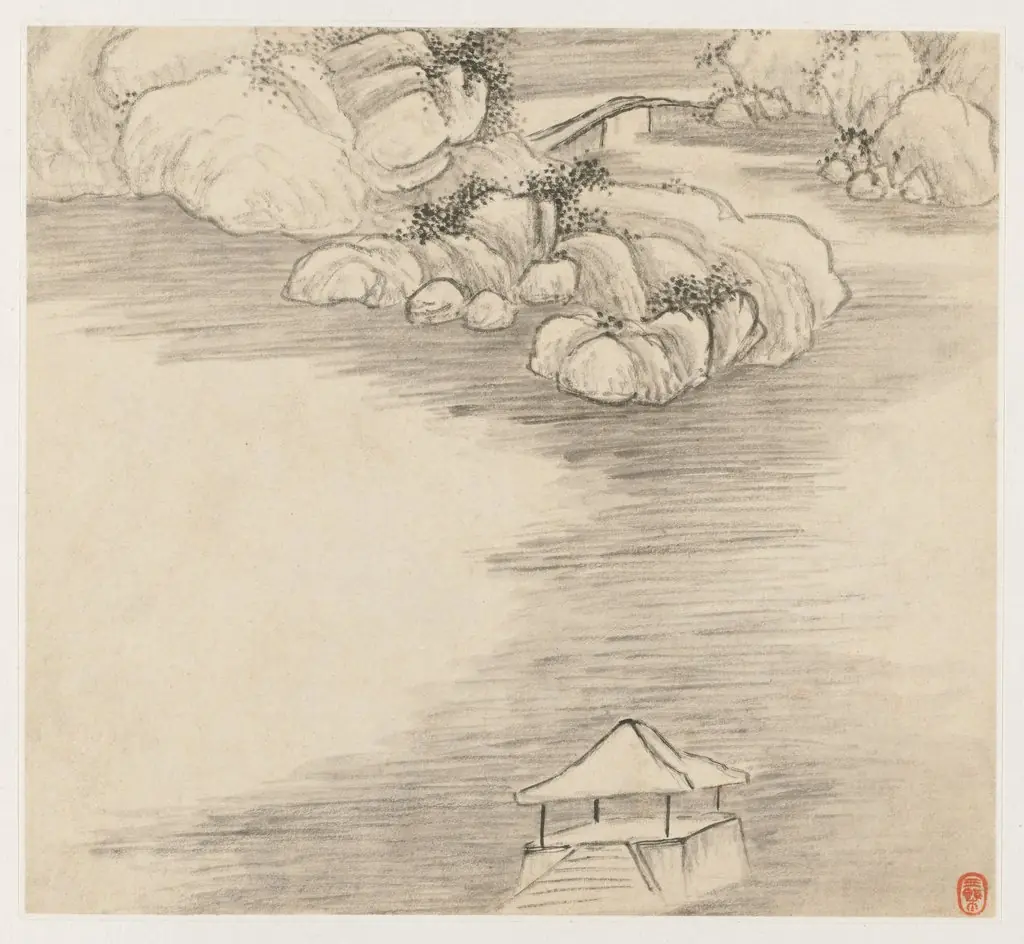
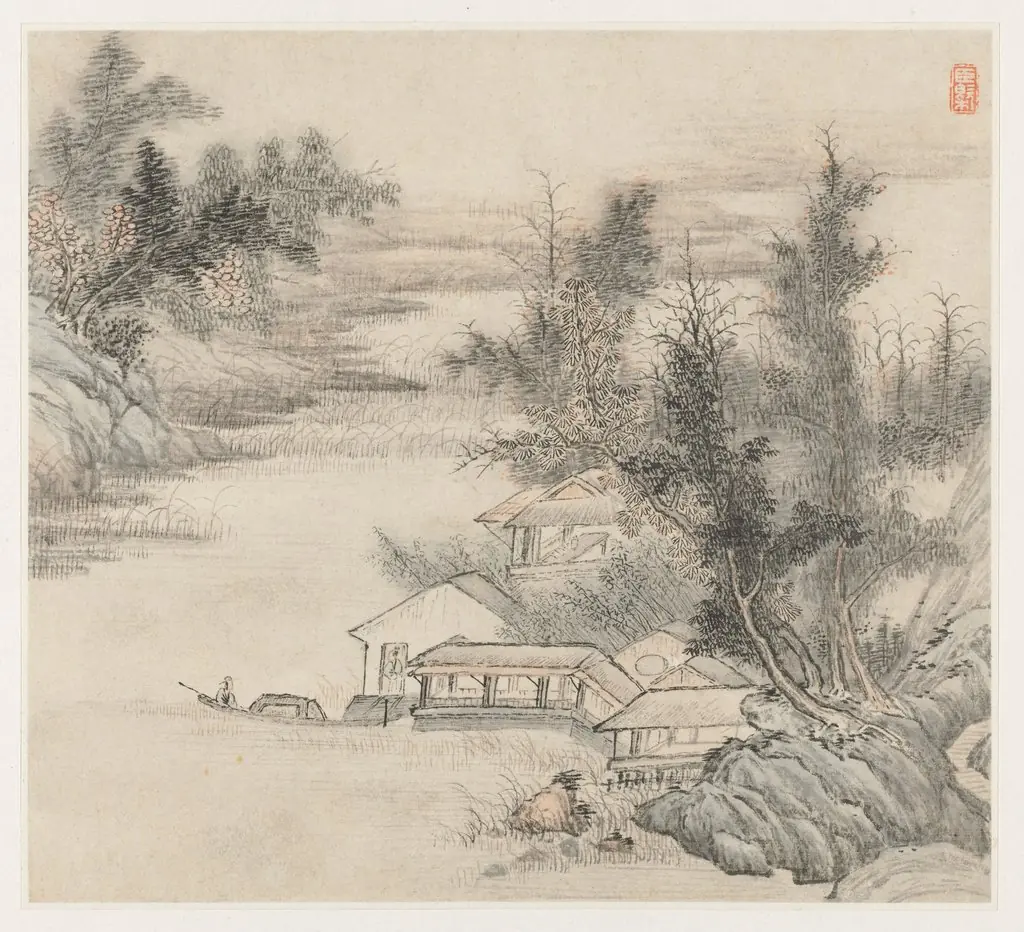
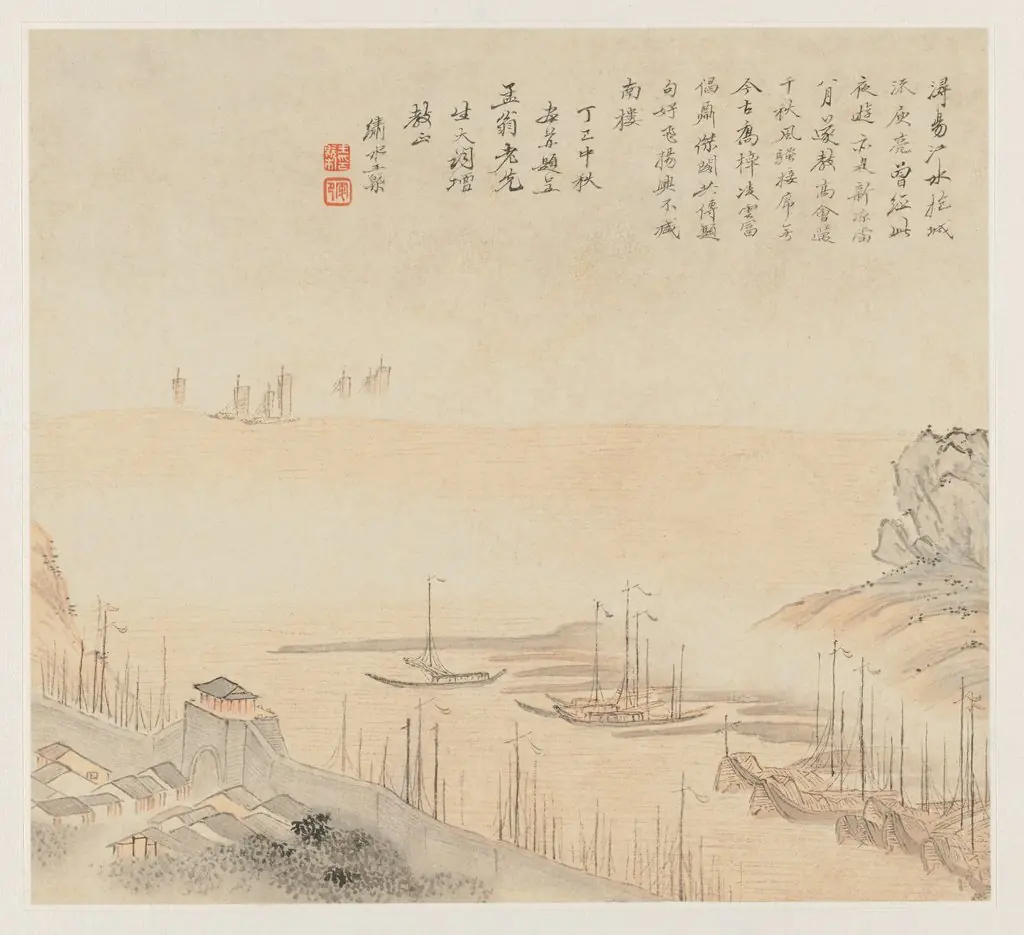
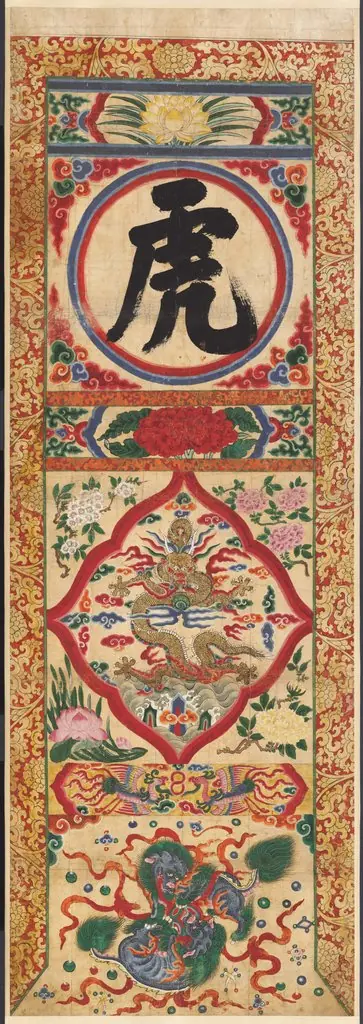
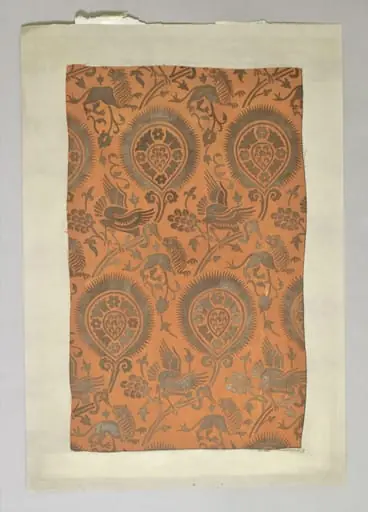
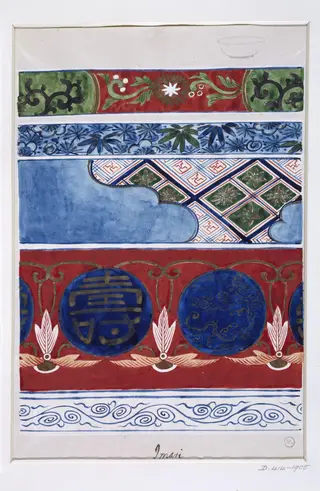
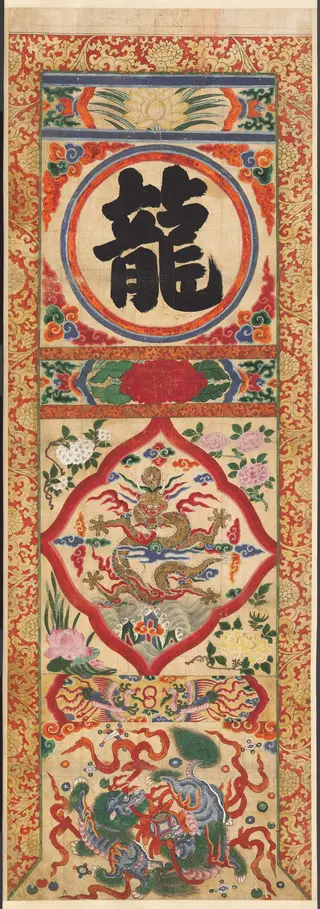
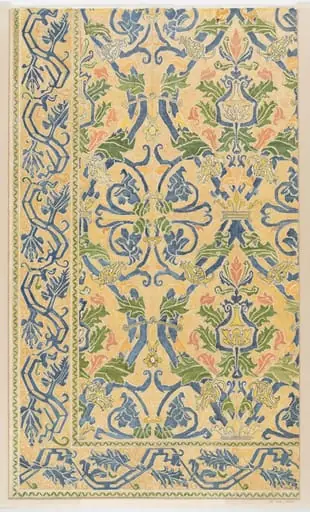
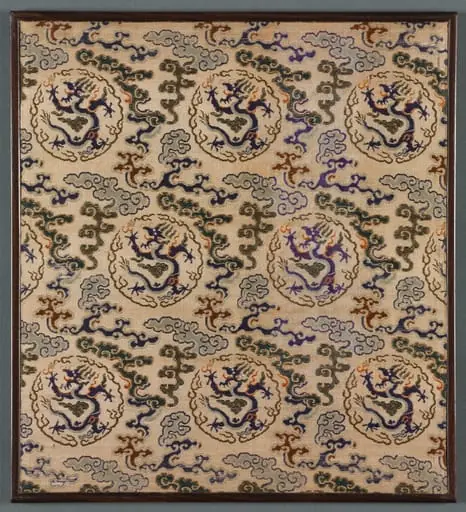
Album of Landscapes, painted by Wang Gai in 1689, is a square-format work framed in dark brown wood. The composition rests on a light beige ground that is densely covered with a repeating decorative motif of dragons, clouds and stylised waves.
Subject & Meaning
The central imagery consists of blue and orange dragons intertwined with swirling clouds and undulating water lines, a conventional symbolic program that evokes auspicious power and the natural world. The repetitive pattern creates a rhythmic visual field, suggesting an idealised, timeless landscape rather than a specific locale.
Technique & Style
Executed on a fabric or paper support, the painting displays a delicate, muted palette that emphasizes subtle tonal variations. Fine brushwork renders the intricate details of the dragons and atmospheric elements, while the visible texture of the substrate adds a tactile dimension to the surface.
Own this work as a print
Artist & collection