Artwork
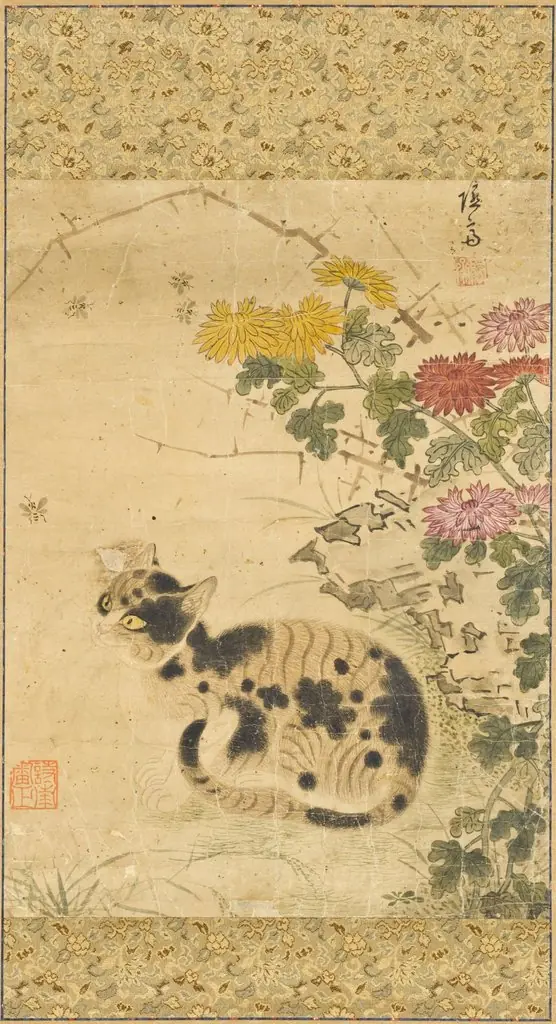
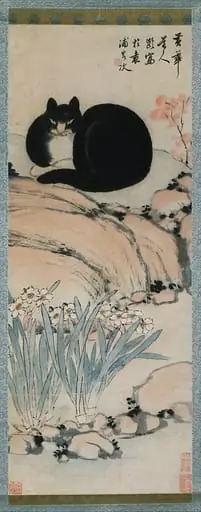
清 王禮 狸奴圖 軸|Cat
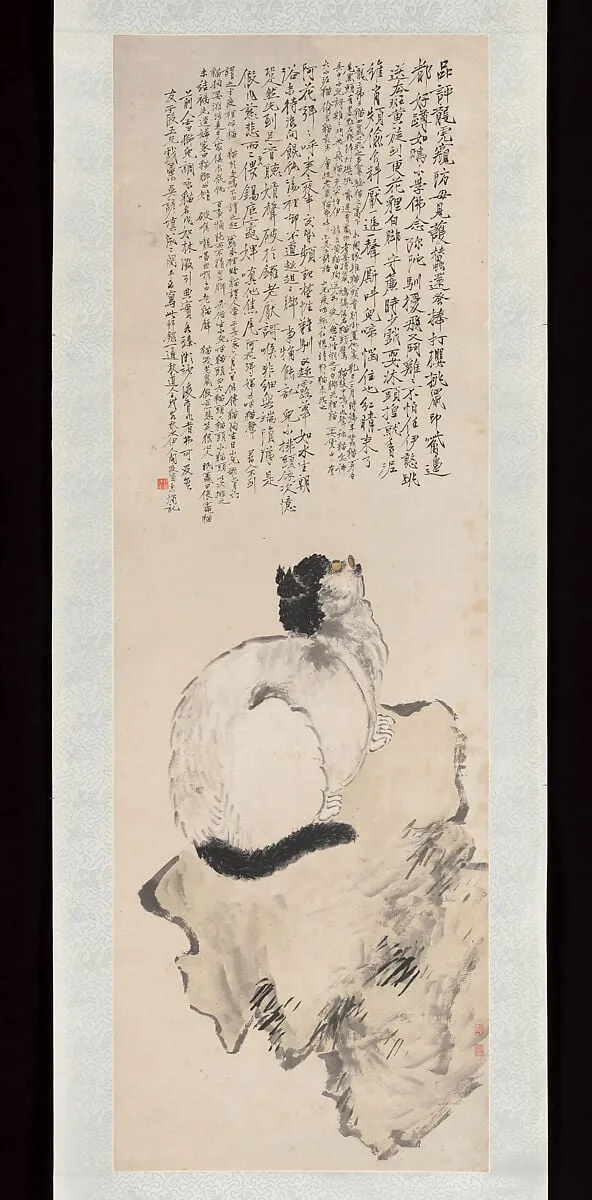
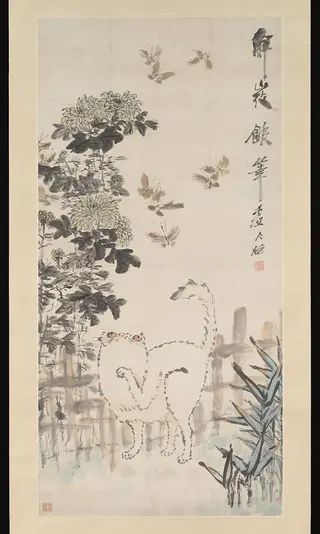
清 王禮 狸奴圖 軸|Cat is an ink painting by the Qing dynasty painting artist Wang Li. It dates from 1846 and is held in the collection of the Metropolitan Museum of Art.
About this work
Technique & Style
The scroll's surface shows careful handling, preserving the delicate ink lines and subtle pigment washes characteristic of 19th‑century Qing court painting.
The work is a hanging scroll executed in ink and color on paper, depicting a cat in portrait orientation. It measures 120.3 cm in height and 39.7 cm in width, reflecting traditional Chinese brush techniques and a refined use of color that emphasizes the animal's form and character.
The scroll's surface shows careful handling, preserving the delicate ink lines and subtle pigment washes characteristic of 19th‑century Qing court painting. Its composition balances negative space with detailed rendering, creating a sense of immediacy and elegance.
History & Provenance
Wang Li's hanging scroll Cat was created in 1846, a date confirmed across both the institutional record and the Wikidata entry for the work. The painting was produced in China, executed in ink and color on paper, and entered the collection of the Metropolitan Museum of Art, where it is currently held.
No further details regarding an earlier ownership chain, prior collectors, or a specific commissioning party are documented in the available sources.
The painting is held in the collection of the Metropolitan Museum of Art, where it is catalogued as a hanging scroll in ink and color on paper.
No specific inventory or accession number is recorded in the available sources, and no exhibition history is documented.
Overview
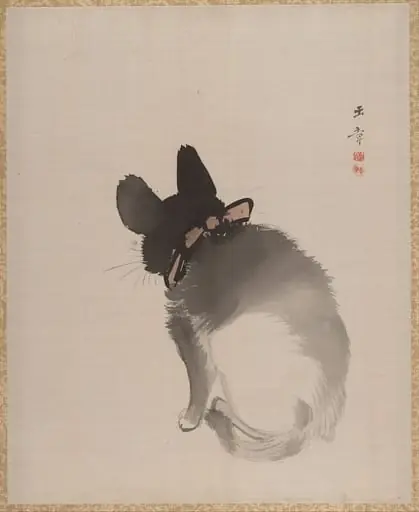
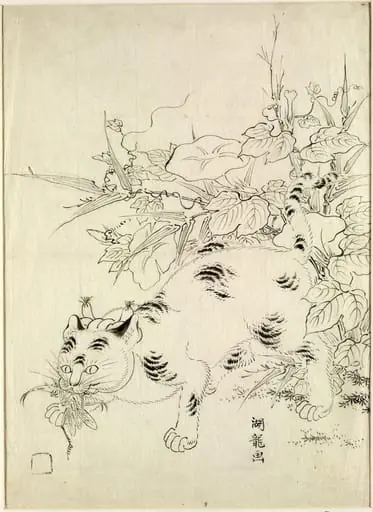
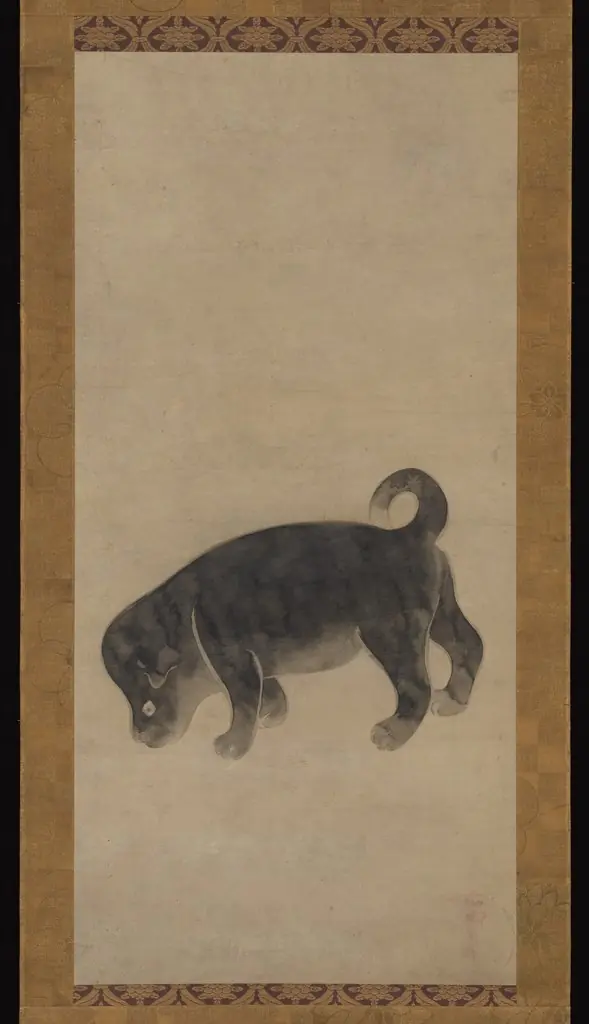
Wang Li’s hanging scroll, dated 1846, presents a solitary gray cat perched on a rock. Rendered in ink and color on paper, the composition balances the animal’s rounded form with a backdrop of stylized bamboo leaves, executed in swift black strokes that suggest movement.
Subject & Meaning
The feline is identified as a li nu, literally a “cat slave,” a motif in Chinese visual culture that links cats to auspiciousness and protective qualities. By portraying the cat in a relaxed pose, the work underscores the creature’s role as a bearer of good fortune.
Context
Created during the Qing dynasty, the piece reflects a broader trend among literati artists who favored expressive depictions of animals over strict realism. Such works often infused everyday subjects with personality, aligning with contemporary aesthetic values.
Artist & collection