Artwork
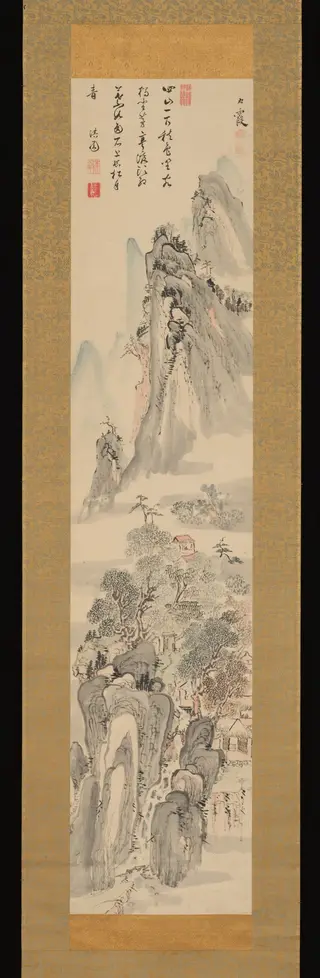
元 王蒙 素庵圖 軸|Simple Retreat
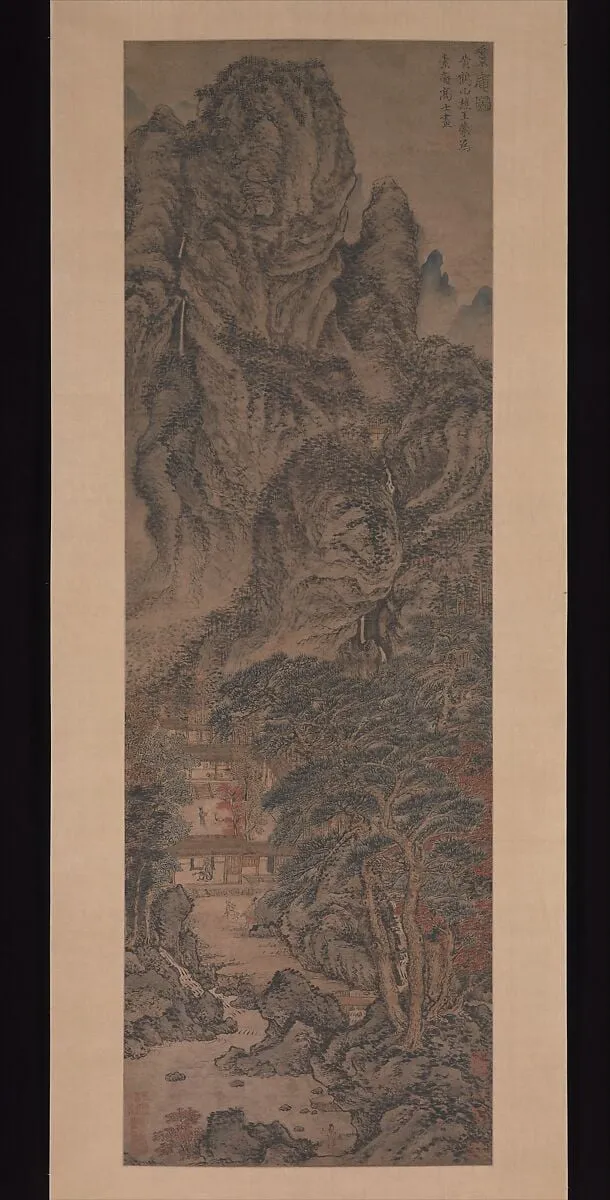
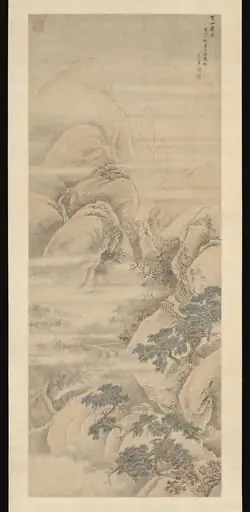
元 王蒙 素庵圖 軸|Simple Retreat is an ink painting by the Yuan dynasty literati painting artist Wang Meng. It dates from 1370 and is held in the collection of the Metropolitan Museum of Art.
- Accession no.
- 2012.526.2
- Credit line
- Ex coll.: C. C. Wang Family, Gift of Oscar L. Tang Family, 2012
About this work
Technique & Style
Executed in 1370, this hanging scroll by Wang Meng utilizes ink and color applied on paper as its primary medium and support.
Executed in 1370, this hanging scroll by Wang Meng utilizes ink and color applied on paper as its primary medium and support. The work is classified as a landscape painting, formally depicting mountainous terrain. The piece represents a defined genre of Chinese landscape art from the Yuan dynasty, characterized by its vertical scroll format and the integration of pigment with ink washes on a paper ground.
History & Provenance
Simple Retreat (素庵圖), a hanging scroll painted by Wang Meng in 1370, is held in the collection of the Metropolitan Museum of Art, as recorded in the institution's catalogue. Both sources classify it within the Met's paintings holdings and identify the museum as its current location. No specific accession number, acquisition date, or detailed exhibition history is documented in the available sources, so further provenance details beyond the holding institution cannot be verified.
Overview
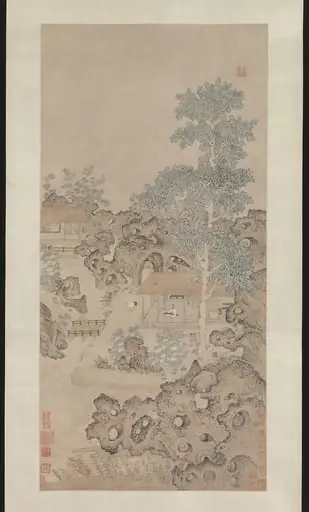
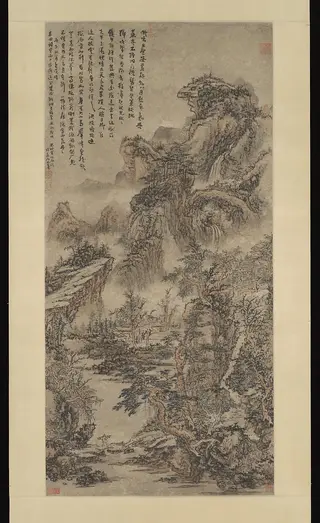
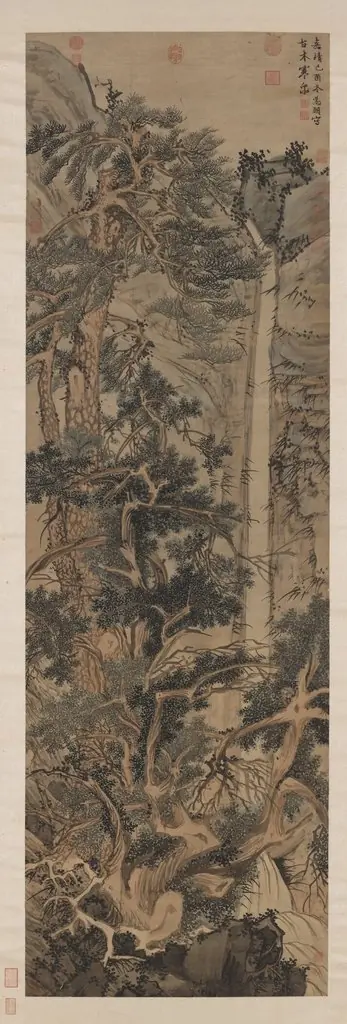
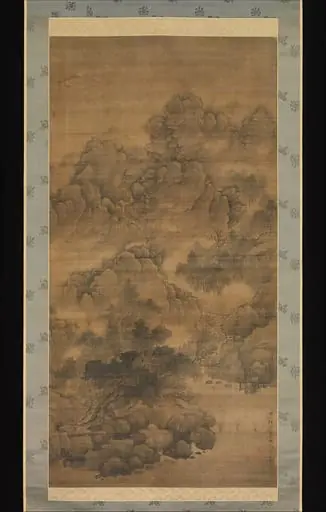
Simple Retreat (素庵圖) is a landscape painting by the Yuan dynasty artist Wang Meng, created around 1370. Rendered in ink and subtle colors on a hanging scroll, the work presents a towering mountain vista. It exemplifies the artist's distinctive approach to natural forms, emphasizing the raw power and intricate details of the landscape, with human presence appearing secondary to the vastness of nature.
Subject & Meaning
The composition centers on a monumental mountain, characterized by its sharp, angular contours that suggest a dynamic, almost geological process of formation. Amidst this imposing terrain, a solitary hut is nestled, nearly concealed within a fold of rock, accompanied by sparse, diminutive trees. This arrangement diminishes the human element, positioning it as an almost incidental detail within an overwhelming natural environment, underscoring the landscape's primary role.
Artist & collection