Artwork
Quails and Sparrows in an Autumn Scene
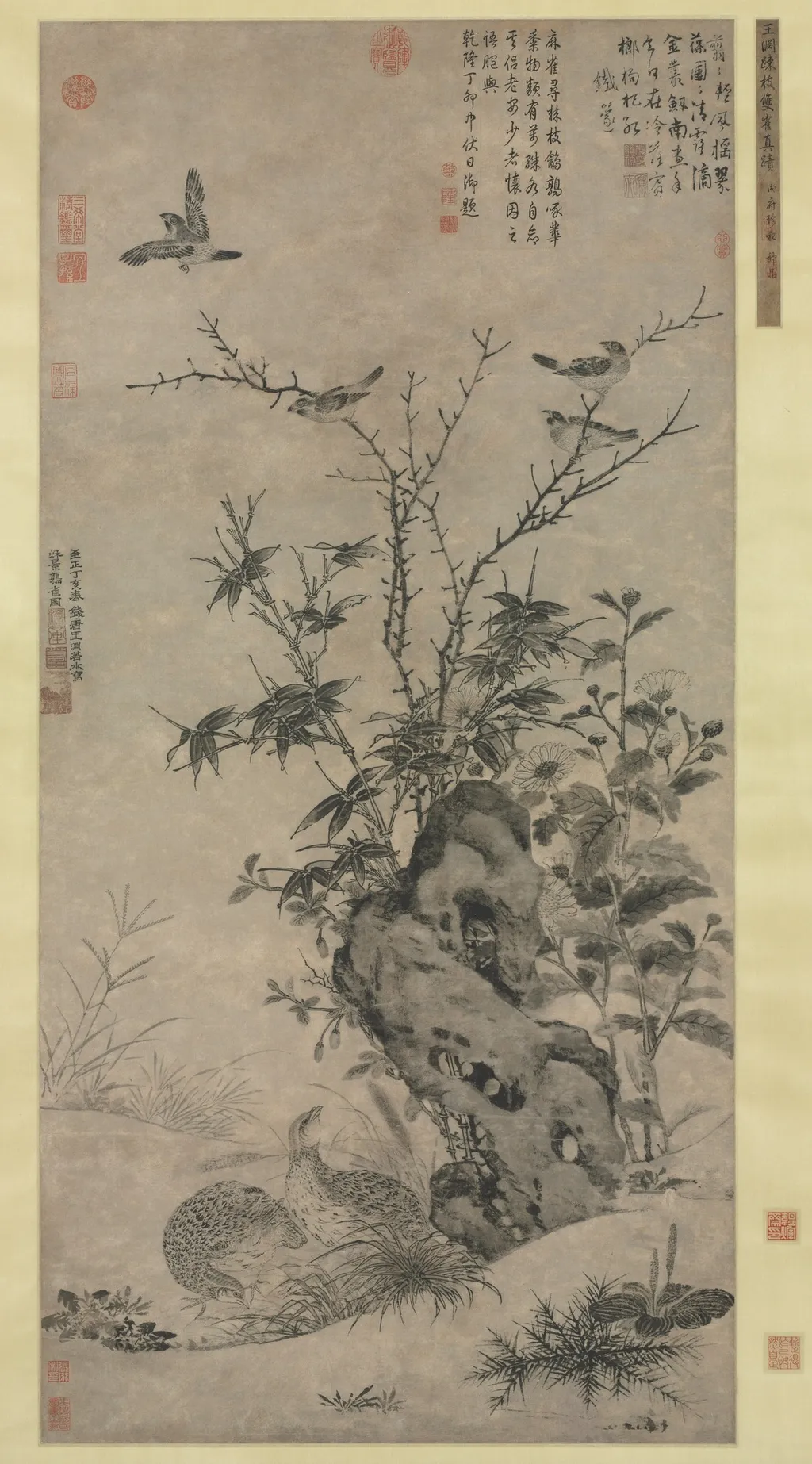
Quails and Sparrows in an Autumn Scene is an unspecified painting by the Song dynasty landscape artist Wang Yuan. It dates from 1347 and is held in the collection of the Cleveland Museum of Art.
About this work
Subject & Meaning
Its classification as a painting is given in the work’s record.
The work Quails and Sparrows in an Autumn Scene is a painting that portrays quails and sparrows amid an autumnal setting, a subject directly conveyed by its title. Attributed to the Yuan‑dynasty artist Wang Yuan and dated to 1347, the piece is held in the collection of the Cleveland Museum of Art in Cleveland, USA, and was made in China. Its classification as a painting is given in the work’s record.
Legacy
Quails and Sparrows in an Autumn Scene by Wang Yuan influenced subsequent Chinese painting through its atmospheric treatment of avian subjects and seasonal motifs. The work's compositional approach to bird-and-flower subjects informed later Southern Song and Yuan dynasty artists who refined similar themes. Its presence in the Cleveland Museum of Art collection has ensured continued scholarly attention to Wang Yuan's contribution to early Chinese narrative painting traditions.
The painting's legacy is anchored in its representation of Yuan dynasty artistic sensibilities, particularly in its delicate rendering of natural subjects within a cohesive landscape framework. This work remains frequently referenced in studies of Chinese bird-and-flower painting as an exemplar of the period's technical and aesthetic developments.
Overview
Quails and Sparrows in an Autumn Scene, painted by Wang Yuan in 1347, is an ink work on paper now in the collection of the Cleveland Museum of Art. The composition presents a tranquil woodland setting, centered on a solitary rock and a modest grouping of birds amid modest vegetation, with an uncluttered background that emphasizes the subjects.
Technique & Style
Wang Yuan employs restrained brushwork, using fine lines and subtle washes to render the birds, rocks, and foliage. Soft shading creates a sense of volume while maintaining an overall simplicity that allows each element to breathe. The delicate handling of ink and the minimal background reflect a literati aesthetic that values understatement and natural observation.
History & Provenance
Created in the mid‑14th century, the work eventually entered the holdings of the Cleveland Museum of Art, where it is displayed as part of the museum’s Asian art collection. The red seals along the margins are typical of the period, possibly indicating the artist’s mark or later collector’s annotations, confirming its historical authenticity.
Context
The piece belongs to a tradition of Chinese bird‑and‑flower painting that flourished during the Yuan dynasty, when scholar‑artists often expressed personal sentiment through modest natural subjects. Wang Yuan’s approach aligns with contemporary preferences for modest, contemplative scenes that serve both as visual poetry and as a vehicle for moral reflection.
Artist & collection


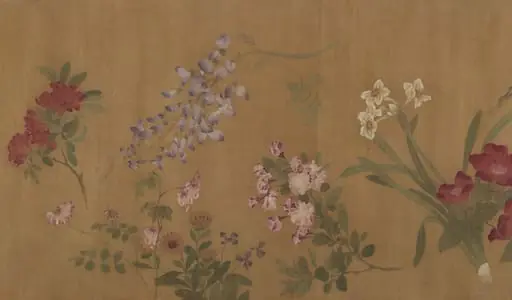
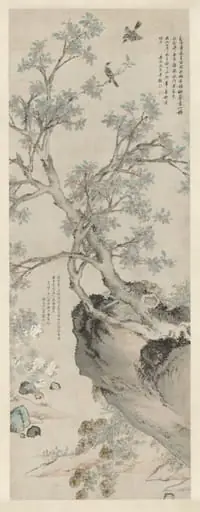 Yellow Chrysanthemums and Red Osmanthus in the Style of Wang Yuan
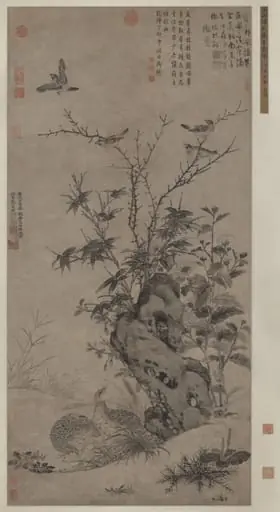 Quails and Sparrows in an Autumn Scene
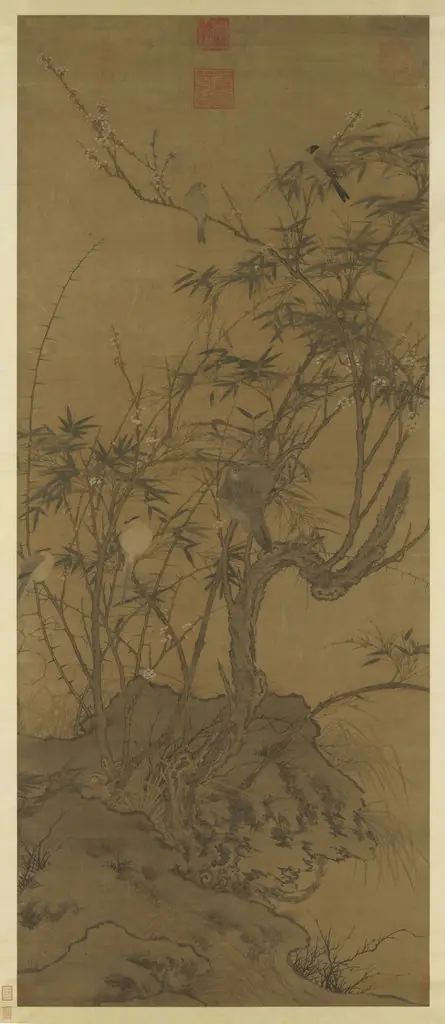 Plum Tree, Bamboo, and a Gathering of Birds
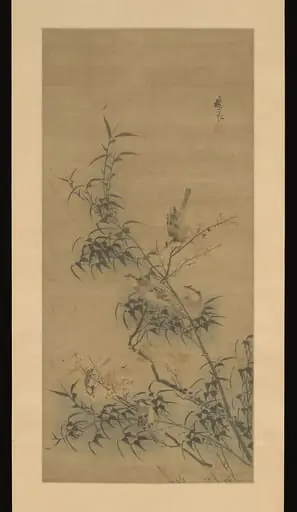 明 佚名 仿林良 喜上梅梢圖 軸|Birds Amidst Blossoming Plum and Bamboo
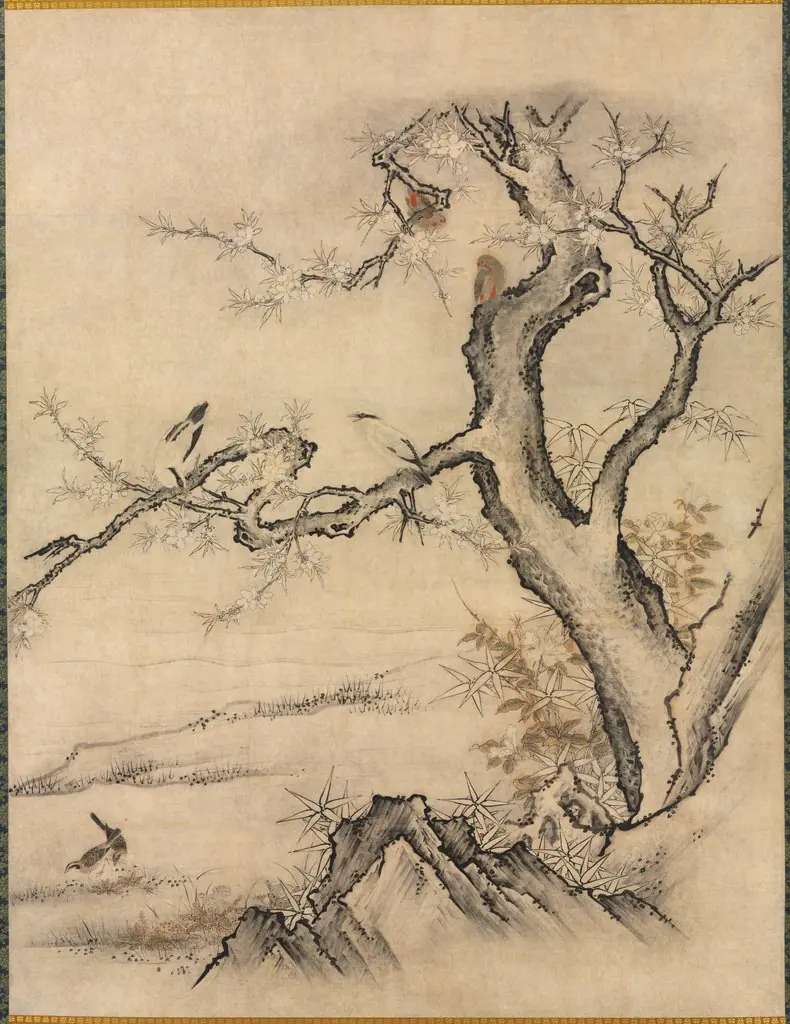 Flowers and Birds in a Spring Landscape
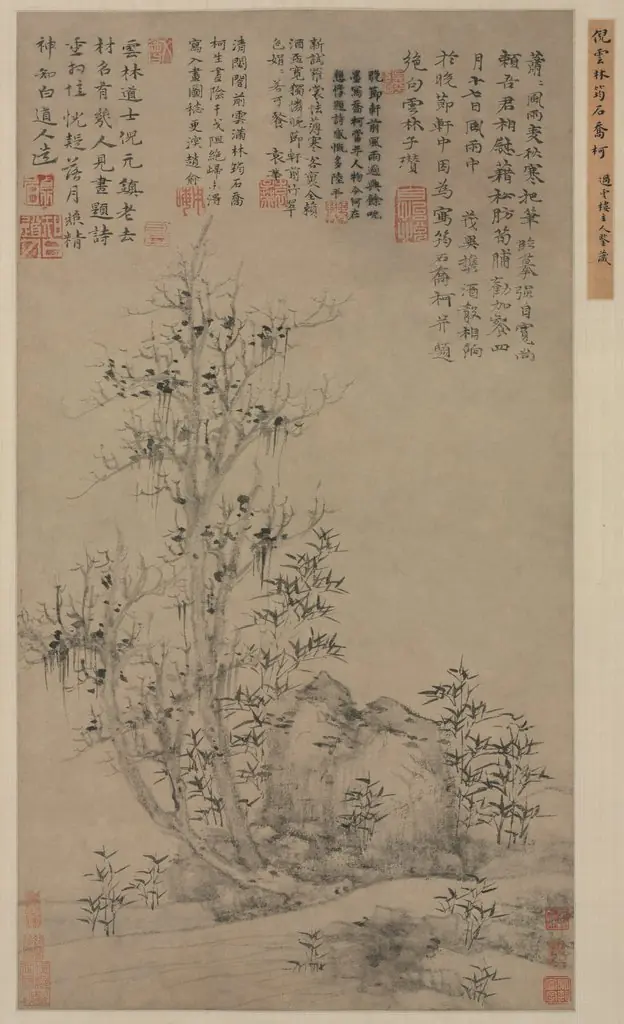 Bamboo, Rock, and Tall Tree
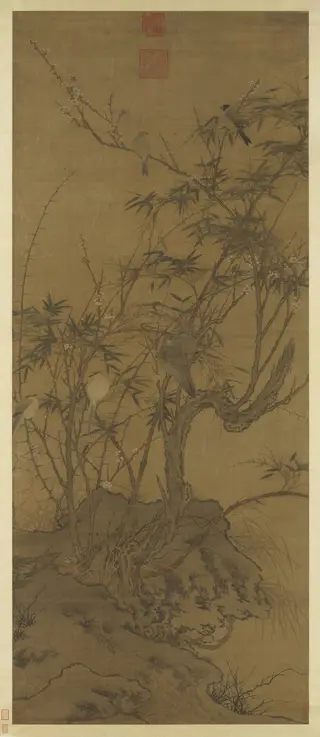 宋人梅竹聚禽圖 軸
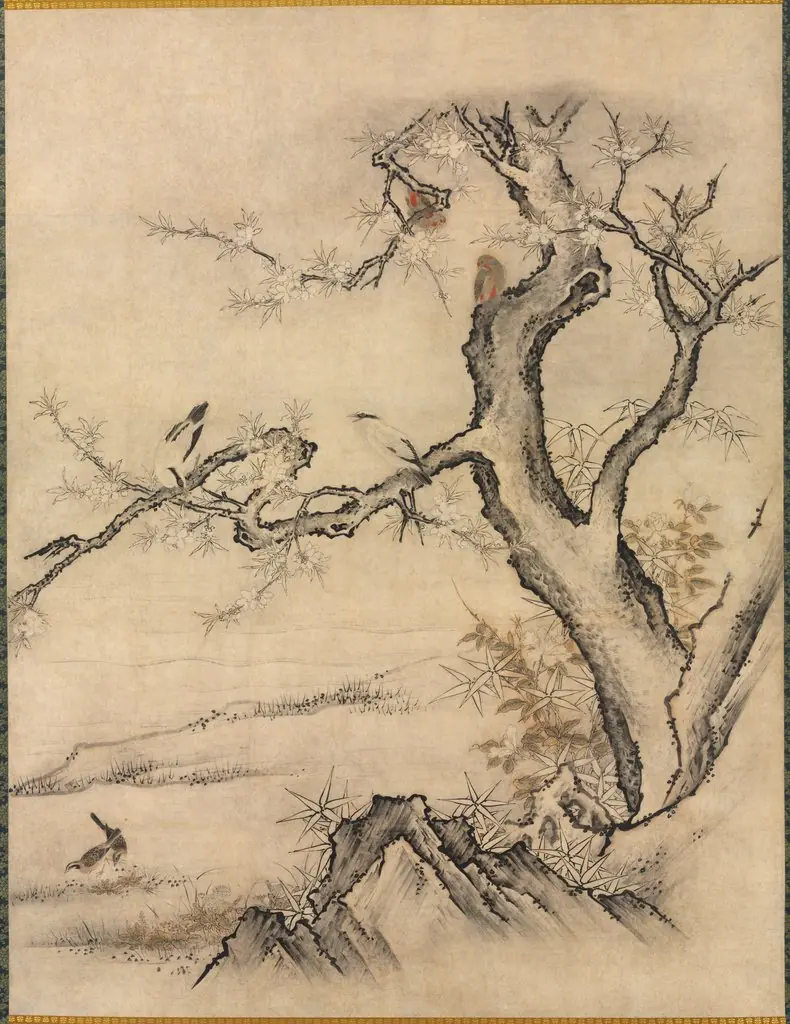 Flowers and Birds in a Spring Landscape
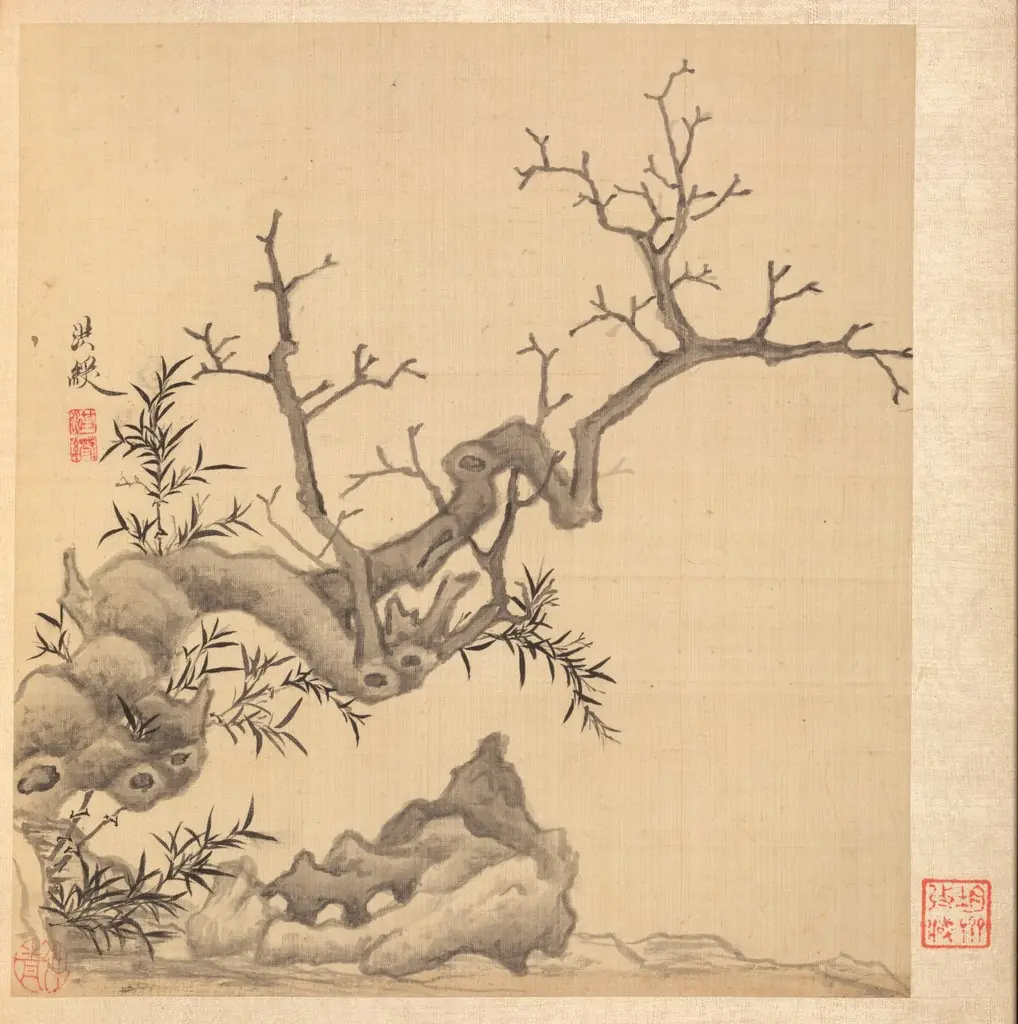 Paintings after Ancient Masters: Rock, Old Tree, and Bamboo
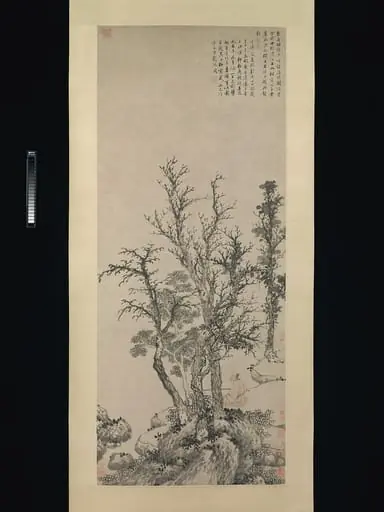 明 沈周 秋林閒釣圖 軸|Silent fisherman in an autumn wood
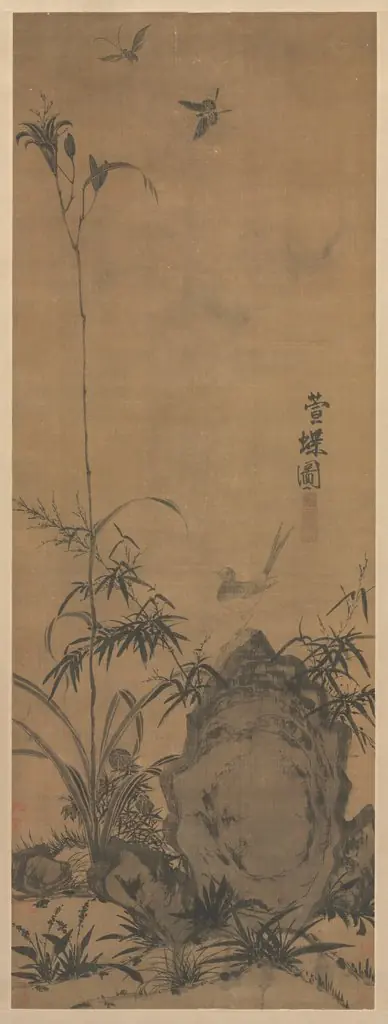 Lily and Butterflies
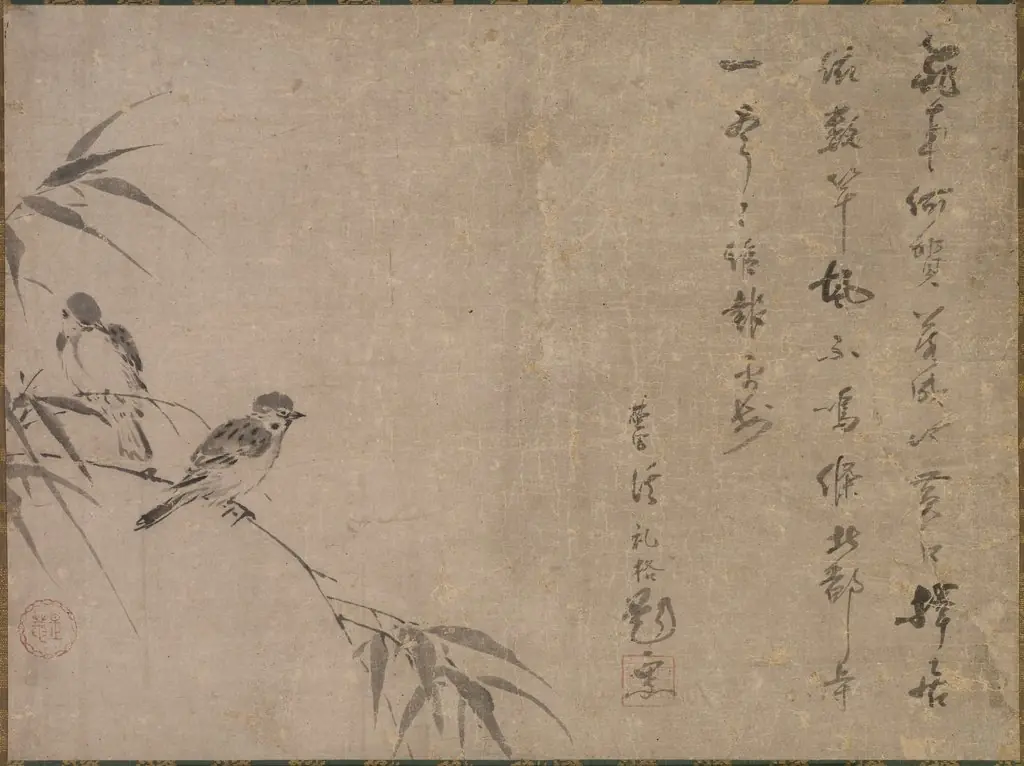
- Sparrows and Bamboo