Artwork
Kirkossa
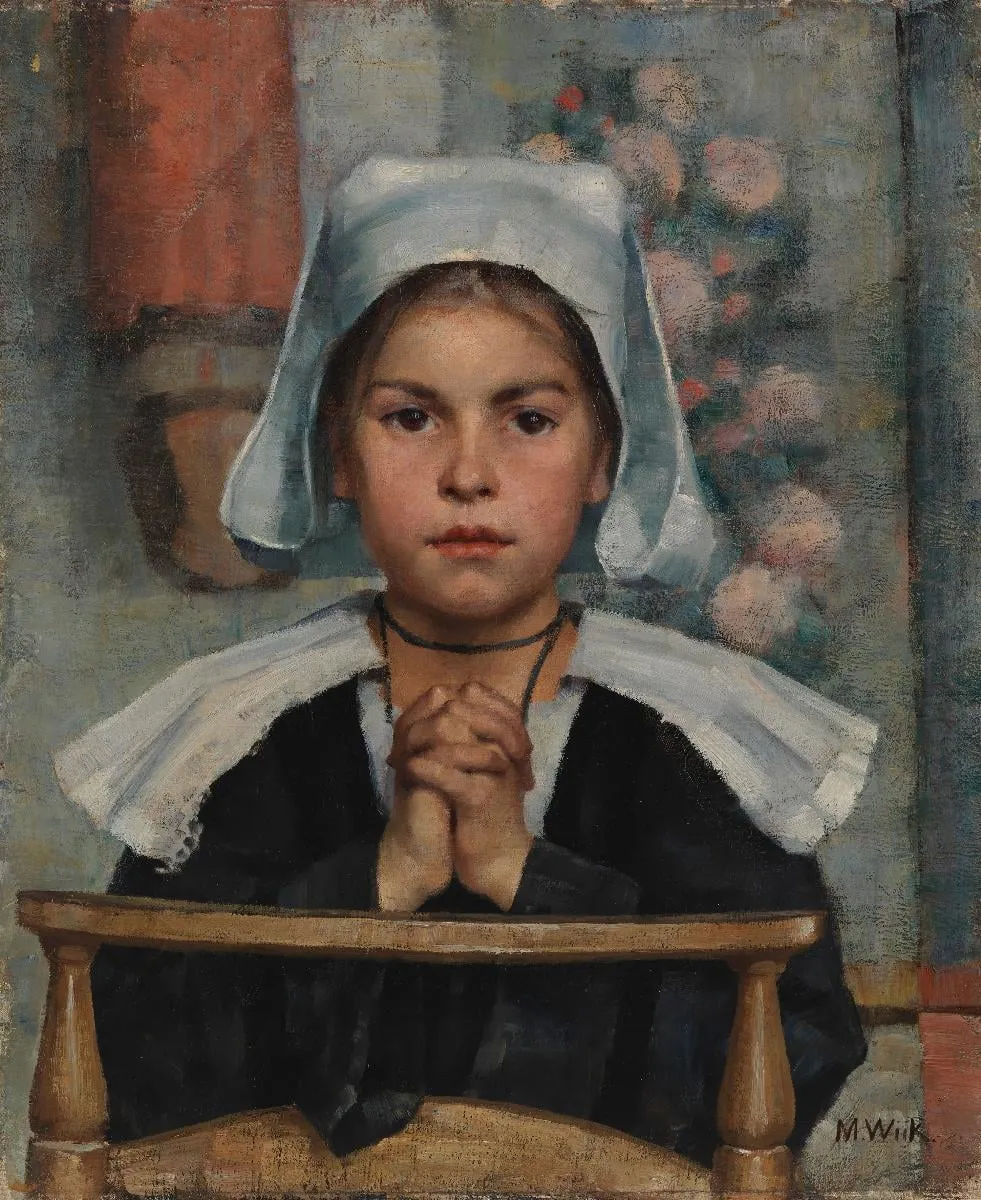
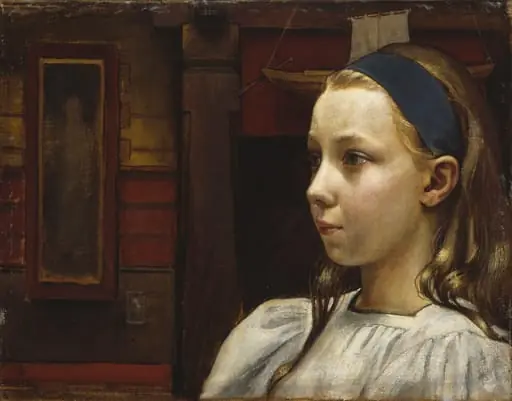
Kirkossa is an unspecified painting by the Naturalist artist Maria Wiik. It is held in the collection of the Finnish National Gallery. The portrait depicts a young girl seated in a simple wooden chair, her hands gently clasped in her lap.
About this work
Overview
Dressed in a dark garment with a white collar and a striped head covering, she faces the viewer with a composed, unsmiling expression.
The portrait depicts a young girl seated in a simple wooden chair, her hands gently clasped in her lap. Dressed in a dark garment with a white collar and a striped head covering, she faces the viewer with a composed, unsmiling expression. The background dissolves into soft, muted tones of red and green, drawing attention to her still presence. The painting’s quiet intensity arises from its restrained palette and focused composition.
Subject & Meaning
The girl’s plain attire and solemn gaze suggest a moment of quiet introspection or solemnity, possibly tied to religious or domestic ritual. Her lack of ornamentation and direct gaze convey dignity without theatricality. The absence of context or props emphasizes her individuality, inviting contemplation rather than narrative. The portrait feels intimate, as if capturing a pause in daily life rather than a formal pose.
Technique & Style
Soft, blended brushwork defines the girl’s face, lending it a lifelike warmth and subtle modeling. In contrast, the edges of her dress and the background are rendered with looser, more textured strokes, creating a sense of depth and spatial recession. The handling of light follows a gentle chiaroscuro, enhancing volume without dramatic contrast. This restrained technique supports the painting’s subdued emotional tone.
History & Provenance
The work’s origin and early ownership remain undocumented. It was likely created in the late 19th or early 20th century, possibly by an artist working in a regional tradition that valued quiet realism over grandeur. Its survival suggests it was preserved within a private collection, though no public records trace its path before modern institutional acquisition.
Context
This portrait aligns with a broader trend in European art of the period that turned toward everyday subjects, often depicting children or rural figures with empathy and restraint. Unlike academic portraits emphasizing status, this work reflects a shift toward psychological presence and unadorned truth. Similar images appeared in folk-inspired or regional art circles, valuing authenticity over idealization.
Legacy
Though not widely exhibited or reproduced, the painting contributes to a quieter lineage of portraiture that prioritizes emotional resonance over spectacle. Its influence lies in its quiet authority, demonstrating how simplicity of form and gesture can convey depth. It remains a reference point for artists seeking to capture stillness and inner life without embellishment.
Artist & collection

Artist
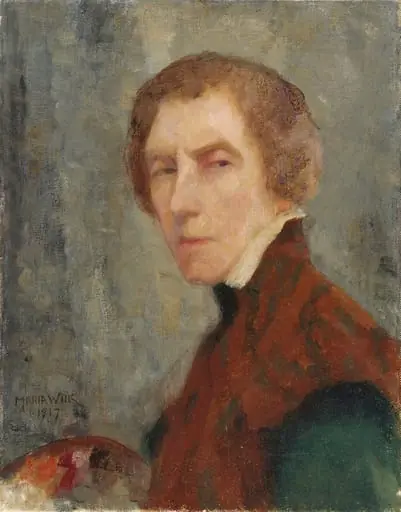
Maria Catharina Wiik (3 August 1853 – 19 June 1928) was a Finnish painter. She worked principally with still life, genre images, landscape paintings and portraits.

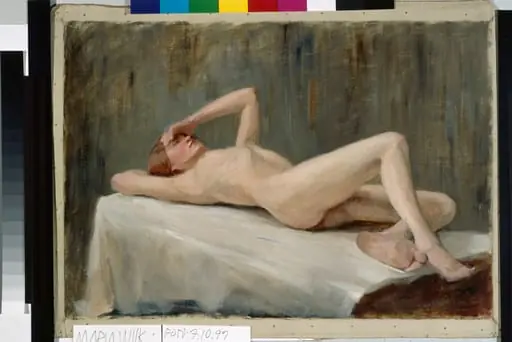
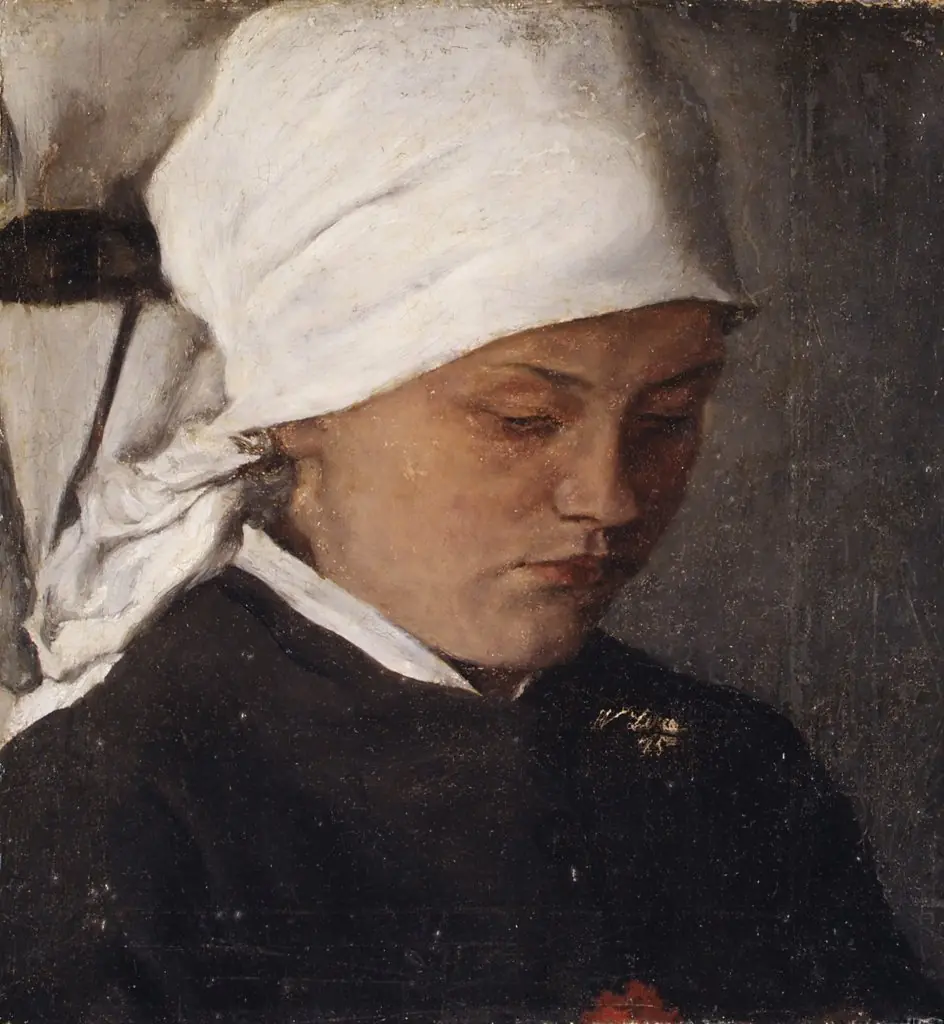
- Peasant Girl with a White Headcloth
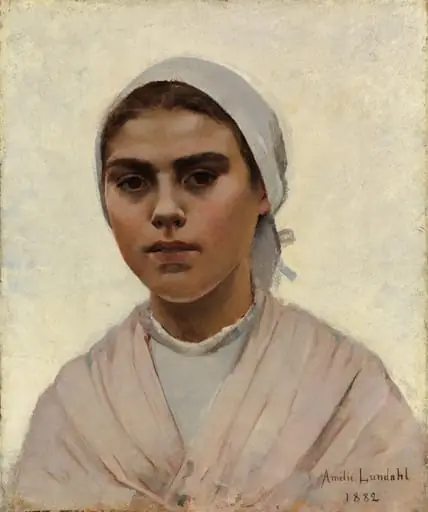 Tytön pää, Bretagne
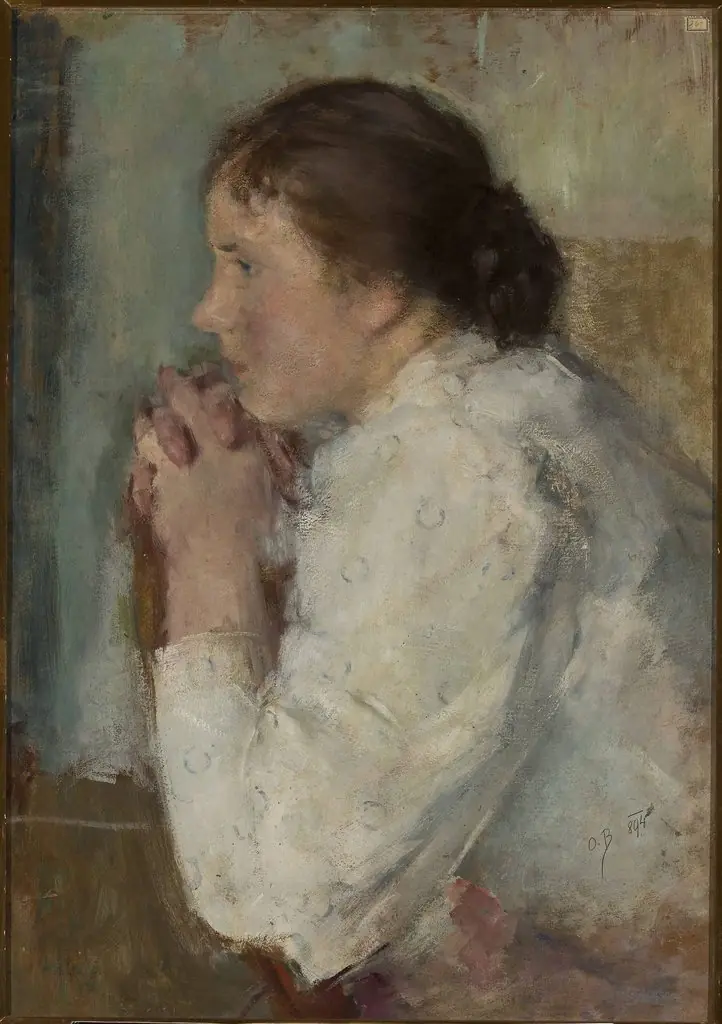 Portrait of a lady in profile
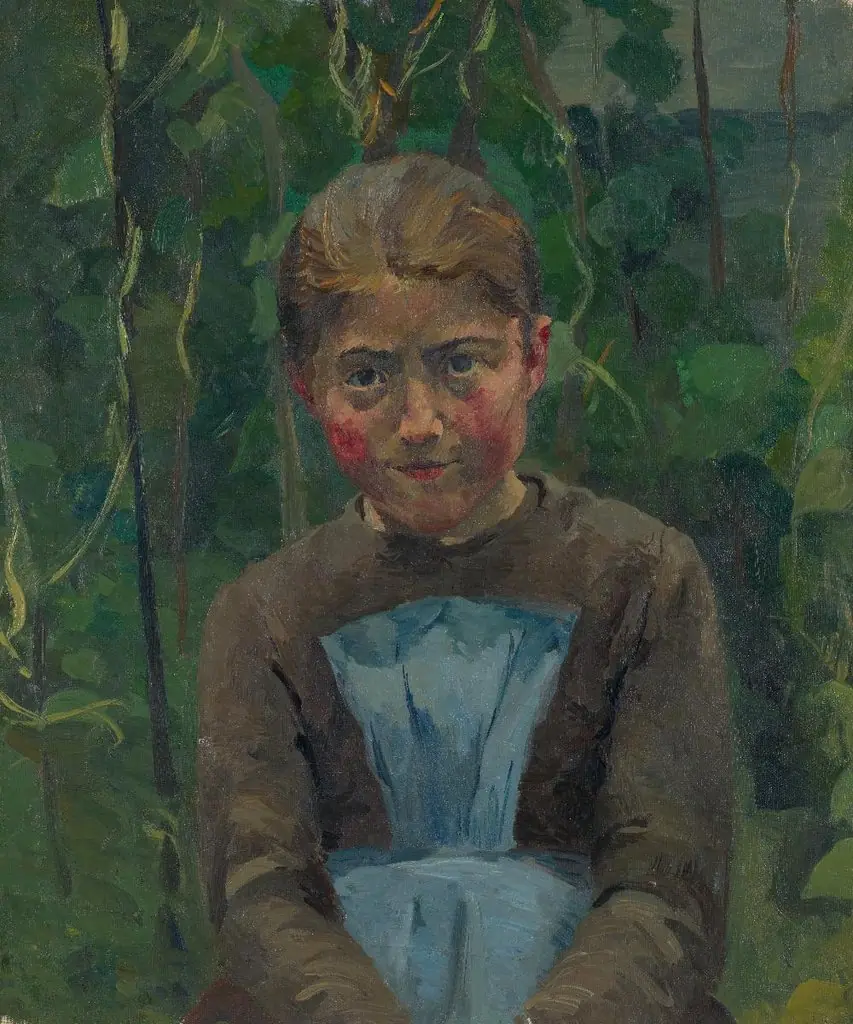 Sitzendes Mädchen im Grünen
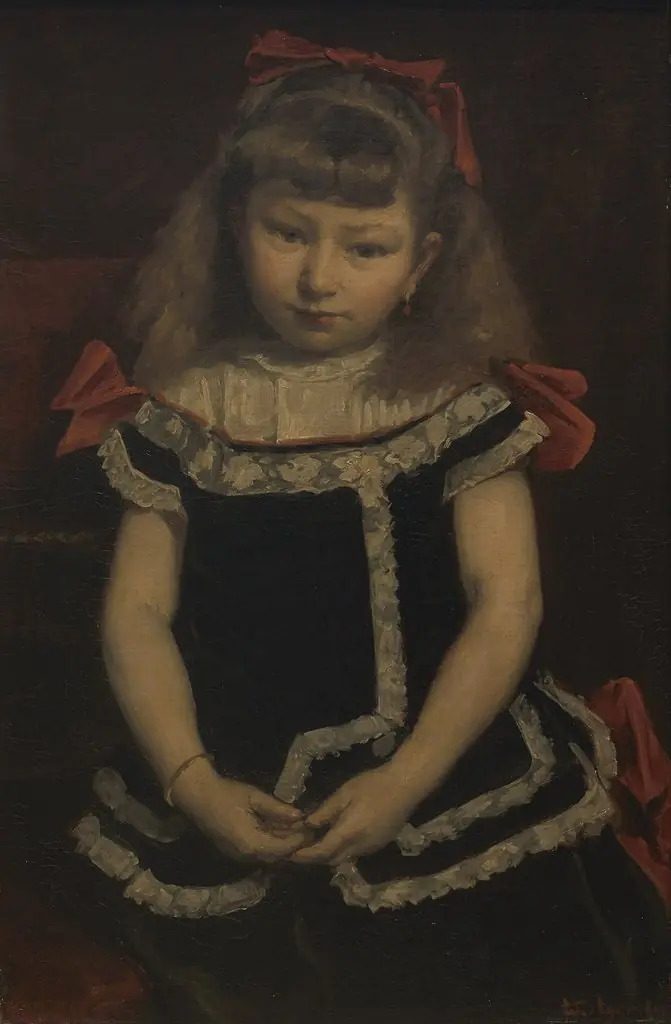 Juliette Quénel
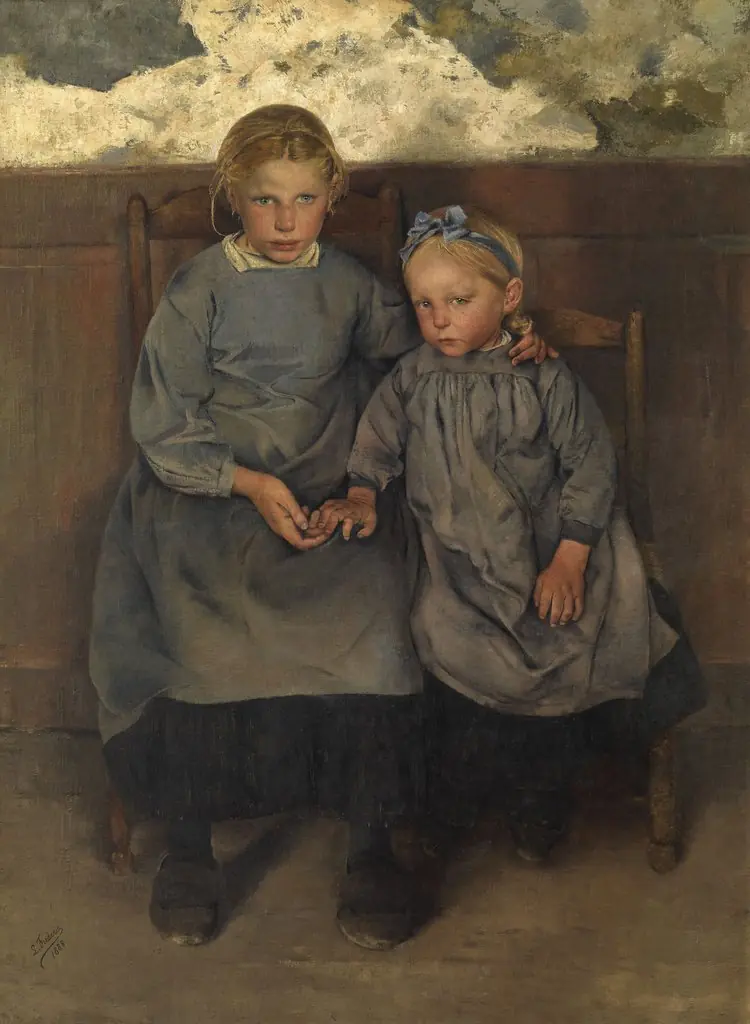 Les Boëchelles. Two Walloon Peasant Children
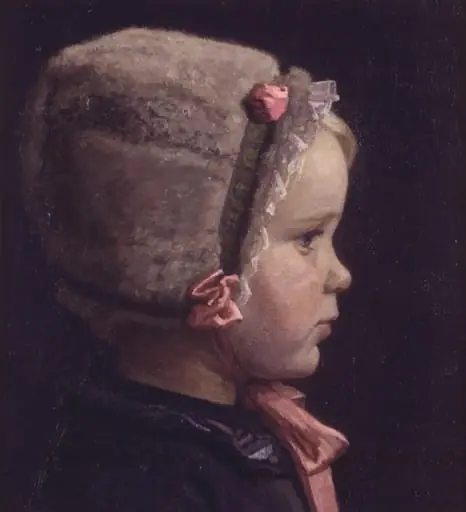 Kunstnerens datter som lille pige
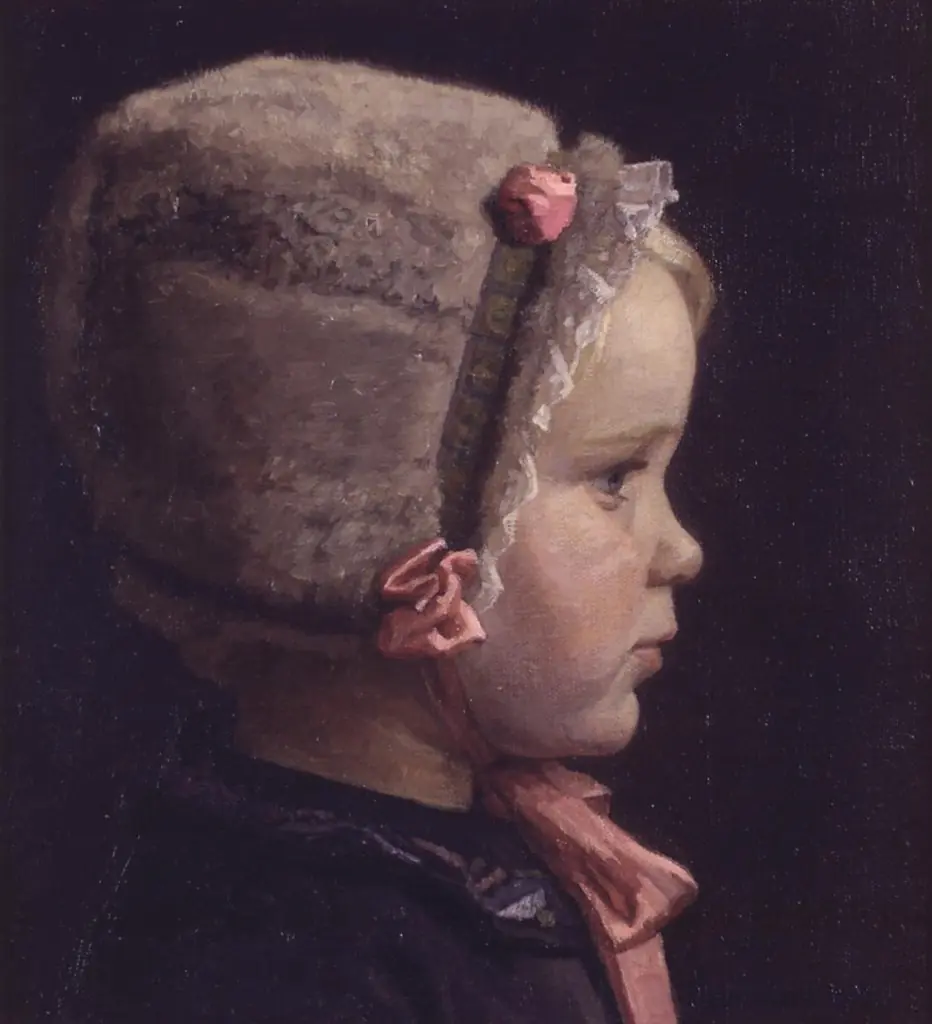 Kunstnerens datter som lille pige
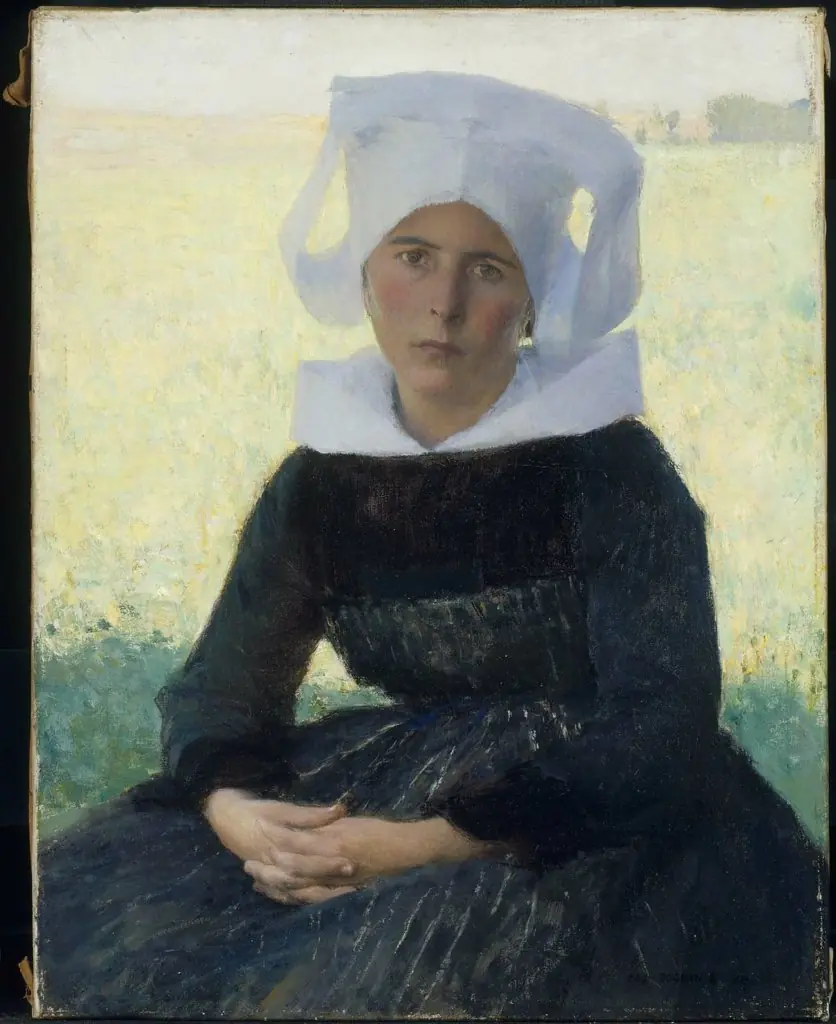 Woman in Breton Costume Seated in a Meadow
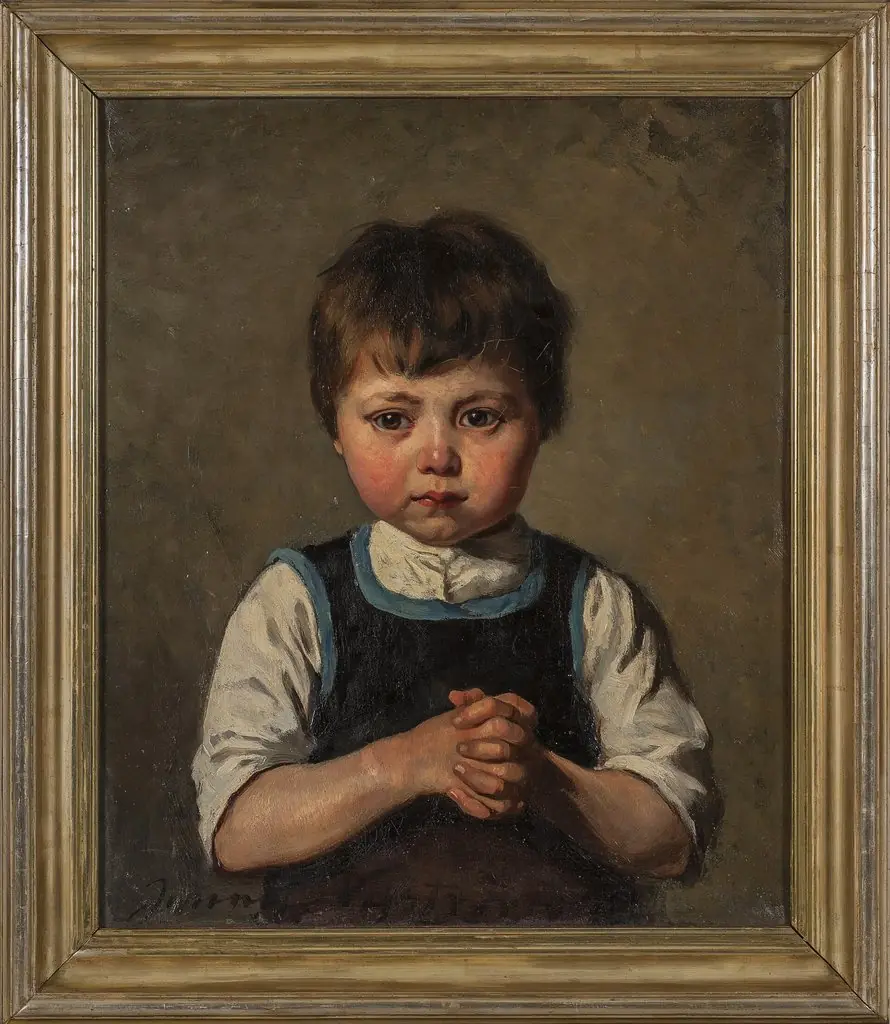 Portrait of a Boy
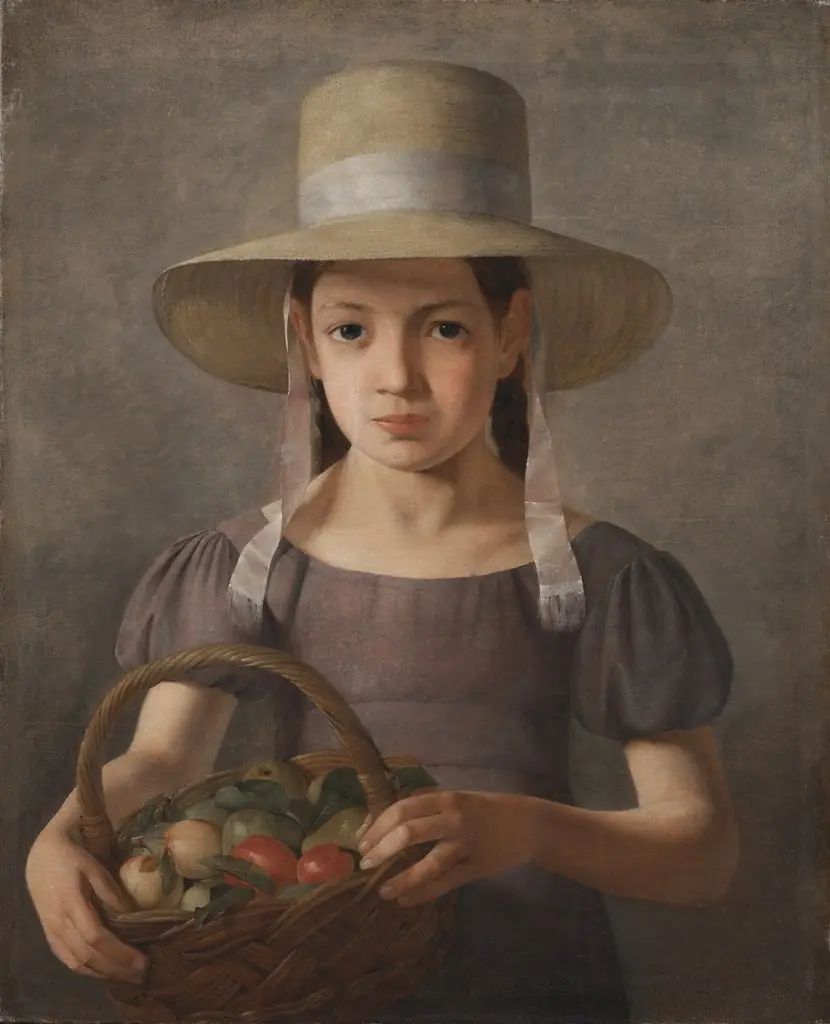 A Girl with Fruits in a Basket
 Tytön pää, Pikku Anna