Artwork
Interior with Three Boys and a Dog
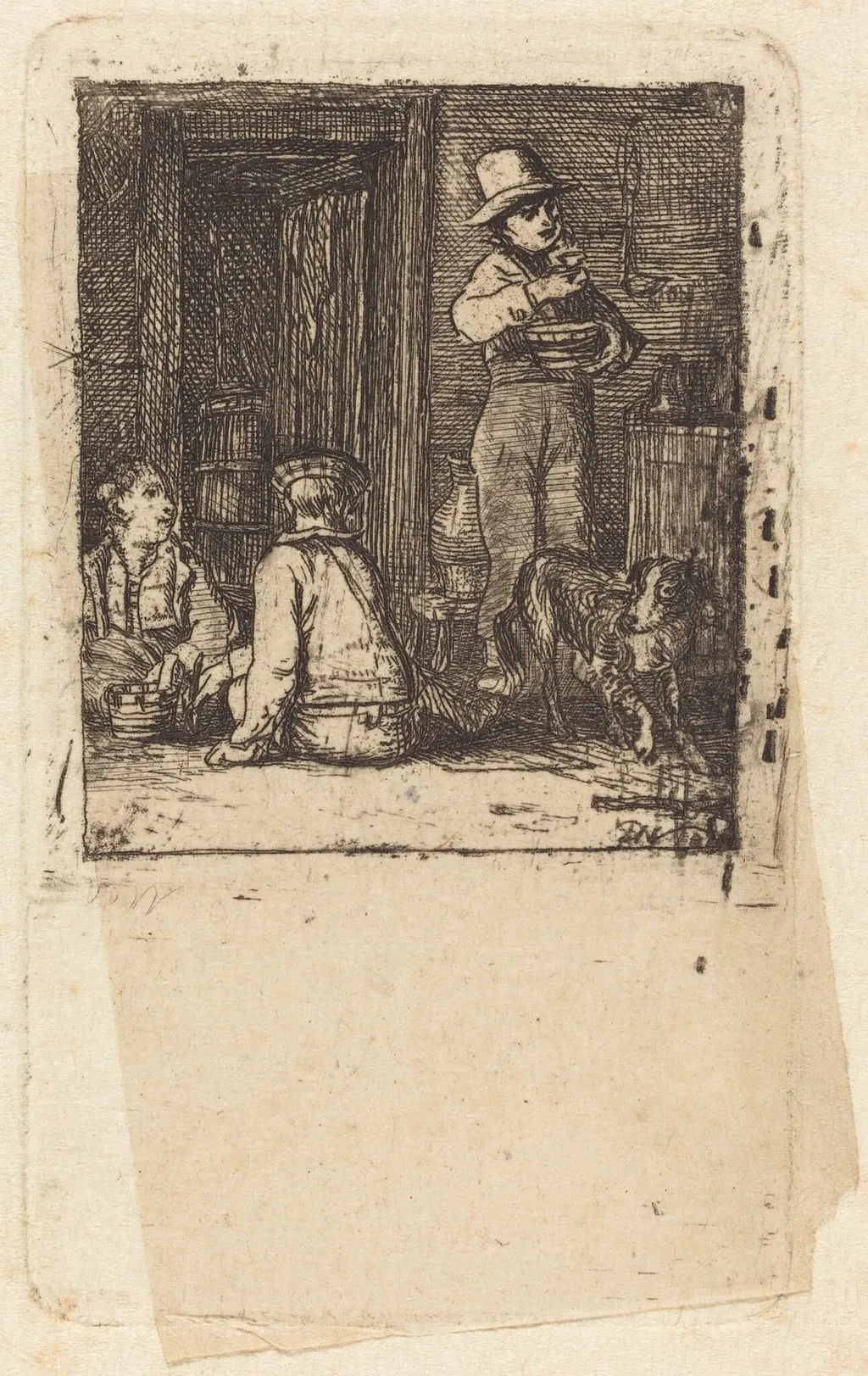
Interior with Three Boys and a Dog is an ink print by the Romanticist artist David Wilkie. It dates from 1813 and is held in the collection of the National Gallery of Art.
- Inscription
- Inscribed:in plate lower right of image: DW in plate lower left, below image: DW
About this work
Overview
The composition centers on a man playing a flute near a doorway, observed by three boys seated on a bench and a dog resting nearby.
Created around 1813 by Sir David Wilkie, this etching on chine collé captures a quiet domestic moment in a modest interior. The composition centers on a man playing a flute near a doorway, observed by three boys seated on a bench and a dog resting nearby. The scene is rendered in fine, controlled lines that suggest depth and texture without color, characteristic of etching techniques using acid to incise details into a metal plate.
Subject & Meaning
The image portrays an unassuming domestic scene, emphasizing quiet observation rather than narrative drama. The flute player, positioned at the threshold between interior and exterior, draws the attention of the boys and the dog, suggesting a moment of shared stillness. The absence of overt emotion or action invites contemplation of everyday life, a recurring theme in Wilkie’s work during this period.
Technique & Style
Wilkie employed fine, precise etching lines to model light and shadow, giving the scene a subtle three-dimensionality. The use of chine collé, thin paper bonded to a heavier support, allowed for delicate tonal variations and enhanced the print’s detail. The darkened window and sparse furnishings frame the figures, directing focus through contrast and restrained composition rather than elaborate detail.
History & Provenance
This print was made during Wilkie’s early career, shortly after his rise to prominence with genre scenes. It likely originated as part of a series exploring domestic life, though its specific early ownership is undocumented. The work remained within the artist’s circle before entering institutional collections, where it is now preserved as an example of early 19th-century British printmaking.
Context
In the early 1800s, British artists increasingly turned to scenes of ordinary life, moving away from grand historical or mythological subjects. Wilkie, influenced by Dutch genre painting and contemporary social observation, used etching to reach wider audiences. This work reflects a broader cultural interest in the dignity of humble settings and the quiet rhythms of domestic existence.
Legacy
Though not among Wilkie’s most widely reproduced works, this etching exemplifies his skill in translating observational realism into print. It contributed to the growing appreciation of etching as a medium for intimate, narrative art in Britain. Later collectors and institutions valued it for its technical restraint and its quiet evocation of everyday moments.
Own this work as a print
Artist & collection
Artist
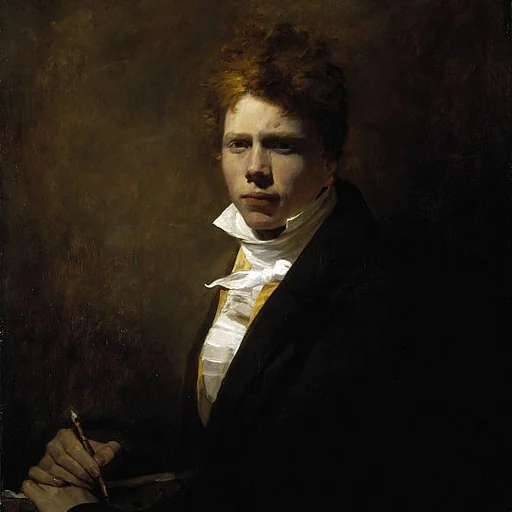
Sir David Wilkie (18 November 1785 – 1 June 1841) was a Scottish painter, especially known for his genre scenes.

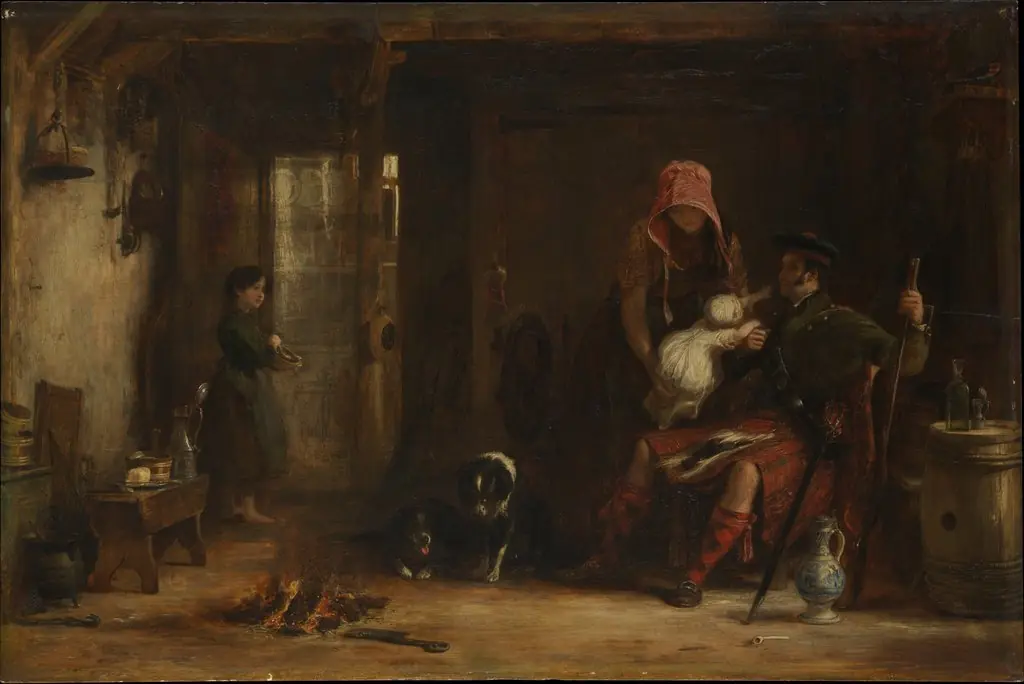 The Highland Family
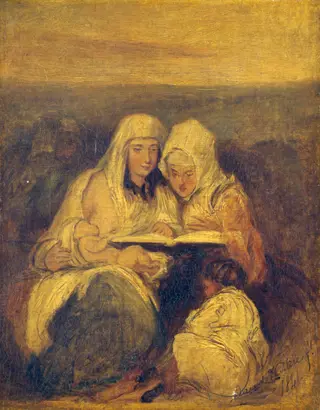 The Holy Family with Saint Elizabeth and Saint John the Baptist
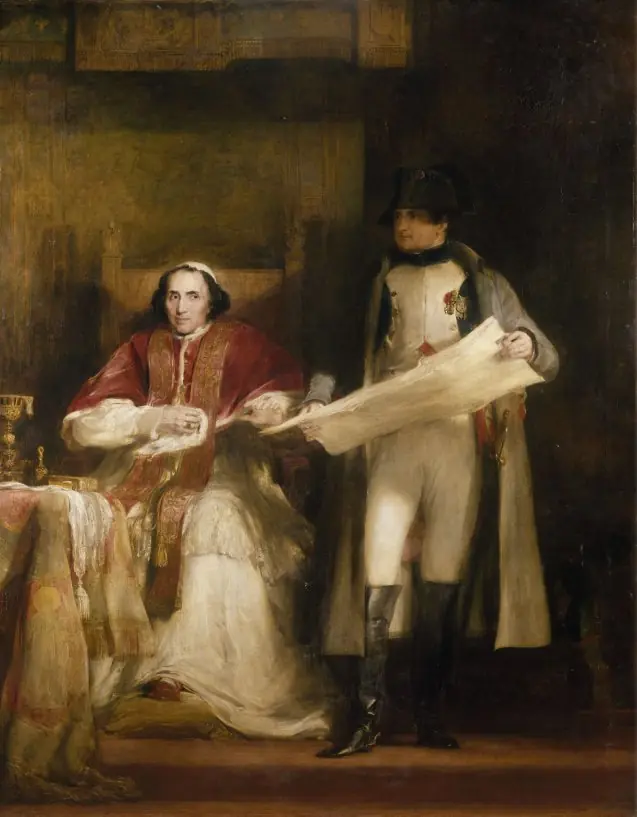 Napoleon and Pope Pius VII at Fontainebleau in 1813
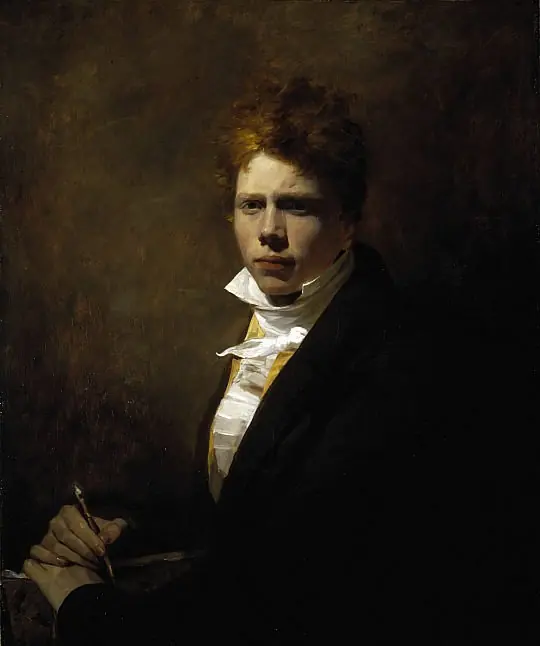 Self-Portrait
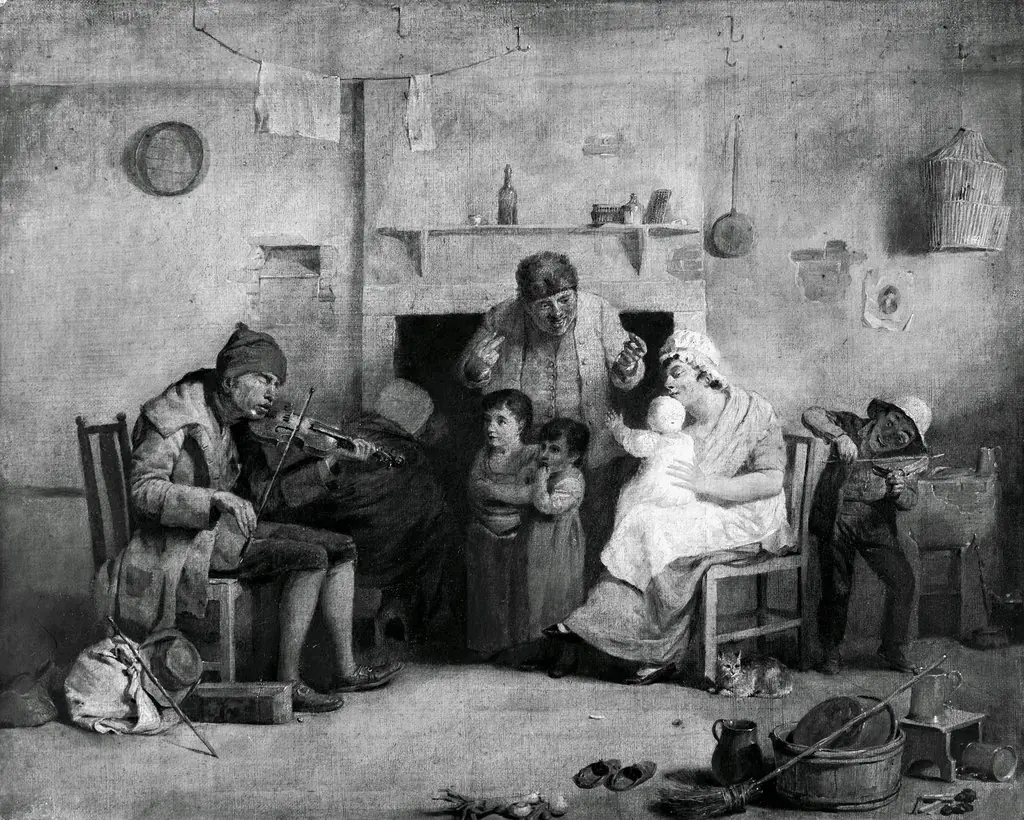 The blind violinist
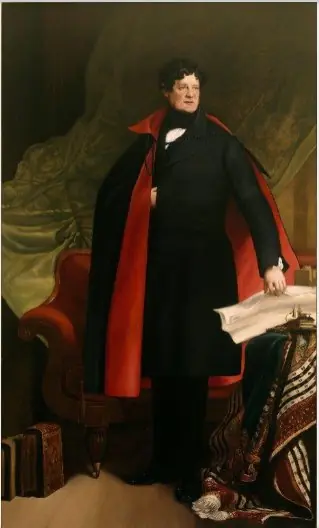 Portrait of Daniel O'Connell as Governor of the National Bank
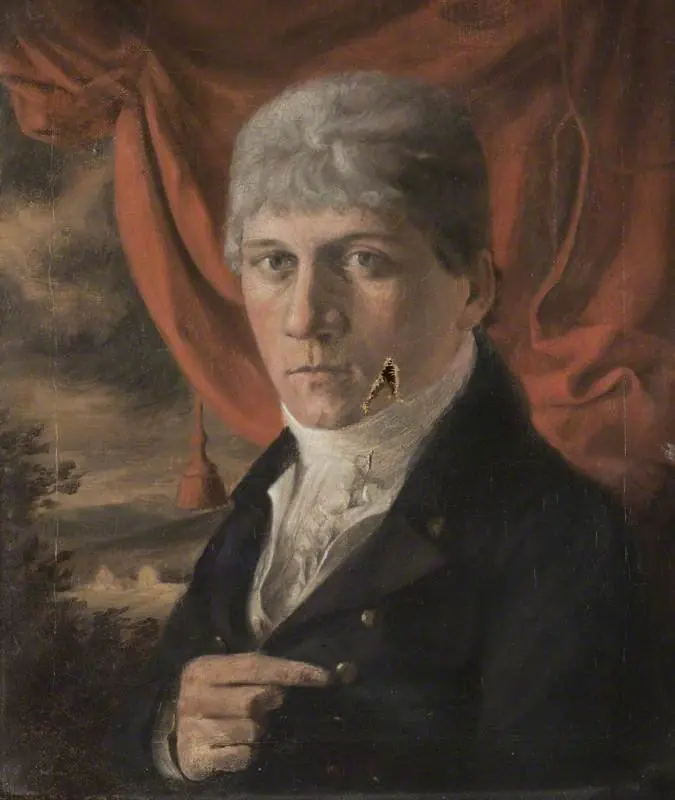 Portrait of the Artist's Brother, Captain James Wilkie (1784 - 1824)
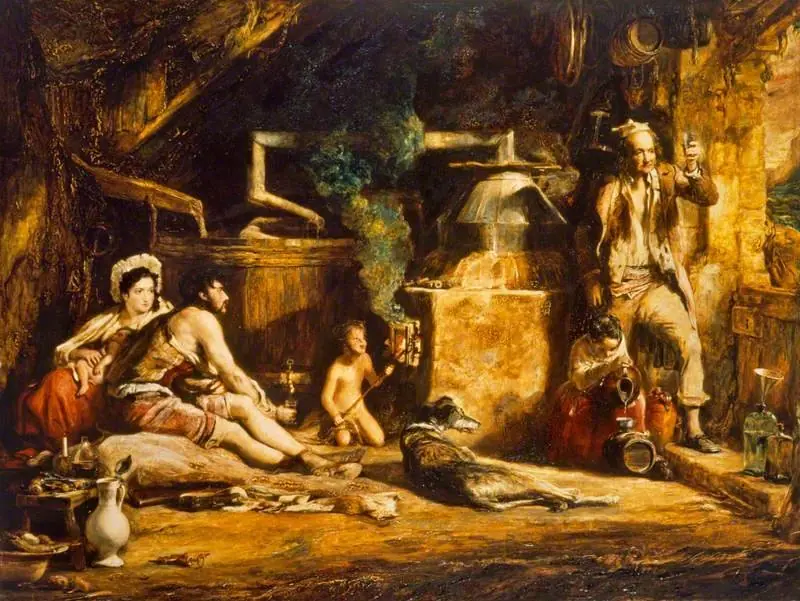 The Irish Whiskey Still
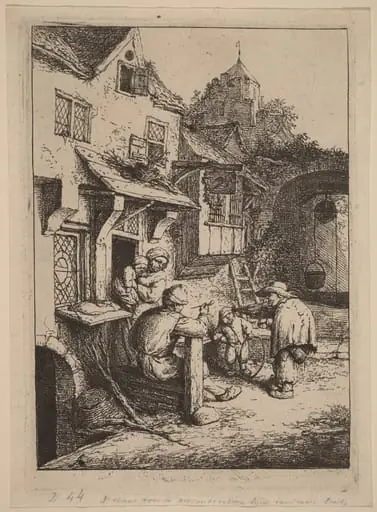 Peasant Family Entertained by a Fiddler with a Hunchback
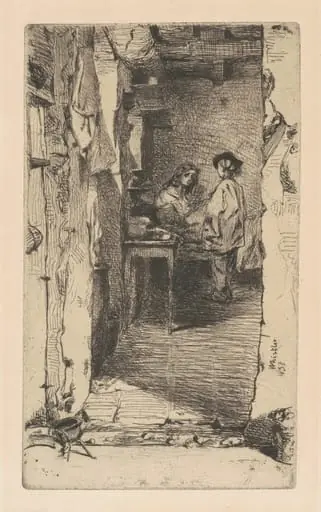 Rag Pickers, Quartier Mouffetard, Paris
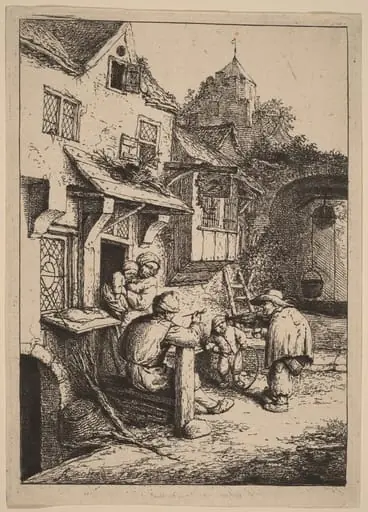 Peasant Family Entertained by a Fiddler with a Hunchback
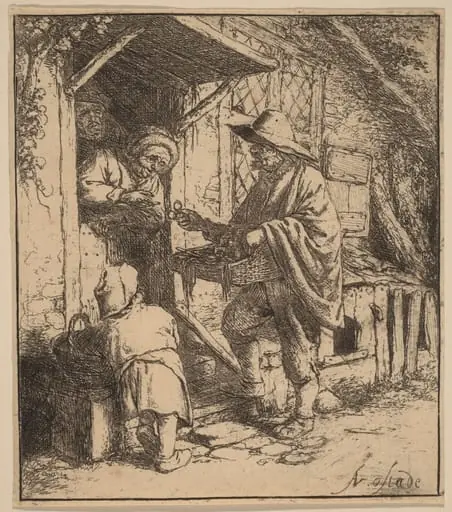 Street Vendor Selling Spectacles at the Door
 Rag Pickers, Quartier Mouffetard, Paris
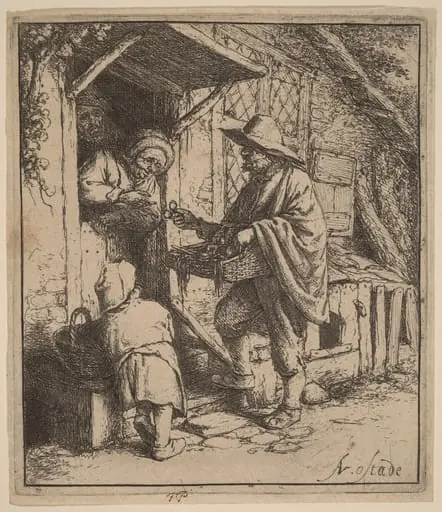 Street Vendor Selling Spectacles at the Door
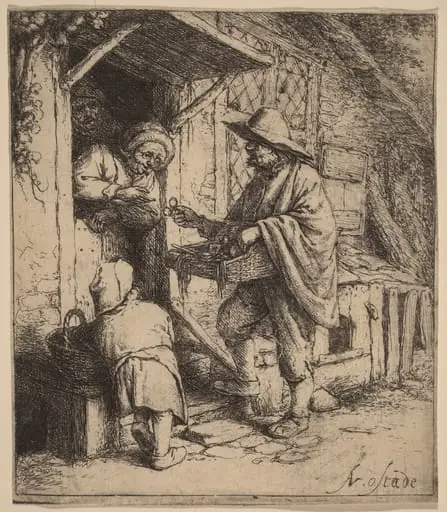 Street Vendor Selling Spectacles at the Door
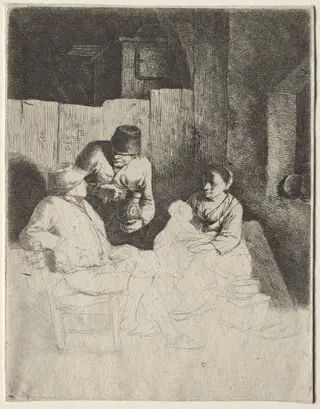 The Mother Seated in an Inn
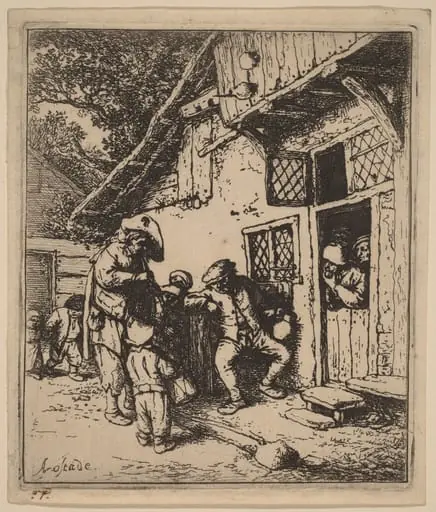 Peasants Outside an Inn Entertained by Musicians with a Flute and a Drum
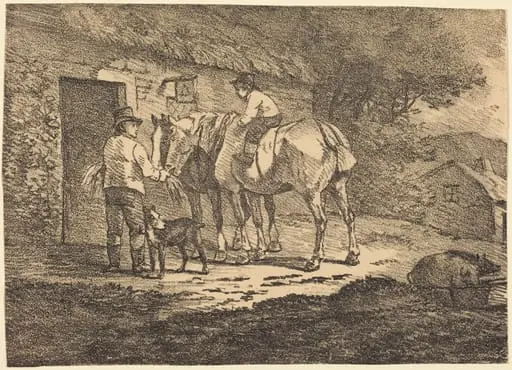 Horses at Cottage Door
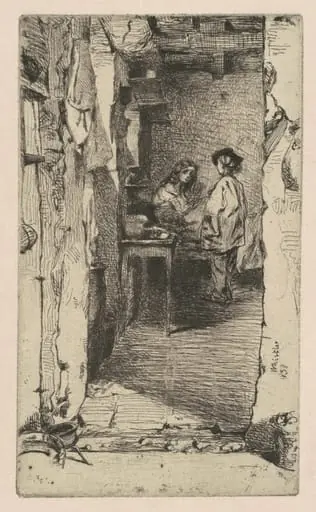 Rag Pickers, Quartier Mouffetard, Paris
- Woman at a Window, Reading a Letter