Artwork
Portrait of a man
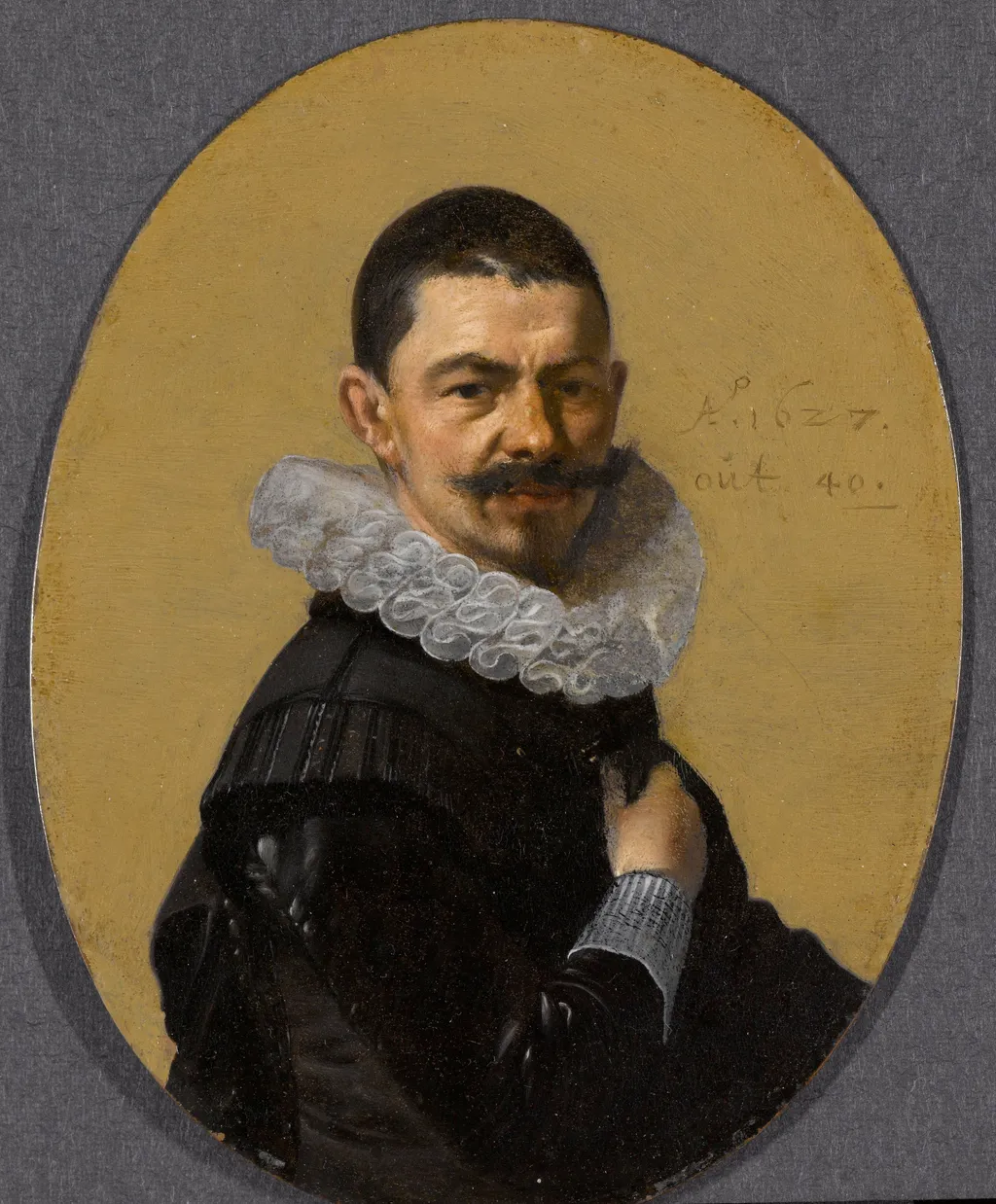
Portrait of a man is an oil painting by the Dutch Golden Age artist Willem Cornelisz Duyster. It dates from 1627 and is held in the collection of the Rijksmuseum. Created in 1627, this portrait is executed on a copper plate and measures a modest size typical of Dutch seventeenth‑century works.
About this work
Technique & Style
Willem Cornelisz Duyster's 1627 portrait is executed in oil paint on a copper support, a medium choice that contributes to the work's refined surface.
Willem Cornelisz Duyster's 1627 portrait is executed in oil paint on a copper support, a medium choice that contributes to the work's refined surface. The painting measures 14.7 cm in height and 11.4 cm in width, reflecting the small scale typical of intimate Dutch Golden Age portraiture. While the primary attribution is to Duyster, some records also associate the piece with Pieter Codde.
The composition focuses on a single male subject, rendered with the precise handling characteristic of the artist's genre.
History & Provenance
Created in 1627, this small-scale portrait depicts a man and is executed in oil paint on a copper support. The work is attributed to Willem Cornelisz Duyster, though some records also associate Pieter Codde with its creation. Measuring 14.7 by 11.4 centimeters, the painting has been part of the collection held by the Rijksmuseum.
No specific details regarding the original commission or the intermediate ownership chain prior to its museum acquisition are provided in the available records.
Overview
Created in 1627, this portrait is executed on a copper plate and measures a modest size typical of Dutch seventeenth‑century works. The sitter, rendered in a restrained palette of black garments against a flat yellow oval background, conveys a solemn demeanor. The painting belongs to the collection of the Rijksmuseum in Amsterdam, where it is displayed among other examples of the period’s portraiture.
Subject & Meaning
The figure is a middle‑aged man with a dark moustache, a crisp white ruff, and a black doublet. His right hand rests lightly on his chest, a pose that suggests honesty or a personal oath. The direct gaze and subdued expression hint at a private individual rather than a public official, reflecting the Dutch emphasis on personal virtue.
Context
During the Dutch Golden Age, portraiture served both personal commemoration and social display. Duyster, active in Amsterdam, typically painted genre scenes of soldiers, yet this work shows his capacity to capture individual likenesses. The use of copper as a support was relatively uncommon, offering a luminous surface that complemented the period’s interest in realism and subtle light effects.
Own this work as a print
Artist & collection
Artist
Willem Cornelisz Duyster (1599–1635) was a Dutch Golden Age painter from Amsterdam, best known for his "guardroom scenes" (cortegaarddje), genre paintings showing the military life.

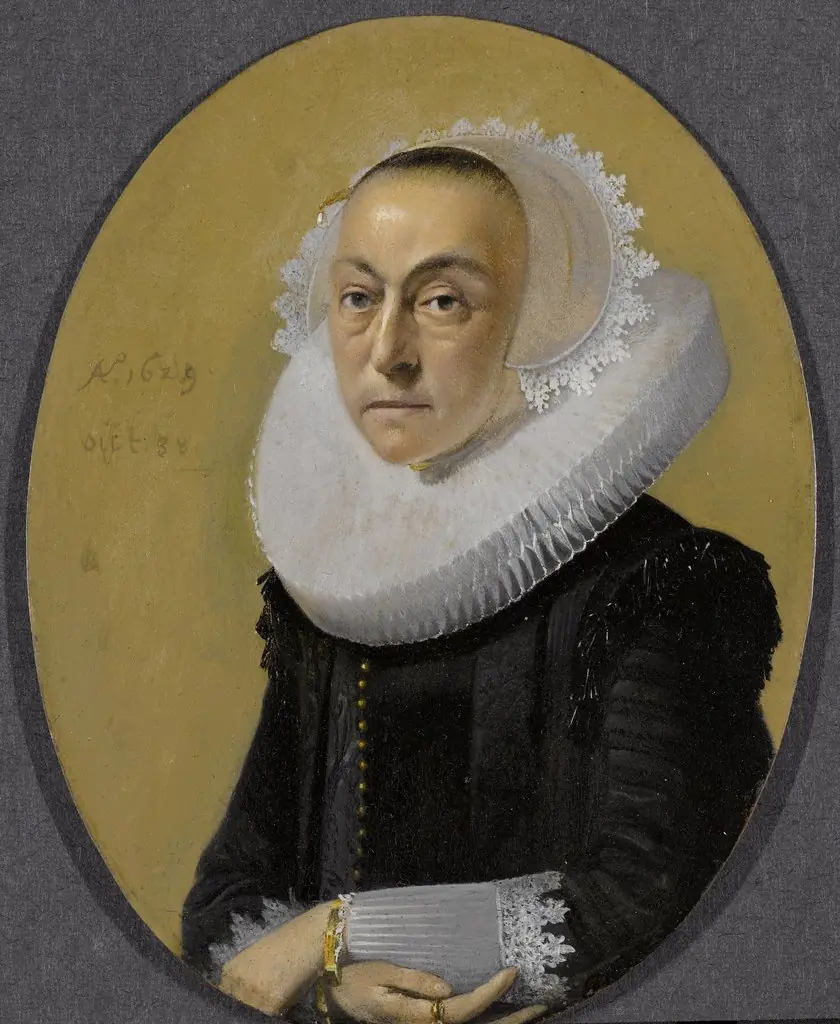
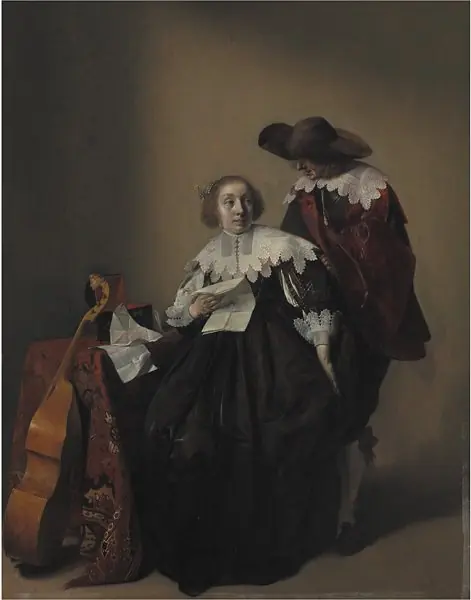
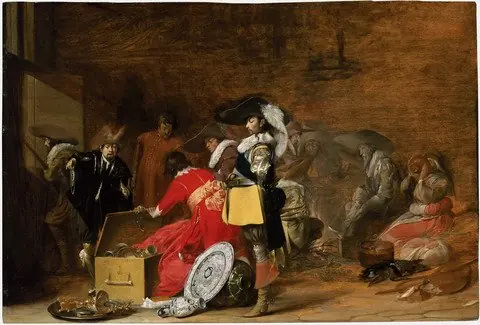
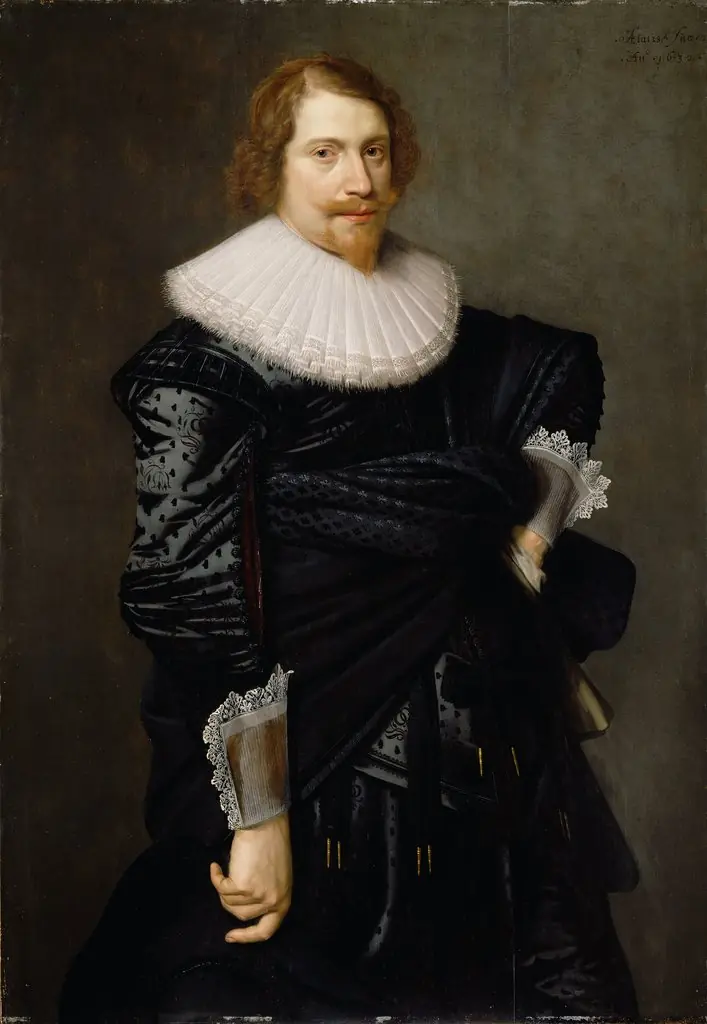
- Portrait of a Man
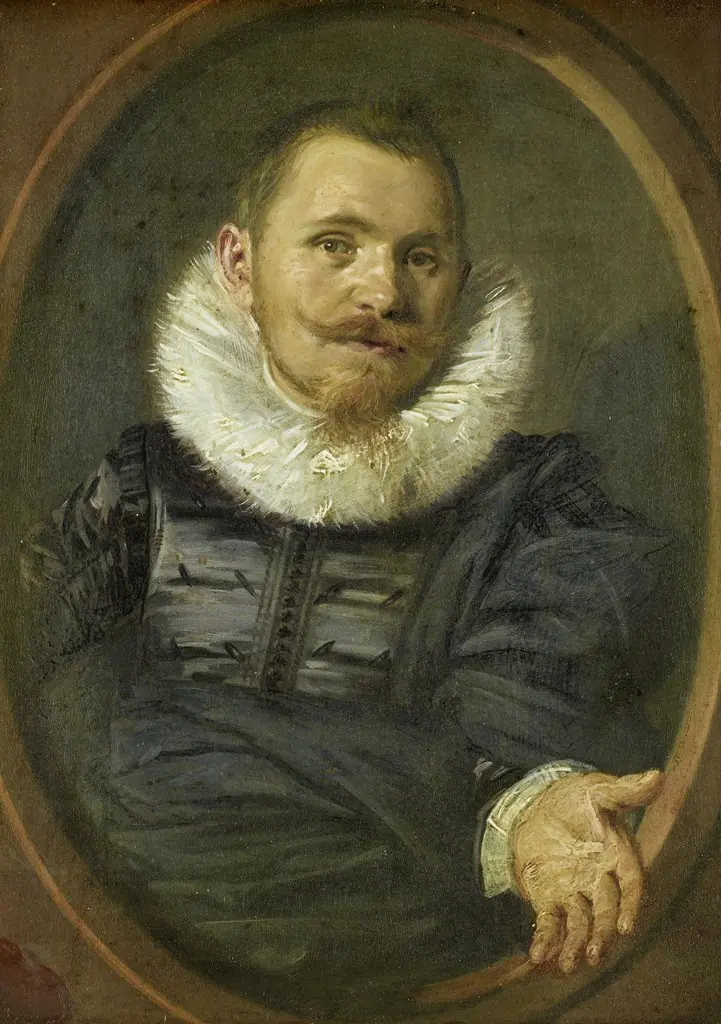 Portrait of a man
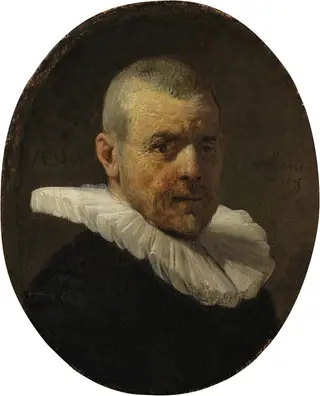 Portrait of Jan Willemsz van der Pluym
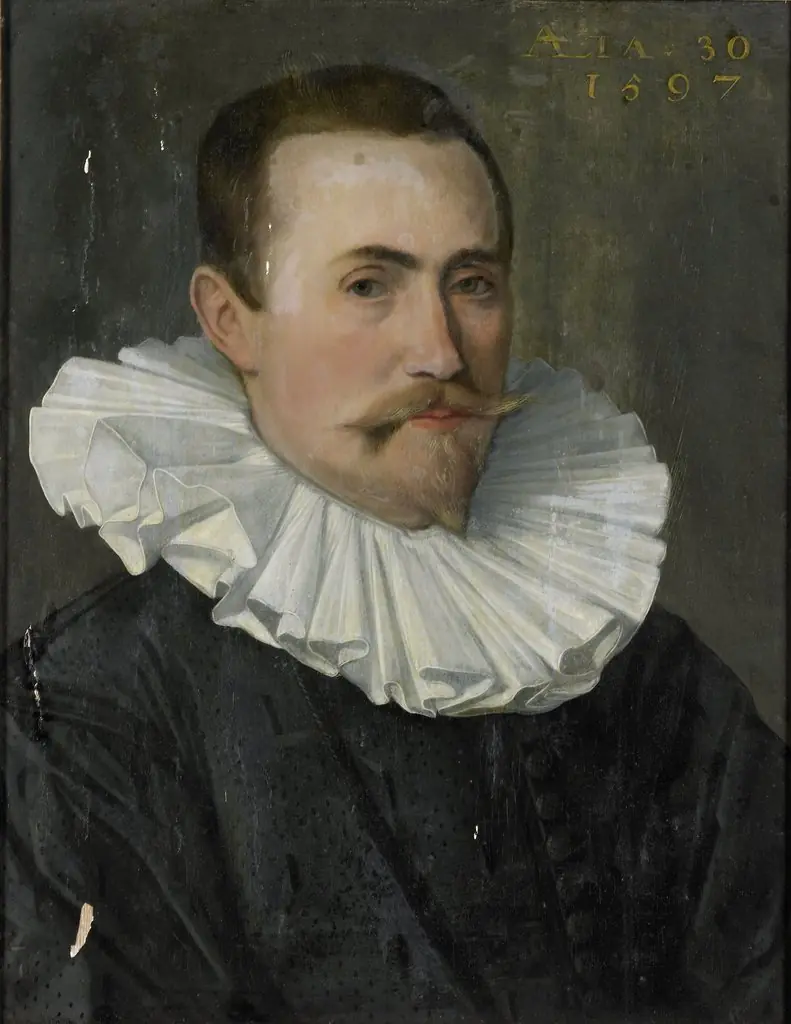 Portrait of a Man
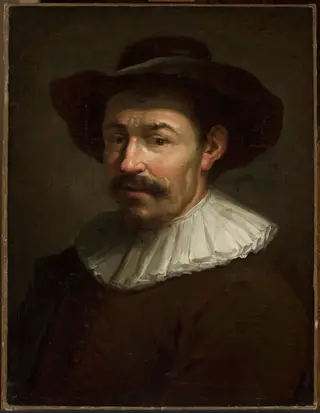 Portrait of a man in a white frill
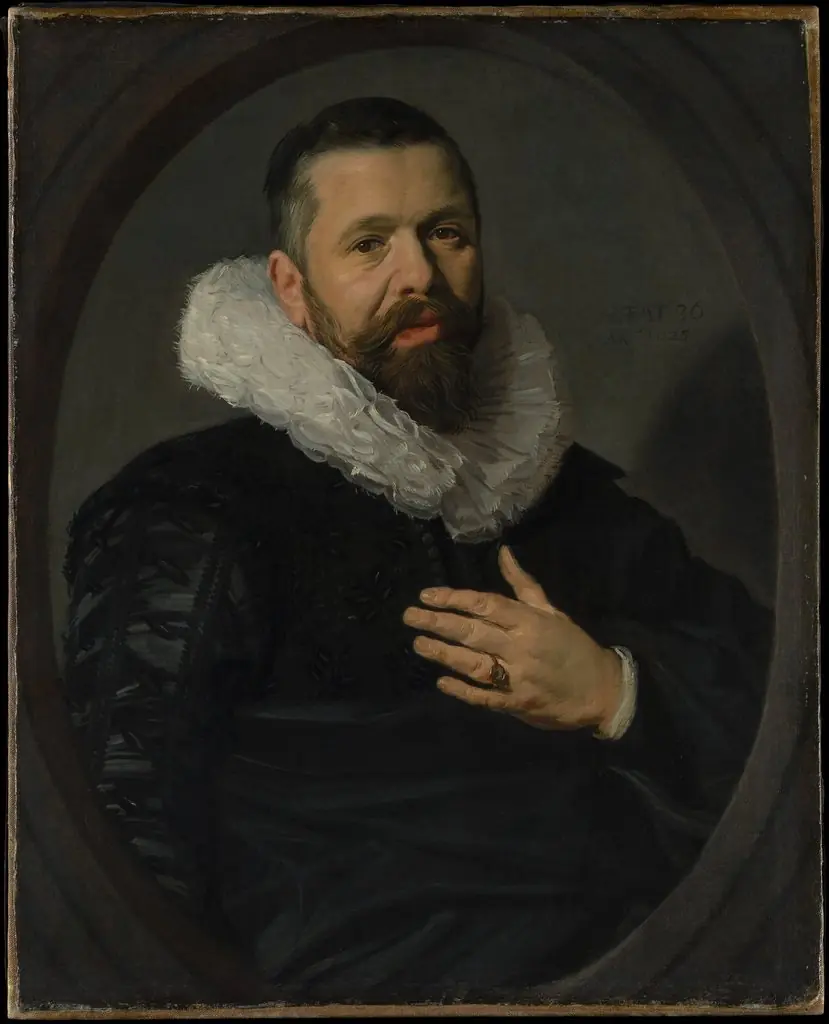 Portrait of a Bearded Man with a Ruff
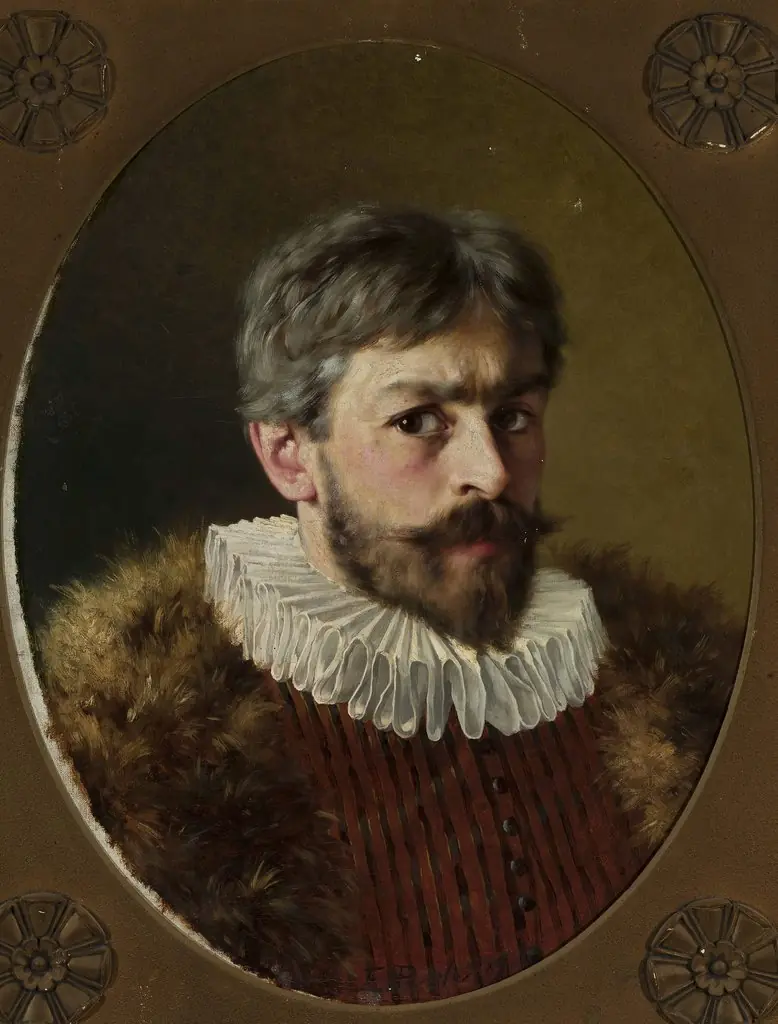 Self-portrait in the 17th-century costume
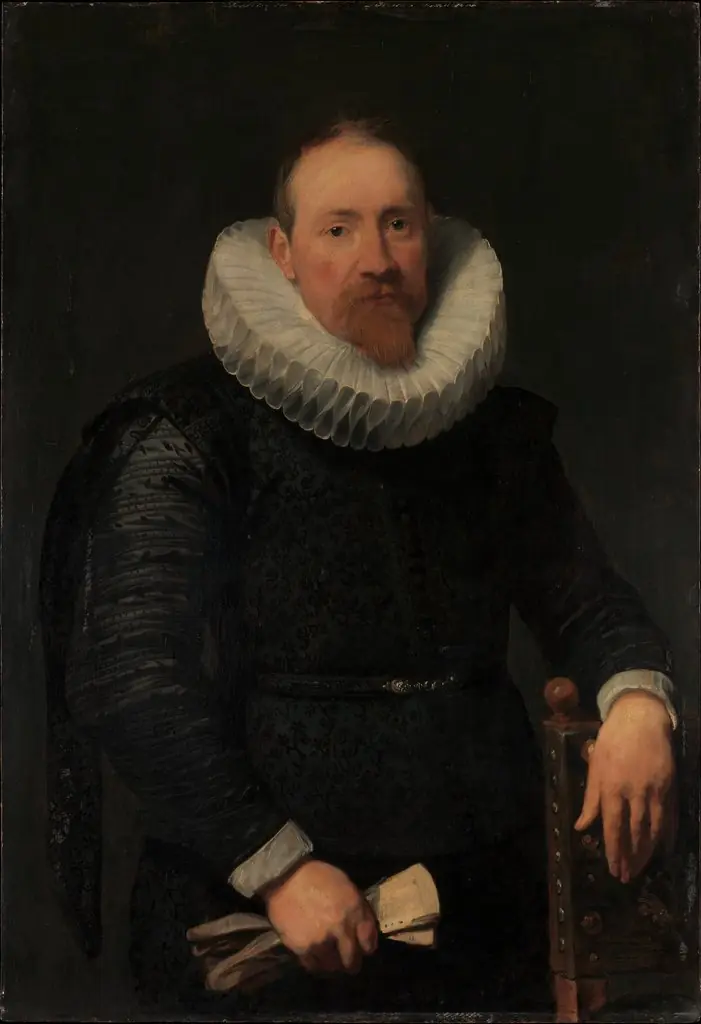 Portrait of a Man
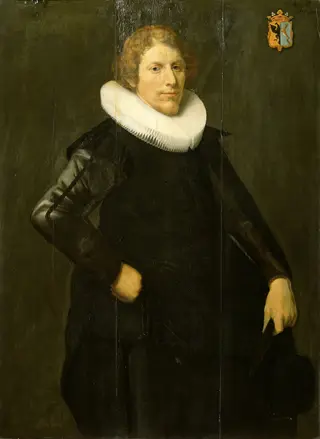 Portrait of Gerrit Ottsz Hinlopen (1603/04-1646)
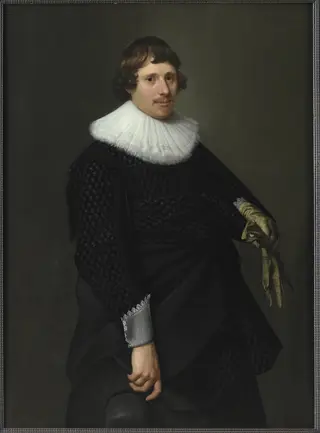 Portrait of a Man
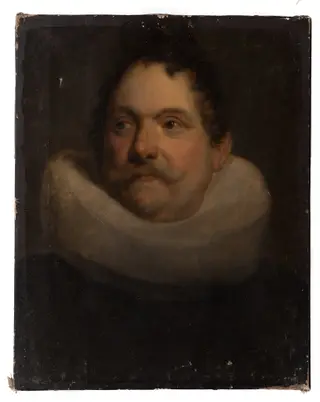 Ioan de Montfort
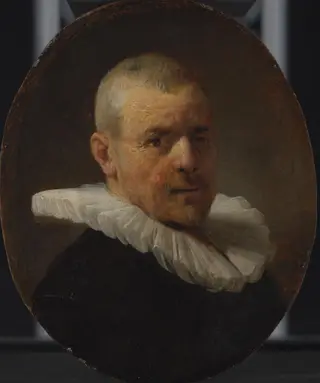 Portrait of Jan Willemsz van der Pluym