Artwork
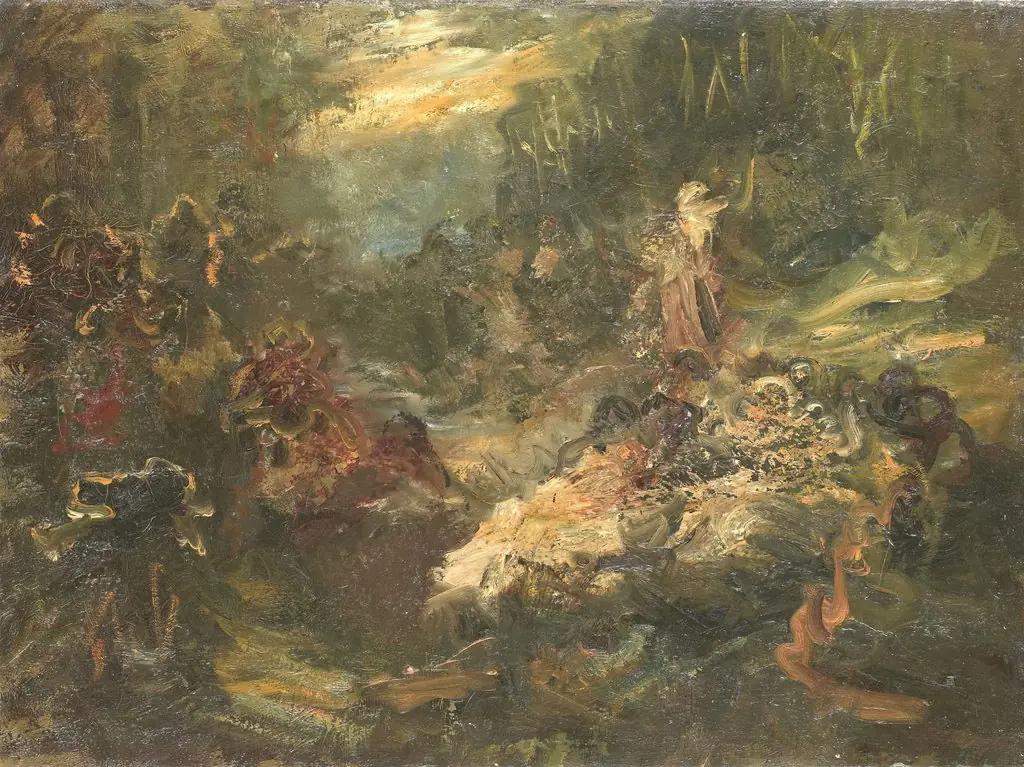
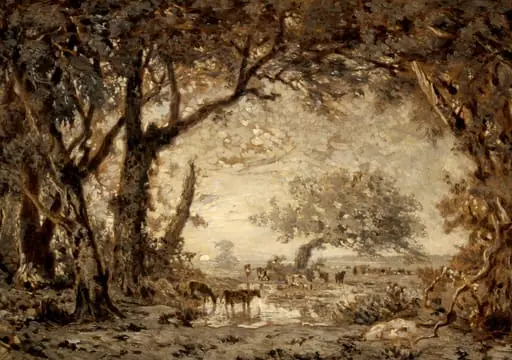
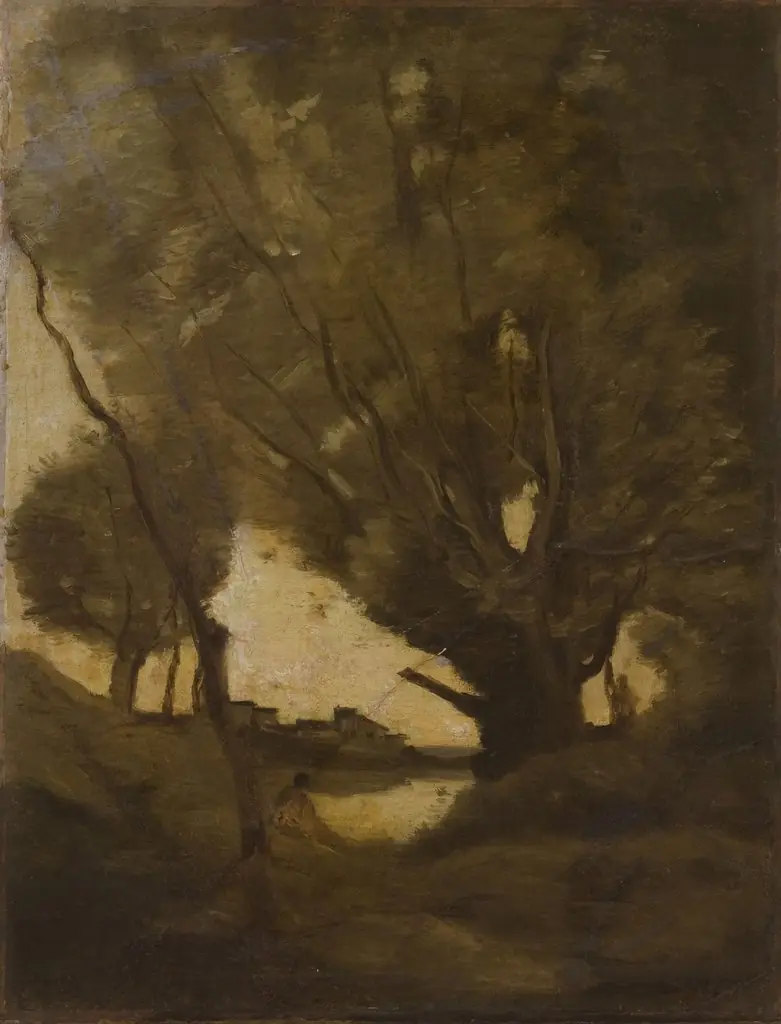
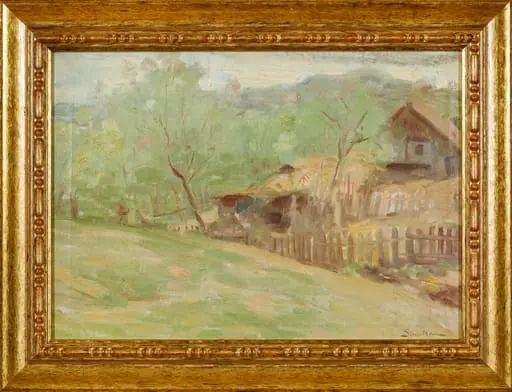
Adam en Eva in het paradijs
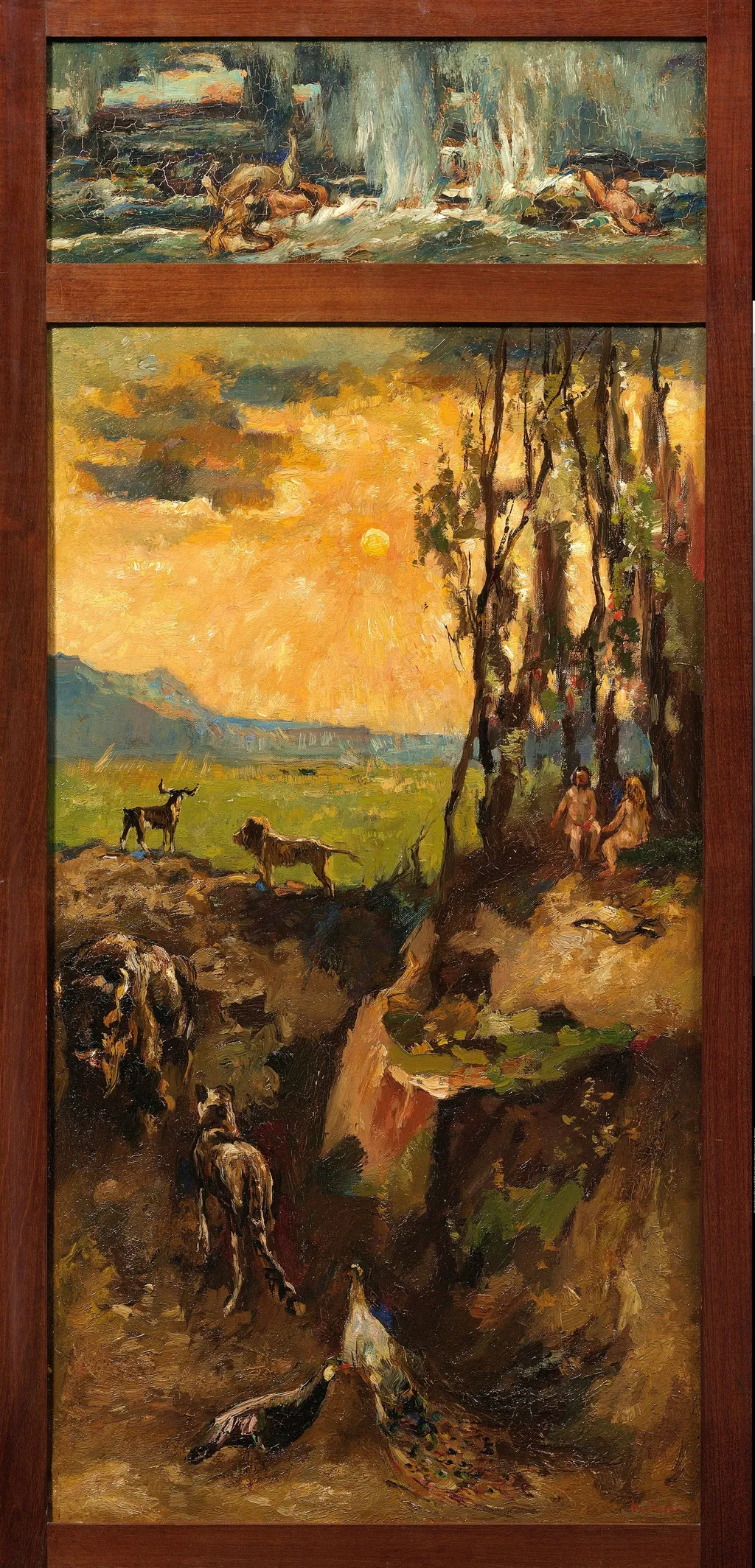
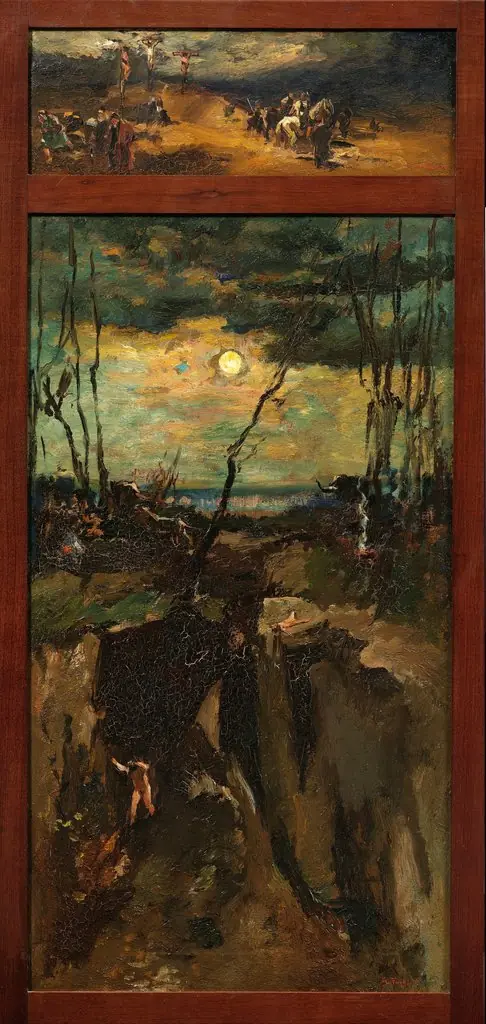
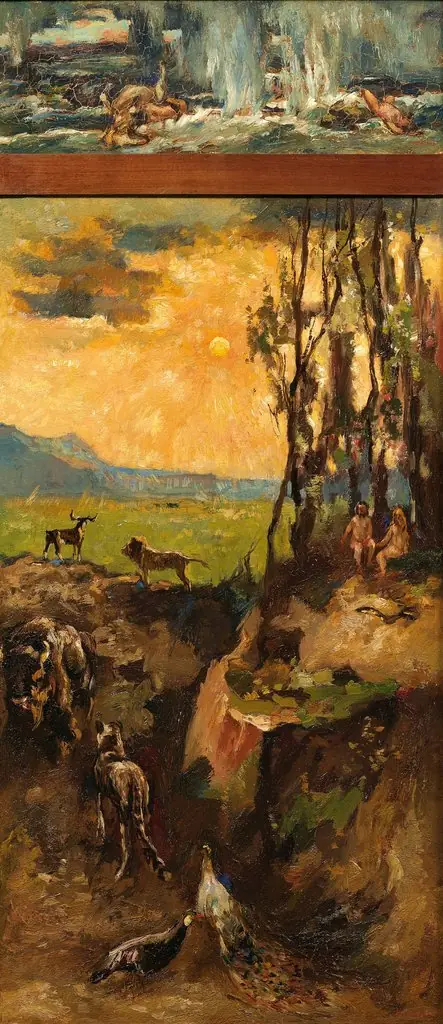
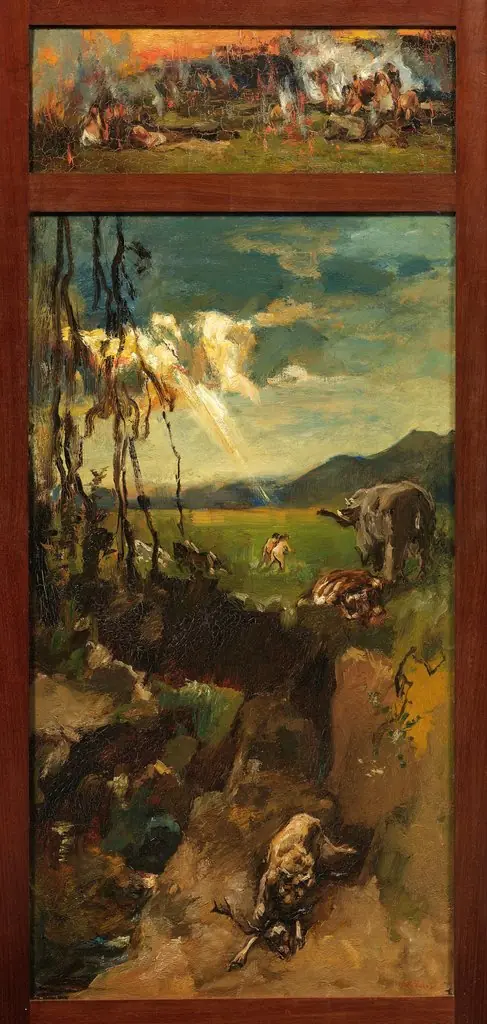
Adam en Eva in het paradijs is an oil painting by the Dutch Golden Age artist Willem de Zwart. It dates from 1915 and is held in the collection of the Rijksmuseum.
About this work
Subject & Meaning
Classified as a work of religious art, the composition centers on the first humans in their primordial setting before the Fall.
Willem de Zwart's 1915 oil painting depicts the biblical figures Adam and Eve situated within the Garden of Eden. Classified as a work of religious art, the composition centers on the first humans in their primordial setting before the Fall. The title explicitly identifies the scene as Adam and Eve in Paradise, anchoring the work in the foundational Judeo-Christian narrative of creation and innocence.
As a religious genre piece, the painting serves to visualize this specific moment from the Book of Genesis, representing the state of humanity prior to the introduction of sin.
Technique & Style
Adam en Eva in het paradijs is executed in oil paint on canvas, a traditional combination suited to Willem de Zwart's handling of figure and landscape subjects. The work is classified as a religious painting, depicting Adam and Eve within the genre of religious art. Its vertical format is reflected in the dimensions: 82.5 cm in height by 45 cm in width, a tall, narrow support that directs attention upward through the figural composition.
The canvas support and oil medium are consistent with early twentieth-century Dutch painting practice, allowing for layered application and tonal modeling characteristic of the period.
The painting is held in the collection of the Rijksmuseum, where its condition and stylistic qualities can be assessed in person.
History & Provenance
The painting Adam en Eva in het paradijs was created by Willem de Zwart in 1915. Executed in oil paint on canvas, the work depicts the biblical figures Adam and Eve within a religious context. The piece is currently held in the collection of the Rijksmuseum.
No specific details regarding the original commission, the initial owner, or the detailed chain of ownership prior to its arrival at the museum are provided in the available records.
Context
Willem de Zwart's 1915 painting Adam en Eva in het paradijs entered the Rijksmuseum collection shortly after its creation and has been recognized as a significant example of early 20th-century religious art. The work reflects de Zwart's engagement with biblical narratives during a period when Dutch artists increasingly reinterpreted traditional subjects through modern compositional approaches. Its inclusion in the Rijksmuseum's holdings has cemented its status as part of the national narrative of religious art preservation, while scholarly attention has focused on de Zwart's role in bridging 19th-century academic traditions with emerging modernist sensibilities in Dutch painting.
Overview
Willem de Zwart’s 1915 oil painting Adam en Eva in het paradijs presents a dual‑scene composition that juxtaposes a turbulent maritime disaster above with a tranquil, sun‑lit landscape below. The work is part of the Rijksmuseum’s collection and reflects de Zwart’s transition from the Hague School toward the brighter tones of Amsterdam Impressionism.
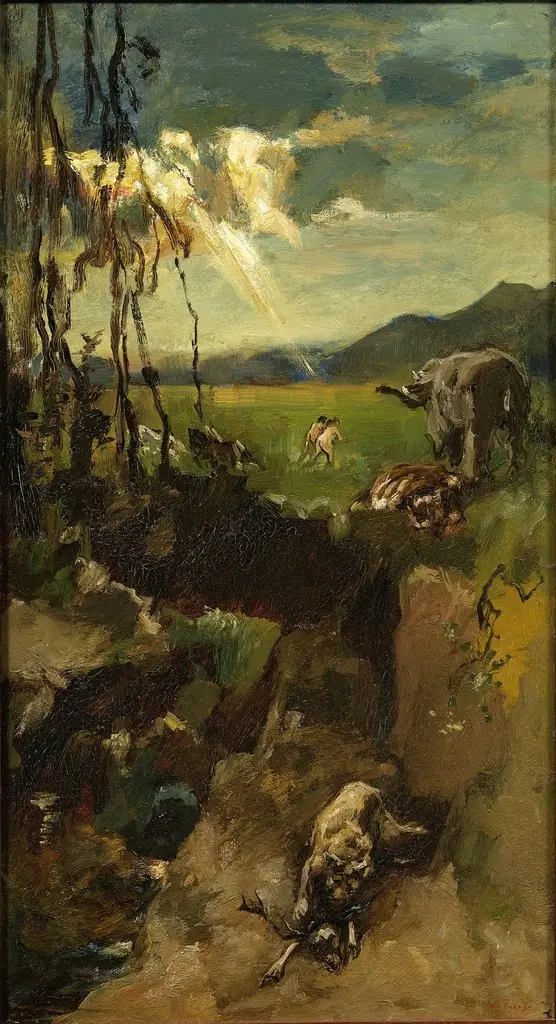
Artist & collection
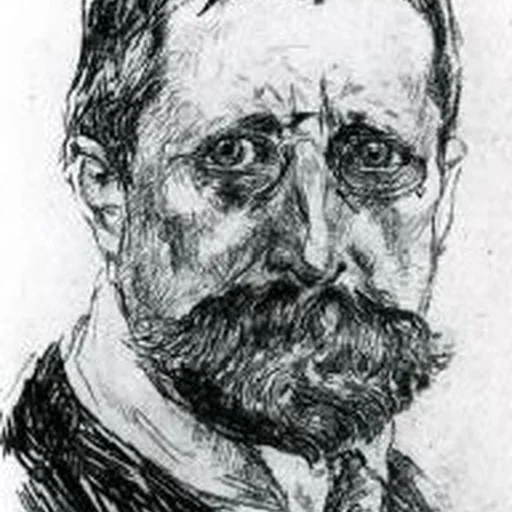
Artist
Wilhelmus "Willem" Hendrikus Petrus Johannes de Zwart (16 May 1862 – 11 December 1931) was a Dutch painter, engraver, and watercolorist with many connections to the Hague School and later associated with the Amsterdam Impressionism…