Artwork
Destruction of Sodom and Gomorrah
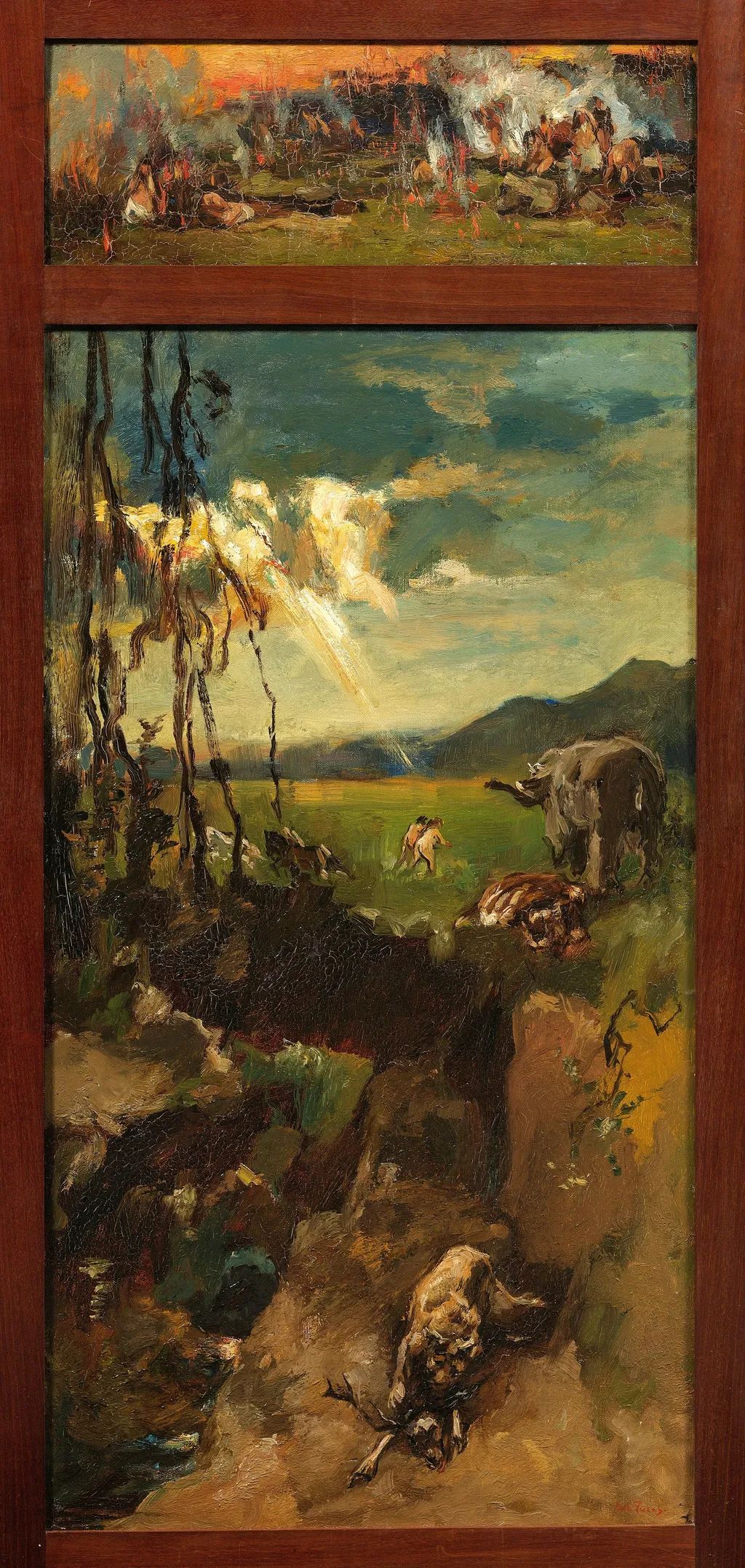
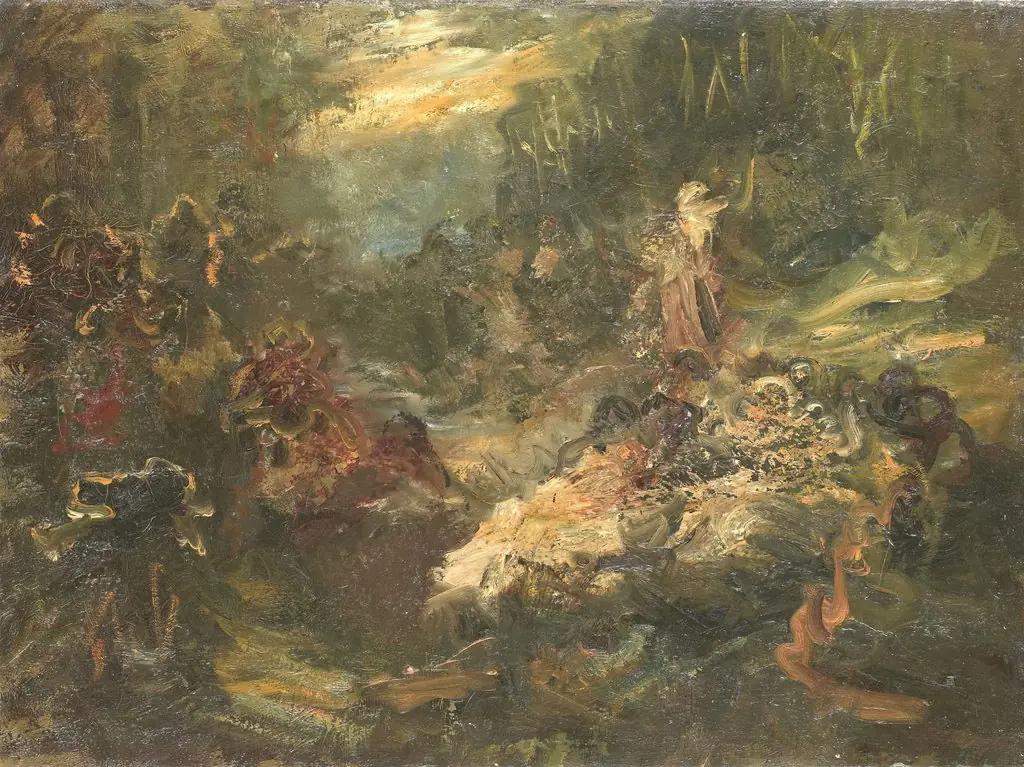
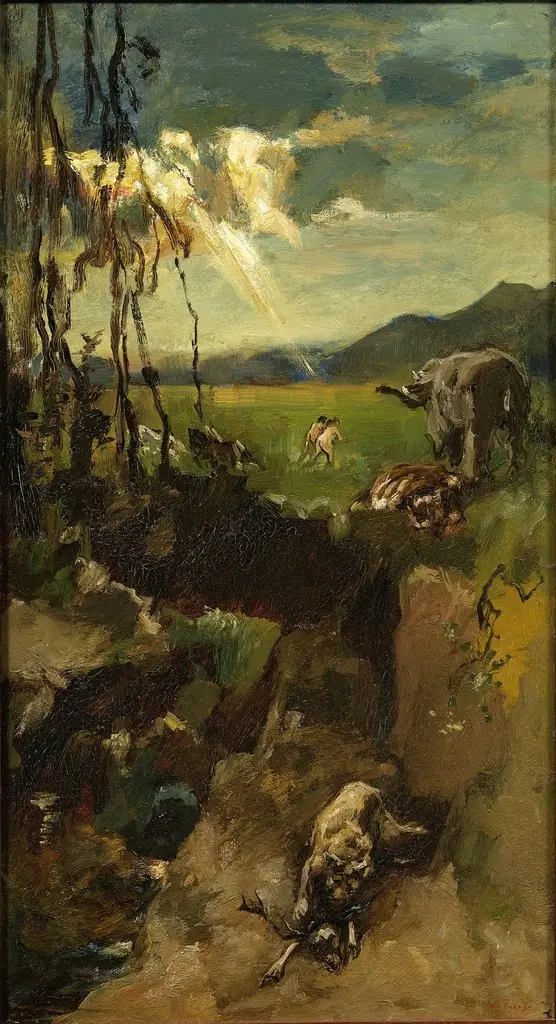
Destruction of Sodom and Gomorrah is an oil painting by the Northern Renaissance artist Willem de Zwart. It dates from 1915 and is held in the collection of the Rijksmuseum.
About this work
Subject & Meaning
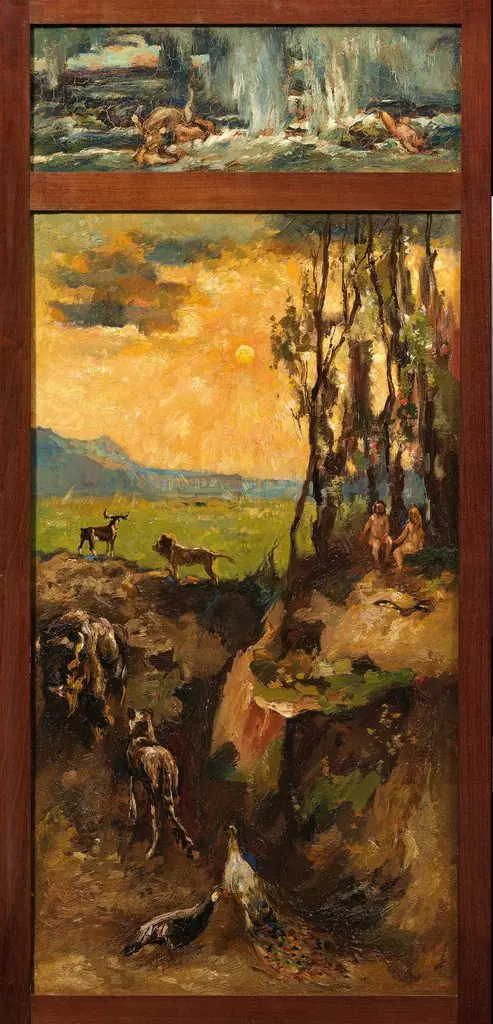
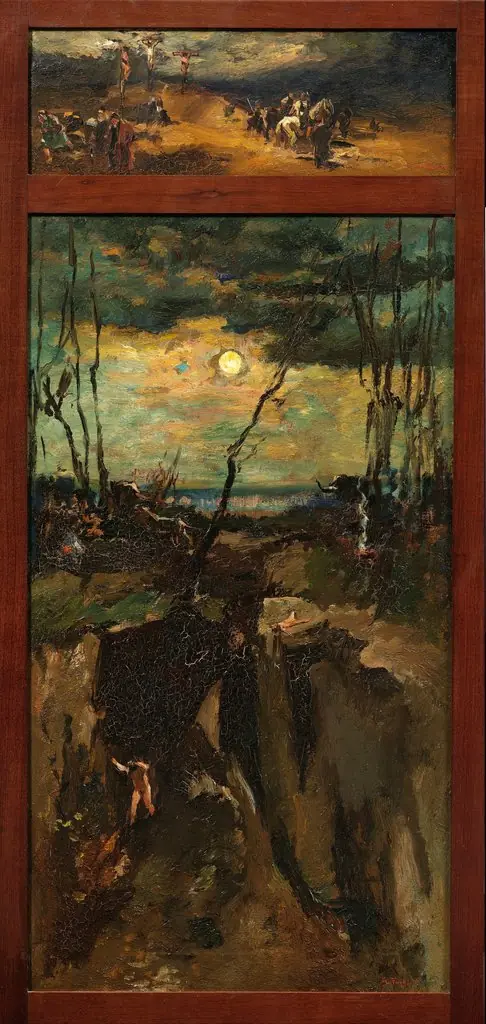
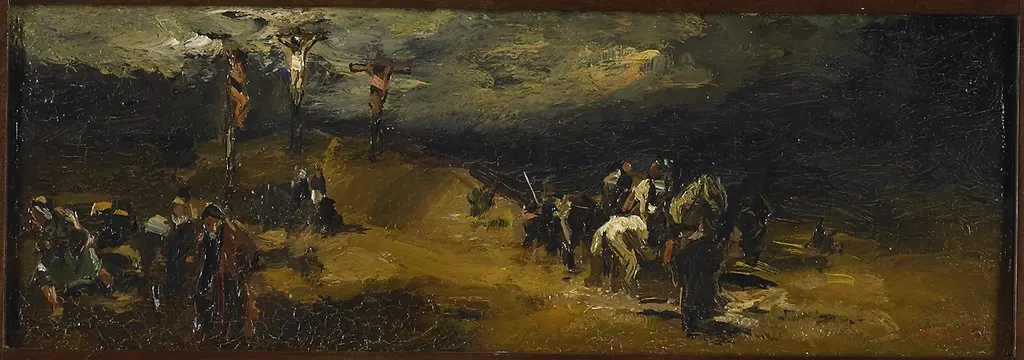
Created in 1915, Willem de Zwart's Destruction of Sodom and Gomorrah is a religious painting that depicts the biblical narrative of the divine annihilation of the two cities. The work belongs to the genre of religious art, focusing on the catastrophic event described in scripture where Sodom and Gomorrah were destroyed as punishment for their wickedness. As an oil painting on canvas, the piece visualizes this moment of judgment and catastrophe, serving as a representation of the biblical story within the tradition of religious iconography.
Technique & Style
Executed in 1915, this religious painting by Willem de Zwart utilizes oil paint applied to a canvas support. The work is characterized by its distinctively elongated horizontal format, measuring 15.5 cm in height and 44.5 cm in width. This panoramic proportion creates a wide visual field that accommodates the narrative scope of the biblical subject matter within a compact vertical scale.
History & Provenance
Its creation history is documented through the artist's activity in the early twentieth century, with the date of inception recorded as 1915.
The painting Destruction of Sodom and Gomorrah was created by Willem de Zwart in 1915 as an oil painting on canvas. It is part of the Rijksmuseum's collection and is classified within the religious art genre. The work measures 15.5 centimeters in height and 44.5 centimeters in width.
The painting entered the Rijksmuseum collection through its acquisition of de Zwart's body of work, reflecting the museum's focus on religious subjects in Dutch art. Its creation history is documented through the artist's activity in the early twentieth century, with the date of inception recorded as 1915.
The provenance indicates continuous ownership by the Rijksmuseum since its creation, establishing a clear chain of custody from the artist to the present holding institution.
The painting has been part of the collection of the Rijksmuseum, where it is located. It is catalogued there as an oil on canvas work by Willem de Zwart, dated 1915, measuring 15.5 cm in height by 44.5 cm in width.
No exhibition history is recorded in the available sources.
Overview
Willem de Zwart’s 1915 oil painting Destruction of Sodom and Gomorrah is part of the Rijksmuseum’s holdings. Though the artist is best known for his ties to the Hague School and later Amsterdam Impressionism, this work adopts a religious subject drawn from the biblical narrative, placing it within a tradition that reaches back to the Northern Renaissance.
Context
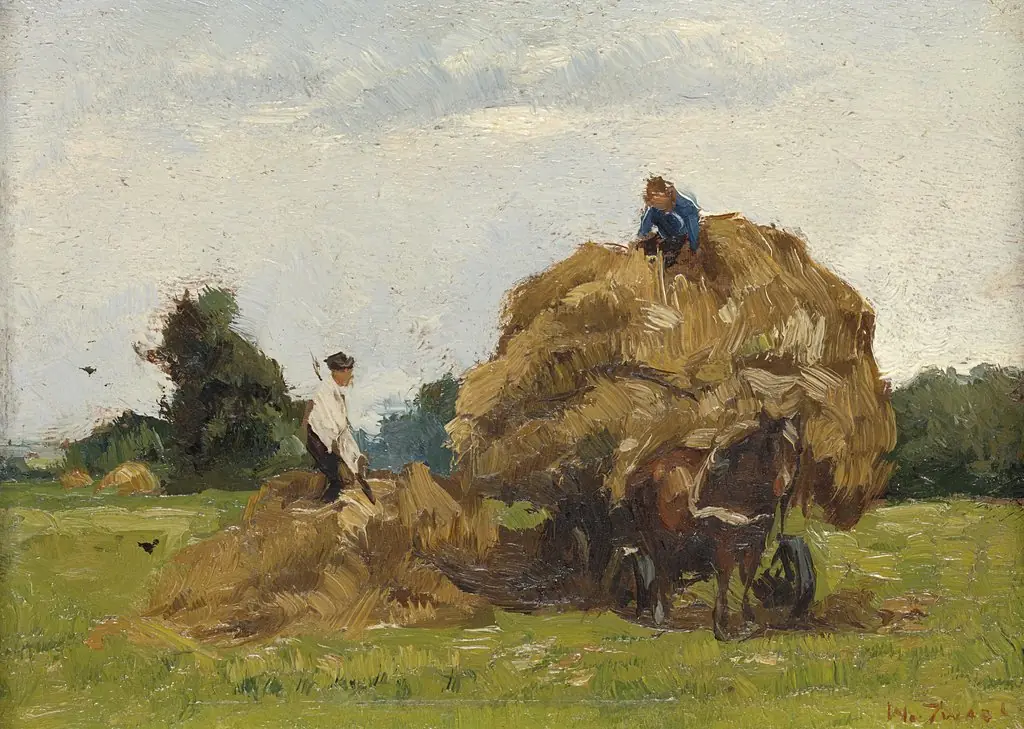
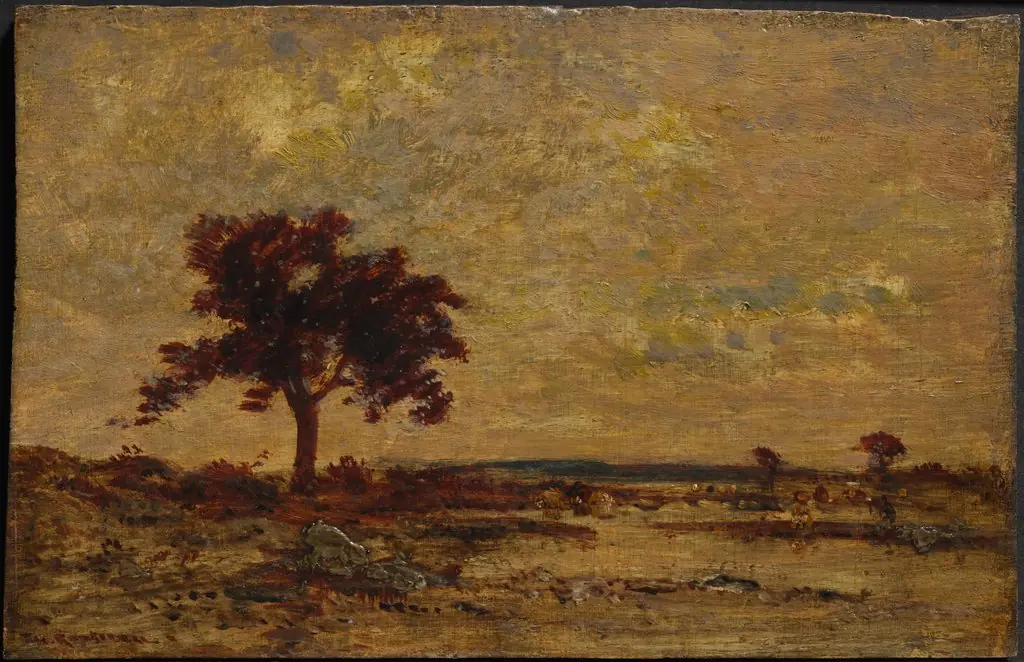
While de Zwart’s oeuvre largely consists of genre scenes and impressionistic landscapes, this piece revisits a biblical episode traditionally treated by Northern Renaissance masters. By juxtaposing a violent narrative with a peaceful pastoral, the artist engages contemporary concerns about turmoil and redemption, echoing the broader cultural anxieties of his wartime era.
Artist & collection
Artist
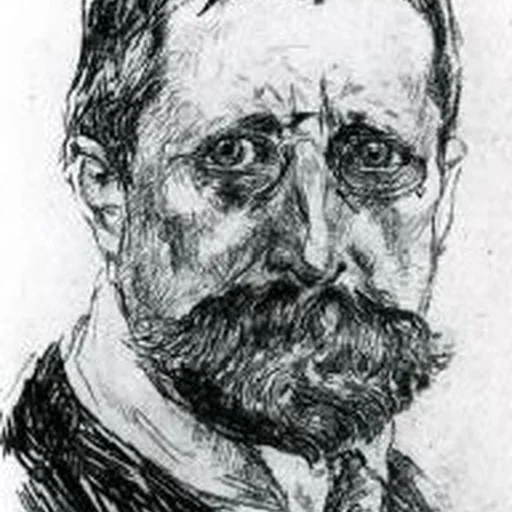
Wilhelmus "Willem" Hendrikus Petrus Johannes de Zwart (16 May 1862 – 11 December 1931) was a Dutch painter, engraver, and watercolorist with many connections to the Hague School and later associated with the Amsterdam Impressionism…