
Movement
Amsterdam Impressionism
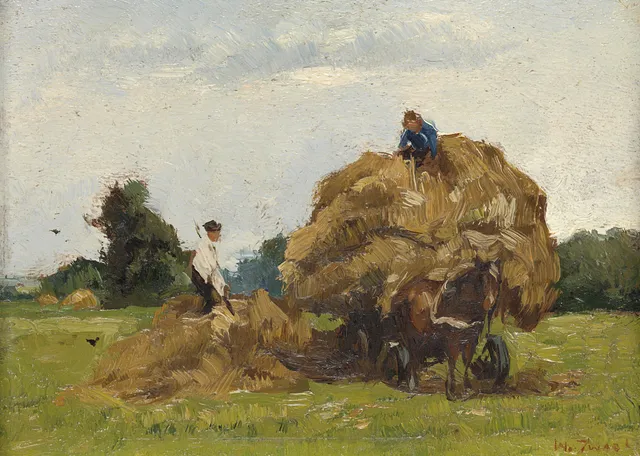
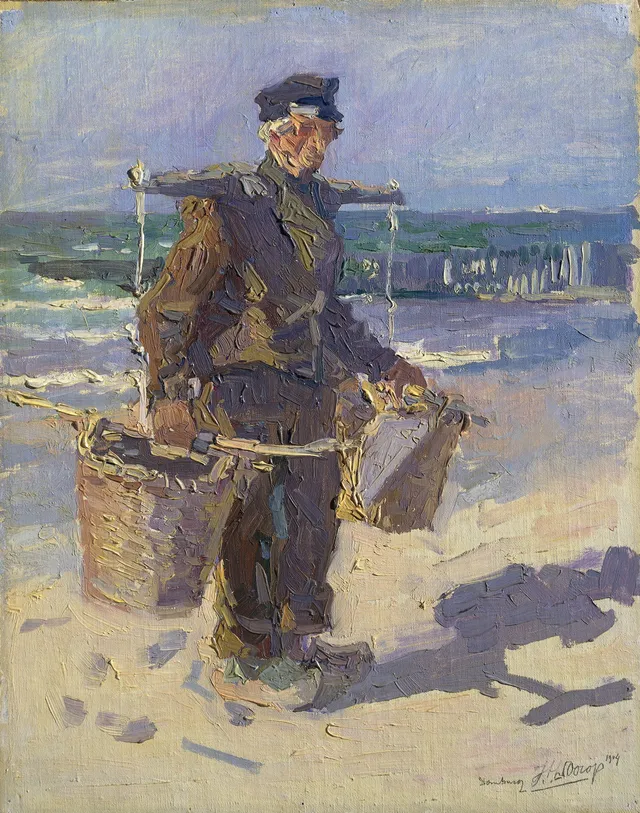
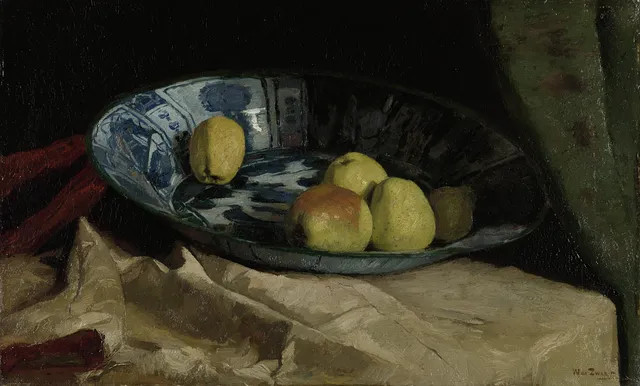
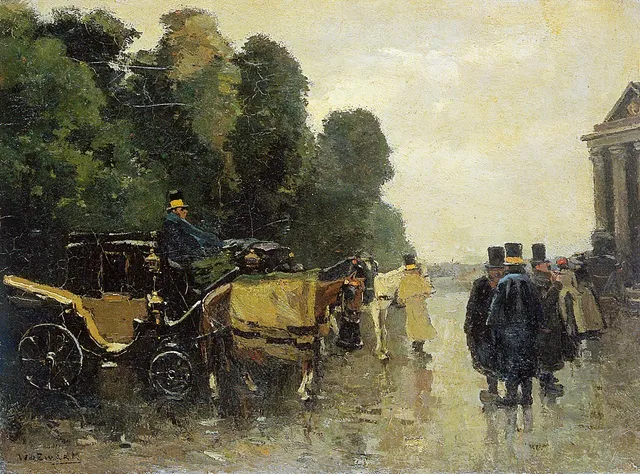
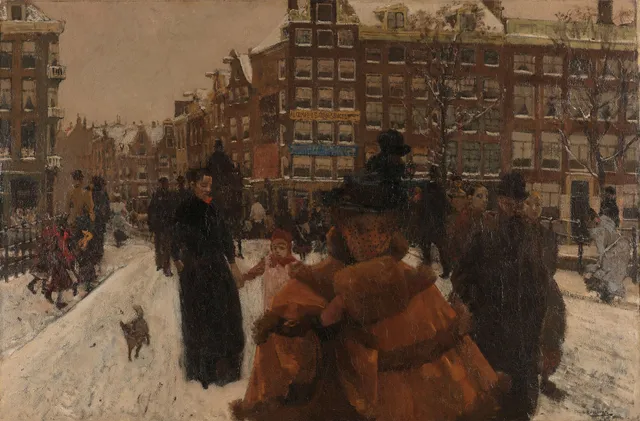
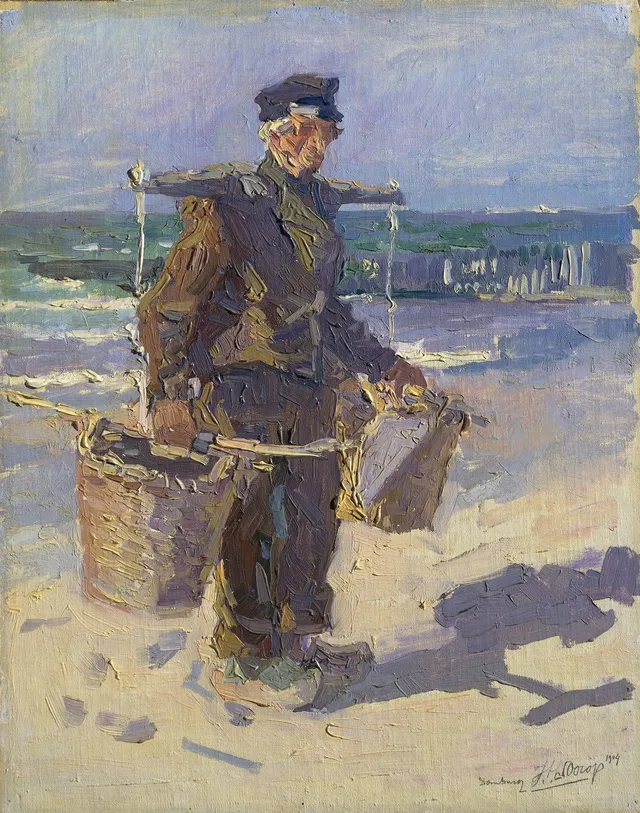
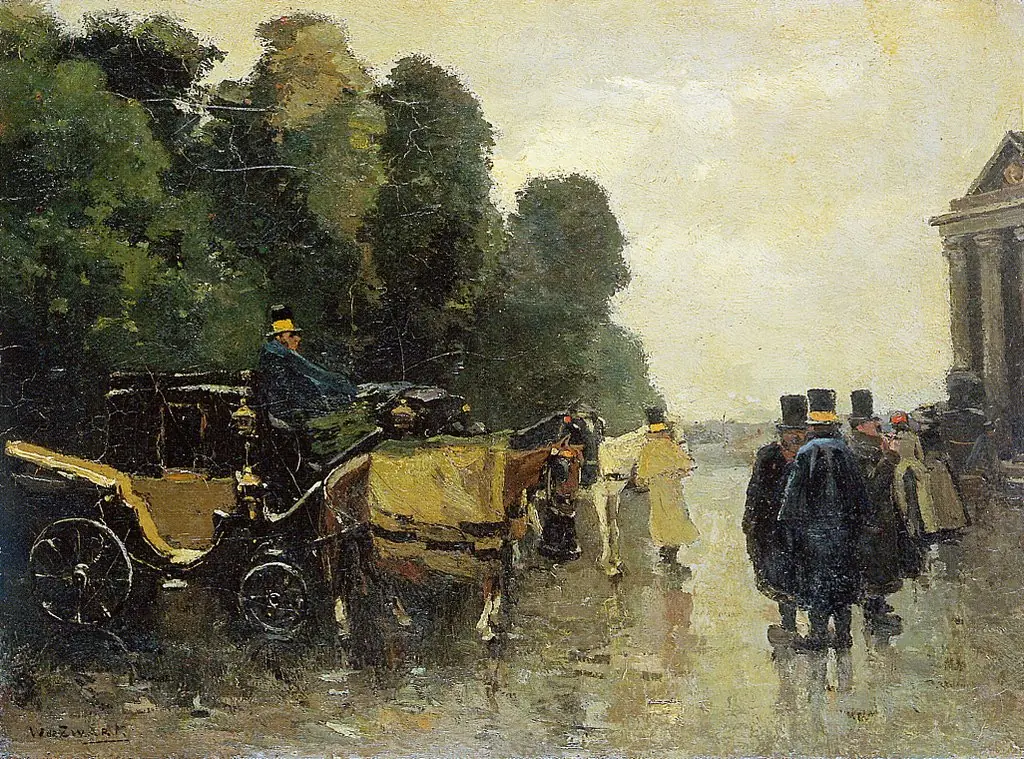
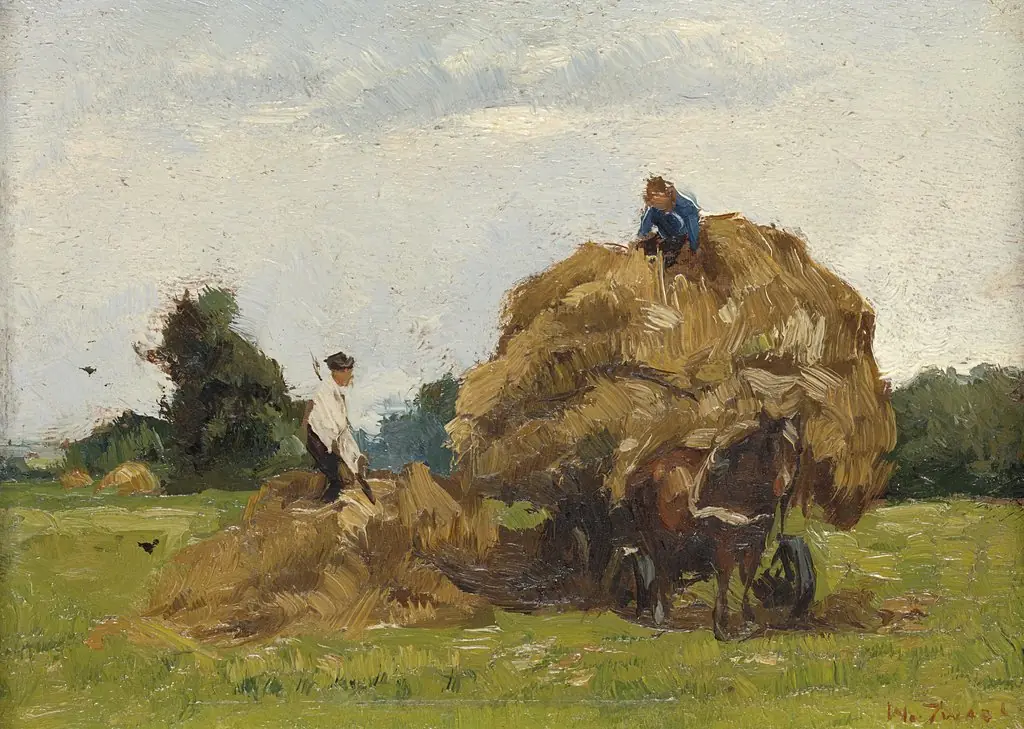
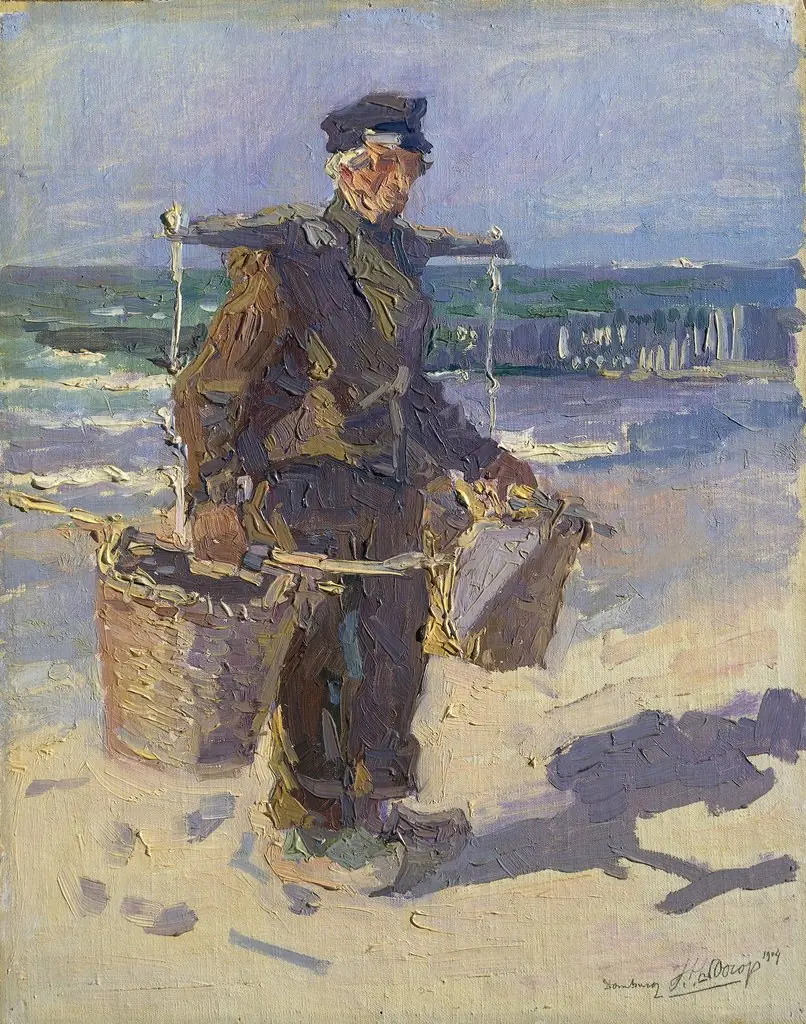
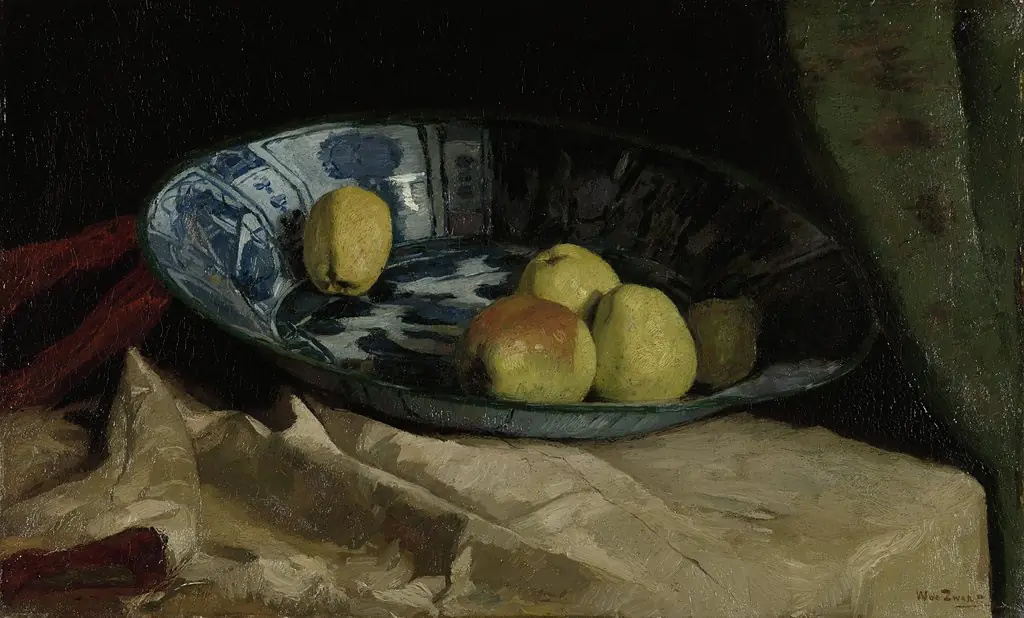
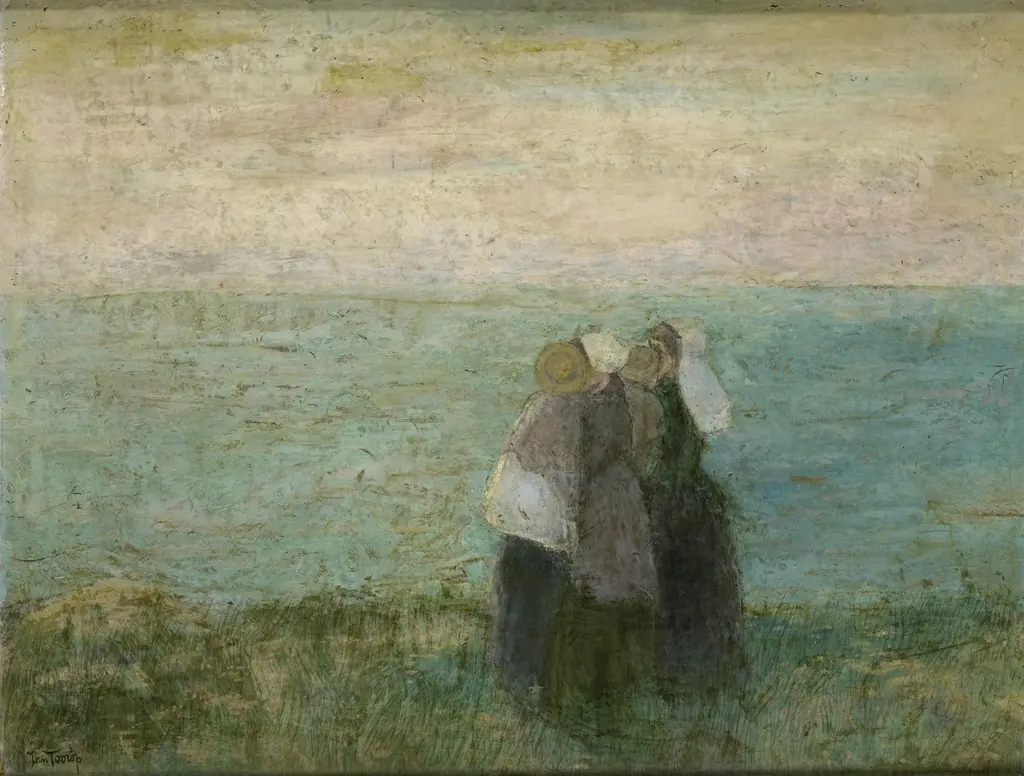
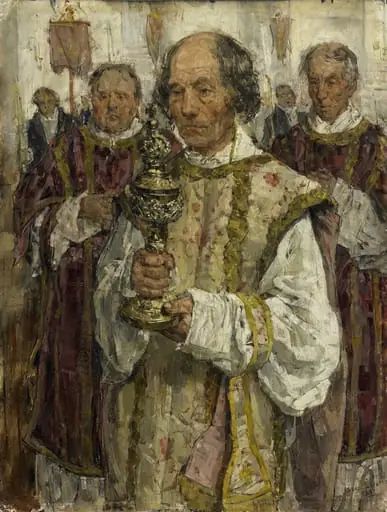
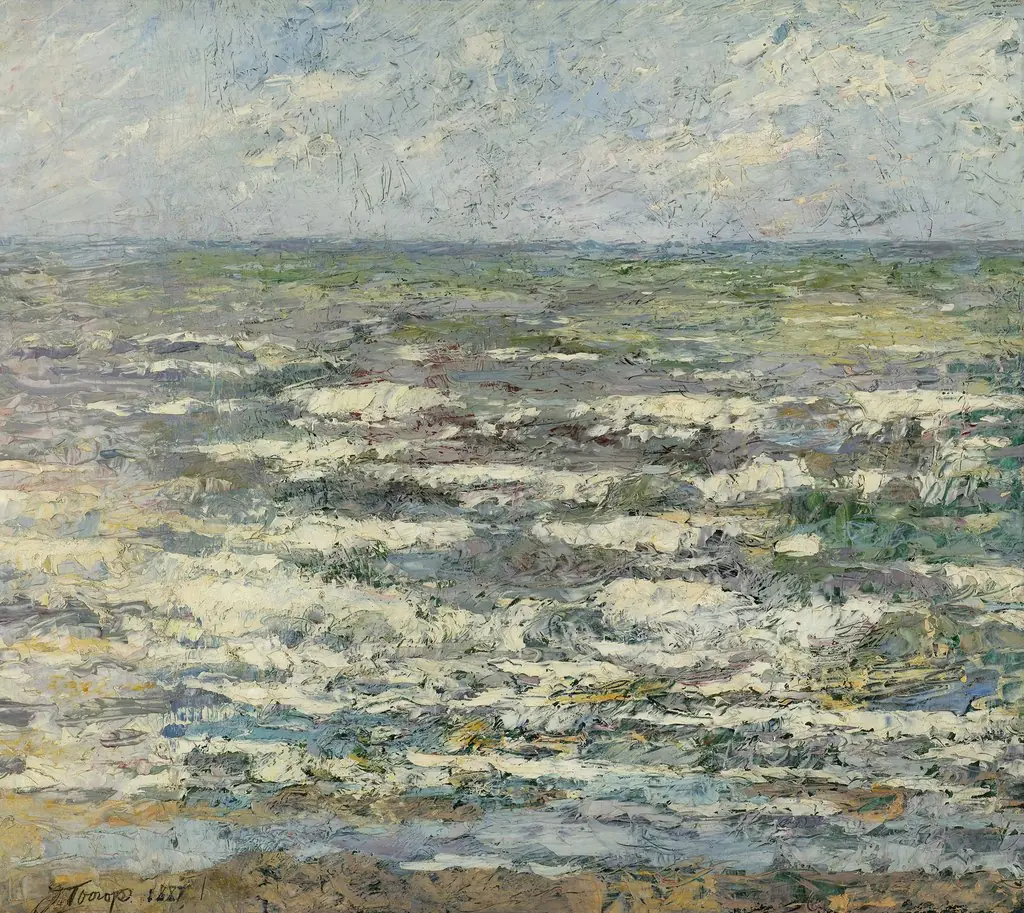
Amsterdam Impressionism is an art movement dating from 1880. The gallery holds 8 works in this movement, including works by Jan Toorop, Isaac Israëls and Willem de Zwart. Browse Amsterdam Impressionism paintings, portraits, pictures and artworks from the world's public-domain museum collections.
Amsterdam Impressionism emerged in the Netherlands during the closing decades of the nineteenth century, as a younger generation of painters working in the rapidly modernising capital absorbed the lessons of French Impressionism and turned them toward the streets, canals and crowds of their own city. The new manner reached Amsterdam partly through the Hague School, whose members—among them Jozef Israëls, Jacob Maris and Anton Mauve—had already introduced French ideas about light and loose handling into Dutch painting. Many of the Amsterdam Impressionists trained at the city's Rijksakademie under August Allebé, and the circle is sometimes called the "School of Allebé" in his honour. The movement was bound up with the literary Tachtigers, or Movement of Eighty, who from the 1880s championed naturalism, impressionism and the doctrine of art for art's sake from their Amsterdam base.
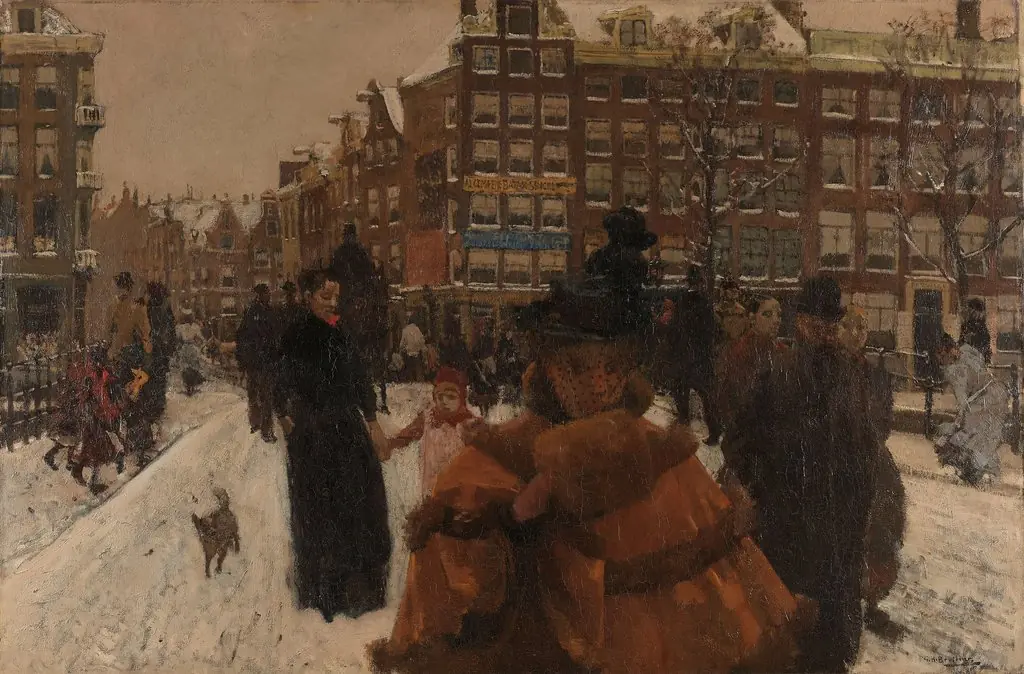
Where the Hague School favoured atmospheric landscapes, dunes and the sea, the Amsterdam painters fixed on the dynamism of modern urban life. They worked with rapid, visible brushstrokes, capturing fleeting moments—wet pavements, working horses, servant girls, market crowds and shop windows—often in a muted, tonal palette punctuated by sudden notes of colour. Several, notably Breitner, painted en plein air and used photography to document street life, rainy weather and atmospheric effects as raw material for their canvases.
The movement is associated above all with George Hendrik Breitner (1857–1923), who after a brief stay in Paris in 1884 settled in Amsterdam and became its foremost chronicler of the city. His canonical works include The Singel Bridge at the Paleisstraat in Amsterdam (1896–98) and the Girl in a White Kimono series (1894). His lifelong friend Isaac Israëls (1865–1934), son of Jozef Israëls, was among the few Dutch painters to adopt the bright palette of the French, depicting Scheveningen bathers, cafés and fashionable city life. The wider circle embraced Willem Witsen, Willem Bastiaan Tholen, Willem de Zwart and, in his early career, Jan Toorop, while the Amsterdamse Joffers formed a notable group of women painters in its orbit.
Amsterdam Impressionism stands as the Dutch counterpart to French Impressionism and a bridge between the Hague School's realism and the Symbolism and Pointillism that Toorop and others would later pursue, leaving an enduring record of a city on the cusp of the modern age.
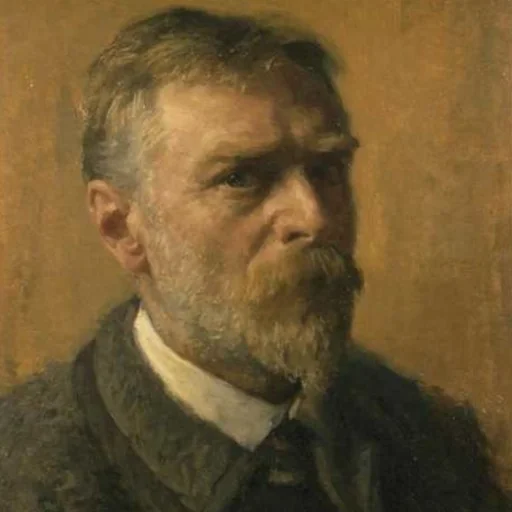
Key artists
Works
Groups & collectives
Frequently asked questions
What is Amsterdam Impressionism?
Amsterdam Impressionism is an art movement. A late-19th-century Dutch movement also called the Amsterdam School of Impressionism, absorbing French plein-air ideas while retaining a Dutch feel for light on water and city canal life.
How many Amsterdam Impressionism works does Artifact World Gallery have?
Artifact World Gallery holds 8 public-domain Amsterdam Impressionism works, all free to view and download.
Who are the key Amsterdam Impressionism artists?
Key Amsterdam Impressionism artists in the collection include Jan Toorop, Isaac Israëls and Willem de Zwart.
When did Amsterdam Impressionism take place?
Amsterdam Impressionism dates from around 1880.
Where can I see Amsterdam Impressionism works?
Amsterdam Impressionism works in the collection are held by Rijksmuseum.