Artwork
Still-Life
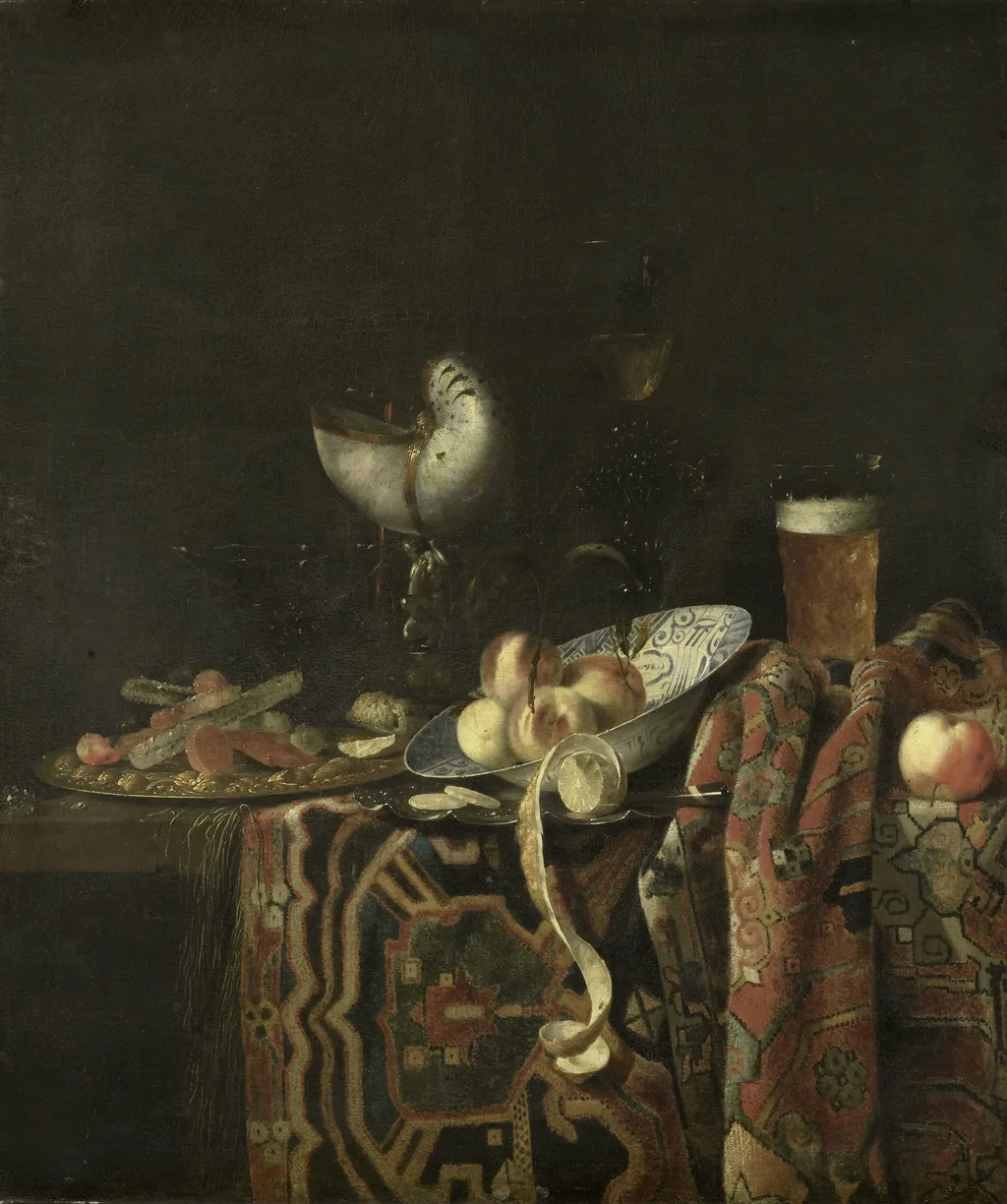
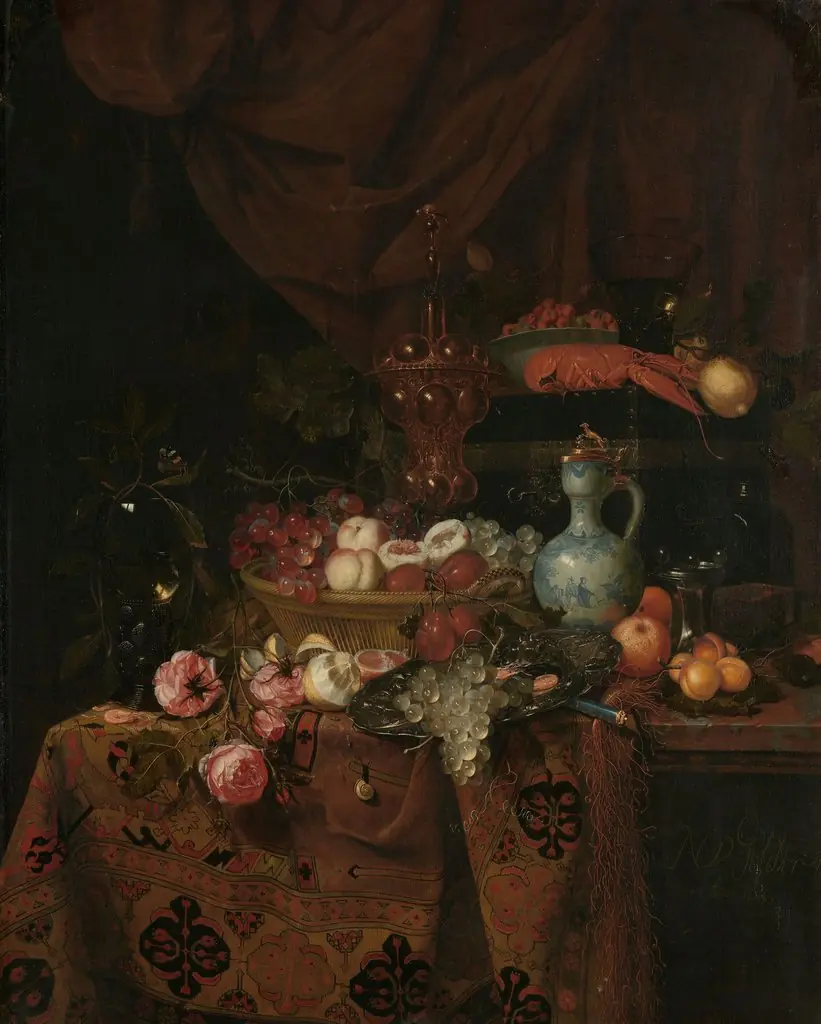
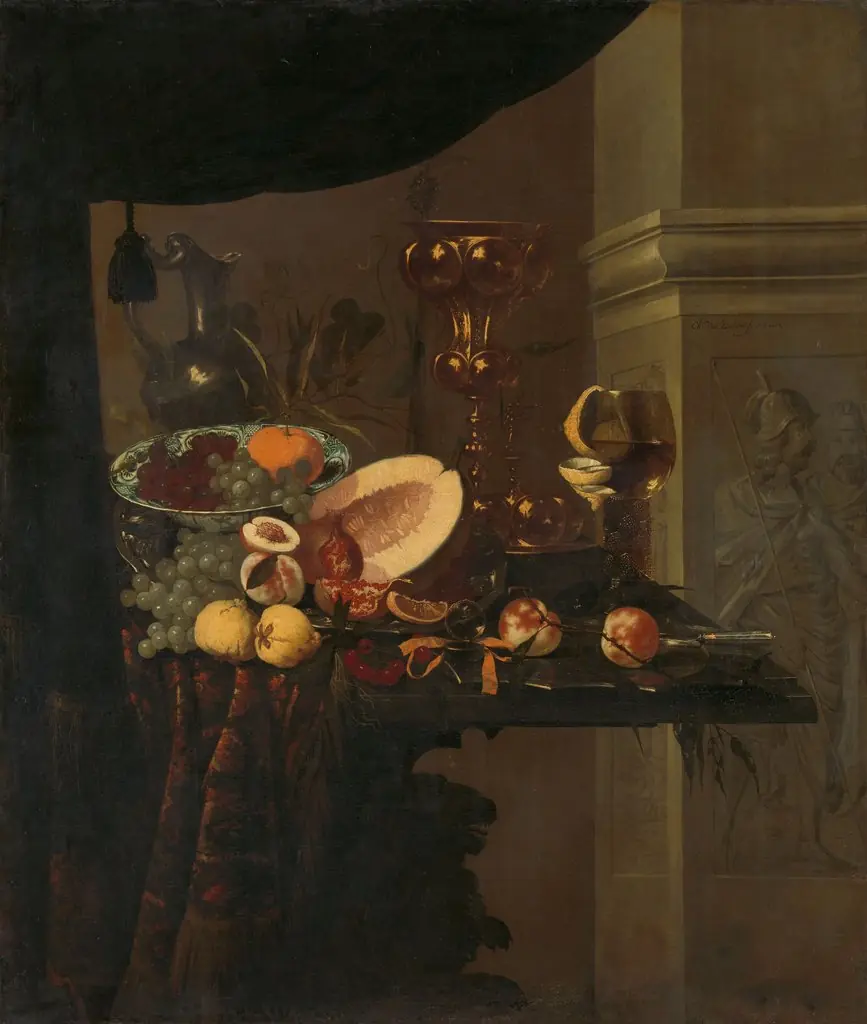
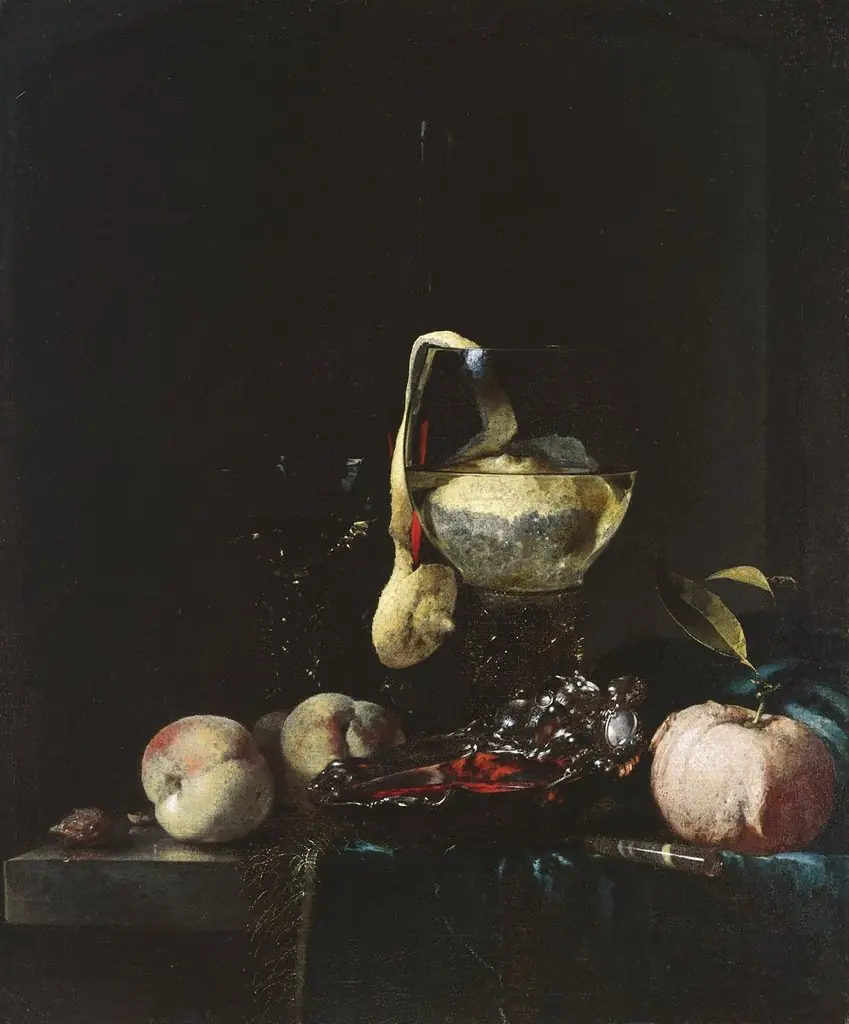
Still-Life is an oil painting by the Dutch Golden Age artist Georg Hainz. It is held in the collection of the Rijksmuseum.
About this work
Technique & Style
Georg Hainz's 1683 still-life is executed in oil paint on canvas, measuring 113 by 94.5 cm. The work belongs to the still-life genre, a category in which Hainz specialized during the late 17th century. The painting's substantial dimensions and oil-on-canvas medium are consistent with the large-scale still-life traditions of Northern European Baroque painting.
History & Provenance
Its ownership history traces from Cornelis Hoogendijk to the Rijksmuseum, where it is presently held.
Georg Hainz painted Still-Life in 1683, executing the work in oil on canvas. The painting was subsequently held by Cornelis Hoogendijk, a documented owner. It is now part of the collection of the Rijksmuseum in Amsterdam, where it is housed.
The work was created in 1683, as recorded in its inception date. Its ownership history traces from Cornelis Hoogendijk to the Rijksmuseum, where it is presently held.
Overview
Still-Life is a 1692 oil painting by Georg Hainz, currently part of the Rijksmuseum's collection. It features a tabletop arrangement of various objects.
Subject & Meaning
The painting depicts a still life with a bowl, plate, glass, and other items on a colorful cloth-draped table, arranged to evoke depth and dimensionality.
Context
As a still life from 1692, it reflects the Dutch Golden Age's emphasis on everyday life and the development of chiaroscuro in European painting.
Legacy
While specific influence or notable exhibitions are not highlighted, the piece remains a characteristic example of 17th-century Dutch still-life painting within the Rijksmuseum's holdings.
Own this work as a print
Artist & collection

- Still Life
 Still life
 Still Life
 Still life
 Still Life
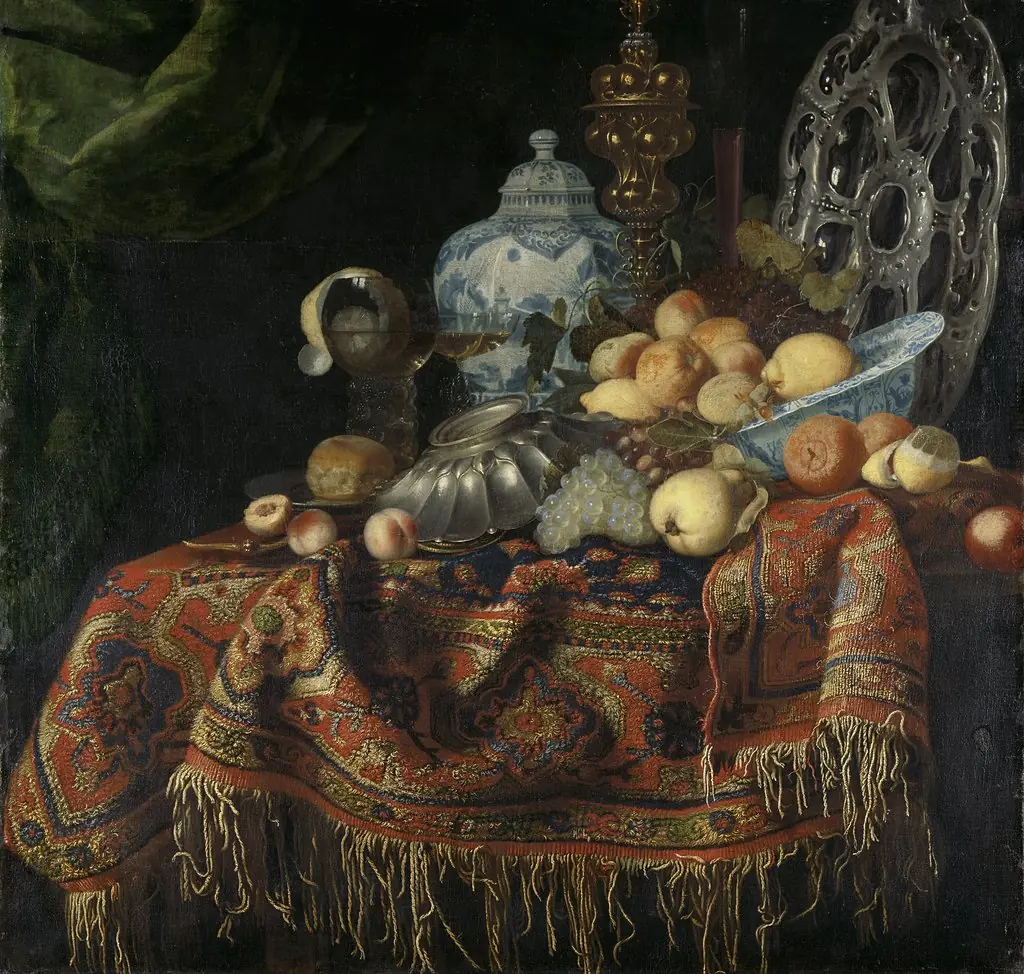 Still Life with Fruit, Plates and Dishes on a Turkey Carpet
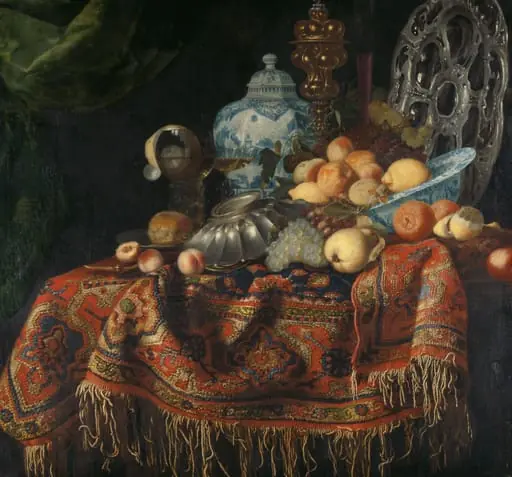 Still Life with Fruit, Plates and Dishes on a Turkey Carpet
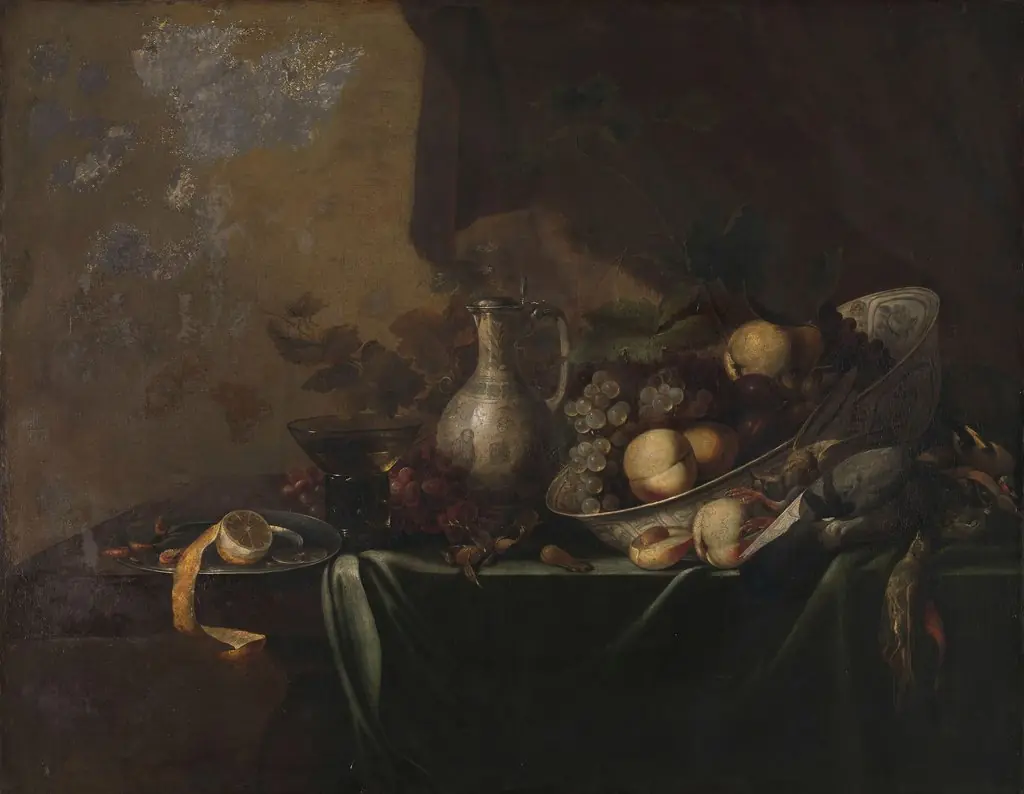 Still Life with Fruit
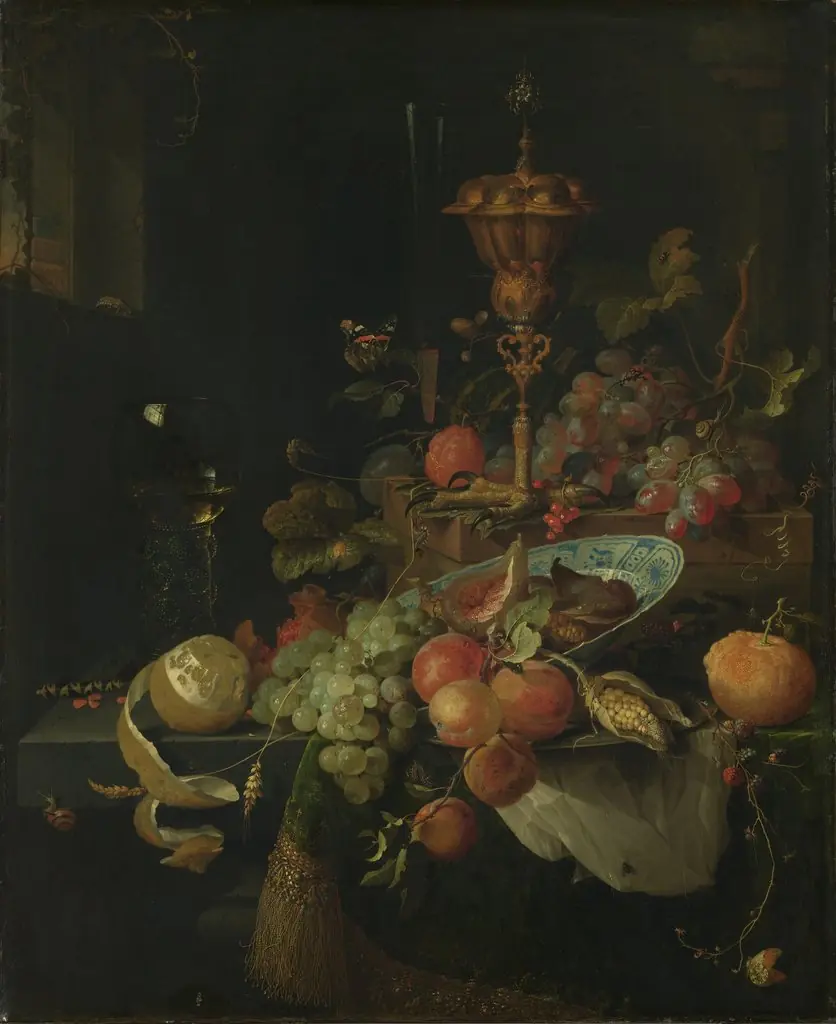 Still life with fruit and a beaker on a cock's foot
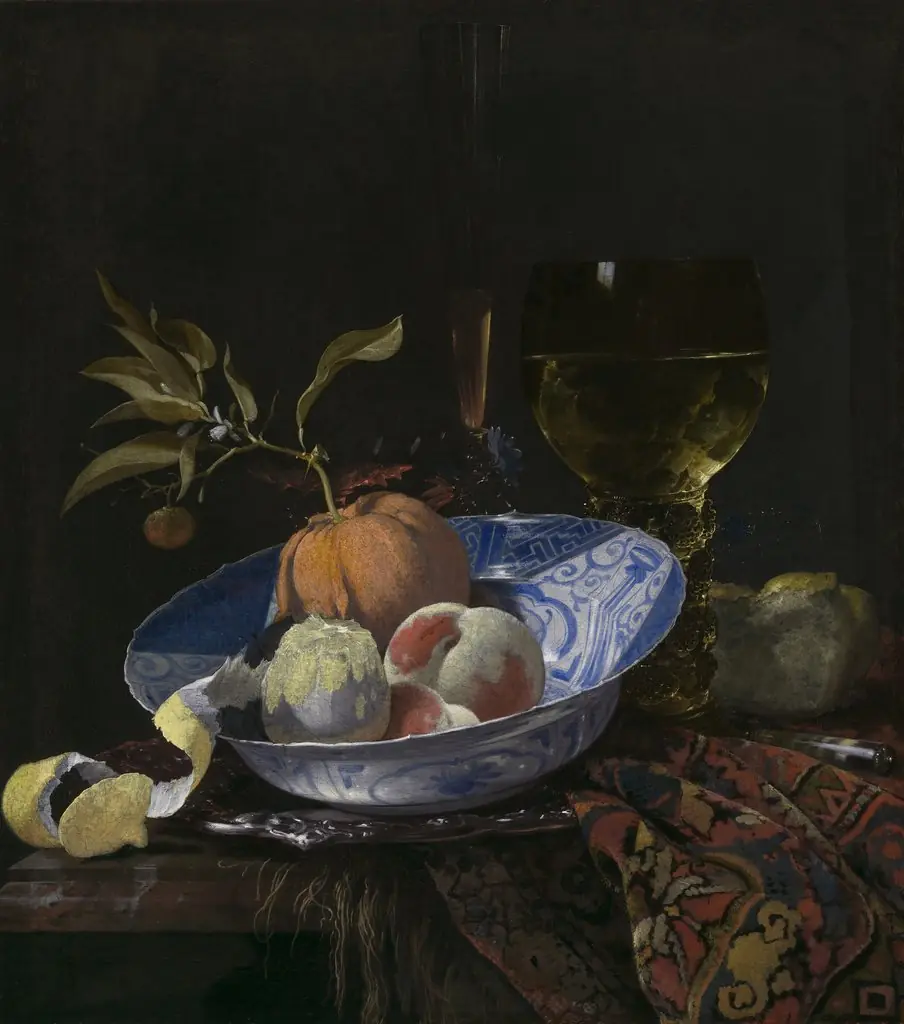 Still Life with Lemon Peel
 Still Life with Glasses and a Silver Bowl