Artwork
Wilgebomen
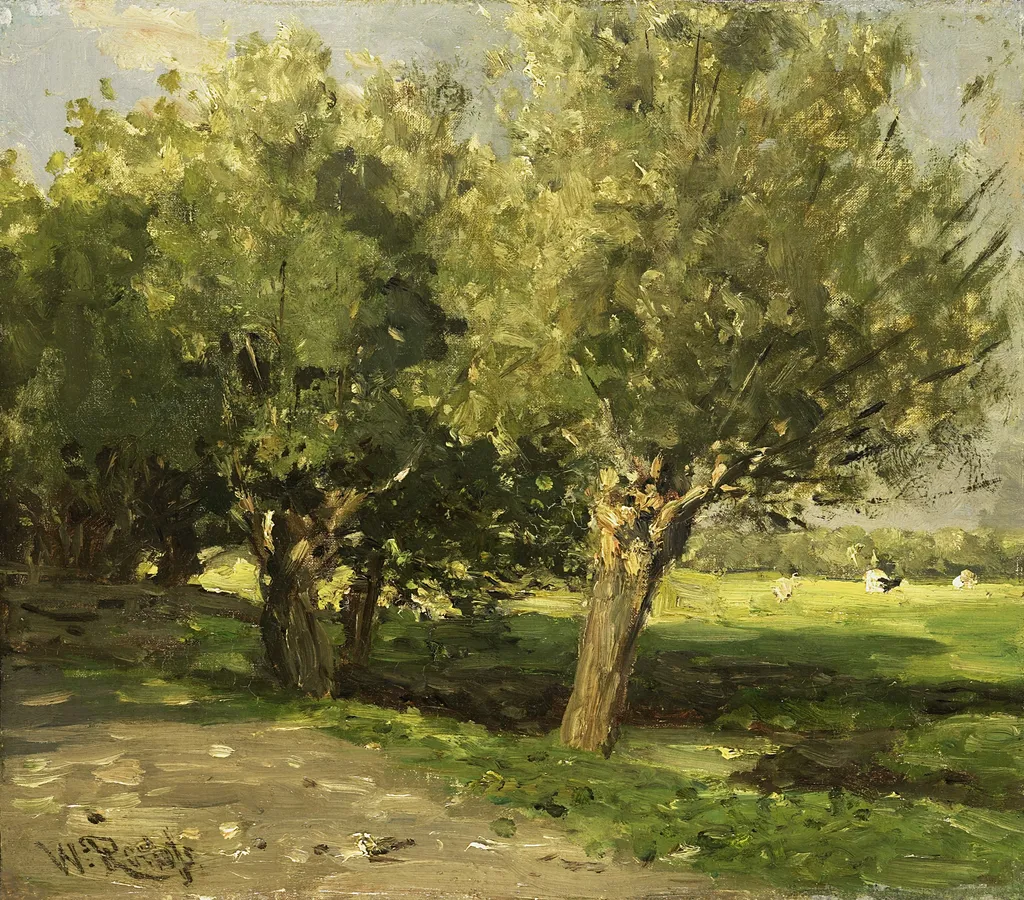
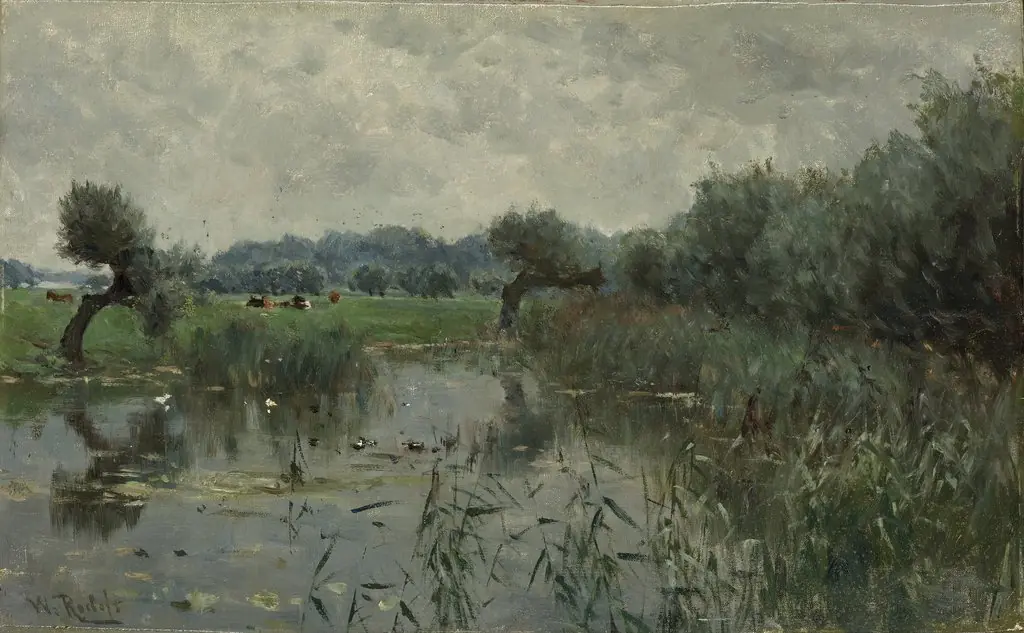
Wilgebomen is an oil painting by the Impressionist artist Willem Roelofs. It dates from 1875 and is held in the collection of the Rijksmuseum.
About this work
Subject & Meaning
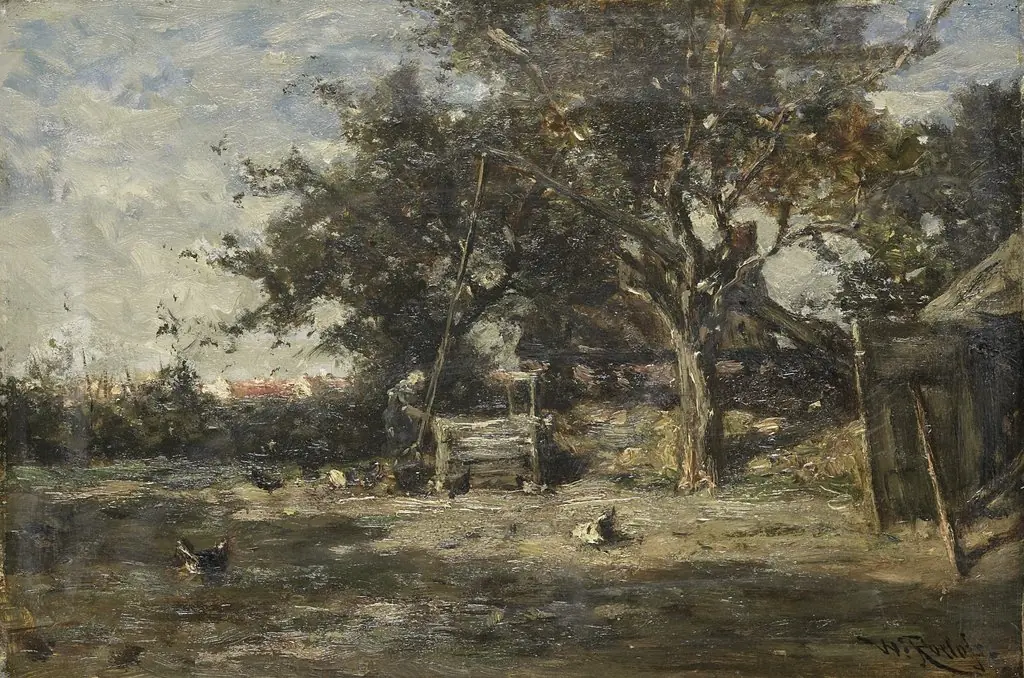
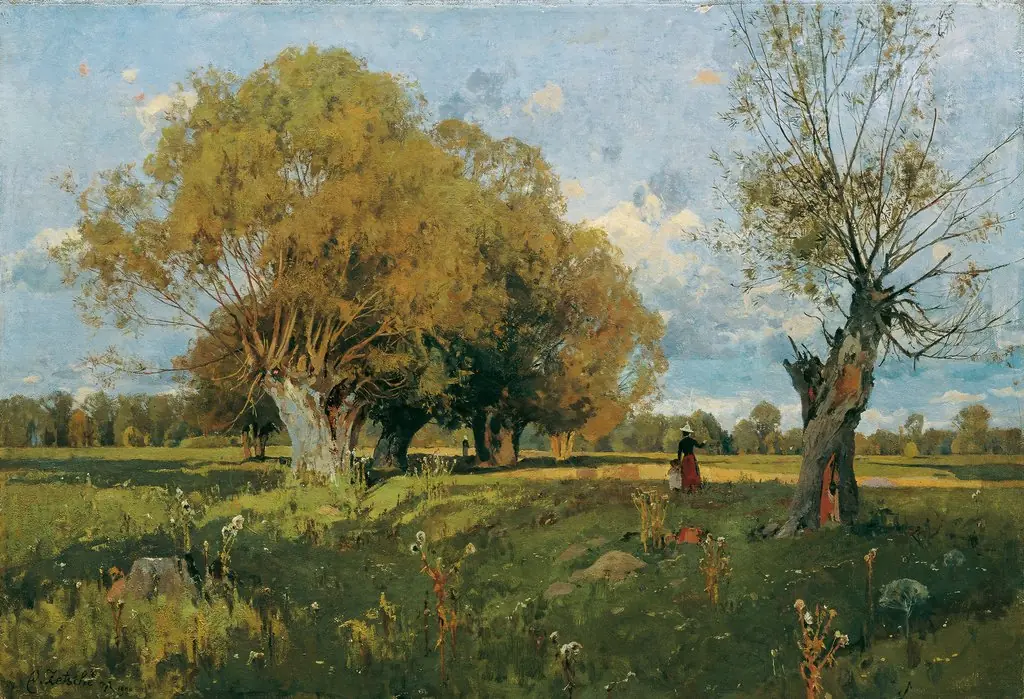
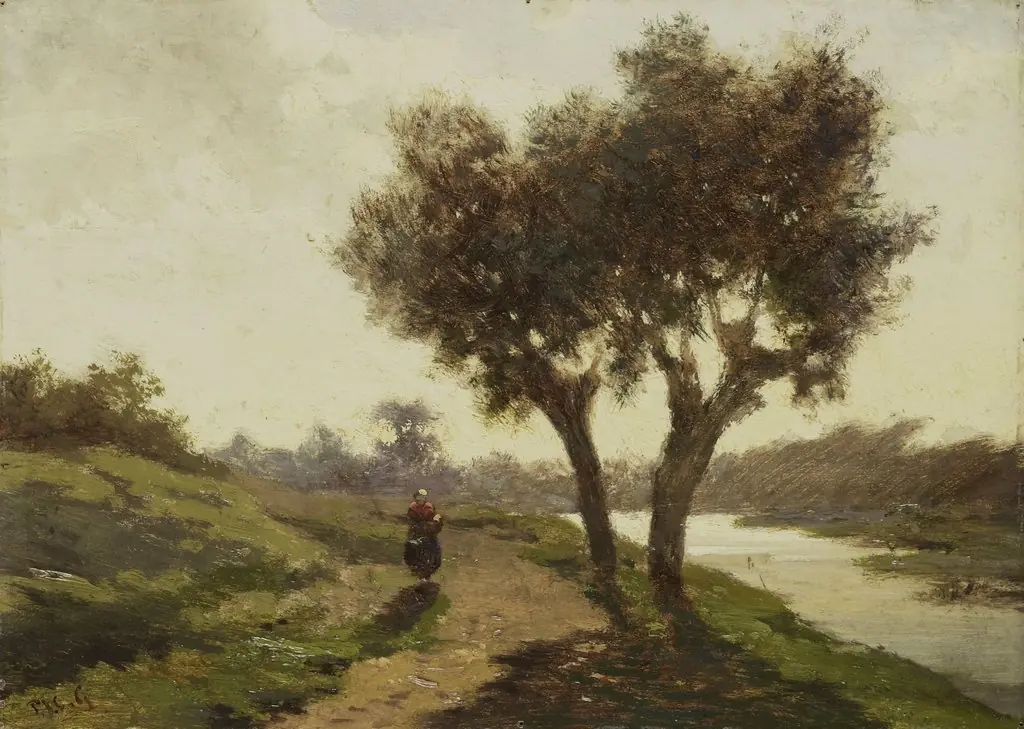
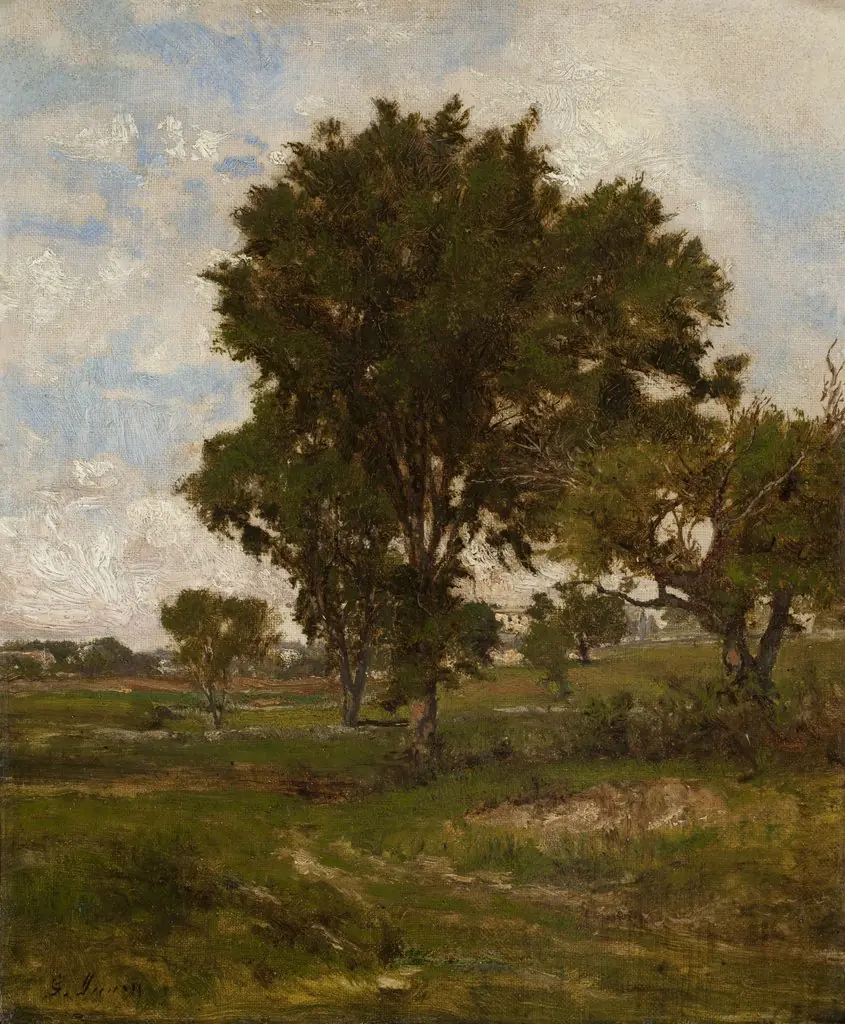
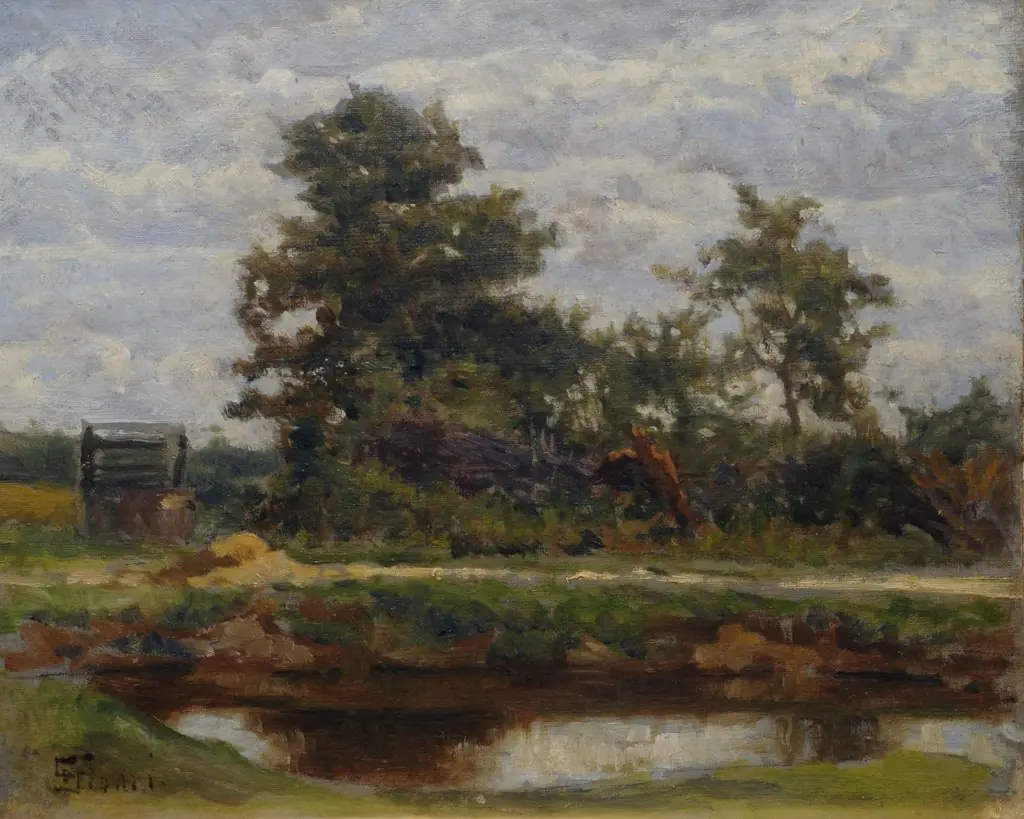
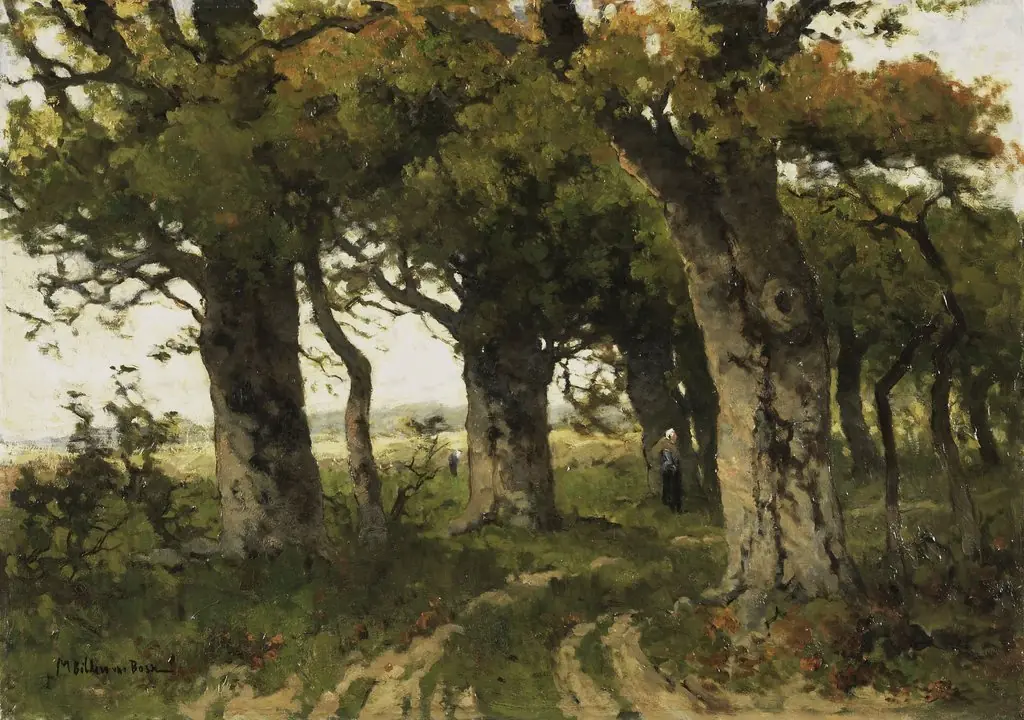
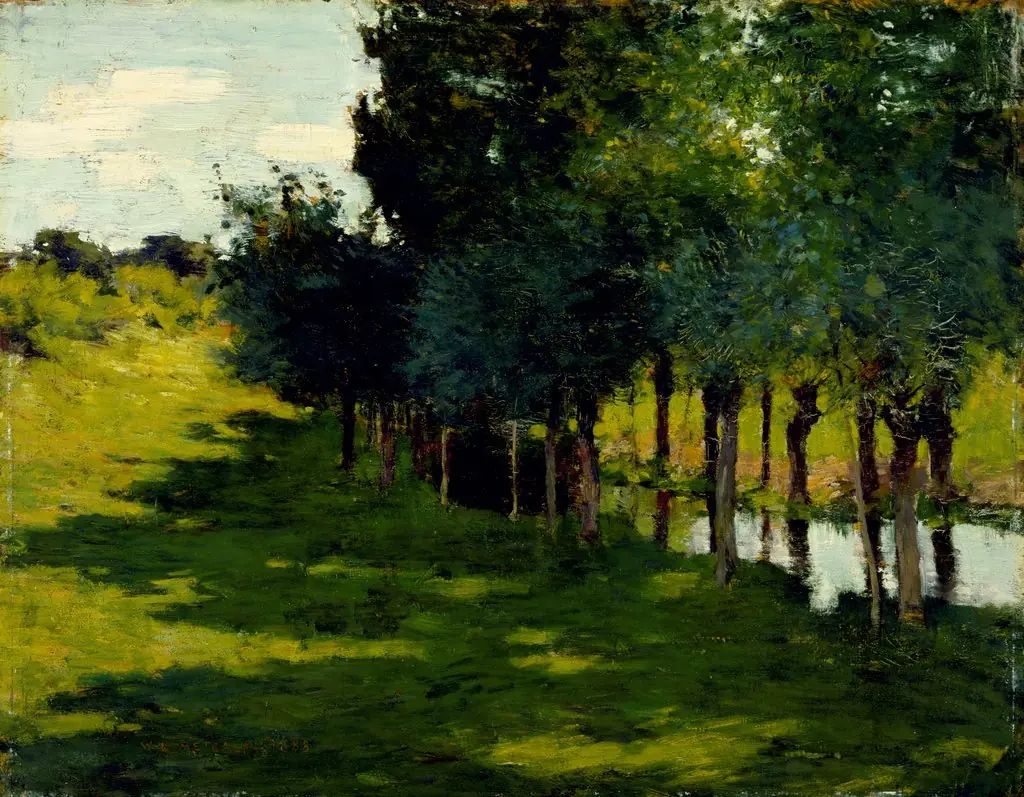
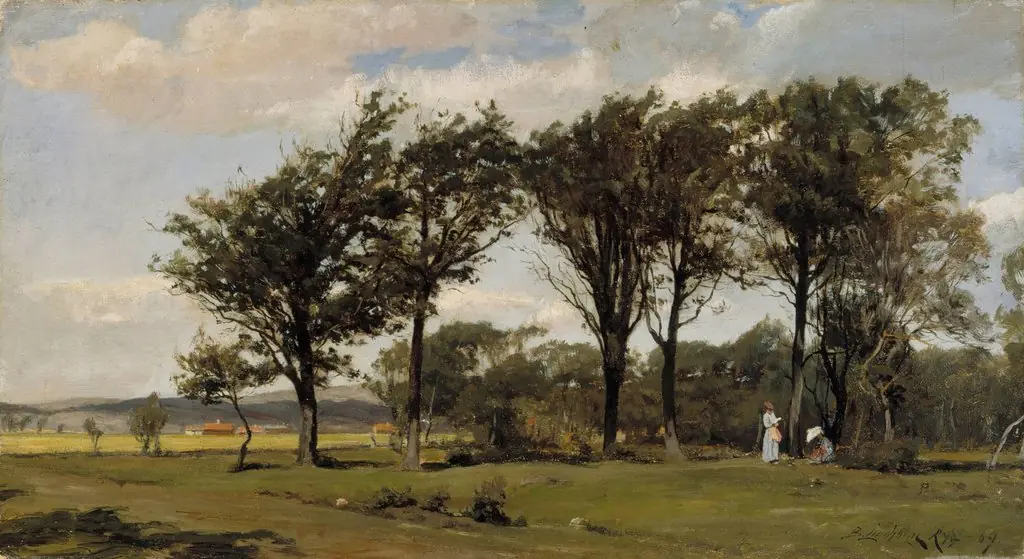
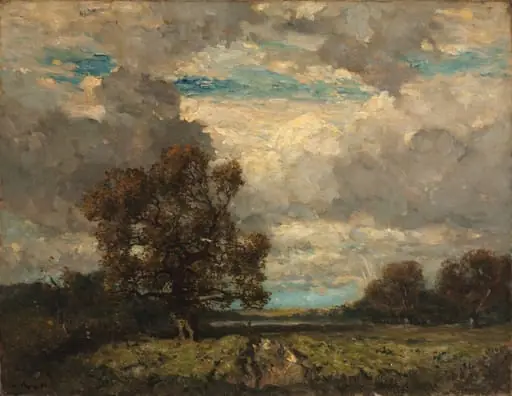
Willem Roelofs's 1875 oil painting Wilgebomen (Willow Trees) depicts a tranquil rural landscape centered on willow trees situated within a pasture.
Willem Roelofs's 1875 oil painting Wilgebomen (Willow Trees) depicts a tranquil rural landscape centered on willow trees situated within a pasture. The composition features elements characteristic of the Dutch countryside, including grassy fields, an earthen path, and an expansive sky. As a landscape work, the piece focuses on the natural environment rather than narrative or religious iconography.
The title and depicted flora emphasize the specific botanical subject of the willow, presenting a direct representation of the agrarian setting. The work serves as a visual record of the rural area, capturing the interplay between the trees, the ground, and the atmosphere without explicit symbolic allegory beyond the appreciation of the natural scene itself.
Technique & Style
Wilgebomen is executed in oil paint on panel, a support choice consistent with the modest 30 by 34 centimeter scale of the work. The medium of oil on a rigid wooden ground allowed Roelofs to render the landscape with fine detail while keeping the painting compact and portable. The composition is organized as a landscape, depicting willows set within a rural pasture crossed by a path and bordered by grass, with an earthen floor and sky completing the scene.
The small panel format supports the close, observational handling typical of plein-air study, focusing attention on the textured rendering of the willow foliage and the open ground around them.
History & Provenance
Wilgebomen was painted by Willem Roelofs in 1875 as an oil work on panel. The painting depicts a pastoral scene with willow trees, grass, a path and sky, characteristic of the artist’s landscape oeuvre. According to the Rijksmuseum’s records, the work has been part of the museum’s collection and is housed there, indicating its provenance traces from the artist’s studio to the institution. No earlier ownership or commission details are provided in the available sources.
Context
Wilgebomen, painted in 1875 by Willem Roelofs, exemplifies 19th‑century Dutch landscape art through its detailed oil‑on‑panel depiction of a willow‑lined rural scene, a pasture, and an earthen path beneath a expansive sky. The work’s classification as a landscape painting and its precise dimensions (30 × 34 cm) are recorded in the Rijksmuseum’s catalogue, underscoring its physical presence within the museum’s collection. As an internal entry within the corpus, the painting is positioned alongside other works by Roelofs that focus on naturalistic rural environments, reflecting the artist’s broader contribution to the realist tradition of the Dutch school.
Scholarship highlights its significance as a representative example of the period’s emphasis on accurate observation of everyday countryside settings.
Overview
Willem Roelofs's Wilgebomen, painted in 1875, is an oil-on-canvas landscape. This work exemplifies the artist's characteristic approach to natural scenery, featuring a rural setting with prominent trees. It reflects his involvement in the Dutch Revival movement and his contributions to the development of The Hague School, which emphasized direct observation of nature. The painting is part of the Rijksmuseum's collection.
Own this work as a print
Artist & collection

Artist
Willem Roelofs (10 March 1822 – 12 May 1897) was a Dutch painter, water-colourist, etcher, lithographer and draughtsman.